Why Your AC Unit Is Leaking Water (& How to Fix It)
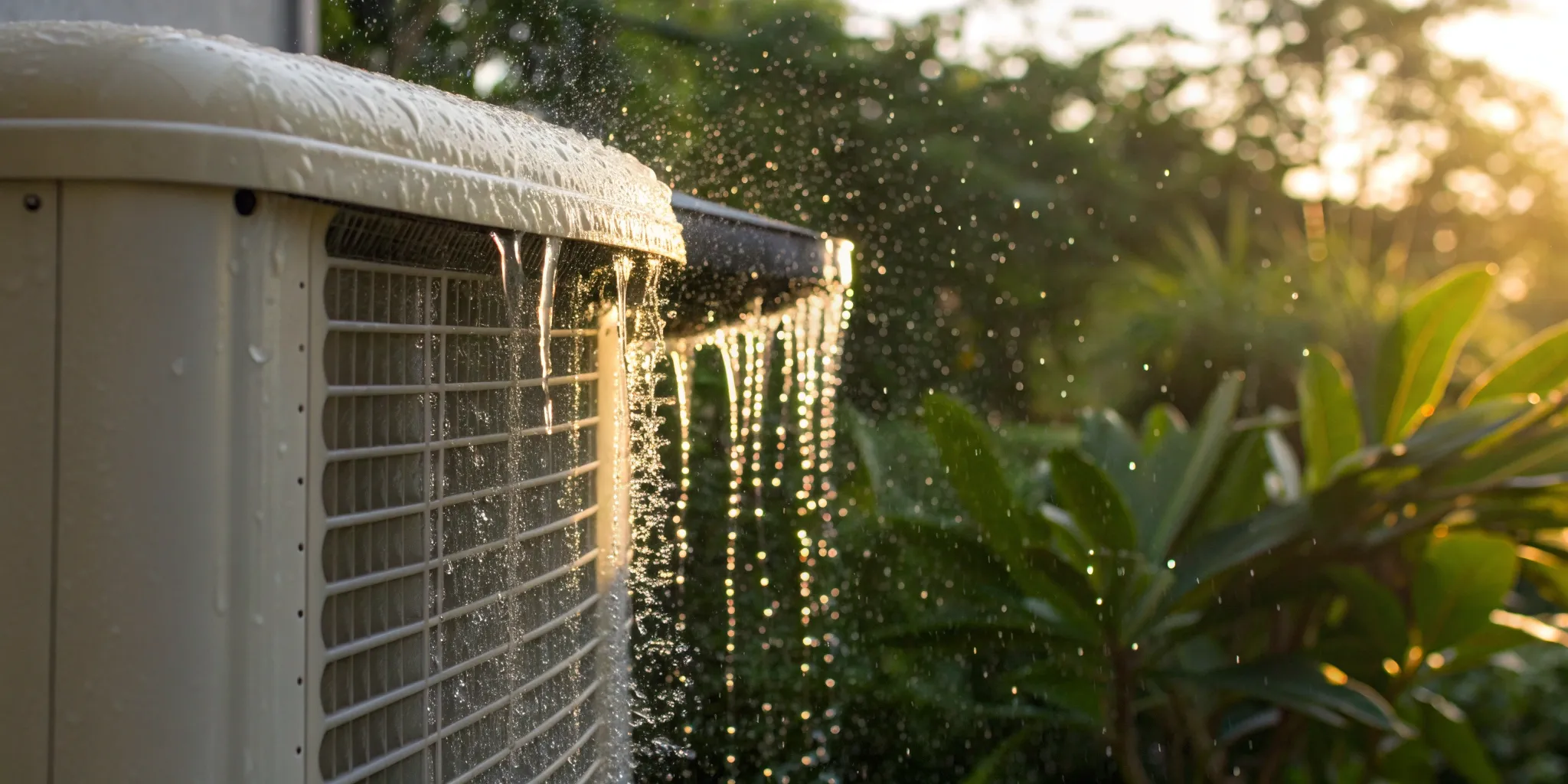
A puddle of water on your floor is more than just a mess; it’s a message from your air conditioner that something needs attention. While the water itself is the immediate problem, it’s really just a symptom of an underlying issue, like a clogged drain line or a frozen coil. Simply mopping up the water won’t solve the root cause. Understanding exactly why your ac unit is leaking water is the first step toward a lasting fix that prevents water damage and keeps your system healthy. Here, we’ll break down the diagnostic process to help you pinpoint the problem and find the right solution.
Key Takeaways
- Start with the simple fixes: A leaking AC is often caused by a clogged drain line or a dirty air filter. Before making a service call, try safely clearing the drain pipe and replacing your air filter—these simple actions can often solve the problem and prevent water damage.
- Recognize red flags that require a pro: Issues like recurring frozen coils, hissing sounds, or electrical problems are signs of a bigger issue, such as a refrigerant leak. For your safety and to avoid further damage, turn off the system and leave these complex repairs to a certified technician.
- Make prevention a priority: You can avoid most leaks by staying on top of simple habits. Change your air filter regularly and schedule an annual professional tune-up to keep your system clean, efficient, and less likely to cause unexpected water issues.
Why Is My AC Leaking Water?
Finding a puddle of water around your air conditioner is never a welcome sight, especially in the middle of a Florida summer. While it’s easy to panic, a water leak is usually a symptom of a handful of common issues. Your AC unit naturally creates condensation as it cools the warm, humid air in your home. This moisture is supposed to drain away neatly outside. When it ends up on your floor instead, it’s a clear signal that something in that process has gone wrong. From a simple clog to a more serious issue, let’s walk through the most frequent reasons your AC might be leaking.
A Clogged Condensate Drain Line
This is, by far, the most common reason for an AC leak. Your system’s condensate drain line is a PVC pipe designed to carry condensation away from the indoor unit. Over time, this line can get clogged with dust, dirt, algae, and other gunk. Given our humid Florida climate, it’s a prime spot for buildup. When the line gets blocked, the water has nowhere to go but back into your home, causing a leak. A backed-up drain line can also trigger a safety switch that shuts your entire AC system down to prevent water damage.
Frozen Evaporator Coils
Your AC’s evaporator coils are responsible for absorbing heat from the air. For them to work correctly, they need steady airflow. If something restricts that airflow—like a dirty filter—the coils can get too cold and freeze over. You might even see a layer of ice on them. When your system eventually turns off, all that ice melts and creates more water than the drain pan can handle, leading to an overflow. Low refrigerant can also cause coils to freeze, which points to a different problem altogether that requires professional attention.
A Damaged or Rusted Drain Pan
Beneath your indoor unit’s evaporator coils sits a drain pan, which is there to catch condensation. If your AC unit is older, this pan can rust, corrode, or crack over time. In coastal areas like Southwest Florida, the salty air can speed up this process. Once the pan is damaged, it can no longer hold water effectively, allowing it to leak out. If the pan is just cracked, it might be a slow drip, but a severely rusted-out pan can cause a significant leak and requires a professional air conditioning repair.
A Dirty Air Filter Blocking Airflow
We can’t say it enough: a clean air filter is essential for a healthy AC system. A dirty, clogged filter is a primary cause of restricted airflow. As we mentioned earlier, when air can’t move freely over the evaporator coils, they get too cold and freeze. This is one of the easiest problems to prevent. Simply checking and changing your air filter every 30-90 days can make a huge difference in your system’s performance and help maintain good indoor air quality. It’s a small step that prevents a whole host of bigger problems.
Low Refrigerant Levels
If your AC is low on refrigerant (often called Freon), it means there’s a leak somewhere in the system. Refrigerant isn’t like gas in a car; it doesn’t get "used up." A leak reduces the pressure in your AC system, causing the evaporator coils to get excessively cold and freeze over. When the ice melts, you get a water leak. Handling refrigerant requires special tools and certification, so if you suspect a leak, it’s crucial to call a professional. This isn't a DIY fix and is best left to licensed technicians.
Improper Installation
Sometimes, the problem dates back to the day the unit was installed. If an AC system isn't installed perfectly level, the condensation won't flow correctly into the drain pan and out the drain line. Poorly connected drain lines can also separate over time, causing water to spill out. This is why a quality air conditioning installation is so important. An experienced, licensed technician ensures everything is properly aligned and sealed, preventing frustrating leaks and other issues down the road.
How to Spot a Water Leak From Your AC
Noticing a water leak early can save you from a world of headaches, including water damage and mold growth. The good news is that your AC unit usually gives off a few clear warning signs before a small drip becomes a big problem. You just need to know what to look for. By keeping an eye out for these clues inside and outside your home, you can catch a leak in its tracks and get it fixed quickly.
Telltale Signs Inside Your Home
The most obvious sign of a leak is seeing water where it shouldn’t be. If you notice a puddle forming around your indoor air handler (the unit typically found in a closet, attic, or garage), you likely have a leak. This is often caused by a clogged condensate drain line, which is supposed to safely carry condensation away from your unit. When that line gets blocked with dust and sludge, water has nowhere to go but back into your home. You might also spot water stains on the ceiling, damp drywall, or notice a musty smell. Don’t ignore these signs; they’re your AC’s way of asking for help. If you see pooling water, it's time to call for an air conditioning repair.
What to Look for Outside
Sometimes, the first clue is waiting for you outside. Your AC system has a primary and a secondary drain line. If you see water dripping from a PVC pipe located outside a window or near your foundation, that’s usually the secondary line. This means your main drain line is clogged and the system is using its backup. While it’s good that the backup is working, it’s a clear signal that your system needs attention before that secondary line also clogs, which could force water to back up inside your house. Regular air conditioning maintenance can help keep these lines clear and prevent unexpected clogs from happening in the first place.
Changes in Your AC's Performance
A water leak and poor cooling performance often go hand-in-hand. If your AC is struggling to cool your home or you notice it’s blowing warm air, a blocked drain line could be the culprit. The system might even shut off completely if the overflow pan fills with water, triggering a safety switch to prevent damage. If your AC is leaking, it's best to turn it off to prevent further harm to the system or your home. A sudden drop in performance combined with any signs of moisture is a definite reason to investigate. In the Florida heat, a non-cooling AC is a serious issue, so don't hesitate to call for emergency air conditioning services.
What to Do When Your AC Starts Leaking
Finding a puddle of water around your indoor AC unit is definitely a cause for concern, but it’s not a reason to panic. An AC leak is a common issue, and often, it’s something you can troubleshoot yourself. Taking a few immediate steps can help you identify the source of the problem and prevent any serious water damage to your home. Here’s a straightforward guide on what to do when you spot a leak.
First, Turn Off the Power
Before you do anything else, your top priority is safety. Turn off your air conditioner at the thermostat. For good measure, you should also shut off the power to the AC unit at your home’s breaker box. Continuing to run a leaking air conditioner can lead to more significant problems, like electrical issues or extensive water damage to your floors and walls. If you’re not comfortable dealing with the breaker box or suspect an electrical problem, it’s always best to call for professional emergency air conditioning services.
Clear the Condensate Drain Line
One of the most frequent culprits behind an AC leak is a clogged condensate drain line. This small pipe is responsible for carrying condensation from your indoor unit to the outside. Over time, it can get blocked with dirt, algae, and other gunk, causing water to back up and spill into your home. You can often clear this blockage yourself. Find where the PVC pipe exits your home and use a wet/dry vacuum to suck out the clog from the end of the line.
Swap Out Your Air Filter
A dirty air filter can cause a surprising number of AC problems, including leaks. When the filter is clogged with dust and debris, it restricts airflow over the evaporator coils. This can cause the coils to get too cold and freeze over. As that ice melts, the excess water overwhelms the drain pan and results in a leak. Check your air filter—if it looks dirty, replace it. In Florida, it’s a good habit to check your filter monthly and replace it at least every three months.
Safely Thaw Frozen Coils
If you’ve replaced a dirty filter, you might still have ice built up on your evaporator coils. You need to let this ice melt completely before turning your AC back on. With the cooling system still off at the thermostat, you can turn the fan on to help circulate air and speed up the thawing process. This will create a lot of water, so place some towels around the indoor unit to catch the drips. If your coils are freezing frequently, it could signal a more serious issue like low refrigerant.
Check the Drain Pan
The condensate drain pan sits directly underneath your evaporator coils to catch moisture. If this pan is old, it can crack or rust through, allowing water to leak out. Take a look at the drain pan for any visible signs of damage. If you notice it’s cracked or has rusted holes, the pan itself is the problem and will need to be replaced. This is typically a job best left to a professional, as it involves handling sensitive AC components. An experienced technician can handle the air conditioning repair quickly and correctly.
Clean the Evaporator Coil
Just like your air filter, the evaporator coils can become caked with dirt and dust over time. This layer of grime insulates the coils, preventing them from absorbing heat properly, which can lead to them freezing up. While you can gently clean the coils with a soft brush, they are very delicate and easily damaged. The safest and most effective way to clean them is to schedule a professional air conditioning maintenance appointment. A technician will have the right tools and expertise to clean the coils thoroughly without causing any harm.
When to Call a Professional
While it’s empowering to fix things around the house, some AC issues are best left to the experts. Trying to handle complex repairs without the right training or tools can lead to bigger, more expensive problems or even put your safety at risk. Think of it this way: a professional technician can diagnose the root cause quickly and accurately, saving you from a cycle of temporary fixes. If you’ve tried the basic troubleshooting steps and the leak persists, or if you’re simply not comfortable with the work, it’s always the right decision to call for help. An expert air conditioning repair not only fixes the immediate issue but also ensures your system runs efficiently and safely for the long haul. At 5 Star Air, we believe in honest assessments, so you’ll never have to guess about the right next step.
You Suspect a Refrigerant Leak or Electrical Issue
If you notice a hissing sound or see ice building up on the evaporator coils, you might be dealing with a refrigerant leak. Refrigerant is a chemical that requires special handling, and only licensed technicians are certified to manage it. Attempting to fix a leak yourself is dangerous and illegal. Similarly, any issue you suspect is electrical—like frayed wires or a system that trips the breaker—requires immediate professional attention. Electrical problems pose a serious fire hazard. For these situations, it’s best to turn off your AC at the breaker and call for emergency air conditioning services to ensure your home and family are safe.
The Leak Won't Stop After Your Fixes
You’ve done your due diligence—you’ve cleaned the drain line, changed the filter, and checked the drain pan, but water is still pooling around your unit. It’s frustrating, but this is a clear sign that the problem is more complex than a simple clog or dirty filter. A persistent leak could point to a cracked internal component, a major blockage deep within the system, or an improper installation that’s finally showing its effects. Instead of spending more time and effort on a problem that won’t budge, this is the perfect moment to contact us. A professional can use specialized tools to find the hidden source of the leak and provide a lasting solution.
You're Dealing with Frozen Coils or Damaged Parts
Seeing frozen evaporator coils can be alarming. While you can safely thaw them by turning off the cooling and running the fan, the ice is just a symptom of a deeper issue. Freezing is often caused by restricted airflow from dirty coils or low refrigerant levels—both of which require a professional to fix correctly. If you notice that your drain pan is cracked, rusted, or overflowing even when the drain line is clear, it needs to be replaced. Handling these components requires technical know-how to avoid damaging other parts of your AC system. Regular air conditioning maintenance can often prevent these parts from failing in the first place.
The Leak Has Caused Water Damage
The moment you see water stains on your ceiling, walls, or floor, the leaking AC has become a more serious problem. Water damage can weaken your home’s structure and create the perfect environment for mold and mildew to grow, which can impact your family’s health. Don’t wait. Your first step should be to turn off the AC system to stop the flow of water. Then, call a professional immediately. This is considered an emergency because the longer the water sits, the more damage it does. An expert can quickly stop the leak at its source and give you guidance on how to address the water damage before it gets worse.
How to Prevent Future AC Leaks
An ounce of prevention is worth a pound of cure, especially when it comes to your air conditioner. Staying on top of a few simple tasks can save you from the headache and expense of water damage. By giving your AC system a little regular attention, you can keep it running smoothly and prevent leaks before they ever start. Think of it as a simple routine to protect one of your home’s most important appliances.
Change Your Air Filter Monthly
One of the easiest and most effective ways to prevent AC leaks is to change your air filter regularly. A dirty filter restricts airflow, forcing your system to work harder. This strain can cause the evaporator coils to get too cold and freeze over. When the ice eventually melts, the excess water can overwhelm your drain pan and lead to a leak. Here in Florida, with the dust and humidity, it’s a good idea to check your filter every month and replace it at least every three months to keep air moving freely.
Keep the Drain Line Clear
Your AC’s condensate drain line is designed to carry moisture away from your indoor unit. Because it’s constantly wet and dark, it’s the perfect place for algae, mold, and sludge to grow. Over time, this buildup can create a clog, causing water to back up and spill into your home. You can help keep it clear by periodically pouring a cup of distilled vinegar down the line. This simple step helps break down any gunk before it becomes a major blockage and a messy leak.
Schedule Annual Professional Maintenance
The single best way to prevent future leaks and other AC problems is to schedule professional maintenance every year. During a tune-up, a certified technician will thoroughly clean the entire system, including the coils and drain line, check refrigerant levels, and inspect all the components for wear and tear. This allows them to catch and fix small issues before they turn into costly emergencies. An annual air conditioning maintenance visit ensures your system runs efficiently and reliably, giving you peace of mind all year long.
Maintain Your Outdoor Unit
Don’t forget about the outdoor component of your AC system. The condenser unit needs clear space to function properly, so make sure to keep at least two feet of clearance around it. Regularly trim back any bushes, weeds, or grass that could block airflow. It’s also a good idea to gently hose down the unit’s fins from time to time to remove any built-up dirt, pollen, or grass clippings. A clean outdoor unit works more efficiently, putting less stress on the entire system and reducing the risk of problems that can lead to indoor leaks.
Frequently Asked Questions
Is it okay to let my AC run if it's only leaking a little bit? It's best to turn your AC system off as soon as you notice any amount of water. Even a small leak can cause significant damage to your floors, drywall, and ceiling over time. More importantly, water and electricity are a dangerous combination. Shutting the system off at the thermostat and the breaker is the safest first step to prevent further damage and potential electrical hazards.
My AC is leaking, but it's still cooling my house. What's the rush to get it fixed? A leak is a clear sign that something inside your AC is not working correctly, even if it's still producing cold air. The underlying issue, whether it's a clog or frozen coils, is forcing your system to work much harder than it should. Continuing to run it under this stress can lead to a complete system breakdown, which is a far more expensive and uncomfortable problem to have, especially during a Florida summer.
How can I tell if the problem is a simple clog or something more serious like a refrigerant leak? A clogged drain line typically just involves water backing up and spilling from the indoor unit. A refrigerant leak, however, often comes with other symptoms. You might notice the system isn't cooling effectively, hear a hissing sound near the unit, or see that the evaporator coils are consistently freezing over. Because refrigerant is a controlled substance, any suspicion of a leak means you should call a certified professional right away.
I live near the coast. Does the salty air really affect my AC unit and cause leaks? Yes, it absolutely does. The salt in the air, especially in our coastal Florida communities, can speed up corrosion on the metal components of your AC system. This includes the condensate drain pan, which can rust and crack, allowing water to leak out. This makes regular inspections even more important for homeowners living near the water.
Besides changing the filter, what is the single most important thing I can do to prevent leaks? The most effective way to prevent leaks and other common AC problems is to schedule annual professional maintenance. During a tune-up, a technician does much more than a homeowner can; they thoroughly clean the coils, flush the drain line to remove buildup, check refrigerant levels, and inspect all the parts for wear and tear. This yearly check-up allows them to fix small issues before they ever have a chance to cause a messy leak.