How to Pick the Best Whole House Air Purifier
There is a lot of confusing and conflicting information out there about air purifiers. Some people believe their standard HVAC filter is all they need, while others have heard that certain purifiers can release harmful ozone into the air. This noise makes it difficult to feel confident about what’s right for your home. We’re here to set the record straight. This guide cuts through the marketing jargon and busts the most common myths with clear, factual information. We’ll explain the different types of filtration technology and what to look for so you can make an informed choice and select the best whole house air purifier for your family’s safety and well-being.
Key Takeaways
- Decide between whole-home or room-by-room cleaning: An HVAC-integrated system provides consistent, clean air in every room, making it ideal for tackling outdoor allergens. A large portable unit offers a flexible and powerful alternative for improving air quality in specific, high-traffic areas.
- Focus on the technology that delivers clean, safe air: Look for systems with true HEPA filters to capture the smallest particles, an appropriate MERV rating for your HVAC system, and a clear certification that the unit produces zero ozone.
- Understand the total investment beyond the initial price: A realistic budget for a whole-house system includes professional installation to ensure it works correctly, plus the ongoing costs of filter replacements and maintenance to keep it running efficiently.
What is a Whole House Air Purifier?
Think of a whole house air purifier as a gatekeeper for your home's air. Instead of a small, portable unit that only cleans the air in one room, this system is installed directly into your home’s HVAC system. It works quietly behind the scenes to filter the air that circulates through your entire house. Every time your air conditioner or heater kicks on, the air is pulled through the purifier, cleaned, and then sent back out through your vents. This means every room—from the kitchen to the bedrooms—gets the benefit of cleaner, fresher air.
This integrated approach is designed to tackle everything from common allergens like pollen and dust to pet dander and other microscopic particles. By cleaning the air at the source, you can significantly improve your home’s overall indoor air quality and create a healthier environment for your family. It’s a comprehensive solution for anyone serious about breathing easier at home.
Two Main Types: HVAC-Integrated vs. Portable
When you start looking at air purifiers, you’ll find two main categories: HVAC-integrated systems and portable units. An HVAC-integrated purifier is the best choice if your main air quality concerns come from outside—think pollen, dust from a nearby road, or other environmental pollutants. Since it’s built into your ductwork, it cleans the air before it ever enters your living spaces.
On the other hand, if the source of your air pollution is mostly inside your home (like pet dander, cooking odors, or VOCs from new furniture), a high-quality portable unit might be a good fit. However, remember that a portable unit can only handle one room at a time, while an integrated system provides a whole-home solution.
How Do They Actually Clean Your Air?
So, how does the magic happen? It’s actually pretty straightforward. When your HVAC system turns on, it pulls air from your home through the return ducts. Before that air is cooled or heated, it’s forced through the air purifier’s advanced filter. This filter is much more powerful than a standard HVAC filter and is designed to capture a wide range of tiny, airborne contaminants.
Think of it like a high-tech net that catches dust, pollen, mold spores, and even some bacteria and viruses. Once the air passes through the filter, it’s clean and fresh. It then continues through your HVAC system to be cooled or heated before being distributed evenly throughout your home. This continuous cycle ensures the air you breathe is constantly being cleaned, which is a key part of any good air conditioning maintenance plan.
Is a Whole House Air Purifier Worth It?
Deciding to add a whole-house air purifier to your home is a big step. It’s an investment in your family’s health and comfort, but it also comes with a price tag. You’re probably wondering if the benefits truly outweigh the costs, especially compared to just using a few portable units. The answer really depends on your home, your family’s needs, and what you’re hoping to achieve. To help you make the right call, let’s look at the key factors: the health benefits you can expect, how the costs stack up against other options, and the day-to-day convenience of having a single, integrated system.
Breathe Easier: Health Benefits for Your Family
Imagine your entire home feeling fresher and cleaner, from the living room to the bedrooms. That’s the primary goal of a whole-house air purifier. It works with your HVAC system to capture common irritants like dust, pollen, pet dander, and even mold spores before they circulate through your air. Many homeowners notice a significant reduction in dust, which means less cleaning and fewer triggers for allergies or asthma. Here in Florida, where humidity can be a constant battle, improving your home's indoor air quality is especially important for keeping your family healthy and comfortable year-round. A single system ensures every room gets the same level of protection.
One System vs. Many: Comparing the Costs
Let’s talk numbers. A whole-house air purifier is a bigger upfront investment than a portable unit. Since it integrates with your HVAC system, the cost is often part of a larger air conditioning installation or upgrade, which can be a significant expense. However, consider the alternative: to get similar coverage, you’d need to buy, run, and maintain multiple portable purifiers for different rooms. Over time, those costs add up. A single, integrated system covers every square foot of your home efficiently. To make this home improvement more manageable, we offer flexible financing options to fit your budget.
The Convenience of 24/7 Clean Air
One of the biggest advantages of a whole-house system is its seamless convenience. It operates silently in the background, cleaning the air every time your HVAC system runs—you won’t even know it’s there. There are no bulky units to move around or trip over, and you don’t have to remember to turn anything on or off. This is especially helpful if outdoor pollution, like pollen from Florida’s lush plant life or nearby traffic, is your main concern. The system creates a cleaner environment throughout your entire home, not just one room. Regular air conditioning maintenance ensures both your AC and purifier continue to work perfectly together.
Comparing Top Brands and Models
When you start looking at whole-house air purifiers, you’ll see a few brand names pop up again and again. We work with these systems every day, so we know what makes them different and which ones might be the right fit for your home. Let’s walk through some of the top contenders we trust and recommend to Florida homeowners.
Our Go-To HVAC-Integrated Systems
The most effective whole-house purifiers are the ones that work directly with your HVAC system. They use different technologies to clean the air, like media filters, electrostatic filters, or electronic filters. Each type has its own strengths, and the best one for you really depends on your home’s specific needs and your existing setup. Choosing the right system is key to improving your indoor air quality, so it’s important to understand how these different filters work before making a decision. We can help you figure out which technology makes the most sense for your family and your budget.
A Look at Aprilaire Purifiers
Aprilaire is a name you can trust in the air quality world, and their Model 5000 is a real workhorse. This system is fantastic at trapping common Florida allergens, removing up to 98% of particles like pollen, dust, and pet dander that sneak into your home. It’s designed to be energy-efficient, so it won’t send your power bill through the roof. Plus, maintenance is straightforward, which is something every homeowner can appreciate. For a reliable, all-around performer that makes a noticeable difference in your air, Aprilaire is a solid choice.
A Look at Honeywell Electronic Air Cleaners
If you’re looking for a low-maintenance solution, a Honeywell electronic air cleaner like the F300E1019 is an excellent option. This model uses a combination of advanced filters and ionization to capture incredibly small particles—think dust, smoke, and even some bacteria. What really sets it apart is its permanent filter. Instead of buying replacements, you can simply wash and reuse it. This not only saves you money over time but also reduces waste. It’s a smart, sustainable choice for keeping your air clean without recurring filter costs.
A Look at Trane CleanEffects Filtration
For families dealing with severe allergies or asthma, the Trane CleanEffects Air Cleaner is one of the most powerful systems available. It’s been shown to remove up to 99.98% of airborne particles, even those as tiny as 0.1 microns. That’s filtration on a whole other level. Despite its power, it operates quietly and efficiently. The filters are also reusable, adding to its long-term value. When you need the absolute best in air purification, especially as part of a new air conditioning installation, Trane CleanEffects is tough to beat.
What About Large Portable Units?
An HVAC-integrated system isn't the right fit for every home, and that’s perfectly okay. If you’re renting or your home’s infrastructure isn’t compatible, a high-quality portable air purifier can be a great alternative. These standalone units are powerful enough to clean the air in large rooms or open-concept living spaces. They offer flexibility, allowing you to move them where you need them most. While they don’t cover the entire house like an integrated system, a good portable unit can make a huge difference in the rooms you use most often.
Key Features to Compare
Once you start looking at different whole house air purifiers, the technical jargon can feel a little overwhelming. But don't worry—you only need to understand a few key concepts to make a smart choice. Let's break down the most important features so you can compare models with confidence and find the perfect fit for your home's needs.
Decoding the Tech: HEPA, Electronic, and UV-C
Air purifiers use different methods to clean your air, and each has its strengths. High-Efficiency Particulate Air (HEPA) filters are the gold standard for trapping physical particles. They are designed to capture at least 99.97% of airborne particles like dust, pollen, and pet dander. Electronic filters work differently, using an electric charge to attract and trap tiny particles. They are especially good at removing smoke and don't require filter replacements, but they do use more electricity. Then there’s UV-C light technology, which is designed to neutralize biological contaminants. These systems use ultraviolet light to kill airborne viruses, bacteria, and mold spores, which is a huge plus for keeping your family healthy.
Understanding MERV Ratings and Filter Types
When you look at filters for HVAC-integrated systems, you’ll see a MERV rating, which stands for Minimum Efficiency Reporting Value. In simple terms, the MERV rating tells you how effective a filter is at trapping particles. The scale typically runs from 1 to 16 for residential systems, and a higher number means finer filtration. While a basic filter might have a MERV rating of 4, a high-efficiency filter could be a 13 or higher. The type of filter also matters. Media filters are the thick, pleated filters you might be familiar with, while electrostatic filters use charged fibers to attract particles. Our team can help you figure out the best filter type and MERV rating for your specific system and indoor air quality goals.
Checking for Energy Efficiency and Smart Features
A whole house air purifier runs continuously, so its energy consumption is an important factor. Look for models that are designed for energy efficiency to keep your utility bills in check. Many modern purifiers also come with smart features that make life easier. For example, an automatic mode can sense the air quality in your home and adjust the fan speed accordingly, running at a higher power when needed and conserving energy when the air is clean. Proper maintenance is also key to keeping your system running efficiently. Choosing a model with easily accessible filters will make routine care simpler. For everything else, scheduling regular professional air conditioning maintenance ensures your entire HVAC system, including the purifier, stays in top shape.
Matching Coverage Area to Your Home
It might seem obvious, but you need to make sure the air purifier you choose is powerful enough for the size of your home. An undersized unit will struggle to clean the air effectively, leaving you without the benefits you paid for. Manufacturers measure a purifier's capacity in the square footage it can cover. Before you buy, calculate the total square footage of the area you want to purify. For a whole house system, this is the total square footage of your home. Our technicians always perform a proper assessment to ensure any air conditioning installation or purifier is correctly sized for your space, guaranteeing it performs exactly as it should.
Choose the Right Purifier for Your Home
Making the right choice for your home comes down to understanding your specific needs, your budget, and the layout of your space. Both HVAC-integrated systems and portable units have their place, but one is likely a better fit for your family. Let's walk through how to decide.
The Pros and Cons of HVAC-Integrated Systems
An HVAC-integrated system is a fantastic solution if you're dealing with pollutants coming from outside, like traffic fumes or seasonal allergens common here in Florida. These systems are installed directly into your existing ductwork, cleaning the air in every room simultaneously. They use powerful media, electrostatic, or electronic filters to capture tiny particles you can't even see. The biggest advantage is that they work quietly and efficiently in the background, providing consistent, whole-home coverage.
The main consideration is the investment. Integrating a purifier is often done during a new AC installation, and the costs can be significant. However, for comprehensive and hassle-free air purification, many homeowners find the upfront cost is well worth the long-term health benefits and convenience.
When Does a Large Portable Unit Make Sense?
If a whole-house system isn't in the cards right now, a high-quality portable air purifier is an excellent alternative. These standalone units are perfect for targeting specific problem areas, like a bedroom for someone with allergies or a living room where the family spends the most time. Don't underestimate their power; some models are designed to handle very large spaces, effectively cleaning the air in rooms over 1,000 square feet.
This flexibility allows you to focus your efforts where they matter most without committing to a full system overhaul. It's a practical and effective way to improve your indoor air quality on a room-by-room basis, giving you immediate relief where you need it.
How to Calculate Your Square Footage Needs
Whether you choose a portable unit or a whole-house system, size matters. Air purifiers are rated for specific room sizes, and picking one that's too small for your space means it won't be able to clean the air effectively. To get it right, you'll need to do a quick calculation. Simply multiply the length and width of the room to find its square footage.
Manufacturers generally categorize their units for small (under 150 sq. ft.), medium (150-350 sq. ft.), large (350-650 sq. ft.), and extra-large rooms (650+ sq. ft.). Matching the purifier's capacity to your room's square footage ensures it can cycle the air properly, leaving you with a healthier home environment.
Breaking Down Installation and Costs
Let’s talk numbers. Choosing a whole house air purifier is a significant investment in your home’s health and comfort, so it’s important to understand the full financial picture. The price on the box is just the beginning. To make a smart decision, you need to consider the cost of getting the system up and running, the initial price of the unit itself, and the ongoing expenses required to keep it performing at its best. We’ll walk through each of these pieces so you can create a realistic budget and find a solution that works for you.
Pro Install vs. DIY: What to Expect
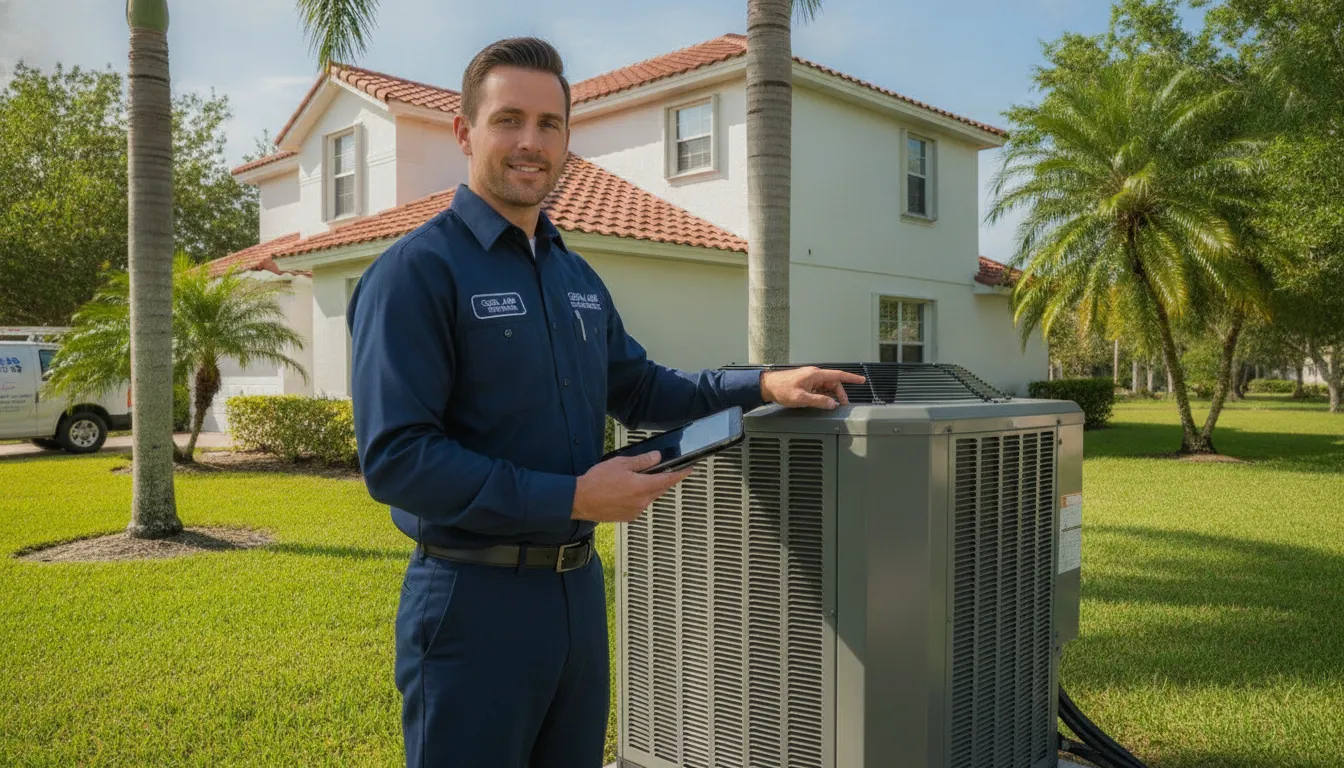
While a DIY project can be tempting, installing a whole house air purifier is a job best left to the pros. These systems integrate directly into your home’s HVAC unit, which is a complex piece of machinery. A professional air conditioning installation ensures everything is connected correctly, operates efficiently, and doesn’t void your HVAC warranty. While adding professional setup can add around $1,500 to the total cost, it gives you peace of mind that your investment is protected and will perform as promised for years to come. Incorrect installation can lead to poor performance and even costly damage to your main AC system.
Upfront Costs vs. Long-Term Value
It’s true that a whole house air purifier has a higher upfront cost than a collection of portable units. But it’s helpful to think of it as a long-term investment in your home and family’s well-being. Instead of managing multiple filters and finding space for units in every room, you get a single, seamless system that delivers consistent results. The long-term value comes from comprehensive, 24/7 filtration that can lead to improved indoor air quality throughout your entire home. For many Florida families, especially those dealing with allergies or asthma, the health benefits and convenience make it a worthwhile upgrade.
Factoring in Filter and Maintenance Costs
Your financial planning shouldn’t stop after the installation. To keep your air purifier working effectively, you’ll need to budget for ongoing costs, primarily filter replacements. Depending on the model you choose, annual operating costs can range from under $100 to over $300. Some systems have washable pre-filters, while others require complete filter swaps every few months or once a year. Regular maintenance is key to the system’s longevity and performance, so be sure to check the filter replacement schedule and costs for any model you’re considering. This will help you avoid any surprises down the road and ensure you get the cleanest air possible.
Common Air Purifier Myths, Busted
When it comes to air purifiers, there's a lot of information floating around—and not all of it is accurate. It can be tough to separate fact from fiction, especially when you just want to make the best choice for your family's health. Let's clear the air and tackle some of the most common myths we hear from homeowners in Southwest Florida.
Myth: "My HVAC Filter Is Good Enough"
It’s easy to assume the filter you slide into your AC unit every few months is doing all the air cleaning you need. While that filter is crucial for protecting your HVAC system from large particles like dust and hair, it’s not designed to protect you from microscopic pollutants. The truth is, an HVAC filter is different from a central air purifier. Standard filters catch the big stuff but aren't effective at removing tiny invaders like bacteria, viruses, and volatile organic compounds (VOCs). A dedicated whole-house air purifier is built to capture these microscopic particles, giving you a much higher level of clean.
Myth: "All Purifiers Are Safe" (The Ozone Problem)
This is a big one. You'd think any product sold to "purify" your air would be completely safe, but that's not always the case. Some air purifiers, particularly older models or certain types of ionic purifiers, intentionally produce ozone as part of their cleaning process. It's critical to avoid purifiers that create ozone, as this gas can irritate your lungs and worsen conditions like asthma. At 5 Star Air, we only install systems that are certified ozone-free, so you can breathe easy knowing your air is not only clean but also safe.
Myth: "Any Air Purifier Will Do"
Walking into a big-box store, you’ll see dozens of purifiers at every price point, making it tempting to just grab one and go. But not all systems are created equal. The best air purifiers clean the air effectively even on low, quiet settings and have filters that are easy to access and change. The most important feature to look for is a true HEPA filter, because this type is certified to remove 99.97% of tiny particles like dust, pollen, and mold spores. Be wary of vague terms like "HEPA-type," as they don't meet the same rigorous standards. Choosing the right purifier means matching the technology to your home's specific needs.
Keep Your Air Purifier Working Like New
You’ve made a great investment in your home’s health and comfort by installing a whole house air purifier. Now, let’s make sure it keeps performing at its best for years to come. Just like any other important system in your home, your air purifier needs a little attention to run efficiently. The good news is that the upkeep is straightforward. By following a simple schedule and knowing when to call for a little help, you can ensure your family continues to breathe the cleanest air possible.
Create a Simple Filter and Cleaning Schedule
The single most important thing you can do for your air purifier is to keep its filters clean. A clogged filter can’t do its job and forces your entire HVAC system to work harder. A good habit is to check your filters once a month. Depending on your system and factors like pets or smokers in the house, you’ll likely need to replace them every three to six months. If your unit has a washable pre-filter, cleaning it monthly can extend the life of your main filter. Set a recurring reminder on your phone—it’s a simple step that makes a huge difference in your home’s indoor air quality.
Know When to Call for Professional Maintenance
While regular filter changes are something you can handle, some issues require an expert eye. If you notice your system making strange noises, or if the air quality in your home doesn’t seem to improve even with a fresh filter, it’s time to call a professional. Trying to fix complex mechanical or electrical problems yourself can lead to bigger, more expensive issues. An annual check-up can also catch small problems before they become major ones. Our team offers expert air conditioning maintenance that includes inspecting your entire system, purifier included, to ensure everything is running smoothly and efficiently.
How to Monitor Your Air Quality and System
Beyond just changing the filters, it helps to pay attention to your system and your home’s environment. Take a moment to visually inspect your unit every so often and wipe down the exterior to prevent dust buildup. Are you noticing more dust settling on surfaces? Are your allergies flaring up unexpectedly? These can be signs that your purifier needs attention. Regular monitoring helps you stay ahead of any potential issues and ensures your system is always operating effectively. Think of it as a partnership—your purifier works hard to clean the air, and a little bit of your attention keeps it in top shape.
Frequently Asked Questions
How is a whole-house air purifier different from the standard filter in my AC unit? Think of it this way: your standard AC filter is designed to protect your HVAC equipment from large particles like dust and hair. A whole-house air purifier is designed to protect you and your family. It uses much more advanced filtration technology to capture microscopic particles like pollen, mold spores, bacteria, and pet dander that your regular filter simply can't catch.
Will a whole-house air purifier make my electricity bill go up? Yes, there will be a slight increase in your energy use since the purifier runs whenever your HVAC system does. However, modern systems are designed to be very energy-efficient. When you consider the significant improvement in your home's air quality and the potential health benefits, most homeowners find the small additional operating cost is well worth it.
How often will I need to deal with filter replacements? This really depends on the specific model you choose and your home environment. Generally, high-efficiency media filters need to be replaced every 6 to 12 months. Some electronic models have reusable filters that you can simply wash. If you have pets or smokers in the house, you might need to change or clean your filters more frequently to keep the system running at its best.
Can these systems help with specific Florida problems like mold and high humidity? While an air purifier doesn't function as a dehumidifier, it plays a key role in managing a humid environment. High humidity can encourage mold growth, and a whole-house purifier is excellent at trapping airborne mold spores before they have a chance to settle and spread. By constantly filtering these spores out of the air, you create a much healthier indoor environment.
What does the installation process actually involve? The installation is a job for a professional technician. The purifier is installed directly into your home's ductwork, usually near the main indoor air handler (which might be in a closet, attic, or garage). A technician will need to cut into the ductwork to fit the unit, wire it into your HVAC system, and ensure everything is sealed and working correctly. It's typically a straightforward process that can be completed in a few hours with minimal disruption to your home.