How to Troubleshoot Central Air Conditioning Problems
Few things can disrupt your peace of mind—and your budget—like an unexpected AC failure. While some repairs are unavoidable, many expensive breakdowns begin as small, manageable issues that are easy to overlook. A little proactive attention can save you from a costly emergency call down the road. This guide is focused on helping you protect your investment and your wallet. By learning how to perform a few simple checks, you can catch problems early and maintain your system’s efficiency. We’ll show you how troubleshooting central air conditioning problems yourself can be the smartest financial move you make for your home this year.
Key Takeaways
- Handle the Simple Checks Yourself: Many common AC issues can be solved in minutes. Before making a service call, confirm your thermostat is set to "cool," swap out a dirty air filter, and ensure your outdoor unit is free from debris.
- Embrace Proactive Maintenance to Prevent Breakdowns: The most effective way to avoid a mid-summer AC failure is through consistent upkeep. Regularly changing your air filter and scheduling an annual professional tune-up will extend your system's life and keep it running efficiently.
- Leave Complex Repairs to the Professionals: While DIY fixes are great for minor issues, problems involving electrical components, refrigerant leaks, or major parts like the compressor require expert attention. For your safety and to avoid costly mistakes, always call a licensed technician for these jobs.
Is Your AC Acting Up? Common Problems to Spot
Your air conditioner is one of the hardest-working appliances in your home, especially here in Florida. Most of the time, it runs so smoothly you barely notice it. But when something goes wrong, your AC will usually give you a few warning signs. Learning to recognize these signals can help you address small issues before they turn into major headaches. If you notice any of these common problems, it might be time to pay a little closer attention to your system.
Warm Air Blowing from Vents
Nothing is more frustrating than feeling warm air coming from your vents on a hot day. If your AC is running but not cooling, it’s a clear sign of a problem. This issue often points to a dirty air filter restricting airflow or grime buildup on the indoor or outdoor coils. It could also be a sign of a more serious issue, like a low refrigerant level, which usually indicates a leak. Before you get too worried, double-check that your thermostat is set to "cool" and not "fan." If the settings are correct, it’s likely time for a professional air conditioning repair.
Grinding, Banging, or Whistling Noises
Your air conditioner should operate with a consistent, low hum. If you start hearing new or unusual sounds, your system is trying to tell you something. A grinding or squealing noise could mean there’s a problem with a motor or bearings. Banging or clanking often points to a loose or broken part, like a fan blade or connecting rod. A high-pitched whistling sound can be caused by a number of things, from a refrigerant leak to high pressure inside your compressor. Don't ignore these sounds—turning the system off and calling a technician can prevent further damage.
Water Leaking Around Your Unit
It’s normal for your AC to produce condensation, but that water should drain away properly. If you see water pooling around your indoor air handler, you likely have a clog in the condensate drain line. In Florida's humid climate, algae and mold can build up quickly in the drain line, causing a blockage that forces water to back up and overflow the drain pan. While it might just seem like a puddle, this water can cause significant damage to your floors, walls, and ceilings. Regular air conditioning maintenance helps keep these drain lines clear and flowing as they should.
Sudden Spikes in Your Energy Bill
Your utility bill can be a good indicator of your AC's health. If you notice a sudden, unexplained jump in your electricity costs, your air conditioner could be the culprit. A struggling system has to work much harder to cool your home, which uses more energy. This inefficiency can be caused by something as simple as a clogged air filter or dirty coils. It could also mean your system is aging and losing its efficiency. An older unit that constantly needs repairs might be costing you more in the long run than a modern, high-efficiency air conditioning installation.
Your System Constantly Turns On and Off
Does your air conditioner turn on for a few minutes, shut off, and then kick back on again shortly after? This is called short cycling, and it’s a sign of trouble. It prevents your system from properly cooling or dehumidifying your home, causes unnecessary wear and tear on components, and drives up your energy bills. Short cycling can be caused by a faulty thermostat, a clogged filter restricting airflow, or an oversized AC unit that’s too powerful for your space. A professional can diagnose the root cause and find the right solution to get your system running smoothly again.
Key Warning Signs Your AC Needs Help
Your air conditioner usually gives you a heads-up before it completely quits. Paying attention to these subtle (and not-so-subtle) clues can help you catch a small problem before it turns into a major, expensive headache. If you notice any of these signs, your system is trying to tell you it needs attention. Acting quickly can save you from a sweltering Florida day without AC and protect your system from more serious damage.
Uneven Cooling in Your Home
Do you have a "hot room" in your house that never seems to cool down, while other areas feel like a walk-in freezer? This is a classic sign that something is off. Uneven cooling means your AC isn't distributing air properly. The cause could be as simple as a dirty air filter or a blocked outdoor unit. However, it can also point to more complex issues like leaky ductwork or even a refrigerant leak. Don't just accept these hot spots as normal; it's a clear signal that your system needs a professional air conditioning repair to restore balanced comfort throughout your home.
Ice Buildup on Coils or Pipes
Seeing ice or frost on any part of your air conditioning system is a major red flag. Ice typically forms on the refrigerant lines or the indoor evaporator coil when airflow is restricted. The most common culprit is a severely clogged air filter that’s choking the system. While it might seem counterintuitive, ice means your AC isn't cooling efficiently and is under serious strain. If you see ice, turn the system off to let it thaw and check your filter. If the problem persists, it's time to call for help to prevent potential compressor failure, which is one of the most expensive AC repairs.
Weak Airflow from Your Vents
If you hold your hand up to your vents and feel a weak, lazy stream of air, that’s a problem. Poor airflow forces your AC to run longer and harder to cool your home, which you'll definitely notice on your next energy bill. This issue can stem from several sources, including a failing blower motor, crushed or blocked ductwork, or a clogged air filter. In Florida, clean and clear ducts are essential for efficient cooling. Addressing weak airflow not only improves your comfort but also helps prevent your system from overworking itself to the point of failure.
Musty or Burning Smells
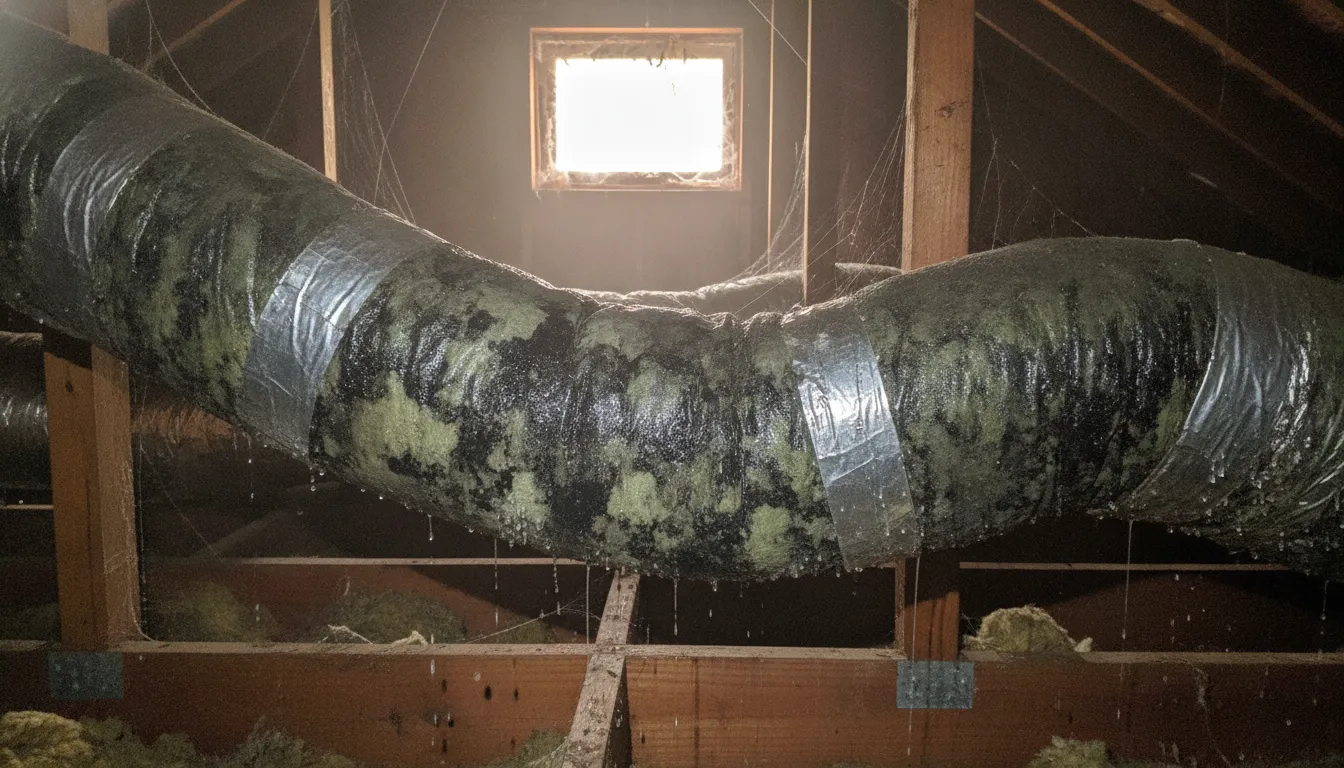
Your AC should produce neutral-smelling air, so any unusual odors are cause for concern. A musty or mildewy smell often indicates the growth of mold or bacteria inside your unit or ductwork, which can negatively impact your home's indoor air quality. On the other hand, a burning smell is far more urgent. It could signal an electrical problem, like an overheating motor or wiring issue. If you smell anything burning, turn off your AC at the breaker immediately and call for emergency air conditioning services to ensure your family’s safety.
Your First Steps: Simple AC Troubleshooting
When your air conditioner suddenly quits on a sweltering Florida day, it’s easy to assume the worst. But before you call for help, there are a few surprisingly simple checks you can perform yourself. Many common AC issues have quick fixes that don’t require a technician. Walking through these basic troubleshooting steps can save you time and money, and might even get your cool air flowing again in minutes. Think of this as your first-response checklist for a misbehaving AC unit.
Check Your Thermostat Settings
This might sound obvious, but you’d be surprised how often the thermostat is the culprit. First, make sure it’s set to “COOL” and not accidentally switched to “HEAT” or “FAN.” This can easily happen, especially as the seasons change. Next, check the temperature setting. For the AC to kick on, the set temperature needs to be lower than the current room temperature. If the screen is blank, the batteries might be dead, so try replacing them. It’s a simple step, but confirming these settings can often solve the problem instantly without any tools or technical skills.
Inspect and Change the Air Filter
A dirty air filter is one of the most common causes of AC problems. When the filter gets clogged with dust and debris, it restricts airflow, forcing your system to work much harder to cool your home. This can lead to weak airflow, poor cooling, and even cause the system to freeze up. Before you do anything else, turn off the power to your AC unit. Then, locate the filter, slide it out, and hold it up to the light. If you can’t see light through it, it’s time for a change. This is a key part of regular air conditioning maintenance that you can easily do yourself.
Look at the Circuit Breaker
If your AC system won’t turn on at all, the issue could be electrical. Head to your home’s main electrical panel and look for the breaker connected to your air conditioner. It should be clearly labeled. Sometimes, a power surge can cause the breaker to “trip,” cutting power to the unit as a safety measure. If the switch is in the middle or “OFF” position, push it firmly back to “ON.” If the breaker trips again right away, don’t keep resetting it. This indicates a more serious electrical problem that requires professional air conditioning repair.
Clear Debris from the Outdoor Unit
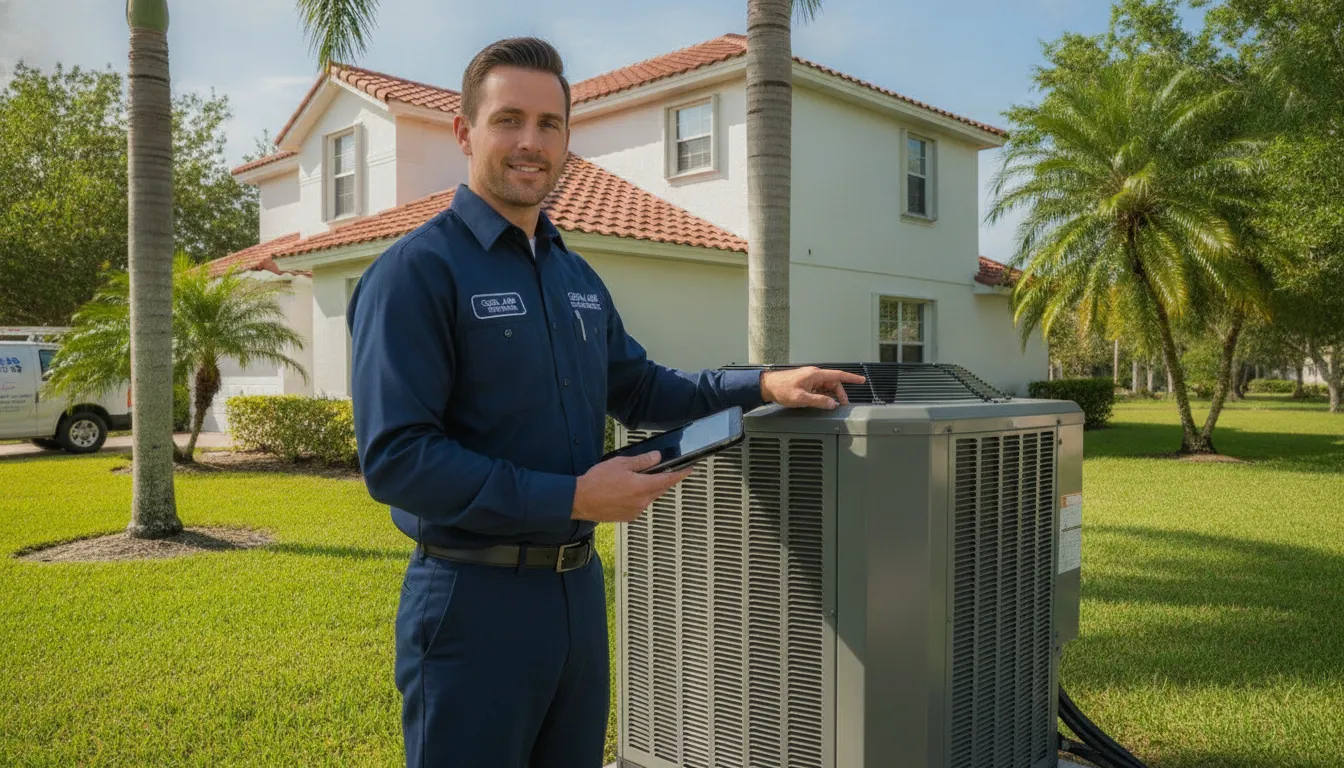
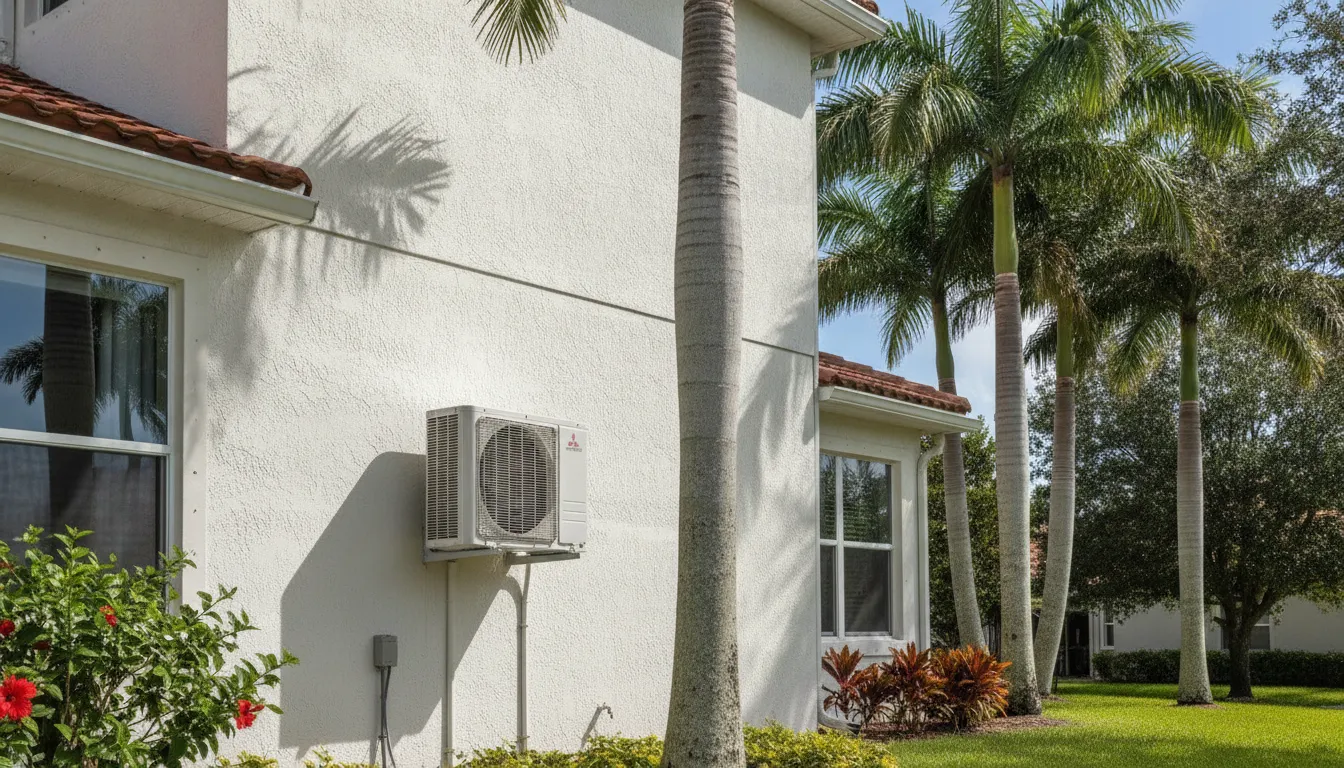
Your AC system has an outdoor component called the condenser, which works to release heat from your home. For it to work efficiently, it needs plenty of airflow. Take a walk outside and inspect the unit. Over time, it can get covered with dirt, grass clippings, leaves, and other yard debris. Gently spray the exterior fins with a garden hose to wash away any buildup. Also, make sure there’s at least two feet of clear space around the entire unit. Trim back any nearby bushes, weeds, or branches that could be blocking airflow and hindering its performance.
Unclog the Condensate Drain Line
Your air conditioner removes humidity from the air, and that moisture has to go somewhere. It exits through a condensate drain line, which is typically a PVC pipe. In Florida’s humid climate, this line can get clogged with algae and mold, causing water to back up and potentially leak into your home. If you can safely access the drain line, you can often clear minor clogs yourself. After turning off the AC’s power, you can try pouring a cup of distilled vinegar down the line to kill any buildup. Doing this periodically can help prevent future clogs and keep your system draining properly.
Easy DIY Fixes You Can Try Today
Before you pick up the phone, a few simple checks can sometimes solve common AC issues. These quick fixes are easy for most homeowners to handle and might just save you a service call. If your system is still acting up after you’ve tried these steps, it’s a clear sign that it’s time to bring in a professional. But for now, let’s roll up our sleeves and see if we can get that cool air flowing again.
Clean the Outdoor Condenser Coils
Your outdoor AC unit works hard, but it can’t do its job if it’s covered in dirt, grass clippings, and leaves. This debris blocks airflow and forces your system to work harder, which can lead to bigger problems. Take a walk outside and look at your condenser unit. If it’s looking a little grimy, you can gently spray it down with a garden hose to wash away the buildup. Also, make sure there’s a clear space of at least two to three feet around the entire unit. Trim back any plants, bushes, or weeds that might be crowding it. This simple step can significantly improve your AC's efficiency and is a key part of regular air conditioning maintenance.
Reset Your AC System
Sometimes, the solution is as simple as a quick reset. If your air conditioner won’t turn on at all, head to your home’s electrical panel. Find the breaker labeled for your “AC” or “air conditioner.” If it’s in the “OFF” position or stuck in the middle, flip it firmly back to “ON.” Wait a few minutes, then try turning your AC on again. If the breaker trips again right away, do not try to reset it a second time. A repeatedly tripping breaker is a sign of a more serious electrical problem that needs professional attention. In that case, it’s best to call for an air conditioning repair to safely diagnose the issue.
Tighten Loose Electrical Connections
While we’re on the topic of electricity, it’s important to know your limits. Checking your circuit breaker is a safe and simple first step. However, if you suspect any other electrical issues, like loose wiring, this is not a DIY project. Electrical problems can be dangerous and are a common cause of AC failure. If resetting the breaker doesn’t work or if you notice flickering lights when your AC tries to kick on, it’s time to stop troubleshooting. For your safety, leave electrical work to the experts. Persistent electrical issues often require a professional to ensure everything is secure and up to code.
Adjust Your Vents and Dampers
For your AC to cool your home effectively, air needs to circulate freely. Take a quick tour of your house and check all the supply and return air vents. Make sure none are blocked by furniture, rugs, or curtains. It’s a common myth that closing vents in unused rooms saves money. In reality, this can disrupt your system’s balance, increase pressure in your ductwork, and actually raise your energy bills. Keep all your vents open to ensure proper airflow. This simple adjustment helps your system run more efficiently and contributes to better indoor air quality throughout your home.
Prevent Future Problems with Regular Maintenance
The best way to handle an AC problem is to stop it from happening in the first place. Just like your car, your air conditioner needs regular attention to run smoothly, especially in the demanding Florida climate. A little proactive care can save you from the stress and expense of a sudden breakdown on a hot day. Consistent upkeep not only extends the life of your system but also helps it run more efficiently, which can lower your monthly energy bills.
Think of it as a simple checklist for peace of mind. By performing a few easy tasks yourself and scheduling professional check-ups, you can keep your system in top shape. This ensures your home stays cool and comfortable all year long. Investing a small amount of time in air conditioning maintenance is one of the smartest things you can do as a homeowner to protect your comfort and your budget. These simple habits will help you avoid most common AC issues before they start.
Change Your Filter Monthly
One of the easiest and most effective maintenance tasks is changing your air filter regularly. A dirty air filter can block cool air from circulating through your home, even when the AC is running at full blast. This forces your system to work much harder than it should, leading to higher energy costs and unnecessary strain on its components.
Make it a habit to check your filter every month. If it looks clogged with dust and debris, it’s time for a new one. You might need to change it more often if you have pets, live in a dusty area, or have recently done any home renovations. A clean filter not only helps your AC run efficiently but also improves your home’s indoor air quality by trapping allergens and pollutants.
Schedule an Annual Professional Tune-Up
While changing your filter is a great DIY task, it doesn’t replace the need for a professional inspection. Having a qualified technician perform an annual tune-up is crucial for catching potential issues before they turn into major problems. A professional can check refrigerant levels, clean condenser coils, inspect electrical connections, and test the system’s overall performance in ways that go beyond basic upkeep.
Scheduling a professional AC maintenance visit, especially before the summer heat arrives, is a smart investment. A technician can identify worn-out parts and make adjustments to ensure your system is running at peak efficiency. This preventative service can save you from costly emergency repairs and give you confidence that your AC will keep you cool when you need it most.
Keep the Outdoor Unit Clear
Your AC system has an outdoor component, called the condenser unit, that plays a vital role in cooling your home. This unit needs plenty of space to breathe. If it’s covered in dirt or crowded by plants, it can’t release heat effectively, which forces the system to work harder and less efficiently.
Take a look at your outdoor unit. If you see a buildup of dirt, leaves, or grass clippings, you can gently spray it down with a garden hose to clean it. Be sure to turn the power off at the breaker first. It’s also important to maintain a clear space around the unit. Trim back any shrubs, weeds, or overhanging branches to ensure there are at least two to three feet of clearance on all sides for proper airflow.
Listen for Changes in Performance
You know your home best, and that includes the normal sounds and performance of your air conditioner. An AC system is a complex machine with many parts working together. When one part starts to fail, it can affect the entire system. Pay attention to any new or unusual noises, like grinding, squealing, or banging.
Also, take note if your system seems to be running longer than usual to cool your home or if some rooms feel warmer than others. These subtle changes can be early warning signs of a developing issue. If you notice anything out of the ordinary, don’t ignore it. Addressing it quickly can often prevent a small issue from becoming a major air conditioning repair.
Know When to Call a Professional
While it feels great to solve a problem yourself, some AC issues are too complex or dangerous for a DIY approach. Your air conditioner is a sophisticated piece of equipment, and certain repairs require specialized tools, training, and certifications. Trying to handle major mechanical or electrical problems on your own can lead to further damage, costly mistakes, or even serious injury. Knowing your limits is key to keeping your system running safely and efficiently. If you encounter any of the following situations, put the tools down and pick up the phone. It’s always better to rely on a trusted professional for complex jobs to ensure the work is done right the first time. For Floridians who depend on their AC year-round, a fast and correct fix is essential. When you’re in over your head, our team is ready to provide expert air conditioning repair to get your home cool and comfortable again.
You Suspect a Refrigerant Leak
If you notice your AC isn't cooling effectively, hear a hissing sound, or see ice on the evaporator coils, you might have a refrigerant leak. Refrigerant, also known as Freon, is a chemical that can be harmful to the environment and your health if handled improperly. According to the U.S. Department of Energy, a trained technician must locate and fix the leak, test the repair, and add the correct amount of refrigerant. This isn't a DIY top-off job; it requires precise measurements and equipment to avoid damaging your system. If you think you have a leak, call a professional right away.
The Compressor or Fan Motor Fails
The compressor and fan motors are the workhorses of your AC system. The compressor circulates refrigerant, while the fan motors move air over the coils and through your home. If either of these fails, your AC will stop cooling entirely. You might hear loud grinding or buzzing noises before they give out. These are complex mechanical components connected to high-voltage electrical wiring, and attempting to repair or replace them yourself is extremely dangerous. A professional has the expertise to diagnose the failure accurately and perform the replacement safely, restoring your system’s function.
You Have Electrical Problems
Electrical issues are among the most serious problems your AC can have. If your circuit breaker trips every time the air conditioner turns on, it’s a clear signal of a significant electrical fault. Do not keep resetting it. A constantly tripping breaker could indicate a short circuit or a problem with the compressor, which can be a fire hazard. Frayed wiring or failing capacitors also require professional attention. For your safety and to prevent damage to your home’s electrical system, any AC-related electrical problem should be handled by one of our licensed emergency air conditioning service technicians.
DIY Fixes Aren't Working
You’ve checked the thermostat, changed the filter, and cleared the drain line, but your AC still isn't working correctly. Don't get frustrated—you’ve done your part by ruling out the simple issues. If your troubleshooting efforts haven't solved the problem, it’s time to call in an expert. Continuing to run a malfunctioning unit can turn a minor issue into a major, expensive breakdown. A professional technician can use diagnostic tools to pinpoint the root cause and recommend the right solution. When you’ve tried everything you can, contact us to take it from here.
Protect Your AC and Your Comfort
Keeping your central air conditioning system running smoothly is about more than just avoiding a sweaty afternoon—it's about protecting your investment and ensuring your home is a comfortable escape from the Florida heat. A little proactive care can go a long way in preventing major breakdowns and keeping your energy bills in check. By learning a few basic troubleshooting steps, you can often solve minor issues yourself and know when it’s time to call for backup.
One of the simplest yet most critical tasks is changing your air filters regularly. A clogged filter forces your system to work harder, restricting airflow and driving up your energy costs. This simple swap is a cornerstone of maintaining good indoor air quality and system efficiency. If your AC suddenly quits, don't panic. Your first stop should be the circuit breaker. A tripped breaker is a common culprit and can often be reset, bringing your system back to life.
While some issues are easy fixes, others point to a specific part failure. A faulty capacitor, for instance, is one of the most frequent reasons an AC unit stops working. While the part itself is relatively inexpensive, replacing it is a job best left to a professional. Catching this early can save you from a much larger air conditioning repair bill down the road. Ultimately, the best way to protect your system is with professional air conditioning maintenance. An annual tune-up ensures that essential components like coils are clean and refrigerant levels are correct, extending the life of your unit and preventing unexpected failures. Think of it as the key to worry-free comfort all year long.
Related Articles
- 5 Signs Your AC Needs Repair
- Benefits of Regular HVAC Maintenance
- How to Prepare Your HVAC for a Florida Summer
- HVAC Tips & Insights Blog - Expert Advice from 5 Star Air
- AC Repair Services
Frequently Asked Questions
Is it really a big deal if my AC turns on and off frequently? Yes, it's a sign you shouldn't ignore. This is called short cycling, and it puts a lot of extra wear and tear on your system's most expensive components, like the compressor. It also prevents your home from being properly dehumidified, which is why you might feel cool but still a bit clammy. While a clogged filter can cause it, short cycling often points to a bigger issue that needs a professional diagnosis to prevent a premature system failure.
My AC is blowing warm air. What's the very first thing I should check? Before you worry, take a quick look at your thermostat. It’s surprisingly common for it to be accidentally switched to the "fan" or "heat" setting. Make sure it's set to "cool" and that the temperature is set lower than the current room temperature. If the settings are correct and you've already checked for a dirty air filter, then it's time to have a technician investigate a potential refrigerant or coil issue.
I see ice on my AC unit. Should I just let it melt and see what happens? Seeing ice on your AC lines or coils is a major red flag that your system is struggling, usually due to restricted airflow. You should turn the system off immediately to allow it to thaw completely. Running it while it's frozen can cause serious and expensive damage to the compressor. While a severely clogged filter is a common cause, if the problem returns after you've changed the filter and let it thaw, you need a professional to find the root cause.
Can a professional maintenance visit actually lower my energy bills? Absolutely. Think of it like a tune-up for your car—it just runs better afterward. During a maintenance visit, a technician cleans the coils, checks refrigerant levels, and lubricates moving parts. All of these things help your system run more efficiently. A clean, well-maintained AC doesn't have to work as hard to cool your home, which means it uses less electricity and can lead to noticeable savings on your monthly bills.
Besides changing the filter, what's the most important thing I can do to prevent AC problems? Keeping your outdoor unit clear of debris is one of the most effective things you can do. Your AC needs to breathe to release heat from your home. Take a walk outside and make sure there are at least two feet of clear space around the unit. Trim back any bushes, weeds, or grass that might be crowding it, and gently rinse off any built-up dirt or grass clippings with a garden hose. This simple task helps your system run much more efficiently.