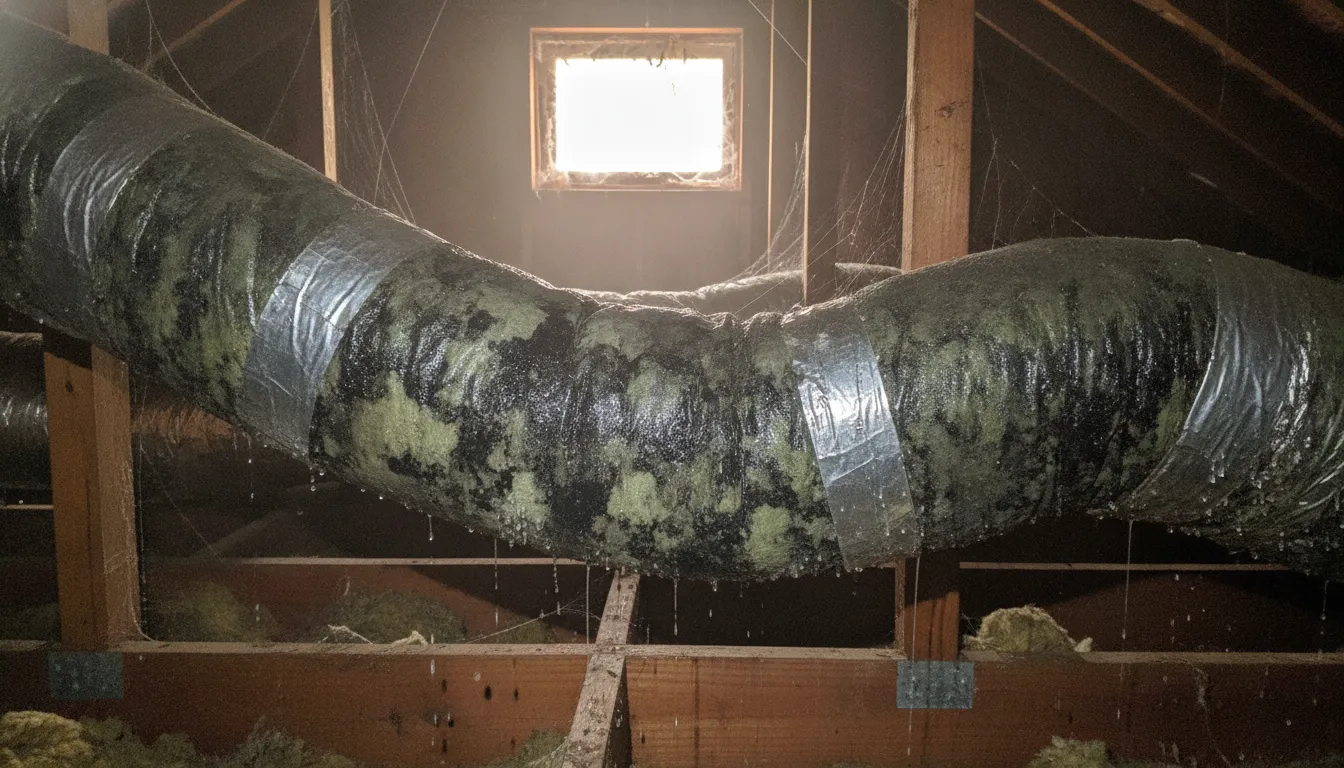
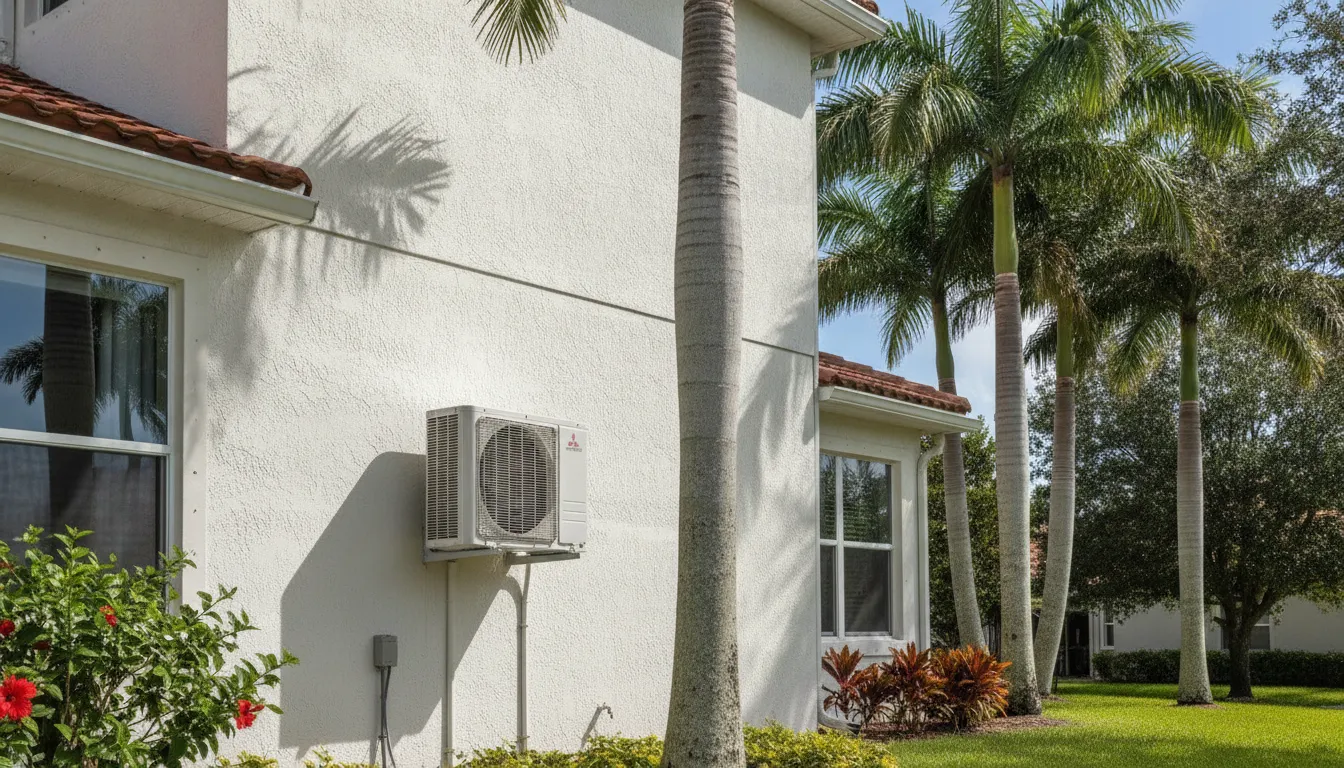
The 1000 Sq Ft Home: Costs, Layouts & Perks
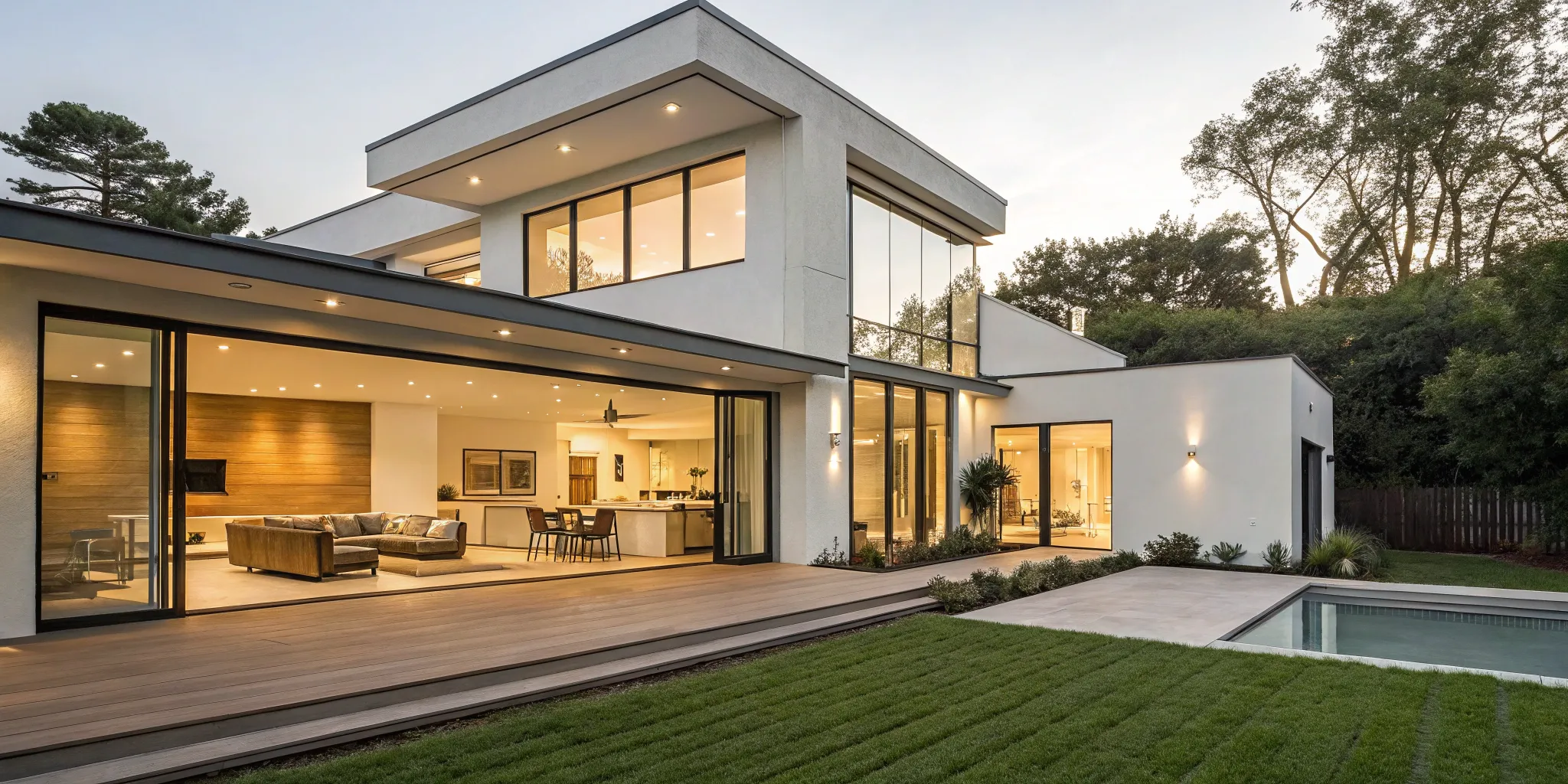
Let’s be honest: small homes get a bad rap. People often assume they’re too cramped for families or that you’ll have to give up all your belongings. It’s time to set the record straight. A well-designed 1,000 sq ft home can be a practical, comfortable, and incredibly stylish choice for many different lifestyles. It encourages you to live more intentionally, focusing on quality over quantity. This article offers a realistic look at what it’s like to live in a smaller space, from the day-to-day realities to the long-term benefits. We’ll debunk the common myths and show you how to create a perfectly comfortable home, starting with the most important system of all: your air conditioning.
Key Takeaways
- Prioritize your budget for what matters: Choosing a 1,000 sq ft home reduces long-term expenses like utilities, taxes, and upkeep, giving you the financial freedom to invest in a better location or other personal goals.
- A smaller home means more time for living: The right layout and smart storage solutions in a compact space lead to less time spent on cleaning and maintenance, encouraging a more intentional lifestyle focused on experiences, not upkeep.
- Proper HVAC sizing is key to comfort and efficiency: For a smaller home, the right-sized AC unit is crucial; it prevents the clammy feeling of an oversized system and the high bills of an undersized one, ensuring your space is both comfortable and affordable to cool.
What Does 1,000 Sq Ft Actually Look Like?
It can be tough to visualize square footage. Is 1,000 square feet a shoebox or a spacious haven? The truth is, it’s a versatile size that can feel surprisingly roomy with the right layout. A home of this size typically includes two bedrooms, a kitchen, one or two bathrooms, and a living room, making it a great fit for a small family. Let’s break down how this popular home size stacks up and who it’s best for.
How It Compares to Other Home Sizes
In the world of real estate, homes under 1,000 square feet are generally considered small. This size is a common footprint for condos and apartments, while standalone houses this size are a bit rarer. For a couple or a small family, 1,000 square feet is often plenty of room to live comfortably without the maintenance demands of a larger property. It strikes a great balance, offering more breathing room than a tiny home but remaining manageable and cozy. It’s a significant step up from a studio or one-bedroom apartment, providing dedicated spaces for living, sleeping, and working.
Who Thrives in a Smaller Space
Living in a more compact home is a conscious choice for many. It’s a perfect fit for first-time buyers, empty nesters looking to downsize, or anyone drawn to a more minimalist lifestyle. A smaller home encourages you to be intentional with your belongings and how you use your space. It can even help strengthen relationships, as you learn to share a space more thoughtfully. The lessons learned from living in a smaller home often include better communication and a greater appreciation for experiences over possessions. If you’re looking to simplify your life, reduce clutter, and focus on what truly matters, a 1,000 sq ft home could be your ideal sanctuary.
The Perks of Living in a 1,000 Sq Ft Home
Choosing a smaller home isn't about sacrifice; it's about making a smart, intentional choice for your lifestyle and your wallet. A 1,000 sq ft home offers some incredible advantages that go far beyond its four walls. From lower bills to less time spent on chores, you might find that living with a little less space gives you a whole lot more freedom. It’s a chance to simplify your life and focus on what really matters, like enjoying the beautiful Florida sunshine instead of worrying about home upkeep.
Save on Utilities and Energy
One of the most immediate benefits of a smaller home is the drop in your monthly utility bills. It simply takes less energy to heat and cool a cozier space. In Southwest Florida, where the AC runs for a good part of the year, this is a huge plus. A smaller home means your air conditioner doesn't have to work as hard, which translates directly into savings. When you combine a smaller footprint with regular air conditioning maintenance, you create an incredibly efficient and affordable living environment. This efficiency not only helps you save money but also reduces your overall energy consumption.
Spend Less Time on Maintenance
Imagine cutting your cleaning time in half. With less square footage, you have fewer floors to mop, fewer windows to wash, and less space for clutter to accumulate. This means you get to spend less of your precious weekend on home maintenance and more time doing what you love. A smaller home encourages a more organized, streamlined life. Even when it comes to essential systems, the upkeep is simpler. A compact HVAC system means that any potential air conditioning repair is often quicker and more straightforward, getting you back to your stress-free life faster.
Enjoy a More Affordable Mortgage
The financial relief of a smaller home is a game-changer for many people. A 1,000 sq ft house is less than half the size of the average American home, which often means a significantly smaller price tag and a more manageable mortgage payment. This financial freedom can open up so many other opportunities. You could save more for retirement, travel, or invest in other goals. It makes homeownership more accessible and less of a financial burden, and flexible financing options can make it even easier to manage your budget for both your home and its essential systems.
A Smaller Footprint for a Greener Planet
Living in a 1,000 sq ft home is also a great way to live more sustainably. A smaller home requires fewer materials to build and less energy to maintain, reducing your environmental impact. Because building a smaller home often costs less, you might have more budget to spend on a great location or on high-quality, energy-efficient features. This conscious choice contributes to a healthier planet and can also lead to a healthier home. A smaller, well-sealed home often has better indoor air quality, creating a comfortable and eco-friendly sanctuary.
Breaking Down the Cost of a 1,000 Sq Ft Home
When you’re thinking about building or buying a home, the price tag is usually the first thing on your mind. A 1,000 sq ft home offers a compelling financial picture, not just upfront but for years to come. Let’s get into the numbers and see how the costs stack up, from the initial build to your monthly bills.
Building Costs Compared to Larger Homes
It’s simple math: a smaller home requires fewer materials and less labor, which translates to a lower overall building cost. This is one of the biggest draws of compact living. Think about it—less lumber, less drywall, less flooring, and fewer hours for your construction crew all add up to significant savings. As one source on small house plans puts it, "Smaller homes usually mean lower mortgage payments, cheaper utility bills, and are generally more affordable to buy and build." This initial affordability can make homeownership accessible much sooner and with less financial strain, freeing up your budget for other things you care about.
How Location Affects the Price Tag
Have you ever had to choose between the perfect house and the perfect location? With a smaller home, you might not have to. The money you save on construction can be reallocated to securing a piece of land in a more desirable area. Imagine being able to afford a spot closer to the beach, your favorite downtown, or in a top-rated school district. Building a smaller home gives you the flexibility to prioritize what matters most. You could invest in a premium lot with a great view or simply have more financial breathing room to landscape your yard exactly how you want it. It’s all about making smart trade-offs to create a life you love.
A Look at Your Long-Term Savings
The financial perks of a 1,000 sq ft home extend far beyond the initial purchase. This home size is less than half that of the average American house, which means your long-term expenses will be significantly lower. You’ll pay less in property taxes, spend less on insurance, and have fewer maintenance costs over the years. The most noticeable difference, especially here in Florida, will be on your utility bills. Cooling a smaller, well-insulated space is far more efficient and affordable. Pairing a compact home with a high-efficiency AC unit and a regular air conditioning maintenance plan ensures your energy costs stay low, keeping you comfortable without breaking the bank.
Popular Floor Plans for 1,000 Sq Ft Homes
A 1,000-square-foot home offers a fantastic canvas, but the right floor plan is what turns it from a small space into a smart, functional home. The layout you choose will directly impact everything from daily flow to how you entertain. It also plays a big role in your home's comfort, as different designs can affect airflow and the efficiency of your air conditioning system. Let’s look at some of the most popular and effective layouts that make the most of every square foot.
Embracing the Open-Concept Layout
The open-concept layout is a favorite for a reason—it instantly makes a smaller home feel more spacious and airy. By removing walls between the kitchen, living, and dining areas, you create one large, cohesive space that’s perfect for hosting friends and family. As one design expert notes, if you enjoy entertaining, a wide-open floor plan is ideal, but it's wise to "make sure the house offers quieter, more private areas to retreat to." This balance is key. You get the bright, social hub for gatherings while still having cozy bedrooms or a small den to escape to for some quiet time.
The Classic Two-Bedroom, Two-Bathroom
You can’t go wrong with a classic. The two-bedroom, two-bathroom layout is a practical and highly functional choice for a 1,000-square-foot home. This setup comfortably accommodates small families, couples who want a guest room or office, or roommates. A home of this size can easily include "at least two bedrooms, a kitchen, two bathrooms, and a living room, making it fit for a family of four." It provides the essential private and common spaces without feeling cramped, offering a simple, time-tested design that meets the needs of many different lifestyles.
Charming Cottage and Narrow Lot Designs
Smaller homes are having a major moment. In fact, recent data shows that plans under 1,500 square feet are gaining popularity, making up a significant portion of new plan sales. This trend includes charming cottage-style homes and clever designs for narrow lots, which are perfect for building in established neighborhoods or coastal areas where space is at a premium. These plans often use vertical space, thoughtful window placement, and efficient layouts to create a home that feels both cozy and surprisingly roomy, proving you don’t need a huge lot to build a beautiful home.
Smart Storage and Multi-Functional Spaces
When you’re working with a smaller footprint, every inch counts. That’s why one of the biggest trends in home design is a focus on smart storage and creating multi-functional rooms. Think beyond basic closets and consider built-in shelving, under-bed storage, or even a home office that doubles as a guest room with a stylish Murphy bed. A dining table can also serve as a workspace, or an entryway bench can offer hidden storage for shoes. By getting creative with furniture and built-ins, you can ensure your home remains organized, uncluttered, and ready for whatever life throws your way.
Finding a Builder for Your 1,000 Sq Ft Home
Once you have a vision for your small home, finding the right builder is the most important step in bringing it to life. This is your partner in the process—the expert who will turn blueprints into your new front door. The key is to find a team that specializes in making smaller spaces feel open, functional, and uniquely yours.
Top Builders for Compact Designs
When you start your search, you’ll notice that some builders have a real talent for compact designs. Look for companies with a portfolio that showcases smart, stylish smaller homes. A major national builder like Lennar, for example, has a strong presence in Florida and is known for innovative designs that maximize every square foot. You can also find local builders who specialize in certain styles, from sustainable building practices to sleek, modern aesthetics. The goal is to find a builder whose past work gets you excited about your own project and who has a solid reputation for quality in your community.
Features to Look For
As you vet potential builders, keep a list of non-negotiables. Quality craftsmanship is a given, but you should also look for a willingness to customize. Can they adjust a layout to create the open-concept flow you want? Ask about their approach to energy efficiency—do they use high-quality insulation, windows, and building materials that will help lower your utility bills? This is crucial for keeping your home comfortable and affordable long-term. A great builder will be transparent about their process and the materials they use, ensuring the final home is both beautiful and built to last for years to come.
Choosing Between Custom and Pre-Designed Plans
This is a big decision that often comes down to your budget, timeline, and personal vision. Working with pre-designed 1,000 sq ft house plans can be a fantastic, cost-effective option. These plans are proven, and builders can often start construction more quickly. Plus, most offer modifications, so you can still tweak the layout to better suit your lifestyle. On the other hand, a fully custom plan gives you complete creative control to design a home that’s perfectly tailored to you. While it requires a larger investment of time and money, the result is a one-of-a-kind space built just for you.
What's It Really Like to Live in 1,000 Sq Ft?
So, what’s the real story behind living in a 1,000-square-foot home? Is it the cozy, minimalist dream or a constant battle for elbow room? The truth is, it can be either—and the outcome depends entirely on your lifestyle, family size, and how you use the space. For many, this size hits the sweet spot, offering enough room to live comfortably without the burden of maintaining a larger property. It’s a popular choice for first-time homebuyers, small families, and those looking to downsize into a more manageable and affordable home.
Living in a smaller space encourages you to be more intentional with your belongings and your layout. It pushes you to find creative solutions for storage and organization, which can lead to a less cluttered and more peaceful environment. While a family of five might find it a tight squeeze, a couple or a family with one or two young children can often thrive. The key is to shift your perspective from the total square footage to the functionality of the layout. With the right floor plan and some clever design choices, 1,000 square feet can feel surprisingly open, airy, and perfectly suited to your needs.
A Guide to Room Sizes and Function
Forget the image of a cramped studio apartment. A 1,000-square-foot home is surprisingly versatile and can comfortably accommodate a variety of needs. A well-designed property of this size typically includes at least two bedrooms, a kitchen, one or two bathrooms, and a living room, making it a great fit for a small family. You’ll have enough space for private bedrooms, a functional area for cooking and dining, and a dedicated living space for relaxing and entertaining. It might surprise you just how big 1,000 square feet can feel when every room is designed with purpose. This layout provides the essentials without the excess, creating a home that’s both practical and easy to manage.
Smart Design Tricks to Maximize Your Space
The secret to making a smaller home feel spacious is all about smart design. It’s a popular trend that focuses on making the most of tiny spaces, and you don’t need to be an interior designer to do it. Start by thinking vertically—tall bookshelves and wall-mounted shelves draw the eye upward and free up floor space. Choose multi-functional furniture, like a coffee table with hidden storage or an ottoman that doubles as extra seating. Light paint colors and strategically placed mirrors can also work wonders, reflecting natural light and creating an illusion of depth. By being intentional with your decor, you can make your home feel open and inviting.
Debunking Myths About Small Home Living
One of the biggest questions people have is whether 1,000 square feet is "too small." The answer really depends on you. For a couple or a single person, it’s often more than enough room. For a growing family, it might feel snug. It’s less about a universal standard and more about what fits your personal lifestyle. Another common myth is that a smaller home is always easier to clean. While there’s less surface area to scrub, clutter can accumulate quickly if you don’t have good organizational systems. Some homeowners even argue that it's easier to clean a slightly larger space, a sentiment you'll find echoed in many online discussions.
Keeping Your 1,000 Sq Ft Home Comfortable
Living in a smaller home is fantastic, but comfort is non-negotiable, especially with Florida's heat and humidity. The key to a cool, comfortable 1,000 sq ft space isn't just having an AC—it's having the right AC. The size of your system, its energy efficiency, and how you maintain it all play a huge role in turning your cozy house into a consistently comfortable home. Getting these three things right means you can fully enjoy all the perks of your smaller space without worrying about temperature swings or high energy bills. It’s about creating a personal oasis where you can relax and recharge, no matter what the weather is doing outside. Let's look at how to make that happen.
Why HVAC Sizing Is Crucial for Smaller Spaces
When it comes to your HVAC system, bigger isn't better. It's a common mistake to think a powerful unit will cool a small home faster, but an oversized system is just as problematic as an undersized one. A unit that's too large will cool the air too quickly and shut off before it has a chance to remove humidity, leaving your home feeling cool but clammy. This constant on-and-off process, known as short cycling, also causes unnecessary wear on the system. An undersized unit will run constantly and still struggle to keep you cool. A professional air conditioning installation ensures your system is perfectly matched to your home's specific needs.
Maximizing Energy Efficiency and Savings
A perfectly sized HVAC system is your ticket to lower utility bills. When your unit is tailored to your 1,000 sq ft home, it runs in smooth, consistent cycles instead of working in inefficient bursts. This means it uses significantly less energy to maintain your desired temperature, which you'll see reflected in your monthly statements. Pairing the right size with a modern, high-efficiency model can lead to even greater savings over the life of the unit. It’s one of the smartest ways to manage household expenses while keeping your home perfectly comfortable. We believe in an honest approach to help you find the most efficient solution without any sales pressure.
The Maintenance Advantage of a Compact System
One of the unsung benefits of a properly sized system is that it's easier to maintain. Because the unit isn't constantly under stress from short cycling or running nonstop, its parts last longer and are less likely to fail unexpectedly. This translates to fewer repair calls and a longer lifespan for your entire system. Of course, every AC unit needs some TLC to perform at its best. Sticking to a schedule of regular air conditioning maintenance will keep your compact system running efficiently for years, preventing small issues from turning into major headaches and ensuring your home is always a cool retreat.
How to Finance Your 1,000 Sq Ft Home
Figuring out the financial side of homeownership can feel like a huge task, but the great news is that a 1,000 sq ft home often comes with a more manageable price tag and a wider range of financing options. Whether you’re a first-time buyer or just looking to downsize, there are plenty of paths to get you the keys to your new, perfectly sized home. It’s all about knowing where to look and what to ask for.
Exploring Mortgages and Government Loans
When you start looking at financing, you’ll find several mortgage products that are a great fit for a smaller home. Beyond a standard conventional loan, look into government-backed programs designed to make homeownership more accessible. For example, options like Fannie Mae’s HomeReady and Freddie Mac’s Home Possible programs are fantastic because they often require down payments as low as 3%. This can significantly lower the upfront cash you need, making it easier to get into your home without draining your savings. These programs often come with competitive interest rates, too, helping you keep your monthly payments affordable.
Special Programs for First-Time Buyers
If this is your first time buying a home, you’re in luck. There are many programs created specifically to help you with the initial costs. Many states and local municipalities offer down payment assistance grants and other forms of aid. For instance, some programs provide thousands of dollars in home purchase assistance that can be applied toward your down payment or closing costs. These funds can be a game-changer, covering the biggest financial hurdles for new buyers. A great first step is to research first-time homebuyer programs available in your state to see what you qualify for.
Finding Builder Deals and Discounts
Don’t forget that the sticker price isn’t always the final price, especially with new construction. Depending on the market, buyers can have significant negotiating power. It’s become more common for builders to offer deals to attract buyers, which presents a great opportunity for you. Keep an eye out for incentives like price reductions, contributions toward your closing costs, or even free upgrades on appliances and finishes. Don’t be afraid to ask the builder directly what promotions they have available. Securing a good deal on the home itself can make your financing journey that much smoother.
Is a 1,000 Sq Ft Home Your Perfect Fit?
Deciding on the right home size is less about the numbers on a floor plan and more about how you want to live your life. A 1,000-square-foot home can feel like a cozy, manageable retreat for some and a bit too snug for others. It all comes down to your daily routines, what you value, and the kind of lifestyle you’re aiming for. Before you fall in love with a particular design, it’s smart to think about whether a more compact space truly aligns with your personal and family goals.
This home size often encourages a more intentional way of living. With less room for clutter, you naturally focus on the things that matter most. For many of us here in Florida, that means having more time and resources to enjoy the sunshine, community events, and local culture instead of spending weekends on extensive home maintenance. Let’s walk through whether this streamlined approach to homeownership is the right choice for you.
Matching Your Lifestyle to Your Living Space
A 1,000-square-foot space is often a perfect match for individuals, couples, or small families. If you're a first-time homebuyer, an empty nester looking to downsize, or someone who simply values experiences over possessions, this could be an ideal fit. Think about your day-to-day life: Do you work from home and need a dedicated office? Do you love hosting large gatherings? While you can certainly entertain in a smaller home, it just requires a bit more creativity with multi-functional furniture and leveraging outdoor spaces. Living in a smaller home helps you focus on what's important by prioritizing quality over quantity, which can be a refreshing change of pace.
Finding the Right Community for Your Small Home
The home you live in is deeply connected to the community surrounding it. Smaller homes are often found in vibrant, walkable neighborhoods, charming historic districts, or modern developments with shared amenities like pools and parks. Opting for a 1,000-square-foot home might mean you’re prioritizing a fantastic location over sheer size. Perhaps you want to be closer to the beach, a lively downtown, or your favorite local spots. A smaller, more affordable home can make that dream a reality. When you choose a neighborhood, you're also choosing the backdrop for your life, and a smaller home gives you more freedom to get out and enjoy it.
Frequently Asked Questions
Is 1,000 square feet really enough space for a family? It absolutely can be, but it really comes down to your family's lifestyle and size. This home size is often a perfect fit for a couple or a family with one or two young children. The key is a smart layout that gives everyone their own space while also providing a comfortable common area. If you value a streamlined life with less maintenance, you might find it’s a great trade-off for a bit less elbow room.
Will my utility bills really be that much lower in a smaller home? Yes, you can expect to see a noticeable difference in your monthly bills. It simply takes less energy to cool a smaller, more compact space, which is a huge advantage in the Florida climate. When you pair that smaller footprint with a modern, high-efficiency air conditioner that is properly sized for the home, the savings become even more significant over time.
What's the most important thing to consider when choosing a floor plan for a small home? The most critical factor is how you plan to live in the space day-to-day. An open-concept plan is fantastic for making the home feel spacious and is great for entertaining. However, make sure you also have defined private areas, like bedrooms or a small den, where you can retreat for quiet and focus. Think about the flow from room to room and how the layout will support your daily routines.
How can I make a 1,000 sq ft home feel bigger than it is? The trick is to be intentional with your design choices. Using light paint colors on the walls and bringing in plenty of natural light will instantly make the space feel more open. Opt for furniture that can serve more than one purpose, like an ottoman with hidden storage. Also, think vertically by using tall bookshelves or wall-mounted shelves to draw the eye upward and keep your floors clear.
Does a smaller home need a special kind of air conditioner? It doesn't need a "special" type, but it absolutely needs the right size. Many people mistakenly believe a bigger, more powerful AC unit is better, but that's not the case. A system that's too large for your home will cool the air too quickly without removing humidity, leaving you feeling cool but clammy. A professional can determine the precise size you need to keep your home comfortable and your energy use low.