What Does 2,000 sq ft Look Like in a Real Home?
Your air conditioner is the hardest working appliance in your Florida home, but it can only do its job properly if it’s the right size for your space. Getting this wrong is a common and costly mistake. A system designed for a sprawling 4,000 sq ft house will be incredibly inefficient in a 1,500 sq ft home, leading to poor humidity control and high energy bills. It all comes down to one key factor: accurate square footage. Before you can even think about choosing a new AC unit, you need a solid understanding of your home’s true, livable area. This article breaks it all down.
Key Takeaways
- Focus on the layout, not just the number: A home's design, ceiling height, and flow determine how spacious it actually feels. A smart layout can make a smaller home feel more functional than a larger, poorly designed one.
- Match your AC size to your home's square footage: An air conditioner that's too big or too small for your space will waste energy and struggle to control humidity. An accurate measurement is the key to efficient cooling and lower utility bills.
- Plan for your lifestyle and long-term budget: The right home size supports your daily routines and future needs. Remember to account for ongoing costs like utilities and maintenance, which increase with more space.
What is Square Footage?
When you’re looking at property listings or planning a home renovation, “square footage” is a term you’ll see everywhere. Simply put, square footage is the total area of a space, measured in square feet. It’s the number that tells you the overall size of a house, condo, or apartment. Think of it as the sum of the floor space for all the rooms inside the home’s finished walls. This measurement typically includes living rooms, bedrooms, kitchens, and bathrooms, but often excludes unfinished areas like garages, basements, or outdoor patios.
Understanding your home’s square footage is about more than just knowing if your couch will fit. This single number influences everything from a property’s value to your monthly utility bills. It’s also one of the most critical factors our team at 5 Star Air considers when determining the right size for a new air conditioning system. An AC unit that’s too small will run constantly without ever properly cooling your home, while one that’s too big will cycle on and off too quickly, wasting energy and failing to remove humidity effectively. Getting the size right is essential for comfort and efficiency in the Florida heat, and it all starts with an accurate square footage measurement.
What Does Square Footage Actually Measure?
At its core, square footage measures the two-dimensional area inside a home. For a simple rectangular room, you can find the square footage by multiplying its length by its width. The total square footage of a house is the combined area of all its livable spaces. In real estate, this measurement is often used to calculate the price per square foot (PPSF), which you can find by dividing a home’s price by its total square footage.
This metric helps buyers compare the value of different properties on a more level playing field. It provides a standardized unit of measurement, allowing you to see how one home’s price stacks up against another in the same neighborhood.
Why Square Footage Is a Key Factor in Your Home Search
When you’re house hunting, square footage is one of the first numbers you’ll see on a listing. It gives you a baseline for comparing different properties and understanding what you’re getting for your money. While it’s most useful for comparing homes with similar features and lot sizes, it’s a great starting point for narrowing down your options.
Beyond the purchase price, the size of your home directly impacts your monthly budget. A larger home generally requires more energy to cool, more materials for updates, and more time for cleaning and upkeep. Factoring in these long-term costs, including routine HVAC maintenance, is key to finding a home that fits both your lifestyle and your finances.
How to Calculate Square Footage
Figuring out your home's square footage might sound like a job for a professional, but it’s a skill you can easily master with a tape measure and a calculator. Knowing the exact size of your space is incredibly useful, whether you're planning a furniture layout, considering a renovation, or trying to determine the right size for a new air conditioning system. Getting an accurate measurement ensures everything from your paint estimate to your new AC unit is perfectly suited for your home.
Measure Simple Rectangular and Square Rooms
Let's start with the easy part: rooms that are simple squares or rectangles. For these spaces, all you need to do is grab your tape measure and find the length and the width of the room. Once you have those two numbers, the formula is simple: multiply the length (in feet) by the width (in feet). For example, if your living room is 15 feet long and 10 feet wide, you’d multiply 15 by 10 to get 150 square feet. It’s that simple! Just repeat this process for every standard-shaped room in your home to start building your total.
Tackle Irregular and Complex Room Shapes
Of course, not all rooms are perfect boxes. If you have an L-shaped kitchen or a bedroom with a little nook, don't worry. The trick is to break the space down into smaller, more manageable shapes. As a general rule, if your room isn't a simple square or rectangle, break it down into smaller, simpler shapes (like several rectangles). Measure each section separately. Imagine drawing lines on the floor to create two or three distinct rectangles. Calculate the square footage for each individual section using the length-times-width formula, then simply add those numbers together to get the total for the entire room.
Know Which Areas Count Toward the Total
When you're adding up the numbers, it's important to know what actually counts as "livable" space. Generally, garages and unfinished areas (like basements) are generally not counted in a home's total 'finished' square footage. The same usually goes for screened-in porches, attics, and outdoor patios. This distinction is crucial, especially when it comes to your HVAC system. You want a unit that's sized for the heated and cooled living areas of your home. An accurate calculation ensures you get the right air conditioning installation for your needs, keeping you comfortable and your energy bills in check.
How Square Footage Affects Property Value
When you’re buying or selling a home, square footage is one of the first numbers you’ll encounter. It’s a fundamental part of a property’s description and plays a huge role in determining its value. But the relationship between size and price isn't always as straightforward as it seems. Understanding how square footage influences value—and what other factors are at play—can help you make smarter decisions, whether you're assessing a potential new home or getting ready to sell your own. It’s about looking past the raw numbers to see the complete picture of what a home is truly worth.
The Price-Per-Square-Foot Formula
If you’ve spent any time looking at real estate listings, you’ve probably seen the term "price per square foot" (PPSF). At its core, this is a simple calculation: a home's sale price divided by its total square footage. This metric is a go-to tool for real estate agents and buyers because it offers a quick way to compare different properties in the same neighborhood. For example, if two similar homes are for sale on the same street, calculating the PPSF for each can help you see which one offers more space for your money. It’s a great starting point for leveling the playing field and making an initial assessment of a property’s value relative to its peers.
Market Factors That Influence a Home's Value
While PPSF is a handy benchmark, a home’s value is shaped by much more than just its size. Location is the most obvious factor—a 2,000 sq ft home in a desirable, walkable neighborhood will be worth more than the exact same house in a less popular area. Other key elements include the home's age, overall condition, and recent upgrades. A newly renovated kitchen, modern bathrooms, or a brand-new, energy-efficient air conditioning system can significantly increase a home's appeal and final sale price, especially here in Florida. Amenities like a swimming pool, a large yard, or smart home features also add value that isn't captured by square footage alone.
Why Price Per Square Foot Isn't the Whole Story
Relying solely on price per square foot can be misleading because it treats all space as equal, which is rarely the case. This metric is most useful when you’re comparing nearly identical properties. It doesn't account for the quality of the layout, ceiling height, finishes, or architectural style. A 1,500 sq ft home with an open-concept design, high ceilings, and premium finishes will feel more valuable than a 1,500 sq ft home with a choppy layout and dated materials. Think of it this way: PPSF tells you the quantity of space, but it doesn't tell you anything about the quality of that space. A professional home appraisal will always consider these nuances, and so should you.
What Different Square Footage Ranges Feel Like
Square footage is more than just a number on a listing; it’s a blueprint for your lifestyle. The same 1,500 square feet can feel completely different depending on the layout, ceiling height, and natural light. But understanding the general feel of different size ranges can help you narrow down your search and find a space that truly fits your needs. From a cozy bungalow to a sprawling estate, each size bracket offers a unique living experience and comes with its own considerations for comfort and maintenance—especially when it comes to keeping cool in the Florida heat. Let's walk through what you can expect from different home sizes.
500-1,000 Sq Ft: Smart, Compact Living
This range is the sweet spot for efficient, low-maintenance living. Think of a chic studio apartment, a cozy one-bedroom condo, or a small guest house. Homes under 1,000 square feet are perfect for singles, couples, or empty nesters looking to downsize. The biggest advantage here is simplicity. With less space to clean and furnish, you can focus more on living and less on upkeep. Plus, smaller homes are incredibly energy-efficient, meaning lower utility bills. This size encourages a more intentional, minimalist lifestyle where every item has its place and purpose. It’s an ideal choice for a vacation home or a first step into homeownership.
1,000-2,000 Sq Ft: The Classic Family Home
Welcome to the quintessential American home size. This range typically offers two to three bedrooms and provides enough room for a small family to live comfortably without feeling cramped. You’ll find distinct spaces for a living room, dining area, and kitchen, and maybe even a small home office or den. It’s a versatile size that works well for first-time homebuyers, growing families, or couples who want a bit more breathing room. A home in this range is large enough to host gatherings but still manageable to maintain. It strikes a great balance between having enough personal space and keeping the family connected.
2,000-4,000 Sq Ft: Spacious Layouts with Room to Grow
Once you cross the 2,000-square-foot mark, you enter the territory of spacious, flexible living. These homes often feature four or more bedrooms, multiple bathrooms, and dedicated spaces like a formal dining room, a family room, and a home office. This is the ideal range for larger families or anyone who loves to entertain. You’ll have plenty of room for a playroom, a media center, or a guest suite. With this much space, a properly sized air conditioning system is crucial. Many homes in this category benefit from zoned systems to ensure every corner stays comfortable and energy bills stay in check.
4,000+ Sq Ft: Expansive Homes and Commercial Properties
In this category, you’re looking at luxury estates and large commercial spaces. These properties are defined by their grand scale, offering five or more bedrooms and an array of high-end amenities like home gyms, theaters, wine cellars, and sprawling outdoor living areas. This size is perfect for large or multi-generational families who need ample private space for everyone. Managing a property this large requires significant planning, especially for climate control. Sophisticated, multi-zone HVAC systems are a necessity to maintain consistent temperatures and healthy indoor air quality throughout the expansive layout, ensuring total comfort no matter the size.
What to Look for Beyond the Numbers
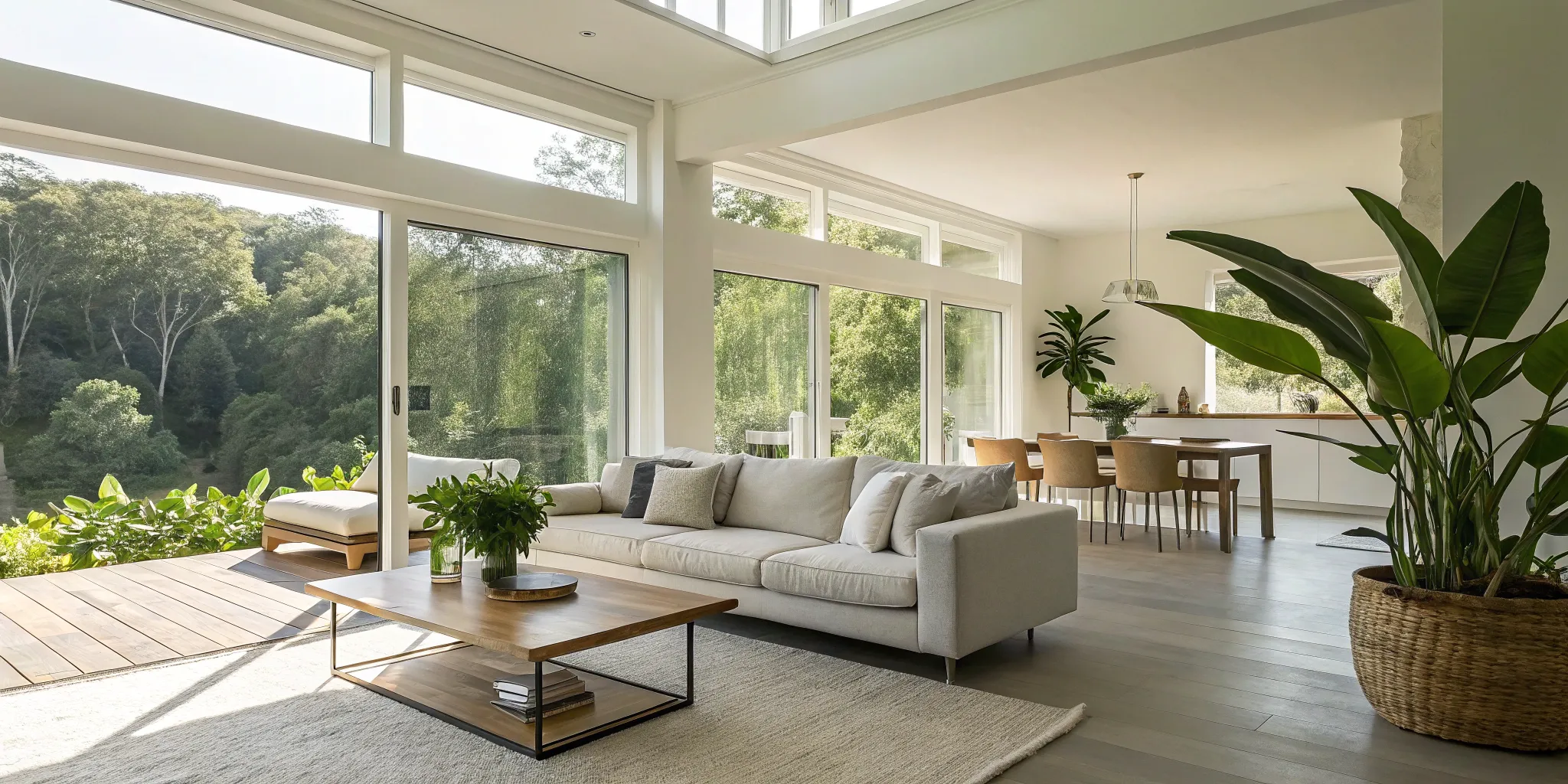
A home's square footage gives you a starting point, but it doesn't tell the whole story. Two homes with the exact same measurements can feel worlds apart. One might feel open, airy, and intuitive, while the other feels cramped and awkward. The difference often comes down to design details that go beyond a simple number. When you're evaluating a space, it's crucial to look at how the square footage is actually used. A well-designed home maximizes every inch, making it feel more spacious and functional for years to come.
Think of it this way: the number tells you the quantity of space, but the design tells you about the quality. A thoughtful layout can make a 1,500 sq ft home feel more livable than a poorly designed 2,000 sq ft one. Factors like room flow, ceiling height, and storage availability play a huge role in your day-to-day comfort. These are the elements that determine whether a house truly feels like a home. So, before you get too focused on the price per square foot, take a step back and consider the features that shape the real-life experience of the space.
Analyze the Layout and Traffic Flow
A great layout is all about flow. Think about how you move through a space during your daily routine. Can you carry groceries from the garage to the kitchen without navigating a maze of hallways? Does the path from the bedrooms to the living area feel natural? Efficient home layouts prioritize clear sightlines and easy circulation, which makes a home feel larger and more connected. A smart design minimizes wasted space, like long, dark corridors, and instead focuses on creating open, usable areas. This not only improves your living experience but also helps with airflow, allowing your HVAC system to cool your home more evenly and efficiently.
Consider Ceiling Height and Room Proportions
Don't forget to look up! Ceiling height has a massive impact on how spacious a room feels. A standard 8-foot ceiling is common, but stepping into a room with 9- or 10-foot ceilings can feel like a breath of fresh air. That extra vertical space makes the entire home feel more expansive and luxurious, even if the floor plan is modest. The proportions of a room matter, too. A long, skinny room can be difficult to furnish and feel unbalanced. Look for rooms with balanced dimensions that feel comfortable and are easy to arrange. These principles of scale and proportion are key to creating a space that feels just right.
Plan for Storage and Functional Space
A place for everything and everything in its place—it’s more than just a saying. It’s the key to a comfortable, clutter-free home. When a house has ample, well-designed storage, your living areas can be used for their intended purpose: living. Look for practical solutions like walk-in closets, a kitchen pantry, linen closets, and smart garage organization. Without enough storage, your belongings can quickly spill into your living space, making even a large home feel cramped and chaotic. Effective storage solutions are crucial for maximizing every square foot and keeping your home functional and serene, allowing you to truly enjoy the space you have.
How Square Footage Impacts Your HVAC System
When you live in Florida, your air conditioner is more than a luxury—it's a lifeline. But finding the right system isn't as simple as picking the most powerful one. The size of your home, measured in square footage, is one of the most critical factors in choosing an HVAC system that keeps you comfortable without sending your energy bills through the roof. It’s a classic Goldilocks situation: you need a unit that’s just right.
A system that’s too small for your space will run constantly, struggling to keep up with the Florida heat. This constant operation leads to premature wear and tear and sky-high utility costs. On the other hand, a unit that’s too large is just as problematic. It will cool your home too quickly, shutting off before it has a chance to properly dehumidify the air. This can leave your home feeling cool but clammy—a recipe for discomfort and potential mold growth. Getting the size right ensures your system runs efficiently, controls humidity, and provides consistent comfort in every room.
Match Your HVAC Size to Your Home's Needs
So, how do you find that "just right" size? A good rule of thumb is to plan for about 20 BTUs (British Thermal Units, a measure of cooling power) for every square foot of living space. For a 2,000-square-foot home, that means you’d look for a system around 40,000 BTUs. However, this is just a starting point. Factors like ceiling height, window quality, insulation, and how much sun your home gets also play a huge role. A professional air conditioning installation involves a detailed calculation to account for your home’s unique characteristics, ensuring you get a perfectly matched system.
Why Ductwork and Air Distribution Matter
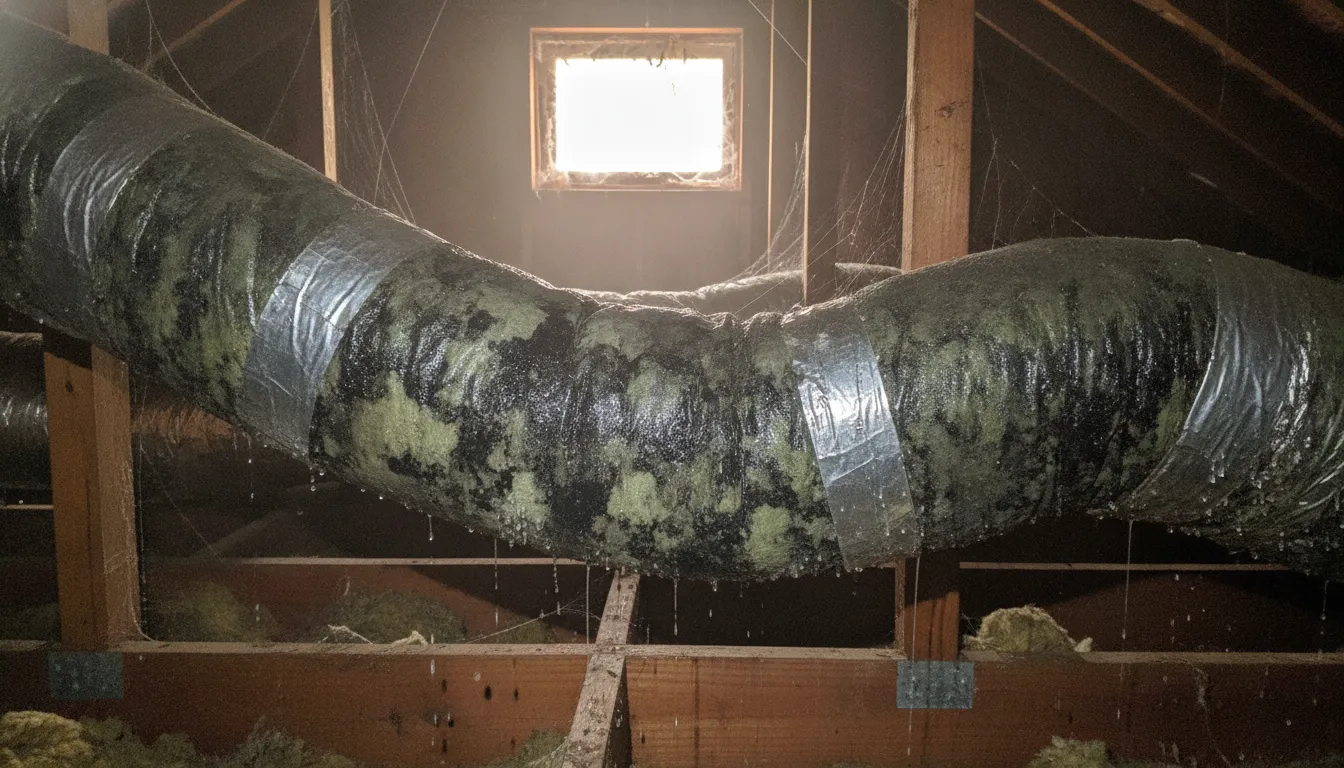
Your HVAC system is more than just the outdoor unit; it’s an entire network, and your ductwork acts as its highways. You can have the most efficient, perfectly sized AC unit on the market, but if your ducts are leaky, poorly designed, or improperly sized, you’re just throwing money away. Inadequate ductwork leads to poor air distribution, creating frustrating hot and cold spots throughout your home. It forces your system to work harder to push air where it needs to go, increasing energy consumption. Ensuring your ductwork is sealed and correctly sized is essential for your system to perform at its best.
Improve Energy Efficiency in Any Size Space
Your HVAC system doesn't work in a vacuum. The overall energy efficiency of your home has a massive impact on how hard your AC has to work. Simple things like upgrading to energy-efficient windows, adding insulation in the attic, and sealing air leaks around doors can make a world of difference. These improvements help keep the cool air inside and the hot, humid Florida air outside. When your home is well-insulated, your AC unit can maintain a comfortable temperature more easily, reducing its runtime and lowering your energy bills. Pairing these upgrades with regular air conditioning maintenance ensures your entire system operates at peak efficiency, no matter the square footage.
Common Myths About Square Footage
Square footage seems like a simple, straightforward number, but it’s one of the most misunderstood aspects of a home. The number you see on a real estate listing isn’t always the full story, and these common myths can lead to confusion when you’re trying to find the right home or the right size air conditioner. Getting clear on what square footage actually represents helps you make smarter decisions, ensuring your space truly fits your needs and your HVAC system runs efficiently. Let’s clear up a few of the biggest misconceptions.
Know What's Included (and What's Not)
One of the most common myths is that square footage includes every single space within a home’s exterior walls. In reality, the official measurement typically excludes areas like garages, unfinished basements, and screened-in lanais. The focus is on finished, livable areas. This is why the layout is so critical. For example, different house plans show that a 1,000-square-foot home could be a cozy one-bedroom or a compact three-bedroom. The number itself doesn’t tell you how functional the space will be; you have to look at how the rooms are arranged and whether the flow works for your lifestyle.
Livable Space vs. Total Square Footage
You’ll often hear the term “livable space” or “finished square footage,” and it’s important to know the difference. Livable space is the area that is heated, cooled, and suitable for year-round living. It has finished floors, walls, and ceilings. Total square footage, on the other hand, might be a looser term that includes non-livable areas. This distinction is vital, especially here in Florida. Sizing an air conditioning system based on a total number that includes a hot garage will result in an inefficient unit, higher energy bills, and poor performance. Always focus on the livable, air-conditioned square footage for the most accurate assessment.
Compare Marketing Claims to Actual Measurements
The square footage advertised in a property listing can sometimes be a bit generous. It’s not always intentionally misleading, but different people may measure differently. That’s why it’s smart to be a savvy buyer and do your own homework. You can often find official measurements on county property appraiser websites. You can also use a price per square foot calculator to compare the value of different properties, but remember it’s just a starting point. Nothing beats walking through a home to see if the space actually feels right to you, regardless of what the numbers say on paper.
How to Visualize and Verify Square Footage
Seeing a number like "2,000 sq ft" on a property listing can feel abstract. How big is that, really? Learning to translate that number into a real-world feel is a crucial skill when you’re looking for a new home or planning a renovation. It helps you understand if a space will fit your furniture, your family, and your lifestyle. Beyond just imagining the space, it’s also important to know how to verify those numbers. An accurate square footage measurement is key for everything from property valuation to getting a correct estimate for a new HVAC system, ensuring you don't over- or under-cool your home. Let's walk through a few simple ways to get a better handle on what square footage really means for you.
Translate Numbers into a Real-Life Feel
The first step is to understand that square footage simply refers to the total area inside a home's walls. But a number on paper doesn't always capture how a space lives. A 1,800-square-foot home with an open-concept design can feel much larger than a 2,000-square-foot home with many small, closed-off rooms. Pay attention to the layout. High ceilings can also make a room feel more spacious than its square footage suggests. The best way to get a feel for different sizes is to walk through them. Visit open houses for homes of various sizes—even if you aren't planning to buy—to build a mental reference for what 1,500, 2,000, or 2,500 square feet actually feels like.
Use Everyday Objects for Size Comparison
If you can't tour a home in person, try comparing its square footage to things you already know. This mental trick can make the numbers much more concrete. For example, a standard two-car garage is typically around 400 square feet. So, a 2,000-square-foot home is roughly the size of five two-car garages. A professional basketball court is 4,700 square feet, so a 2,350-square-foot home is about half the size of a court. You can also visualize room sizes by thinking in smaller chunks. A 12x12 foot bedroom is 144 square feet. Breaking down a home’s total square footage into these familiar blocks makes it much easier to imagine the overall scale.
How to Confirm Official Measurements
While visualization is helpful, you also need to confirm the official numbers. You can often find a property's square footage on county appraisal district websites or in the original blueprints. When you're seriously considering a home, comparing the listed square footage to these official records is a smart move. This number is used to calculate the price per square foot, which helps you assess the true value of a property against others in the area. Having an accurate measurement is also essential for homeownership tasks, like ordering the right amount of flooring or getting a precise quote for an air conditioning installation that’s properly sized for your space.
What Affects Measurement Accuracy?
Getting an exact square footage number for a home can be surprisingly tricky. You might see one number on a tax record, another on a real estate listing, and get a completely different result when you measure it yourself. This isn't necessarily because someone is wrong; it's because several factors can influence the final measurement. From the tools used to the unique shape of a room, small variables can add up. It’s a common point of confusion for homeowners, but it’s easily explained once you know what to look for.
Understanding these factors is important for more than just satisfying your curiosity. Accurate square footage is essential for determining property value, and it’s a critical piece of the puzzle when it comes to your home's comfort. An undersized or oversized air conditioner can lead to high energy bills, uneven cooling, and poor performance. That's why getting the measurements right is the first step in a proper air conditioning installation. Knowing what can affect accuracy helps you make more informed decisions, whether you're buying, selling, or just making your home more comfortable and efficient.
Professional vs. DIY Measurements
One of the biggest reasons for different measurements comes down to who is holding the tape measure. Professionals, like appraisers or HVAC technicians, often use precise tools like laser distance measurers to ensure accuracy. They’re also trained to follow specific industry standards for what to include and how to handle tricky spaces. This level of precision is crucial for official documents and for designing systems that fit your home perfectly. However, that doesn't mean you can't get a good estimate on your own. A simple tape measure, a notepad, and a calculator are all you really need for a DIY measurement. While it might not be as exact as a professional assessment, it’s perfect for personal projects like furniture arranging or painting.
Architectural Features That Can Complicate Things
If every room were a perfect box, measuring would be a breeze. But homes are full of interesting architectural details that can make calculations more complex. Angled walls, bay windows, curved staircases, and open-concept layouts can all throw a wrench in the simple length-times-width formula. So, how do you handle these odd shapes? The best approach is to break the room down into smaller, manageable sections. If you have an L-shaped living room, for example, treat it as two separate rectangles. Measure each one individually and then add their square footage together to get the total for the space. Remember that while features like vaulted ceilings add to the room's volume and impact your HVAC needs, they don't change the floor's square footage.
Regional Standards and Appraisal Guidelines
Not all space in your home is created equal, at least not according to official guidelines. Appraisers follow specific standards to determine what counts as "livable" or "finished" square footage. Generally, this includes areas that are heated and cooled, with finished walls, floors, and ceilings. This means that garages, unfinished basements, and screened-in lanais are typically not included in the home's total finished square footage. These standards are important because they create a consistent way to compare properties and calculate value. The price-per-square-foot metric, which helps determine a home's market price, relies on this official, livable floor space. It's also the number a professional will use when sizing a new HVAC system.
Choose the Right Square Footage for You
Finding the perfect home isn't just about location or curb appeal; it's about finding a space that truly fits your life. The right square footage can make the difference between a house that feels just right and one that feels cramped or cavernous. It’s a balancing act between what you need today, what you can afford for the long haul, and what you might want tomorrow. Let's walk through how to find that sweet spot.
Match Your Space to Your Lifestyle
Start by thinking about how you actually live. Are you a homebody who loves to host, or are you always out and about? Do you work from home and need a dedicated office? A 2,000 sq. ft. home, for example, often has three to four bedrooms, making it suitable for families or anyone who wants extra room for guests or hobbies. Make a list of your non-negotiables—like a playroom for the kids or a quiet reading nook—and then consider your 'nice-to-haves.' This isn't about chasing a number; it's about finding a layout that supports your daily routines and makes you feel comfortable.
Factor in Your Budget and Long-Term Costs
A bigger home often comes with a bigger price tag, and not just upfront. Understanding the cost per square foot is a useful metric for comparing properties, but remember that your expenses don't stop at the mortgage. Larger spaces mean higher utility bills, especially for cooling in the Florida heat. Property taxes and insurance costs also scale with the home's size. When you're budgeting, think about the total cost of ownership. A properly sized and maintained AC system is crucial for keeping those energy bills in check, so regular air conditioning maintenance is a must, no matter the square footage.
Plan Ahead for Future Flexibility
What does your life look like in five or ten years? While you can't predict the future, you can plan for it. Choosing a home with a bit of extra space can provide the flexibility to adapt as your needs change, whether that means welcoming a new baby or caring for aging parents. That spare bedroom might seem unnecessary now, but it could become a nursery, a gym, or a home office down the road. As your family grows, ensuring great indoor air quality also becomes a top priority. Thinking ahead can save you the stress and expense of moving when life throws you a curveball.
Frequently Asked Questions
Why is the square footage on a real estate listing sometimes different from the official tax records? It's common to see slightly different numbers because there isn't one single, universal standard for measurement. A real estate agent might measure differently than a county appraiser, or one might include a finished attic space while the other doesn't. For the most reliable number, it's always best to refer to the official county appraisal or the home's original blueprints.
Does a bigger home automatically need a much bigger air conditioner? Not necessarily. While square footage is the main factor, a well-insulated 2,000-square-foot home with new, energy-efficient windows might require a smaller AC unit than an older, less efficient home of the same size. A professional considers factors like ceiling height, sun exposure, and insulation to determine the precise cooling power your specific home needs.
Should I count my garage or screened-in lanai when thinking about my home's size? For everyday conversation, you can think of your home's size however you like. But when it comes to your HVAC system, you should only focus on the "conditioned" or livable square footage. Including a hot garage or an uninsulated lanai in your calculations can lead to getting an oversized AC unit that will run inefficiently and struggle to control humidity.
How much does the layout of a home really affect how big it feels? The layout has a massive impact. A home with an open-concept design and high ceilings can feel much more spacious than a larger home with a choppy layout and lots of small, dark hallways. Good design maximizes usable space, which is why you should always walk through a home to see how it flows before getting too attached to the number on paper.
What's the first step in figuring out the right AC size for my home's square footage? Knowing your home's approximate square footage is a great starting point. However, the best first step is to have a professional perform what's called a "load calculation." This detailed assessment looks at your home's size, layout, insulation, window placement, and more to determine the exact size and type of system that will keep you comfortable and your energy bills reasonable.