AC Blowing Hot Air in Apartment? Try These Fixes

Living in an apartment means you rely on a maintenance team for major repairs, which can sometimes feel like you’re not in control. This is especially true when you discover an a c blowing hot air in your apartment and your comfort is suddenly in someone else’s hands. While you should always let professionals handle complex repairs, being informed about what could be wrong is incredibly empowering. Understanding the common causes, from a dirty filter to a tripped breaker, helps you communicate the problem clearly and might even allow you to solve it yourself. Let’s explore the typical reasons your AC stops cooling so you can take the right first steps.
Key Takeaways
- Check the simple fixes first: Before calling for help, always check your thermostat settings, air filter, and circuit breaker. The solution is often a quick, five-minute fix you can handle yourself, saving you time and a service call.
- Know when to call a professional: Don't ignore major red flags like strange noises, leaks, or a breaker that keeps tripping. These are signs of a bigger problem, and turning off the system to call for repair is the safest move for your AC.
- Practice proactive AC care: You can prevent many future problems with simple, consistent habits. Regularly changing your air filter, keeping the outdoor unit clear, and scheduling annual maintenance helps your system run efficiently and last longer.
Why Is Your AC Blowing Hot Air? 5 Common Culprits
Feeling warm air coming from your vents when you expect a cool breeze is frustrating, especially in the Florida heat. It’s a clear sign that something is wrong with your air conditioning system. While it’s tempting to assume the worst, the cause is often one of a handful of common issues. Understanding what might be happening is the first step toward getting your cool air back. From a simple filter swap to a more complex mechanical problem, let's walk through the five most frequent reasons your AC is blowing hot air.
Dirty Air Filters
Think of your air filter as your AC's lungs. When it gets clogged with dust, pet dander, and other debris, it can't "breathe." This blockage restricts airflow, forcing your system to work much harder to pull in air. The strain can cause the unit to overheat and shut down its cooling components to prevent damage, leaving the fan to circulate warm, stagnant air through your apartment. A dirty filter is one of the most common culprits, but luckily, it's also one of the easiest to address. Regular air conditioning maintenance always includes checking the filter for this very reason.
Low Refrigerant
Refrigerant is the essential substance that flows through your AC coils, absorbing heat from your indoor air and releasing it outside. If your system is low on refrigerant, it simply doesn't have enough cooling power to do its job. This isn't like gas in a car; refrigerant doesn't get "used up." Low levels almost always mean there's a leak somewhere in the lines. When this happens, your AC can't effectively cool the air, and you'll feel warm air from the vents. Topping off the refrigerant without fixing the leak is only a temporary fix, so it's important to have a professional handle the AC repair and seal the source of the problem.
A Faulty Thermostat
Sometimes the problem isn't with the AC unit itself but with its brain: the thermostat. If your thermostat is malfunctioning, it might not be correctly reading the room's temperature or communicating the right signals to your cooling system. It could be something as simple as dead batteries or incorrect settings (like being switched to "heat" or "fan only"). However, it could also be a more complex issue with the wiring or internal sensors. A faulty thermostat can trick your system into thinking it doesn't need to cool, even when your apartment is getting uncomfortably warm.
Electrical Problems
Your air conditioner relies on a series of electrical components to function correctly. If a part like a capacitor or contactor fails, it can disrupt the power flow to critical parts of your system, like the outdoor condenser unit. When this happens, the indoor fan might still run and blow air, but without the outdoor unit working, there's no cooling process taking place. You're left with room-temperature air circulating through your vents. Electrical issues can be tricky and dangerous to diagnose on your own, so it's always best to call for emergency air conditioning services if you suspect a problem.
Compressor Trouble
The compressor is the heart of your air conditioning system. It's responsible for pressurizing and circulating the refrigerant throughout the unit to transfer heat. If the compressor fails, the entire cooling cycle comes to a halt. The fan may still operate, but without a working compressor, the refrigerant won't move, and your AC will only blow warm air. Compressor failure is one of the more serious AC problems and can be costly to fix. In some cases, especially with older units, it might make more sense to consider a full air conditioning installation and replacement.
First Steps: What to Do When Your AC Blows Hot Air
That moment of panic when you realize your AC is blowing warm air is all too familiar, especially in the Florida heat. Before you assume the worst, take a deep breath. Often, the problem is something you can fix yourself in just a few minutes. These simple troubleshooting steps can help you identify and possibly solve the issue without needing to call for backup. Walking through these checks first can save you time, discomfort, and even the cost of a service call. Let’s go through the most common culprits one by one to see if we can get that cool air flowing again.
Check and Change Your Air Filter
One of the most frequent reasons an AC stops cooling is a dirty, clogged air filter. Think of it like trying to breathe with a hand over your mouth; if air can't get through the filter, your system can't work properly. This blockage restricts airflow, forcing your AC to work much harder and eventually causing it to overheat and blow warm air. Finding your filter is usually easy; it’s often in a slot near your indoor air handler or in a return air vent in the wall or ceiling. Slide it out and hold it up to the light. If you can't see light through it, it’s time for a new one. Regular filter changes are a key part of simple AC maintenance that keeps your system healthy.
Double-Check Your Thermostat Settings
It might sound too simple to be true, but sometimes the fix is right at your fingertips. An incorrect thermostat setting can easily be mistaken for a broken AC. First, make sure your thermostat is set to "COOL," not "HEAT." Next, check the fan setting. If it’s set to "ON," the fan will run constantly, even when the cooling components aren't active. This means it will circulate room-temperature air between cooling cycles, making you feel like the AC is blowing warm air. Switching the fan to "AUTO" ensures it only runs when your system is actively cooling, which is much more efficient and effective.
Inspect the Circuit Breaker
Your air conditioning system is a powerful appliance that requires a lot of electricity, so it has its own dedicated circuit breakers. If a breaker trips due to a power surge or an overload, it will cut power to your AC unit. Head to your electrical panel and look for the breaker labeled "AC," "Air Conditioner," or "HVAC." A tripped breaker will be in the middle position or shifted to "OFF." To reset it, flip the switch completely to the "OFF" position and then firmly back to "ON." If the breaker trips again immediately, don't reset it again. This indicates a more serious electrical issue that requires professional air conditioning repair.
Clear the Outdoor Condenser Unit
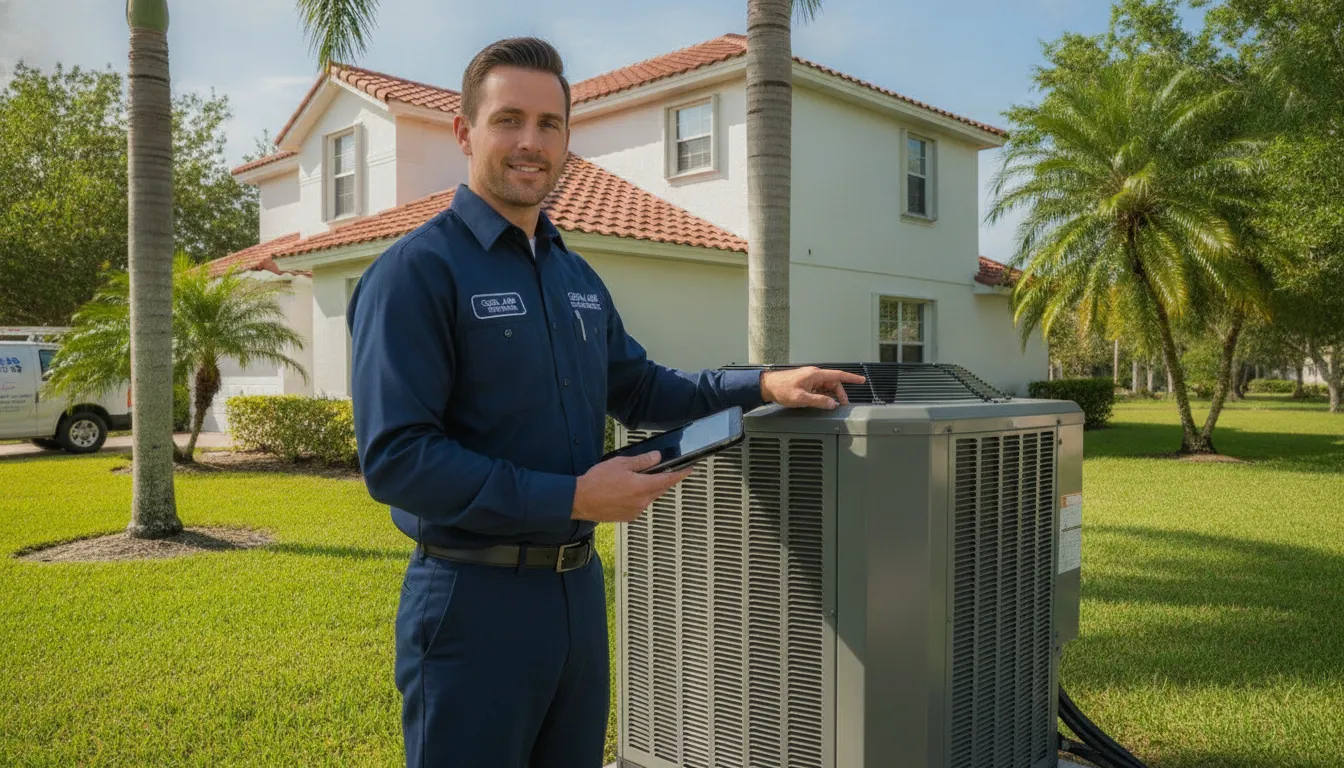
Your AC system has two main parts: an indoor unit and an outdoor unit. The outdoor condenser is responsible for releasing all the heat it pulls from your apartment. If this unit is covered in dirt, leaves, or has furniture pushed up against it, it can't breathe. This traps heat, causing the system to overheat and fail to cool your home. If you can safely access your outdoor unit (it might be on a balcony or patio), check for any debris. Gently clear away any leaves, grass clippings, or dirt, and make sure there are at least two feet of clear space around the entire unit for proper airflow.
Look for Blocked Vents
Proper airflow is crucial for your AC to cool your apartment evenly. If the vents that supply cool air are blocked, it can disrupt the entire system. Take a quick walk through your apartment and check all the supply vents (the ones blowing air out) and return vents (the larger one pulling air in). Make sure they aren't obstructed by furniture, rugs, curtains, or anything else. Blocked vents can create pressure imbalances that reduce your system's efficiency and lead to warm spots or the system blowing warm air altogether. Keeping them clear is a free and easy way to improve your AC's performance.
Try an AC System Reset
If you’ve tried everything else and nothing has worked, a full system reset might do the trick. Sometimes, a minor glitch in the system's electronics can cause it to malfunction, and a reset can clear it. First, turn your AC off at the thermostat. Next, go to your circuit breaker and flip the AC's breaker to the "OFF" position. Leave it off for about 30 minutes to allow the internal components to fully reset. After 30 minutes, turn the breaker back "ON," then go back to your thermostat and set it to "COOL." If your AC still blows hot air after the reset, it’s time to call in the pros for emergency AC services.
Time to Call Maintenance? Watch for These Signs
You’ve tried the basic fixes, but your apartment still feels like a sauna. While some AC issues are simple DIY tasks, others are clear signals that your system needs professional help. Ignoring these warning signs can lead to more extensive damage and costly repairs down the road. If you notice any of the following problems, it’s best to turn off your AC and call for professional air conditioning repair to get things running smoothly and safely again.
The Hot Air Won't Stop
If your AC continues to pump out warm or hot air after you’ve checked the thermostat and filter, turn the system off immediately. Letting it run in this condition can cause serious damage to the compressor, which is one of the most expensive parts to replace. This is a major red flag that points to a more complex issue, such as a refrigerant leak or a mechanical failure. Instead of hoping it will fix itself, this is the moment to call in a technician. They can safely diagnose the root cause and prevent a small problem from turning into a complete system breakdown.
You Hear Strange Noises or Smell Odors
Your air conditioner should operate with a consistent, low hum. If you start hearing unusual sounds like rattling, clanking, grinding, or squealing, it’s a cry for help. These noises often indicate a loose part, a problem with the motor, or a failing compressor. Similarly, any strange odors, especially a burning smell, are a serious concern that could point to an electrical issue. Don't ignore your senses. Unusual sounds and smells are your AC's way of telling you something is wrong, and it’s time to have a professional take a look before the damage gets worse.
You See Leaks or Ice Buildup
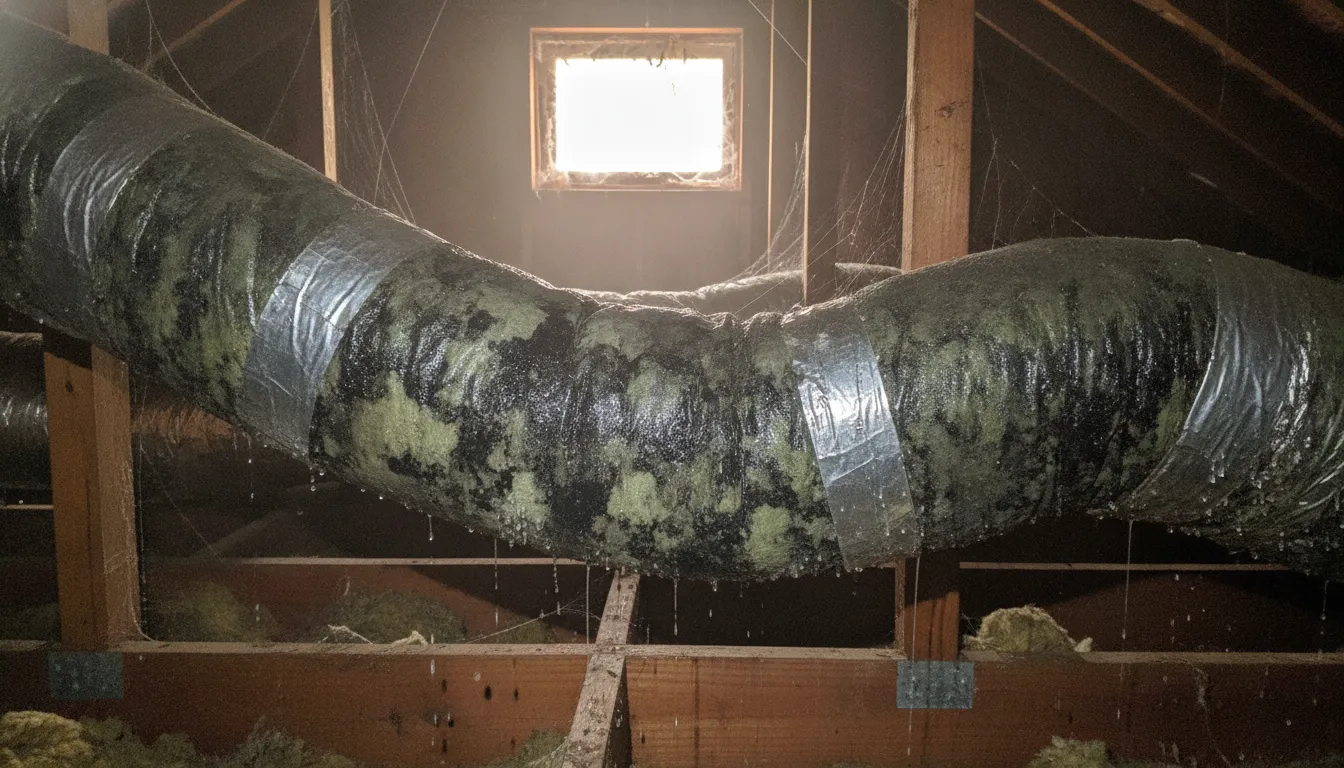
Water pooling around your indoor AC unit or ice forming on the refrigerant lines is never a good sign. While you can try switching the system to "Fan Only" mode to help melt the ice, this is usually just a temporary solution. Persistent ice buildup often signals a problem with airflow or low refrigerant levels. Water leaks could mean you have a clogged drain line, which can lead to water damage and mold growth in your apartment. Both issues require a technician to properly diagnose and fix the underlying cause, ensuring your system runs efficiently and safely.
The Breaker Keeps Tripping
A circuit breaker that trips once might just be a fluke. But if you find yourself constantly resetting the breaker for your AC unit, there’s a deeper problem. The breaker is a safety feature designed to shut off power when it detects an overload or a fault in the electrical circuit. When it trips repeatedly, it’s warning you that your AC is drawing too much power, which could be due to a struggling compressor or a wiring issue. Continuously resetting it is not a solution and can be a fire hazard. It's essential to call for emergency AC services to address the electrical problem safely.
The Evaporator Coils Are Frozen
If you peek inside your indoor AC unit and see a block of ice on the coils, you’ve found a clear source of your cooling problem. The evaporator coils are responsible for absorbing heat from your air, but they can’t do their job when they’re frozen solid. This issue is typically caused by restricted airflow from a dirty filter or blocked vents, but it can also indicate a more serious refrigerant leak. A frozen coil will not only stop your AC from cooling but can also cause significant damage if left unaddressed. A technician can safely thaw the coils and fix the root problem.
Your Energy Bill Suddenly Spikes
Have you noticed your electricity bill creeping up for no apparent reason? Your air conditioner could be the culprit. When an AC system is struggling to cool your home due to issues like low refrigerant, a failing motor, or dirty coils, it has to run longer and work harder. This inefficiency directly translates to higher energy consumption and a bigger bill for you. If your cooling costs have suddenly jumped, it’s a good idea to schedule professional AC maintenance. A tune-up can identify what’s causing the inefficiency and get your system back to running at peak performance.
How to Keep Your AC Running Cool
An ounce of prevention is worth a pound of cure, especially when it comes to your air conditioner. Staying on top of a few simple tasks can make a huge difference in your AC’s performance, helping you avoid that dreaded moment when hot air starts blowing on a sweltering Florida afternoon. These habits not only keep you comfortable but can also extend the life of your system and help manage your energy bills. Think of it as a simple routine to protect one of your home’s most important investments. By incorporating these steps into your regular home care, you can keep your AC running smoothly all year long.
Change Your Filters Regularly
This is one of the easiest and most effective things you can do for your AC. A dirty air filter is like trying to breathe through a stuffy mask; it forces your system to work much harder to pull in air. This strain can reduce efficiency and lead to bigger problems down the road. A clogged filter restricts airflow, making it difficult for your unit to cool your home effectively. Check your filter every month and plan to replace it every 1 to 3 months, depending on factors like pets, allergies, and how often your system runs. It’s a five-minute task that pays off in performance and air quality.
Keep the Outdoor Unit Clear
Your AC system has an outdoor component called the condenser, and it needs space to breathe. Its job is to release the heat that’s been removed from your home. If it’s covered in leaves, grass clippings, or dirt, it can’t do its job properly. This can cause the system to overheat and blow warm air inside. Take a few minutes every month or so to clear away any debris from the top and sides of the unit. A good rule of thumb is to maintain at least two feet of clear space around the entire condenser. This simple step ensures your system can work efficiently without obstruction.
Pay Attention to Your Thermostat
Sometimes the simplest solution is the right one. Before you assume the worst, take a quick look at your thermostat. Make sure it’s set to “cool” and that the target temperature is lower than the current room temperature. It’s also possible that the thermostat’s batteries are low, which can cause it to malfunction. Swapping in a fresh set of batteries is an easy troubleshooting step that can sometimes resolve the issue immediately. If the screen is blank or the settings aren't holding, a battery change is a great place to start.
Check and Clear the Drain Line
Your AC doesn't just cool the air; it also removes humidity. That moisture is collected and funneled outside through a condensate drain line. If this line gets clogged with algae or debris, the water can back up. Most systems have a safety switch that will shut off the unit to prevent water damage if it detects a backup. You can often find the drain line near your indoor unit and may be able to clear minor clogs yourself with a wet/dry vac. If you’re not comfortable doing this, it’s a quick fix for a professional.
Schedule Professional Maintenance
Just like your car, your AC system needs regular tune-ups to perform at its best. Scheduling annual professional maintenance allows a trained technician to clean the coils, check refrigerant levels, inspect electrical components, and catch small issues before they turn into major, expensive repairs. A well-maintained unit runs more efficiently, cools more effectively, and lasts longer. It’s the best way to ensure your system is ready to handle the Florida heat and give you peace of mind knowing everything is in working order.
Simple Ways to Improve Your Apartment's Cooling
Even when your AC is working perfectly, the Florida heat can be relentless. The good news is you can give your system a helping hand without spending a lot of money. A few simple adjustments around your apartment can make a huge difference in how cool you feel, how hard your AC has to work, and even how much you spend on energy. These tips will help you maximize your comfort and get the most out of your air conditioning.
Seal Leaks Around Windows and Doors
Think of your apartment like a cooler. If there are gaps, the cold air will escape. That’s exactly what happens when you have small leaks around your windows and doors. Hot, humid air from outside seeps in, while your precious cool air slips out. This forces your AC to run longer and harder to maintain the temperature you set. Take a walk around your apartment and feel for drafts. You can easily seal these air leaks with inexpensive weatherstripping or caulk. It’s a simple fix that helps your AC work smarter, not harder, keeping your apartment comfortable and your energy bills in check.
Use Your Ceiling Fans Correctly
Ceiling fans are a fantastic way to feel cooler without cranking down the thermostat. A common misconception is that fans lower the room's temperature; they don't. Instead, they create a wind-chill effect on your skin, making you feel cooler. For this to work during the summer, make sure your fan blades are spinning counter-clockwise. This pushes cool air downward. When you leave the room, turn the fan off to save energy. Using fans allows you to set your thermostat a few degrees higher while still feeling just as comfortable, which is a great way to reduce your energy costs.
Set a Consistent Temperature
It can be tempting to blast the AC when you get home and then turn it way up when you leave, but these drastic temperature swings can strain your system. Your AC uses a lot of energy to cool a hot apartment from scratch. A better approach is to find a comfortable, steady temperature and leave it there, especially when you're home. If your apartment has a programmable or smart thermostat, use it to your advantage. You can schedule it to ease up a few degrees when you’re away and start cooling down shortly before you return. This consistency helps your AC run more efficiently and prevents unnecessary wear and tear.
Keep Your Vents Open and Clear
Your AC system is designed to circulate air in a balanced loop. When a vent is closed or blocked, it disrupts this airflow, creating pressure imbalances that can reduce efficiency and even damage your system over time. Take a quick look around your apartment. Is a couch, a bookshelf, or a pile of laundry blocking any of the supply or return vents? Make sure every vent has at least a few inches of clearance. Keeping them all open and unobstructed ensures that the cool air can travel freely, allowing your AC to cool your space evenly and effectively. It’s one of the easiest ways to support your HVAC system’s health.
Block Out Afternoon Sun
Florida sunshine is beautiful, but it can also turn your apartment into a greenhouse. The heat that comes through your windows is called solar gain, and it makes your AC work overtime to keep things cool. During the hottest parts of the day, especially in the afternoon when the sun hits west-facing windows, close your blinds or curtains. Blackout curtains are particularly effective at blocking both light and heat. This simple habit can significantly reduce the amount of heat entering your apartment, giving your air conditioner a much-needed break and keeping your home more comfortable.
What to Know About Your Apartment's AC
Living in an apartment means you have a maintenance team on call, which is a huge plus. But it also means you aren't in complete control of your appliances. When it comes to your air conditioner, understanding a few key things about your specific situation can help you stay cool and communicate effectively with your property manager. Knowing your responsibilities, what to look for, and how your unit operates will make it easier to solve problems when they pop up.
Know Your Lease and Responsibilities
Before you do anything, your first stop should always be your lease agreement. This document outlines who is responsible for what. In most cases, your landlord or property management company is responsible for major repairs and routine air conditioning maintenance. You shouldn't be trying to fix mechanical components or access the outdoor unit yourself. Your job is usually limited to simple tasks like changing the air filter and reporting problems promptly. If your AC is blowing hot air, your best first move after checking the basics is to contact your maintenance team and let them handle the technical work.
Keep the Area Around Your Unit Clear
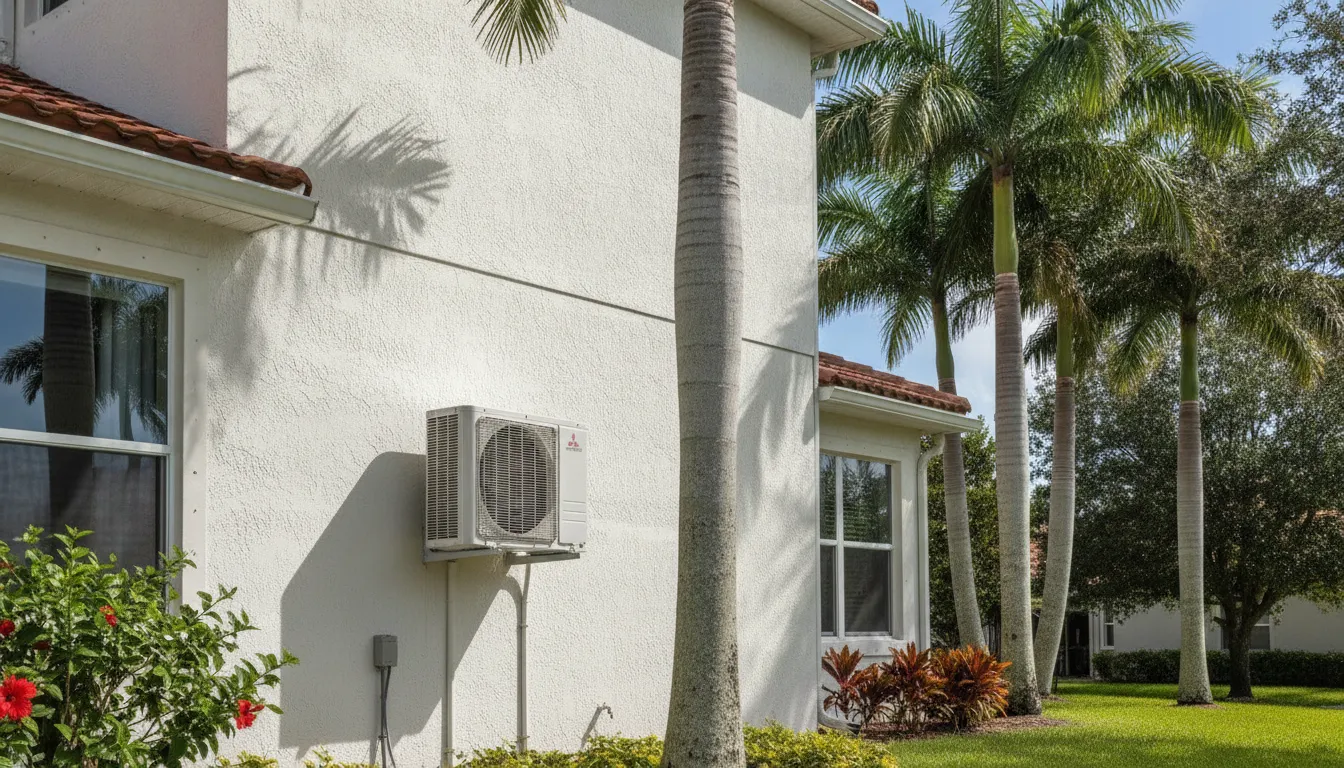
Your AC needs to breathe. The outdoor unit, called the condenser, pulls in air to cool your apartment. If it's blocked by leaves, dirt, or overgrown plants, it can't work efficiently and may start to overheat. While you should leave the deep cleaning to the pros, you can help by gently clearing away any obvious debris from around the unit. Make sure bushes and other plants are trimmed back at least two feet. Inside, ensure none of your furniture or curtains are blocking the air vents, as this can also disrupt airflow and make your system struggle.
Monitor Your Apartment's Humidity
Ever notice that your apartment feels sticky or damp even when the AC is running? That's a red flag. Part of your air conditioner's job is to remove humidity from the air. If it's failing to do so, it could point to a deeper issue, like low refrigerant or a problem with the coils. High humidity not only feels uncomfortable but can also affect your home's indoor air quality. If you notice persistent stuffiness or condensation on your windows, be sure to mention it in your maintenance request. It’s a key symptom that can help technicians diagnose the problem faster.
Understand Your AC Unit's Age
Just like any other appliance, an air conditioner has a limited lifespan. Most systems last about 10 to 15 years. If you’re in an older building, there's a good chance your AC unit is nearing the end of its life. While you aren't responsible for the AC replacement, knowing the unit's age can help you set realistic expectations. An older system is more likely to break down, run inefficiently, and struggle to keep up on hot Florida days. If you’re dealing with constant issues, it might be worth discussing the unit's age and performance with your landlord.
Related Articles
- 5 Signs Your AC Needs Repair
- Prepare Your HVAC for a Florida Summer
- Benefits of Regular HVAC Maintenance
- HVAC Tips & Insights Blog - Expert Advice from 5 Star Air
- AC Repair Services
Frequently Asked Questions
I checked my filter and thermostat, but my AC is still blowing hot air. What should I check next? If you've already covered those two main culprits, the next simple step is to check your outdoor unit. Walk outside and make sure nothing is blocking it, like overgrown bushes, leaves, or patio furniture. The unit needs at least two feet of clear space around it to work correctly. If the outdoor unit looks clear, try resetting the system at the circuit breaker. Turn the AC's breaker off for 30 minutes, then switch it back on. If neither of these steps brings back the cool air, it's time to call a professional.
How often should I really be changing my air filter here in Florida? While the general guideline is every 1 to 3 months, Florida's climate puts our ACs to the test. Because of the high humidity, pollen, and dust, it's a smart habit to visually check your filter every month. If you have pets or family members with allergies, you will likely need to change it monthly. A clean filter is the easiest and most affordable way to keep your system running efficiently and prevent problems.
My AC is making a loud rattling or grinding noise. Should I be concerned? Yes, you should definitely be concerned. Your air conditioner should run with a consistent, low hum. Any sudden or loud noises like rattling, grinding, or squealing are signs that something is wrong internally. It could be a loose part or a failing motor. To prevent more serious damage, turn your AC system off completely and call for professional repair service.
Is it a problem if my apartment feels humid even when the AC is running? It is definitely a sign that something isn't right. A huge part of your air conditioner's job is to remove humidity from the air, not just cool it down. If your home feels sticky or damp, it could mean your system is struggling with a clogged drain line, low refrigerant, or dirty coils. Persistent humidity can affect your comfort and air quality, so it's a good reason to schedule a maintenance check.
Can I just add more refrigerant to my AC if I think it's low? Refrigerant isn't like gas in a car; it doesn't get "used up" over time. Your AC is a closed-loop system, so if the refrigerant is low, it almost always means there is a leak somewhere. Simply adding more refrigerant without fixing the leak is only a temporary patch, and the problem will quickly return. A licensed technician needs to find and repair the source of the leak to provide a lasting solution.