AC Not Cooling Below 75? 7 Common Causes
Living in Florida means your air conditioner is fighting a two-front war: one against the heat and another against the relentless humidity. That thick, heavy air makes your system work significantly harder to make your home feel comfortable. When your ac not cooling below 75 becomes an issue, it’s often a sign that your system is losing the battle against moisture. Your AC’s job is not just to lower the temperature but also to dehumidify, and when it can't do both effectively, you're left feeling sticky and warm. We'll explain exactly how our unique climate impacts your system's performance and what steps you can take to ensure your AC can handle the demand.
Key Takeaways
- Prioritize Airflow for Better Cooling: Many cooling problems are caused by restricted airflow. Regularly changing your air filter and making sure furniture or curtains aren't blocking your vents are the most effective first steps to help your system work efficiently.
- Help Your AC Fight the Florida Humidity: Your system works to both cool the air and remove moisture. You can support it by sealing air leaks around windows and doors, using ceiling fans to feel cooler at higher temperatures, and blocking intense sun with blinds or curtains.
- Don't Ignore Major Warning Signs: While simple fixes often work, issues like ice on your unit, strange grinding noises, or a frequently tripping breaker are signs of a deeper problem. In these cases, it's best to call a professional to prevent a small issue from turning into a costly system failure.
Why Won't My AC Cool Below 75 Degrees?
That moment when you realize your AC is running, but the house just isn't getting any cooler is a special kind of Florida frustration. You keep nudging the thermostat down, but the temperature stubbornly hovers at 75, 78, or even higher. It’s not just uncomfortable; it’s concerning. Is your air conditioner broken? Is a massive repair bill on the horizon? Before you panic, take a breath. Often, an AC that can’t keep up isn’t a sign of total failure. It’s usually a symptom of a specific, and often fixable, problem.
Several common issues can prevent your system from reaching that crisp, cool temperature you’re looking for. These can range from simple maintenance tasks you might have overlooked to more complex mechanical problems that need a professional eye. The good news is that identifying the root cause is the first step toward a solution. We’re going to walk through the seven most frequent culprits, from dirty filters to refrigerant leaks, to help you understand what might be happening with your system. Some of these are quick checks you can do yourself, while others are clear signs it’s time to call for an expert air conditioning repair.
Dirty Air Filters
Let’s start with the most common and easiest-to-fix issue: a dirty air filter. Think of the filter as your AC’s lungs. If it’s clogged with dust, pet dander, and other debris, your system can’t "breathe" properly. This restricted airflow forces your AC to work much harder to pull in air, seriously reducing its cooling efficiency. The system runs and runs but can’t circulate enough cool air to lower the temperature. You should be checking your filter every month and replacing it when it looks dirty. A clean filter is one of the simplest ways to support your AC’s performance and prevent bigger problems down the road.
Blocked Vents and Returns
Your AC system works by circulating air in a continuous loop. Cool air blows out of the supply vents, and warm air gets pulled back in through the return vents. If either of these is blocked, you’ve broken the cycle. Take a quick walk through your home and check that no furniture, rugs, or curtains are covering any vents. It’s an easy thing to overlook, especially after rearranging a room. Ensuring every vent has clear, unobstructed space allows your system to circulate air effectively and cool your home the way it was designed to.
Thermostat Glitches
Sometimes the problem isn't with the AC unit itself, but with the device that controls it. Your thermostat is the brain of the operation, and if it’s getting bad information, it will give bad commands. A common issue is poor placement. If your thermostat is in direct sunlight, next to a hot lamp, or near a heat-producing appliance, it will think the room is warmer than it actually is, causing the AC to run incorrectly. It could also simply be miscalibrated or have failing batteries. Before assuming the worst, check your thermostat’s settings and location.
Low Refrigerant or Leaks
Refrigerant is the essential substance that absorbs heat from your home’s air. If your system is low on refrigerant, it has lost its ability to cool effectively. This isn't like gas in a car; refrigerant doesn't get "used up." If the level is low, it means there’s a leak somewhere in the lines. A refrigerant leak can cause parts to freeze over and can damage your compressor. Handling refrigerant requires special tools and certification, so this is not a DIY job. If you suspect a leak, it’s crucial to schedule a professional AC repair service right away.
An Improperly Sized AC Unit
An air conditioner needs to be the right size for your home to work efficiently. If a unit is too small for your square footage, it will run constantly without ever reaching the target temperature, especially during the peak heat of a Florida summer. It’s like trying to cool a warehouse with a window unit—it’s just not powerful enough for the job. This is a common issue in homes where additions have been built or where the original installation wasn't calculated correctly. If your AC has always struggled, it might be time for a proper air conditioning installation assessment.
Dirty Coils
Your AC has two sets of coils that are critical for heat exchange: the evaporator coil (inside) and the condenser coil (outside). The evaporator coil absorbs heat from your indoor air, while the condenser coil releases that heat outside. Over time, both can get caked in dirt, dust, and grime. When coils are dirty, they can’t transfer heat effectively. The result is a system that works overtime but produces lukewarm air. Regular professional air conditioning maintenance is the best way to keep these vital components clean and functioning properly.
Ice Buildup
Seeing ice on your air conditioner might seem counterintuitive—isn’t it supposed to be cold? But ice is a major red flag. It typically forms on the indoor evaporator coil when something is wrong with the airflow or refrigerant level. A dirty filter or a refrigerant leak can cause the coil’s temperature to drop below freezing, and the condensation on it will turn to ice. This ice acts as an insulator, preventing the coil from absorbing heat from your air. If you see ice, turn your AC off immediately to let it thaw and call a professional.
How Does Florida Humidity Affect Your AC?
Living in Florida means dealing with humidity is a part of life, and it has a huge impact on how your home feels and how hard your air conditioner has to work. That thick, heavy air doesn't just make you feel sticky the moment you step outside; it also makes your AC's job of cooling your home much more difficult. When your system is fighting both high temperatures and high humidity, it can struggle to keep up, sometimes failing to cool below that frustrating 75-degree mark. This is a common issue in Southwest Florida, but it's not something you have to live with.
The key is understanding that your AC has two jobs: lowering the air temperature and removing moisture. The second job, dehumidification, is critical for comfort here. As your system pulls in warm, humid air, it passes over a cold evaporator coil. This not only cools the air but also causes the water vapor to condense and drain away. However, this process requires a lot of energy and, most importantly, proper airflow. If a dirty filter is blocking the way or your vents are closed, your AC can’t remove moisture effectively. This leaves your home feeling clammy and uncomfortable, even if the thermostat says it’s 75. Regular air conditioning maintenance is essential to keep this process running smoothly and ensure your system can handle the demanding climate.
Why Humid Air Feels So Much Warmer
Ever wonder why 75 degrees in Florida feels so much hotter than 75 degrees elsewhere? It's the humidity. Your body cools itself when sweat evaporates from your skin, pulling heat away. But when the air is already full of moisture, that sweat can't evaporate easily, trapping heat against your body. This is why the "feels like" temperature is often so much higher here. Your AC isn't just fighting the number on the thermometer; it's fighting that thick, moisture-heavy air that makes everything feel warmer than it actually is.
How Your AC Fights Humidity
Your air conditioner has two main jobs: lowering the air temperature and removing moisture. As it pulls in warm, humid air, it passes over a cold evaporator coil. This cools the air and causes the water vapor to condense into liquid, which then drains away. This dehumidifying action is crucial for comfort, but it takes a lot of energy. If your system has poor airflow from a clogged filter, it can’t remove moisture effectively, leaving your home feeling clammy. This is why keeping your system clean and clear is so important for feeling comfortable.
The Unique Challenge of Southwest Florida's Climate
In Southwest Florida, high humidity isn't just a summer problem—it's a year-round battle. This relentless moisture puts a significant strain on your air conditioner, forcing it to run longer and work harder than systems in drier climates. Over time, this constant workload can lead to more frequent breakdowns and a shorter lifespan for your unit. It’s a demanding environment that requires your system to be in top shape. That’s why having a reliable team for air conditioning repair is so important when your system shows signs of strain.
Understanding the "Feels Like" Temperature
It’s also important to have realistic expectations for your AC on the hottest days. Most residential air conditioners are designed to cool your home about 20 degrees below the outside temperature. So, if it's a sweltering 98 degrees outside, your system is working at its absolute peak to get your indoor temperature down to 78. Pushing it to cool further might be asking too much. This performance gap is why having a properly sized unit is so critical; an undersized system will never keep up, while an oversized one will leave you feeling cold but clammy.
What to Check Before You Call for Help
When your AC struggles to keep up with the Florida heat, your first instinct might be to call for a repair. But before you pick up the phone, there are a few simple troubleshooting steps you can take. Often, a minor issue is preventing your system from cooling effectively, and you might be able to solve it yourself in just a few minutes. Walking through these checks can save you time and money and get your home feeling comfortable again faster. If you run through this list and still can't find the problem, you'll have valuable information to share with your technician when you do call.
Check and Replace Your Air Filter
One of the most common culprits behind a struggling AC is a dirty air filter. When the filter gets clogged with dust, pet dander, and other particles, it restricts airflow. This forces your system to work much harder to pull in air, reducing its cooling power and efficiency. Think of it like trying to breathe through a thick cloth. Pull out your filter and hold it up to the light. If you can't see light through it, it’s time for a replacement. In Southwest Florida, it’s a good idea to check your filter every month and change it at least every 90 days. This simple task is a cornerstone of good air conditioning maintenance.
Clear Any Blocked Vents
Your air conditioner cools your home by circulating air—pulling in warm air and pushing out cool air. If that circulation is blocked, your system can’t do its job. Take a quick walk through your house and check all the supply and return vents. It’s easy for furniture, rugs, curtains, or even kids' toys to accidentally block them. Make sure every vent is open and has plenty of space to breathe. This ensures the cool air can get into your rooms and the warm air can get back to the AC unit to be cooled, allowing for an even temperature throughout your home.
Verify Your Thermostat Settings
Sometimes the solution is right on the wall. It might sound basic, but incorrect thermostat settings can easily make you think your AC is broken. First, confirm it’s set to “Cool” and not “Heat” or “Fan.” Next, make sure the temperature is set several degrees below the current room temperature. Also, check the fan setting. For best results, it should be on “Auto,” not “On.” When the fan is set to “On,” it runs constantly, even when the AC isn’t cooling, which can circulate unconditioned air and make the room feel less cool.
Inspect the Outdoor Unit for Debris
Your AC system has two main parts: an indoor unit and an outdoor unit. The outdoor unit, or condenser, is responsible for releasing all the heat it has removed from your home. To do this effectively, it needs clear, unobstructed airflow. Head outside and take a look. Overgrown shrubs, tall grass, leaves, and yard debris can crowd the unit and trap heat. Gently clear away any obstructions, leaving at least two feet of clear space on all sides. If the unit itself looks caked in dirt, it may be time for a professional cleaning as part of a regular air conditioning repair visit.
Look for Ice on the Coils
Seeing ice or frost on your AC unit might seem like a sign that it’s working extra hard, but it’s actually a red flag. Ice buildup, typically on the indoor evaporator coil or the copper lines, usually points to an airflow problem (like a dirty filter) or low refrigerant. If you spot any ice, turn your AC system off immediately. Then, switch the thermostat’s fan setting to “On” to help the ice melt more quickly. While this will thaw the unit, it doesn’t fix the underlying cause. An iced-over unit is a clear sign you need to call for emergency air conditioning services to diagnose the root problem.
Reset the Circuit Breaker
Your air conditioner is a powerful appliance that uses a lot of electricity, so it’s connected to its own dedicated circuit breaker. If that breaker trips, it will cut power to the unit entirely. Find your home’s main electrical panel and look for the breaker labeled “AC,” “Air Conditioner,” or “HVAC.” If it’s in the “Off” or a middle position, flip it all the way off and then back on again. This may restore power and get your system running. However, if the breaker trips again shortly after, don’t keep resetting it. This signals a deeper electrical issue that requires a professional diagnosis.
When Is It Time to Call a Professional?
You’ve worked through the basic checklist, but the air in your home is still stubbornly warm. While tackling simple fixes yourself is great, some air conditioning issues require a trained eye and specialized tools. Continuing to run a malfunctioning AC can lead to more extensive damage and costly repairs down the line. If you notice any of the following signs, it’s time to put down the toolbox and call for professional air conditioning repair. Ignoring these symptoms can put your system—and your comfort—at risk.
You Suspect a Refrigerant Leak
Refrigerant is the essential chemical that cools the air in your AC system. If it leaks, your unit can’t do its job, and critical components can even freeze over. You might hear a hissing sound or notice that your system isn’t cooling effectively. Handling refrigerant is not a DIY task; it requires certified professionals who can safely find the leak, repair it, and recharge the system correctly. Attempting to fix this yourself is dangerous and can cause further damage to your AC unit.
You're Having Electrical Issues
If your air conditioner repeatedly trips the circuit breaker, it’s a clear sign of an electrical problem. This could be anything from a wiring issue to a failing compressor. Don’t get caught in a cycle of constantly resetting the breaker. Electrical problems are a serious safety hazard and need immediate attention from a qualified technician. For issues that can't wait, our team is ready to provide emergency air conditioning services to safely diagnose and resolve the underlying electrical fault.
You See Damaged Ductwork
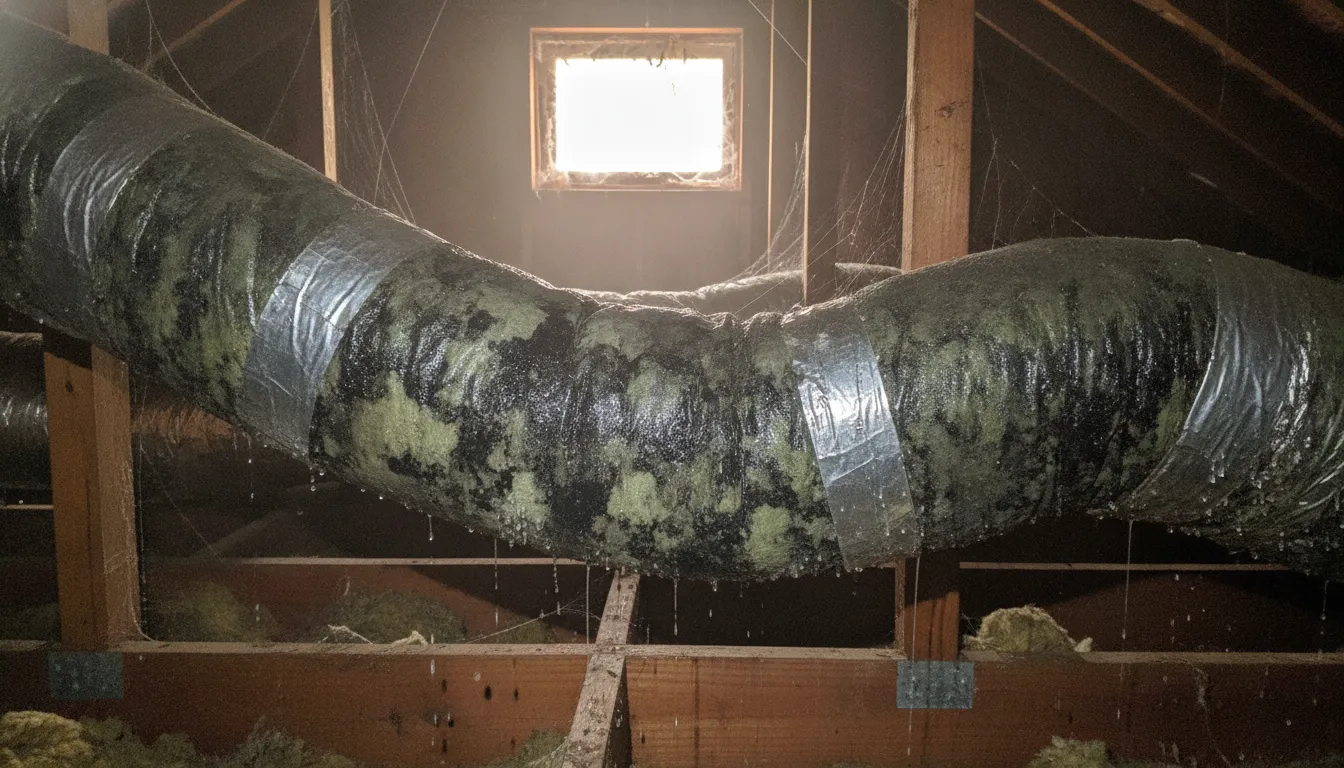
Your AC unit could be in perfect condition, but if your ducts are leaking, that precious cool air is escaping into your attic or crawlspace instead of your living room. Look for visible tears, gaps, or crushed sections in your ductwork. Leaky ducts force your system to work harder, wasting energy and driving up your utility bills. A professional can inspect your entire duct system, seal any leaks, and ensure the cooled air is being delivered efficiently throughout your home. We offer comprehensive services for duct sanitization and replacement.
Your AC Runs Constantly But Never Cools
On the hottest Southwest Florida days, it’s normal for your AC to run for longer periods. However, if your system runs constantly without ever reaching the temperature on your thermostat, something is wrong. This relentless operation puts immense strain on the components and is often a symptom of a bigger issue, like a refrigerant leak, dirty coils, or an improperly sized unit. Scheduling regular air conditioning maintenance can help catch these problems before they lead to a complete system breakdown.
You Hear Strange Noises or Feel No Airflow
Your air conditioner should operate with a consistent, low hum. If you start hearing grinding, squealing, or banging, it’s a cry for help. These sounds often indicate a problem with the motor or a loose internal part that needs immediate attention. Similarly, if the system is on but you feel little to no air coming from the vents, it could signal a failing blower or a major blockage. Don’t ignore these warning signs. It’s best to contact us to have a technician diagnose the problem before it gets worse.
How Maintenance Prevents Cooling Problems
An ounce of prevention is truly worth a pound of cure, especially when it comes to your air conditioner. Regular maintenance is the single best way to keep your AC running efficiently and prevent that frustrating feeling of a system that just can’t keep up with the Florida heat. By staying on top of a few simple tasks and scheduling professional tune-ups, you can catch small issues before they become major, expensive problems. Think of it as a simple health plan for your home’s most important appliance—a little care goes a long way in ensuring it’s ready to perform when you need it most.
Simple Monthly Homeowner Tasks
You don’t have to be an HVAC expert to play a huge role in your AC’s performance. The most important thing you can do is check your air filter every month. A dirty, clogged filter is one of the most common culprits behind poor cooling because it restricts airflow, forcing your system to work much harder to cool your home. If it looks dirty, replace it (or clean it, if it’s reusable). It’s a five-minute task that can make a world of difference. While you’re at it, take a quick walk through your home to make sure furniture, rugs, or curtains aren’t blocking any air vents or returns. Clear airflow is key to efficient cooling.
The Value of an Annual Professional Tune-Up
While monthly filter checks are crucial, some things are best left to the pros. More complex issues like refrigerant leaks, compressor trouble, or electrical problems require a trained technician. An annual air conditioning maintenance visit is your best defense against unexpected breakdowns. During a tune-up, a technician can spot wearing parts, clean critical components, and ensure your system is running at peak efficiency. This not only helps prevent cooling problems but can also lower your energy bills and extend the life of your unit, saving you from a costly surprise repair down the road. It’s a small investment that protects your much larger one.
Keeping Your Outdoor Unit and Coils Clean
Your AC system has two sets of coils that are essential for cooling: the evaporator coil inside and the condenser coil in the outdoor unit. These coils work to transfer heat out of your home. Over time, the outdoor unit can get covered in dirt, grass clippings, and leaves, while the indoor coil can accumulate dust. When the coils are dirty, they can't transfer heat effectively, which seriously hinders your AC's ability to cool. While you can gently rinse debris off the outdoor unit yourself, a professional cleaning is the best way to ensure both sets of coils are thoroughly and safely cleaned without damaging the delicate fins.
Caring for Your Ductwork and Drain Lines
Your air ducts are the delivery system for all that cool air. If you have leaky or poorly sealed ductwork, a significant amount of that conditioned air can escape into your attic or crawlspace before it ever reaches your rooms. This forces your AC to run longer to cool your home. Similarly, your system’s condensate drain line removes moisture pulled from the humid Florida air. If this line becomes clogged with algae or sludge, it can cause water to back up, leading to water damage or even causing your system to shut down. A professional can inspect your ducts and clear the drain line during a routine maintenance check.
Why the Right-Sized AC Matters
When it comes to air conditioners, you might think bigger is always better. But in reality, the size of your AC unit is one of the most critical factors for keeping your home comfortable and your energy bills in check. An improperly sized system—whether it’s too big or too small—can lead to a host of problems, from poor performance to premature breakdowns. It’s a classic Goldilocks situation: you need a unit that’s just right for your home's specific needs, especially in the demanding Florida climate.
Getting the size correct from the start is a cornerstone of a professional air conditioning installation. A properly sized unit will cool your home effectively, manage humidity efficiently, and operate without unnecessary strain. This not only keeps you comfortable but also extends the lifespan of your system and saves you money in the long run. An incorrectly sized unit, on the other hand, will struggle from day one, leading to inconsistent temperatures, high humidity, and frequent service calls. It's a decision that has long-term consequences for both your comfort and your wallet. Let’s look at exactly what happens when the sizing is off and why a professional assessment is non-negotiable.
The Problem with an Oversized Unit
An air conditioner that’s too powerful for your space might sound like a luxury, but it creates more problems than it solves. Because it’s so powerful, it cools the air very quickly and then shuts off. This process, known as "short cycling," prevents the system from running long enough to do its other important job: dehumidifying the air. The result is a room that feels cool but unpleasantly damp and clammy—a common complaint in humid Florida climates. This constant starting and stopping also puts excessive wear and tear on the compressor, leading to higher energy bills and a shorter system lifespan.
The Trouble with an Undersized System
On the flip side, an AC unit that’s too small for your home will run constantly without ever reaching the temperature you’ve set on the thermostat. It’s like trying to cool a whole house with a window unit—it’s simply fighting a losing battle, especially during a sweltering Southwest Florida summer afternoon. This continuous operation not only sends your electricity costs through the roof but also puts an enormous strain on the system’s components. An overworked AC is far more likely to suffer a major breakdown, leaving you with an expensive AC repair bill and a very hot house.
How We Find the Perfect Fit for Your Home
So, how do you find that "just right" size? It’s more of a science than a guessing game. Simply using square footage isn’t enough. At 5 Star Air, our technicians perform a detailed load calculation to determine the precise cooling needs of your home. We look at a variety of factors, including your home’s layout, insulation quality, window efficiency and orientation, ceiling height, and even how much shade your property gets. By taking a comprehensive approach, we can recommend a system that provides perfect comfort and peak efficiency. It’s part of our commitment to honest, expert service every time.
Easy Ways to Improve Your Home's Cooling
If your AC is running constantly but your home still feels warm, the unit itself might not be the only culprit. Your home’s overall efficiency plays a huge role in how well your air conditioner can do its job. Think of it this way: you wouldn’t try to fill a leaky bucket with water, right? The same principle applies to cooling a home that’s letting hot air seep in.
Making a few strategic improvements around your house can make a world of difference. These changes can help your AC work more efficiently, lower your energy bills, and make your living space feel much more comfortable, even during the peak of a Florida summer. Before you assume you need a major repair, let’s look at some simple ways you can help your AC system win the battle against the heat.
Seal Air Leaks and Upgrade Insulation
Your air conditioner works hard to produce cool air, but that effort is wasted if it immediately escapes outside. Even if your AC is working perfectly, poor insulation and air leaks can make your home incredibly difficult to cool. Hot, humid air from outside can sneak in through tiny gaps around windows, doors, and electrical outlets, forcing your system to work overtime. You can easily check for drafts and use weatherstripping or caulk to seal them up. Also, consider your attic insulation—it’s your home’s main defense against the sun beating down on your roof. Leaky ducts are another common problem, allowing cool air to escape before it even reaches your rooms. A professional duct inspection can ensure all that refreshing air gets where it’s supposed to go.
Use Ceiling Fans and Smart Thermostats
Ceiling fans are a fantastic partner for your air conditioner. While they don’t lower the room's temperature, they create a wind-chill effect that makes you feel several degrees cooler. By circulating the cool air your AC produces, fans allow you to set your thermostat a bit higher without sacrificing comfort, which can lead to significant energy savings. For even better control, consider upgrading to a smart thermostat. These devices let you create custom cooling schedules, adjust the temperature from your phone, and some even learn your daily routines to optimize performance automatically. It’s a simple upgrade that puts you in complete command of your home’s climate and efficiency.
Consider Window Treatments and Zoning Systems
Sunlight streaming through your windows can feel nice, but it also brings a lot of heat with it, an effect known as solar gain. This is especially true for large, south-facing windows. You can fight back by adding blinds, blackout curtains, or reflective window film to block that intense sunlight during the hottest parts of the day. For a more advanced solution in homes with persistent hot spots, a zoning system can be a game-changer. It divides your home into different areas, each controlled by its own thermostat, so you only cool the spaces you’re using. If your system is over 10 years old and struggling to keep up, these efficiency tricks might just be a temporary fix. It could be time to consider a modern, energy-efficient AC replacement that’s properly sized for your home.
Frequently Asked Questions
My AC is running, but the air coming out isn't cold. What should I check first? If your system is blowing air that feels lukewarm or just not cold enough, the first and simplest thing to check is your air filter. A completely clogged filter can block airflow and severely limit your AC's cooling ability. After that, take a look at your thermostat to ensure it's set to "Cool" and the temperature is set lower than the current room temperature. Finally, a quick peek at your outdoor unit to make sure it isn't covered in leaves or debris can also help.
Is it true that setting my thermostat to a super low temperature will cool my house faster? This is a common myth, but unfortunately, it doesn't work that way. Your air conditioner cools at a set pace, regardless of whether you set the thermostat to 75 or 65 degrees. Setting it extra low just forces the system to run much longer to reach that target, wasting energy and putting unnecessary strain on the components. The best approach is to set it to your desired temperature and let it work steadily.
How do I know if my AC is the wrong size for my house? An improperly sized AC unit will show some tell-tale signs. If your unit is too small, it will run almost constantly on hot days but never seem to reach the temperature you've set, and your energy bills will likely be very high. If it's too large, it will cool the house down very quickly and shut off in short bursts. This prevents it from properly dehumidifying the air, leaving your home feeling cool but unpleasantly clammy.
Why is my AC unit covered in ice, and what should I do about it? Ice on your AC unit is a definite red flag that something is wrong internally, usually related to poor airflow or low refrigerant. The ice acts like an insulator, preventing your system from cooling your home's air. If you see ice, you should turn the AC system off immediately to allow it to thaw completely. While this addresses the immediate symptom, it doesn't fix the root cause, so you'll need to call a professional to diagnose and repair the underlying problem.
How often should I schedule professional maintenance for my AC in Florida? Given how hard our air conditioners work year-round in the Florida climate, scheduling a professional tune-up once a year is the best practice. An annual check-up allows a technician to clean critical components like the coils, check refrigerant levels, and catch small issues before they turn into major, expensive breakdowns. This preventative care is the key to keeping your system running efficiently and reliably when you need it most.