How to Clean Your AC Outdoor Unit with Water
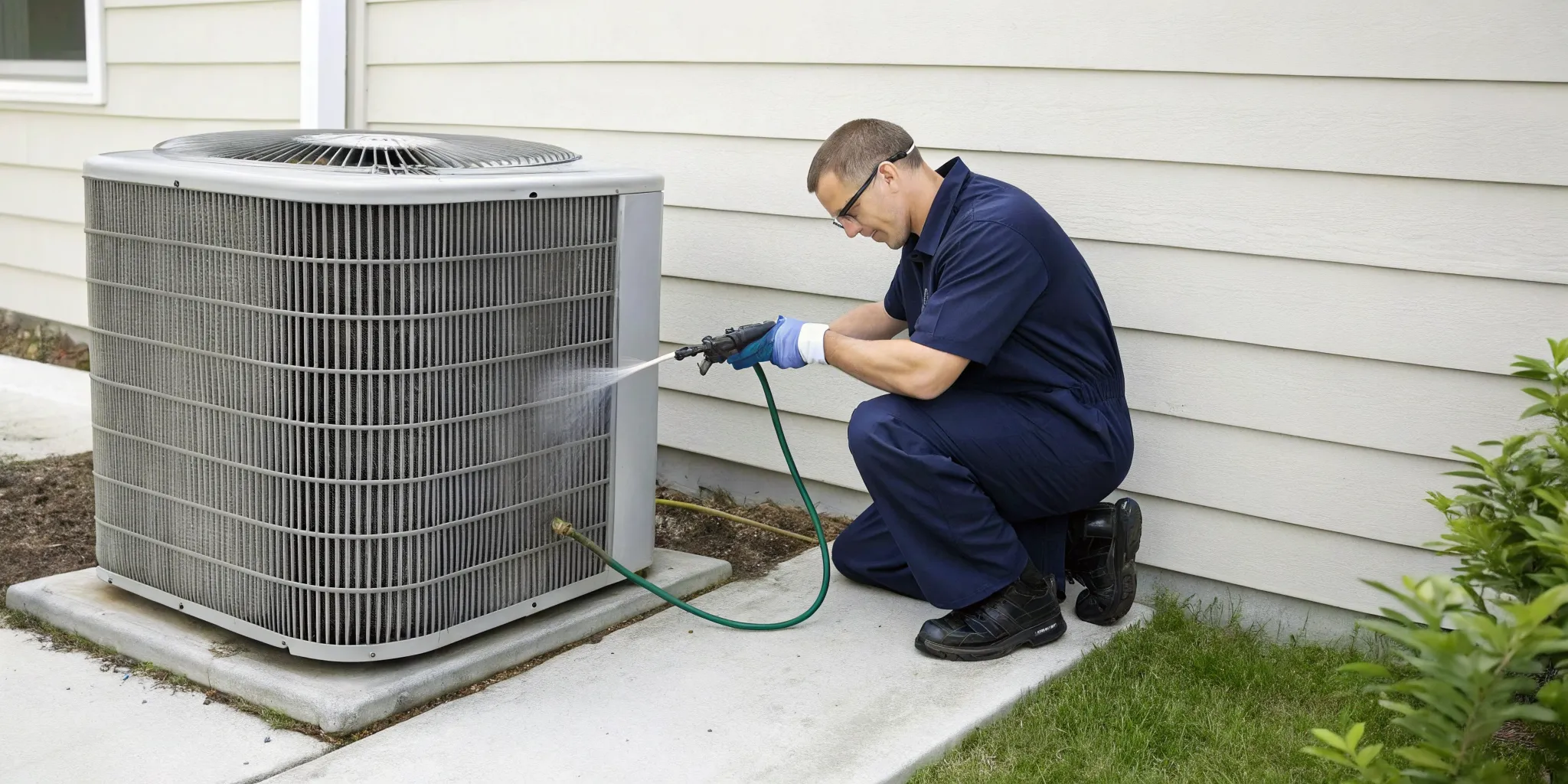
Have you taken a peek at your FPL bill lately and felt a little sticker shock? Before you start blaming your appliances, take a walk outside and look at your AC unit. If it’s covered in a visible layer of dirt, leaves, and grass, you’ve likely found the culprit. A dirty condenser can’t release heat efficiently, forcing the entire system to run longer and work harder to cool your home. This inefficiency translates directly into wasted electricity and higher monthly costs. A simple ac outdoor unit cleaning with water is a surprisingly effective way to fight back. It’s a small investment of your time that can lead to noticeable savings and improved performance.
Key Takeaways
- A Clean AC is an Efficient AC: A layer of dirt and grime forces your outdoor unit to work much harder, leading to higher electricity bills and less effective cooling. A simple cleaning helps your system run properly, saving you money and keeping you comfortable.
- Clean Safely with the Right Method: Always turn off the power to your unit at the breaker box before you start. Use a regular garden hose with a gentle spray to rinse the coils, and never use a pressure washer, which can easily damage the delicate fins.
- Know When to Call for Backup: If your AC still isn't cooling well after a thorough cleaning, or if you hear strange grinding or squealing noises, it's time to call a professional. These are signs of a deeper problem that a simple wash can't fix.
Why You Should Clean Your Outdoor AC Unit
Let's be honest, the big metal box sitting outside your house isn't the most glamorous part of your home. But that outdoor AC unit is the hardworking heart of your cooling system, especially here in Florida. Its main job is to release all the heat your system pulls from inside your home. When it gets clogged with dirt, leaves, and other debris, it can't do its job properly. This simple issue can cause a surprising number of problems, from a less comfortable home to a much higher electricity bill. Keeping it clean is one of the easiest and most effective ways to ensure your AC runs smoothly all year long.
How Dirt Impacts Performance
Think of your outdoor unit's metal fins like a radiator. They are designed to let heat escape into the air. When those fins get covered in a layer of dirt, grass clippings, or cottonwood fluff, it’s like putting a thick blanket on the unit. It can't "breathe," and the heat gets trapped. This forces your entire system to work much harder to cool your home. You might notice rooms aren't getting as cold as they used to, or the AC seems to run constantly without a break. This extra strain can cause parts to wear out faster and may even lead to the system overheating and shutting down completely, often on the hottest day of the year. If your AC is struggling, it might be time for a professional air conditioning repair.
The Cost of a Neglected AC Unit
A dirty AC unit doesn't just affect your comfort; it hits your wallet, too. When your system has to work harder to release heat, it uses a lot more electricity. For Florida homeowners, that translates directly to a higher monthly FPL bill. You're essentially paying more for less cooling. Over time, this constant strain can lead to premature breakdowns and costly repairs that could have been avoided. A simple cleaning can prevent a call for emergency AC services. Investing a little time in cleaning your unit, or scheduling regular professional air conditioning maintenance, is a small price to pay to keep your system running efficiently and extend its lifespan, saving you from the much larger expense of an early replacement.
Signs Your AC Unit Needs a Wash
Your air conditioner is usually pretty good at letting you know when it needs attention. You just have to know which signals to look for. Long before a complete breakdown, your AC will give you subtle (and not-so-subtle) hints that it’s struggling. A dirty outdoor unit is one of the most common culprits behind poor performance, and thankfully, it’s also one of the easiest to spot.
If you notice your home isn’t as cool as it used to be or your system just seems off, it might be time for a wash. Paying attention to your energy bills, listening for odd sounds, and doing a quick visual inspection can tell you everything you need to know. Here are the three biggest signs that your outdoor AC unit is due for a cleaning.
Higher Energy Bills
Have you noticed your monthly electricity bill slowly creeping up, even though your habits haven't changed? A dirty AC unit is often the reason. When the outdoor unit's coils are covered in dirt, grass clippings, and other debris, they can't release heat effectively. It’s like trying to run a marathon while wearing a winter coat. Your system has to work much harder and run longer to cool your home, which directly translates to higher energy consumption. In Florida, where our ACs run almost constantly, this reduced efficiency can add up quickly. If your bills are climbing, a good cleaning might be all it takes to bring them back down. Regular air conditioning maintenance is the best way to keep your unit running efficiently.
Strange Noises or Smells
Your AC unit should operate with a consistent, low hum. If you start hearing new sounds like rattling, buzzing, or clanking, it’s a sign that something is wrong. Often, these noises are caused by leaves, twigs, or other debris getting caught in the fan blades inside the outdoor unit. Smells are another major red flag. A musty or sour odor coming from your vents when the AC kicks on usually points to mold or mildew growing on the damp, dirty evaporator coils. Not only is the smell unpleasant, but it can also negatively impact your home’s indoor air quality. Don't ignore these sensory clues; they’re your system’s way of asking for help.
Visible Dirt and Grime
Sometimes, the most obvious sign is the one you can see with your own eyes. Take a walk outside and give your AC unit a quick look. Do you see a visible layer of dirt, dust, or pollen coating the metal fins? Are there cobwebs, leaves, or grass clippings packed against the sides? This buildup acts as an insulating blanket, trapping heat and preventing your system from breathing. The fins are designed to maximize surface area for heat exchange, but they can’t do their job when they’re clogged. If your unit looks dirty on the outside, it’s a clear indication that it needs a wash to restore its performance. If the grime is severe, it may have caused other issues that require professional air conditioning repair.
Prep and Safety First
Before you grab the hose, let's walk through a few essential prep steps. Taking a few minutes to prepare your workspace isn't just about making the job easier; it's about keeping you safe and protecting your air conditioner from damage. Think of it as setting yourself up for success. This process involves electricity and water, so we want to be absolutely certain everything is handled correctly. Following these safety measures will ensure your DIY cleaning project goes smoothly and doesn't create a bigger problem.
Turn Off the Power
This is the most important step, and it’s not one you can skip. Safety first! You must shut off the power to the outdoor unit completely. You can do this in one of two ways. First, find your home's main electrical panel and flip the dedicated breaker for your AC unit to the "off" position. For extra certainty, you can also use the disconnect switch, which is usually in a small metal box located on the wall right next to your outdoor unit. Simply open the box and pull the handle out. If you're ever unsure about handling electrical components, it's always best to call a professional for emergency air conditioning services.
Protect the Electrical Parts
Even with the power off, you need to protect the sensitive electrical components from getting wet. Your AC unit has wiring, a capacitor, and other parts that don't mix well with water. Take a moment to locate these components; they are typically housed together on one side of the unit. While you should always be careful not to spray water directly onto any electrical parts, you can add a layer of protection by covering the area with a plastic bag and securing it with tape. This simple precaution helps prevent damage that could lead to a costly air conditioning repair down the road.
Clear the Surrounding Area
Your AC unit needs room to breathe, and you need room to work. Before you start cleaning, clear the area around the condenser. Remove any leaves, sticks, grass clippings, and other yard debris from around the unit, giving yourself at least two feet of clear space on all sides. In Florida, our plants grow fast and storms can blow debris everywhere, so this is a crucial step. Trimming back any encroaching bushes or branches will also improve airflow and efficiency long after you’re done cleaning. This simple task is a core part of any good air conditioning maintenance routine.
What You'll Need for the Job
Good news: you don’t need a workshop full of specialized tools for this task. Gathering your supplies is simple, and you likely have most of what you need already.
Basic Cleaning Supplies
For a standard cleaning, your most important tool is a regular garden hose with a spray nozzle. That’s it. Most manufacturers agree that plain water is the best and safest way to clean the delicate fins of your outdoor unit. You’ll also want a pair of work gloves to protect your hands from sharp edges and any critters that might have made a home in your unit. A soft brush, like a paintbrush or a hand broom, can also be helpful for gently sweeping away loose leaves and debris before you start rinsing. Keeping up with this simple air conditioning maintenance can make a huge difference in your system's performance and longevity, especially here in Florida.
Optional: AC Coil Cleaner
If your unit has a lot of built-up grime that water alone can’t seem to wash away, you might need a little extra help. A simple solution is a few drops of mild dish soap diluted in a spray bottle of water. For a deeper clean, you can purchase a commercial AC coil cleaner. Look for a foaming, no-rinse variety that’s specifically designed for condenser coils. You simply spray it on, and the foam expands to push dirt out from between the fins. These cleaners are formulated to be effective without damaging the aluminum, helping to improve both efficiency and your home's indoor air quality.
Tools to Avoid
This is just as important as what you should use. Whatever you do, do not use a pressure washer. The high-pressure stream can easily bend and flatten the delicate aluminum fins on your condenser coils. Damaged fins block airflow, which forces your system to work harder and can lead to a breakdown. If you absolutely must use one, do so with extreme caution on the lowest possible setting, but it’s a risk we don’t recommend taking. You should also avoid any harsh chemical cleaners or acid-based solvents not specifically made for AC coils. Sticking to water or a designated coil cleaner is the safest bet to avoid an unnecessary call for air conditioning repair.
How to Clean Your Outdoor AC Unit: A Step-by-Step Guide
Let's be honest, cleaning the outdoor AC unit is one of those chores that’s easy to put off. But here in Florida, where our air conditioners work overtime, a little bit of maintenance can go a long way. A clean unit runs more efficiently, saves you money on energy bills, and can even extend its lifespan. The good news is that this is a totally doable DIY project. You don't need to be an HVAC expert to give your unit a solid cleaning. Think of it as a spa day for your AC. With a few basic supplies and a little bit of time, you can get your system breathing easier. This guide will walk you through each step, making the process simple and straightforward.
Step 1: Clear Away Debris
First, let's give your unit some space. Over time, leaves, grass clippings, palm fronds, and dirt can build up around your outdoor condenser, essentially suffocating it. This blockage restricts airflow, forcing the system to work harder to cool your home. Grab a rake or a broom and clear a two-foot perimeter around the entire unit. Gently sweep any debris off the top as well. Making this a regular habit, especially after mowing the lawn or a storm, is one of the easiest ways to maintain your AC's health and prevent future problems.
Step 2: Remove the Panels
Now it's time to open things up. With the power safely off, use a screwdriver or a nut driver to remove the screws securing the top panel and fan assembly. The fan is usually attached by wires, so don't try to remove it completely. Just carefully lift the top grill and lean it to the side, making sure not to pull or damage the wiring. Some units also have side panels or guards that you can remove for better access to the fins inside. Taking these off will make the next steps much easier.
Step 3: Gently Brush the Fins
Inside, you'll see rows of delicate metal fins. These are the condenser fins, and they play a huge role in releasing heat from your home. They're also magnets for dust and dirt, and they can bend easily. Using a brush with soft bristles, gently sweep the fins in a downward, vertical motion to dislodge any surface-level grime. If you notice some of the fins are bent, you can use a special tool called a fin comb to carefully straighten them. If the fins are severely matted or damaged, it's best to stop and schedule a professional air conditioning repair to avoid causing more damage.
Step 4: Apply Coil Cleaner (If Using)
For a deeper clean on units that have seen better days, a commercial AC coil cleaner can work wonders. You can find this foaming cleaner at most home improvement stores. Simply spray it generously on the fins and let it sit for about 10-15 minutes. The foam will expand and dig deep to break down stubborn dirt and grime that your brush couldn't reach. If you prefer a gentler, DIY option, a spray bottle filled with water and a few drops of mild dish soap can also be effective for cutting through grease and buildup.
Step 5: Rinse the Coils with a Hose
This is the most satisfying part. Grab your garden hose and, using a gentle spray setting, rinse the fins from the inside of the unit, pushing outward. This is key. Rinsing from the inside out flushes all the dirt, cleaner, and debris away from the unit, rather than pushing it deeper into the delicate fins. Avoid using a high-pressure nozzle, as a strong blast of water can easily bend the fins. Continue rinsing each section until the water running out of the bottom of the unit is clear.
Step 6: Check Drains and Reassemble
Before you close everything up, take a quick peek at the bottom of the unit. Make sure the drain holes are clear of any debris that might have been washed down during rinsing. Clogged drains can lead to water pooling, which can cause rust and other issues. Once you're confident everything is clean and draining properly, you can begin reassembly. Carefully place the side panels and top fan grill back into position and securely fasten all the screws. A snug fit is important to prevent rattling when the unit is running.
Step 7: Turn the Power Back On
You did it! The final step is to restore power to your AC unit. Go back to the outdoor disconnect switch and flip it to the "On" position. Then, head to your home's main electrical panel and flip the corresponding breaker back on. Your air conditioner is now clean and ready to cool your home more efficiently. If you've completed all these steps and your system still isn't performing as it should, it might be a sign of a deeper issue. In that case, scheduling a professional air conditioning maintenance check-up is the best way to diagnose and solve the problem.
Can You Use a Pressure Washer on Your AC Unit?
I know it’s tempting. You see all that caked-on grime and think a pressure washer will blast it clean in seconds. But I’m asking you to please put the pressure washer down. Using one on your outdoor AC unit is a huge risk that we see cause major problems all the time. Your air conditioner is a powerful machine, but it has surprisingly delicate parts.
Your AC unit is covered in hundreds of thin aluminum fins. These sheets are critical for releasing heat from your home. The intense, high-pressure stream from a power washer can easily bend, flatten, and permanently damage them. When these fins are crushed, air can no longer flow through them correctly. This chokes your system, drastically reducing its efficiency and ability to cool your home. What was supposed to be a simple cleaning task can quickly turn into a need for costly air conditioning repair.
Instead of a pressure washer, always opt for a standard garden hose with a spray nozzle set to a gentle setting. A light shower is more than enough to rinse away dirt and any cleaning solution you’ve applied. By taking a gentler approach, you protect those vital fins and ensure your AC unit can continue to work effectively. It might take a few extra minutes, but it will save you from a potentially expensive headache down the road.
Common Cleaning Mistakes to Avoid
Cleaning your outdoor AC unit is a fantastic way to keep it running smoothly, but it's easy to make a few missteps that could cause damage. Knowing what not to do is just as important as knowing the right steps. A little bit of care goes a long way in preventing a simple cleaning task from turning into a costly repair. Let's walk through some of the most common mistakes homeowners make so you can clean your unit with confidence and get the job done right. By avoiding these pitfalls, you'll protect your investment and ensure your AC is ready to handle that Florida heat.
Spraying Water at the Wrong Angle
The metal fins on your outdoor unit are extremely delicate. Their job is to help dissipate heat, but they can bend or get crushed very easily. One of the biggest mistakes is spraying them with a hose from the side. This angled pressure can flatten the fins, which blocks airflow and makes your system less efficient.
When you rinse the coils, always aim the water stream directly at the fins, not at an angle. Think of it as spraying straight through the unit from the outside in. This approach effectively washes away dirt and debris without causing any damage. A gentle, straight-on spray is all you need to get the fins clean and keep the air moving freely.
Forgetting to Turn Off the Power
This is the most important safety rule, and it’s one you should never, ever skip. Your outdoor AC unit is a powerful electrical appliance. Introducing water into the mix while it’s still connected to power is incredibly dangerous and can lead to electric shock or damage to the unit’s components.
Before you do anything else, you must turn off the power. You can do this at your home’s main breaker box or at the outdoor disconnect switch, which is usually a small metal box mounted on the wall near the unit itself. Double-check that the power is off before you start cleaning. If you ever run into an electrical issue, it's best to call for emergency air conditioning services right away.
Using Harsh Chemicals
It might seem like you need a powerful, specialized cleaner to tackle the grime on your AC coils, but that's rarely the case. In fact, harsh chemicals can do more harm than good. They can corrode the delicate aluminum fins and copper tubing, leading to leaks and expensive repairs. These chemicals can also be harmful to your lawn, plants, and the overall indoor air quality of your home as they linger.
For most cleaning jobs, a gentle stream of water from your garden hose is sufficient. If you’re dealing with stubborn, greasy buildup, a mild, biodegradable cleaner or a bit of diluted dish soap is a much safer option. Just be sure to rinse it away completely when you're done.
Neglecting the Air Filter
While you're focused on cleaning the outside unit, don't forget about what's happening inside. The outdoor coils and the indoor air filter are part of the same system. If you let your indoor air filter get clogged with dust and debris, it restricts airflow. This forces your system to work harder, which can cause the indoor evaporator coil to freeze up and the outdoor coil to accumulate grime faster.
A dirty filter reduces your AC's efficiency, drives up your energy bills, and puts extra strain on the entire system. Changing your air filter regularly is a simple but crucial part of keeping your AC healthy. It’s a key step in any good air conditioning maintenance routine and helps ensure your outdoor cleaning efforts aren't wasted.
How Often Should You Clean Your AC Unit?
Living in Florida means our air conditioners are the unsung heroes of our homes, running almost constantly to keep us comfortable. But all that hard work takes a toll. Just like any other hardworking appliance, your outdoor AC unit needs regular cleaning to perform its best. Sticking to a consistent schedule not only helps your system run efficiently but also prevents small issues from turning into costly breakdowns. The question isn't if you should clean it, but how often.
A Cleaning Schedule for Florida Homeowners
For Florida homeowners, a good rule of thumb is to clean your outdoor AC unit at least once a year. The best time to do this is in the early spring, right before the heavy-use season kicks into high gear. This sets your system up for success when you need it most. However, our coastal environment, with its salt air and frequent storms, can be tough on outdoor equipment. You might want to inspect your unit more often, especially after a big storm passes through. A consistent cleaning routine is a key part of proper air conditioning maintenance and can significantly extend the life of your system.
Signs It's Time for an Early Cleaning
Sometimes, your AC unit will tell you it needs a cleaning before its yearly check-up. If you notice your energy bills creeping up without a clear reason, it could be a sign. A dirty unit has to work harder to cool your home, which uses more electricity. Other clues include weak airflow from your vents, the system cycling on and off more frequently than usual, or strange noises and musty odors. If you spot any of these issues, it’s a clear signal that your unit needs attention. These symptoms can sometimes point to a deeper problem, so if a cleaning doesn't help, it might be time to call for air conditioning repair.
How to Keep Your AC Unit Clean Longer
You’ve just spent your afternoon giving your AC unit a good wash. Great job! Now, how do you keep it from getting just as dirty again in a few weeks? A little preventative care can make a huge difference, extending the time between deep cleans and keeping your system running smoothly, especially in the demanding Florida climate. Think of it as maintenance for your maintenance. By creating a few simple habits, you can protect your outdoor unit from the elements, catch small issues before they become big problems, and enjoy cleaner air and lower energy bills.
This isn't about adding a huge chore to your list; it's about smart, simple checks that will save you time, money, and sweat in the long run. When your AC runs efficiently, it doesn't have to work as hard to cool your home, which reduces wear and tear on critical components like the compressor and fan motor. This proactive approach not only keeps your utility costs down but also helps you avoid unexpected breakdowns on the hottest days of the year. Regular air conditioning maintenance is the secret to a long-lasting, efficient system that you can rely on.
Maintain a Clear Area
Your outdoor condenser unit needs room to breathe. It works by pulling in air and releasing heat, and if that airflow is blocked, the unit can overheat and struggle to cool your home. Make it a habit to keep at least two feet of clear space around the entire unit. After you mow the lawn, sweep away any grass clippings. After a storm, clear away fallen leaves, palm fronds, and other debris. Also, keep an eye on your landscaping. Trim back any shrubs, bushes, or weeds that are starting to encroach on the unit. A clear area is one of the easiest and most effective ways to maintain your AC's efficiency.
Inspect the Fins and Fan
The thin metal fins on your condenser coil are essential for heat exchange. When they get caked with grime or bent, your AC's efficiency drops, and your energy bills can creep up. Once a month, take a quick look at the unit. Do you see a layer of dirt, pollen, or cottonwood fluff building up on the fins? Are any sections bent or crushed? You can gently straighten minorly bent fins with a fin comb, but if the damage is significant or the fan itself looks wobbly or makes noise, it's a sign you might need professional air conditioning repair. Catching these issues early prevents strain on the system.
Keep the Drains Clear
Your AC doesn't just cool the air; it also removes humidity. That moisture collects and is funneled outside through a condensate drain line. If this line gets clogged with algae, mold, or dirt, the water can back up, leading to leaks, water damage, and musty smells inside your home. Periodically check the end of the PVC pipe outside your house to make sure you see it dripping when the AC is running. If you notice water pooling around your indoor unit or a lack of water draining outside, you likely have a clog. A clogged drain can also contribute to poor indoor air quality, so keeping it clear is vital for a healthy home and may require duct sanitization.
When to Call a Professional
While a good DIY cleaning can do wonders, some situations require an expert eye. Knowing when to step back and call for help can save you from a much bigger headache and a more expensive repair down the line. If you’ve cleaned your unit but are still experiencing issues, it’s a clear signal that the problem runs deeper than just surface-level grime.
Here are a few signs that it’s time to call in a professional:
- Your AC still isn’t cooling properly. If you’ve hosed down the coils and the air coming from your vents is still lukewarm, you might be dealing with a refrigerant leak or a failing compressor. These are complex problems that need a trained technician to diagnose and fix safely.
- You hear strange noises. Grinding, squealing, or rattling sounds are your AC unit’s way of crying for help. These noises often point to mechanical trouble, like a problem with the fan motor or other internal parts. Turning the unit off and calling for an air conditioning repair is the safest move.
- There’s years of caked-on grime. If the unit has been neglected for a long time, a simple rinse might not be enough. A professional has the right tools and cleaning solutions to perform a deep clean without damaging the delicate fins or electrical components.
- It’s time for your annual check-up. The best way to prevent major issues is with regular, professional maintenance. An annual air conditioning maintenance visit goes beyond just cleaning. A technician will inspect the entire system, check electrical connections, and ensure everything is running efficiently, which can save you money on energy bills and prevent unexpected breakdowns.
If you notice any of these signs, don't hesitate to contact us. Our team at 5 Star Air is always ready to provide honest service and get your system back to peak performance.
Related Articles
- How to Prepare Your HVAC System for a Florida Summer
- The Benefits of Regular HVAC Maintenance
- 5 Signs Your AC Needs Repair
- AC Services
- AC Repair
Frequently Asked Questions
How much of a difference does cleaning my outdoor AC unit actually make? It makes a huge difference, especially for your wallet and your comfort. A clean unit doesn't have to work as hard to release heat, which means it uses less electricity to cool your home. You'll likely notice a drop in your monthly energy bill. It also helps your system cool more effectively and can prevent the kind of strain that leads to expensive, premature breakdowns.
Is it really that bad to use a pressure washer for a faster clean? Yes, it really is that bad. Please avoid using a pressure washer on your AC unit. The high-pressure stream can easily bend and flatten the delicate metal fins that are essential for releasing heat. When those fins get crushed, air can't flow through them, which chokes your system and can quickly lead to a need for professional repairs. A gentle spray from a regular garden hose is all you need.
How often should I be cleaning my AC unit, especially living in Florida? For those of us in Florida, cleaning your unit once a year is a great rule of thumb, ideally in the spring before the summer heat really kicks in. However, because of our frequent storms, high humidity, and salty air near the coast, it's a good idea to visually inspect it every few months. If you see a lot of debris from a storm or a visible layer of grime building up, it's best to give it a rinse sooner rather than later.
What if I clean my unit and it still isn't cooling my house properly? If you've given the outdoor unit a thorough cleaning and your home still feels warm or the system is acting up, it's a sign that the problem is more than just dirt. This could point to a more complex issue like low refrigerant, a failing capacitor, or a problem with the compressor. At this point, it's best to stop troubleshooting and call a professional technician to diagnose the real issue.
Do I need to buy a special chemical cleaner for this job? Not necessarily. For most routine cleanings, plain water from a garden hose is perfectly effective at washing away dust, grass, and other common debris. If you're dealing with more stubborn, greasy grime, you can use a commercial foaming coil cleaner designed for AC units. A simple DIY alternative is a spray bottle with water and a few drops of mild dish soap, which can also help cut through buildup without being too harsh.