Mold in Ductwork in Florida: Causes, Signs and Solutions
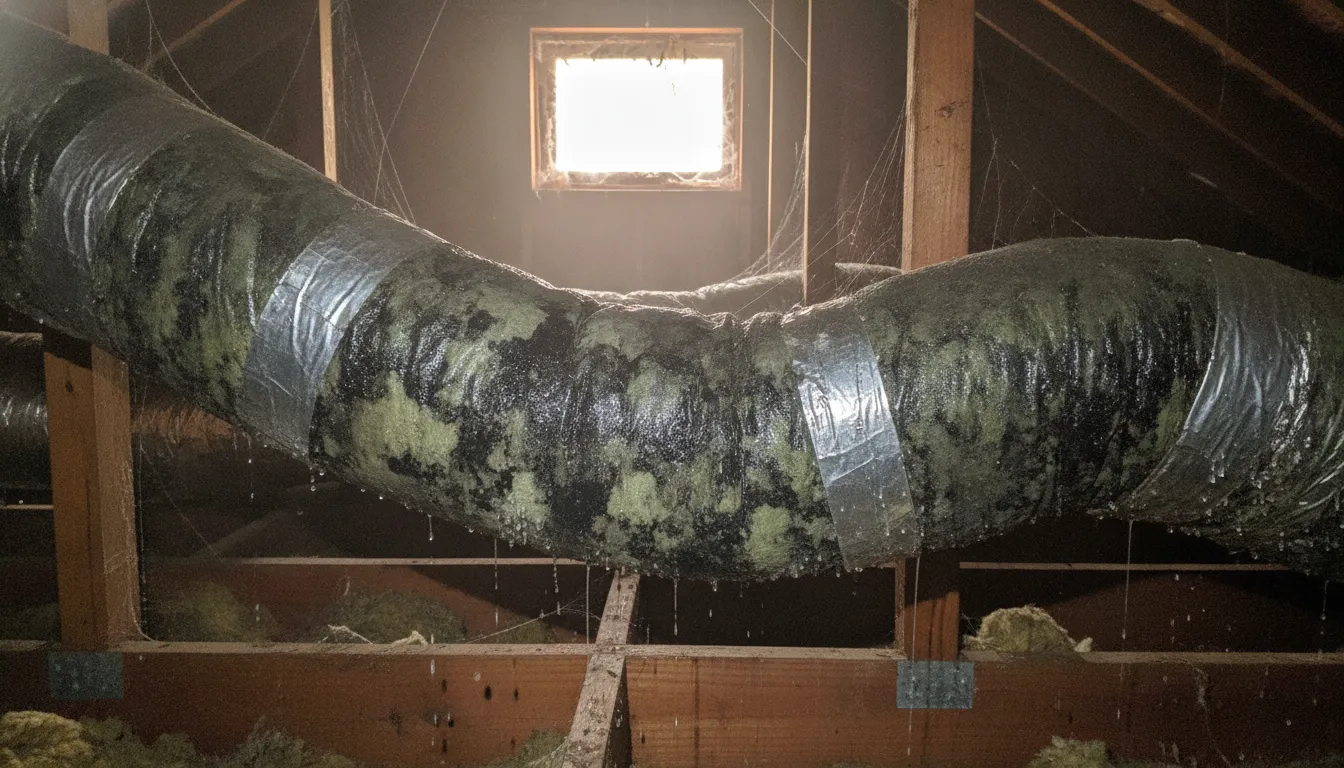
Damp air trapped in Florida attics turns cooling systems into breeding grounds for mold and mildew. This moisture causes high energy bills and poor air quality for homes in Southwest Florida. If you see water on your ducts or smell something musty when the AC runs, you need to act fast to stop it from getting worse.
Mold in ductwork is a major concern for Florida homeowners since high humidity and heat always hit cold air inside your cooling system. This constant clash creates the moisture that allows spores to grow and thrive on dust inside your dark air vents every day. The Environmental Protection Agency finds that moisture is the main cause for mold growth in these cramped and hidden spaces. In towns like Cape Coral, Fort Myers, and Naples, leaky ducts often pull in damp attic air and pests that ruin your indoor air quality every single year. You can stop these issues by using good insulation, sealing air leaks, and scheduling regular checkups to keep your home dry and your family healthy.
Understanding why these common issues happen is the first step toward fixing them for good. You must know why Florida ducts take a beating to protect your house from the harsh local climate and damp salt air.
Why Florida Ducts Take a Beating
Florida is a tough place for home cooling systems. While most air units across the country last about 15 years, Florida units often fail in just 5 to 12 years. This shorter life happens because of our harsh salt air and heavy storm seasons. Our systems also run nearly every day of the year to combat the heat. According to UF/IFAS researchers, typical duct systems can lose up to 40% of cooling energy through leaks (UF/IFAS). In Southwest Florida areas like Cape Coral, Fort Myers, and Naples, the HVAC market is growing by 8.5% each year.
The Impact of High Heat and Humidity
Our local weather stays near 90 degrees with humidity levels over 75% for much of the year. These conditions put huge stress on your air system. When wet air meets the cold parts of your unit, it can lead to mold in ductwork and other costly issues. This moist air makes your system work much harder than it would in a drier state. Over time, the constant work wears down even the best equipment.
Energy Loss Through Leaky Ducts
Many homes lose a lot of cool air through gaps in the duct system. Even a small leak can make a big impact on your power bill. If your ducts leak just 20% of their air, your system has to work 50% harder to cool your home. Sealing these gaps is a key part of any HVAC ductwork replacement guide for local owners. Keeping your ducts tight helps you save money and keeps your home more comfortable.
Salt Air and Coastal Damage
Living near the Gulf means your home faces salt air every day. Salt can eat through metal and damage the seals on your ductwork. This rust leads to holes that pull in hot attic air and pests. Our team sees this damage often in coastal Naples and Fort Myers homes. Regular checks can find these issues before they turn into a full system failure. Keeping your ducts in good shape is the best way to fight the effects of the Florida coast.
Mold in Ductwork: Causes and Health Risks
Mold growth is a big worry for many families in Southwest Florida. Because our air is so wet, your AC must work hard to keep your home dry. When wetness builds up inside your vents, it can lead to mold in ductwork that spreads through your whole house. This mold can cause bad smells and health issues for everyone inside.
How wet air drives mold growth
The U.S. Environmental Protection Agency (EPA) says that the best way to stop mold is to control wetness. In places like Cape Coral and Fort Myers, the heavy, wet air makes it easy for mold to grow. Florida's constant damp air creates a perfect spot for mold and mildew inside dark, cool vents.
When your AC cools the air, it also pulls out water. If your ducts are not sealed or wrapped well, that water can pool inside the system. Mold only needs a little bit of sitting water to start growing. Once it takes root, it can be hard to get rid of without expert help.
Why dust and darkness matter
While bare metal ducts are not a great place for mold, the dust that builds up on them provides plenty of food. Mold needs living things to eat, and house dust is full of skin, hair, and pet dander. These small bits of waste settle on the duct walls and wait for water to show up.
Most duct systems are dark and hidden away in attics or tight spaces. This lack of light, along with cool air and steady food, lets mold grow where you cannot see it. You might not know there is a problem until you smell something musty or see dark spots around your vents.
Health risks for Florida families
Mold is more than just a smelly mess. It can also make you feel sick. Every time your AC runs, mold sends tiny spores into the air. These spores move through every room in your home. Breathing in these bits can lead to coughing, sneezing, and itchy eyes.
According to the EPA, breathing mold can cause lung issues, mainly for those with asthma or allergies. Children and the elderly are often at the highest risk. If your family feels better when they leave the house, it may be time to act. Learning how often to clean air ducts can help keep your indoor air safe.
Heat levels and water buildup
Water buildup is one of the top causes of mold in Florida homes. This happens when warm, wet air touches a cold surface. It is like a cold glass of tea that sweats on a hot day. In Florida attics that are not cooled, heat levels often rise above 90 degrees.
Ducts carry cold air at 55 to 65 degrees through these very hot spaces. This large gap in heat creates a way for water to form on the outside and inside of the ducts. Without the right wrap to keep them cold, this water will lead to mold growth that can hurt your home and your health.
7 Warning Signs Your Ducts Need Attention
Your air ducts are the lungs of your home, and in Florida's humid air, they work hard. Because most of your ducts stay hidden in attics or walls, you may not see a problem until it costs a lot to fix. Watching for these common red flags can help you catch small leaks before they turn into big bills.
Visible spots and odors
If you see dark spots on your vents or the ceiling, you likely have mold in ductwork. This growth often starts from water that forms on cold metal in your hot attic. You should also trust your nose; if you smell a musty or damp odor when the AC turns on. It is a sign that spores are growing in your system. According to the Environmental Protection Agency (EPA), visible mold is a red flag that needs a pro to check it.
Dust and health concerns
Thick dust on your furniture often means your ducts have leaks that pull in dirty air from your attic. This does more than just dirty your house; it can also affect your health. If you find your allergies are worse inside your home than outside, your ducts may be moving dust and dander from room to room. Checking how often to clean air ducts can help you keep these indoor pollutants at bay.
Uneven cooling and noise
When some rooms feel like a sauna while others feel like a freezer, you have uneven heat caused by duct holes or blocks. You should also listen to your system when it starts up. Rattling or whistling sounds often point to loose parts or gaps where air escapes. At 5 Star Air, our techs focus on repairs and look for ways to fix these leaks rather than selling you a new system you do not need.
- Look for mold near vents: Check your ceiling and vent covers for black or green spots. These spots mean moisture is trapped and mold is feeding on dust in the ducts.
- Sniff for musty smells: A strong, earthy smell when the air kicks on means mold is present. Use a light to check the filter area for any wet spots or mold growth.
- Check for uneven cooling: Feel the air coming out of vents in each room. If one room stays warm while the rest are cold, you may have a crushed duct or a big leak.
- Watch your dust levels: Wipe a table clean and see how fast dust returns. If a thick layer shows up in just two days, your ducts are likely pulling in attic dirt and insulation.
- Track your health: Note if you sneeze more or have itchy eyes when you are at home. If these symptoms stop when you go to work, your ducts are likely the cause.
- Listen for odd noises: Whistling means air is being forced through a small gap. Rattling often means a duct has come loose from its mount and needs to be joined back together.
- Watch your power bills: If your bill jumps without a change in the weather, your ducts may be leaking. Fixing these gaps is a fast way to save money and stay cool.
If you see these signs, it is best to act fast. Our team at 5 Star Air serves Cape Coral, Fort Myers, and Naples with honest work. We do not use salespeople on commission, so you can trust that our advice is based on what your home needs to stay safe and cool.
Why Your Ducts Sweat , Condensation Explained
In Florida, AC ducts often look like they are "sweating." This is more than a small mess. It means your home is losing cash. It also means you may soon have a big mold in ductwork problem. Knowing why this water forms is the first step to a clean home. It helps you keep your attic dry and your energy bills low. This is a must for any home in Southwest Florida.
The Science of Sweat in Your Attic
Ductwork sweats for the same reason a cold glass of soda drips on a hot day. When cold air moves through your pipes, the outer skin of the duct gets very cold. Most AC units in Fort Myers and Naples blow air that is 55 to 65 degrees. When the hot, wet air in your attic hits those cold pipes, the water in the air turns back into liquid. This is how sweat starts.
This change is called condensation. In our part of the state, attic heat can stay above 90 degrees for many months. Because our air is thick with water, the point at which water forms is often high. This means water will form on the outside of your AC pipes at once if they do not have a thick shield. This sweat can then drip into your ceiling and cause big stains. As noted by the EPA, keeping moisture low is the only way to stop mold for good.
Why Florida Humidity is a Big Risk
People in Cape Coral and Port Charlotte face a hard task. The humidity here often stays above 70 or 80 percent. This high moisture level means there is much more water in the air. When your attic has poor air flow, that wet air gets trapped. It sits around your AC pipes and creates a constant cycle of moisture. This makes the sweat worse every hour the AC runs.
When ducts sweat all day, the water drips onto your attic floor and wood. This creates the best spot for mold to grow. Mold loves dark, wet spots. A sweating duct gives it all the water it needs to spread fast. Over time, this leads to bad smells and health risks for your family. It can even rot the wood in your roof if the leak is bad enough. Proper air flow in the attic is a key part of the fix.
The 2-Foot Rule and Proper Wrap
The best way to stop sweat is with a thick wrap. The Florida Building Code says ducts in attics must have at least R-6 wrap. Many pros in our area now use R-8 wrap. This is because R-8 gives more help in our extreme heat. If your wrap is thin or has gaps, the hot air will touch the cold metal. This starts the sweating cycle that leads to damage. Damaged or sagging wrap is a common cause of this problem.
To fix this. We use the "2-foot rule." This rule says you must wrap your duct insulation at least 2 feet past the wall where the duct enters the cool part of your home. This stops heat from moving along the metal into the dark spaces behind your walls. If your ducts are old or the wrap is falling off, it may be time for a change. You can read our HVAC ductwork replacement guide to learn about new options for your home. Keeping your wrap tight is the best way to keep your home safe and dry.
How to Prevent Duct Problems Before They Start
Stopping mold in ductwork needs a plan that keeps wet air out of your system. Florida homes face high heat and wet air every day of the year. You can keep your air clean and your home cool by following a few simple steps. The best way to prevent issues is to focus on sealing, airflow, and routine care.
Seal and Wrap Your Air Ducts
Leaky ducts are a major cause of power loss and moisture build up. Small gaps in the joints let cold air escape and pull hot attic air inside. You should seal every joint with mastic or foil tape for the best results. These seals often come with a 20 year promise when set up the right way. UF/IFAS recommends using these seals to keep your system airtight and good.
Proper insulation is also key to stopping sweating on your ducts. The Florida Building Code rule says you need at least R-6 insulation for ducts in attics. Moving to R-8 insulation can offer even more help in very hot spaces. This thick layer stops the duct from sweating when cold air meets the warm attic air. Keeping your ducts dry is the best way to prevent growth from starting in the first place.
Control Moisture and Air Quality
High humidity in your attic can lead to wet ducts and mold. You can lower the heat around your vents by adding soffit or ridge vents. Better attic fans can also help move damp air out of your home. If your attic stays cooler, your AC system will not have to work as hard to stay dry. This simple change can save you money and stop mold in ductwork from becoming a big problem.
You can also add UV or IAQ lights to your HVAC system. These special lights sit inside the air handler to kill spores and germs. They help keep the air clean before it ever enters your rooms. When you combine these lights with high quality filters, you create a much safer space. Monthly filter changes will also help keep the air flowing without blocks.
Maintain Your HVAC System Often
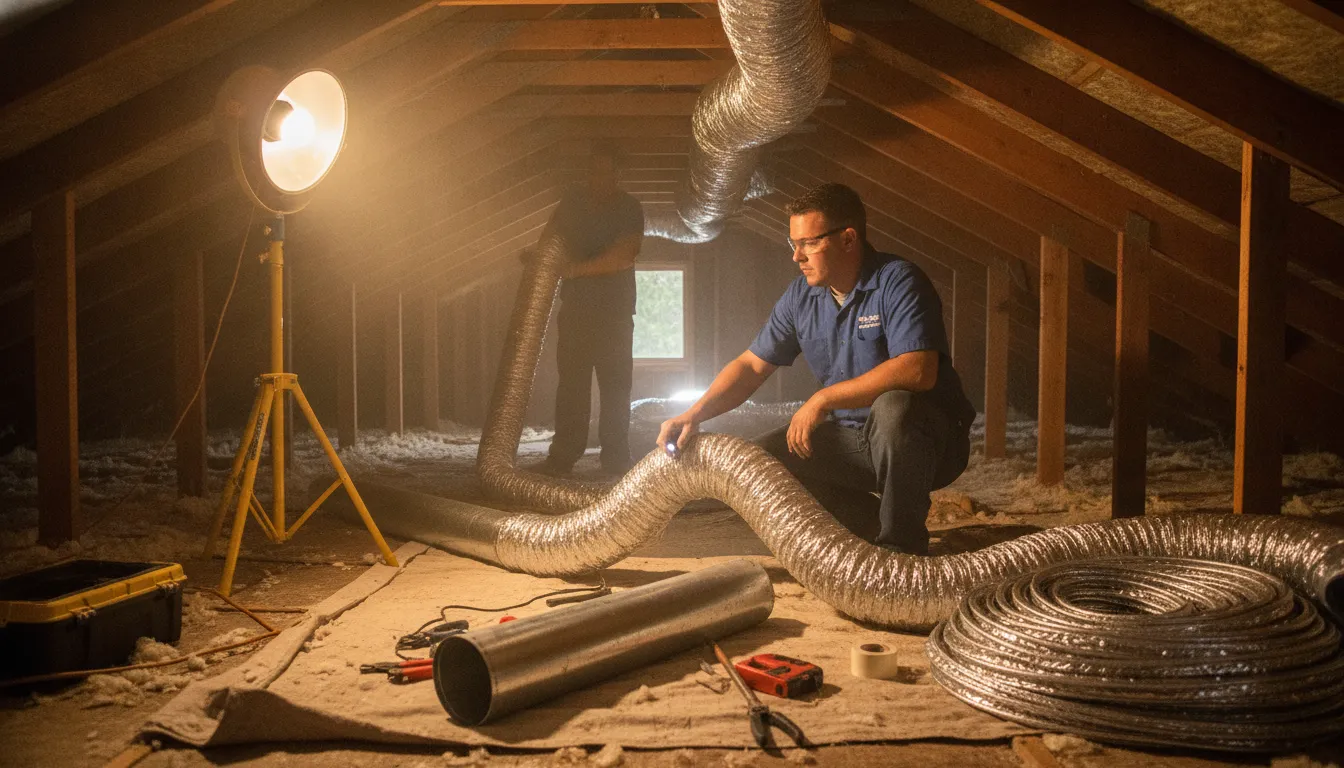
Preventing these issues starts with routine air conditioning repair and maintenance services. A pro can find small leaks or thin insulation before they cause damage. They can also check the size and design of your ducts to make sure they meet local codes. New homes often have ducts inside the living space to avoid attic heat at all. For older homes, a checkup is the best way to keep things running well.
| Duct Problem | Simple Solution | Expected Benefit |
|---|---|---|
| Air Leaks | Apply mastic sealant | Lower energy bills and less dust |
| Duct Sweating | Upgrade to R-8 insulation | Stops water from dripping on ceilings |
| Mold Growth | Install UV air lights | Kills mold spores and cleans air |
| High Humidity | Add attic ridge vents | Lowers attic heat and moisture levels |
| Poor Airflow | Change filters monthly | Reduces strain on the AC motor |
At 5 Star Air, we use a repair first plan to help you save money. Our team does not work on sales pay, so we only suggest the work you truly need. We can help you seal your ducts or add new insulation to keep your home safe. Trust our experts in Fort Myers and Naples to keep your air clean and dry all year long.
Florida's warm weather keeps pests active all year long. Because of this, mice, rats, and bugs often look for shelter inside air ducts. These pests find cool air in the summer and warmth in the winter within the duct system. If you see signs of mice or bugs in your vents, you should call an expert for help right away. Ignoring pest problems in your ductwork can lead to expensive repairs and health concerns for your family.
How pests get inside ducts
Small animals and bugs enter through gaps or holes in the system. Typical duct systems in Florida can lose up to 40% of their energy through leaks. These same duct leaks can also pull in outdoor pollutants like toxic vapors and lawn spray. Once a pest finds a small opening, it can easily crawl inside to build a nest. In Florida homes, the most common entry points are where ducts connect to the main unit. Where insulation has pulled away, and around vents that do not seal tightly against the wall or ceiling.
Damage to your ductwork
Pests can cause real harm once they move in. They often chew through insulation to find stuff for their nests, which leads to exposed duct surfaces and high power bills. Their nests can block airflow and make your AC unit work much harder, raising your monthly energy costs. Droppings and dander from these animals also pollute the air you breathe every day. If you smell something strange or hear scratching sounds in your walls, you may need to learn how often to clean air ducts to remove these risks from your home.
Preventing future duct invasions
The best way to stop pests is to seal every gap in your ductwork. Proper sealing keeps out bugs and helps prevent mold in ductwork at the same time. Regular inspections can catch small holes before they turn into pest highways. 5 Star Air customers in Cape Coral, Fort Myers, and Naples trust our team to find and seal these weak spots during routine service calls. If you already have pests in your system, our duct sanitization service can clean and restore your ducts to safe working condition.
Frequently Asked Questions
Can mold in ductwork make you sick?
Exposure to mold spores from your HVAC system can lead to respiratory issues. Common symptoms include sneezing, coughing, and itchy eyes. People with asthma or allergies often see their symptoms get worse while inside the house. According to the EPA, the key to controlling mold growth in your home is to control moisture levels. If you see visible mold around your vents, you should call a professional for a duct inspection immediately.
How do you get rid of mold in air ducts?
Removing mold from air ducts requires professional tools and cleaning agents. Technicians use specialized vacuums and brushes to remove dust and debris that serve as food for mold. After cleaning, they apply an EPA-approved antimicrobial fog to kill any remaining spores. It is also vital to fix the source of moisture, such as a duct leak or poor insulation. This ensures the mold does not return to your ventilation system in the future.
Why are my AC ducts sweating?
Ducts sweat when warm, humid air touches a cold duct surface. This is very common in Florida attics where temperatures often top 90 degrees. If your ducts lack enough insulation, condensation will form just like on a cold glass of water. This moisture can lead to wood rot or mold growth in your ceiling. Most experts suggest using at least R-6 insulation to stop this from happening in our humid climate.
How long does ductwork last in Florida?
HVAC systems and ductwork in Florida have a shorter life than in other states. Salt air, high heat, and constant use mean most systems last between 5 and 12 years. Over time, the seals on your ducts can fail and insulation can degrade. This allows humid air to enter the system and causes many of the problems discussed above. Regular maintenance can help your ducts last longer and keep your energy bills low.
Will homeowners insurance cover mold in HVAC?
Most insurance plans only cover mold if it comes from a sudden water leak or a covered peril like a fire. They usually do not pay for mold caused by poor maintenance or high humidity over a long time. It is best to check your specific policy for mold riders or limits. Because mold removal can be expensive, preventing moisture build-up is the best way to protect your home. Keeping your ducts sealed and well-insulated is a smart investment.
Ready to schedule your Florida duct inspection?
Leaving mold and damp spots in your attic can lead to bad air and much higher power bills for your family every single month. These problems do not go away on their own and will likely cause more harm to your walls and ceiling if they are left alone. By taking action today, you can stop the growth of spores and pests before they spread through your vents and hurt your health or home.
Our team of local experts will check your system to find leaks and seal them tight for long-term savings. We never use high-pressure sales tricks, so you can trust that our advice is based on what your home needs. Getting an expert view now makes sure that your AC will run well when the Florida heat is at its worst.
Ready to talk to an expert? Call (239) 282-2222 to schedule a duct inspection and sanitization appointment today to keep your Florida home safe.