AC Repair for Not Cooling: A Simple Guide
That moment you realize your AC is running but not cooling is filled with uncertainty. Is this a five-minute fix or a five-thousand-dollar problem? The good news is that you don’t have to stay in the dark. Many cooling issues stem from a few common culprits, and figuring out the cause is the first step toward a solution. We’ll help you diagnose what’s going on with your system, from checking your thermostat settings and air filters to identifying signs of a more serious mechanical failure. This guide will give you the confidence to know when to tackle the issue yourself and when to call a trusted professional for an ac repair for not cooling.
Key Takeaways
- Check the basics before you call: Many cooling issues have simple solutions. Always confirm your thermostat is set to cool, inspect your air filter for clogs, and ensure the outdoor unit is clear of debris.
- Make maintenance a habit: Consistent care is the key to avoiding unexpected breakdowns. Commit to changing your air filters on a schedule and book a professional tune-up each year to keep your system healthy and efficient.
- Know when to call a professional: Some problems require an expert to ensure safety and prevent further damage. Call for service if you notice ice on the coils, hear unusual noises like grinding or buzzing, or if your circuit breaker keeps tripping.
Why Isn't My AC Cooling?
When your AC stops blowing cold air on a hot Florida day, it’s more than an inconvenience; it’s an emergency. Understanding what might be wrong is the first step to getting your home comfortable again. Several common issues can prevent your air conditioner from cooling properly, ranging from simple fixes you can handle yourself to more complex problems that need a professional touch. Let's walk through the most frequent culprits so you can figure out what’s happening with your system.
Dirty Air Filters
Your AC’s air filter is its first line of defense, trapping dust, pollen, and other particles. When it gets too clogged, it severely restricts airflow. Think of it like trying to breathe through a thick blanket. Your system has to work much harder to pull air through, which reduces its cooling efficiency and can strain the entire unit. This extra work can even cause the indoor evaporator coils to get too cold and freeze over, completely stopping the cooling process. Checking and changing your air filter regularly is one of the easiest and most effective ways to keep your AC running smoothly and prevent a simple issue from turning into a costly air conditioning repair.
Low Refrigerant
Refrigerant is the lifeblood of your air conditioner; it’s the chemical compound that absorbs heat from your home and releases it outside. If your system is low on refrigerant, it simply doesn’t have the capacity to cool the air effectively. This isn't like gas in a car that gets used up over time. Low refrigerant almost always signals a leak somewhere in the lines. You might notice your AC running constantly but only blowing lukewarm air. Handling refrigerant requires special tools and certification, so if you suspect a leak, it’s crucial to call a professional. Our technicians can find and fix the leak before safely recharging your system to the correct level.
Frozen Coils
Seeing ice on your air conditioner’s coils is a clear sign something is wrong. The evaporator coils, located in your indoor unit, are responsible for absorbing heat from the air. For this to happen, they need steady airflow. When that airflow is blocked, often by a dirty filter, the coils can get too cold and cause the condensation on them to freeze solid. A refrigerant leak can also lead to frozen coils. This layer of ice acts as an insulator, preventing the coils from doing their job. Your AC will keep running, but it will only circulate warm air. If you see ice, turn off your system to let it thaw and contact us to diagnose the root cause.
A Faulty Thermostat
Sometimes the problem isn't with the AC unit itself but with its control center: the thermostat. It might seem obvious, but always start by checking the settings. Make sure it’s set to “cool” and the temperature is lower than the current room temperature. Dead batteries can also be the culprit, so try replacing them. If the settings are correct and the batteries are fresh, the thermostat itself could be malfunctioning or miscalibrated. It may not be accurately reading the room’s temperature or failing to send the signal to the AC to turn on. A faulty thermostat can lead to your system not cooling, running too often, or not running at all.
Compressor Issues
The compressor is the heart of your outdoor AC unit. It’s responsible for pressurizing the refrigerant and pumping it through the system to transfer heat. If the compressor fails, the entire cooling cycle comes to a halt. You won’t get any cold air, and you might hear strange noises like clanking or buzzing from the outdoor unit before it stops working completely. Compressor problems can stem from electrical failures, dirty coils, or refrigerant issues. Because it’s such a critical and complex component, a broken compressor is a major issue that requires an expert diagnosis. Our team can determine if a compressor repair is possible or if a replacement is needed.
A Blocked Outdoor Unit
Your air conditioning system has two main parts: an indoor unit and an outdoor unit. The outdoor unit, or condenser, is where your system releases all the heat it has removed from your home. To do this effectively, it needs plenty of clear space for air to circulate. If the unit is blocked by overgrown bushes, covered in leaves, or caked with dirt, it can't get rid of heat efficiently. The system will struggle to cool your home and may eventually overheat and shut down. A quick inspection and clearing of any debris around your outdoor unit can sometimes make a world of difference and is a key part of regular AC maintenance.
What to Check Before You Call for Help
When your AC stops blowing cold air on a sweltering Florida day, your first instinct might be to panic. But before you pick up the phone, there are a few simple things you can check yourself. Often, the solution is surprisingly easy and can save you the cost of a service call. Walking through these quick troubleshooting steps can help you identify a minor issue or give our technicians valuable information if you do need to call us. Let's go through a quick checklist.
Double-Check Your Thermostat Settings
It might sound obvious, but your thermostat is the brain of your AC system, and a wrong setting is a common culprit. First, make sure it’s set to “COOL,” not “HEAT.” Next, check the fan setting. It should be on “AUTO,” which means the fan only runs when the air is being cooled. If it’s set to “ON,” the fan will blow continuously, circulating air that isn’t cold and making you feel warmer. Finally, set the temperature a few degrees lower than the current room temperature to ensure the system kicks on. If these simple thermostat adjustments don't solve the problem, it's time to move to the next step.
Inspect Your Air Filter
Your AC’s air filter is its first line of defense, trapping dust, pollen, and other particles. But when it gets too full, it can choke off the airflow your system needs to work properly. A clogged filter forces your AC to work much harder to pull in air, which can lead to reduced cooling, higher energy bills, and even cause the indoor coil to freeze over. You should check your filter every month and plan to replace it every one to three months, depending on your home. This simple task is a crucial part of regular air conditioning maintenance and can prevent a lot of bigger headaches down the road.
Clear Your Outdoor Unit
Your air conditioner's outdoor unit, the condenser, works by releasing heat from inside your home to the outside. If it’s covered in dirt, leaves, or crowded by landscaping, it can’t do its job effectively. Take a walk outside and check on it. Make sure there are at least two feet of clear space all the way around the unit. Trim back any bushes, weeds, or grass that might be blocking it. If the fins look dirty, you can gently spray them down with a garden hose (never a pressure washer). A clean outdoor unit is essential for efficient cooling, especially in our lush Florida environment where plants can grow quickly and obstruct airflow.
Check the Circuit Breaker
Sometimes the problem isn't with your AC unit at all, but with its power source. Your air conditioner is a high-powered appliance and has its own dedicated circuits in your home's electrical panel. Head to your circuit breaker box and look for the breakers labeled for your “AC” or “Air Handler.” If one of them is in the “OFF” or middle position, it has tripped. You can try flipping it back to the “ON” position once. However, if it trips again immediately, don't keep resetting it. This indicates a more serious electrical problem that needs professional attention. A repeatedly tripping breaker is a sign you need to call for emergency AC services to avoid a potential fire hazard.
Look for Ice on the Coils
Seeing ice on your air conditioner’s coils is a clear sign that something is wrong. You might find it on the indoor evaporator coil (located in the air handler) or on the refrigerant lines running to the outdoor unit. This ice buildup is usually caused by restricted airflow from a dirty filter or a more serious issue like a low refrigerant charge. If you see any ice, the first thing you should do is turn your entire AC system off to let it thaw completely. Leaving it on can cause serious damage to the compressor. Once it's off, it's best to schedule a professional air conditioning repair so a technician can find and fix the root cause.
Make Sure Vents Are Open and Unblocked
Your AC might be working perfectly, but if the cold air can't get into your rooms, you won't feel it. Take a quick tour of your house and check all the supply vents (the ones blowing air out). Make sure they are open and not blocked by furniture, rugs, or curtains. It’s a common misconception that closing vents in unused rooms saves energy, but it can actually disrupt your system's balance and pressure, reducing efficiency and straining the equipment. Ensuring clear and open vents allows for proper airflow distribution and helps your system cool your home evenly and effectively.
How to Prevent Future Cooling Problems
An ounce of prevention is worth a pound of cure, especially when it comes to your air conditioner in the Florida heat. Staying on top of a few simple maintenance tasks can save you from the stress and expense of a major breakdown. These proactive steps will help keep your AC running efficiently, extend its lifespan, and ensure your home stays cool and comfortable when you need it most. Think of it as a small investment of your time that pays huge dividends in reliability and peace of mind. By getting ahead of potential issues, you can avoid that dreaded moment when the cool air stops blowing on the hottest day of the year.
Replace Your Filters on a Schedule
Think of your AC filter as the lungs of your system. A clean filter allows air to flow freely, while a dirty one forces the unit to work much harder to cool your home. This extra strain not only increases your energy bills but can also lead to serious problems like a frozen evaporator coil. Make it a habit to check your filter monthly and replace it at least every three months. If you have pets or live in a dusty area, you may need to change it more often. This simple task is one of the easiest ways to maintain good indoor air quality and a healthy AC.
Schedule Annual Professional Maintenance
Just like your car needs regular tune-ups, your air conditioner requires annual professional maintenance to perform at its best. During a maintenance visit, a qualified technician can spot and fix small issues before they turn into costly emergencies. They’ll clean critical components, check refrigerant levels, test electrical connections, and ensure the entire system is operating safely and efficiently. Scheduling a professional check-up each spring prepares your AC for the demanding summer months. An annual air conditioning maintenance plan is a smart investment that pays off in reliability, lower energy costs, and peace of mind.
Keep the Outdoor Unit Clear
Your outdoor AC unit, or condenser, works by releasing heat from your home into the outside air. To do this effectively, it needs plenty of breathing room. Overgrown shrubs, weeds, leaves, and other debris can block airflow, trapping heat and forcing your system to work overtime. This can lead to overheating and premature component failure. Take a few minutes every month to clear away any yard waste from the top and sides of the unit. A good rule of thumb is to maintain at least two feet of clear space around the entire condenser. A quick rinse with a garden hose can also help remove built-up dirt from the fins.
Clean Your Coils
Your AC has two sets of coils that are essential for the cooling process: the evaporator coil inside and the condenser coil outside. Over time, both can accumulate a layer of dust and grime, which insulates them and reduces their ability to transfer heat. While you can gently hose down the outdoor condenser coils, the indoor evaporator coils are more delicate and harder to access. A thick layer of dirt can lead to a variety of issues, so it’s important they stay clean. For a thorough and safe cleaning, it’s best to have a professional handle the job during your annual maintenance visit to avoid causing damage.
Check Your Thermostat's Calibration
Sometimes, a cooling problem isn't with the AC unit itself but with the device that controls it: your thermostat. If your thermostat is old or improperly calibrated, it may not accurately read the room temperature, causing your AC to run too long or not long enough. First, confirm it’s set to "COOL" and the fan is on "AUTO," not "ON." If the system still isn't responding correctly, the thermostat might need recalibration or replacement. Upgrading to a programmable or smart thermostat can also improve your system's efficiency by automatically adjusting the temperature when you're away from home.
Inspect Ductwork for Leaks
Your ductwork is the highway that delivers cool air throughout your home. If that highway has cracks or holes, a significant amount of that conditioned air can escape into your attic or crawlspace before ever reaching your rooms. Leaky ducts force your AC to run longer to cool your home, wasting energy and increasing your utility bills. You can perform a visual inspection for any obvious tears or disconnected joints in accessible areas. However, for a comprehensive assessment and to properly seal any leaks, it’s best to call a professional. A well-sealed duct system ensures you get every bit of cooling you pay for.
When Is It Time to Call a Professional?
While it’s great to be proactive and handle minor AC issues yourself, some problems are best left to the experts. Trying to fix complex mechanical or electrical faults without the right training can be dangerous and often leads to more expensive damage. If you’ve run through the basic troubleshooting steps and your home is still uncomfortably warm, it’s a clear signal to bring in a professional. A licensed technician has the tools and knowledge to safely diagnose the root cause and get your system running efficiently again. Don’t hesitate to reach out; your comfort and safety are worth it.
When DIY Fixes Don't Work
You’ve checked the thermostat, replaced the air filter, and cleared away debris from your outdoor unit, but your AC is still blowing warm air. When these simple checks don't solve the problem, it’s time to put down the toolkit and pick up the phone. Continuing to run an air conditioner that isn’t working correctly can strain the components, especially the compressor, leading to a much bigger problem. An experienced technician can quickly identify issues that aren't visible to the untrained eye. If you’ve done your part and the cool air hasn’t returned, let us take it from here with a professional air conditioning repair.
You Suspect a Refrigerant Leak or Electrical Issue
Refrigerant and electrical systems are two parts of your AC you should never try to fix yourself. If you hear a hissing sound or notice your AC isn't cooling as well as it used to, you might have low refrigerant levels, which almost always indicates a leak. Handling refrigerant requires special certification. Similarly, electrical issues like faulty wiring or a failing capacitor are serious safety hazards. If you smell something burning or suspect an electrical problem, turn the system off at the breaker and call for help immediately. These situations require professional diagnosis to ensure a safe and effective repair.
You See Ice Buildup
Finding ice on your AC coils might seem strange in the Florida heat, but it’s a common sign of trouble. Ice buildup usually points to one of two problems: restricted airflow from a dirty filter or clogged ductwork, or a refrigerant leak. While you can turn the system off to let it thaw, the ice will just return if the underlying issue isn't fixed. Running your AC while it’s frozen can severely damage the compressor, which is one of the most expensive parts to replace. If you see ice, turn your AC system off right away and schedule a service call to prevent a minor issue from becoming a major one.
Your AC Is Making Strange Noises
Your air conditioner should operate with a consistent, low hum. If you start hearing new or unusual noises, your system is trying to tell you something is wrong. Grinding, squealing, or clanking sounds often point to mechanical problems, like a failing motor or a loose part. A buzzing or humming noise could signal an electrical issue. Ignoring these auditory warnings can lead to a complete system breakdown. It’s always best to have a professional investigate any unusual noises to catch the problem before it gets worse.
The Breaker Keeps Tripping
A circuit breaker is a safety device designed to shut off power when it detects an overload or a fault. If your AC breaker trips once, you can try resetting it. However, if the breaker keeps tripping every time the AC kicks on, there’s a persistent electrical problem. This could be caused by a clogged filter forcing the system to work too hard, a short in the wiring, or a failing compressor drawing too much power. Continuously resetting the breaker is not a solution and can be a fire hazard. A technician needs to inspect the system to find and fix the electrical fault safely.
What Will an AC Repair Cost?
When your AC stops working, one of the first questions that comes to mind is, "How much is this going to cost?" It’s a valid concern, and the answer can range from a simple fix to a significant investment. The final price depends entirely on what’s wrong with your system. While we can’t give you a precise quote without seeing the unit, we can walk you through the typical costs for different types of repairs and the factors that influence the final bill. This guide will help you understand what to expect and how to make the best decision for your home and your budget.
The Cost of Minor Fixes
Let's start with the good news. Many common AC issues are relatively minor and won't break the bank. A simple fix, like clearing a clogged drain line or replacing a bad capacitor, usually falls in the $100 to $300 range. These are some of the most frequent problems we see, and they are typically quick for a trained technician to diagnose and resolve. If your AC is acting up, don't immediately assume the worst. A straightforward, affordable air conditioning repair might be all you need to get cool air flowing again. These repairs address the immediate symptom and can get your system back to normal in a single visit.
The Cost of Major Repairs
On the other hand, some problems are more complex and involve critical components of your AC system. Big repairs, like replacing a failed compressor or fixing leaking refrigerant coils, can cost more than $1,000. The compressor is essentially the heart of your air conditioner, making it one of the most expensive parts to replace. These major repairs require more time, specialized labor, and costly parts, which is reflected in the higher price tag. While this news can be tough to hear, addressing these issues is essential for your system's performance. Facing a major repair is also a key moment to weigh the cost against the price of a new unit.
What Influences the Final Price?
Several factors determine your final repair bill. The most significant is the specific part that needs to be fixed or replaced. A small electrical component is much less expensive than a new motor. The age and type of your AC unit also play a role, as parts for older or less common models can be harder to find and more expensive. Finally, the complexity of the job affects the labor cost. The only way to know for sure is to have a professional diagnose the problem. At 5 Star Air, we believe in honest and transparent pricing, so we’ll always explain the issue and provide a clear quote before any work begins.
Deciding Between Repair vs. Replacement
When you're facing a costly repair, you have to decide if it's better to fix your current unit or invest in a new one. Here’s a simple guide to help you choose. You should probably repair your unit if the issue is minor, it’s still under warranty, or it’s less than 10 years old. However, it’s time to consider a full replacement if the repair cost is more than 50% of a new unit's price, the system breaks down often, or it's over 12 years old. An older system that uses the phased-out R-22 freon or is causing high energy bills is also a strong candidate for replacement.
How to Budget for AC Expenses
Unexpected AC expenses can be stressful, but a little planning can make them more manageable. To prevent big problems in the first place, stick to a regular maintenance schedule. An annual AC tune-up, especially when scheduled during the milder off-season, can catch small issues before they become expensive emergencies. It’s also a good idea to know what your manufacturer’s warranty covers, as it might save you money on parts or labor. For larger repairs, it’s wise to get a few different quotes to compare. We’re confident our honest pricing and expert service will always provide you with the best value for your home.
Is It an AC Emergency?
A broken air conditioner is always an inconvenience, but sometimes it’s a genuine emergency. In the middle of a Florida summer, a non-working AC can quickly become a safety risk. Knowing when to call for help can save you from bigger problems down the road. If you notice any of the following signs, it’s best to shut your system down and get professional help right away. These situations often point to serious issues that could cause more damage or create a hazard in your home.
Your System Fails in Extreme Heat
When the temperature outside is soaring, a complete AC failure is a major problem. It’s not just about comfort; extreme indoor heat can pose health risks, especially for children, the elderly, or pets. If your system stops blowing cold air during a heatwave, turn it off at the thermostat immediately. Continuing to run a malfunctioning unit can cause severe damage to expensive components like the compressor. This situation calls for immediate emergency air conditioning services to get your home safe and cool again.
You Notice Electrical Smells or Sparks
Your sense of smell is a great tool for detecting AC trouble. If you notice a burning smell, like melting plastic, or see sparks coming from your unit, treat it as a serious electrical fault. These are signs of overheating components or faulty wiring, which can be a fire hazard. Go to your breaker box and shut off the power to your HVAC system immediately. A circuit breaker that keeps tripping is another red flag. Do not try to fix this yourself. Electrical problems require a trained technician to ensure a safe and effective air conditioning repair.
Your Coils Are Frozen Solid
It might seem strange for an air conditioner to freeze up, but it’s a common sign of trouble. If you see a layer of ice on the indoor evaporator coil, it means something is wrong with your system’s airflow or refrigerant levels. A severely clogged air filter is a frequent cause, but it can also indicate a refrigerant leak. Running the AC with frozen coils can permanently damage the compressor, one of the most expensive parts to replace. Turn the system off completely to let the ice melt. A frozen coil almost always warrants a professional diagnosis to fix the root cause.
Finding a Trusted AC Pro in Southwest Florida
When your AC gives out, the last thing you want is the added stress of finding a technician you can trust. In the Florida heat, you need someone who is fast, reliable, and honest. The key is to look for a company with a strong local reputation, transparent practices, and a team that treats you like a neighbor, not just another service call. A great technician doesn't just fix the immediate problem; they provide peace of mind. They should be fully licensed, insured, and committed to high standards of service, ensuring the job is done right the first time. This means looking beyond a simple web search and paying attention to what other homeowners in your community are saying.
What to Expect from a 5 Star Technician
A top-tier technician is defined by their skill and the trust they've built within the community. When you're reading reviews, look for feedback where customers feel confident recommending the company for any type of job, from routine maintenance to a full AC installation. This kind of praise shows a consistent track record of quality work and excellent customer service. A 5-star pro arrives on time, clearly explains the issue, and offers practical solutions without pressure. They respect your home and your time, leaving you with a perfectly working AC and the confidence that you made the right choice. You can often get a feel for this by checking out a company's customer testimonials.
The Benefit of Choosing a Local Company
There’s a real advantage to working with a local, community-focused AC company. Local technicians are your neighbors, and their business depends on their reputation in the area. They often provide a level of personalized service that larger, national chains can't match. For example, a great local company will not only fix the issue but might also check in a few days later to make sure everything is still running smoothly. This kind of follow-up shows they genuinely care about their work and your comfort. As a locally owned and operated business, we understand the unique needs of Southwest Florida homeowners and are committed to building lasting relationships.
Our Guarantee and Honest Pricing
One of the biggest worries with any home repair is the final bill. Honest pricing and transparency are non-negotiable. A trustworthy technician will diagnose the problem accurately before starting any work. Sometimes, an AC that isn't cooling might just have a simple, inexpensive issue like a faulty capacitor, not a catastrophic failure. You need a pro who will tell you that, rather than pushing for a costly, unnecessary replacement. At 5 Star Air, we pride ourselves on providing straightforward pricing without any salesmen or hidden fees. Our goal is to offer effective air conditioning repair solutions that fit your budget and solve your problem efficiently.
Keep Your AC Running Smoothly All Year
A little proactive care can make a huge difference in your AC's performance and lifespan, especially here in Florida where it works overtime. Staying ahead of potential issues not only keeps you comfortable but also helps you avoid surprise repair bills. Think of it as a simple health plan for your home's most important appliance. By learning to spot trouble early and performing some basic upkeep, you can keep your system running efficiently for years to come. Here’s how to get started.
Warning Signs to Watch For
Your air conditioner will usually give you a heads-up before it completely quits. The key is knowing what to look for. If you notice any of these signs, it’s time to pay attention:
- Weak or warm airflow: The most obvious sign that something is wrong.
- Strange noises: Grinding, squealing, or clanking sounds are not normal.
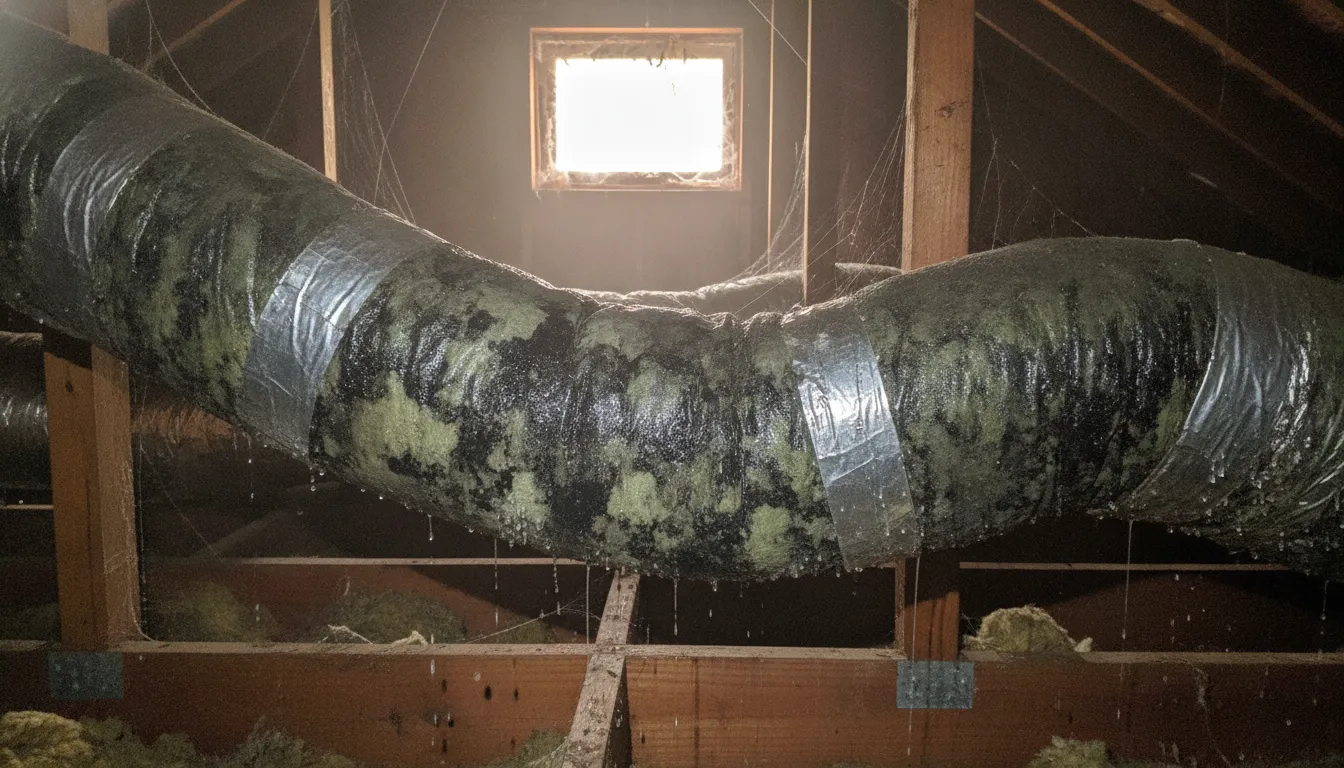
- Unpleasant odors: A musty smell can indicate mold in your ducts, while a burning smell points to an electrical issue.
- Constant cycling: If your unit turns on and off frequently, it’s struggling to cool your home.
- Visible leaks or ice: Water pooling around your unit or ice on the coils are clear red flags. If you see ice, turn the system off immediately to prevent serious damage. Ignoring these warnings can lead to bigger, more expensive problems, so it’s best to call for a professional air conditioning repair sooner rather than later.
Simple Ways to Extend Your System's Life
You don’t have to be an HVAC expert to keep your AC in good shape. A few simple habits can significantly extend its life and improve its performance. First, make a habit of checking your air filter. A clogged filter restricts airflow, forcing your system to work harder. Plan to change it every one to three months. Second, keep the area around your outdoor unit clear. Trim back bushes, weeds, and any other debris by at least two feet on all sides to ensure proper airflow. Finally, make sure your indoor vents are open and not blocked by furniture or rugs. These small steps help your system breathe easier and can even improve your indoor air quality.
Why Preventive Maintenance Matters
While DIY tasks are helpful, nothing replaces a professional tune-up. Think of it like taking your car in for an oil change; it’s essential for long-term health. Regular air conditioning maintenance allows a trained technician to clean, inspect, and fine-tune components that you can’t easily access. This service helps your system run at peak efficiency, which can lower your monthly energy bills. More importantly, it allows us to catch small issues, like a worn-out part or a minor refrigerant leak, before they turn into major breakdowns on the hottest day of the year. An annual check-up is a small investment that delivers huge returns in reliability and peace of mind.
Related Articles
- 5 Signs Your AC Needs Repair
- AC Repair Services
- AC Services
- HVAC Tips & Insights Blog - Expert Advice from 5 Star Air
- HVAC Services in Southwest Florida - AC Repair, Installation & Maintenance | 5 Star Air
Frequently Asked Questions
I changed my filter and checked the thermostat, but my AC still isn't cooling. What should I do next? If you've already handled the most common fixes and your home is still warm, it's best to stop troubleshooting. Continuing to run an air conditioner that isn't working properly can cause more serious and expensive damage. The problem is likely more complex, such as low refrigerant or a faulty electrical part, which requires a trained technician to diagnose safely. Your best move is to turn the system off and schedule a service call.
How can I tell if a strange noise from my AC is a serious problem? As a general rule, any new noise that is loud enough to get your attention is worth investigating. While a gentle hum is normal, sounds like grinding, squealing, or loud clanking often signal a mechanical failure, like a problem with the motor or fan. A buzzing sound can point to an electrical issue. Instead of waiting for the noise to stop, it's safest to turn the unit off and have a professional take a look to prevent a small issue from becoming a complete breakdown.
Is it really necessary to schedule professional AC maintenance every year in Florida? Yes, absolutely. Think of it as a check-up to keep your system healthy through our long, demanding cooling season. An annual tune-up allows a technician to clean essential parts, check refrigerant levels, and test electrical connections. This not only helps your system run more efficiently, saving you money on energy bills, but it also lets us catch and fix minor issues before they leave you without AC on a 95-degree day.
My AC is over 10 years old. Is it worth paying for a major repair? This is a tough but important question. A good rule of thumb is to consider the cost of the repair relative to the price of a new system. If a major repair, like a compressor replacement, costs 50% or more than a new unit, replacement is often the smarter long-term investment. An older system is also less efficient and may use outdated refrigerant. A new unit will lower your energy bills and come with a fresh warranty, giving you reliability and peace of mind.
What does it mean if I see ice on my AC unit? Seeing ice on your AC coils, either inside or on the lines outside, is a clear sign that something is wrong. It's usually caused by poor airflow (often from a very dirty filter) or a refrigerant leak. Your first and most important step is to turn the entire AC system off to let the ice thaw completely. Running it while frozen can destroy the compressor. Once it's off, you should call a professional to find and fix the underlying cause.