Air Scrubber vs. Air Purifier: Which Do You Need?
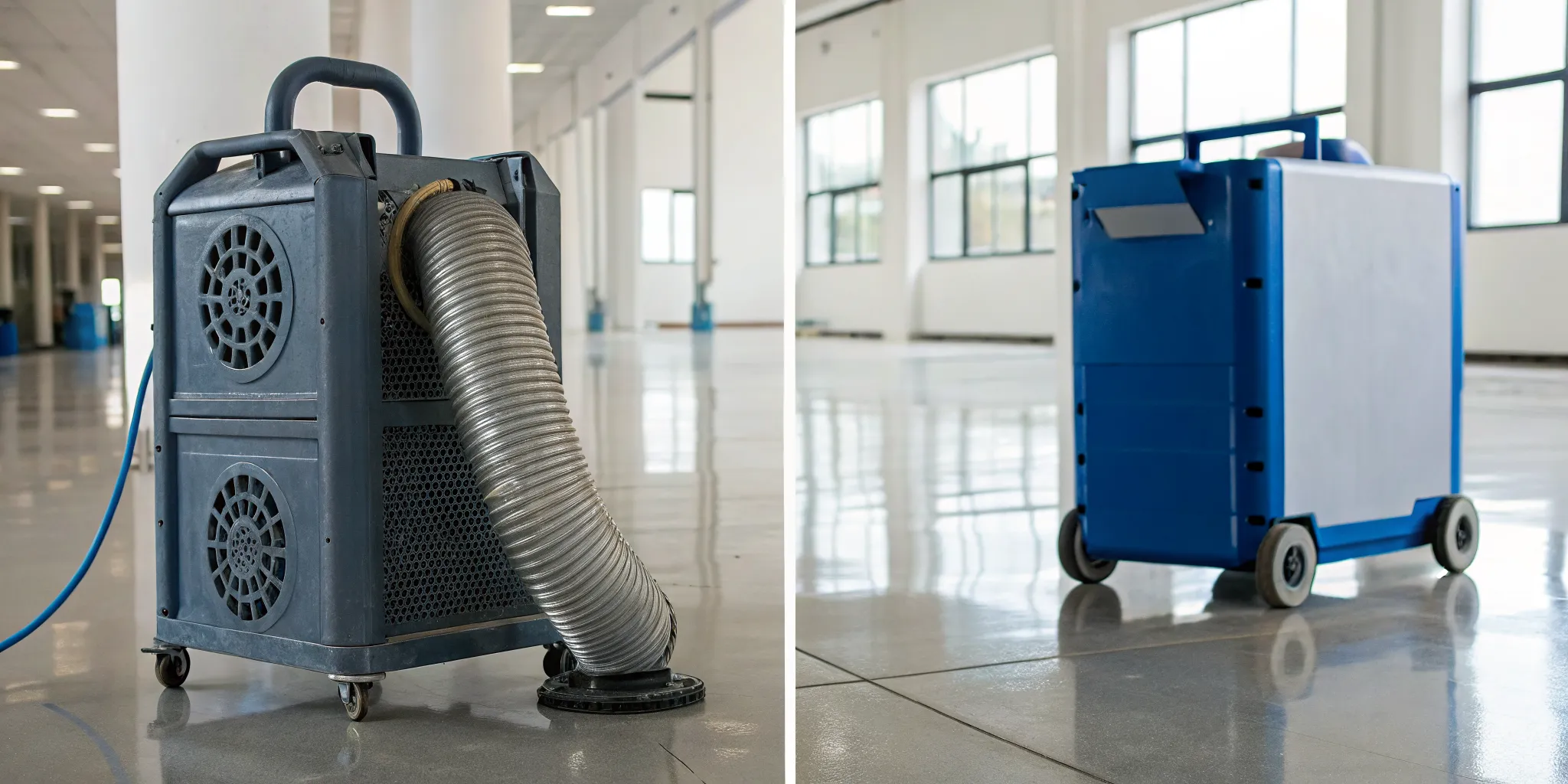
When you want to clean up the air in your home, you’ll quickly find yourself weighing the options of an air scrubber vs air purifier. Think of it like this: an air purifier is like a bouncer at a nightclub door. It stands in one spot and only deals with the troublemakers (pollutants) that try to get past it. An air scrubber, on the other hand, is like a full security team actively patrolling the entire building. It seeks out and neutralizes problems wherever they are, in the air and even on surfaces. Understanding this "active vs. passive" difference is the key to deciding which type of security your home’s air truly needs.
Key Takeaways
- Know the Difference in Action: An air scrubber actively sanitizes your entire home's air and surfaces by working with your HVAC system, while a purifier passively traps particles in the air of a single room.
- Target Your Specific Problem: Choose an air scrubber for serious, house-wide issues like stubborn odors, mold, or chemical fumes. A portable air purifier is perfect for managing common allergens like dust and pet dander in a targeted area.
- Decide on Scope and Permanence: An air scrubber is a permanent, whole-home upgrade that provides consistent cleaning. A portable purifier is a flexible, single-room solution you can move as needed, making it a great starting point.
Air Scrubber vs. Air Purifier: What's the Real Difference?
When you're looking to clean up the air in your home, you'll quickly run into two terms: air scrubber and air purifier. They sound similar, and while both are designed to improve your indoor air quality, they operate in fundamentally different ways. Think of it as the difference between setting a trap and actively seeking out a target. Understanding this distinction is the key to choosing the right solution for your home and your family's health.
How an air scrubber works
An air scrubber is a powerful air cleaning device that often connects directly to your home's HVAC system. These systems were originally designed for tough industrial jobs, like removing mold or smoke damage, so you know they mean business. An air scrubber works by using intense UV light and a special catalytic process to create "scrubbing" molecules, like hydroperoxides. Your HVAC system then distributes these powerful, yet safe, cleaning agents throughout your entire home. They actively seek out and destroy contaminants in the air and even on surfaces, providing a comprehensive clean that reaches every room. This makes them a fantastic tool for whole-home indoor air quality solutions.
How an air purifier works
An air purifier, on the other hand, is typically a standalone, portable unit you place in a single room. Its operation is much more straightforward: a fan pulls the surrounding air into the device and forces it through one or more filters. The most common type is a HEPA filter, which is excellent at trapping physical particles like dust, pollen, pet dander, and smoke. Some purifiers also include an activated carbon filter to help absorb odors and gases. While effective for a specific area, a purifier is a passive system. It can only clean the air that physically passes through it, making it a good choice for a bedroom or office but not for your entire home.
Active vs. passive cleaning: Why it matters
The biggest difference between these two devices comes down to active versus passive technology. An air purifier is passive; it sits in a corner and waits for pollutants to be drawn into its filter. It’s like a spiderweb, only catching what happens to fly into it. An air scrubber is active. It doesn't just filter the air, it sanitizes your environment. By sending out those oxidizing molecules, it actively hunts down and neutralizes airborne and surface-level contaminants like bacteria, viruses, and mold spores before they even reach your HVAC system. This active approach is similar to how our duct sanitization services work, cleaning the entire path your air travels for a more thorough and lasting result.
A Look at the Technology Inside
When you start comparing air scrubbers and air purifiers, you’ll quickly see a lot of technical terms. It’s easy to get lost in the jargon, but understanding the technology inside these devices is the key to figuring out which one is right for your home. The main difference isn't just the name; it's what's happening under the hood. Some devices passively trap particles, while others actively hunt them down and neutralize them. Let's break down the most common technologies so you can see how they work to clean your air.
HEPA filters, carbon, and UV light explained
Most air purifiers you find in stores rely on a combination of filters to clean the air. The most famous is the HEPA (High-Efficiency Particulate Air) filter. It’s a super-fine, physical mesh that’s excellent at trapping particles like dust, pollen, pet dander, and mold spores. Many purifiers also include an activated carbon filter, which is like a sponge for odors, gases, and volatile organic compounds (VOCs). Think of it as the part that tackles cooking smells or that new-paint scent. Some devices add a layer of UV-C light, which is designed to neutralize bacteria and viruses. This is where we start to see a crossover into the more active technology used in air scrubbers.
What are ionization and photocatalytic oxidation?
Air scrubbers often use more advanced, active technologies like ionization or photocatalytic oxidation (PCO) to clean your air. Ionization works by sending out charged ions that attach to airborne contaminants. This makes the particles heavier, causing them to fall out of the air or clump together so they’re more easily captured by a filter. PCO is a process that uses UV light and a catalyst (usually titanium dioxide) to create powerful molecules that actively break down pollutants, odors, and germs. It’s important to note that for UV light to be effective, the air needs enough exposure time. If air moves through the unit too quickly, the UV light may not have a chance to do its job properly, which is why the overall system design is so critical.
Why filter strength and sensor quality matter
The difference between a consumer-grade purifier and a professional-grade scrubber often comes down to power and intelligence. An air scrubber is designed to be a workhorse, circulating all the air in a space multiple times per hour. In contrast, a smaller portable purifier might only manage one or two air changes in the same amount of time. The filters in an air scrubber are also typically more robust and built for heavier-duty use. Beyond just the filter, high-quality sensors make a huge difference. Industrial-grade sensors can detect changes in air quality instantly and adjust the machine’s performance, ensuring your home’s air is being managed effectively and efficiently. This is part of a holistic approach to your home's indoor air quality.
What Each Device Removes from Your Air
Understanding what you want to remove from your air is the first step in choosing the right device. While both air scrubbers and air purifiers clean your air, they excel at targeting different types of pollutants. Think of it like this: you wouldn't use a broom to clean a wine spill. Similarly, you need the right tool for the specific air quality job in your home. Let's break down what each device is designed to handle so you can make a confident choice for your family's health and comfort.
Air scrubbers: Targeting VOCs, mold, and odors
Air scrubbers are the heavy hitters of air cleaning. They are built to tackle serious contaminants that go beyond typical dust and dander. If you're dealing with strong, persistent odors from pets or cooking, or you're concerned about mold spores, a scrubber is your best bet. They are especially effective at removing volatile organic compounds (VOCs), which are gases released from things like new paint, furniture, and cleaning products. By using technology like carbon filters and photocatalytic oxidation, scrubbers actively neutralize these stubborn pollutants, making them a powerful tool for significant improvements to your indoor air quality.
Air purifiers: Targeting allergens, dust, and smoke
An air purifier is your daily defense against common airborne irritants. These devices are perfect for managing allergies and keeping your home's air feeling fresh. Using a fan, they pull air through a series of filters, most notably a HEPA filter, which is designed to capture tiny particles. This makes them incredibly effective at trapping dust, pollen, pet dander, and smoke. Most air purifiers are portable and designed for a single room, so they are an excellent choice for a bedroom to help you sleep better or a living room where your family spends the most time.
Why you still need to find the source of the problem
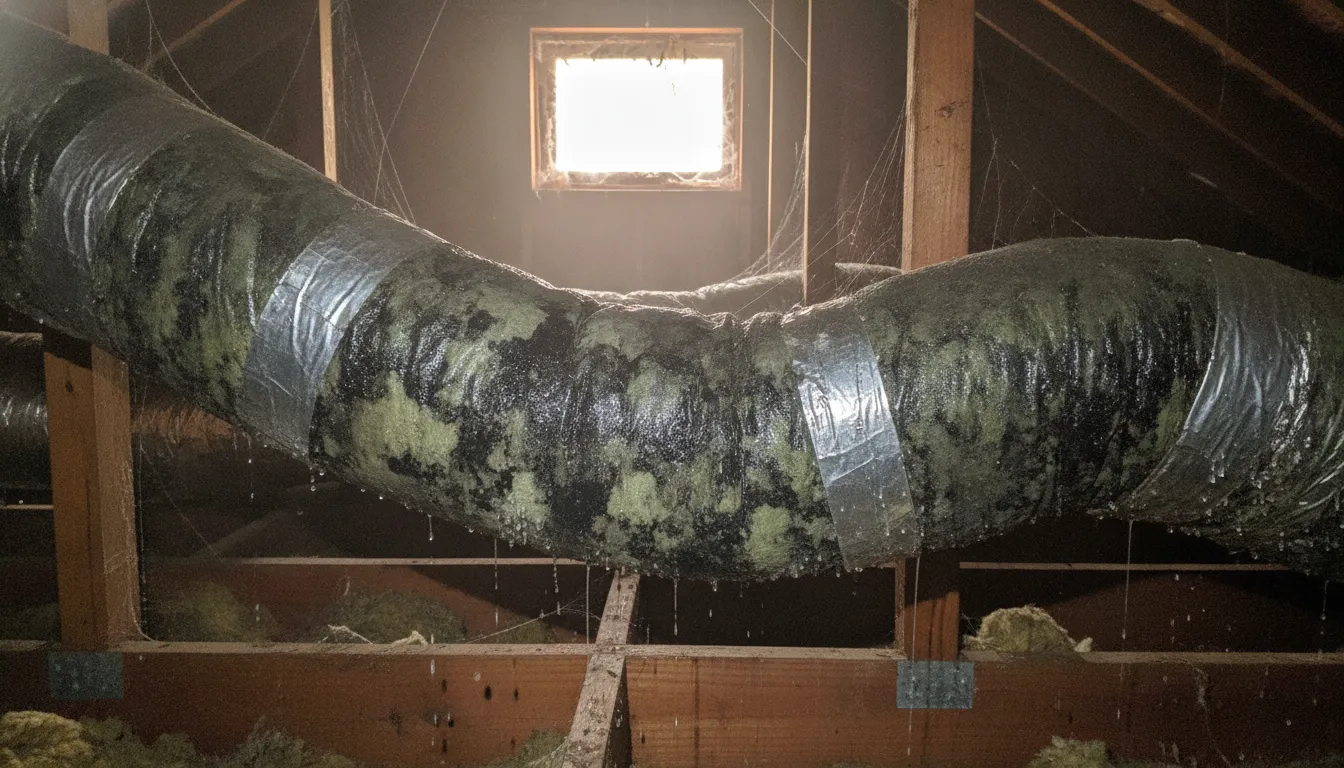
It’s important to remember that both air scrubbers and purifiers treat the symptoms, not the cause. If you have a persistent musty smell, a device might clear the air temporarily, but it won't fix the hidden water leak that's causing mold to grow. Relying solely on a machine means you'll be running it constantly and paying for frequent filter changes, all while the root issue gets worse. The most effective and long-term solution is always to identify and fix the source of the contamination. Sometimes, the problem lies within your HVAC system itself, and a professional duct sanitization can make all the difference.
Whole-Home vs. Single-Room: Which Is Right for You?
Deciding between an air scrubber and an air purifier often comes down to one key question: are you trying to clean the air in your entire house or just in a specific area? Each device is built for a different scope, and understanding this difference is the first step to making the right choice for your home. An air scrubber offers a comprehensive, whole-home solution by integrating with your central HVAC system, while a portable air purifier provides targeted cleaning for individual rooms. Your specific air quality concerns, the size of your home, and your budget will all play a role in determining which approach is the best fit for your family. Let's break down how each system works and where it shines.
How air scrubbers work with your HVAC system
Think of an air scrubber as a gatekeeper for your home's entire air supply. These systems are designed to provide whole-home coverage by connecting directly to your existing HVAC ductwork. As your air conditioner or heater runs, it circulates air throughout your house. The air scrubber cleans this air as it passes through, neutralizing contaminants before they are distributed to every room with a vent. This means you get consistent, high-quality air everywhere, from the bedrooms to the living room. It’s a powerful, set-it-and-forget-it solution that improves your home's overall indoor air quality without you having to manage multiple devices.
When a portable air purifier is the best choice
If your air quality concerns are limited to a specific room, a portable air purifier is an excellent and flexible option. These standalone units are designed to be placed in a single room to tackle localized issues. For example, you might put one in a bedroom to help with allergies, in a home office to reduce dust, or in the living room to handle pet dander. Their main advantage is portability; you can easily move the unit to wherever it’s needed most. This makes them a great starting point for renters or anyone who wants to address a problem in a contained space before committing to a whole-home system.
Understanding air changes per hour (ACH)
To really grasp the difference in performance, it helps to understand a metric called Air Changes per Hour, or ACH. This tells you how many times a device can clean all the air in a specific space within a single hour. A higher ACH means faster and more thorough cleaning. Air scrubbers are powerful enough to achieve a high ACH for your entire home, often cleaning the air 3-4 times per hour. In contrast, most portable air purifiers provide 1-2 air changes per hour, and that’s just for one room. For serious concerns like lingering odors or mold spores, having a system that can rapidly clean the air is essential for maintaining a healthy home.
What About Noise, Portability, and Durability?
Beyond the technology, you also have to live with whichever device you choose. Practical things like noise, where the unit goes, and how long it will last are just as important as what it filters. An air cleaner won't do you much good if it's too loud to run in your bedroom or if it only covers a fraction of the space you need. Let's break down these real-world differences so you can picture how each option would fit into your home and lifestyle.
Comparing noise levels: scrubbers vs. purifiers
Air scrubbers are installed inside your HVAC system, so any noise they make is usually tucked away in your attic or garage with the air handler. While the units themselves can be powerful, you typically won't hear them running in your living room. Air purifiers, on the other hand, are designed to be in the room with you. Because of this, manufacturers build them to be as quiet as possible, especially on lower settings. If you’re a light sleeper or need silence in your home office, a quiet portable purifier might seem appealing. However, a professionally installed scrubber offers a silent, whole-home solution for improving your indoor air quality without adding any noise to your living spaces.
Placement, portability, and flexibility
This is one of the biggest distinctions. An air scrubber is a whole-home solution that gets installed directly into your home’s ductwork. Once it’s in, it works automatically whenever your HVAC system runs, cleaning all the air that circulates through your house. You don’t have to think about it. An air purifier is a portable, standalone appliance. You can place it in any room, which gives you flexibility, but it will only clean the air in that immediate area. If your goal is to target allergens in the bedroom, a purifier works well. But for comprehensive, house-wide air treatment, an integrated scrubber is the more effective choice for your air conditioning system.
Why build quality is more important than you think
Build quality is a bigger deal than most people realize. Air scrubbers are built to be a permanent part of your HVAC system, so they are typically made from durable metal components designed to last for years. This robust construction means they can handle a heavy workload without breaking down. Many portable air purifiers, especially less expensive models, are made primarily of plastic. Over time, some plastics can degrade or even release their own chemicals into the air, which is the last thing you want from a device meant to clean it. Investing in a well-built system from a company you trust ensures you get a solution that’s both effective and safe for the long haul. Our commitment to quality means we only recommend durable, proven products.
So, Which One Do You Actually Need?
Deciding between an air scrubber and an air purifier comes down to what you’re trying to solve. One is a heavy-duty problem solver, while the other is an everyday helper. Let's walk through a few scenarios to help you figure out which device is the right fit for your home and your specific air quality concerns. Think of it as choosing the right tool for the job; you wouldn't use a hammer to turn a screw. The same logic applies here. Your goal will point you directly to the best solution.
Choose an air scrubber if...
You should seriously consider an air scrubber if you're dealing with a significant air quality issue that goes beyond a little dust. If you’re fighting persistent, strong odors from pets or cooking, or if you’re concerned about mold growth, an air scrubber is the more powerful choice. Because they actively sanitize the air and surfaces, they are excellent for tackling invisible threats like VOCs (volatile organic compounds) released from new furniture or paint. An air scrubber is less of a daily appliance and more of a whole-home solution for creating a truly clean environment, making it a key part of improving your home's indoor air quality.
Choose an air purifier if...
An air purifier is likely the perfect fit if your main goal is to reduce common airborne irritants in a specific area. If you or someone in your family suffers from allergies to dust, pollen, or pet dander, a portable air purifier in the bedroom or living room can make a world of difference. These devices are typically plug-and-play, making them an easy and budget-friendly way to get started. They work by pulling air through a filter, most often a HEPA filter, which is fantastic at trapping fine particles. Think of it as a great first step for maintaining cleaner air in the rooms where you spend the most time.
Dealing with mold, allergens, and odors in Florida
Living in Southwest Florida means we get beautiful weather, but it also comes with high humidity, which can create a perfect breeding ground for mold and mildew. If you're constantly battling that musty smell or notice your allergies acting up year-round, a standard air purifier might not be enough. The persistent moisture in our air can lead to ongoing problems that require a more active solution. For these stubborn, Florida-specific issues, an air scrubber that integrates with your HVAC system can provide the comprehensive cleaning you need. It helps control mold and other contaminants before they spread, which is why professional duct sanitization is also so important in our climate.
The Bottom Line: Cost, Maintenance, and Myths
Deciding between an air scrubber and an air purifier often comes down to the practical details: your budget, how much maintenance you’re willing to do, and what’s actually true versus what’s just marketing. Let's clear the air on these final points so you can feel confident about your choice. Understanding the long-term commitment for each device is just as important as knowing what it does. After all, the best solution is one that fits your home, your lifestyle, and your wallet.
Upfront costs and upkeep for air scrubbers
An air scrubber is a significant investment in your home's health, and its cost reflects that. Because it integrates with your HVAC system, it requires professional installation. These units are built to last, often made of durable metal, but they do need regular check-ups to perform their best. Some models can be loud, so placement is key. Think of it less as a plug-and-play appliance and more as a permanent upgrade to your home’s indoor air quality. The upfront cost is higher, but you’re paying for a whole-home solution that actively cleans both the air and surfaces without needing constant filter changes.
The price of purifiers and their filters
Air purifiers typically have a lower initial price tag, making them seem like the more budget-friendly option. You can buy one, plug it in, and have it running in minutes. However, the long-term costs can add up. Most purifiers rely on filters that need to be replaced every few months, and these recurring expenses can be significant over the life of the unit. Be wary of claims about the square footage a purifier can cover. The real measure of effectiveness is the Air Changes Per Hour (ACH), which tells you how often it can actually clean all the air in a room.
Common myths you can ignore
One common myth is that air scrubbers only need to run occasionally. While they are powerful, for persistent issues like mold or VOCs common in humid Florida climates, you’ll want it running consistently to keep your air clean. Another misconception is that purifiers and scrubbers do the same thing. They don’t. Air purifiers are passive; they trap particles that float into them. Air scrubbers are active; they send out cleaning agents to neutralize contaminants in the air and on surfaces throughout your home. Understanding this difference is crucial to picking the right tool for the job and ensuring your system gets the proper air conditioning maintenance it needs to support it.
Choose the Right Solution for Your Florida Home
Let's talk about Florida living. We love the sunshine, but the constant humidity can do a number on our homes. It creates the perfect environment for musty odors, allergens, and even mold to thrive, and your standard AC filter often can't keep up. When it comes to improving your home’s air, the choice between an air scrubber and an air purifier really depends on the specific problem you’re trying to solve.
If you’re dealing with issues that seem to affect your whole house, an air scrubber is a fantastic solution. Because it integrates directly with your HVAC system, it actively cleans the air in every single room your AC reaches. This is a game-changer for tackling widespread odors, reducing airborne contaminants, and managing the overall indoor air quality in our humid climate. It’s a comprehensive approach to achieving a fresher, cleaner home from top to bottom.
On the other hand, maybe your air quality concerns are more localized. A portable air purifier is designed to handle the air in a single room. This makes it a great choice if you want to focus on a bedroom to help with nighttime allergies, or a home office where you spend most of your day. They are also a good option for renters or if you're not ready to commit to a whole-home system. You can simply plug it in where you need it most.
So, how do you choose? Think about your main goal. Are you fighting a constant battle with musty smells and allergens everywhere? An air scrubber is likely your best bet. Are you trying to create a clean-air sanctuary in one specific area? A high-quality air purifier will do the trick. Either way, remember that these systems work best when your AC is in good shape. Consistent air conditioning maintenance ensures your entire system works efficiently to keep you comfortable and your air clean.
Related Articles
Frequently Asked Questions
I have bad allergies, but they mostly bother me in my bedroom. Is a whole-home air scrubber overkill? That's a great question, and in your case, a high-quality portable air purifier might be the perfect solution. If your main concern is creating a clean air zone in a single room, a purifier with a HEPA filter will do an excellent job of trapping the pollen, dust, and dander in that specific area. An air scrubber is designed for when you feel like you can't escape the problem no matter where you are in the house, making it a better choice for widespread issues.
Will an air scrubber or purifier get rid of the musty smell in my house for good? While both devices are fantastic at removing odors from the air, they are treating the symptom, not the source of the problem. A persistent musty smell, especially here in Florida, often points to a hidden moisture issue that could be causing mold. A scrubber or purifier will make the air smell fresh, but the underlying issue will still be there. The best long-term solution is to find and fix the source of the moisture, which might require professional help like a duct inspection.
An air scrubber sounds like a big investment. How do I know if it's really worth the money? You're right, an air scrubber is a more significant upfront investment because it's a permanent upgrade to your home's HVAC system. The value comes from its power and scope. Instead of buying, placing, and paying for filter replacements for multiple purifiers to cover your whole home, a scrubber provides a single, comprehensive solution. It's worth considering if you're dealing with serious, house-wide issues like stubborn odors or you want to actively reduce germs and other contaminants on surfaces, not just in the air.
Can I use an air purifier and an air scrubber at the same time? You can, but you likely won't need to. An air scrubber that integrates with your HVAC system is already cleaning all the air that circulates through your home. Adding a portable purifier on top of that would be like wearing a raincoat under a waterproof jacket, it's a bit redundant. The best approach is to identify your main goal, whether it's whole-home sanitization or single-room particle removal, and choose the one device that is built for that job.
If I get an air scrubber installed, does that change how I take care of my regular AC system? An air scrubber is a powerful partner for your AC, but it doesn't replace basic maintenance. You should absolutely continue to change your standard AC filters according to a regular schedule. Your AC filter's main job is to protect the expensive equipment from large debris, while the scrubber's job is to sanitize the air. Keeping up with routine air conditioning maintenance ensures both systems can work together effectively to give you the cleanest, most comfortable air possible.