How Much Is the Average HVAC Service Call Cost?
No one likes unexpected home repair bills, but you have more control over your HVAC costs than you might think. Taking a proactive approach to your system's health is the best way to protect your wallet from the high price of an emergency breakdown. Regular maintenance not only keeps your AC running efficiently but also helps catch small problems before they become major, expensive ones. While it’s useful to know the average hvac service call cost for an unexpected repair, it’s even more valuable to learn how preventive care can help you avoid those calls altogether. Let’s look at what repairs cost and how you can save money in the long run.
Key Takeaways
- Know What Goes Into the Cost: Your total bill includes a diagnostic fee for the technician's time and expertise. The final price is then shaped by the repair's complexity, your system's age, and whether you need urgent or after-hours service.
- Prioritize Prevention to Protect Your Wallet: Regular maintenance is the best way to avoid surprise breakdowns and expensive emergency calls. Seasonal tune-ups catch minor issues before they become major problems, saving you money on both repairs and your monthly energy bill.
- Partner with a Pro Who Values Honesty: A trustworthy HVAC company will always provide a detailed, written estimate before starting work. Look for licensed and insured technicians who offer clear warranties and can explain their pricing, so you feel confident in your decision.
How Much Does an HVAC Service Call Cost?
When your AC stops working in the middle of a Florida summer, the first question on your mind is probably, "How much is this going to cost me?" It’s a fair question, but the answer isn’t always straightforward. The total cost of an HVAC service call depends on a few key things, from the initial diagnosis to the specific repair needed. Understanding what goes into the bill can help you feel more confident when you call for help. Let's break down the typical costs so you know exactly what to expect.
What's a Diagnostic Fee?
First things first, let's talk about the diagnostic fee. You might also hear this called a "service fee" or "trip charge." This is a standard, upfront cost that covers the technician's travel time and the expertise required to thoroughly inspect your system and pinpoint the problem. Think of it as paying for a doctor's time to figure out what's wrong before they write a prescription. This fee is solely for the diagnosis; the cost of any parts or the labor to perform the actual air conditioning repair will be quoted separately. It ensures that you're compensating a trained professional for their time and knowledge, even if you decide not to proceed with the repair.
Typical Service Call Price Ranges
So, what can you expect to pay for that initial visit? Generally, a diagnostic fee for an HVAC service call can range from about $75 to $150. This price can fluctuate based on the company and your location. Once the technician identifies the issue, they’ll give you a detailed quote for the full repair. At 5 Star Air, we pride ourselves on our honest and transparent pricing. We believe you should never be surprised by a bill. Our technicians will walk you through the diagnosis and the repair costs before any work begins, so you can make an informed decision that feels right for you and your budget.
Why Costs Vary Across Florida
You might notice that HVAC service costs aren't the same from Miami to Naples. Several factors influence the final price. The age and type of your HVAC system play a big role—older or more complex units can be trickier to diagnose and repair. The specific problem also matters; replacing a small capacitor is much different from fixing a refrigerant leak. And, of course, the urgency of the call is a factor. A scheduled maintenance visit will cost less than a late-night emergency air conditioning service. A trustworthy company will always be upfront about how these elements affect your total cost.
What Factors Change the Price of an HVAC Call?
When your AC stops working, the first question on your mind is usually, "How much is this going to cost?" The truth is, there’s no single answer. The final price of an HVAC service call depends on a few key variables that can change from one home to the next. Think of it less like a fixed menu price and more like a custom quote tailored to your specific situation.
Understanding these factors can help you feel more prepared and confident when you get an estimate. From the type of system cooling your home to how quickly you need a technician at your door, each element plays a role in the total cost. Let's break down exactly what influences the price of a service call.
Your Location
Where you live in Florida can have a direct impact on your service call fee. A home in a dense urban area might have a lower travel fee than a more remote property that requires a longer drive for the technician. The total cost can change based on where you live, how complicated the problem is, and the company you pick. At 5 Star Air, we're always upfront about our pricing and serve a wide area across Southwest Florida, but it's a good factor to keep in mind no matter which company you call.
The Age and Type of Your System
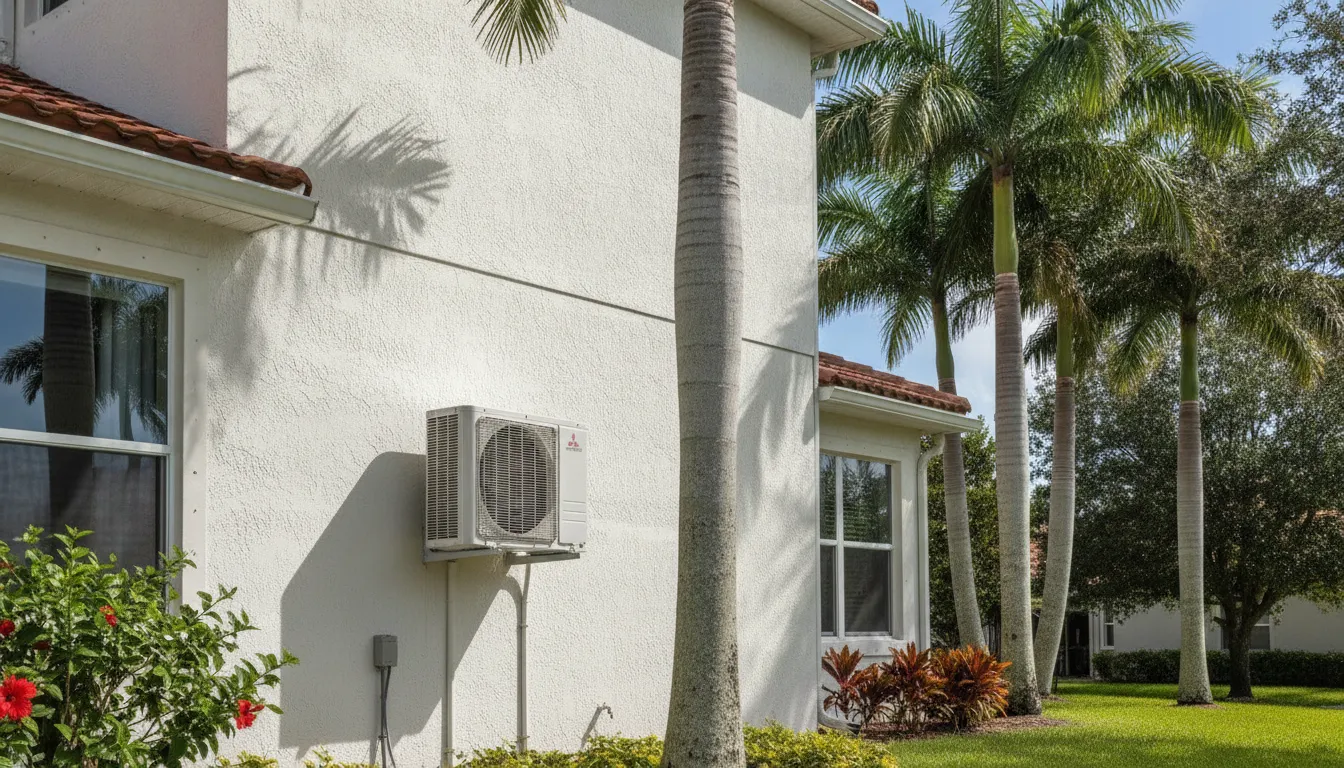
Not all air conditioners are the same, and their differences can affect repair costs. The type of HVAC system you have is a major factor in how much you'll pay. For instance, fixing a large central air conditioner is often more involved and costly than repairing a smaller ductless mini-split. Older systems can also be more expensive to fix, as parts may be harder to find. If you're facing frequent repairs on an aging unit, it might be time to consider a new air conditioning installation to save money in the long run.
The Complexity of the Repair
The nature of the problem is one of the biggest price determinants. A simple check-up or a minor fix, like clearing a clogged drain line, will cost significantly less than a major repair. If a key component like the compressor or fan motor has failed, the cost will be higher due to the price of the part and the labor needed to replace it. A straightforward air conditioning repair that takes an hour is naturally going to be more affordable than a complex issue that requires several hours of diagnostic work and intensive labor.
The Urgency of Your Call
When you need help, you need it now—especially during a Florida heatwave. However, that urgency can affect the price. Emergency HVAC service costs are usually higher than routine maintenance charges because they require an immediate response. Calling for service on a weekend, holiday, or in the middle of the night means a technician has to adjust their schedule to prioritize your home. These after-hours calls come at a premium, which is why we offer dedicated emergency air conditioning services to get you cool and comfortable as quickly as possible.
Why Do Emergency HVAC Calls Cost More?
It’s a scenario no one in Florida wants: your AC gives out during a sweltering holiday weekend. You make the call, a technician saves the day, and then you see the bill. It’s definitely higher than a standard service call, and it’s fair to wonder why. The primary reason emergency HVAC calls cost more is simple: you’re paying for immediate, unscheduled access to a skilled professional outside of their normal working hours. Think of it as a premium for getting an expert to your door when you need them most, whether it's midnight on a Tuesday or lunchtime on Thanksgiving Day.
The higher price tag covers the overtime paid to technicians for their time and the operational costs of dispatching them at a moment's notice. Factors like the time of day, the specific problem, and how quickly you need the repair all play a role in the final cost. While no one loves an unexpected expense, having access to reliable emergency air conditioning services is essential for staying safe and comfortable in the Florida heat. Understanding what goes into the pricing can help take the sting out of the bill.
After-Hours and Weekend Rates
Most HVAC technicians work a standard Monday-to-Friday, 9-to-5 schedule. When your system breaks down on a Friday night or a Sunday afternoon, you’re asking a professional to leave their family or give up their personal time to solve your problem. After-hours and weekend rates are essentially overtime pay. This premium compensates technicians for being on-call and ready to respond outside of their typical shift. It ensures that when you have a genuine emergency, there’s a qualified expert available to help. In Southwest Florida, waiting until Monday morning for an AC repair is often not just uncomfortable—it can be unsafe.
Holiday and Emergency Surcharges
Just like weekend rates, holiday surcharges are standard in the HVAC industry. If your air conditioner fails on the Fourth of July or Christmas Day, the technician who comes to your home is leaving their own celebration to restore your comfort. The surcharge reflects the higher demand for their time and expertise on days when most people are off. Companies implement this extra fee to cover the higher wages paid to employees working on a holiday. It’s a necessary part of ensuring that a team is always available, 365 days a year, for those worst-case-scenario breakdowns that always seem to happen at the most inconvenient times.
What Counts as an Emergency Call?
So, what makes a situation an "emergency"? Generally, it’s any issue that poses an immediate threat to your health, safety, or property. A complete AC failure during a heatwave, especially if you have vulnerable family members at home, is a clear emergency. Other urgent situations include a burning smell coming from your vents or major water leaks from your unit that could cause property damage. The urgency of the repair is what triggers the emergency status and the associated costs. If your system is just making a funny noise but is still cooling, you might be able to schedule a standard air conditioning repair and avoid the premium fees.
What Am I Paying For in a Service Call?
When you get a bill for an HVAC service call, it can be tempting to just look at the final number. But understanding what goes into that cost helps you see the value behind the service. It’s not just an arbitrary fee; it’s a combination of skilled labor, necessary parts, and the logistics of getting a professional to your doorstep. A transparent company will always be able to explain these charges clearly, so you know exactly where your money is going.
Think of it like a restaurant bill. You’re not just paying for the ingredients; you’re paying for the chef’s expertise, the kitchen staff’s time, and the service that brings the meal to your table. An HVAC service call works the same way. You’re investing in a professional’s knowledge to diagnose the issue correctly, the quality parts needed to fix it, and the convenience of having them come to you. Breaking down the invoice helps demystify the process and ensures you feel confident about the AC repair you’re receiving.
Labor and Technician Expertise
A huge part of what you’re paying for is the technician’s skill. This isn’t just about the time they spend at your home; it’s about the years of training, certification, and hands-on experience they bring to the job. A qualified technician can quickly and accurately diagnose a complex problem that might stump someone less experienced, saving you time and preventing further damage. You’re paying for their ability to work safely with electrical components and refrigerants, ensuring the job is done right the first time. At 5 Star Air, we believe in sending only fully licensed and insured technicians to your home, because your peace of mind is worth it.
Parts and Materials
If your AC system needs a new part to get back up and running, the cost of that component will be included in your bill. The price of parts can vary dramatically depending on what’s needed. For example, a simple capacitor might be relatively inexpensive, while a new compressor motor is a much larger investment. A trustworthy HVAC company will use high-quality, reliable parts and be upfront about the costs. We’re committed to transparent pricing, which means we’ll always explain what parts are needed for your air conditioning repair and why, so there are no surprises on your final invoice.
Travel and Service Fees
Most HVAC companies charge a standard service call fee, sometimes called a diagnostic fee. This initial charge covers the cost of getting a fully-equipped truck and a professional technician to your home. It accounts for fuel, vehicle maintenance, and the time it takes for the technician to travel to your location and perform the initial assessment of your system. This fee ensures that even for a quick diagnosis, the company can cover the essential costs of mobilization. Once the problem is identified, the technician will provide you with a detailed quote for the actual repair before any further work begins. If you have questions about our fees, feel free to contact us anytime.
What Are the Average Costs for Common HVAC Repairs?
Once a technician figures out what’s wrong with your system, the next question is always about the cost. While a simple service call gets them in the door, the actual repair bill can vary quite a bit. The price depends on the specific part that needs fixing, how long the job will take, and the complexity of the work. Knowing some of the typical price ranges for common issues can help you feel more prepared when you get an estimate. At 5 Star Air, we believe in total transparency, so we’ll always walk you through the costs before we start any work.
Common AC Repair Costs
In Florida, a functioning AC is non-negotiable. The average cost for most HVAC repairs lands around $350, but the final price can be anywhere from $130 for a minor fix to over $2,000 for a major one. For example, replacing a capacitor is a relatively quick and affordable job. On the other hand, fixing or replacing a compressor is one of the most expensive repairs because the part itself is costly and it’s a labor-intensive process. Remember, this is on top of the initial service call fee, which covers the technician's time and expertise to diagnose the problem in the first place.
Common Heating Repair Costs
While we don’t use our heaters as much as our friends up north, they still need attention when a cold snap hits. The good news is that heating repairs are often more affordable. The average service cost for a furnace usually falls between $100 and $300. This can cover things like fixing an ignitor or addressing a faulty thermostat connection. Just like with your AC, the price will depend on the specific issue and the parts needed. This is also why annual maintenance is so helpful—it keeps both your heating and cooling systems ready for whatever the weather throws at you.
Ductwork and Ventilation Costs
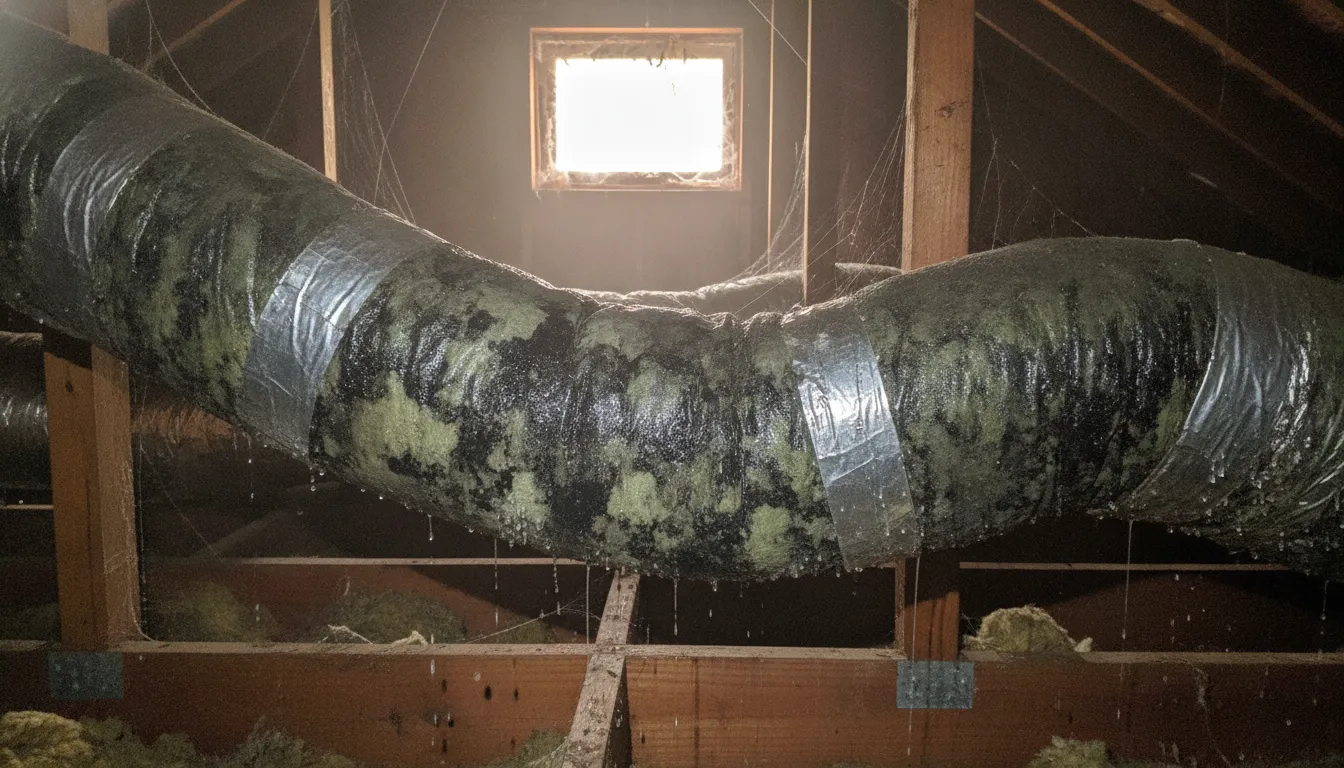
Your ducts are the hidden highways that deliver cool air throughout your home, but they can cause major issues if they’re damaged. Leaks, blockages, or collapsed sections can lead to poor airflow and high energy bills. The cost for ductwork repairs typically ranges from $500 to $2,000. A simple patch job will be on the lower end, while replacing entire sections of ductwork in a hard-to-reach attic or crawlspace will cost more. Keeping your ducts clean and sealed is one of the best ways to maintain efficiency and prevent costly problems down the road.
Thermostat and Electrical Repair Costs
Sometimes, the problem isn’t with the main unit but with its controls. A faulty thermostat can cause your system to cycle incorrectly or not turn on at all. Replacing a simple thermostat is usually a quick and inexpensive fix. However, if the issue is electrical—like a bad wire or a faulty control board—the repair becomes more complex. These types of problems can sometimes lead to an emergency HVAC service call if your system completely shuts down, which often comes with higher hourly rates.
How Can I Lower My HVAC Service Costs?
Nobody likes surprise expenses, especially when it comes to home repairs. The good news is that you have a lot of control over your HVAC service costs. Instead of waiting for a breakdown in the middle of a Florida heatwave, you can take a few simple, proactive steps. Thinking ahead not only keeps your system running smoothly but also protects your wallet from the sticker shock of an emergency repair bill. It’s all about shifting from a reactive mindset to a preventive one. A little care now can save you a lot of money and stress down the road.
Join a Regular Maintenance Program
Think of a maintenance program as a health plan for your HVAC system. Just like a yearly check-up, it’s the best way to keep it in top shape. Regular HVAC maintenance not only ensures optimal performance but also safeguards against potential breakdowns and costly repairs. By joining a program, you get a trained technician to inspect, clean, and tune your system on a set schedule, which helps catch small issues before they become major headaches. Our team at 5 Star Air offers comprehensive air conditioning maintenance plans designed to extend the life of your unit and keep it running efficiently all year long.
Schedule Seasonal Tune-Ups
Timing is everything, especially in Florida. You don’t want to discover your AC is struggling on the first 90-degree day of the year. Scheduling seasonal tune-ups—one in the spring for your AC and one in the fall for your heater—is a smart move. These visits prepare your system for the heavy workload ahead. During a tune-up, a technician will clean the coils, check refrigerant levels, and test electrical components to make sure everything is ready for peak season. It’s a small investment that pays off by preventing much larger, more expensive problems when you need your AC the most.
Learn to Spot Problems Early
You know your home better than anyone, and paying attention to your HVAC system can help you catch problems before they escalate. Do you hear a new rattling or grinding noise? Is there a strange smell coming from the vents? Does the air not feel as cold as it used to? These are all early warning signs that something is wrong. Regular inspections help identify potential issues early, which can significantly reduce overall maintenance costs. Don't wait for the system to shut down completely. If you notice something is off, it's best to schedule an air conditioning repair call sooner rather than later.
Why Preventive Care Saves You Money
Preventive care is the single most effective way to manage your HVAC costs. For one, emergency service calls are always more expensive than scheduled appointments due to the urgency and after-hours labor. By prioritizing routine care, you can avoid the high costs of emergency repairs. Beyond avoiding repair bills, there’s another big financial benefit: energy savings. A well-maintained HVAC system uses less energy to cool your home, which means lower monthly electricity bills. That consistent care keeps more money in your pocket, both by preventing costly breakdowns and by reducing your energy consumption.
How to Find an HVAC Company with Transparent Pricing
Finding an HVAC company you can trust shouldn't feel like a gamble. When your AC gives out in the middle of a Florida summer, the last thing you want to worry about is being overcharged or getting shoddy work. The key is to look for a company that values transparency from the very first call. This means clear communication about costs, no high-pressure sales tactics, and a commitment to explaining exactly what you're paying for. A trustworthy company will be upfront about their diagnostic fees, labor rates, and parts costs, ensuring there are no surprises on your final bill. They understand that earning your business means earning your trust, and that starts with being honest about the numbers. They build relationships on integrity, not hidden fees. At 5 Star Air, we believe in straightforward pricing because we want to be your go-to HVAC partner for the long haul, not just for a one-time fix.
Look for Licensed and Insured Techs
First things first: always make sure the company you hire has fully licensed and insured technicians. This is non-negotiable. Licensing proves that the technicians have the proper training and knowledge to work on your system safely and correctly. Insurance protects you and your home from any accidental damage that might occur during the repair or installation. A reputable company will be proud of their credentials and happy to provide proof. If a company is hesitant to share this information, consider it a major red flag. Hiring a licensed and insured team gives you peace of mind that the job will be done right and to industry standards, protecting your investment and your family's comfort.
Ask About Pricing Policies and Guarantees
Don't be shy about asking how a company handles its pricing. A transparent company will have a clear policy and will be happy to walk you through it. Ask them to break down the costs, from the initial service call fee to the hourly labor rate and the price of parts. You should never feel like you're in the dark about what you're paying for. Some companies, like us, have moved away from commission-based sales to ensure our technicians are focused on finding the right solution for you, not on upselling. This approach makes the entire experience more straightforward and stress-free. A company that is open about its pricing structure and offers guarantees is one that stands behind its work and values your trust.
Check for Service Warranties
A warranty is more than just a piece of paper; it's a company's promise to stand behind their work. Before you agree to any repairs, ask about the service warranties they offer. A reliable HVAC company will provide a warranty that covers both parts and labor for a specific period. This shows they are confident in the quality of their air conditioning repair and the parts they use. A strong warranty protects you from paying for the same fix twice if something goes wrong shortly after the service. It’s a clear indicator of a company that prioritizes quality and customer satisfaction over making a quick buck. It gives you assurance that you're making a sound investment in your home's comfort system.
What to Look for in an HVAC Estimate
Getting an HVAC estimate can feel a bit like reading a foreign language. Different companies present information in different ways, and it’s not always clear what’s included. A good estimate is detailed, transparent, and easy to understand. It should clearly outline the scope of the work, the costs for parts and labor, and any warranties or guarantees. Think of it as a roadmap for your repair or installation—it should show you exactly where your money is going.
The best way to protect yourself is to know what a comprehensive quote looks like and what questions to ask. A trustworthy company will be happy to walk you through their estimate and explain every line item. They won’t pressure you into making a quick decision. Instead, they’ll provide you with all the information you need to feel confident about the work being done. Remember, a clear estimate is the first sign of a company that values honesty and customer satisfaction.
What Should Be on the Quote?
When you get an estimate, you want to see a clear breakdown of costs, not just a single number. Some companies might give you one flat price, but it’s better to ask for an itemized list. This helps you understand the value you’re receiving and compare quotes more accurately. Your estimate should clearly state the cost of the service call, the price for any necessary parts, and the labor charges. A detailed quote shows that the company is transparent and isn't trying to hide anything in a bundled price. This is especially important for any air conditioning repair where multiple components might be involved.
Questions to Ask Before Approving Work
Before you give the green light, it’s smart to ask a few clarifying questions. This isn’t about being difficult; it’s about being an informed homeowner. Start by confirming that the technicians are fully licensed and insured, which protects you from any liability. You can also ask if the estimate is all-inclusive or if there’s a chance of additional charges. It’s also a good idea to inquire about warranties on both parts and labor. For larger projects, like a full system replacement, getting a few different quotes can give you peace of mind and a better sense of the market rate. A reputable company will have no problem answering these questions and will stand by their credentials and guarantees.
How to Avoid Hidden Fees
No one likes surprise charges on their final bill. The best way to avoid hidden fees is to work with a company that prioritizes upfront, honest pricing. Ask directly if there are extra charges for things like weekend or after-hours work, especially if you need emergency AC services. Always get a written estimate before any work begins and read it carefully. Make sure it details exactly what is included in the price. A company that is vague about costs or hesitates to put everything in writing might not be the most trustworthy choice. A clear, written agreement is your best defense against unexpected expenses.
Frequently Asked Questions
Is the diagnostic fee separate from the repair cost? Yes, think of the diagnostic fee as a charge for the technician's time and expertise to travel to your home and accurately identify the problem. Once they figure out what's wrong, they will give you a separate, detailed quote for the actual repair, including parts and labor. This way, you know exactly what the issue is and what it will cost to fix it before you commit to the work.
Why can't I get an exact price for a repair over the phone? Giving a price over the phone would be like a doctor diagnosing you without an examination. Every HVAC system and situation is unique, and a strange noise or lack of cool air could be caused by a number of different issues, from a simple fix to a major component failure. An on-site diagnosis allows a technician to properly inspect the system and give you an accurate quote, preventing any surprise costs down the line.
Is a maintenance plan really worth the money? Absolutely. A maintenance plan is one of the smartest investments you can make for your home. It helps you avoid the high cost and stress of an unexpected breakdown by catching small problems before they become big, expensive ones. Regular tune-ups also keep your system running efficiently, which can lower your monthly energy bills. It’s proactive care that saves you money in the long run.
How do I know if a repair is an 'emergency'? A true emergency is any situation that threatens your health or property. For instance, a complete AC failure during a Florida heatwave, especially with vulnerable people in the home, is definitely an emergency. Other urgent issues include a burning smell from your vents or a significant water leak from your unit. If your system is still cooling but just making an odd noise, you can likely schedule a standard service call and avoid the higher emergency fees.
At what point should I consider replacing my AC instead of just repairing it? This is a great question. A good rule of thumb is to consider replacement if a repair costs about half as much as a new system, especially if your unit is over 10 years old. If you find yourself calling for frequent repairs, those costs can add up quickly. Investing that money into a new, more energy-efficient unit can often be a smarter financial decision that saves you money on both future repairs and monthly utility bills.