Benefits of UV Light in HVAC: Is It Worth It?
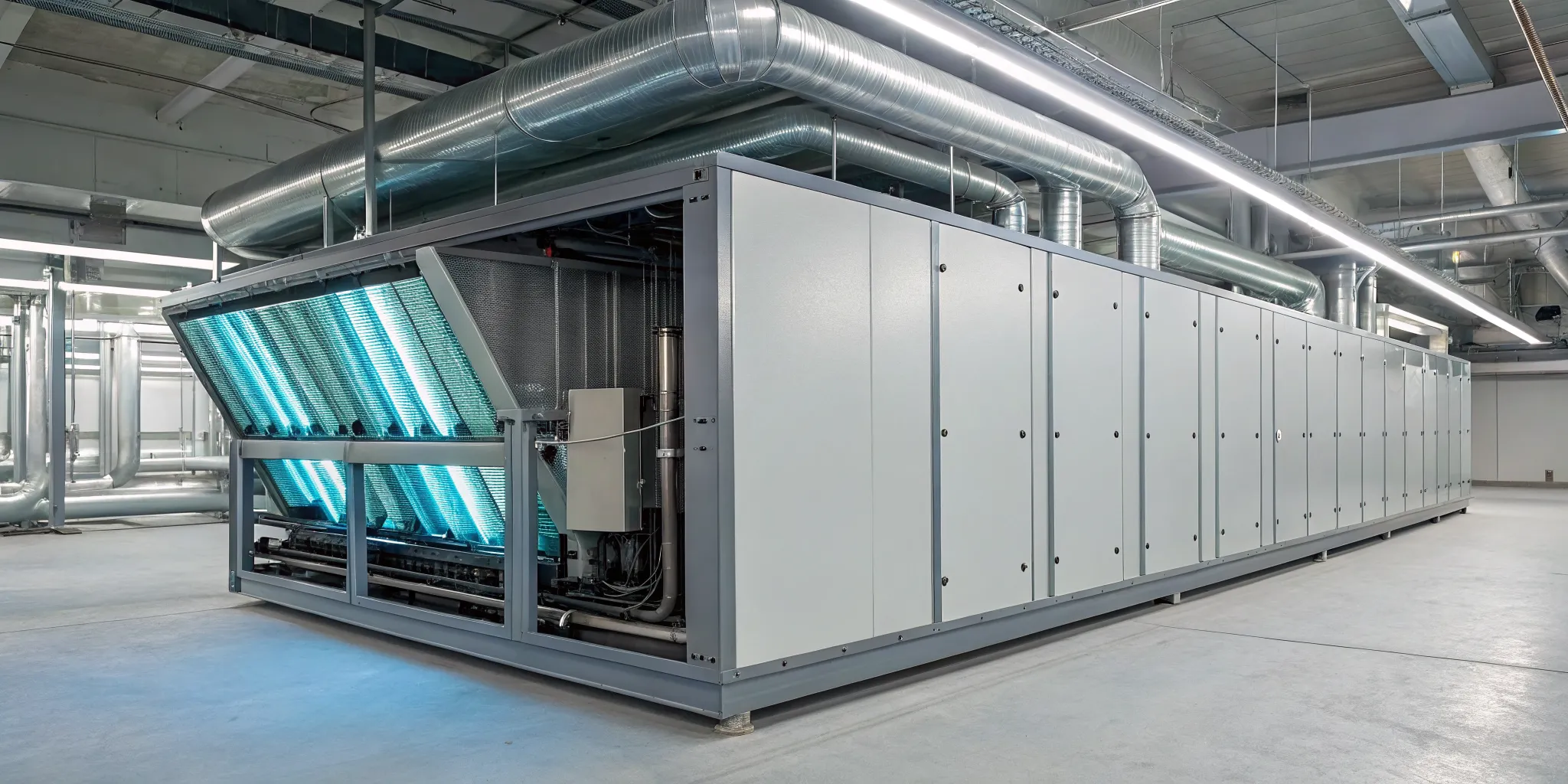
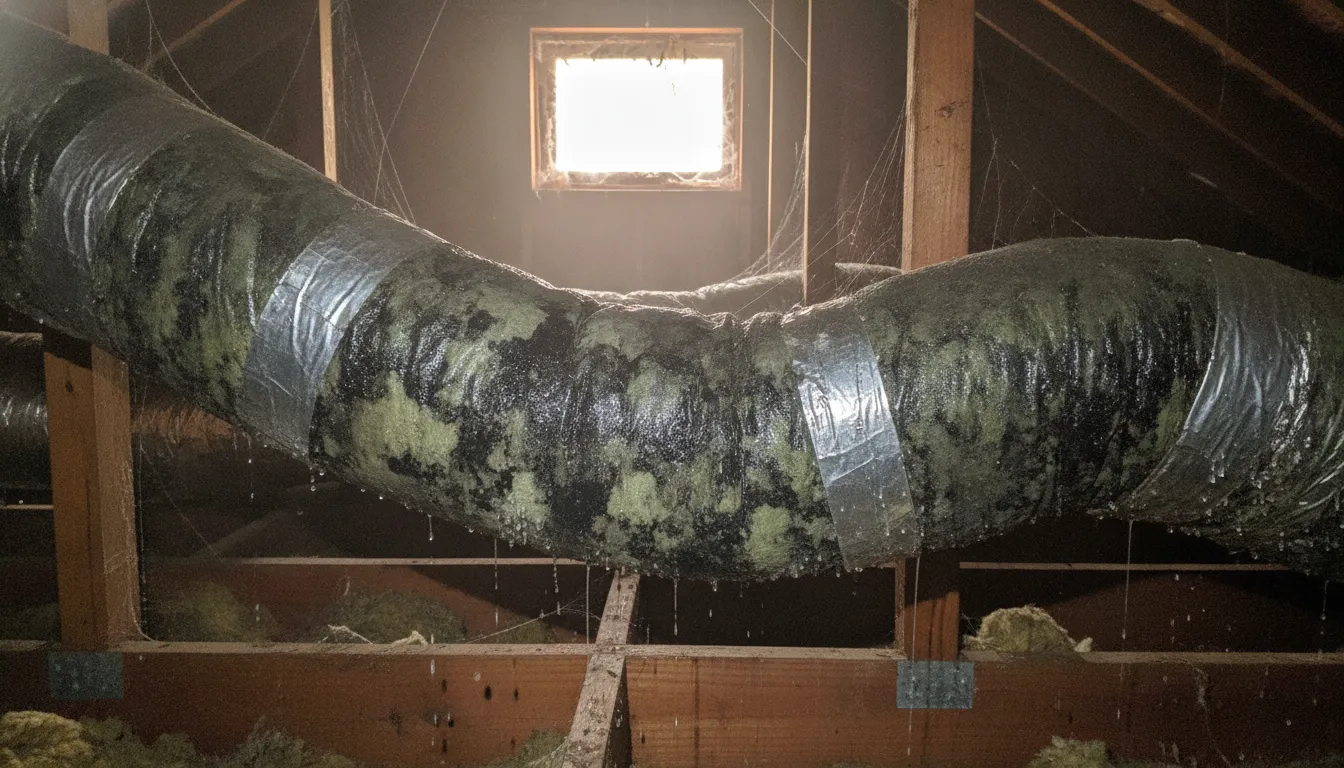
Ever turn on your air conditioner and get a whiff of that damp, musty smell? In Southwest Florida, our constant humidity creates the perfect environment for mold and bacteria to grow deep inside your AC unit’s dark, cool components. This doesn't just affect the air you breathe; it can also make your system work harder. A UV light installed in your HVAC system is designed to stop this problem at the source. This guide will walk you through the science behind this technology, explaining the real-world benefits of UV light in hvac systems, from cleaner air to improved efficiency, so you can decide if it’s the right solution for your home.
Key Takeaways
- Creates Healthier Air by Targeting Germs: An HVAC UV light uses UV-C technology to destroy the DNA of mold, bacteria, and viruses, preventing them from spreading through your home and reducing common triggers for allergies and asthma.
- Enhances AC Performance and Efficiency: By keeping the internal evaporator coil clean from mold and bacterial buildup, a UV light allows your system to cool your home more easily, which reduces strain on the equipment and can lower your monthly energy costs.
- Works Best as Part of a Team: A UV light specializes in neutralizing germs but doesn't trap dust or dander, so it should be paired with a quality air filter, and its bulb needs to be replaced every one to two years to remain effective.
What Is an HVAC UV Light?
If you're looking for ways to improve your home's air, you may have heard about UV lights for HVAC systems. Think of them as a silent guardian for your air conditioner. An HVAC UV light is a special lamp installed directly inside your air handler or ductwork. It uses a specific type of ultraviolet light, known as UV-C, to neutralize tiny airborne particles that can affect your health and your system's performance. This is the same technology hospitals and labs trust for sterilization, and it’s a powerful tool for improving your home’s indoor air quality.
How Does UV-C Light Work?
UV-C light works at a microscopic level. As air passes through your HVAC system, it’s exposed to the light, which targets the DNA of microorganisms like mold spores, bacteria, and viruses. This exposure damages their genetic code, destroying their ability to reproduce and spread throughout your home. For homeowners in Southwest Florida, where humidity can create a perfect breeding ground for mold inside your AC system, this is a significant benefit. By stopping these contaminants at the source, a UV light helps reduce common triggers for allergies and asthma, creating a healthier living environment for your family.
Where Is It Installed in Your System?
UV lights are typically installed in one of two key locations, depending on what you want to achieve.
The first type is a coil-sanitizing light. This lamp is placed near your system’s indoor evaporator coil, which is a dark, damp component that often develops mold and bacteria. By shining continuously on the coil, the light prevents this growth, which not only keeps your air cleaner but also helps your system run more efficiently. This proactive approach is a great addition to regular AC maintenance.
The second type is an air-sanitizing light, which is installed in your return air duct. This light cleans the air as it circulates, neutralizing airborne germs before they can be distributed throughout your home.
What Are the Benefits of an HVAC UV Light?
When you hear about UV lights for your HVAC system, you might just think about cleaner air. While that’s a huge plus, the advantages go much further. Installing a UV light can improve your system's performance, prevent common issues, and even help your equipment last longer. It’s a simple addition that works quietly behind the scenes to make your home healthier and more comfortable. Let's look at the specific ways a UV light can make a real difference in your home.
Cleaner, Healthier Indoor Air
The primary job of an HVAC UV light is to improve your home's indoor air quality. These powerful lamps are designed to neutralize tiny airborne particles that circulate through your ductwork. As air passes by the light, the UV-C rays target the DNA of microorganisms like viruses, bacteria, and mold spores, rendering them harmless. Studies have shown that UV lamps can eliminate up to 99% of these contaminants. For families in Florida, where pollen and humidity can create a challenging environment for air quality, this means breathing air that is significantly cleaner and healthier every day.
Stop Mold and Bacteria Growth
Florida's humidity creates the perfect breeding ground for mold and bacteria, especially on the dark, damp evaporator coil inside your AC unit. A coil-sanitizing UV light shines directly on this component, preventing microbial growth before it can start. A clean coil is crucial for your system's health and your home's air. Research from Duke University Medical Center even found that UV-C light nearly wiped out drug-resistant bacteria in hospital rooms. By stopping mold at the source, you prevent spores from being distributed throughout your home, which is a key part of routine air conditioning maintenance.
Improve Your System's Efficiency
When mold and grime build up on your HVAC system's indoor coil, it acts like an insulator, forcing your system to work much harder to cool your home. This extra effort leads to higher energy consumption. A UV light keeps the coil clean, allowing your system to run as it was designed to. A cleaner system can transfer heat more effectively, which means it uses less electricity to keep you comfortable. This return to peak performance not only helps with energy savings but also ensures your AC can handle the demand of a hot Florida summer without unnecessary strain.
Extend Your HVAC's Lifespan
An HVAC system is a major investment, and you want it to last as long as possible. By keeping critical components like the cooling coils and drain pan clean, UV lights reduce the daily wear and tear on your equipment. A system that runs efficiently without being clogged by organic buildup is less likely to suffer from breakdowns and premature failure. This preventative cleaning helps maintain the system's health over the years, potentially delaying the need for costly repairs or a full air conditioning installation and replacement. It’s a simple way to protect your investment and get more years out of your unit.
Which Type of UV Light Is Right for You?
When you start looking into UV lights for your HVAC system, you’ll quickly find there isn’t just one type. The two main options are coil-sanitizing lights and air-sanitizing lights, and the best one for you really depends on your goals. Are you trying to stop mold growth at its source and keep your system efficient? Or is your main priority to neutralize airborne germs as they circulate through your home? Each type works a little differently to achieve these results.
Think of it like this: a coil-sanitizing light is focused on protecting the health of your HVAC system itself, which has the secondary benefit of cleaner air. An air-sanitizing light is focused directly on purifying the air that flows through your ducts. Both are fantastic tools for improving your home’s indoor air quality, but understanding their differences will help you make a smart investment. Let’s break down what each one does so you can decide which approach makes the most sense for your home and family.
Coil-Sanitizing Lights
Coil-sanitizing lights are the most common type of UV light installed in HVAC systems, and for good reason. These are typically long, stick-shaped bulbs placed inside your air handler, where they can shine directly on the evaporator coil and drain pan. This area is dark, cool, and damp, making it the perfect breeding ground for mold, mildew, and bacteria.
By shining continuously, 24/7, the UV-C light prevents any of that nasty stuff from growing on your coil in the first place. This keeps your system cleaner, which helps it run more efficiently and prevents mold spores from being circulated into your home’s air. It’s a targeted solution that tackles a common source of indoor air contamination right where it starts.
Air-Sanitizing Lights
While coil lights focus on cleaning a component, air-sanitizing lights are designed to purify the air itself. These units are installed in the return air ductwork and are designed to turn on whenever your HVAC blower is running. As air from your home is pulled into the system, it passes through a chamber of intense UV-C light.
This exposure is designed to neutralize airborne pathogens like viruses, bacteria, and mold spores that are floating in the air. Instead of just preventing growth on the coil, this system actively cleans the air as it circulates. It’s a great option if your primary concern is reducing the transmission of germs or targeting allergens that are already present in your home’s air.
How to Choose for Your Home
So, which one is right for you? If your main goal is to maintain your system’s efficiency and prevent the buildup of mold and bacteria on the internal components, a coil-sanitizing light is a fantastic and cost-effective choice. It’s a preventative measure that keeps your system clean and healthy.
However, if you’re more concerned about airborne viruses, allergens, or have family members with respiratory issues, an air-sanitizing system might be a better fit. It takes a more active role in purifying the air you breathe every day. The best way to decide is to consider your home’s specific challenges. We can help you evaluate your needs and find the perfect solution, so feel free to contact us for a professional recommendation.
Can a UV Light Lower Your Energy Bills?
It might sound surprising, but yes, adding a UV light to your HVAC system can actually help lower your monthly energy bills. It’s not magic; it’s just science. The savings come from two key benefits: keeping your system’s internal components clean and reducing the overall strain on your air conditioner.
Think of it like this: a clean, well-maintained machine always runs more efficiently than a dirty, clogged-up one. Over time, the inside of your AC unit, especially in humid climates like ours in Southwest Florida, can become a breeding ground for mold and bacteria. This buildup forces your system to work much harder to cool your home. A UV light tackles this problem at the source, helping your HVAC unit run smoothly and use less energy in the process. This not only saves you money but also contributes to a longer lifespan for your system, which is a win-win. Better indoor air quality and lower bills are hard to argue with.
How Cleaner Coils Improve Performance
Inside your air handler, there’s a crucial component called the evaporator coil. Its job is to absorb heat and moisture from your home's air. Because it’s constantly damp and dark, it’s the perfect spot for mold, mildew, and bacteria to grow. This organic gunk acts like a blanket, insulating the coil and making it much less effective at absorbing heat.
A coil-sanitizing UV light shines continuously on this coil, destroying microorganisms before they can form a layer of buildup. Research shows that UVC lights help a coil operate at peak heat transfer capability by keeping it clean. Studies have also found that fungal levels are significantly lower in air handlers with UV lights, proving they stop grime before it starts.
Less Strain on Your System
When your evaporator coil is clean, your entire HVAC system breathes a sigh of relief. A dirty coil forces the system to run longer and harder to reach the temperature you’ve set on your thermostat. This constant struggle not only causes premature wear and tear on expensive parts but also drives up your electricity consumption.
By keeping the coil free of insulating buildup, a UV light allows your AC to cool your home more quickly and efficiently. A cleaner system simply doesn't have to work as hard, which means it uses less electricity to do its job. This improved efficiency can lead to noticeable savings on your energy bills, sometimes by as much as 10-25%. It’s a simple upgrade that helps your system perform at its best.
Understanding the Costs and Limitations
While UV lights offer some fantastic benefits for your home's air, it's important to have a clear picture of what they can and can't do. Like any home upgrade, they come with specific costs and limitations. Being informed helps you decide if this technology is the right fit for your family and your budget. At 5 Star Air, we believe in transparency, so let's walk through what you should consider before making a decision. This way, you can feel confident about your investment in your home's comfort and health.
Installation and Maintenance Costs
Let's talk numbers. Getting a quality UV light system professionally installed in your HVAC unit typically ranges from $400 to $1,000. The initial price covers the equipment and the expertise to place it correctly for maximum effectiveness. Beyond the installation, there's a small ongoing cost to keep in mind. The UV bulbs don't last forever and usually need to be replaced every one to two years. A new bulb generally costs between $50 and $150. Think of it as a small, regular investment in maintaining your home's air quality.
What UV Lights Can't Do
UV lights are specialists. Their one job is to neutralize living, biological contaminants like mold spores, bacteria, and viruses. They are incredibly effective at this, but they won't clean up everything in your air. Things like dust, pet dander, smoke, and other non-living particles will pass right by the light unharmed. That's why a UV light is best viewed as one part of a complete indoor air quality solution. It works alongside, not in place of, high-efficiency air filters that trap those larger particles. Together, they create a powerful defense for cleaner air.
Are There Ozone Concerns?
You may have heard that some air purifiers can produce ozone, a gas that can irritate your lungs. It's a valid concern. The good news is that this issue is mostly associated with older or poorly made UV light systems. Modern, high-quality UV-C lights designed for HVAC systems are certified as ozone-free. When you work with a professional installer, you can be confident you're getting a safe, UL-listed product that won't compromise your air quality. We only install systems that meet strict safety standards, so you can breathe easy.
Common Myths About HVAC UV Lights
One of the biggest myths is that a UV light is a magic wand for all air quality problems. While they are a fantastic tool, they aren't a standalone solution. Some sources are careful not to overstate their impact because they only address part of the air quality puzzle. You will still need good air filters to catch dust and allergens, and nothing replaces the benefits of routine air conditioning maintenance to keep your entire system running cleanly and efficiently. A UV light enhances your system; it doesn't replace the fundamentals of good HVAC care.
What Maintenance Do UV Lights Require?
One of the best things about HVAC UV lights is that they are incredibly low-maintenance. Once installed, they work quietly in the background without needing much from you. However, "low-maintenance" doesn't mean "no-maintenance." To ensure your UV light continues to effectively purify your air and protect your system, there are a couple of simple upkeep tasks to keep in mind.
Just like any other lightbulb, the UV bulb will eventually need to be replaced. Its surface also needs to be kept clean to allow the UV-C rays to do their job. Taking care of this simple maintenance ensures you get the most out of your investment and continue to enjoy better indoor air quality year-round. The good news is that these tasks are straightforward and can easily be rolled into your regular HVAC service schedule.
Replacing the Bulb
A UV light’s germ-killing power fades long before the bulb actually burns out. While the light might still be visibly on, its effectiveness in neutralizing mold, bacteria, and viruses diminishes over time. To keep it working at peak performance, the bulb should be replaced about every 12 to 24 months, depending on the manufacturer's recommendations.
This is the single most important maintenance step. Forgetting to replace the bulb means you’re not getting the protection you paid for. The easiest way to stay on top of this is to have it replaced during your annual air conditioning maintenance appointment. Our technicians can supply the correct bulb for your system and install it safely, so you don’t have to worry about a thing.
Keeping the Light Clean
Over time, dust and other airborne particles can settle on the surface of the UV bulb. A layer of grime can block the UV-C rays, preventing them from reaching the air and surrounding components like the evaporator coil. If the light is blocked, it can’t sanitize anything, which defeats the whole purpose of having it.
We recommend checking the bulb for dust every few months. If it looks dirty, it needs a gentle cleaning with a soft, dry cloth. This is another task that can be handled during a professional tune-up. A technician can quickly and safely clean the bulb while they are inspecting the rest of your system, ensuring it’s ready to keep fighting off microbial growth.
Signs It's Time for a Check-Up
Besides sticking to a schedule, you can also watch for signs that your UV light needs attention. If you start noticing that old musty smell returning when your AC kicks on, it could mean the bulb has lost its effectiveness. Another tell-tale sign is if you or your family members notice an increase in allergy symptoms or respiratory irritation inside the home.
Of course, if you have a system with an indicator light and it’s off, that’s a clear signal to call a professional. Don’t wait for your next scheduled visit if you suspect something is wrong. A quick HVAC check-up can diagnose the problem and get your air quality back to where it should be.
Is an HVAC UV Light a Good Fit for Your Home?
Deciding whether to add a UV light to your HVAC system isn't a simple yes or no question. While the technology offers some impressive benefits, its value really depends on your home's specific needs, your family's health, and even where you live. Think of it as a specialized tool. It’s incredibly effective for certain jobs, but not every toolbox needs one. To figure out if it’s the right investment for you, it helps to look at a few common scenarios where a UV light can make a significant difference.
If you find yourself nodding along to any of the situations below, a UV light might be a fantastic addition to your home's comfort system. It’s all about matching the solution to the problem. For some, it’s a game-changer for health and air quality. For others, the benefits might not be as noticeable. Let’s walk through the key factors to consider so you can make an informed choice for your household.
If Your Family Deals with Allergies or Asthma
If sniffles, sneezes, and respiratory issues are common in your home, an HVAC UV light could bring some much-needed relief. Many airborne irritants that trigger allergy and asthma symptoms are biological. We’re talking about mold spores, bacteria, and viruses that are too small to be seen. A UV-C light installed in your system can neutralize these microorganisms as they circulate through your ductwork.
By destroying the DNA of these contaminants, the light stops them from reproducing and spreading throughout your home. This creates cleaner, healthier air for your family to breathe and can reduce the triggers that lead to coughing, congestion, and other uncomfortable symptoms. It’s a proactive step toward improving your home’s overall indoor air quality and creating a more comfortable living space for everyone.
If You Live in Humid Southwest Florida
Here in Southwest Florida, we know a thing or two about humidity. While it’s great for our tropical plants, it’s not so great for our air conditioners. The inside of your HVAC system is dark and damp, which is the perfect environment for mold and bacteria to thrive, especially on the indoor coil. This buildup can not only produce musty odors but also get circulated into your home’s air.
An HVAC UV light is particularly effective in our humid climate. By shining continuously on the coil and drain pan, it prevents microbial growth right at the source. This keeps your system cleaner and stops mold before it becomes a problem. Think of it as a powerful addition to your regular air conditioning maintenance plan, helping to fight the effects of our local climate year-round.
If You Prioritize Indoor Air Quality
Even if you don’t have specific health concerns, you may simply want the cleanest, freshest air possible inside your home. A UV light acts as an extra layer of purification that works alongside your existing air filters. While a high-quality filter is excellent at trapping particles like dust, pet dander, and pollen, it can’t always stop microscopic germs.
UV lights target these biological contaminants, neutralizing viruses and bacteria that are small enough to pass through many filters. This combination provides a more complete air-purifying solution. By keeping the internal components of your HVAC system free of organic buildup, a UV light also helps your unit run more efficiently and ensures the air it circulates is as pure as possible. It’s a great choice for any homeowner who is proactive about creating a healthier home environment.
Is a UV Light Worth the Investment?
Deciding whether to add a UV light to your HVAC system comes down to weighing the upfront cost against the long-term advantages for your home and family. It’s not just about the technology; it’s about what you value most, whether that’s cleaner air, lower energy bills, or simply peace of mind. By looking at the numbers, understanding the installation process, and considering your family’s specific needs, you can make a confident choice.
Weighing the Long-Term Costs and Benefits
Let's talk numbers. The initial cost to purchase and install a UV light system typically ranges from $400 to $1,000. After that, you’ll have a small ongoing expense for bulb replacements every year or two. On the flip side, the benefits can quickly outweigh these costs. A UV light can eliminate up to 99% of airborne mold, bacteria, and viruses, which is a huge plus for anyone with allergies or asthma. A cleaner system also runs more efficiently, potentially cutting your energy use by up to 25%. Over time, those savings on your utility bills and the value of healthier indoor air quality can make the investment well worth it.
Professional vs. DIY Installation
While it might be tempting to try a DIY installation to save a few dollars, this is one job best left to the pros. Proper placement of the UV light is critical for it to work effectively and safely. A trained technician knows exactly where to install the unit to maximize its sanitizing power without damaging your HVAC system’s components or posing a safety risk. Professional air conditioning installation ensures everything is wired correctly and that you get the full benefit of your new system. Think of it as protecting your investment and ensuring your family’s safety from the start.
Making the Right Choice for Your Home
So, is a UV light right for you? It’s an excellent choice if someone in your household struggles with allergies, asthma, or frequent respiratory issues. Living in humid Southwest Florida, where mold and mildew can be a constant battle, also makes a UV light a smart defensive move for your home. Ultimately, if you prioritize creating the healthiest possible living environment, a UV light is a powerful tool. It works best when combined with high-quality air filters, creating a comprehensive system that keeps your air fresh and clean year-round.
Related Articles
- Benefits of Regular HVAC Maintenance
- HVAC Tips & Insights Blog - Expert Advice from 5 Star Air
- Air Quality Services
- How to Prepare Your HVAC for a Florida Summer
Frequently Asked Questions
Do I still need to use air filters if I have a UV light? Yes, absolutely. Think of your air filter and UV light as a team with different jobs. Your filter is responsible for trapping larger particles like dust, pollen, and pet dander. The UV light is a specialist that neutralizes microscopic, biological contaminants like mold spores and bacteria. You need both working together to achieve the cleanest possible indoor air.
Is the UV light running all the time? This depends on which type of system you have. A coil-sanitizing light, which is focused on preventing growth on your AC’s indoor coil, runs continuously to keep that component clean. An air-sanitizing light, which purifies the air as it moves through your ducts, is designed to turn on and off with your system's blower.
Are these UV lights safe for my family and pets? This is a great question, and the answer is yes, they are completely safe when installed by a professional. The light is fully contained within your HVAC system, so your family and pets are never exposed to the UV rays. We only use modern, high-quality systems that are certified as ozone-free, so you can feel confident you are improving your air without introducing anything harmful.
How will I know when it's time to replace the bulb? The bulb's ability to neutralize germs fades long before the light actually burns out. Because of this, it’s best to replace it on a regular schedule, typically every one to two years, depending on the model. The easiest way to stay on top of this is to have your technician replace it during your annual air conditioning maintenance visit.
Will a UV light get rid of the musty smell from my AC? It can certainly help with that. That unpleasant, musty odor is often caused by mold and bacteria growing on the damp indoor coil inside your air handler. A coil-sanitizing UV light shines directly on this area, preventing that microbial growth from happening in the first place. This stops those odors at the source so they don't get circulated through your home.