Is a UV Light for AC Worth It? The Honest Truth
Your air conditioner is one of the most expensive and essential appliances in your home, so protecting that investment is just smart. Over time, microbial growth like mold and bacteria can build up on the indoor coil, forcing your system to work harder to cool your home. This not only strains the equipment and can lead to costly repairs, but it also drives up your energy bills. An HVAC UV light is designed to prevent this buildup, keeping your system's internal components clean and running efficiently. It’s a proactive measure for your AC's health. But does the financial benefit outweigh the initial cost? We’ll explore the numbers to determine if is UV light for AC worth it from a maintenance and efficiency standpoint.
Key Takeaways
- Target biological threats at the source: An AC UV light uses UV-C technology to neutralize microscopic organisms like mold, bacteria, and viruses directly inside your HVAC system, which is especially useful for preventing buildup in Florida's humid climate.
- Combine UV lights with quality filters: A UV light is not a substitute for a good air filter. While the light handles germs, your filter is still needed to trap physical particles like dust, dander, and pollen, creating a comprehensive air quality strategy.
- Plan for professional installation and maintenance: A UV light system requires professional installation to ensure safety and effectiveness. You should also budget for ongoing upkeep, which includes replacing the bulb every one to two years to maintain its germ-killing power.
What Are HVAC UV Lights?
You’ve probably heard about UV lights being used for sterilization in hospitals, but what about in your home’s air conditioner? An HVAC UV light is a system installed directly inside your air handler or ductwork. Its job is to purify the air that circulates through your home by targeting biological contaminants that can thrive in the dark, damp environment of an AC system. Think of it as a silent guardian for your air.
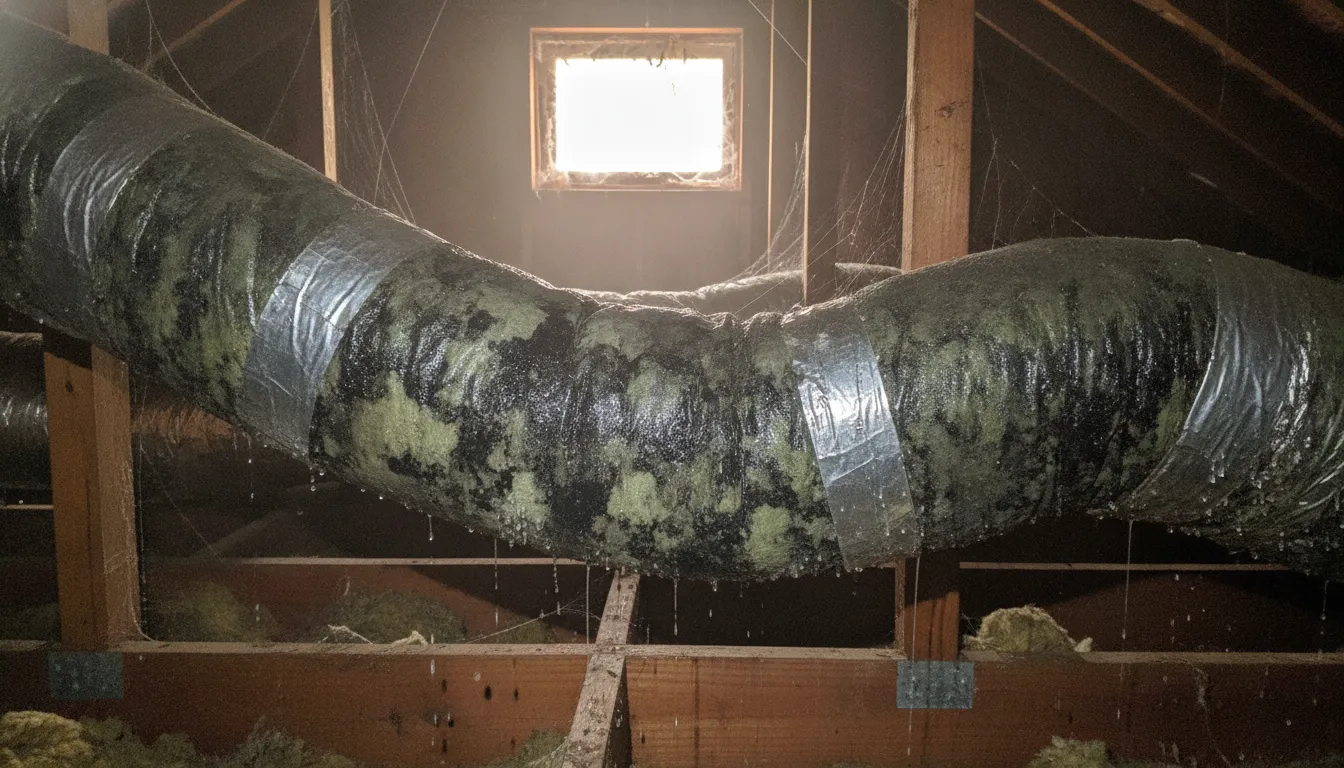
Here in Florida, where humidity is a constant battle, the inside of an air conditioner can become a breeding ground for mold, mildew, and bacteria. These microscopic particles can then be spread throughout your home every time the AC kicks on. A UV light system works to neutralize these threats at the source, helping to improve your home's overall indoor air quality. It’s not a filter that traps particles, but rather a sterilizer that deactivates them, adding another layer of defense for your family’s health.
How Do They Work?
The magic behind these systems is a specific type of ultraviolet light called UVC light. This isn't the same as the UVA or UVB rays from the sun that cause sunburns. UVC light has a shorter, more powerful wavelength that is germicidal, meaning it’s designed to kill germs. When microorganisms like bacteria, viruses, and mold spores pass by the UV lamp, the UVC light penetrates their cell walls and scrambles their DNA. This damage makes it impossible for them to reproduce and cause illness, effectively neutralizing them before they ever reach your living spaces.
Common Types of UV Light Systems
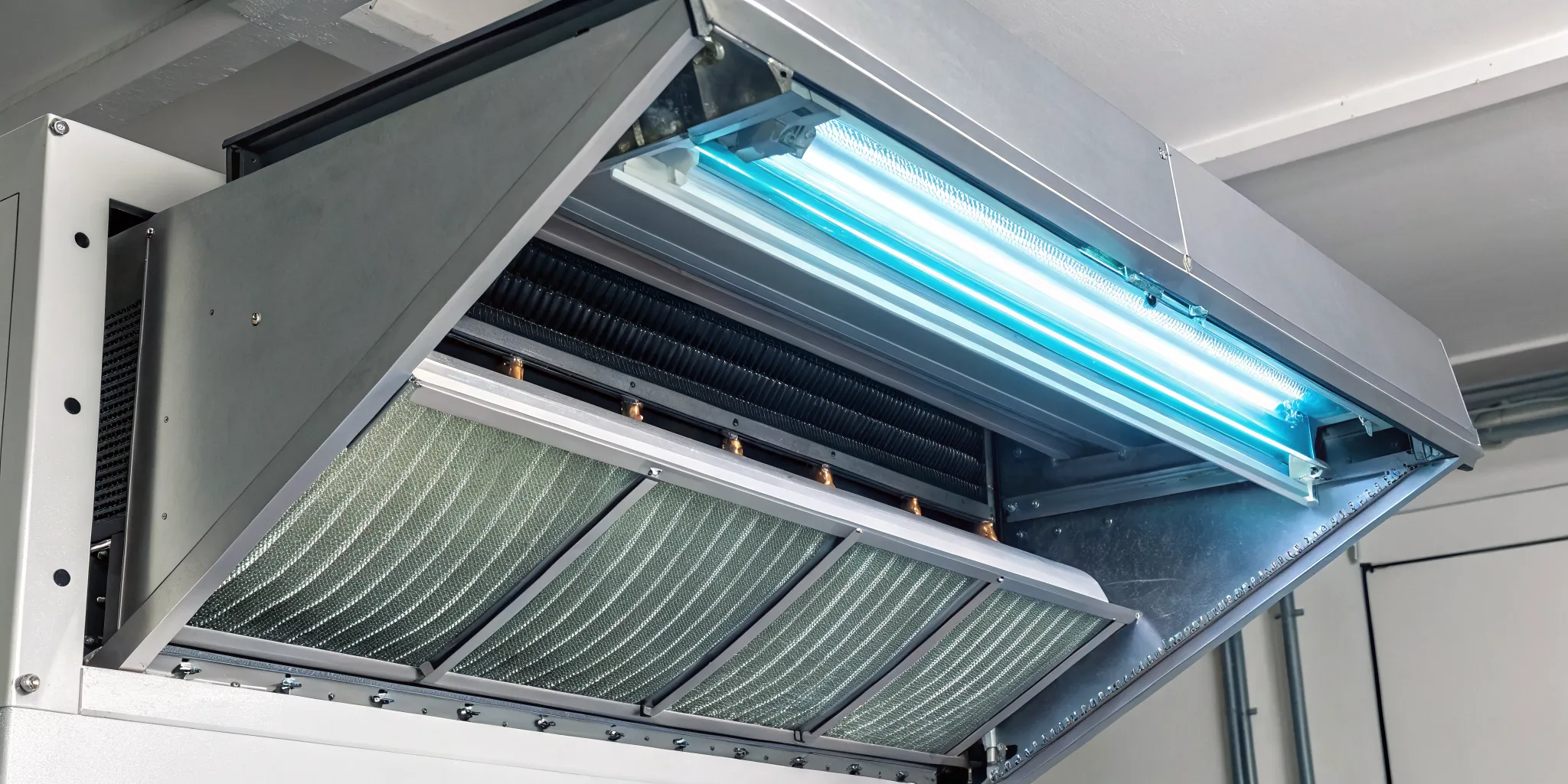
There are two main types of UV light systems for your HVAC, and they target different areas. The first is a coil sterilization light. This is the most common type, where a stick-style light is installed near the indoor evaporator coil and drain pan. Since this area is constantly damp, it’s a prime spot for mold growth. The light shines on the coil 24/7, keeping it clean and preventing buildup. The second type is an air sterilization light, which is installed in the ductwork to purify the air as it moves through the system. This setup is designed to neutralize airborne germs circulating throughout your home.
The Pros of Installing an AC UV Light
If you're wondering what the big deal is with UV lights for your AC, you're not alone. It sounds a bit like science fiction, but the benefits are very real, especially here in Florida. Think of it as an extra layer of defense for both your home's air and your HVAC system itself. From zapping germs to helping your unit run more smoothly, adding a UV light can make a noticeable difference in your home's comfort and health. Let's look at the specific advantages.
Cleaner Air and Fewer Germs
The primary job of an AC UV light is to purify the air circulating through your home. As air passes through your HVAC system, the UV-C light neutralizes airborne pathogens. We're talking about up to 99% of common culprits like mold spores, bacteria, and viruses that thrive in the dark, damp environment of an AC unit. For anyone in your family dealing with allergies, asthma, or other respiratory sensitivities, this can be a game-changer. By stopping these contaminants at the source, you're ensuring the air you breathe is significantly cleaner, which is a key part of maintaining great indoor air quality.
A Cleaner System That Lasts Longer
Beyond cleaning the air, a UV light also keeps your AC system's internal components clean. The evaporator coil is a prime spot for mold and bacterial growth, which can gunk up the system and make it work harder. A UV light installed near the coil prevents this buildup from ever starting. A cleaner system is a happier, more durable system. This proactive cleaning helps your AC run more effectively and can extend its overall lifespan. It’s a smart way to protect your investment and complements your regular air conditioning maintenance schedule, helping you avoid unexpected breakdowns down the road.
Better Efficiency and Odor Removal
When your AC's internal parts are free of grime and microbial growth, your entire system runs more efficiently. It doesn't have to struggle to push air past a clogged coil, which means it uses less electricity to cool your home. This can lead to a noticeable reduction in your energy bills, which is always welcome news during a long Florida summer. Plus, UV lights tackle that musty, funky smell that sometimes comes from the vents when you first turn on the AC. By eliminating the odor-causing mold and bacteria, they help your home smell fresh and clean, not just feel cool.
The Cons of AC UV Light Systems
While UV lights sound like a fantastic, high-tech solution for cleaner air, they aren't a magic wand. Like any home upgrade, they come with a few drawbacks you should know about before making a decision. Being aware of the costs, limitations, and maintenance requirements will help you figure out if a UV light system is truly the right fit for your home and your budget. Let's walk through the potential downsides so you can have the full picture.
Upfront Cost and Professional Installation
The first thing to consider is the initial investment. A quality UV light system isn't a minor purchase; the cost can range from a few hundred to over a thousand dollars, depending on the model and your specific HVAC setup. This isn't a DIY project you can tackle on a Saturday afternoon. Proper placement inside your air handler is critical for the light to be effective and safe. A professional AC installation ensures the system works correctly from day one without damaging your equipment or posing a safety risk. Factoring in the cost of professional installation is an important part of budgeting for this upgrade.
What They Don't Filter
It’s crucial to understand what UV lights don't do. Their specialty is zapping microorganisms like mold, bacteria, and viruses. However, they are completely ineffective against non-living airborne particles. A UV light will not remove dust, pet dander, pollen, smoke, or chemical fumes from your air. For that, you still need a high-quality air filter. Think of a UV light as one part of a complete indoor air quality strategy. It works alongside your filter, with each component targeting different types of pollutants to give you the cleanest possible air.
Regular Upkeep and Safety
A UV light system isn't a "set it and forget it" device. The UV-C bulbs have a limited lifespan, typically needing replacement every one to two years to remain effective. Even if the bulb still lights up, its germ-killing intensity fades over time. This adds an ongoing maintenance cost for new bulbs and potentially for professional replacement. Additionally, safety is a key concern. Some older or lower-quality models can produce ozone, a gas that can irritate your lungs. That’s why it’s so important to choose a modern, ozone-free system installed by a trusted professional who prioritizes your family’s health.
Breaking Down the Cost of an AC UV Light
Okay, let's talk numbers. The price tag is often a deciding factor when you're considering any home upgrade, and a UV light system is no different. The total cost isn't just about the initial purchase; it also includes installation and the upkeep required to keep it running effectively. Understanding the full financial picture helps you make a smart decision for your home and budget.
The main costs you'll encounter are the initial installation and the ongoing bulb replacements. We'll break down both so you know exactly what to expect. This way, you can weigh the investment against the benefits of cleaner air and a more efficient HVAC system. It's just one of several indoor air quality solutions that can make a big difference in your home's comfort.
Professional vs. DIY Installation Costs
When it comes to getting a UV light installed, you have two main paths: hiring a professional or doing it yourself. A professional installation of a UV light system typically ranges from $400 to $1,000. This price covers the unit itself and the expertise of a licensed technician who ensures everything is set up safely and correctly. Going with a pro gives you peace of mind that the light is positioned for maximum effectiveness without damaging your HVAC system. For those who are handy, a DIY kit might seem tempting at around $150. However, this doesn't account for the tools you might need or the risks of improper installation, which could lead to costly repairs down the road.
Ongoing Maintenance and Bulb Replacement Costs
The initial setup isn't a one-and-done expense. To maintain their germ-killing power, UV bulbs need to be replaced every one to two years. Even if the bulb still looks like it's working, its UV-C output weakens over time, making it less effective at cleaning your air. Replacement bulbs generally cost between $50 and $150, depending on your system. You can replace the bulb yourself, but if you prefer to have a professional handle it, remember to factor in the labor cost. Including this task as part of your regular air conditioning maintenance visit is a great way to ensure it gets done right without any extra hassle.
UV Lights vs. Other Air Purifiers
When you start looking into cleaner air for your home, you'll find a lot of different technologies out there. It’s easy to get confused about what does what. UV lights are a powerful tool, but they work differently than the portable purifiers you see in stores or the high-efficiency filters you might already be using. Understanding these differences is key to building the right air quality strategy for your home.
The main thing to remember is that these systems aren't always competing against each other. In many cases, they are designed to work together. A UV light targets microscopic, biological threats that other systems can't, while filters are essential for capturing physical particles like dust and dander. Let's break down how a whole-home UV system compares to other common options so you can see where it fits in.
Whole-Home UV vs. Portable Purifiers
The biggest difference here is scope. A portable air purifier is designed to clean the air in a single room. While effective for a bedroom or office, its reach is limited. To get the same effect throughout your house, you’d need a unit in every room, which can be costly and cumbersome.
A whole-home UV light, on the other hand, is installed directly inside your HVAC system. It treats all the air that circulates through your home, working silently in the background. This provides a consistent, house-wide solution for neutralizing germs and mold spores before they even reach your vents. While portable units are great for targeted areas, a UV system offers a more comprehensive approach to improving your home’s overall indoor air quality.
UV Lights vs. High-Efficiency Filters
This isn't an either/or situation; it's a partnership. Think of your air filter as your system's first line of defense. High-efficiency filters are fantastic at trapping physical particles like dust, pollen, and pet dander. The higher the MERV rating, the smaller the particles it can catch.
However, filters can't do anything about microscopic viruses, bacteria, or mold spores. That’s where a UV light comes in. It uses UVC radiation to destroy the DNA of these microorganisms, rendering them harmless. The UV light neutralizes the tiny contaminants that are small enough to pass right through most filters. A good filter and a UV light work together to give you a powerful, two-step approach to cleaner air, which is why regular air conditioning maintenance that includes filter changes is so important.
Common Myths About HVAC UV Lights
When it comes to new technology for your home, it's easy for facts to get mixed up with fiction. UV lights for HVAC systems are no exception. Let's clear the air and tackle some of the most common myths so you can make a confident decision for your home.
Myth: They Eliminate Everything
One of the biggest misconceptions is that a UV light is an all-in-one air purifier that zaps everything from dust bunnies to viruses. The truth is a bit more specific. UV-C light is fantastic at neutralizing living, organic pollutants like mold spores, bacteria, and viruses that can thrive in your AC's damp, dark environment. However, it doesn't do anything for non-living particles. Things like dust, pet dander, pollen, and chemical fumes will pass right by it untouched. That's why a UV light is a powerful addition to, not a replacement for, a good air filter. Think of it as one part of a complete indoor air quality strategy.
Myth: They're Unsafe or Produce Ozone
It's smart to be concerned about safety, especially with something new in your home's air system. The fear that UV lights produce harmful ozone is a common one, and it comes from older technology. Modern, high-quality UV-C lights are specifically designed to be ozone-free. Another concern is direct exposure to the light, which can be harmful to skin and eyes. The good news is these systems are installed deep inside your ductwork, completely out of sight and reach. You'll never be exposed to the light during normal operation. When it's time for a bulb change, a trained technician handles it safely during routine air conditioning maintenance, ensuring everything stays safe and effective.
Is a UV Light Right for Your Home?
Deciding whether to add a UV light to your HVAC system isn't a one-size-fits-all answer. It really comes down to your specific situation, your home, and your family's needs. While the technology is impressive, its true value depends on a few key factors. To figure out if it's the right move for you, it helps to think about where you live, your family's health concerns, and the current state of your AC unit. By looking at these three areas, you can get a clear picture of whether this investment makes sense for your home. Let's walk through each factor so you can make a confident and informed choice.
Your Home's Climate and Humidity
Living here in Southwest Florida means we're no strangers to humidity. While it's great for a day at the beach, that constant moisture can create the perfect breeding ground for mold, mildew, and bacteria inside the dark, damp components of your AC system. A UV light system is particularly effective in our climate because it directly targets these unwanted guests. It works continuously to neutralize microorganisms on your indoor coil and in the drain pan, preventing them from growing and circulating through your home's air. This proactive approach is one of the best ways to improve your indoor air quality and keep your system clean in our humid environment.
Your Family's Health and Budget
If anyone in your household suffers from allergies, asthma, or other respiratory issues, a UV light can be a game-changer. By killing up to 99% of mold, bacteria, and viruses within your AC system, it helps reduce the airborne irritants that can trigger symptoms. This means cleaner, healthier air for your family to breathe every day. From a budget perspective, there is an upfront cost. However, you can often see long-term savings through lower energy bills and fewer repair calls, since a clean system runs more efficiently. A system that isn't clogged with microbial growth doesn't have to work as hard, which can extend its lifespan and save you money over time.
Your Current HVAC System
A UV light is a fantastic addition to almost any central air conditioning system. It’s installed directly inside your indoor unit, typically near the evaporator coil, which is a prime spot for microbial growth. By keeping this critical component clean, the UV light helps your entire system run more efficiently and effectively. This isn't just about air quality; it's also about protecting your investment. A cleaner system is less prone to breakdowns and costly repairs. Think of it as a key part of your overall air conditioning maintenance strategy, working behind the scenes to keep everything in top shape and extend the life of your equipment.
How to Maintain Your UV Light System
Once your UV light system is installed, you can’t just set it and forget it. Like any other part of your HVAC system, it needs a little attention to keep working effectively. The good news is that the maintenance is pretty straightforward and doesn't require much from you. It really boils down to two main things: replacing the bulb on a regular schedule and always putting safety first. Keeping up with this simple routine ensures your system continues to purify your air, fight off mold, and protect your HVAC equipment for years to come. Think of it as a small investment of time to protect a bigger investment in your home's comfort and health.
Replacing the Bulb
The most important part of maintaining your UV light system is changing the bulb. Over time, the bulb’s UV-C output weakens, making it less effective at neutralizing germs, even if it still looks like it's working. For the best results, you should plan on replacing the bulb about once a year. A great time to do this is during your annual AC maintenance appointment. This way, you don’t have to worry about remembering it, and a professional can make sure it’s done right. Our technicians can handle the replacement quickly and ensure everything is working perfectly.
Staying Safe During Upkeep
Safety is a top priority when dealing with UV lights. The UV-C light they produce can be harmful to your eyes and skin, which is why these systems are installed inside your ductwork with safety switches. These switches automatically turn the light off when the access panel is opened, but you should never try to bypass them or look directly at the bulb when it’s on. If you need to clean the bulb or have it replaced, it’s always safest to call a professional. Our team at 5 Star Air is trained to handle all types of indoor air quality systems safely and correctly, so you can have peace of mind.
The Verdict: Is a UV Light Worth It for Your Florida Home?
So, let's get straight to it: is an AC UV light a smart move for your Florida home? In most cases, the answer is a resounding yes. Our state's famous humidity is the perfect breeding ground for mold, mildew, and bacteria inside your AC system's dark, damp coils. A UV light tackles this problem head-on, zapping up to 99% of these unwanted guests before they can circulate through your home. This is a game-changer for anyone dealing with allergies, asthma, or other respiratory issues.
Now, let's talk money. Yes, there's an upfront cost for professional installation, typically ranging from $400 to $1,000. But it’s better to think of it as an investment in your home's health and your AC's longevity. By keeping your system's internal components cleaner, a UV light can improve efficiency, potentially saving you money on energy bills. Many homeowners find the system pays for itself within a few years, especially when you factor in the priceless benefit of breathing cleaner air.
It's important to remember that a UV light isn't a cure-all. It's designed to destroy biological contaminants like germs and mold, but it won't capture dust, pet dander, or other airborne particles. That's why it works best as part of a comprehensive indoor air quality plan that includes high-quality air filters. For Florida homeowners looking for an effective way to fight mold and improve the air they breathe every day, a UV light is an excellent addition to your HVAC system.
Related Articles
- Benefits of Regular HVAC Maintenance
- Prepare Your HVAC for a Florida Summer
- Indoor Air Quality Services
- HVAC Tips & Insights Blog - Expert Advice from 5 Star Air
Frequently Asked Questions
Do I still need to use regular air filters if I have a UV light? Absolutely. Think of your air filter and UV light as a team that targets different things. Your filter is designed to trap physical particles like dust, pollen, and pet dander. The UV light, on the other hand, neutralizes microscopic, biological contaminants like mold spores and bacteria that are too small for most filters to catch. You need both for the cleanest possible air.
How can I tell if the UV light is actually working? Since the light is safely enclosed within your HVAC system, you won't be able to see it in action. The most reliable way to know it's effective is to follow a consistent replacement schedule. The bulbs lose their germ-killing strength over time, so having a professional replace the bulb once a year during your regular maintenance visit is the best way to ensure it’s always working at its best.
How long does it take to install a UV light system? A professional installation is a straightforward process that is usually completed in about an hour. A qualified technician will assess your HVAC system to find the perfect spot for the light, typically near the indoor coil, and then handle all the wiring to ensure it operates safely and effectively.
Are UV lights safe for my family and pets? Yes, when installed by a professional, these systems are completely safe. The UV light is contained entirely within your ductwork, so there is no risk of exposure for anyone in your home, including your pets. We also use modern, high-quality systems that are certified to be ozone-free, so you can breathe easy knowing they won't add anything harmful to your air.
Will a UV light get rid of that musty smell from my AC? It can definitely help with that. The musty, "dirty sock" smell that sometimes comes from air vents is often caused by mold and bacteria growing on the damp indoor coil. A UV light installed near the coil works around the clock to prevent this microbial growth, which in turn eliminates the source of those unpleasant odors.