Why Your Central Air Conditioner Keeps Turning On and Off
Does your home feel cool but still unpleasantly damp? Have you noticed your energy bills climbing higher than usual, even when you haven't changed your thermostat settings? These two problems often point to a single culprit. Your central air conditioner keeps turning on and off in short, ineffective bursts, a problem known as short cycling. Because the system never runs long enough to complete a full cycle, it can't properly dehumidify the air, leaving you with that sticky feeling. It also uses a massive surge of power every time it starts, which drives up your monthly costs. Let's explore why this happens and how you can get your system running efficiently again.
Key Takeaways
- Recognize the signs of short cycling: If your AC runs for less than 10 minutes at a time, it's likely short cycling. This pattern causes premature wear on your system, drives up energy costs, and fails to properly dehumidify your home, leaving it feeling sticky.
- Perform a few simple checks first: Before calling a technician, you can often solve the issue yourself. Check for a dirty air filter, inspect your thermostat settings and batteries, and make sure your outdoor unit is clear of leaves and debris.
- Know when to call for professional help: Issues like frozen coils, electrical problems, or strange noises require an expert. For long-term prevention, rely on annual professional maintenance and ensure your unit is correctly sized for your home to avoid problems from the start.
What is AC Short Cycling?
Have you ever noticed your air conditioner clicking on, running for just a few minutes, and then shutting right back off? If this pattern sounds familiar, your AC might be "short cycling." In simple terms, short cycling is when your AC system turns on and off too frequently without ever completing a full cooling cycle. A healthy, normal cycle involves the AC running long enough to bring your home down to the temperature you’ve set on the thermostat before it shuts off for a resting period. When it short cycles, it’s working in short, ineffective bursts, which is a symptom of an underlying problem.
How It Impacts Your Comfort and Bills
When your AC short cycles, it never runs long enough to properly cool and, just as importantly in Florida, dehumidify your home. This leaves you with a space that feels stuffy, damp, and uncomfortable, even if the thermostat briefly hits the target temperature. Beyond the immediate discomfort, short cycling puts a massive strain on your system’s components. The compressor, which is the heart of your AC unit, endures the most wear and tear during startup. Constant starting and stopping can cause it to fail prematurely, leading to expensive air conditioning repairs and significantly shortening your unit's lifespan. This inefficiency also drives up your energy bills, as the system draws a large amount of power every time it starts up.
Signs Your AC is Short Cycling
The most obvious sign of short cycling is the timing. A normal cooling cycle in mild weather usually lasts around 15 to 20 minutes. If you notice your AC running for less than 10 minutes at a time, sometimes for as little as three to five minutes, it’s a red flag. You’ll likely hear the distinct click of the unit turning on and off much more often than you’re used to. If you suspect your AC is short cycling, it’s a good idea to turn it off at the thermostat to prevent further damage to the compressor. This is a clear signal that your system needs a professional inspection to diagnose and fix the root cause before a small issue becomes a major breakdown.
Why Does My AC Keep Turning On and Off?
When your air conditioner constantly clicks on and off, it’s doing more than just making an annoying sound. This issue, known as short cycling, is a clear sign that something is wrong with your system. An AC unit should run in consistent, steady cycles to cool your home efficiently. When it runs for just a few minutes before shutting off, it struggles to maintain a comfortable temperature, fails to properly dehumidify the air, and drives up your energy bills. This constant starting and stopping also puts a huge amount of strain on the compressor and other critical components, leading to premature wear and expensive breakdowns.
Several issues can cause short cycling, ranging from simple fixes you can handle yourself to complex problems that need a professional touch. A dirty air filter, a malfunctioning thermostat, or even an AC unit that’s too big for your home can be the culprit. Understanding the potential causes is the first step toward getting your system back to running smoothly and efficiently, keeping your Florida home cool and comfortable without the extra cost and stress.
Dirty Air Filter
Think of your air filter as your AC system’s lungs. If it gets clogged with dust, pet dander, and other debris, your system can’t "breathe." This restricted airflow forces the unit to work much harder to pull in air, which can cause it to overheat and shut down prematurely as a safety measure. Once it cools off, it will turn back on, only to repeat the cycle. A dirty filter is one of the most common and easily fixable causes of short cycling. Checking and changing your filter regularly is a simple step that can save you a lot of headaches and prevent unnecessary strain on your AC.
Thermostat Problems
Your thermostat is the brain of your HVAC system, telling it when to turn on and off. If the thermostat is malfunctioning, it can send faulty signals to your air conditioner. This could be due to incorrect calibration, meaning it misreads the room's temperature and shuts the system off too early. Sometimes, the issue is as simple as the thermostat being placed in a bad spot, like in direct sunlight or near a heat-producing appliance, which tricks it into thinking the room is warmer than it is. In other cases, faulty wiring or a dying battery can cause it to behave erratically, leading to short cycling.
Frozen Evaporator Coils
Seeing ice on your indoor AC unit is a definite red flag. The evaporator coil is responsible for absorbing heat from your home's air, and it needs steady airflow to work correctly. When airflow is blocked, often by a dirty filter or blocked ducts, the coil can get too cold and cause the condensation on it to freeze. A refrigerant leak can also cause the coil to freeze over. This layer of ice acts as an insulator, preventing the coil from absorbing heat. Your AC will sense the problem and shut down, but it will keep trying to restart, causing it to short cycle.
Low Refrigerant
Refrigerant is the lifeblood of your air conditioner; it’s the substance that actively cools the air. If your system is low on refrigerant, it’s not because it got "used up." It means there is a leak somewhere in the lines. When refrigerant levels drop, the pressure inside the system decreases, causing the evaporator coil to become excessively cold and freeze over. This leads to the same short cycling issue caused by frozen coils. Simply adding more refrigerant without fixing the leak is only a temporary fix. A professional needs to locate and repair the leak to solve the problem for good.
Oversized AC Unit
When it comes to air conditioners, bigger is not always better. An AC unit that is too large for your home will cool the space very quickly, hitting the thermostat's target temperature in just a few minutes. It then shuts off, only to turn back on again a short time later as the temperature rises. This rapid on-and-off process is the definition of short cycling. While it might sound like a good thing to cool your home fast, an oversized unit doesn't run long enough to effectively remove humidity from the air, leaving your home feeling cool but clammy. Proper air conditioning installation involves careful calculations to ensure the unit is the perfect size for your space.
Blocked Ductwork
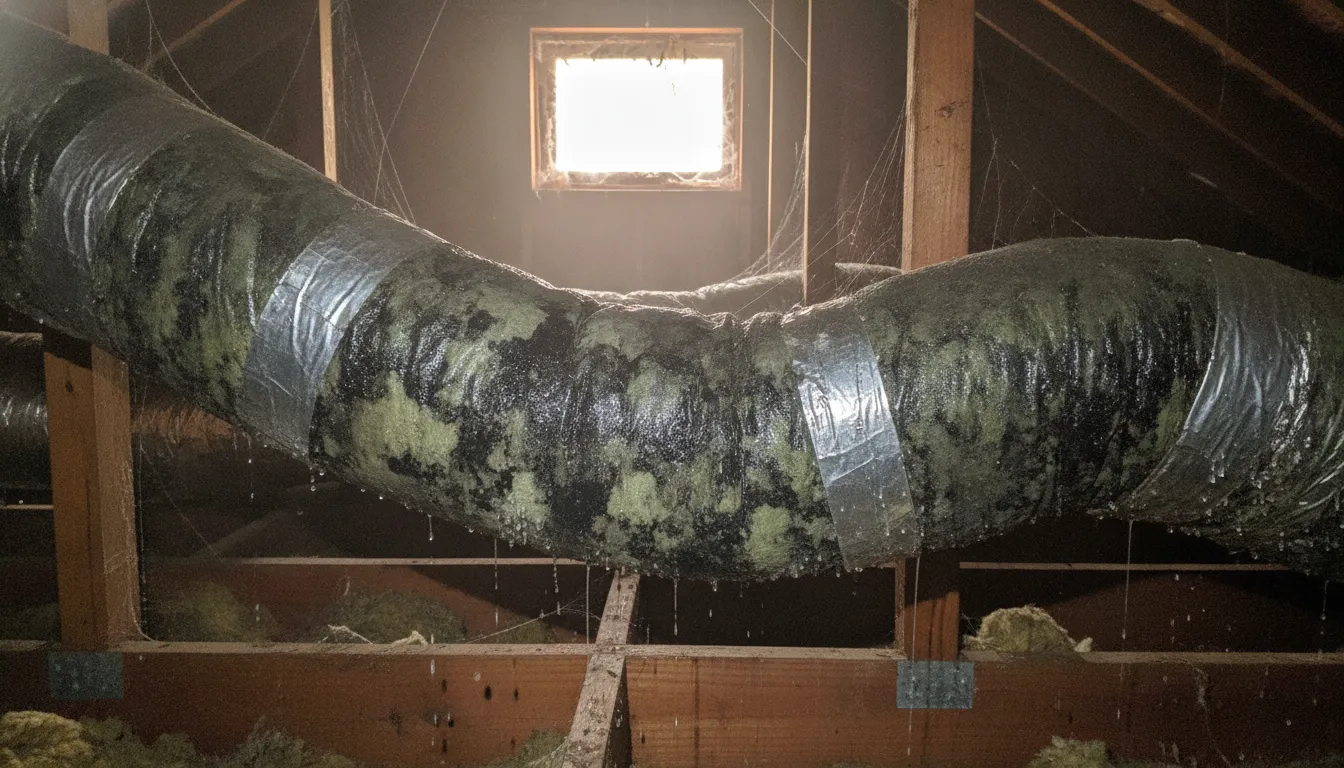
Your ductwork is the network of pathways that delivers cool air throughout your home. If these pathways are blocked or restricted, it creates the same airflow problems as a dirty filter. A blockage can be caused by anything from a piece of furniture covering a vent to crushed or clogged ducts hidden in your walls or attic. When airflow is impeded, pressure builds up inside the system, which can cause the compressor to overheat and shut down. Ensuring all your vents are open and unobstructed is a good first step, but if the problem persists, you may need professional duct cleaning and replacement services.
Electrical Issues
Short cycling can also be caused by problems within the electrical system of your AC unit. Components like capacitors, which help the motor start and run, can wear out over time. A faulty control board or damaged wiring can also send improper signals, causing the system to shut down and restart unexpectedly. These electrical problems can be tricky to diagnose and dangerous to handle without the right training and tools. If you suspect an electrical issue, it’s best to turn off the power to your AC unit at the circuit breaker and call for emergency air conditioning services from a licensed technician.
How a Dirty Air Filter Causes Short Cycling
Think of your AC’s air filter as its lungs. Its main job is to trap dust, pollen, and other airborne particles before they can circulate through your HVAC system and into the air you breathe. But when that filter gets clogged with a thick layer of debris, it essentially suffocates your system. This restricted airflow forces your air conditioner to work much harder just to pull in enough air to cool your home. All that extra strain can cause the system’s internal components, like the compressor, to overheat. When this happens, a built-in safety switch automatically shuts the unit down to prevent permanent damage. After a few minutes, it will cool down and try to start again, only to overheat and shut down once more. That frustrating on-and-off pattern is short cycling.
Beyond overheating, a clogged filter creates another serious issue. It can cause the evaporator coil inside your unit to get far too cold. The coil needs a steady flow of warm air from your home to function correctly. Without it, the condensation that normally forms on the coil can freeze solid, encasing it in a block of ice. This ice acts as another barrier, obstructing airflow even more and making the short cycling problem worse. Not only does this put a huge strain on your AC, but it also compromises your home’s indoor air quality because a dirty filter can no longer trap contaminants effectively. Keeping your filter clean is one of the simplest yet most important steps for a healthy, efficient AC.
How Often to Change Your AC Filter in Florida
Here in Florida, our air conditioners work overtime, especially during the long, humid summers. Because of this constant use, a one-size-fits-all filter schedule doesn't quite work. As a general rule, you should check your air filter every month and plan to replace it every 30 to 90 days. The exact frequency really depends on your specific home environment. If you have pets that shed, family members with allergies, or live near a dusty road or new construction, you’ll likely need to change it closer to the 30-day mark. A clean filter is your first line of defense for an efficient system, helping you save money on energy bills and extend the life of your unit.
How to Check and Replace Your Air Filter
Checking your air filter is a quick task you can do in less than a minute. Just slide it out of its slot, which is usually located near the indoor air handler, and hold it up to a light. If you can’t easily see the light passing through it, it’s too dirty and it’s time for a replacement. To change it, first turn off the power to your AC system at the thermostat and the circuit breaker for safety. Remove the old filter, taking a moment to note the size printed on the frame and the direction of the airflow arrow. Slide the new, clean filter into the slot, making sure the arrow points in the same direction as the old one (usually toward the main unit). If you’re ever unsure, this is a standard part of any professional air conditioning maintenance visit.
Is Your AC the Right Size for Your Home?
When it comes to air conditioners, it’s easy to assume that bigger is always better. In reality, an AC unit that’s the wrong size for your home, whether it's too large or too small, is a major source of problems. An undersized unit will run constantly without ever cooling your home, while an oversized unit creates its own set of issues, including short cycling. If your system was installed without a proper home evaluation, its size could be the primary reason it keeps turning on and off. Getting the size right is crucial for an efficient, long-lasting system that keeps you comfortable.
The Problem with an Oversized AC
An oversized air conditioner is a classic cause of short cycling. It works by blasting your home with cold air so powerfully that it reaches the thermostat's set temperature in just a few minutes, then promptly shuts off. This constant on-and-off pattern puts excessive wear and tear on the compressor and other critical parts, which can lead to early system failure. It also wastes a significant amount of energy, since the startup phase is the most energy-intensive part of the cycle. Even worse, because the system doesn't run long enough, it can't properly dehumidify your home. This leaves the air feeling cool but unpleasantly damp and sticky, a common complaint here in Florida.
How to Know if Your AC is the Right Size
Figuring out the correct AC size for your home isn't a guessing game. A professional technician uses a specific formula called a "Manual J load calculation" to determine the perfect fit. This detailed assessment accounts for much more than just square footage; it includes factors like your home's layout, insulation quality, window efficiency, ceiling height, and even local climate. If your current unit is the wrong size, the only true fix is to get a new air conditioning installation that is properly matched to your home's needs. Our honest technicians can perform an accurate load calculation and help you understand the best options for cooling your home efficiently.
Troubleshooting Your AC: What to Do First
When your AC starts acting up, it’s easy to assume the worst. But before you call for backup, there are several simple checks you can perform yourself. These troubleshooting steps are quick, easy, and can often resolve common issues like short cycling. Walking through this checklist can help you either fix the problem on the spot or gather important information for a technician if you do need to make a call. Let's get started.
Step 1: Check Your Air Filter
First things first, let's look at your air filter. A dirty filter is one of the most frequent causes of AC problems. When it gets clogged with dust and debris, it severely restricts airflow. This forces your system to work much harder to cool your home, which can lead to overheating and unexpected shutdowns. Pull out your filter and hold it up to a light source. If you can't see light passing through, it’s time for a replacement. Consistently changing your filter is a core part of any good air conditioning maintenance routine and can prevent many common issues.
Step 2: Inspect Your Thermostat
Next, take a look at your thermostat. It’s the command center for your entire cooling system, so a small glitch here can cause confusing behavior. Start by making sure it’s set to "cool" and that the target temperature is lower than the current temperature in the room. It sounds basic, but you’d be surprised how often this is the culprit! If the display is blank, the fix might be as simple as replacing the batteries. An older or miscalibrated thermostat can also send incorrect signals, telling your AC to turn on and off when it shouldn't.
Step 3: Clear Your Outdoor Unit
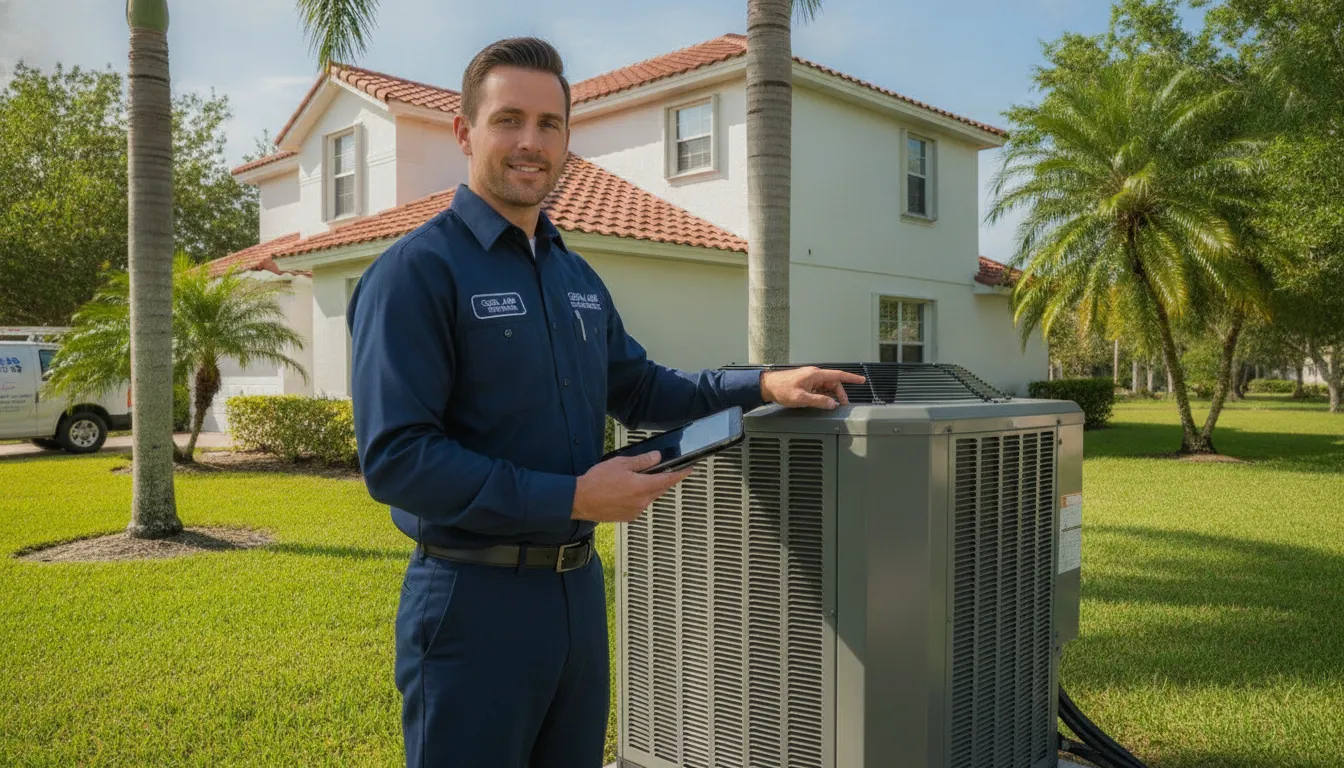
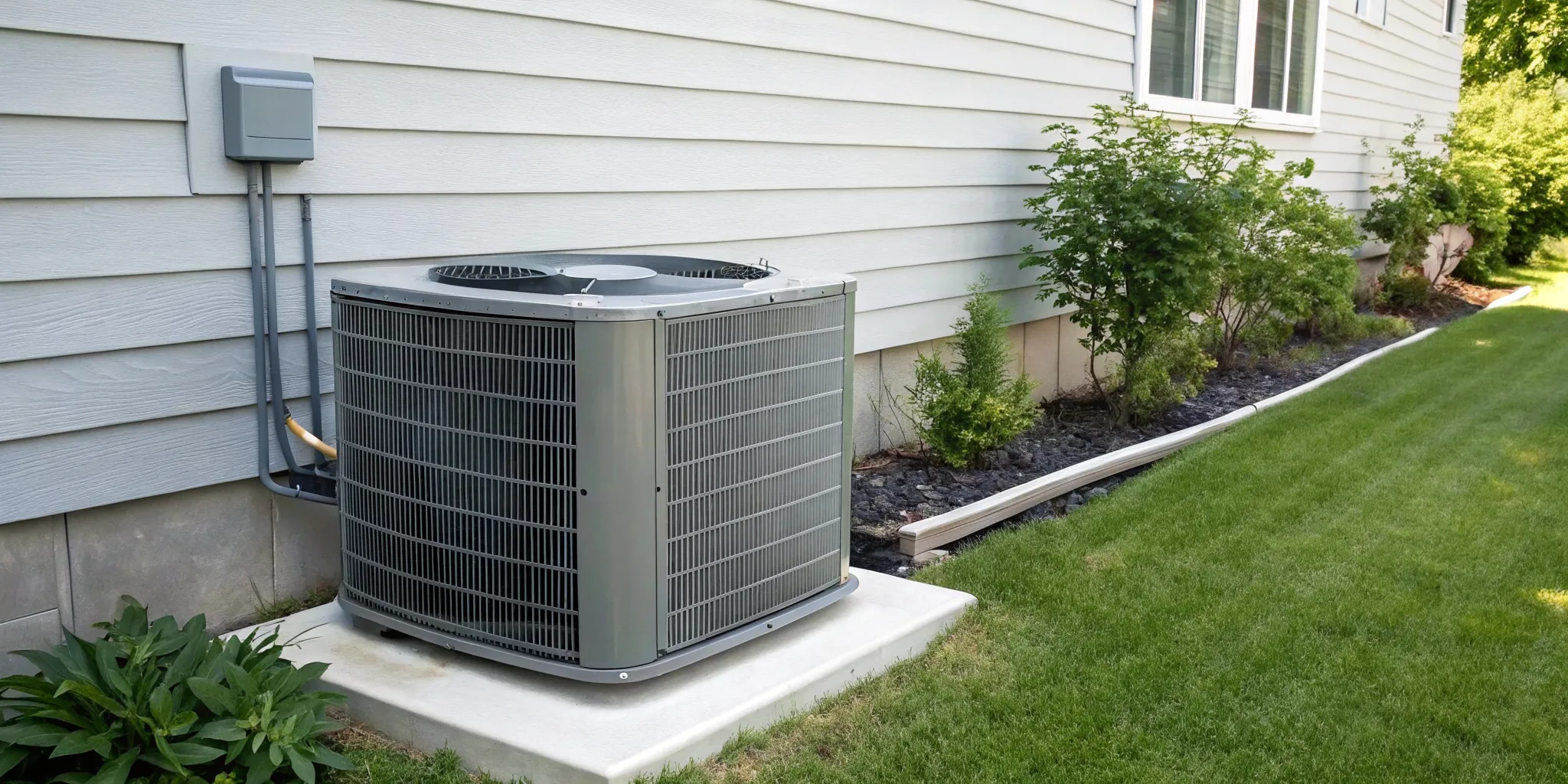
Time for a quick trip outside to check on your outdoor condenser unit. This unit's job is to release the heat it has removed from your home. If it’s covered in dirt, leaves, or grass clippings, it can't do its job efficiently. This trapped heat can cause the system to overheat and shut itself off as a safety measure. Gently clear away any visible debris from the sides of the unit, ensuring there are at least two feet of clear space around it for proper airflow. If cleaning the unit doesn't solve the short cycling, you may need a professional air conditioning repair.
Step 4: Check Vents for Blockages
Now, let's head back inside and do a quick tour of your home. Check all the air supply vents (the grilles where cool air comes out) in each room. Make sure they are open and not blocked by furniture, rugs, or curtains. Blocked vents disrupt the balance of airflow throughout your home, which can put stress on your AC system and contribute to short cycling. It’s a simple step that’s easy to overlook, but ensuring clear pathways for air can make a significant difference in your system's performance and your home's comfort.
Step 5: Look for Ice on the Coils
If you can access your indoor unit (the air handler), take a peek at the evaporator coils. Seeing ice or frost buildup on these coils is a clear sign that something is wrong. This is often caused by restricted airflow from a dirty filter or blocked vents, but it can also point to a more serious issue like a refrigerant leak. If you see ice, turn your AC system off completely and switch the fan to "on" to help the ice melt. An iced-over coil is a definite reason to call for emergency air conditioning services, as running the system in this state can cause serious damage.
Step 6: Check the Circuit Breaker
Finally, head to your home's electrical panel. Your air conditioner is a powerful appliance that uses one or more dedicated circuit breakers. It's possible that a power surge or an internal issue caused the breaker to trip, cutting power to the unit. Look for a breaker that is in the "off" position or stuck in the middle. If you find one, flip it completely to "off" and then back to "on." If the breaker trips again immediately or continues to trip frequently, do not keep resetting it. This indicates a deeper electrical problem that requires a licensed technician to diagnose and fix safely.
When to Call a Professional
While there are a few troubleshooting steps you can handle on your own, some AC problems are too complex or dangerous for a DIY fix. If you’ve checked the basics and your system is still acting up, it’s time to call in a professional. Trying to fix certain issues without the right training and tools can lead to more expensive damage or, even worse, put your safety at risk. A short cycling AC is often a symptom of a deeper issue that requires an expert diagnosis.
Ignoring these warning signs won't make them go away; it usually just leads to a bigger, more costly breakdown down the line. Think of it this way: you wouldn't ignore your car's check engine light, and you shouldn't ignore your AC's cries for help either. Our licensed and insured technicians have the expertise to pinpoint the exact cause of the problem and fix it correctly the first time. When you notice any of the following red flags, your best and safest move is to contact a trusted HVAC company.
Refrigerant Leaks or Frozen Coils
If you see ice on your evaporator coils, it’s often a sign of a more serious problem, like a refrigerant leak. An air conditioner doesn't "use up" refrigerant like a car uses gas. If the level is low, it means there's a leak somewhere in the system. Handling refrigerant is dangerous and requires special certification, so this is a job strictly for the pros. A technician can safely find and repair the leak, then recharge your system to the correct level. Ignoring a leak will not only prevent your AC from cooling but can also damage the compressor, leading to a very expensive air conditioning repair.
Electrical Problems
Short cycling can also be caused by electrical issues, such as a failing capacitor, a faulty circuit board, or wiring problems. These components control the flow of power to your AC's motors and compressor. When they start to fail, they can send improper signals that cause the system to turn on and off erratically. Working with electrical components is extremely hazardous if you aren't a trained professional. For your safety, always leave electrical diagnostics and repairs to a qualified technician. If your AC is tripping the breaker or you suspect an electrical fault, it's wise to seek emergency air conditioning services.
Strange Noises, Smells, or Warm Air
Your senses can tell you a lot about your AC's health. Loud grinding, squealing, or banging noises are clear indicators that something is mechanically wrong inside the unit. Similarly, musty or burning smells point to problems like mold growth in your ducts or an overheating electrical component. And perhaps the most obvious sign of trouble is when your AC is running but blowing warm or room-temperature air. These are all urgent signals that your system needs immediate attention from a professional to prevent a complete breakdown.
What to Expect from a Pro
When a 5 Star Air technician arrives at your home, you can expect a thorough and honest assessment. We don't employ salespeople, only skilled technicians focused on finding the right solution. They will start by discussing the issues you've noticed before performing a comprehensive diagnostic. This includes using specialized tools like pressure gauges to check refrigerant levels, testing electrical components, and inspecting the entire system for wear and tear. Once we identify the root cause of the short cycling, we’ll explain the problem clearly and provide you with transparent, upfront pricing for the repair. Our goal is to restore your comfort and earn your trust through our 5-star service guarantee.
The Cost of Ignoring a Short Cycling AC
An AC that constantly turns on and off might seem like a minor annoyance, but it's actually a symptom of a bigger problem. Letting it continue can lead to some serious headaches, both for your comfort and your wallet. Think of it as your AC's way of waving a red flag. Ignoring it won't make the issue go away; it will only make it more expensive to fix down the line.
Increased Wear and Potential Breakdowns
Every time your air conditioner starts up, its components work their hardest. When it short cycles, it's doing this over and over again without a break. This constant starting and stopping puts a huge amount of strain on the system, especially the compressor. The compressor is the heart of your AC unit, and unfortunately, it's also the most expensive part to replace. A failing compressor can lead to a complete system breakdown. Instead of a simple fix, you could be looking at a major air conditioning repair bill. Addressing short cycling early is the best way to protect your equipment and avoid a sudden, costly failure on a hot Florida day.
Higher Energy Bills and Worse Air Quality
That frequent clicking on and off isn't just hard on your AC's parts; it's also hard on your budget. Your air conditioner uses a significant surge of electricity every time it starts a cooling cycle. When it's short cycling, those startups happen far more often than they should, which can cause your energy bills to climb. Beyond the cost, short cycling also affects your comfort. A key job of your AC is to remove humidity from the air, but it can only do this effectively when it runs for a complete cycle. Short cycles don't give it enough time, leaving your home feeling sticky and damp even if the temperature seems cool. This is where your home's indoor air quality really starts to suffer.
How to Prevent AC Short Cycling
The best way to deal with AC short cycling is to stop it before it starts. A few proactive steps can save you from the headache of an unreliable system and the shock of a high energy bill. By focusing on routine care and ensuring your system is set up correctly from the beginning, you can keep your home comfortable and your AC running smoothly for years. Here are the three most important things you can do to prevent short cycling.
Schedule Regular AC Maintenance
Think of AC maintenance like a regular checkup for your car; it’s essential for catching small problems before they become big, expensive ones. Most issues that lead to short cycling, like low refrigerant or dirty coils, can be spotted and fixed during a routine visit. A professional technician will clean critical components, check electrical connections, and ensure everything is operating as it should. Scheduling air conditioning maintenance at least once a year is one of the most effective ways to keep your system efficient and reliable, especially with the demands of a Florida climate.
Keep Up with Filter Changes
This is the easiest and most important task you can do yourself. A dirty air filter is like trying to breathe through a stuffy mask; it restricts airflow, forcing your AC to work much harder. This strain can cause the system to overheat and shut down prematurely, leading to short cycling. In Florida, where dust and humidity are constant, you should check your filter every month and plan to replace it every 30 to 90 days, depending on your filter type and household. Pets and allergies can mean more frequent changes. A clean filter means better airflow, a happier AC, and cleaner air for your family.
Ensure Proper AC Sizing and Installation
Bigger isn't always better, especially when it comes to air conditioners. An oversized AC unit will cool your home too quickly, satisfying the thermostat before it has a chance to properly dehumidify the air. It then shuts off, and the cycle repeats. This constant starting and stopping is the very definition of short cycling, which causes excessive wear and tear. The only solution is to have a correctly sized unit. A professional uses a specific calculation (called a Manual J load calculation) to determine the perfect size for your home's unique layout. Proper air conditioning installation is key to long-term efficiency and comfort.
Related Articles
- 5 Signs Your AC Needs Repair
- Benefits of Regular HVAC Maintenance
- HVAC Tips & Insights Blog - Expert Advice from 5 Star Air
- AC Repair Services
Frequently Asked Questions
How long should a normal AC cycle last? In Florida's warm weather, a healthy air conditioner will typically run for about 15 to 20 minutes to reach your desired temperature. It's normal for cycles to be a bit shorter on milder days. However, if you notice your system consistently running for less than 10 minutes at a time, especially when it's hot outside, it's a strong indicator that something is causing it to short cycle.
Is short cycling really that bad for my AC unit? Yes, it's a serious issue. The startup phase puts the most stress on your AC's components, especially the compressor. When your system short cycles, it's enduring that stress over and over, which can lead to premature failure of its most expensive part. It also wastes a lot of energy, driving up your utility bills, and fails to properly dehumidify your home, leaving you with that sticky, uncomfortable feeling.
I changed my filter, but my AC is still short cycling. What's next? It's great that you checked the filter first, as that's the most common culprit. If a clean filter didn't solve the problem, the next steps are to check your thermostat settings and walk through your home to make sure all air vents are open and not blocked by furniture. If those simple checks don't help, it's time to call a professional. The issue is likely something more complex, like a refrigerant leak or an electrical fault, which requires an expert diagnosis.
My AC is oversized. Do I really need to replace the whole thing? Unfortunately, when an air conditioner is too large for a home, the only permanent fix is to replace it with a correctly sized unit. An oversized system will always short cycle because it cools the space too quickly, leading to poor humidity control and excessive wear on the components. A professional technician can perform a proper load calculation to determine the exact size your home needs for optimal performance and long-term comfort.
Can I just add more refrigerant if it's low? Your AC's refrigerant system is a closed loop, meaning it doesn't get "used up" over time. If your system is low on refrigerant, it's because there is a leak somewhere. Simply adding more without fixing the source of the leak is only a temporary patch that doesn't solve the underlying problem. A licensed technician must locate and repair the leak before recharging the system to ensure it operates safely and correctly.