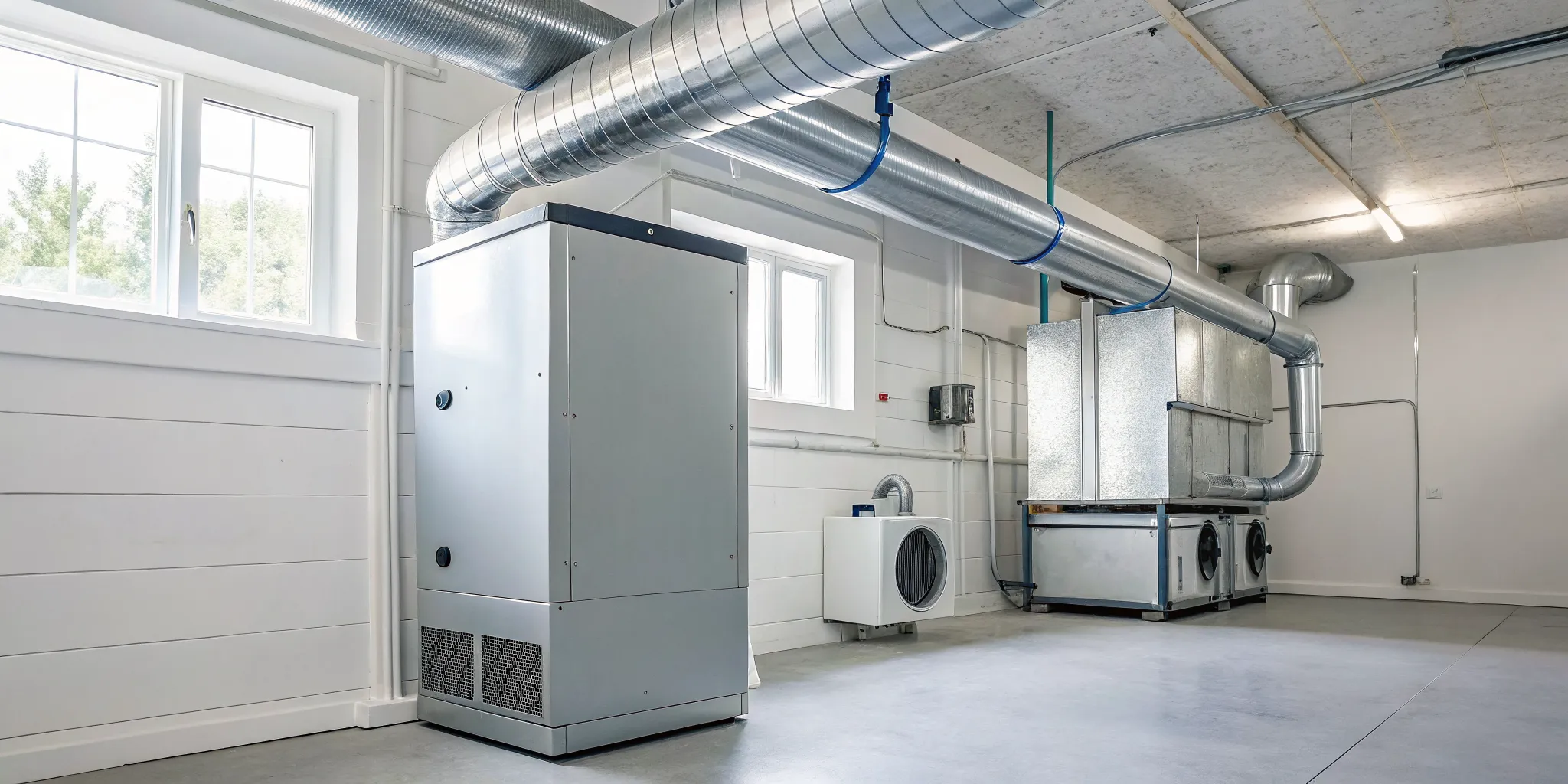
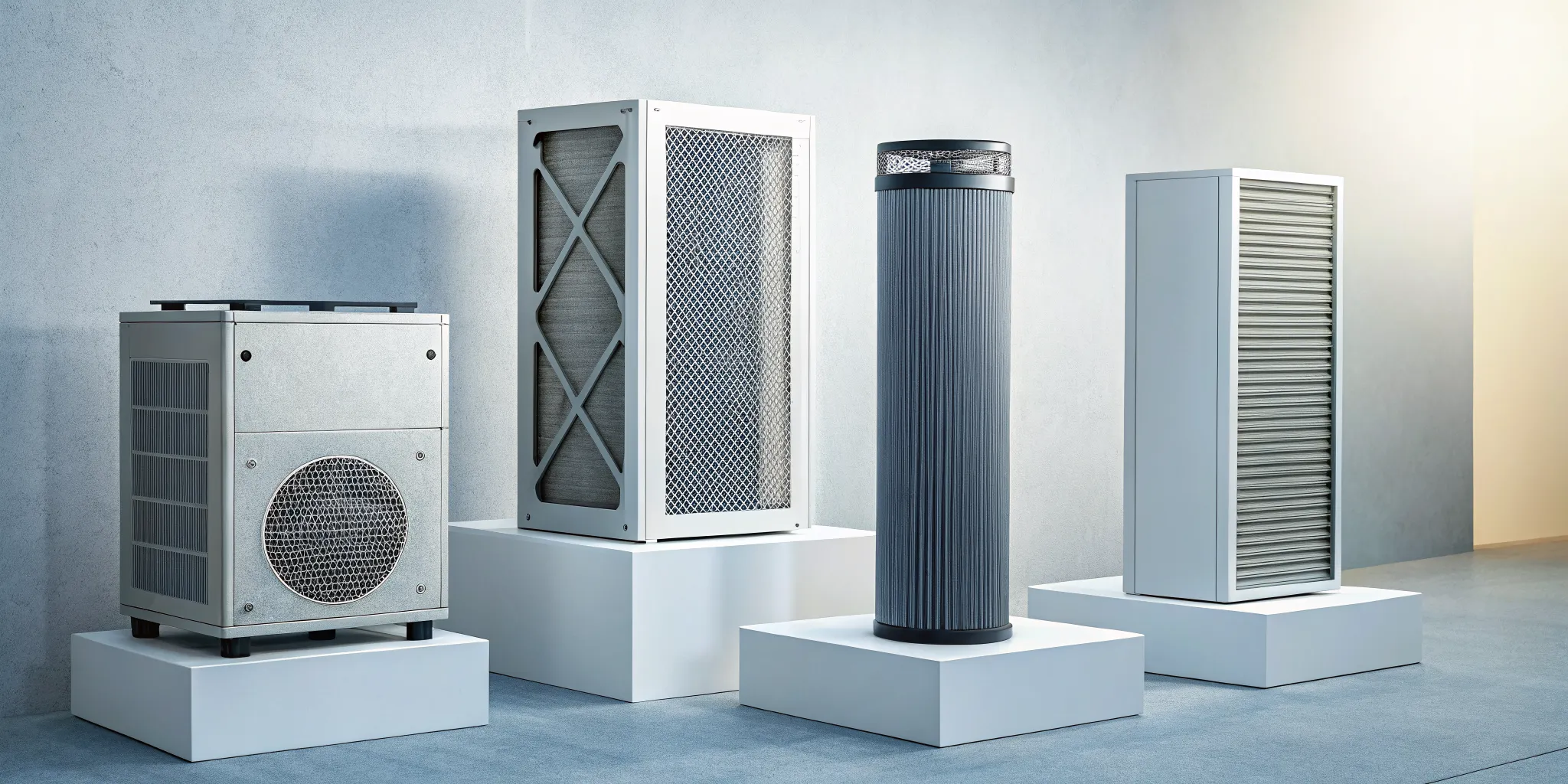
Let’s talk about what “cheap” really means. When you’re looking for the cheapest way to replace hvac system, it’s easy to get fixated on the initial quote. But the unit with the lowest sticker price can often cost you more in the long run through high energy bills and frequent repairs. The real value lies in finding a high-quality, efficient system installed by experts at a fair price. This article redefines the search for an affordable HVAC. We’ll show you how to calculate the total cost of ownership and uncover strategies—from federal tax credits to off-season discounts—that make a top-tier system more accessible than you might think.
Key Takeaways
- Time your purchase and do your homework: Get the best price by shopping for a new HVAC system during the slower fall and spring months. Always gather at least three detailed quotes to compare equipment, warranties, and installation costs, which gives you a strong foundation for making an informed choice.
- Look beyond the price tag to find true value: The most budget-friendly system is one that saves you money over its entire lifespan. Prioritize a high-efficiency unit with a good SEER rating and a professional installation to ensure lower monthly energy bills and fewer costly repairs down the road.
- Use all available tools to lower the cost: The initial quote is just a starting point. Reduce your upfront expense by exploring financing options, federal tax credits, and local rebates. You can also ask about bundling services like a maintenance plan for a package deal.
What Are the Most Budget-Friendly HVAC Systems?
When you start shopping for a new HVAC system, the price tags can feel a little overwhelming. But “budget-friendly” doesn’t always mean the lowest upfront cost. The smartest investment is a system that fits your home’s needs, keeps you comfortable, and saves you money on energy bills for years to come. Here in Florida, where our ACs work overtime, finding that perfect balance is key.
The right choice depends on your home’s size, layout, and whether you have existing ductwork. A system that’s perfect for a historic Key West cottage might not be the best fit for a sprawling Naples home. Understanding the main types of systems is the first step toward making a confident decision. Whether you’re looking at a full air conditioning installation or just exploring your options, let’s break down the most common budget-friendly choices. From versatile heat pumps to targeted mini-splits, there’s a solution that will keep you cool without draining your bank account.
Ductless Mini-Splits
If your home doesn’t have ductwork—or if you’re adding on a room—ductless mini-splits are a fantastic option. Instead of a single indoor unit pushing air through ducts, these systems use individual air handlers for different rooms or “zones.” This means you can cool just the space you’re using, which is a huge energy saver. The main financial benefit is avoiding the massive expense and mess of installing a whole new duct system. They are incredibly efficient and give you precise temperature control right where you need it, making them a smart, modern solution for many Florida homes.
Heat Pumps
Don’t let the name fool you; heat pumps are masters of both cooling and heating. In the summer, they work just like a traditional air conditioner, pulling heat out of your home. In our mild Florida winters, they reverse the process to bring warm air in. Because they move heat instead of creating it, they are incredibly energy-efficient. For homeowners looking to replace both their heating and cooling systems, a heat pump is an all-in-one solution that can lead to significant savings on your monthly utility bills, especially on the heating side.
Central Air Conditioners
Central air is the system most of us are familiar with. If your home already has ductwork, replacing your old unit with a new, high-efficiency model is often the most straightforward and cost-effective path. Today’s central AC units are far more efficient than models from a decade ago, so an upgrade can dramatically lower your energy consumption. While the initial cost can range from a few thousand to over ten thousand dollars depending on the brand and size, it’s a reliable investment for whole-home cooling. Sometimes, a simple air conditioning repair can extend your unit’s life, but a replacement often makes more financial sense long-term.
Window and Portable Units
For cooling a single room, nothing beats the low upfront cost of a window or portable AC unit. They’re a great temporary fix or a solution for a garage, workshop, or a room that just doesn’t get cool enough. You can pick one up at a home improvement store and have it running in an hour. However, it’s important to see them as a spot solution rather than a whole-home strategy. They are far less efficient than central or ductless systems, can be noisy, and won’t do much to lower your home’s overall humidity.
How to Compare HVAC Brands and Find the Best Fit
Choosing a new HVAC system can feel like a huge decision, especially with so many brands on the market. But you don’t have to be an expert to find the right fit for your home and budget. The key is to look past the brand name and focus on a few core factors: efficiency, reliability, and the total cost. A little research upfront can save you from headaches and high energy bills down the road. Think of it as a matchmaking process—you’re looking for the system that will keep your home comfortable for years to come.
When you start comparing models, you’ll find that the best air conditioner brands often share similar internal components. The real difference often comes down to the quality of the AC installation, the warranty offered, and the unit’s energy efficiency. By focusing on these practical details, you can confidently select a system that delivers both performance and value.
Check Energy Efficiency and SEER Scores
One of the most important numbers you’ll see is the SEER (Seasonal Energy Efficiency Ratio) score. In simple terms, a higher SEER rating means the unit is more energy-efficient. While a high-efficiency system might have a higher initial price tag, it can lead to significant savings on your monthly utility bills. The best air conditioner brands offer a range of options, so you can find a balance between upfront cost and long-term savings. A qualified technician can help you determine the ideal SEER rating for your Florida home, ensuring you don’t overpay for a system you don’t need.
Look into Warranties and Brand Reputation
A strong warranty is a brand’s promise that its product is built to last. When you’re investing in a new HVAC system, you want that peace of mind. Look for brands that offer comprehensive coverage, like a 10-year warranty on parts and the compressor. Some top-tier brands even include a limited labor warranty. According to This Old House, a comprehensive warranty is a key indicator of a reliable system. Remember, the warranty is only as good as the company that stands behind it, which is why choosing a reputable brand and a trusted installer is so important.
Read Reviews from Homeowners and Pros
Want the real story on how an HVAC system performs? See what other people are saying. Reading reviews from homeowners gives you insight into the day-to-day user experience, from noise levels to cooling effectiveness. Professional reviews and reports, like those from Consumer Reports, can provide data-driven reliability ratings based on thousands of users. This combination of personal experience and expert analysis gives you a well-rounded picture of a brand’s long-term performance. You can also check out testimonials from local customers to see what your neighbors are saying about different systems and installers.
Get Multiple Quotes to Compare Prices
Never settle for the first price you’re given. The best way to ensure you’re getting a fair deal is to compare estimates from at least three licensed and insured contractors. A good quote is more than just a number; it should be a detailed breakdown of the equipment, labor costs, and any additional work required. This is where you can see a company’s transparency in action. At 5 Star Air, we provide honest, upfront pricing without any sales pressure, so you know exactly what you’re paying for. A clear, itemized quote helps you compare apples to apples and make an informed financial decision.
When to Replace Your HVAC for the Biggest Savings
Timing is everything, especially when it comes to major home investments like a new HVAC system. Here in Florida, a reliable air conditioner isn’t a luxury—it’s a necessity. Most people wait until their AC gives out on the hottest day of the year to even think about a replacement. That panic-driven decision often leads to overpaying for a system that might not even be the best fit for your home.
The secret to getting the best price on a new unit is to plan ahead and buy when everyone else isn’t. The HVAC industry has predictable busy seasons and slow seasons, just like any other business. By scheduling your air conditioning installation during the off-season, you can take advantage of lower demand, which often translates to better prices, more flexible scheduling, and special promotions. Planning your replacement before your old system completely fails not only saves you money but also spares you the stress of a sweltering home and a rushed, expensive emergency call. Let’s look at the best times to schedule your replacement for maximum savings.
The Perks of Off-Season Shopping
The best time to buy a new HVAC system is during the industry’s “off-season”—typically in the fall and early spring. During these milder months, demand for AC services drops significantly. HVAC companies aren’t fielding as many emergency calls, so they have more room in their schedules and are often more competitive with their pricing. Manufacturers also tend to roll out rebates and special offers during these slower periods to encourage sales. By shopping when demand is low, you put yourself in a much better negotiating position and can often save a considerable amount on both the unit and the installation labor.
Why Spring Is a Smart Time to Buy
Spring is a fantastic time to replace your air conditioner, right before the intense Florida heat sets in. Think of it as proactive maintenance for your home’s comfort. Scheduling your replacement in March or April means you can take your time choosing the right system without the pressure of a failing unit and a hot house. You’ll also beat the summer rush, when installation appointments can be booked weeks out. Entering the summer with a new, high-efficiency system gives you peace of mind, knowing you’re prepared for the heat while also enjoying lower energy bills from day one.
How to Avoid Peak-Season Price Hikes
Waiting until your AC breaks down in the middle of July is the quickest way to overspend. Summer is the peak season for HVAC companies, and high demand drives up prices for both equipment and labor. When your system fails unexpectedly, you’re often forced to accept the first available appointment and whatever price comes with it. These emergency air conditioning services can come at a premium. By planning your replacement during the off-season, you avoid these price hikes and the stress of making a major financial decision under duress. A little foresight can save you hundreds, if not thousands, of dollars.
Find Financing and Rebates to Lower Your Cost
The sticker price of a new HVAC system can feel daunting, but plenty of programs and payment options can significantly reduce the upfront cost. From government incentives to flexible financing, you have more pathways to an affordable new system than you might think. Let’s walk through some of the best ways to make your HVAC replacement fit your budget.
Federal Tax Credits and Incentives
One of the best ways to save is by taking advantage of federal tax credits. Essentially, the government offers to pay you back for choosing an energy-efficient HVAC system. These credits can shave hundreds of dollars off your total cost when you file your taxes. To qualify, you typically need to install a system that meets specific high-efficiency standards, like those with an ENERGY STAR® rating. The rules and credit amounts can change, so it’s always a good idea to check the latest guidelines. Your local utility provider might also offer its own rebates, giving you another way to stack up the savings.
Local and State Rebate Programs
Beyond federal programs, don’t forget to look for savings closer to home. Many state and local governments in Florida offer their own rebate programs to encourage homeowners to go green. These programs work simply: you buy and install a qualifying high-efficiency system, and you get cash back. It’s a win-win—you get a more comfortable home with lower energy bills, and you get rewarded for it. A quick search for energy rebates in your county or through your utility company can uncover some great opportunities. An experienced local contractor can also help you identify which state and local incentives you’re eligible for.
Contractor Financing Options
If paying the full cost upfront isn’t ideal, financing directly through your HVAC contractor is often the most straightforward path. Many trusted local companies, including us at 5 Star Air, offer flexible payment plans that let you bundle the cost of your new unit and installation into one predictable monthly payment. The application process is usually quick, with approvals often coming through the same day. This allows you to get the new AC system you need right away without draining your savings. When you explore financing options, you can choose a plan that works for your budget, making a high-quality system much more accessible.
Check Your Home Insurance and Warranty
While it’s not the most common scenario, it’s worth checking if your homeowner’s insurance can help. Insurance typically doesn’t cover breakdowns from old age or normal wear and tear. However, if your HVAC system was suddenly damaged by a covered event—like a lightning strike or a fallen tree during a storm—your policy might cover some or all of the replacement cost. Pull out your policy documents or give your agent a call to clarify what’s covered. Also, take a moment to check if your old unit is still under a manufacturer’s or installer’s warranty, as it could save you money on certain parts or repairs.
How to Negotiate the Best Deal on Your New HVAC
Buying a new HVAC system is a major investment, but the price tag isn’t always set in stone. With a little bit of research and confidence, you can negotiate a deal that fits your budget without sacrificing quality. It’s not about haggling; it’s about being an informed homeowner who understands the value of what you’re buying. A trustworthy contractor will respect a customer who has done their homework. These strategies will help you approach the conversation prepared and ready to find the best possible value for your home.
Always Get Multiple Written Estimates
This is your most powerful tool. Don’t just settle for the first quote you receive. Aim to get at least three written estimates from different licensed and insured HVAC companies. This allows you to compare not just the bottom-line price, but also the specific equipment being proposed, the scope of the work, and the warranties included. A written estimate provides a clear record of what’s being offered, preventing any surprises down the road. When you have multiple offers, you can see the competitive range for your project and use that information as leverage. It helps you spot any outliers—quotes that are either suspiciously low or unreasonably high. We encourage you to get a transparent quote from us to see how our honest pricing compares.
Know What a Fair Price Looks Like
Once you have a few estimates in hand, you can start to figure out what a fair price for your project looks like. Pricing an HVAC system is complex, so it’s important to establish a baseline. Look at the specific brands and models each contractor quoted and do a quick search online to understand their general price range and features. A fair price isn’t always the lowest price. It reflects quality equipment, expert installation, and solid warranties. Be wary of any deal that seems too good to be true. A great contractor will walk you through their pricing and explain the value you’re receiving. Our commitment to honesty means we skip the high-pressure sales tactics and focus on giving you a fair price for exceptional service.
Discuss Installation Terms and Warranties
The price of the unit is only one part of the equation. The total value of your investment also depends on the installation quality and the warranties that protect it. Before you agree to anything, make sure you have a clear conversation about the details. Ask what the installation process involves, how long it will take, and whether the removal and disposal of your old unit are included. A proper air conditioning installation is critical for the system’s efficiency and lifespan. Also, clarify the warranty terms. You should have both a manufacturer’s warranty on parts and a labor warranty from the contractor. Understanding these details ensures you’re comparing apples to apples and getting a truly great deal.
Use Seasonal Demand to Your Advantage
Timing is everything. You can often find better prices by scheduling your HVAC replacement during the industry’s off-season. In Florida, HVAC contractors are busiest during the sweltering summer months and the first cold snaps of winter. If you can, plan your purchase for the milder months of fall or spring. During these slower periods, companies are more likely to offer discounts and promotions to keep their technicians busy. You’ll also benefit from more flexible scheduling options. Planning ahead and buying when demand is low is a simple yet effective strategy for saving a significant amount of money on your new system. It puts you in a much stronger position to get a favorable price.
How to Maximize Your Long-Term Savings
A great deal on a new HVAC system goes beyond the initial price tag. The smartest savings come from thinking long-term. To keep more money in your pocket, you need to focus on the system’s entire lifespan—from its efficiency rating to the quality of the installation and its ongoing care. Investing a little more upfront for the right unit and professional service can save you thousands in energy bills and future repairs. Here’s how to make sure your new system is a smart financial decision for years to come.
Calculate the Total Cost of Ownership
It’s easy to focus on the upfront price, but the total cost of ownership gives you the real picture. The best air conditioner brands typically cost between $3,500 and $12,000 to install, with the final price depending on the unit’s efficiency (SEER2 rating), size, and features. A cheaper, less efficient model might seem like a deal now, but it will likely cost you more in monthly energy bills. Factoring in these long-term operating costs is key to understanding what you’ll actually spend over the life of the system.
Why Quality Installation Matters
Even the best HVAC system will underperform if it’s not installed correctly. A poor installation can lead to wasted energy, more frequent breakdowns, and a shorter lifespan for your unit—wiping out any potential savings. That’s why a professional air conditioning installation is non-negotiable. Hiring certified, experienced technicians ensures your system operates at peak performance from day one. It’s a crucial step that protects your investment and saves you from the headache of high utility bills and unexpected repair calls down the road.
Plan for Maintenance and Longevity
Once your new system is installed, regular care is the best way to protect it. Think of it like changing the oil in your car—it’s a small, preventative step that helps you avoid major, expensive problems. Scheduling annual air conditioning maintenance keeps your system running efficiently, catches small issues before they become emergencies, and extends its overall lifespan. A well-maintained unit uses less energy and is far less likely to quit on you during a sweltering Florida summer. This simple habit ensures you get the most value from your investment.
More Smart Ways to Save on Your HVAC Replacement
Finding the right HVAC system at the right price is a great start, but the savings don’t have to stop there. A few extra steps can trim your final bill and add long-term value to your investment. Think of it like finding hidden coupons for a major purchase—a little effort can go a long way. By being a proactive homeowner, you can influence factors like labor costs and package deals.
These strategies involve a bit of planning and communication, but they can make a significant difference in your total replacement cost. From preparing your home for the installation crew to teaming up with your neighbors, here are a few clever ways to make your HVAC replacement even more affordable.
Prep Your Space to Lower Labor Costs
A big chunk of your HVAC replacement cost comes from labor. The easier it is for technicians to get the job done, the more efficient they can be, which can sometimes translate into savings. Before the installation team arrives, take some time to clear a path to your indoor and outdoor units. Remove any furniture, storage boxes, or yard debris that might be in the way. This simple step saves the crew time and helps them work safely.
Knowing what a fair price looks like for an AC installation is also part of your prep work. When you get a quote, the contractor estimates the time it will take. If your space is clean, accessible, and ready to go, the job is more straightforward, which can be a point of discussion when reviewing the final costs.
Ask About Bundling Services and Equipment
When you’re already making a major investment in a new HVAC system, it’s the perfect time to ask about package deals. Many companies offer discounts when you bundle services. For example, you could ask for a price that includes the new unit, installation, and a one-year maintenance plan. This not only saves you money upfront but also sets you up for long-term efficiency and fewer repair bills.
Don’t hesitate to think beyond the basics. If you’ve been considering other services, like improving your indoor air quality or getting your ducts cleaned, ask if they can be included for a reduced rate. Contractors are often willing to create a custom package to secure your business, giving you a comprehensive home comfort upgrade for less.
Look for Group Purchasing Deals
This one requires a little community spirit, but the payoff can be huge. Talk to your neighbors to see if anyone else is considering an HVAC replacement. Contractors can save significantly on travel time, scheduling, and logistics if they can line up multiple jobs in the same neighborhood. They are often happy to pass those savings on to you and your neighbors.
Approach a contractor and ask if they offer a group discount for two or more households. It’s a win-win: the company gets guaranteed business in a concentrated area, and everyone involved gets a better price on their new system. Even if your neighbors aren’t ready for a full replacement, some companies have referral programs that can offer you a discount or cash back.
Frequently Asked Questions
Is the cheapest AC unit the most budget-friendly option? Not usually. The initial price tag is just one part of the total cost. A cheaper, less efficient unit can lead to significantly higher monthly energy bills, especially in the Florida heat. The most budget-friendly choice is a system that balances an affordable upfront cost with high energy efficiency, saving you more money over the life of the unit.
What’s more important: the AC brand or the installation quality? This is a great question, and the answer surprises many people. While a reputable brand is important, the quality of the installation is absolutely critical. A top-of-the-line system will run poorly, break down more often, and fail to keep you comfortable if it’s not installed correctly. A professional installation by a trusted team ensures your new system performs at its best from day one.
How can I lower the upfront cost if I can’t pay all at once? You have several great options. First, look into federal tax credits and local utility rebates for installing a high-efficiency system, as these can put hundreds of dollars back in your pocket. Many contractors, including us, also offer straightforward financing plans that allow you to break down the cost into manageable monthly payments.
When is the absolute best time of year to buy a new air conditioner? The best deals are almost always found during the HVAC “off-season,” which is typically in the fall and early spring. During these milder months, demand is lower, so companies are more competitive with their pricing and often run special promotions. Planning your replacement ahead of time helps you avoid the premium prices of a mid-summer emergency.
Do I really need to get multiple quotes? Yes, this is your most powerful tool as a homeowner. Getting at least three written estimates helps you understand the fair market price for the specific system your home needs. It allows you to compare not just the final price, but also the equipment, warranties, and installation practices of each company, ensuring you get the best possible value.