Key Factors in a Commercial HVAC Installation Cost Calculator
When you look at the price of a new commercial HVAC system, you’re only seeing the tip of the iceberg. The true cost includes the monthly energy bills, future maintenance, and potential repairs over the system's 15- to 20-year lifespan. To make a truly smart investment, you need to consider the whole picture. A commercial HVAC installation cost calculator is the first step in understanding this total cost of ownership. The best tools don’t just estimate the upfront price; they also project your long-term operating expenses, helping you choose a system that’s both affordable today and economical for years to come.
Key Takeaways
- Treat online calculators as a starting point for your budget: These tools provide a helpful cost range to begin financial planning, but they cannot see your building's specific needs. A final, accurate price requires a professional on-site assessment to account for factors like existing ductwork and electrical setups.
- Recognize that the final cost includes more than just the unit: The total investment is shaped by your building's size, the type of system you choose, and necessary extras. Things like duct modifications, electrical upgrades, and crane rentals for rooftop access are common factors that influence the final quote.
- Prioritize long-term value over the lowest upfront price: A cheaper system can cost more in the long run through higher energy bills. Investing in a high-efficiency unit with a strong SEER rating, combined with a regular maintenance plan, leads to significant savings and protects your new equipment for years.
What Is a Commercial HVAC Installation Cost Calculator?
Think of a commercial HVAC installation cost calculator as your first step in budgeting for a new system. It’s an online tool designed to give you a realistic estimate of what it might cost to install a new heating and cooling system in your commercial space. Whether you’re replacing an old, inefficient unit or outfitting a brand-new building, these calculators help you move past the guesswork and begin planning with concrete numbers. They don’t just estimate the initial price of the equipment and installation; they often project your potential operating costs over time, too.
This is incredibly helpful for comparing different types of systems and understanding the long-term financial impact of your choice. For example, a more energy-efficient unit might have a higher upfront cost, but it could save you significantly on monthly utility bills down the road. The calculator gives you a clear picture of these trade-offs, empowering you to make a more informed decision. It’s important to remember that the figure you get is an estimate, not a final quote. The goal is to provide a solid baseline so you can confidently plan your next steps for a new air conditioning installation. It’s all about giving you the information you need to feel prepared.
How Do These Calculators Work?
These calculators work by asking you a series of questions about your building and your specific needs. To get the most accurate estimate, you’ll need to provide details like your building’s square footage, its primary use (e.g., office, retail, restaurant), the number of stories, and your general location. The more precise your information, the better the estimate will be.
Once you input the data, the tool processes it and provides a cost range, usually broken down into low, typical, and high estimates. This range accounts for different variables, like the brand of equipment and the complexity of the installation. Don’t treat the result as a fixed price; instead, see it as a well-informed projection to guide your financial planning.
Why Use a Cost Calculator?
The main reason to use a cost calculator is for smart, effective budget planning. It transforms a major business expense from an unknown variable into a manageable line item. Instead of guessing what a new HVAC system might cost, you can start with a data-backed estimate. This allows you to explore different scenarios, such as comparing a standard-efficiency unit to a high-efficiency one with a better SEER rating. You can see how a larger initial investment might lead to lower energy bills and a better return over the system's lifespan.
Ultimately, a calculator is a powerful planning tool. It equips you with the knowledge you need to have a productive conversation with an HVAC professional. Once you have your estimate, the next step is to contact us for an on-site assessment and a precise quote.
Key Factors That Drive HVAC Installation Costs
When you use an online calculator, you’re getting a helpful starting point, not a final quote. The actual cost of a commercial HVAC installation depends on several specific details about your property and the system you choose. Think of it like this: the calculator gives you the ballpark, but a professional technician needs to see the field to give you the final score. Understanding these factors will help you see why a custom quote is so important and what goes into the final price. From the size of your building to the state of your current ductwork, each element plays a part in the total investment for your new system.
Building Size and Layout
It makes sense that a larger building requires a more powerful, and therefore more expensive, HVAC system. The total square footage is a primary driver of cost. A small retail shop won't need the same cooling capacity as a multi-story office building. For smaller commercial spaces, an AC installation might range from $7,500 to $30,000. For larger, more complex properties, costs can easily exceed $75,000. The layout also matters. A large, open-concept space has different airflow needs than a building with many individual offices or rooms, which can influence the type of system and the complexity of the installation.
HVAC System Type
Not all HVAC systems are created equal, and their prices reflect that. The type of unit you select is a major factor in your total cost. Common commercial options include rooftop units, which are all-in-one systems placed on the roof, and split systems, which have separate indoor and outdoor components. Each has different equipment costs and installation requirements. Your choice will depend on your building’s structure, your specific cooling needs, and your budget. We can help you determine the most efficient and cost-effective system for your business during an on-site consultation.
Installation Accessibility
How easy is it to get the old unit out and the new one in? The answer can significantly affect your installation costs. If a unit is located on a high roof with no easy access, a crane may be needed to lift it into place. This involves more than just the crane rental; it requires careful planning, scheduling, and safety protocols, all of which add to the project's bottom line. Ground-level units or those in easily accessible mechanical rooms are typically less expensive to install because they require less specialized equipment and labor.
Your Current Infrastructure
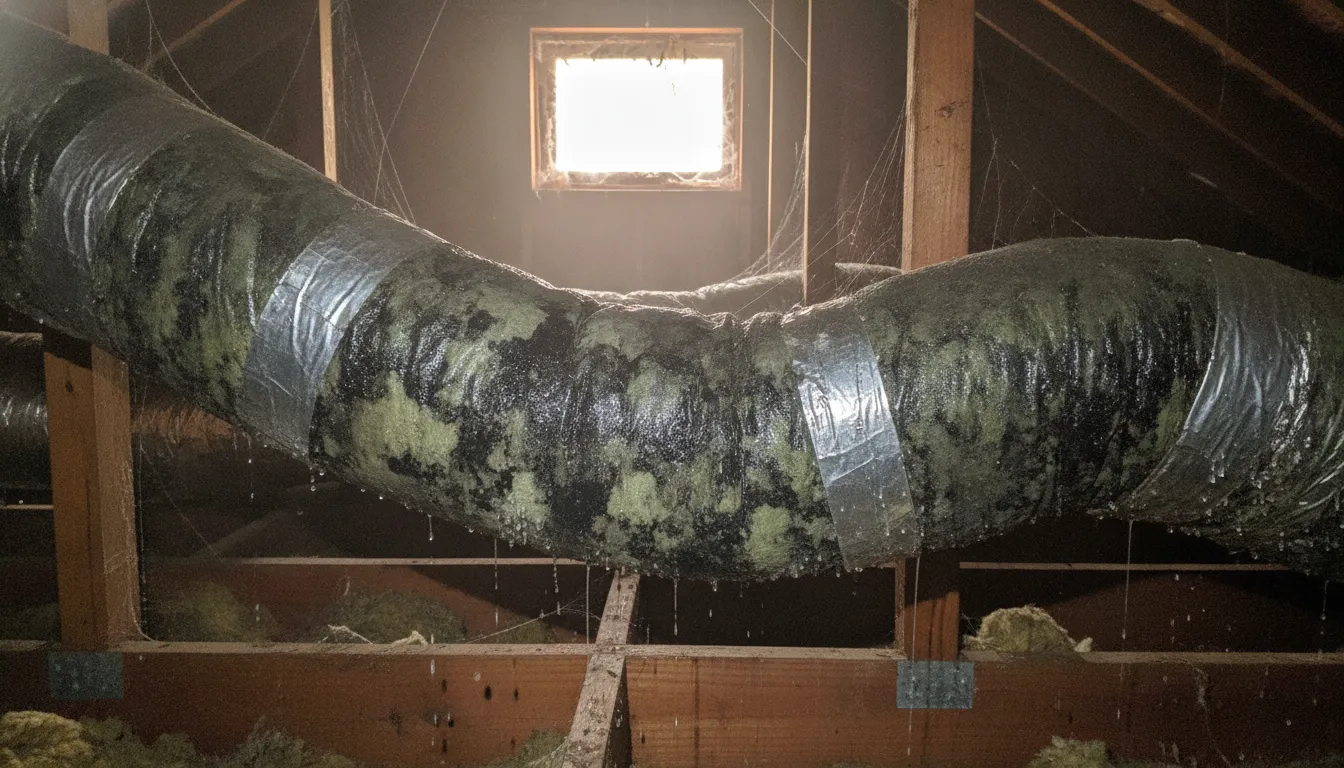
What you already have in place matters just as much as the new equipment you’re installing. If your building’s existing ductwork is old, leaky, or improperly sized for the new system, it will need to be repaired or replaced. This alone can add thousands to the project cost. These kinds of extra expenses are sometimes called "adders," and they can turn what seems like a simple unit swap into a much more involved project. A thorough inspection of your current infrastructure is essential to get an accurate quote and avoid surprise costs. We always check your ductwork and air quality to ensure your new system performs at its best.
How to Use a Commercial HVAC Cost Calculator
Online cost calculators can be fantastic tools for getting a preliminary budget in mind for your commercial HVAC project. Think of them as a starting point, a way to frame your financial planning before you dive into getting official quotes. To get the most accurate estimate possible from these tools, you need to do a little homework first. The more precise your information is, the more reliable the calculator's output will be.
Using a calculator is typically a simple, three-step process: gathering your building’s specific details, inputting them into the tool, and interpreting the results correctly. It’s not meant to replace a professional assessment, but it can prevent sticker shock and help you ask the right questions when you’re ready to talk to an expert. Let’s walk through how to use these calculators effectively so you can feel confident in the numbers you see.
Gather the Right Information
Before you start plugging numbers into a calculator, take a few minutes to collect some key details about your property. Having this information ready will make the process much smoother and the estimate more accurate.
You’ll generally need:
- Building Type: An office has different needs than a restaurant or a retail store.
- Total Square Footage: This is the primary factor in determining the size of the unit you’ll need.
- Ceiling Height: Tall ceilings mean more air volume to cool, which affects the system’s required capacity.
- Project Type: Are you planning a brand-new install or replacing an old system?
- Number of Zones: How many different areas need independent temperature control?
- Your Utility Rate: Find your cost per kilowatt-hour (kWh) on your electric bill to help estimate operating costs.
Follow the Step-by-Step Process
Once you have your information handy, using the calculator is usually very straightforward. Most online tools are designed to be user-friendly and will guide you through a series of questions. You’ll simply enter the details you just gathered into the corresponding fields. The calculator uses this data to run an algorithm that estimates the cost of a new commercial HVAC system.
Beyond the initial price, many calculators will also provide an estimate of your monthly and yearly operating costs. This is incredibly helpful for understanding the total financial impact of your new system over its entire lifespan, not just the day it’s installed.
Understand Your Results
The final number the calculator provides is a valuable budgeting tool, but it’s important to remember that it’s an estimate, not a fixed price. Most calculators will give you a cost range, often showing low, typical, and high scenarios. This range accounts for variables like equipment brands, labor complexities, and your specific location.
Use this estimate as a baseline for your budget and a starting point for conversations with a professional. The actual cost can vary based on factors an online tool can’t see, like your existing ductwork or electrical setup. The next logical step is to schedule an on-site consultation to get a firm, professional installation quote tailored to your building’s unique needs.
Average Costs for Common Commercial HVAC Systems
Once you have a general idea of the factors at play, it helps to look at the typical cost ranges for different types of commercial HVAC systems. Think of these numbers as a starting point. The final price for your commercial air conditioning installation will depend on your building’s unique needs, the specific model you choose, and the complexity of the job. A professional quote is the only way to get a truly accurate figure, but these averages can help you budget accordingly.
Here’s a look at what you can generally expect to invest in some of the most common commercial systems.
Rooftop Units
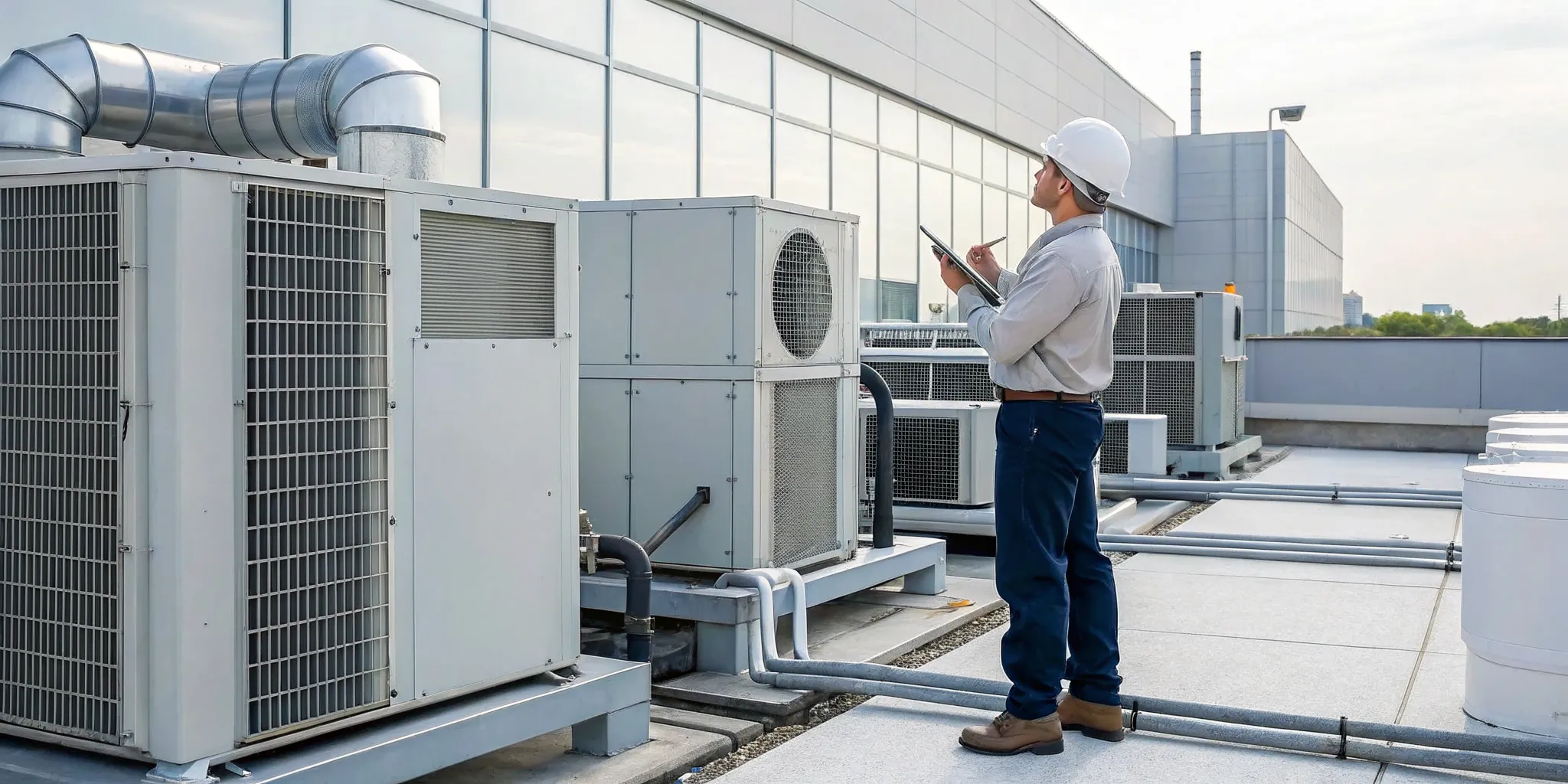
Often called RTUs, these are the all-in-one workhorses you see on top of flat-roofed commercial buildings like retail stores and restaurants. Because they contain all the components in a single "package," they are relatively straightforward to install and service. For a building between 5,000 and 10,000 square feet, you can expect the cost of a rooftop unit to be between $15,000 and $35,000. The final price tag is influenced by the unit’s cooling capacity (tonnage), energy efficiency rating, and brand.
Split Systems
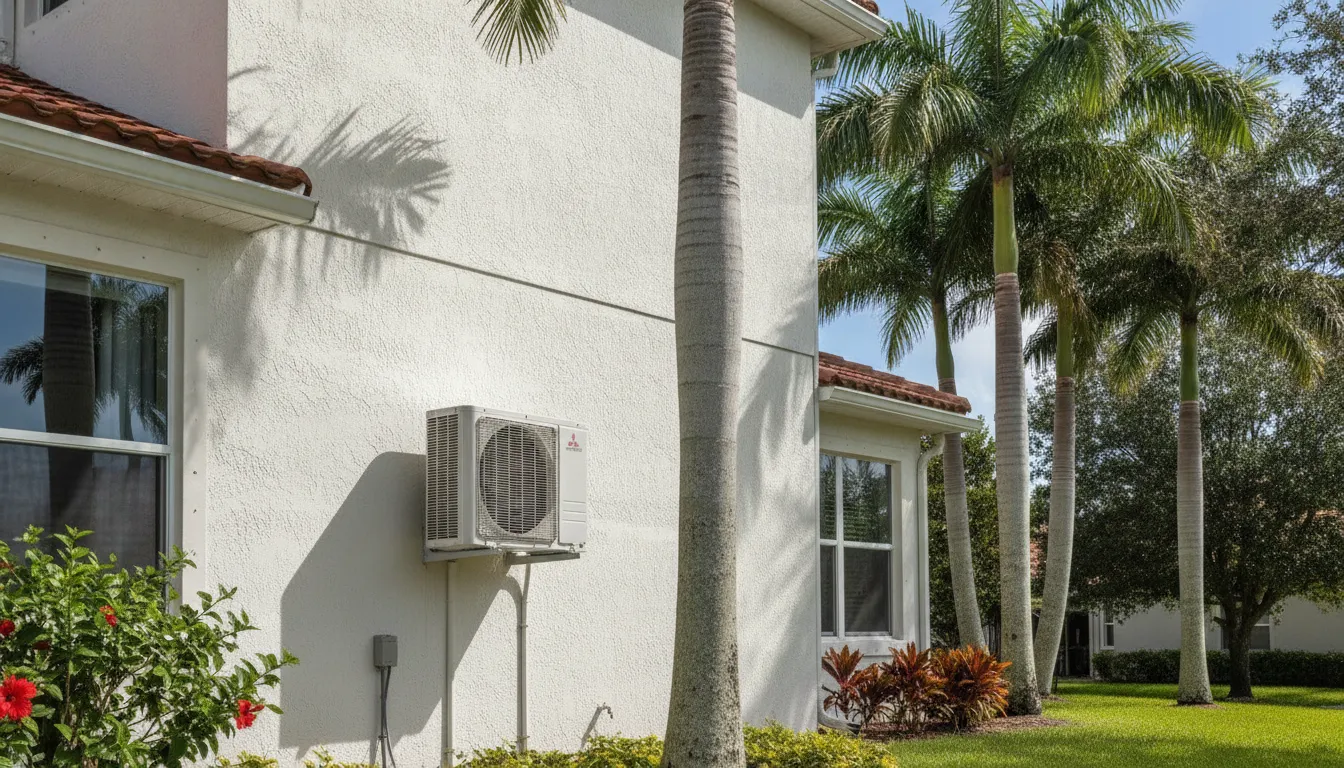
Just like the system you might have at home, a commercial split system has two main parts: an outdoor unit and an indoor unit. This setup is great for smaller commercial spaces like offices, boutiques, or cafes, especially those without a flat roof. For buildings in the 3,000 to 7,000 square foot range, a split system typically costs between $7,500 and $25,000. This option offers a lot of flexibility, but the cost can vary based on how many indoor units you need and the amount of ductwork required.
Variable Refrigerant Flow (VRF) Systems
VRF systems are a more advanced technology, perfect for buildings that need customized climate control in different areas, like hotels or large office spaces. They are incredibly energy-efficient because they can heat one zone while cooling another simultaneously. This efficiency comes with a higher upfront cost, usually ranging from $30,000 to $75,000 for buildings between 5,000 and 20,000 square feet. While the initial investment is larger, the long-term savings on your energy bills can be substantial.
Packaged Terminal Air Conditioners (PTAC)
If you’ve ever stayed in a hotel, you’re familiar with PTACs. These are the self-contained units installed through an exterior wall to heat and cool a single room. They are a practical solution for properties like motels, dormitories, and apartment complexes where individual temperature control is a priority. The cost is calculated on a per-unit basis, so the total project price depends entirely on how many rooms you need to outfit. A small-scale commercial project might start around $7,000, but a large hotel would be a much bigger investment.
What to Look For in a Cost Calculator
Online cost calculators can be a great starting point, but they aren't all created equal. A generic tool might give you a vague number that doesn't reflect your reality. A high-quality calculator, on the other hand, will ask for specific details about your property to give you a much more useful estimate. When you're vetting these tools, look for a few key features that separate the helpful from the hype. These details ensure the estimate you receive is grounded in the real-world factors that actually influence your final cost.
Must-Have Features
A good calculator does more than just spit out an installation price. It should give you a comprehensive look at your investment, including both the upfront cost and the projected operating expenses. Look for a tool that helps you estimate the total price for a new commercial HVAC system and also breaks down what you might pay monthly or yearly to run it. This dual focus is critical because the initial price is only one part of the equation. A cheaper unit that costs a fortune to run isn't a good deal in the long run.
Building Type Options
The more specific a calculator is, the better. Your building's unique characteristics have a huge impact on HVAC costs, so find a tool that lets you input these details. You should be able to specify the building type, whether it’s an office, a retail store, or a restaurant. It should also ask for the square footage and even the ceiling height. This information is vital for sizing the system correctly and providing an accurate estimate. A calculator that treats a small boutique the same as a sprawling warehouse isn't going to be very helpful.
Zone Configuration
Another sign of a quality calculator is the ability to specify heating and cooling zones. A "zone" is simply an area of your building with its own thermostat, allowing for independent temperature control. A small office might only need one zone, while a large medical facility could require dozens. The number of zones directly affects the complexity and cost of the system design and installation. A calculator that prompts you for this information shows it's designed to handle the nuances of commercial properties and will give you a more tailored estimate.
Features That Improve Accuracy
The most accurate calculators will prompt you to think beyond the HVAC unit itself. A complete installation often involves other expenses. Look for fields where you can account for potential costs like crane and rigging services, electrical upgrades, or necessary permits. Some projects also require ductwork modifications to ensure proper airflow. For estimating operating costs, the best tools will let you input your actual electricity rate from your utility bill instead of using a generic average. These small details add up to a much more realistic financial picture.
Don't Forget These Additional Costs
When you're budgeting for a new commercial HVAC system, the price of the unit itself is just one piece of the puzzle. Several other factors can influence the final cost of your installation project. Thinking about these potential expenses ahead of time helps you create a more realistic budget and avoid surprises down the road. A trustworthy HVAC partner will always be upfront about these costs, ensuring you have a complete picture before any work begins.
From the state of your current infrastructure to the logistics of the installation itself, these additional costs are a normal part of a commercial replacement. Let's walk through the most common ones so you know exactly what to expect.
Ductwork Modifications
Your building's ductwork is the circulatory system for your HVAC, and it needs to be the right size and in good condition to support your new unit. If your existing ducts are old, leaky, or improperly sized for the new system, they'll need to be repaired or replaced. This is crucial for efficiency and performance. Depending on the extent of the work, modifying your air ducts can be a significant expense, sometimes adding tens of thousands of dollars to a large commercial project. It’s an investment in your system’s long-term health and effectiveness.
Electrical Upgrades and Permits
Modern HVAC systems are often more energy-efficient, but they might have different electrical requirements than your old unit. Your building may need electrical upgrades to safely handle the new system's power load. This is a job for a qualified electrician and is essential for safety and code compliance. Additionally, most commercial HVAC installations require permits from your local municipality to ensure the work meets all safety standards. A professional HVAC company will handle the permitting process for you, but the fees are typically factored into the total project cost.
Structural Changes
Getting the new HVAC unit into place can sometimes require a bit of heavy lifting, literally. If your business has a rooftop unit, a crane is often needed to remove the old system and hoist the new one into position. The cost of renting a crane and coordinating the logistics, including safety measures and scheduling, will be part of your installation quote. In some cases, minor structural modifications to the roof or building might also be necessary to support the weight and size of the new equipment, ensuring a secure and lasting fit.
Old Equipment Removal
Once your new system is installed, the old one has to go somewhere. Disposing of an old commercial HVAC unit isn’t as simple as leaving it on the curb. These systems contain refrigerants and other materials that must be handled and disposed of according to strict environmental regulations. This process requires licensed professionals who can safely decommission and haul away the old equipment. The cost for proper removal and disposal is another line item to account for in your overall HVAC replacement budget.
Common Mistakes to Avoid When Using Cost Calculators
Online cost calculators are a great first step for budgeting your commercial HVAC installation. They give you a general idea of what to expect. However, they aren't foolproof. To get the most out of these tools and avoid sticker shock later, it helps to be aware of a few common mistakes. Thinking through these points will help you move from a rough online estimate to a realistic, actionable plan for your business.
Using Incomplete Information
The old saying "garbage in, garbage out" definitely applies here. An HVAC cost calculator is only as accurate as the details you provide. If you're just guessing your building's square footage, insulation type, or the number of windows, the estimate you get back will be just as vague. For a more reliable result, take the time to gather precise information. This includes your building's age, ceiling heights, and any specific needs like server rooms or customer-facing areas that require consistent temperatures. The more accurate your input, the more useful the calculator's output will be.
Forgetting Hidden Expenses
A calculator's estimate often covers the cost of the unit itself and basic labor, but it rarely accounts for the "adders" that can pop up during a real-world installation. These are the extra but necessary costs for things that make the new system work with your existing building. This could include ductwork modifications if the new unit has different connection points, electrical upgrades to handle the new system's power requirements, or even permits and engineering fees. A professional air conditioning installation quote will always factor in these site-specific needs, so you aren't caught by surprise.
Misreading the Cost Range
Most calculators provide a cost range: low, typical, and high. It’s tempting to focus on the lowest number, but that can set you up for a budgeting headache. That low-end figure usually represents the most straightforward installation with a base-model unit. Your project might fall into the typical or high end if you have a complex roofline, need a higher-efficiency model, or require significant modifications to your space. Think of the range as a ballpark figure. It gives you a starting point for financial planning, not a guaranteed price tag. Always budget for a cost somewhere in the middle to upper end of the range to be safe.
Ignoring Your Building's Unique Needs
Every commercial building has its own quirks, and an online calculator can't see them. It doesn't know about the outdated wiring in the back office, the tricky roof access, or the specific airflow challenges in your main lobby. These unique factors heavily influence the final cost of an installation. Your business's specific operational needs, like maintaining a precise temperature for sensitive equipment, also play a huge role. This is why an online estimate can never replace an on-site assessment. A professional technician can identify these unique challenges, ensuring you get a system that truly fits your space and an estimate you can trust. When you're ready for that step, it's best to contact a professional.
How Accurate Are These Calculators?
Online HVAC cost calculators are a fantastic starting point for planning your budget. They can give you a solid estimate of what it might cost to install a new commercial system or replace an old one, often breaking it down into a low, typical, and high price range. Some even estimate your potential monthly and yearly operating costs, which is incredibly helpful for long-term financial planning.
However, it’s important to remember that these tools provide an estimate, not a final quote. Think of the number you get as a well-informed ballpark figure. The calculator’s main job is to help you prepare your budget, but a real site visit from a professional is always needed to determine the exact price for your specific project.
The Limits of Online Tools
The accuracy of an online calculator depends entirely on the information you provide. The tool works best when you have detailed information about your building and project. Many factors can turn what seems like a simple unit swap into a more complex and expensive job. These extra costs, sometimes called "adders," aren't always accounted for in a basic online form.
Things like the age of your building, the condition of your existing ductwork, and even the specific brand of HVAC system you choose can significantly change the final price. An online tool can’t see hidden issues or assess the unique layout of your property, which is why its estimate has limitations.
When to Call a Professional for an Estimate
When you're ready to move past the initial budget phase, it's time to call a professional. An online calculator can't replace the expertise of a licensed HVAC contractor who can visit your property. During an on-site consultation, a technician will assess your building’s specific needs, inspect your current setup, and provide a clear, detailed breakdown of all costs.
This is the only way to get a firm, accurate price. A professional can also recommend the most energy-efficient systems for your space and ensure your new AC installation goes smoothly. Getting a custom quote takes the guesswork out of the process and ensures there are no surprises down the line.
Beyond the Sticker Price: Energy Efficiency and Long-Term Costs
The initial quote for a new commercial HVAC system is a big number, but it’s only one piece of the puzzle. The true cost of your system unfolds over its entire lifespan, factoring in monthly energy bills, repairs, and maintenance. A cheaper unit might seem appealing at first, but it can lead to higher operating costs that quickly erase those initial savings. Thinking about the long-term financial picture helps you make a smarter investment for your business, ensuring comfort and efficiency for years to come.
Understanding SEER Ratings and Operating Costs
Think of a SEER (Seasonal Energy Efficiency Ratio) rating as the miles-per-gallon for your air conditioner. The higher the SEER rating, the more efficiently the unit cools your space. In Florida, where your AC works overtime for most of the year, efficiency is everything. Opting for a system with a higher SEER rating, like 18 or above, costs more upfront but can cut your energy bills by up to 30% annually. For some businesses, upgrading from an older, less efficient unit can mean thousands of dollars in savings each year, making the initial investment pay for itself over time.
Finding Rebates and Tax Incentives
One of the best ways to offset the cost of a high-efficiency system is by taking advantage of rebates and tax credits. Many local utility companies offer financial incentives for installing energy-saving HVAC systems. On top of that, you can often find federal tax credits designed to encourage businesses to go green. These programs can significantly reduce your initial installation cost, making a top-of-the-line system much more accessible. We can help you identify the rebates and credits your business qualifies for, ensuring you don’t leave any money on the table.
Calculating the Total Cost of Ownership
To make the best decision, you need to understand the total cost of ownership. This includes the purchase price, installation fees, projected energy costs, and anticipated maintenance over the system's life. It’s important to see all the costs involved, not just the unit price, to avoid surprises down the road. Spending more upfront on a reliable, energy-efficient system often saves you money in the long run through lower utility bills and fewer repairs. We believe in transparent pricing that helps you see the complete picture, and we even offer financing options to make your investment more manageable.
Maximize Your Commercial HVAC Investment
A new commercial HVAC system is a major investment in your business. Once you have a clear idea of the potential costs, you can take steps to get the most value out of your purchase. Thinking ahead about quotes, financing, and long-term care will help you make a smart decision that serves your business for years to come.
Get Multiple Professional Quotes
You wouldn’t buy the first car you test drive, and the same rule applies here. It’s smart to get several custom quotes from licensed commercial HVAC contractors. An online calculator gives you a ballpark figure, but a professional will assess your building’s unique needs, inspect your current setup, and provide a detailed cost breakdown. This on-site evaluation is crucial for an accurate price. A thorough quote should explain exactly what you’re paying for and suggest ways to improve energy efficiency. Getting a few different proposals allows you to compare your options and find a partner you can trust to provide an honest estimate.
Explore Your Financing Options
Let’s be honest, a new commercial HVAC system comes with a significant price tag. The good news is you don’t have to pay for it all at once. Many HVAC companies offer flexible financing plans that allow you to spread the cost over time, making it much more manageable for your budget. It’s also worth looking into federal, state, or local rebates and tax incentives for installing high-efficiency systems. These programs can reduce your initial investment and help the new unit pay for itself faster through lower energy bills. Thinking about these options ahead of time can make a big difference to your bottom line.
Plan for Maintenance and Warranties
Your relationship with your HVAC system doesn’t end after installation. To protect your investment, you need a plan for its care. Think of it like your car; regular tune-ups keep it running smoothly and prevent costly breakdowns. Enrolling in a routine air conditioning maintenance program can extend your system’s lifespan by up to 50% and keep it operating at peak efficiency. Before you sign any contract, be sure to understand the warranties for both the equipment and the labor. A strong warranty is a sign of quality and gives you peace of mind knowing you’re covered if something goes wrong.
Related Articles
- HVAC Tips & Insights Blog - Expert Advice from 5 Star Air
- Schedule HVAC Service - Book Online 24/7 | 5 Star Air
- 5 Star Air - Premier HVAC Services in Southwest Florida
Frequently Asked Questions
How accurate is the number from an online calculator? Think of an online calculator's result as a well-informed starting point for your budget, not a final price tag. It gives you a realistic range to begin your financial planning. However, these tools can't see the unique details of your building, like the condition of your current ductwork, your electrical setup, or any challenges with accessing the installation site. A professional on-site assessment is the only way to get a firm, precise quote that accounts for all the specific factors of your property.
Besides the unit itself, what are the biggest costs I should prepare for? The state of your building's existing infrastructure is often the biggest additional expense. If your ductwork is old, leaky, or not the right size for a modern system, it will likely need to be repaired or replaced to ensure efficiency. Other significant costs can include electrical upgrades to support the new unit's power requirements, the rental of a crane for a rooftop installation, and the proper, regulated disposal of your old equipment.
Is it worth paying more for a high-efficiency HVAC system? In almost every case, yes. A high-efficiency system with a better SEER rating will have a higher initial price, but it can lead to substantial savings on your monthly energy bills. In a place like Florida where air conditioning runs constantly, these savings add up quickly and can help the system pay for itself over time. These units also provide more consistent comfort and are often eligible for tax credits or local utility rebates, which can help offset the upfront investment.
What information do I need to get the most accurate online estimate? To get the most useful estimate, you should gather a few key details before you start. You'll need your building's total square footage, its primary use (like retail or office space), and your average ceiling height. It's also helpful to know if you're replacing an old system or doing a new installation and how many separate temperature zones you need. The more specific you can be, the more tailored the calculator's estimate will be.
I have my online estimate. What's the next step? Once you have a budget range in mind, the next step is to schedule an on-site consultation with a licensed HVAC professional. This is where you move from an estimate to a concrete quote. A technician will visit your property to inspect your current system, assess your building's specific needs, and discuss the best options for your business. This professional evaluation is essential for getting an accurate price and a system that will perform effectively for years to come.