A Homeowner's Guide to Exposed AC Ductwork

Sometimes, hiding your home’s ductwork just isn’t practical. In spaces with low ceilings, concrete slabs, or open-concept layouts, concealing the HVAC system can be expensive and complicated. This is where exposed AC ductwork can be a brilliant solution, turning a structural challenge into a deliberate design choice. Instead of fighting to hide it, you can make it a standout feature. But doing it right is key. This article is your guide to making that happen. We’ll explore how to manage airflow and noise, what materials to choose, and how proper installation ensures your system runs quietly and efficiently, giving you both comfort and style.
Key Takeaways
- Plan the Look Intentionally: Make your exposed ducts a true feature by choosing materials and finishes, like paint or powder coating, that fit your home's style. A well-planned design ensures the ductwork enhances your space rather than just occupying it.
- Rely on Professional Design for Efficiency: The performance of your exposed ductwork depends on expert installation. Proper sizing, airtight sealing, and correct insulation are crucial for balanced airflow, quiet operation, and lower energy bills in the Florida heat.
- Simplify Upkeep with Regular Care: Take advantage of easy access by dusting your ducts regularly to keep them looking clean. For long-term performance and healthy air, schedule annual professional inspections to catch potential issues like leaks or mold.
What Is Exposed AC Ductwork?
You’ve probably seen it in trendy restaurants, modern offices, or loft apartments: the metal tubes of the air conditioning system running openly across the ceiling. That’s exposed AC ductwork. Instead of being hidden behind drywall or tucked away in an attic, the ducts are left visible as part of the room's design. This industrial-chic look has become increasingly popular in homes, turning a functional system into a striking architectural feature. Whether you're aiming for this look intentionally or dealing with existing visible ducts, understanding the basics can help you make it a stylish and efficient part of your home.
Exposed vs. Traditional Ducts
Traditionally, the ductwork that carries cool air from your AC unit is hidden from view. It runs through walls, ceilings, and crawl spaces, designed purely for function. The main goal is to be unobtrusive. Exposed ductwork, on the other hand, is out in the open for everyone to see. This means its appearance matters just as much as its performance. While it can be a bold design statement, an unplanned or poorly maintained exposed system can look messy and unfinished. Keeping these visible channels clean is also crucial, making services like duct sanitization even more important for maintaining healthy indoor air.
Common Materials and Their Finishes
When ductwork is meant to be seen, the material it’s made from becomes a key design choice. The most common option is galvanized steel, which has a familiar, slightly mottled silver finish that’s perfect for an industrial vibe. For a sleeker, more polished look, you might consider stainless steel or aluminum. Ducts also come in several shapes. Round or spiral ducts are classic choices for the exposed look, while flat oval and rectangular ducts offer a more streamlined, modern profile. While many people love the raw metallic finish, all of these materials can be painted to either stand out or blend in with your ceiling and walls.
How Material Choice Impacts Style and Function
Your choice of material does more than just define the style; it also affects performance. For example, some manufacturers offer special powder-coated finishes that are baked on for a durable, high-quality look that lasts longer than a simple coat of paint. In Florida’s humid climate, having properly sealed and insulated ducts is non-negotiable for efficiency. Fortunately, you don’t have to sacrifice style. There are pre-insulated ductwork options that have a clean, paintable surface, giving you both great aesthetics and excellent thermal performance. When planning a new system, discussing these options during the air conditioning installation process ensures you get a look you love without compromising on comfort or energy bills.
Design Styles That Complement Exposed Ductwork
Exposed ductwork has moved beyond being a purely functional element and is now a celebrated feature in home design. Instead of hiding the "bones" of your home's HVAC system, you can make them a central part of your aesthetic. The key is to be intentional. Whether you want a raw, edgy vibe or a sleek, modern feel, exposed ducts can add architectural interest and personality to your space. The trick is knowing how to pair them with the right design elements to create a cohesive look.
The Industrial Loft Look
This is the style that first comes to mind for many when they think of exposed ducts, and for good reason. The industrial loft aesthetic is all about celebrating raw materials and structural elements. Think high ceilings, open floor plans, and a mix of metal, wood, brick, and concrete. In this setting, your silver-toned, galvanized steel ducts feel right at home, contributing to the utilitarian, urban character of the space. They pair beautifully with exposed brick walls, polished concrete floors, and large, metal-framed windows. This look doesn't try to hide what the building is made of; it puts it on full display.
Modern and Minimalist Spaces
Exposed ductwork can also work wonderfully in a modern or minimalist home, where it takes on a more sculptural quality. In a space defined by clean lines and a lack of clutter, the simple, geometric shapes of the ducts can become an interesting focal point. To achieve this look, you might paint the ductwork the same color as the ceiling to create a subtle, textured effect that doesn't overwhelm the room. Alternatively, painting them a crisp, contrasting color like black or charcoal can turn them into a deliberate graphic element. A professional air conditioning installation ensures the ductwork layout is clean and deliberate, reinforcing the minimalist aesthetic.
Unique, Eclectic Interiors
If your style is less about following a specific theme and more about curating a collection of things you love, exposed ductwork can be the perfect unifying element. An eclectic style thrives on contrast, and the cool, industrial feel of metal ducts can provide a fantastic backdrop for a mix of different textures and eras. Imagine your exposed ductwork running above a plush velvet sofa, a rustic farmhouse table, and a gallery wall of contemporary art. In this context, the ducts add another layer of texture and history to the room, tying together disparate elements with an unexpected, industrial thread. Don't be afraid to mix and match.
Finishing Your Ducts with Paint and Wraps
How you finish your ducts can make all the difference. Painting is one of the easiest ways to integrate them into your design scheme. Before you pick up a paintbrush, it's essential to start with a clean surface, which might require professional duct cleaning and replacement services to ensure proper paint adhesion. You can choose a matte black for a sophisticated industrial feel, a bright color for a playful pop, or a metallic paint for a more polished look. For an even cleaner and more durable finish, you can look into special powder coatings that are baked on, creating a smooth, long-lasting surface that truly makes the ductwork a planned part of your home's design.
The Practical Side of Exposed Ductwork
Exposed ductwork is a fantastic way to make a design statement, but it’s more than just a visual element. It’s a working part of your home’s comfort system. To get the best of both worlds, style and function, you need to consider a few practical details. When planned correctly, exposed ducts can be efficient, quiet, and easy to maintain. But if you overlook the technical side, you could end up with an uncomfortable home and high energy bills. Let’s walk through what you need to know to make sure your exposed ducts work as beautifully as they look.
The Upside: Simpler Repairs and Maintenance
One of the biggest, and often overlooked, benefits of exposed ductwork is how easy it makes access for service. When ducts are hidden behind drywall and in ceiling cavities, even a small issue can require cutting, patching, and painting. With exposed ducts, your technician can see the entire system at a glance. This makes everything from routine air conditioning maintenance to troubleshooting a problem much faster and less disruptive. This easy access also simplifies tasks like duct sealing or cleaning, helping you maintain better indoor air quality and keep your HVAC system running at its best.
What to Know About Airflow and Efficiency
For your home to feel comfortable, your ductwork needs to deliver the right amount of air to each room. This is all about proper design. When designing an exposed system, a professional must calculate the correct duct size to maintain static pressure, which is the force that pushes conditioned air through the vents. If the ducts are too small, your system will struggle to push air through, leaving rooms feeling stuffy. If they’re too large, the air will move too slowly and won’t cool your space effectively. A well-designed system ensures balanced airflow, consistent temperatures, and optimal efficiency.
How to Manage Noise and Vibrations
A common worry with exposed ducts is noise. It’s true that you might hear the sound of air moving if the system isn’t designed with acoustics in mind. However, a quiet system is completely achievable. The key is working with professionals who know how to minimize sound. They can select materials, like spiral ducts, that are naturally quieter than rectangular ones. They can also install components like flexible connectors or sound dampeners to absorb vibrations from the air handler. A properly installed system should operate with a gentle hum, not a distracting roar. If you hear loud rattling or whistling, it’s a sign that something needs adjustment.
Why Proper Sizing Is Key to Performance
Getting the duct size right is critical for your HVAC system’s performance and longevity. As a general rule, an air conditioner needs about 400 cubic feet per minute (CFM) of airflow for every ton of its cooling capacity. Your HVAC technician will use this and other factors, like your home’s layout and insulation, to perform a detailed calculation. This ensures the ducts are perfectly matched to your AC unit. When ducts are sized correctly, your system doesn’t have to work overtime to cool your home, which saves you money on energy bills and reduces wear and tear on the equipment. This is why professional air conditioning installation is so important.
How to Install and Maintain Exposed Ductwork
Exposed ductwork looks fantastic, but its performance depends entirely on proper installation and upkeep. Unlike ducts hidden in walls, every seam, joint, and surface is out in the open, which means there’s no room for error. Getting these details right ensures your system runs efficiently and keeps your home comfortable. Think of it as setting the foundation; a little extra care during setup and routine maintenance will pay off for years to come. From sealing every connection to choosing the right finish, here’s what you need to know to keep your exposed ducts in top shape.
Seal Every Joint and Seam
The most critical step for efficient ductwork is ensuring it’s completely airtight. Every joint and seam is a potential spot for conditioned air to escape, forcing your AC to work harder and driving up your energy bills. To prevent this, a professional will use UL-listed foil HVAC tape or a code-approved mastic sealant on all connections. This creates a permanent, airtight bond that keeps the cool air flowing where it’s supposed to. A properly sealed system doesn’t just save money; it also prevents dust and allergens from being pulled into your ductwork and circulated through your home. This is a standard part of any quality air conditioning installation, but it's especially important when ducts are exposed.
Insulate for the Florida Climate
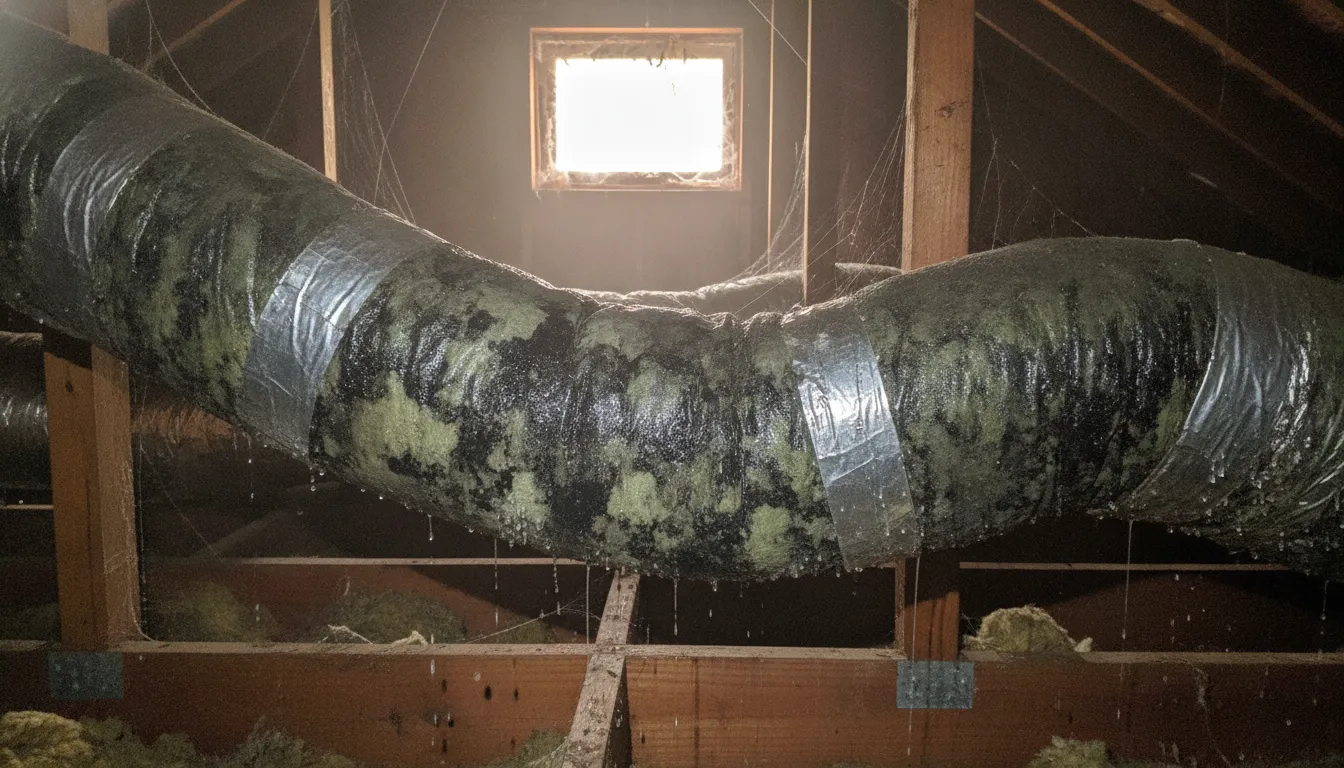
In Florida, humidity is always a factor. When your cool ductwork runs through a hot, unconditioned space like a garage or attic, condensation will form on its surface. This "sweating" can lead to water damage, rust, and mold growth. That’s why any ducts in these areas must be insulated. While traditional insulation wraps work, they can look bulky. For a cleaner aesthetic, you might consider pre-insulated phenolic ductwork, which has insulation built-in for a sleek, modern finish. Proper insulation is one of the best ways to protect your home’s indoor air quality and prevent moisture-related problems before they start.
Paint and Finish Without Affecting Performance
One of the best parts of exposed ductwork is the ability to customize it. You can paint your ducts to match your ceiling for a subtle look or choose a bold color to make them a statement piece. If you decide to paint, make sure the surface is clean and prepped correctly. It’s best to use a paint system designed for metal ductwork to ensure it adheres properly and doesn’t flake or chip. Professional coating systems can even be color-matched to fit your exact design scheme. When you work with technicians who value craftsmanship, like our team at 5 Star Air, you can trust that the finish will look great without interfering with your system’s performance.
Keep Ducts Clean and Monitor for Mold
Just like any other surface in your home, exposed ducts will collect dust. The good news is they are much easier to clean than hidden ducts. A quick wipe-down with a damp cloth or a pass with a duster is usually all it takes. Ducts with a smooth, non-fibrous surface are ideal because they don’t trap particles and are simple to maintain. While cleaning, take a moment to inspect the ducts for any signs of moisture or discoloration, which could indicate a leak or the beginning of mold growth. If you spot anything concerning, it’s wise to schedule a professional duct sanitization to address the issue right away.
Schedule Professional Air Quality Inspections
While you can handle the day-to-day cleaning, having a professional inspect your ductwork annually is a smart move. An expert can spot subtle issues you might miss, like tiny air leaks, failing seals, or early signs of corrosion. They can also check that the airflow is balanced and that your system is running at peak efficiency. Regular professional air conditioning maintenance not only extends the life of your HVAC system but also ensures the air you breathe is clean and healthy. A technician can offer advice tailored to your specific system, helping you maintain its look and function for the long haul.
Exposed or Concealed: Which Is Right for You?
Deciding whether to show off your ductwork or hide it away is a big part of planning your home’s comfort and style. There’s no single right answer, but understanding your options will help you make a choice you love. It’s about balancing the look you want with the practical needs of your HVAC system. Let’s walk through the key things to consider so you can feel confident in your decision.
Factors to Help You Decide
The first thing to think about is your home's overall style. Exposed ductwork can make a space feel unique and full of character, especially in homes with industrial, urban, or modern loft designs. If you love that open, architectural feel, leaving your ducts visible might be the perfect fit. On the other hand, if your style is more traditional or classic, you might prefer the clean lines that come with concealed ducts. Also, consider your ceiling height. Exposed ducts can make low ceilings feel even lower, while hiding them can create a more spacious, uncluttered feeling.
Tips for an Intentional Exposed Look
If you decide to go with an exposed look, the key is to be intentional. This isn’t just about leaving your standard metal ducts bare; it’s about making them a design feature. You can use special, paint-ready ductwork that can be colored to match or accent your room’s palette. There are even durable powder coatings available that give your ducts a sleek, finished look while protecting them. The goal is to make it clear that the exposed ducts are a deliberate choice, contributing to a cohesive aesthetic while maintaining great indoor air quality.
Smart Options for Hiding Ductwork
Prefer to keep your ductwork out of sight? You have plenty of clever options that go beyond a basic drop ceiling. A common and effective method is to build a drywall "box" or bulkhead around the ducts, which can be painted to blend seamlessly with your ceiling or walls. In kitchens, you can run ducts along the top of your cabinets and hide them with decorative crown molding for a clean, integrated look. These solutions are often part of a new air conditioning installation and can be designed to look like they were always part of your home’s architecture.
When to Call an HVAC Professional
Whether you choose an exposed or concealed design, modifying your ductwork is a job for a professional. It’s much more than just a cosmetic update. Your duct system is precisely designed to manage airflow and static pressure, and any changes can throw the whole system off balance. An improperly sized or installed duct run can lead to poor airflow, hot and cold spots, and an overworked AC unit. To make sure your system performs efficiently and keeps you comfortable, get in touch with our team. We can help you design a solution that looks great and works perfectly.
Related Articles
- HVAC Tips & Insights Blog - Expert Advice from 5 Star Air
- Prepare Your HVAC for a Florida Summer
- 5 Signs Your AC Needs Repair
Frequently Asked Questions
Is choosing exposed ductwork more expensive than hiding it? The cost can vary quite a bit. In some cases, leaving ducts exposed can save money on the labor and materials needed to build drywall enclosures. However, if you choose premium options like spiral ducts, stainless steel materials, or custom powder-coat finishes, the cost can be higher than a standard hidden system. The best way to get a clear picture is to discuss your design ideas and budget during a professional consultation.
I'm worried about noise. Will I hear air rushing through the ducts all the time? A properly designed system should not be loud. While you might be aware of a gentle hum when the system is running, it shouldn't be distracting at all. Any loud rattling, whistling, or roaring sounds are typically a sign of a problem, such as incorrect duct sizing or an airflow imbalance. A professional installation includes measures to minimize sound, so you can enjoy the style without the noise.
Will exposed ductwork make my energy bills higher? Not if the system is installed correctly. The keys to efficiency are making sure every single joint is perfectly sealed to prevent air leaks and that the ducts are properly insulated, which is essential in Florida's climate. When installed by a professional, an exposed system can be just as efficient as a concealed one. Plus, their easy access makes it simpler to spot and fix any potential leaks down the road.
My home already has exposed ducts, but they look old and messy. What can I do? You have some great options for a refresh. The first step is a thorough professional cleaning to get rid of any built-up dust and grime. From there, a new coat of paint can completely transform their look. You could paint them to blend in with your ceiling for a subtle, textured look or choose a contrasting color like matte black to make them a deliberate design feature.
Do I need to clean exposed ducts more often than hidden ones? Exposed ducts don't get dirtier than hidden ones, but you will notice the dust on them more easily. The great part is that cleaning them is much simpler. A quick wipe-down with a damp cloth or a pass with an extension duster is usually all it takes to keep them looking fresh. This easy maintenance also helps you keep an eye on your system and spot any potential issues early.