How to Fix AC Not Cooling: A Homeowner's Guide

Before you pick up the phone for a potentially expensive service call, spending a few minutes troubleshooting can save you both time and money. Many times, an air conditioner that isn't cooling is suffering from a minor issue that you can easily resolve on your own. Think of this as your pre-call checklist—a series of simple inspections that can pinpoint the problem right away. From dirty filters to incorrect thermostat settings, we’ll cover the basics that every homeowner should know. This guide on how to fix ac not cooling will empower you to handle the small stuff and recognize when you truly need an expert’s help.
Key Takeaways
- Master the DIY basics first: Before you panic, always check the simple things. Make sure your thermostat is set to cool, replace a dirty air filter, and reset the circuit breaker to see if that solves the problem.
- Good airflow is non-negotiable: Your AC can't cool your home if it can't breathe. Regularly clear debris from around your outdoor unit and ensure your indoor vents are open and not blocked by furniture or rugs.
- Know the signs that require a pro: Issues like ice on your indoor coils, a suspected refrigerant leak, or electrical problems are not DIY jobs. Recognizing these red flags and calling for professional help will save you time and prevent more expensive damage.
Why Isn't My AC Cooling? 5 Common Culprits
When your AC stops blowing cold air on a sweltering Florida day, it feels like a crisis. But before you panic, a few common issues are often to blame. Understanding what might be wrong is the first step toward getting that cool, comfortable air flowing again. Let's walk through the top five reasons your AC might not be cooling your home, so you can figure out your next steps. Some of these are simple checks you can do yourself, while others are clear signs it’s time to call in a pro.
Clogged Air Filters
Your AC’s air filter is its first line of defense, trapping dust, pollen, and other particles. When it gets too full, it can cause a surprising number of problems. A clogged air filter stops cold air from flowing through your system and into your home. This restriction not only makes your AC less effective but also forces it to work much harder, driving up your energy bills. In some cases, the lack of airflow can even cause the indoor evaporator coils to freeze over, completely halting the cooling process. Checking your air filter is a simple but crucial step in any AC troubleshooting.
Thermostat Glitches
Sometimes the problem isn't with your AC unit at all, but with the device that tells it what to do. It might sound too simple, but a quick check of your thermostat can save you a lot of headaches. First, make sure it’s set to “cool” and not accidentally switched to “heat,” “fan,” or “off.” Next, check the temperature setting to ensure it’s lower than the current room temperature. Many modern thermostats are battery-powered, so if the screen is blank or unresponsive, a fresh set of batteries might be all you need to get your system running again.
Refrigerant Leaks
Refrigerant is the essential substance that circulates through your AC system to absorb heat from inside your home and release it outside. If your system develops a leak, it won't have enough refrigerant to cool the air effectively. You might notice your AC is running longer than usual but not cooling well. This is a serious issue because, besides the lack of cooling, a leak can cause expensive damage to the compressor. Handling refrigerant requires special tools and certification, so if you suspect a leak, it’s time to call for professional air conditioning repair.
A Blocked Outdoor Unit
Your air conditioning system has two main parts: an indoor unit and an outdoor unit. The outdoor unit, or condenser, is responsible for releasing the heat that was removed from your home. To do this, it needs plenty of clear space for air to circulate. If the unit is covered in leaves, dirt, or grass clippings, or if bushes are growing too close to it, it can't get rid of heat properly. This forces the system to work inefficiently and struggle to cool your home. A quick visual inspection can tell you if your outdoor unit needs a good cleaning.
Electrical Issues
Like any major appliance, your air conditioner relies on a steady electrical connection to function. A simple tripped circuit breaker is a common reason for an AC to stop working suddenly. You should also check the outdoor electrical disconnect, which is usually in a small box on the wall near the condenser unit, to make sure the switch is in the "on" position. If you’ve checked these and the unit still won’t power on, or if you notice flickering lights when it tries to start, you could have a more serious electrical problem that requires immediate attention from a qualified technician.
Your Pre-Call AC Troubleshooting Checklist
Before you pick up the phone, running through a few quick checks can sometimes save you a service call—and the cost that comes with it. Think of this as your pre-call checklist for your AC. These simple steps can often pinpoint the problem, and you might even find a solution you can handle yourself. It only takes a few minutes to walk through these common culprits, and it will give you valuable information to share with a technician if you do end up needing to make a call. Let's get started.
Check Your Thermostat Settings
It might sound too simple to be true, but you’d be surprised how often a thermostat setting is the source of the problem. First, make sure your thermostat is set to “cool.” Sometimes it can get accidentally switched to “heat” or “fan.” Next, check the temperature setting. For the AC to kick on, the set temperature needs to be lower than the current temperature in your home. If the screen is blank, the batteries might be dead, so try replacing them. A quick adjustment here is often all it takes to get cool air flowing again.
Inspect Your Air Filters and Vents
A clogged air filter is one of the most common reasons an AC system struggles. A dirty filter restricts airflow, forcing your system to work harder and preventing it from cooling your home effectively. Before you do anything else, turn off your AC system. Then, locate and check your air filter. If it’s covered in dust and debris, it’s time to clean or replace it. While you’re at it, do a quick walk-through of your home and make sure all the air vents are open and not blocked by furniture, rugs, or curtains. Proper airflow is essential for regular AC maintenance and efficient cooling.
Examine the Outdoor Unit
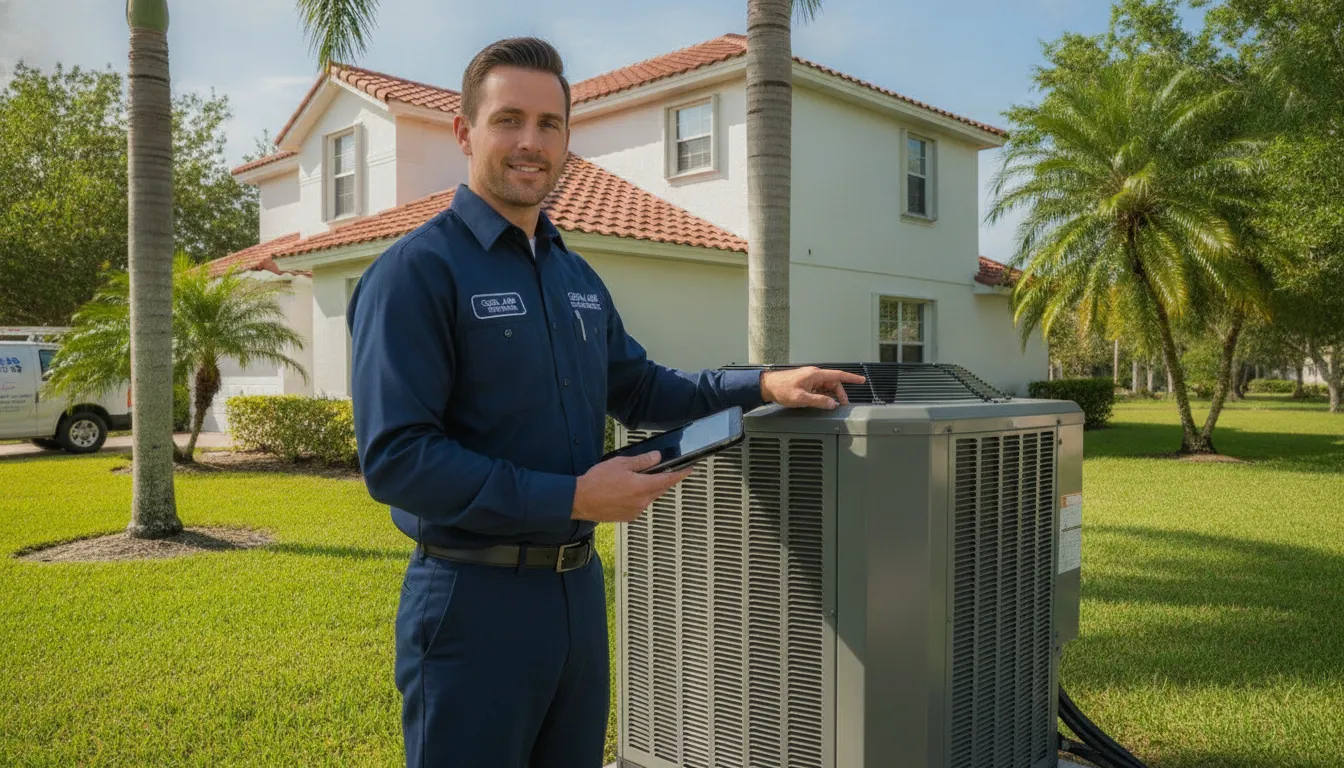
Your air conditioner has an outdoor unit (the condenser) that works hard to release heat from your home. For it to do its job, it needs to be able to breathe. Head outside and take a look at the unit. Is it surrounded by overgrown bushes, weeds, or grass clippings? Are leaves, dirt, or other debris piled up against the sides? This can block airflow and cause the system to overheat and stop cooling. Gently clear away any debris from the top and sides, making sure there are at least two feet of clear space around the entire unit.
Test the Circuit Breakers
Like any major appliance, your air conditioner is connected to a dedicated circuit in your home’s electrical panel. If that circuit trips, it will cut power to the unit. Find your breaker box and look for the switch labeled for your AC or air handler. If it’s in the “off” position or stuck in the middle, flip it completely off and then back on again. This will reset the circuit. If the breaker trips again right away, don’t keep resetting it. This indicates a deeper electrical problem that requires professional AC repair.
Look for Ice on the Coils
Ice buildup on your AC coils is a clear sign that something is wrong. You’ll want to check the indoor unit’s evaporator coil, which is typically located inside the air handler. If you see a layer of frost or solid ice, it’s usually caused by restricted airflow from a dirty filter or low refrigerant levels. First, turn off the AC to let the ice melt completely, as running it while frozen can damage the compressor. You can also turn on the fan to help speed up the thawing process. Once it’s thawed, check your air filter. If a clean filter doesn’t solve the problem, you likely have a refrigerant leak that needs an expert’s touch.
Simple DIY Fixes for a Cooler Home
Before you pick up the phone, there are a few simple checks you can perform yourself. These quick fixes can often resolve common cooling issues and save you the time and expense of a service call. Let's walk through some easy troubleshooting steps you can take right now to see if you can get that cool air flowing again.
Replace or Clean the Air Filters
This is the number one thing to check, and luckily, it’s the easiest to fix. Your AC system needs to breathe, and a dirty filter is like trying to run a marathon while breathing through a straw. A clogged air filter stops cold air from flowing and can even cause the inside coils to freeze over, leading to bigger problems. Find your filter (usually in a slot near your indoor air handler), slide it out, and hold it up to the light. If you can't see light through it, it's time for a change. Replace it with a new one or clean it according to the manufacturer's instructions if it's reusable. We recommend checking it every month, especially during our long Florida summers.
Clear Debris From Your Outdoor Unit
Your AC system has two main parts: one inside and one outside. The outdoor unit, or condenser, is responsible for releasing the heat pulled from your home. If the outdoor part of your AC is covered in leaves or dirt, it can't properly get rid of that hot air. For your safety, start by turning off the power to the unit at your home's breaker box. Then, gently clear away any leaves, grass clippings, or branches from the top and sides. You want to have at least two feet of clear space all the way around it. While you can do this surface-level cleaning yourself, a professional air conditioning maintenance visit includes a deeper, more thorough cleaning of the coils.
Make Sure Air Can Flow Freely
This might sound obvious, but you’d be surprised how often a piece of furniture is the secret culprit behind a warm room. Your AC system relies on a balanced flow of air to work efficiently. Take a quick walk through your home and make sure all the air vents in your house are open and not blocked by furniture, rugs, or curtains. This includes both the supply vents (where cool air blows out) and the larger return vents (where air is sucked back into the system). Proper airflow is critical, so giving your vents some breathing room can make a significant difference in your home’s comfort.
Reset Your AC System
Sometimes, your air conditioner just needs a quick reboot, just like a computer. A minor power surge or a temporary glitch can cause the system’s internal safety controls to trip. You can try resetting your central AC by turning off its power at your home's breaker box. Find the breaker labeled "AC," "Air Conditioner," or "HVAC" and flip it to the "Off" position. Wait for about five minutes to let the internal circuits fully reset, then flip it back on. If your AC still isn't cooling after the reset, it’s a sign that a more complex issue is at play, and it's time to call for professional air conditioning repair.
Seal Obvious Duct Leaks
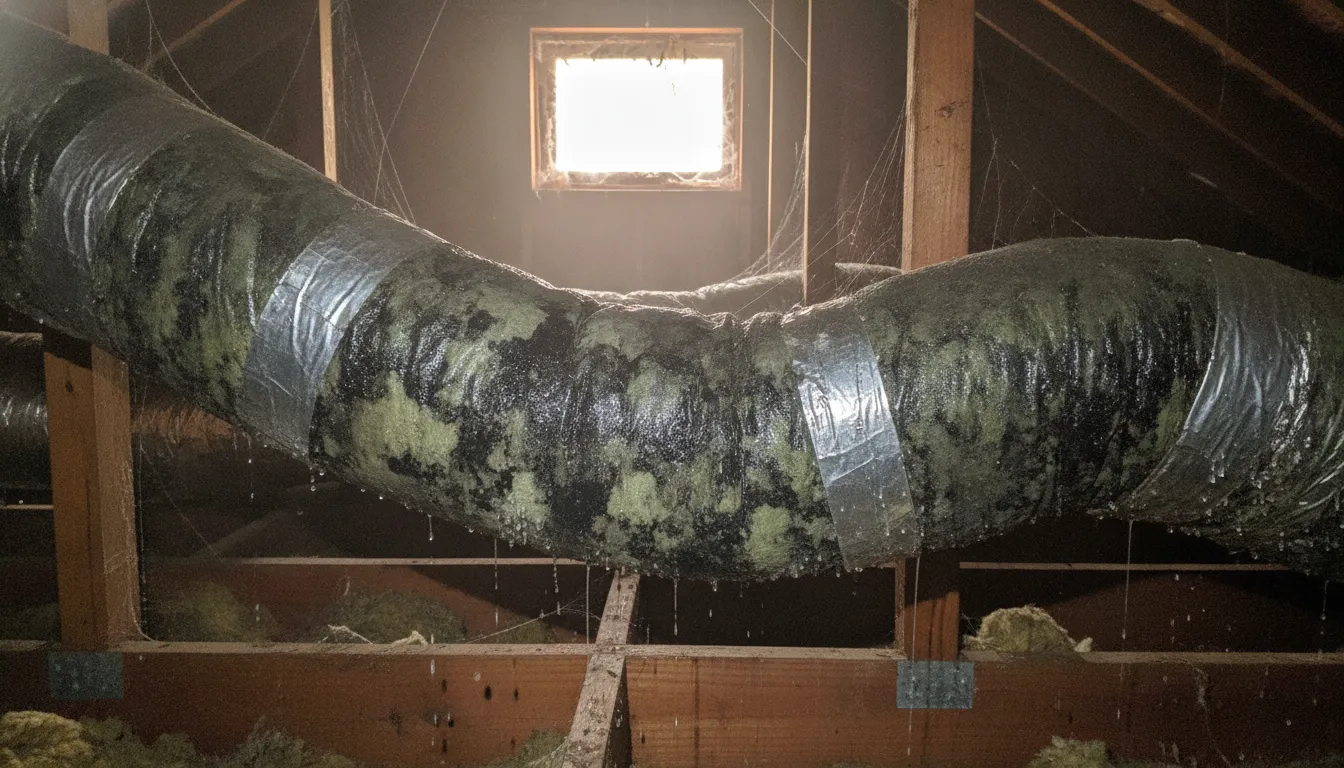
Your ductwork is the highway that carries cool air from your AC unit to every room in your house. If that highway has potholes, you’re losing a lot of that precious cool air before it ever reaches you. Leaky ducts can lose a lot of cool air, forcing your system to work harder and driving up your energy bills. If you can safely access your attic or crawlspace, take a look at the visible ductwork. Look for any tears, gaps, or places where ducts might be disconnected. You can patch small, obvious leaks with mastic sealant or foil tape from a hardware store. However, if you find major issues, it’s best to call in the pros for duct sanitization and replacement.
AC Running But Not Cooling? Here's Why.
It’s one of the most frustrating feelings: your air conditioner is humming away, the fan is blowing, but your home is still uncomfortably warm. If you’ve already checked the basics like your thermostat and circuit breaker, it’s time to look at some of the deeper issues that can prevent your system from cooling properly. When your AC runs but doesn't cool, it's not just a comfort problem—it's a sign that a component is failing or struggling, which can lead to higher energy bills and more expensive repairs down the road. Understanding these common culprits can help you figure out your next steps and know when it’s time to call for professional help.
Poor Airflow
Think of your AC system like your own respiratory system—it needs to breathe freely to work. When airflow is restricted, the cold air your unit produces gets trapped inside. The most common cause is a dirty, clogged air filter. A filter packed with dust and debris physically blocks air from passing through, which can eventually cause the indoor evaporator coils to get so cold they freeze over. You might also have blocked or closed vents in some rooms or even obstructions in your ductwork. Ensuring clear pathways for air is essential for your system to cool your home effectively. If you suspect the problem is deeper than a filter, a professional duct inspection can identify any hidden blockages.
Low Refrigerant Levels
Refrigerant is the lifeblood of your air conditioner; it’s the chemical compound that absorbs heat from your indoor air and releases it outside. If your system is low on refrigerant, it’s not because it "used it up"—it’s because there's a leak somewhere. A refrigerant leak means your AC won't cool well, will have to run much longer to try and keep up, and can cause serious damage to the compressor, which is the heart of the system. This is not a DIY fix. Handling refrigerant requires special certification and tools. If you hear a hissing sound or notice your system isn't cooling like it used to, it's time to schedule a professional AC repair to find and fix the leak.
Dirty Condenser Coils
Your AC system has two main parts: an indoor unit and an outdoor unit. The outdoor unit, or condenser, is responsible for releasing all the heat it pulled from your house. Its coils are exposed to the elements, and over time they can get caked with dirt, grass clippings, leaves, and other debris. When the condenser coils are dirty, your AC can't get rid of heat efficiently. The system will run and run, trying to cool your home, but it's fighting a losing battle. You can gently rinse the outside of your unit with a hose, but for a deep and safe cleaning, it's best to have it done during a routine AC maintenance appointment.
An Improperly Sized System
Sometimes, the problem isn't a malfunction but a miscalculation. An air conditioner needs to be correctly sized for your home's specific needs, including its square footage, insulation, and sun exposure. If your AC is too small, it will constantly struggle to keep up, especially during the peak heat of a Florida summer. It will run nonstop without ever reaching the temperature you set on the thermostat. This is often an issue in homes where a replacement unit was installed without a proper assessment. A professional technician can perform a load calculation to determine if your system is the right size or if you need a new air conditioning installation to cool your home efficiently.
Frozen Evaporator Coils
It seems strange that an AC could get too cold, but it happens. The evaporator coil is the part of your indoor unit that gets cold and absorbs heat from the air. If something goes wrong—usually poor airflow from a clogged filter or low refrigerant—the coil can drop below freezing, and the condensation on it will turn to ice. You might see frost on the refrigerant lines or notice water leaking from the unit as the ice melts. A frozen coil completely blocks airflow, so even though the system is running, no cool air can get out. If you see ice, turn your AC off to let it thaw and call a technician to fix the underlying cause.
Know When to Call a Pro for AC Repair
While rolling up your sleeves and tackling home repairs can be empowering, some jobs are best left to the experts, especially when it comes to your AC. Trying to fix complex issues without the right tools or training can lead to bigger problems, more expensive repairs, or even safety hazards. If you’ve run through the basic troubleshooting checklist and your home still feels like a sauna, it’s time to put down the tools and pick up the phone. Recognizing the signs that you’re out of your depth is key to getting your cool air back quickly and safely. A professional technician can diagnose the root cause accurately and ensure the job is done right the first time.
Warning Signs You Can't Ignore
Sometimes your air conditioner sends clear signals that it needs professional help. If you see a layer of frost or ice on the indoor evaporator coil, that’s a major red flag. This often points to issues with airflow or refrigerant levels that require an expert diagnosis. Another tell-tale sign is when your AC only seems to work on its highest setting, or if it runs constantly but never actually cools your home. After you’ve tried the simple DIY fixes like changing the filter and checking the thermostat, persistent cooling problems mean it’s time to schedule a professional air conditioning repair. Ignoring these warnings can turn a small issue into a complete system failure.
If You Suspect a Refrigerant Leak
Refrigerant is the lifeblood of your air conditioner, and a leak is a serious problem. If your system is low on refrigerant, it won’t be able to cool your home effectively. You might notice your AC isn’t blowing cold air, or you may even hear a hissing sound near the unit. While it might be tempting to use a "stop leak" product, these are temporary fixes at best and don't address the underlying problem. A refrigerant leak needs to be located and properly repaired by a licensed technician who can also safely handle the chemical. Continuing to run an AC with a leak can severely damage the compressor, leading to one of the most expensive repairs you can face.
Spotting Electrical and Safety Hazards
When it comes to your AC, any electrical issue is a hands-off situation for a homeowner. While you can safely check your circuit breaker and the outdoor electrical disconnect switch, anything more is a job for a pro. If you open the panel on your outdoor unit and see burnt wires, melted plastic, or blackened contacts, close it up immediately and call for help. These are signs of serious electrical problems that pose a significant fire risk. Don’t try to fix it yourself. Our team is equipped to handle these situations safely and can provide emergency AC services to get your system running without putting your home or family at risk.
Dealing with Major Part Failures
Some of the most critical components of your AC system, like the compressor or the fan motor, are complex and difficult to replace. The compressor, located in the outdoor unit, is the heart of your system. If it fails, the fan might still run, but the air coming from your vents won't be cold. Diagnosing and replacing a bad compressor is a major job that requires specialized tools and knowledge. Poking around without knowing what you’re doing can cause further damage. If you suspect a major part has failed, your best move is to call for a professional diagnosis. We can help you determine if a repair is possible or if a full AC replacement is the more cost-effective solution.
How to Prevent Future Cooling Problems
An ounce of prevention is worth a pound of cure, especially when it comes to your air conditioner in the Florida heat. Staying ahead of potential issues not only saves you from a sweltering home but also helps you avoid unexpected repair bills. By incorporating a few simple habits into your routine, you can keep your AC running smoothly and efficiently all year long. These proactive steps are your best defense against a system breakdown when you need it most.
Change Your Filters Monthly
This is one of the easiest and most impactful things you can do for your AC system. Think of your air filter as the lungs of your unit; if it gets clogged with dust, pet dander, and other particles, your system can't breathe. A dirty filter restricts airflow, forcing your AC to work much harder to cool your home. This strain can lead to reduced efficiency, higher energy bills, and even cause the indoor coils to freeze over. Set a recurring reminder on your phone to check your filter every month and replace it when it’s dirty. It’s a five-minute task that can save you a major headache.
Keep Your Outdoor Unit Clear
Your outdoor AC unit, the condenser, works by releasing the heat pulled from inside your home. To do this effectively, it needs plenty of space for air to circulate. In Florida, it’s easy for landscaping, palm fronds, and leaves to build up around the unit. When the condenser is covered in debris, it can't get rid of heat properly, which seriously hinders its cooling power. Make it a habit to walk around your unit and clear away any obstructions. Trim back bushes and plants to maintain at least two feet of clearance on all sides for optimal performance.
Schedule Annual Professional Tune-Ups
You wouldn't skip an oil change for your car, and your AC needs the same kind of regular care. Scheduling a professional tune-up once a year is essential for catching small problems before they become big, expensive ones. During a maintenance visit, a technician will clean the coils, check refrigerant levels, test electrical components, and ensure the whole system is running safely and efficiently. This annual check-up not only helps prevent surprise breakdowns but also extends the lifespan of your unit. Investing in regular air conditioning maintenance is one of the smartest ways to protect your system.
Maintain Your Ductwork and Vents
Your ductwork is the delivery system for all that wonderful cool air. If you have leaks, gaps, or disconnected sections, a significant amount of that air can escape into your attic or crawlspace instead of cooling your rooms. This forces your AC to run longer to reach the temperature on your thermostat, wasting energy and money. Take a moment to visually inspect the vents in each room to ensure they are open and unblocked by furniture or rugs. While you can seal obvious duct leaks with mastic tape, a professional can perform a more thorough inspection to ensure your ductwork is airtight.
Manage Your Home's Humidity
Here in Florida, the humidity can be just as uncomfortable as the heat. A key function of your air conditioner is to remove moisture from the air, which is why you feel that cool, dry relief when it kicks on. If your home still feels sticky or damp even when the AC is running, it might be struggling to manage the humidity. High humidity makes the air feel warmer than it actually is. This can be a sign of an improperly sized unit or other issues. Improving your home’s indoor air quality with solutions like a whole-home dehumidifier can make a huge difference in your overall comfort.
How Your Air Conditioner Actually Works
It can feel like magic when cool air starts flowing on a hot Florida day, but your AC system is a straightforward piece of machinery. Understanding the key players in your home's cooling system helps you identify what might be going wrong when things heat up. Think of it as a quick anatomy lesson for your AC—knowing the parts and their jobs makes troubleshooting much less intimidating. Your system is a team of components working together, and when one part falters, the whole team feels it.
At its core, your air conditioner doesn't create cold; it moves heat. It pulls warmth from the air inside your house and transfers it outside, leaving cooler air behind. This process involves a partnership between an indoor unit, an outdoor unit, a special chemical called refrigerant, a network of ducts, and the thermostat that acts as the brain of the whole operation. Getting familiar with these parts will not only demystify your system but also empower you to spot small issues before they become big, expensive problems. Let's break down how each component contributes to keeping your home a cool oasis from the Florida heat.
The Indoor and Outdoor Units
Most homes have a "split system," which means your air conditioner is made of two main units: one inside and one outside. The indoor unit, often called the air handler, is usually tucked away in a closet, attic, or garage. Its job is to pull in warm air from your house, move it over cold coils, and then blow the newly chilled air back into your rooms. The outdoor unit, or condenser, is the metal box you see in your yard. Its primary role is to release all the heat that was collected from inside your home out into the air. These two units are in constant communication to keep your home comfortable.
Refrigerant Lines and Coils
The secret ingredient that makes cooling possible is a chemical called refrigerant. This substance flows through a closed loop of copper tubing that connects your indoor and outdoor units. Inside, the refrigerant absorbs heat from your home's air as it passes over the evaporator coil, causing the refrigerant to turn from a liquid to a gas. This gas then travels to the outdoor unit, where the condenser coil and a compressor work to release the heat, turning the refrigerant back into a liquid. If this cycle is interrupted by low refrigerant, it almost always signals a leak that needs professional air conditioning repair.
Your Home's Ductwork
Think of your ductwork as the highway system for cool air. After the indoor unit chills the air, the ducts are responsible for distributing it evenly throughout your home. If these pathways have leaks, cracks, or blockages, that precious cool air can escape into your attic or walls instead of reaching your living spaces. This not only creates hot spots in your house but also wastes energy and drives up your utility bills. Properly sealed and clean ducts are essential for both comfort and good indoor air quality, ensuring the air you breathe is fresh and cool.
The Thermostat and Controls
The thermostat is the brain of your entire cooling operation. It constantly reads the temperature in your home and tells the air conditioner when to turn on and off to maintain your desired setting. While it’s a small device, it has a huge impact. Sometimes, what seems like a major AC failure is just a simple thermostat issue—like incorrect settings, dead batteries, or a faulty connection. That’s why checking your thermostat is always one of the first steps in troubleshooting. It’s the command center, and if it isn’t giving the right orders, your AC system won’t know what to do.
What to Do in an AC Emergency
An AC breakdown in the middle of a Florida summer feels like a true crisis. The heat and humidity can become unbearable in minutes. Before you panic, know that there are a few things you can do right away to assess the situation and keep your cool while you figure out the next steps. Taking a calm, methodical approach can help you identify a simple fix or, at the very least, make the wait for a professional more comfortable.
First Steps When Your AC Fails
When your AC suddenly quits, a few simple checks can sometimes solve the problem without a service call. First, take a look at your thermostat. Make sure it’s set to “cool” and the temperature is set lower than the current room temperature. If it's battery-powered, try swapping in fresh batteries. Next, head to your electrical panel and check the circuit breaker for the AC unit; if it’s tripped, reset it once. Finally, a severely clogged air filter can restrict airflow and shut the system down. If these steps don't work, it's likely time for a professional air conditioning repair.
Temporary Ways to Stay Cool
While you're waiting for your AC to be fixed, your immediate priority is to keep your home—and yourself—as cool as possible. Start by blocking out the sun. Close your blinds and curtains, especially on windows that face south and west. Next, get some air moving. Ceiling fans and portable fans won't lower the room's temperature, but the wind-chill effect will make you feel much cooler. And don't forget to take care of yourself. Drink plenty of water and follow other tips for preventing heat-related illness to help your body regulate its temperature.
Finding a Reliable Emergency AC Service
When a DIY fix isn't enough, you need a professional you can trust, fast. Start by asking friends or neighbors for recommendations. A personal referral is often the best way to find a great technician. You should also check online reviews on sites like Google to see what other customers are saying. When you call a company, don't be afraid to ask if they are licensed and insured. A reputable company will have no problem providing this information. Choosing a team with a proven track record ensures your emergency AC service is handled safely and effectively, getting your home comfortable again without any added stress.
Frequently Asked Questions
How often should I really change my air filter here in Florida? Because our air conditioners run almost constantly, checking your filter once a month is a great rule of thumb. The high humidity and long cooling season mean your system is pulling a lot of air—and a lot of dust and allergens—through that filter every day. If you have pets or live in a particularly dusty area, you might even need to change it more frequently. A clean filter is truly the easiest way to keep your system healthy and your air clean.
My AC is blowing air, but it's not cold. What's the very first thing I should check? Before you do anything else, walk over to your thermostat. It sounds incredibly simple, but you'd be surprised how often the settings are the culprit. Make sure it’s set to "cool" and that the temperature is set at least a few degrees lower than the current room temperature. If that doesn't work, your next stop should be checking for a dirty air filter, as a clog there can stop the whole cooling process.
Is it safe for me to clean my outdoor AC unit myself? You can absolutely do some light cleaning to help your system breathe easier. It's perfectly safe to turn off the power to the unit at the breaker and gently clear away any leaves, grass clippings, or branches that are blocking the sides. You can also use a garden hose on a gentle setting to rinse dirt off the outer fins. However, for a deep, internal cleaning of the coils and components, it's best to leave that to a professional during a maintenance visit to avoid causing any damage.
I see ice on my indoor AC unit. Can I just let it melt and turn it back on? Seeing ice is a clear signal that something is wrong with your system. While you should turn the AC off to let the ice thaw completely, simply turning it back on won't fix the root cause. Ice buildup is usually caused by a lack of airflow from a clogged filter or a low refrigerant level, which indicates a leak. If you restart the system without addressing the underlying issue, the ice will just come back and could cause serious damage to your compressor.
Could a problem with my AC be the reason my electric bill suddenly went up? Yes, absolutely. Your air conditioner is one of the biggest energy consumers in your home, and a sudden spike in your bill is often one of the first signs that it's struggling. When a component isn't working correctly—like a dirty filter, blocked coils, or a refrigerant leak—the system has to run much longer and work harder to cool your home. This extra effort translates directly into higher energy consumption and a more expensive bill.