How to Fix a Central Air Unit: A DIY Checklist
Your AC unit has its own way of telling you something is wrong, whether it’s making a strange new noise, producing an odd smell, or simply failing to keep your home cool. Ignoring these warning signs can turn a small, fixable issue into a major system failure. Paying attention to these clues is the first step in becoming a more empowered homeowner. This guide will help you translate what your AC is trying to tell you and walk you through the initial steps for how to fix central air unit problems. We’ll cover the most common symptoms and give you a clear, actionable plan to follow before you need to call in the professionals.
Key Takeaways
- Troubleshoot Before You Call: Many AC issues can be resolved without a service call. Always check the basics first, including your air filter, thermostat settings, and circuit breaker, before assuming a major problem.
- Prioritize Simple Upkeep: Consistent maintenance is the key to an efficient system. Regularly changing your air filter and keeping the outdoor unit clear of debris are simple habits that prevent larger issues and keep your AC running smoothly.
- Know the Professional Red Flags: Certain symptoms are clear signs to call for expert help. For your safety, leave issues like burning smells, refrigerant leaks, or complex electrical problems to a licensed technician.
Is Your AC Trying to Tell You Something? Common Warning Signs
Your air conditioner can't talk, but it has its own ways of telling you something is wrong. Ignoring these signals can lead to bigger, more expensive problems, especially during a Florida summer. Paying attention to changes in your AC's performance, sounds, and even smells can help you catch issues early. Think of it as a wellness check for your home's most important appliance. When you start to notice little quirks, like a new noise or less-than-chilly air, it’s easy to just cross your fingers and hope it goes away. But these are often the first signs of trouble. Catching them early not only saves you from a sweltering home but can also prevent a small fix from turning into a full system replacement. Let's walk through some of the most common warning signs that your central air unit needs a little attention.
Your Home Isn't Cooling Down
There’s nothing more frustrating than your AC running full blast while your home still feels like a sauna. If your system is blowing air, but it’s not cold, you have a problem. This could be caused by something simple, like a clogged air filter restricting airflow, or it might be a more complex issue like a refrigerant leak. While some problems are simple fixes you can handle yourself, others require an expert. If you’ve checked the basics and are still sweating it out, it’s time to schedule a professional air conditioning repair to diagnose the root cause and get your cool air flowing again.
Hearing Strange Noises or Smelling Odors
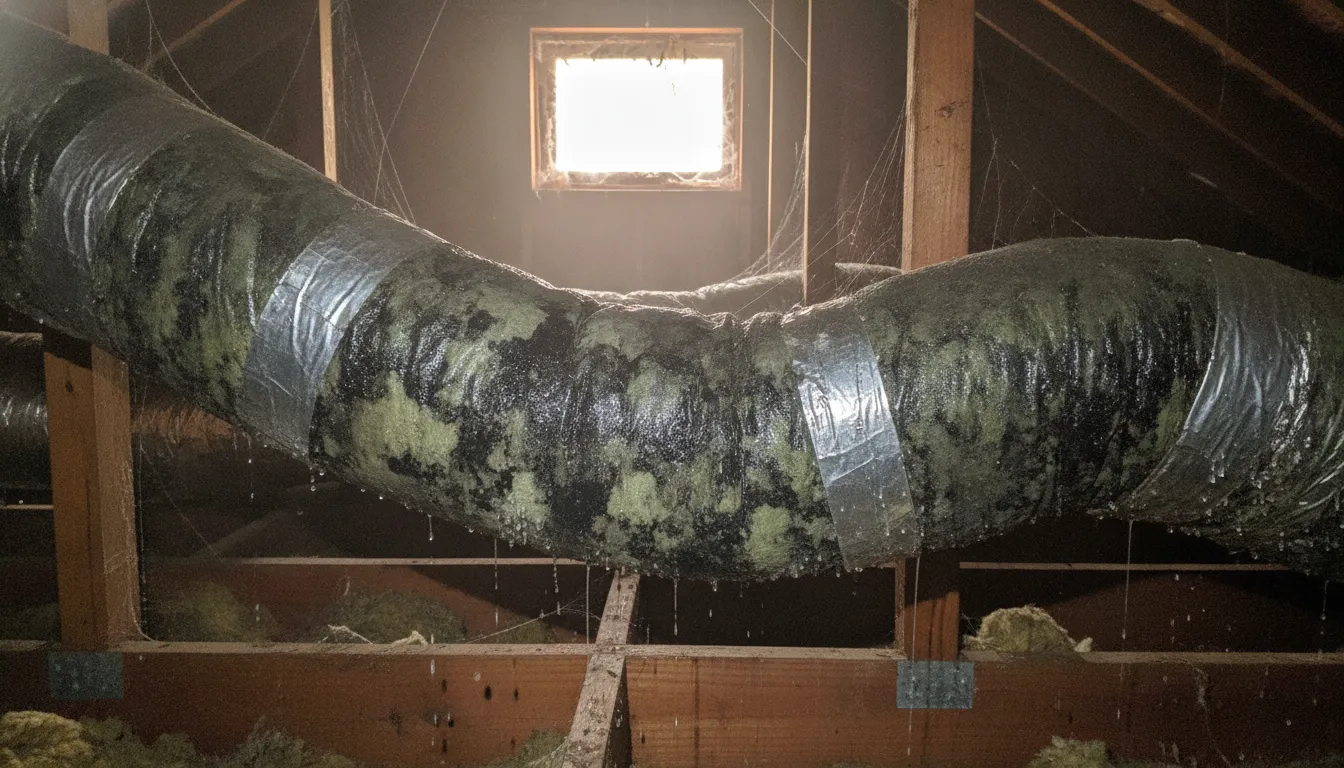
Your AC unit should be relatively quiet, so any new or unusual sounds are a red flag. Grinding, squealing, or clanking noises often point to mechanical problems, like a failing motor or a loose part. A hissing sound could signal a refrigerant leak. Similarly, strange odors are a cause for concern. A musty smell might mean you have mold or mildew in your ductwork, which can affect your indoor air quality. A burning smell is a serious warning sign of an electrical issue that needs immediate attention. Don't ignore these sensory clues; turn off your system and call for help right away.
The AC Constantly Turns On and Off
Does your air conditioner turn on for a few minutes, shut off, and then repeat the cycle over and over? This is called short cycling, and it’s a major sign of trouble. Not only does it drive up your energy bills, but it also puts excessive wear and tear on your system's components, leading to premature failure. Short cycling can be caused by a clogged filter, an oversized AC unit for your space, or low refrigerant levels. It can also be linked to electrical problems. If your circuit breaker trips every time the AC kicks on, you likely have a serious electrical issue that requires a professional technician to resolve safely.
You've Spotted Ice or Water Leaks
Finding ice on your AC unit or a puddle of water nearby is never a good sign. Ice buildup on the evaporator coils is usually caused by poor airflow (hello, dirty filter!) or low refrigerant. Letting it continue can seriously damage your compressor. Water leaking around your indoor unit often means you have a clogged condensate drain line. This pipe is supposed to carry condensation away from your unit, but when it gets blocked with algae or debris, the water backs up and spills out. Regular air conditioning maintenance can prevent these clogs and keep your system running smoothly and leak-free.
What to Check Before You Call for Help
When your AC stops working on a hot Florida day, it’s easy to feel a little stressed. But before you pick up the phone, a few simple checks can often solve the problem right away, saving you time and the cost of a service call. Here are four key things to look at before you call in the experts.
Check the Air Filter
A dirty air filter is one of the most common causes of AC trouble. It suffocates your system, forcing it to work harder to pull in air, which reduces cooling power and can cause the unit to overheat. Pull out your filter and hold it up to a light; if you can’t see much light passing through, it’s time for a change. Regularly replacing your filter is one of the easiest parts of good air conditioning maintenance, helping your system run efficiently and preventing unnecessary breakdowns. It’s a small step that makes a huge impact.
Look at Your Thermostat Settings
This might sound almost too simple, but the thermostat is often the culprit. Before you do anything else, confirm it’s set to 'COOL' and the temperature is lower than the current room temperature. It’s easy to accidentally switch it to 'HEAT' or have the fan set to 'ON' instead of 'AUTO,' which would make it run constantly. If the screen is blank, the batteries might be dead, so try replacing those first. A quick settings check can often get your cool air flowing again without any fuss.
Inspect the Outdoor Unit
Your outdoor condenser unit needs space to breathe so it can release heat from your home. Take a walk outside and look for any dirt, leaves, or grass clippings on the unit's fins. If it’s dirty, you can gently spray it down with a garden hose (never a pressure washer). Also, make sure there’s at least two feet of clear space around the entire unit. Trim back any nearby shrubs or branches that could be blocking airflow. This simple cleanup can make a big difference in your AC's performance.
Check the Circuit Breaker
Sometimes, the problem isn't with your AC unit but with its power source. An air conditioner uses a lot of power and can trip a circuit breaker during a power surge. Head to your home’s main electrical panel and find the breaker labeled for your 'AC' or 'Air Handler.' If it’s in the 'OFF' position or stuck in the middle, flip it firmly back to 'ON.' If the breaker trips again right away, don't reset it again. This could signal a deeper electrical issue, and it’s time to call for emergency air conditioning services to safely diagnose the problem.
How to Troubleshoot Your Thermostat
Your thermostat is the command center for your entire cooling system. If it’s not working correctly, your AC unit won’t know what to do. Before you assume the problem is with the air conditioner itself, a few quick checks at the thermostat can often solve the issue and save you a service call. These simple troubleshooting steps are easy for any homeowner to handle and can get your cool air flowing again in minutes. Let's walk through the most common thermostat-related problems and how to fix them.
Confirm It's on the Right Setting
I know this sounds almost too simple, but you’d be surprised how often the fix is just a button press away. First, make sure your thermostat is set to "COOL." It's easy to forget to switch it over from "HEAT" when the Florida weather changes on a dime. Next, check the temperature setting. Your AC will only kick on if the set temperature is lower than the current temperature in your home. If you have it set to 78 degrees and it's already 75 inside, your system is just doing its job by staying off. Try lowering it by a few degrees and see if that does the trick.
Fix Common Thermostat Glitches
Sometimes, a thermostat just needs a quick reset to get back on track. Like any electronic device, it can experience glitches that prevent it from communicating with your AC unit. If you have an older, non-digital model, make sure it's level on the wall. For digital thermostats, try turning the system off and then back on again. If that doesn't work, a simple reboot might be in order. You can often do this by gently removing the faceplate and taking the batteries out for a minute before putting them back in. This small step can often resolve minor electronic hiccups without needing a professional air conditioning repair.
Replace the Batteries
If your digital thermostat screen is blank or unresponsive, the solution is often a fresh set of batteries. Many people don't realize their wall-mounted thermostat even has batteries, but they are essential for its operation. Most models have a small door or require you to gently pull the unit off its wall plate to access the battery compartment. They usually take standard AA or AAA batteries. Swapping them out is a quick, five-minute fix that can bring your entire system back to life. Making this a part of your regular air conditioning maintenance routine can prevent you from getting caught in the heat with a dead thermostat.
How to Handle Simple Power Issues
Sometimes, the reason your AC isn't working has nothing to do with the unit itself and everything to do with its power source. Before you assume the worst, it’s worth checking a few simple things related to your home's electricity. These quick steps can help you identify (and sometimes solve) the problem without needing to make a service call. Just remember to always prioritize safety. If you ever feel unsure or uncomfortable with an electrical component, it’s always best to step back and let a professional handle it.
Reset a Tripped Circuit Breaker
One of the most common culprits for an AC that suddenly stops working is a tripped circuit breaker. Head over to your home's main electrical panel and look for the breaker connected to your air conditioner. It might be labeled "AC," "Air Conditioner," or "HVAC." A tripped breaker will be shifted to the middle or "OFF" position. To reset it, push the switch firmly back to "ON." If the breaker trips again right after you turn the AC back on, don't try to reset it a second time. This is a clear sign of a more serious electrical issue that needs a professional diagnosis.
Know the Electrical Warning Signs
Your senses can be your best friend when it comes to spotting electrical trouble. If you notice a burning smell coming from your AC unit or any of your vents, turn the system off immediately at both the thermostat and the circuit breaker. This smell often points to an overheated motor or wiring problems, which can be a serious fire hazard. Don't hesitate on this one. Shutting the power down and calling for professional help is the safest thing you can do to protect your home and your family.
Safely Check for Power
Your outdoor unit has its own power switch, usually located in a metal box on the wall nearby. Check to make sure this switch is in the "ON" position. Sometimes it can get accidentally turned off during yard work or by a storm. If the switch is on but the unit still isn't running (and you've already checked the circuit breaker), there might be a deeper issue within the disconnect box or the unit's wiring. While some guides suggest testing for voltage, working with high-voltage electricity is dangerous without proper training. If the simple switch checks don't solve the problem, it's time to call a licensed technician.
What to Do About Leaks and Frozen Coils
Spotting water pooling around your indoor unit or seeing ice on your AC coils can be alarming, but don't panic. These are common symptoms that often point to just a few core issues, like restricted airflow or a refrigerant problem. While some causes require a professional touch, understanding what’s happening is the first step. A frozen coil isn't just an inconvenience; it can strain your compressor and lead to a much bigger, more expensive problem if you ignore it.
Before you do anything else, if you see ice on your indoor unit, turn the system off completely. This gives the ice a chance to melt and prevents further damage. While it thaws, you can investigate a few potential causes. Often, the fix is as simple as changing a dirty air filter, but it can also be a sign of a more serious issue that needs an expert eye. Let's walk through how to tell the difference.
How to Spot a Refrigerant Leak
Refrigerant is the lifeblood of your AC system, absorbing heat from inside your home and releasing it outside. If your system is low on refrigerant, it can’t cool your home effectively. The most common signs of a leak are warm air blowing from your vents, a hissing or bubbling sound near the unit, or ice forming on the refrigerant lines. You might also notice your electric bills are higher than usual because the system has to work much harder.
If you suspect a leak, this is one problem you shouldn't try to fix yourself. Handling refrigerant requires special certification, and a leak needs to be professionally located and repaired. Topping off the refrigerant without fixing the leak is only a temporary solution. For a lasting fix, you’ll need a professional AC repair service to handle it safely and correctly.
Why Is Your AC Unit Freezing Up?
Seeing your AC unit coated in ice on a hot Florida day seems backward, but it’s a classic sign of trouble. The most common culprit is poor airflow. When a dirty filter or blocked vent prevents warm air from moving over the evaporator coils, the coils get too cold and the condensation on them freezes. Another major cause is low refrigerant, which lowers the pressure in the system and causes the coils to freeze.
If you find your evaporator coil is a solid block of ice, turn off the AC at the thermostat and the breaker to let it thaw completely. This can take several hours. While you wait, check for the simple stuff, like a clogged air filter. If a new filter doesn't solve the problem once the unit has thawed, it’s time to call a technician. Continuing to run the AC while it's frozen can permanently damage the compressor.
Gently Clean the Coils
Your AC has two sets of coils: the evaporator coils inside and the condenser coils in the outdoor unit. While frozen indoor coils often signal a deeper issue, dirty outdoor coils are a common cause of inefficiency and can be cleaned as part of your regular maintenance. Over time, the outdoor unit collects dirt, leaves, and grass clippings, which block airflow and make it harder for the system to release heat.
To clean them, first, turn off the power to the unit at the circuit breaker. Remove the outer case or grille, and use a soft brush to gently wipe away any large debris from the metal fins. Then, take a garden hose and spray the coils from the inside out to wash away any remaining dirt. A clean unit runs more efficiently, cools your home better, and can even improve your indoor air quality.
How to Fix Poor Airflow
If you’ve noticed that some rooms are stuffy while others are fine, or the air coming from your vents feels weak, you’re likely dealing with an airflow problem. Poor airflow forces your AC to work harder, which drives up your energy bills and causes unnecessary wear and tear. The good news is that the cause is often something you can fix yourself. Before you assume the worst, work through these simple checks to see if you can restore that cool, comfortable breeze throughout your home.
Find and Clear Blocked Vents
This is the first and easiest place to start. Poor airflow throughout your home could be due to something as simple as a blocked vent. Take a walk through your house and check every single supply vent (the ones blowing air out) and return vent (the larger one pulling air in). It’s easy for furniture, rugs, curtains, or even a stray toy to end up blocking them. Make sure each vent has at least a few inches of clear space around it. Also, take a moment to confirm the vent louvers are open; sometimes they get closed by accident.
Check Your Ductwork for Leaks
Think of your ductwork as the highway system for cool air. If there are cracks or holes, that precious cool air escapes into your attic or crawlspace before it ever reaches your living room. Duct leaks can also pull in hot, humid air, making your AC work overtime. If you can safely access your ductwork, do a quick visual inspection. Look for any obvious tears, gaps, or sections that have come apart. You can sometimes feel air escaping from these leaks. For minor, accessible issues, you can seal them with mastic sealant or metal-backed tape. For bigger problems, professional duct cleaning and replacement might be necessary.
Unclog the Condensate Drain Line
Your AC doesn’t just cool the air; it also removes humidity. That moisture drips into a pan and exits your home through a condensate drain line. Here in Florida, it’s common for that line to get clogged with algae and sludge. A clogged condensate drain line can cause water to back up and leak from your indoor unit, leading to water damage. You can often find the PVC pipe outside near your outdoor unit. Using a wet/dry vacuum on the end of this pipe can sometimes suck the clog right out. If that doesn’t work or you see water pooling around your indoor unit, it’s best to call for professional air conditioning repair.
Your Basic AC Troubleshooting Toolkit
You don’t need a truck full of specialized equipment to handle basic AC troubleshooting. Having a small, dedicated toolkit can make inspecting your system much easier and less intimidating. Gathering a few essential items will prepare you to tackle simple fixes and perform routine upkeep that keeps your air conditioner running smoothly. Think of it as a first-aid kit for your AC; it has everything you need to diagnose minor issues and know when it’s time to call for backup. With the right tools, you can confidently check off the basics before making a service call. This preparation not only empowers you as a homeowner but also helps you provide clear, accurate information if you do need to bring in a professional. It can mean the difference between a quick fix and a longer, more complicated repair visit.
Safety Gear First
Before you even think about opening an access panel, let’s talk about safety. Always start by turning off the power to your AC unit at the circuit breaker and the outdoor shutoff switch. A good pair of work gloves will protect your hands from sharp metal edges, and safety glasses are a must for keeping dust and debris out of your eyes. While any serious electrical work should be left to a licensed professional, knowing how to safely inspect your system helps you give a better description of the problem when you call for an air conditioning repair. This simple step can save time and help us diagnose the issue much faster.
Simple Diagnostic Tools
You can accomplish a lot with just a few simple tools. A multi-bit screwdriver is essential for removing the access panels on your indoor and outdoor units. A flashlight, or even better, a headlamp, is crucial for getting a good look inside dark components or behind the unit. It’s also helpful to have a level to check if your outdoor condenser is sitting on flat ground, as an unlevel unit can cause operational problems. These basic tools allow you to access filters, inspect components, and perform the routine checks that keep your system working efficiently without needing a major investment.
Cleaning Supplies
Many common AC problems come down to one thing: dirt. A clogged air filter can restrict airflow and make your system work much harder than it needs to. That’s why your toolkit should include cleaning supplies. Keep a shop vacuum handy for cleaning out debris from around your outdoor unit and the indoor blower compartment. A soft brush and a garden hose with a gentle spray nozzle are perfect for cleaning dirt and grass clippings from the condenser fins. Regular cleaning is a key part of good air conditioning maintenance and can prevent many issues from happening in the first place.
Simple Maintenance for a More Efficient AC
A little proactive care can make a huge difference in how well your air conditioner runs. Think of it like this: you wouldn't drive your car for years without an oil change, right? Your AC unit needs that same kind of attention. These simple maintenance tasks help your system run more efficiently, keep your energy bills in check, and can even prevent a complete breakdown on the hottest day of the year. Spending just a few minutes on these checks will keep your home comfortable and your AC unit happy.
Stick to a Filter Schedule
Your AC’s air filter is its first line of defense. A dirty, clogged filter is one of the most common causes of AC problems because it restricts airflow, forcing your system to work much harder to cool your home. This can lead to poor performance and even frozen evaporator coils. A clogged filter also harms your home's indoor air quality by failing to trap dust and allergens. Check your filter monthly and plan to replace it at least every 90 days. If you have pets, you may need to change it more often. Set a recurring reminder on your phone so you never forget.
Clean the Outdoor Unit
Your outdoor unit, or condenser, releases heat from your home into the outside air. To do this effectively, it needs clear airflow. Over time, the metal fins on the unit can get covered in dirt, grass clippings, and leaves. Before you start, make sure you turn off the power to the unit at the circuit breaker. Then, use a garden hose to gently spray down the outside of the unit, washing away any debris. This simple cleaning helps the unit release heat more efficiently, which can lower your cooling costs. For a deeper clean, consider scheduling professional AC maintenance.
Follow a Seasonal Checklist
A quick seasonal check-in can help you spot potential issues before they become major headaches. A few times a year, take a moment to look over your system. Confirm your thermostat settings are correct and that it’s functioning properly. Check the circuit breaker box to ensure nothing has tripped, and look for any error codes displayed on the unit itself. Performing these small checks consistently can extend the life of your AC by years. If you notice anything unusual that you can't resolve, it’s a good time to call for professional AC repair.
Know When to Call a Professional
While tackling AC issues yourself can be rewarding, some problems are best left to the experts. Knowing when to put down the tools and pick up the phone can save you time, money, and a lot of stress. It’s all about recognizing the signs that point to a deeper issue that needs a professional touch. Certain repairs can be complex or even unsafe without the right training and equipment. If you find yourself facing one of these situations, it’s a clear signal to call for backup.
For Complex or Unsafe Repairs
Some AC symptoms are red flags that signal a serious problem. If you notice a burning smell coming from your vents, shut the system off immediately and call for help, as this could be a dangerous electrical issue. A frozen evaporator coil is another sign that something is wrong, often pointing to low refrigerant or a major airflow problem. Speaking of refrigerant, any leaks must be handled by a certified technician. This isn't just a recommendation; it's a safety and environmental requirement. Finally, if your compressor is making loud humming noises or won’t start at all, it’s time for a professional air conditioning repair. These issues go beyond simple fixes and require an expert diagnosis.
When You Need 5 Star Air's Expertise
You’ve checked the filter, reset the thermostat, and cleared the outdoor unit, but your home is still uncomfortably warm. If you’ve tried the basic troubleshooting steps and your AC is still struggling, it’s time to let us take a look. A circuit breaker that keeps tripping is another clear sign that a deeper electrical problem needs professional attention. Our team at 5 Star Air brings honesty and expertise to every job. We’ll give you a straightforward diagnosis without trying to sell you services you don’t need. For those moments when the Florida heat is just too much to bear, we also offer emergency air conditioning services to get your home cool again, fast.
DIY vs. Pro Repair: Which Is Best?
Many common AC problems, like a dirty filter or a clogged drain line, are perfect for a confident homeowner to handle. These simple maintenance tasks can save you money and keep your system running smoothly. However, it’s important to know your limits. Attempting a complex electrical or refrigerant-related repair without proper training can lead to more expensive damage or create a serious safety hazard for your family. The best approach is to handle the basics and trust a professional for the rest. If a repair feels overwhelming or you’re just not sure what to do next, it’s always the right decision to contact us.
Common AC Repair Mistakes to Avoid
When your AC isn't keeping up with the Florida heat, it’s tempting to try a few quick fixes you’ve heard about over the years. While the DIY spirit is great, some common "tricks" can actually do more harm than good. Let's clear up a few popular myths and simple mistakes so you can keep your system running smoothly and avoid an unnecessary service call. Understanding how your AC really works is the first step toward keeping it efficient and reliable for years to come.
Myth: Closing Vents Saves Energy
It seems logical, right? If you close the vents in rooms you aren't using, you'll redirect all that wonderful cool air to the rooms where you spend the most time. Unfortunately, your AC system doesn't quite work that way. It was designed to distribute air based on the total volume of your home, and closing vents throws off that delicate balance. This creates high pressure inside your ductwork, which can strain your system’s blower fan and even cause or worsen air leaks over time. For the best performance, it's better to keep all your vents open and clear of furniture or curtains.
Myth: Cranking the Thermostat Cools Faster
We've all been there. You walk into a sweltering house and immediately drop the thermostat to 60 degrees, hoping it will kick the AC into overdrive. The truth is, your air conditioner works at the same pace no matter what temperature you set. Setting it extra low just tells the system to run longer until it reaches that frigid temperature, which wastes a lot of energy and money in the process. The better move is to set it to your actual desired temperature and let it do its job efficiently. If it's still not cooling your home properly, that's a sign you might need a professional air conditioning repair.
Forgetting Simple Maintenance Tasks
Life gets busy, and it's easy for small chores to fall off the to-do list, but overlooking simple AC maintenance can lead to big problems. The number one culprit is a dirty air filter. When your filter is clogged with dust and debris, it restricts airflow and forces your system to work much harder to cool your home. This not only drives up your energy bill but can also cause your unit to overheat and break down. Checking your filter once a month and changing it when it's dirty is one of the easiest ways to extend the life of your AC. For everything else, a regular air conditioning maintenance plan can keep your system in top shape.
Related Articles
- 5 Signs Your AC Needs Repair
- How to Prepare Your HVAC for a Florida Summer
- HVAC Tips & Insights Blog - Expert Advice from 5 Star Air
- HVAC Services in Southwest Florida - AC Repair, Installation & Maintenance
- 5 Star Air - Premier HVAC Services in Southwest Florida
Frequently Asked Questions
How often should I have my AC professionally serviced? Think of it as an annual wellness check for your air conditioner. Here in Florida, it's a good idea to have a professional tune-up once a year, ideally in the spring before the summer heat really kicks in. This allows a technician to clean the system, catch small issues before they become big problems, and ensure your unit is ready to run efficiently all season long.
My AC is running, but the air isn't cold. What's the very first thing I should check? Before you do anything else, check your air filter. A dirty, clogged filter is the number one reason for reduced cooling power. It essentially suffocates your system, preventing it from pulling in enough air to cool properly. If you pull it out and can't see light through it, it's time for a new one. This simple step often solves the problem right away.
What signs point to a true AC emergency? A true emergency involves safety or the risk of major damage. If you smell something burning, hear loud grinding or screeching sounds, or if your circuit breaker repeatedly trips, you should turn the system off immediately and call for help. A complete system failure during a dangerous heatwave also qualifies as an emergency that needs fast attention.
Is it okay to just add more refrigerant if my system is low? Your AC system is a closed loop, so if it's low on refrigerant, it means there is a leak somewhere. Simply adding more without finding and fixing the leak is like putting air in a tire with a nail in it; it's only a temporary fix. A certified technician needs to locate and repair the leak to provide a safe and lasting solution.
Will regular maintenance actually lower my electricity bill? Yes, it absolutely can. When your AC unit is clean and all its parts are working correctly, it doesn't have to struggle to cool your home. It runs more efficiently, uses less energy, and can significantly reduce your monthly cooling costs. A well-maintained system simply works smarter, not harder.