A Guide to HVAC System Capacitor Replacement
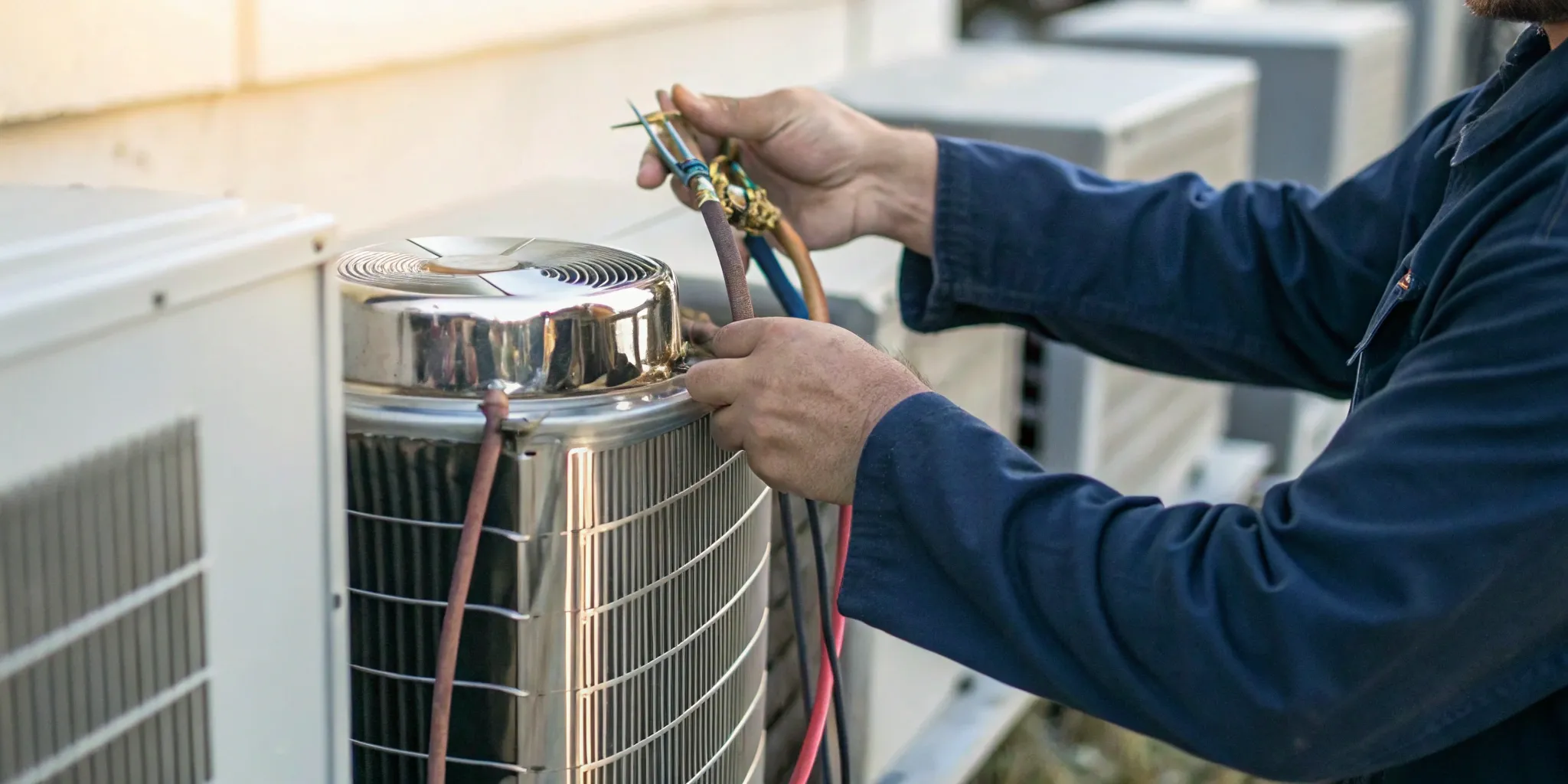
The thought of a major air conditioning repair bill is enough to make any homeowner sweat, especially in Southwest Florida. But here’s some good news: one of the most common AC problems is also one of the most affordable to fix. A failed capacitor can shut down your entire system, but replacing it is a relatively minor repair. The real danger lies in ignoring the warning signs. A weak capacitor can strain and destroy your AC’s motor, turning a simple fix into a costly disaster. This guide explains how an hvac system capacitor replacement can save you from a much bigger headache and a much larger expense.
Key Takeaways
- Identify the Symptoms Early: Listen for a humming sound from your outdoor unit or notice your AC struggling to start. These are key signs of a failing capacitor, and addressing them quickly can prevent more expensive damage to your system's motor.
- Leave Replacement to the Pros: While a DIY fix might seem tempting, replacing a capacitor involves a serious risk of electrical shock. A professional can handle the job safely and confirm that the capacitor is the true source of the problem.
- Schedule Preventative Maintenance: Capacitors wear out faster in the Florida heat. An annual AC tune-up allows a technician to test and replace a weakening capacitor before it fails, saving you from an emergency breakdown when you need your AC most.
What Is an HVAC Capacitor and Why Does It Matter?
Ever flipped the switch for your AC on a sweltering Florida day, only to be met with a disappointing hum or, even worse, total silence? Before you panic, it’s worth knowing that the culprit is often a small, inexpensive part called a capacitor. Think of the HVAC capacitor as the unsung hero of your air conditioning system. This small cylindrical component stores electrical energy, providing the essential jolt your AC's motors need to spring into action and keep running smoothly.
Without a functioning capacitor, the motors for your compressor and fans can't get the power surge they need to start. This strain can lead to overheating and eventually cause serious, costly damage to the motor itself. In a place like Southwest Florida, where your AC works overtime, the capacitor is under constant stress. Understanding what this little part does is the first step in diagnosing a problem and knowing when you need professional air conditioning repair. A quick fix for a failed capacitor can save you from a much bigger headache and a much hotter home.
What Your AC Capacitor Actually Does
At its core, a capacitor works like a temporary battery. It stores up a powerful electrical charge and then releases it in a quick, strong burst. When your thermostat signals that it's time to cool down, the capacitor gives the compressor motor that initial "kick" to get it started. As one person on Reddit aptly put it, the capacitor gives the motor "that initial first start." Without that powerful jolt, the motor would struggle to overcome inertia, often resulting in a humming or buzzing sound with no cool air. If you ignore these signs, the motor can burn itself out trying to start, turning a simple repair into a major replacement.
Start vs. Run Capacitors: What's the Difference?
To keep your home cool, your AC system relies on two main types of capacitors working in tandem: a start capacitor and a run capacitor.
The start capacitor is the sprinter. Its only job is to provide that high-energy burst for a few seconds to get the motor turning. Once the motor is up to speed, the start capacitor disengages. If it fails, your AC unit likely won’t start at all.
The run capacitor is the marathon runner. After the motor is going, the run capacitor provides a smaller, steady supply of energy to keep it operating efficiently. If the run capacitor fails, your motor might struggle, hum loudly, or shut off unexpectedly, leading to inefficient cooling and higher energy bills.
How to Tell if Your HVAC Capacitor Is Failing
Your AC capacitor won’t just quit without a warning. It usually sends out a few signals that something is wrong. Knowing what to look and listen for can help you catch the problem before your house turns into a sauna. If you notice any of these issues, it’s a good idea to pay attention, as they often point directly to a failing capacitor.
Key Warning Signs to Look For
A healthy AC has a consistent, low hum. If you start hearing a loud humming or even banging sounds from your outdoor unit, it’s often the capacitor struggling to give the motor the jolt it needs. Another common sign is a delay when your system starts. Does your AC seem to hesitate before kicking on? That lag can mean the capacitor isn't providing enough power. The most frustrating sign is when your AC is running but the air isn't getting cool. This often means the capacitor isn't powering the compressor motor, which is a clear sign you need a professional air conditioning repair.
The Risks of Delaying a Replacement
Ignoring a failing capacitor is like ignoring the check engine light in your car. You might make it a few more miles, but you risk causing much bigger problems. A weak capacitor puts a huge strain on your AC's motors, which can lead to them burning out completely. What could have been a simple fix can quickly turn into a major, expensive repair. If your AC won't start, is blowing warm air, or just seems off, don't wait. Addressing it quickly prevents further damage, especially during a Florida heatwave, where a broken AC can become an urgent issue requiring emergency air conditioning services.
How Long Do Capacitors Last in the Florida Heat?
HVAC capacitors generally have a lifespan of about 5 to 20 years, but here in Florida, we're playing a different ballgame. The constant high heat and humidity put our air conditioners under a lot of stress. Because your AC runs so frequently, the capacitor works overtime, causing it to wear out faster. For Florida homeowners, it's more realistic to expect a capacitor to last between 10 and 15 years. Regular air conditioning maintenance can help a technician spot a weakening capacitor before it fails, saving you from a sudden and sweaty breakdown on the hottest day of the year.
DIY vs. Pro: Should You Replace the Capacitor Yourself?
When your AC stops working, a quick internet search might point to the capacitor as the culprit. You'll find plenty of forums and videos suggesting this is a simple, inexpensive DIY fix. And while it's true that the part itself isn't costly, the question of whether you should handle the replacement yourself is a bit more complicated. The process involves working with high-voltage electrical components that can pose a serious safety risk if handled improperly. Before you grab a screwdriver, it’s important to weigh the potential savings against the very real dangers and complexities of the job. For most homeowners, especially those without electrical experience, this is a repair best left to a trained technician.
Safety First: Tools and Precautions for DIY
If you're even considering a DIY capacitor replacement, safety has to be your top priority. This isn't like changing a filter; it's a task with a high risk of electrical shock. The first and most critical step is to completely cut the power to your air conditioning unit. This means shutting it off at the thermostat, the disconnect box near the outdoor unit, and at the main circuit breaker. Even with the power off, capacitors are designed to store a powerful electrical charge. You must safely discharge the old capacitor using an insulated screwdriver before you even think about touching it. Failing to do this can result in a severe, potentially fatal, shock.
A Step-by-Step Guide to DIY Replacement
For those who understand the risks and have experience with electrical work, the replacement process looks straightforward on the surface. After shutting off all power and safely discharging the old capacitor, you would carefully note the wiring connections. Taking a photo with your phone is a good way to remember where each wire goes. Next, you would disconnect the wires, remove the bracket holding the old capacitor, and swap in the new one, making sure it has the exact same voltage and microfarad (µF) rating. Finally, you would reconnect the wires exactly as they were, secure the capacitor, and replace the access panel before restoring power. It sounds simple, but one wrong move can damage your entire HVAC system.
When to Call a Professional for Help
Honestly, this is one of those jobs where calling a professional is almost always the right move. While some people successfully perform this repair, the risks are significant. A licensed technician has the training, proper tools, and safety equipment to do the job correctly and safely. They can also confirm that the capacitor is actually the root of the problem. Sometimes, a failing capacitor is a symptom of a larger issue, like a motor that's about to burn out. By hiring a pro, you get peace of mind knowing the repair is done right and your system is truly fixed. If your AC is on the fritz, the safest and most reliable solution is to schedule a professional air conditioning repair.
Understanding Capacitor Costs and Specifications
Once you’ve identified a bad capacitor, the next step is figuring out the specifics of replacing it. This means finding the exact right part for your AC unit and deciding whether the cost of a professional replacement fits your budget. Getting these details right is crucial for a successful and lasting repair.
How to Find the Right Replacement Capacitor
Choosing the correct capacitor isn't like grabbing a generic battery off the shelf; it needs to be an exact match for your system's requirements. To find the right one, you’ll need to check the label on your old capacitor for two key numbers. First, match the Microfarad (MFD or µF) rating, which measures the capacitor's ability to store energy. Second, check the voltage rating. You must match this number or choose a slightly higher one, but never lower. Using the wrong specifications can damage your AC unit, so double-check everything before you buy.
Cost Breakdown: DIY vs. Professional Service
The cost of replacing an AC capacitor can vary quite a bit. If you handle the job yourself, you can expect to pay between $10 and $50 for the part alone. However, if you hire a professional, the total cost, including labor, typically runs from $150 to $350. While the DIY route is cheaper, remember that you're paying a professional for their expertise, safety, and the guarantee that the job is done correctly. For peace of mind and to avoid the risks of handling electrical components, a professional air conditioning repair is often the smartest investment.
Where to Buy a Quality Capacitor
If you decide to replace the capacitor yourself, you have a few options for buying the part. Local hardware stores like Home Depot or Ace Hardware often carry common types of AC capacitors. You can also find a wide selection from online retailers like Amazon. The most important thing is to ensure you’re buying from a reputable seller and that the part’s specifications perfectly match what your system needs. Take a clear picture of the old capacitor’s label with you to the store or have it handy when ordering online to avoid any mix-ups.
How to Avoid Common Replacement Mistakes
Replacing an AC capacitor can feel like a straightforward fix, but a few common missteps can turn a simple repair into a dangerous situation or cause further damage to your system. Getting it right means paying close attention to safety protocols and understanding that sometimes, a faulty capacitor is a symptom of a larger issue. Before you open up your AC unit, make sure you’re prepared to handle the job correctly and know when it’s time to put the tools down and call a professional.
Safely Discharging the Old Capacitor
This is the most critical step, and skipping it is not an option. Capacitors are designed to store a significant electrical charge, and they can hold onto it long after you’ve cut the power. Touching a charged capacitor can result in a severe electric shock. Before you even think about removing the old part, you must safely discharge it. After turning off the power, carefully place the blade of an insulated screwdriver across the metal terminals of the capacitor to release any stored energy. You might see a small spark and hear a pop—that’s a sign it’s working. If this step makes you uneasy, it’s a clear sign to call for emergency air conditioning services.
Using the Right Tools for the Job
Working on an HVAC system requires specific tools to keep you safe and prevent damage. First and foremost, always shut off the power to your AC unit at the main breaker box before you begin. Don’t just rely on the thermostat switch. To do the job correctly, you’ll need an insulated screwdriver, a nut driver to remove the capacitor bracket, and a multimeter. An insulated screwdriver protects you from potential shock, while a multimeter is essential for verifying that the power is truly off and confirming that the capacitor has been fully discharged. Using the right equipment is a non-negotiable part of any electrical work. Proper tools are key to effective air conditioning maintenance.
What if the Capacitor Isn't the Problem?
It’s a frustrating scenario: you’ve successfully replaced the capacitor, but your AC unit still won’t start. If this happens, it’s likely that the capacitor wasn't the root cause of the problem. A failing capacitor can sometimes be a symptom of another issue within the system. Electrical problems like damaged wiring, loose connections, or a faulty contactor can prevent the new capacitor from working correctly. In some cases, the issue could even be with the fan motor or compressor. If a new capacitor doesn't solve the problem, it’s time to stop troubleshooting on your own and schedule a professional air conditioning repair. A trained technician can diagnose the entire system to find the real source of the failure.
How to Prevent Future Capacitor Issues
Dealing with a failed capacitor is a hassle, especially when the Florida heat is relentless. The good news is that you can take steps to prevent this common problem from derailing your day. Instead of waiting for your AC to quit, a little proactive care can keep your system running smoothly and extend the life of its components, including the capacitor. Think of it as preventative medicine for your air conditioner. By addressing potential issues before they become full-blown emergencies, you save yourself from the stress of a hot house and an unexpected repair bill. It’s all about staying ahead of the game.
Proactive Maintenance for a Longer Lifespan
One of the most effective ways to prevent capacitor failure is to treat it like any other part that experiences wear and tear. Capacitors don't last forever, and waiting for them to fail completely can put extra strain on your AC's compressor motor—a much more expensive part to replace. A smart approach is to have your capacitor checked during your annual air conditioning maintenance appointment. A technician can test its performance and recommend a replacement if it’s showing signs of weakness, even before it fails. This simple, proactive replacement can save you from a sweltering afternoon and a more costly emergency call down the road.
Protecting Your AC from Power Surges
Your AC system's electrical components are sensitive, and in Florida, they face a regular threat: power surges. Lightning storms and fluctuations from the power grid can send a jolt of electricity through your home, damaging parts like the capacitor. Damaged wiring or faulty connections can also cause problems. To protect your system, consider installing a whole-home surge protector. This device acts as a gatekeeper, shielding your HVAC unit and other appliances from harmful voltage spikes. It’s a solid investment in protecting your entire system and ensuring its electrical components, including the capacitor, have a chance to live a full, uninterrupted life.
When to Call for a Professional Tune-Up
While there are some things you can check yourself, nothing beats a professional eye for spotting trouble early. During a seasonal AC tune-up, a trained technician does more than just clean the unit. They perform diagnostic tests that can detect capacitor wear long before it leads to a system failure. They have the right tools to safely test voltage and microfarad ratings, giving you a clear picture of your capacitor's health. If you want to ensure your AC is ready to handle the long cooling season, scheduling a professional tune-up is the best way to catch potential issues and keep your system running efficiently. You can contact us to get your next maintenance visit on the calendar.
Related Articles
- HVAC Tips & Insights Blog - Expert Advice from 5 Star Air
- Benefits of Regular HVAC Maintenance
- How to Prepare Your HVAC for a Florida Summer
Frequently Asked Questions
What's the most common sign my capacitor is bad? The most telling signs are often auditory. If you hear a distinct humming or buzzing sound coming from your outdoor unit but the fan isn't spinning or the air isn't getting cold, a failing capacitor is a likely suspect. You might also notice your AC hesitating or taking longer than usual to kick on after the thermostat calls for cooling.
Can I still run my AC if I think the capacitor is failing? It's best not to. Continuing to run your air conditioner with a weak capacitor puts a huge amount of strain on the system's motors. The motor will keep trying to start without the necessary jolt of power, which can cause it to overheat and burn out. This can turn a simple, inexpensive fix into a major and costly motor replacement.
Why does a professional replacement cost so much more than just the part? While the capacitor itself is an affordable part, the service cost covers much more than just the component. You're paying for a trained technician's expertise to correctly diagnose the issue, their specialized tools, and the assurance that the job is done safely. They can also determine if the failing capacitor is a symptom of a larger electrical problem, saving you from future breakdowns.
Is it really that dangerous to replace a capacitor myself? Yes, it can be very dangerous if you don't have experience with electrical work. Capacitors are designed to store a powerful electrical charge, and they can hold that charge even after you've shut off the power. Mishandling a charged capacitor can result in a severe electric shock. For your safety, this is one repair that is almost always best left to a licensed professional.
Will my regular AC maintenance check for a failing capacitor? Absolutely. A comprehensive AC tune-up includes testing the electrical components of your system, and that includes the capacitor. A technician can measure its performance and spot signs of weakness before it fails completely. This proactive check is one of the best ways to prevent being caught with a broken AC on a hot day.