New AC? Do You Need to Replace Ductwork Too?
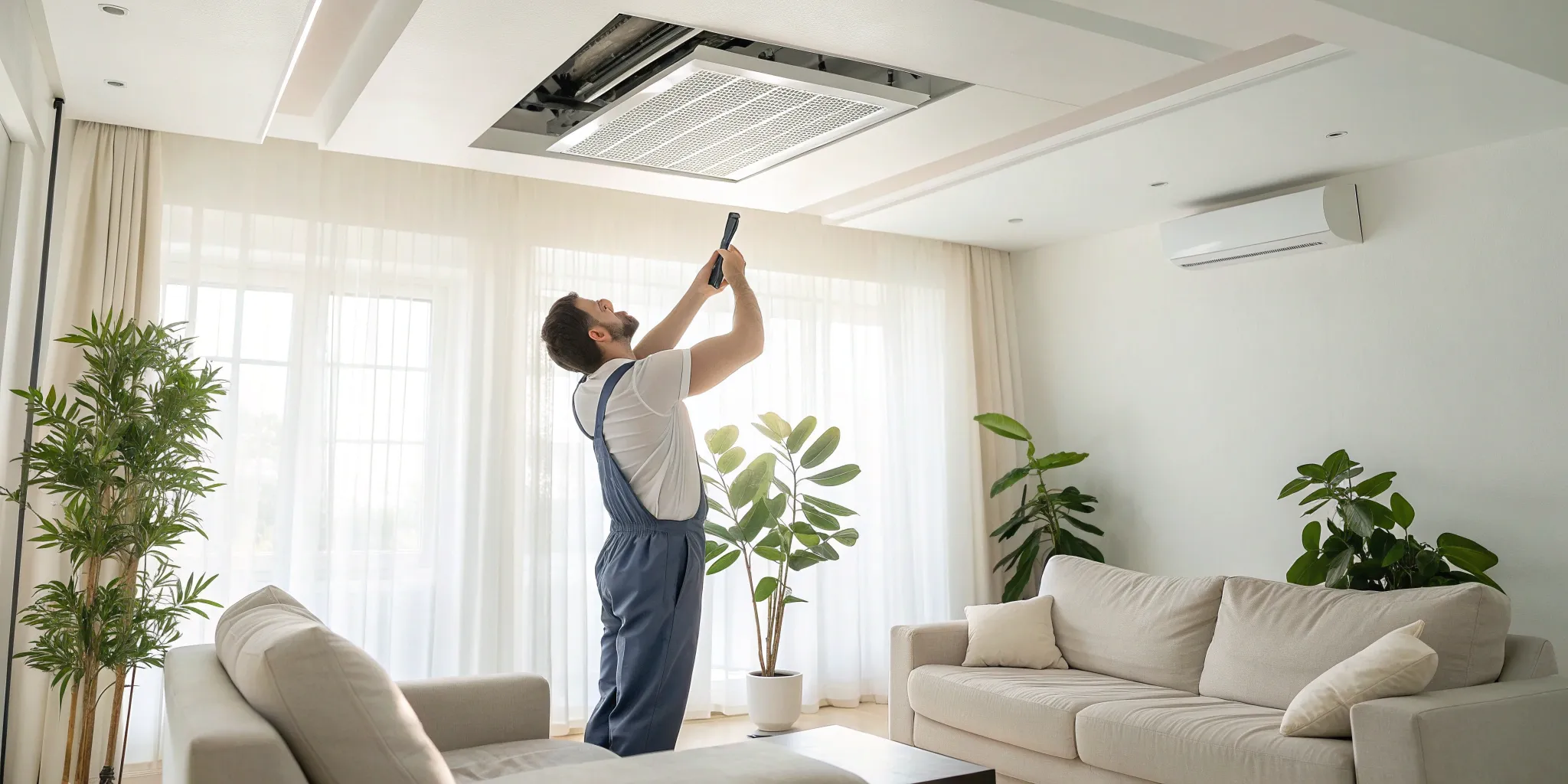
Are you tired of one room feeling like a sauna while another feels like an icebox? Do you feel like you’re constantly dusting, no matter how often you clean? These common frustrations are often blamed on an old AC unit, but the real issue might be lurking in your attic. Even a top-of-the-line air conditioner can’t overcome the problems caused by a faulty delivery system. That’s why it’s so important to ask, do you need to replace ductwork when replacing ac? If your ducts are leaky, clogged, or improperly sized, you’re essentially paying to cool your crawlspace instead of your living room.
Key Takeaways
- A new AC is only half the solution: Your air conditioner and ductwork operate as a single system. If your ducts are old, leaky, or improperly sized, your new unit can't perform efficiently, leading to wasted energy and uneven cooling.
- Replacing ducts is an investment in efficiency and comfort: Upgrading your ductwork along with your AC can significantly lower your monthly energy bills, improve your home's air quality, and eliminate frustrating hot and cold spots in different rooms.
- An expert assessment is your best first step: Before making a decision, have a professional inspect your ductwork. This is the only way to know if a repair will suffice or if a full replacement is needed to support your new AC and protect your investment.
Signs It's Time to Replace Your Ductwork
Your ductwork is the circulatory system of your home’s HVAC, but since it’s hidden, it’s easy to forget. Unfortunately, leaky or damaged ducts can undermine even the most powerful new AC unit, leading to discomfort and high energy bills. If you’re noticing any of these red flags, your ductwork might be telling you it’s time for an upgrade.
Spotting Visible Wear and Tear
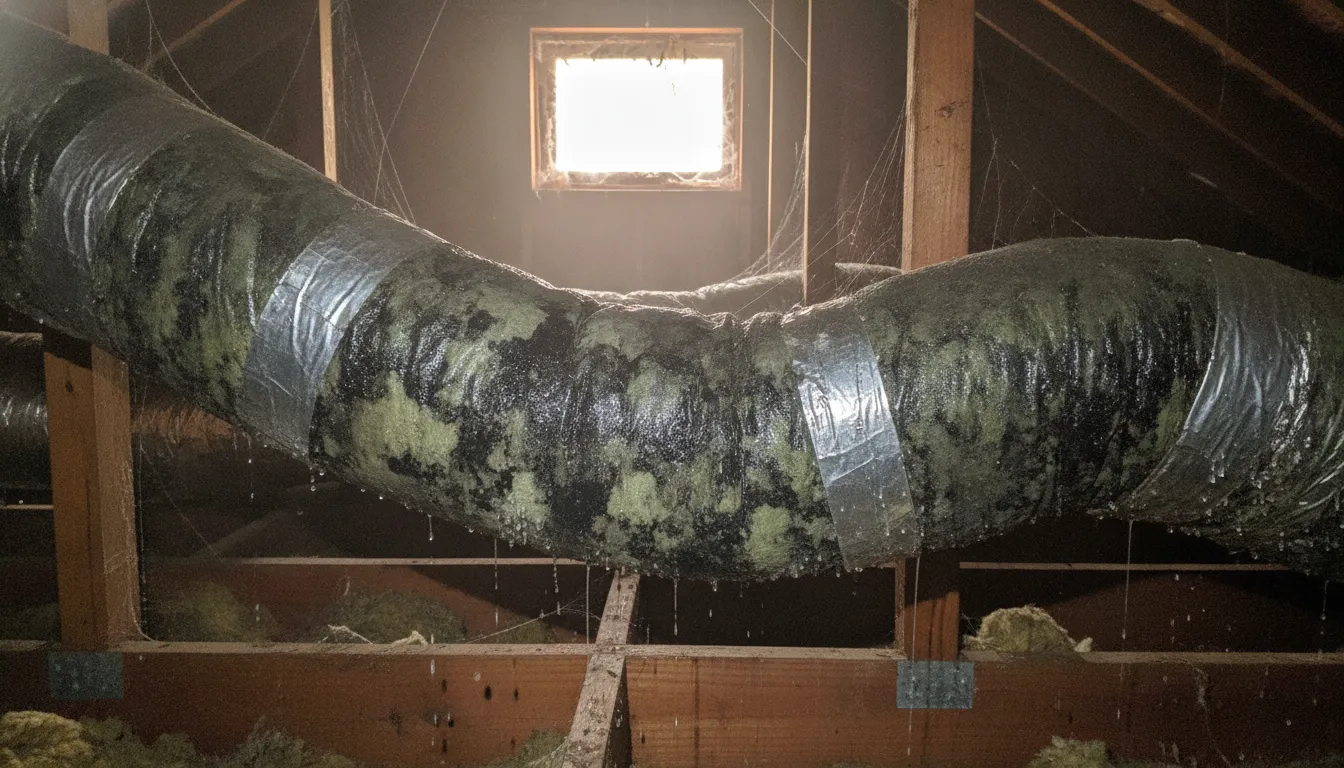
Sometimes, the most obvious signs are the ones you can see. If you can safely access your attic or crawlspace, look at your ductwork. Are there visible rips, holes, or sections that seem to be sagging or disconnected? Look for tangled or crushed flexible ducts, which severely restrict airflow. These breaches mean your expensive cool air is leaking out before it reaches your rooms. You might also spot moisture or mold, which are serious issues that require immediate attention. Any visible damage is a clear signal that your ducts need professional duct sanitization and replacement.
Noticing Inconsistent Temperatures or Airflow
Do you have one room that feels like a sauna while another feels like an icebox? This temperature imbalance is a classic symptom of ductwork problems. When ducts have leaks, blockages, or were improperly sized, they can’t deliver air evenly. You might also notice weak airflow from certain vents. This is especially important if you’ve recently installed a new AC system. Your old ductwork may not be the right size to handle a modern, high-efficiency unit, creating a bottleneck that strains your new equipment. Proper air conditioning installation includes ensuring the ductwork is a perfect match.
Dealing with Poor Indoor Air Quality
If you’re constantly dusting or your allergies act up more at home, your ductwork could be the culprit. Leaky ducts don’t just let cool air out; they can pull dirty air in from your attic, crawlspace, or wall cavities. This introduces dust, insulation fibers, and mold spores into your air supply, which then circulates throughout your home. You might notice excessive dust on surfaces or dark marks on the walls around your vents. Improving your indoor air quality starts with a sealed, clean duct system to ensure the air you breathe is fresh and healthy.
Does Your Ductwork's Age and Condition Matter?
Yes, it absolutely matters. Think of your ductwork as the highway system for all that cool air your AC produces. If those highways are old, cracked, or full of potholes, your brand-new air conditioner won't be able to do its job effectively. The age, material, and overall condition of your ducts play a huge role in your home's comfort, your energy bills, and your system's long-term performance. Ignoring them when you get a new AC is like buying a sports car to drive on a gravel road.
The Lifespan of Typical Ductwork
Most ductwork has a lifespan of about 15 to 30 years, which lines up pretty closely with the lifespan of an AC unit. If your air conditioner is old enough to need replacing, there's a good chance your ducts are, too. It often makes practical and financial sense to handle both projects at once. A full air conditioning installation is already a significant job, and replacing the ducts at the same time prevents having to open up your walls and ceilings for a second time a few years down the road. It’s a strategic move that sets your home up for decades of efficient comfort.
How Duct Materials Break Down Over Time
Over the decades, the materials in your ducts—whether it's sheet metal, flex duct, or fiberboard—begin to degrade. The seals around joints can crack and separate, insulation can crumble, and the ducts themselves can develop tears or holes. These gaps and leaks allow that precious cool air to escape into your attic or crawlspace instead of your living room. This not only wastes energy but also creates an entry point for dust, allergens, and humidity to enter your airflow, which can seriously impact your home's indoor air quality. Old ducts can turn your HVAC system into a delivery service for airborne irritants.
Matching Ductwork to Modern, High-Efficiency AC Systems
Today's high-efficiency AC systems are engineered for precision, but they need properly sized and sealed ductwork to deliver on their promises of lower energy bills. Older duct systems were designed for the air conditioners of their time and often can't handle the specific airflow requirements of modern units. If your ducts are too small or leaky, they can restrict airflow, forcing your new AC to work much harder than it should. This strain can reduce efficiency by up to 30% and even shorten the lifespan of your new equipment. Ensuring your ducts match your new system is key to getting the performance you paid for.
Repair or Replace? Factors to Help You Decide
Deciding whether to repair your existing ducts or replace them entirely when you get a new AC can feel like a big call. It’s not just about the upfront cost; it’s about making a smart investment in your home’s long-term comfort and efficiency. Several key factors come into play, from the compatibility of your old ducts with a new, high-efficiency system to the potential energy savings you could see down the line. Thinking through these points will help you weigh the pros and cons and figure out the best path forward for your home and your budget.
Sizing Ducts for Your New AC Unit
One of the most critical factors is whether your current ductwork is the right size for your new air conditioner. An AC system is a balanced machine, and if the ducts are too small or too large, it can’t perform correctly. This mismatch forces your new unit to work harder than it should, leading to poor performance and higher energy bills. If your ducts are around 10 to 15 years old—similar to the age of the AC you’re replacing—it’s often best to handle the air conditioning installation and ductwork replacement at the same time. This ensures the entire system is perfectly matched from day one.
Calculating for Better Energy Efficiency
Well-designed and properly sealed ductwork can make your HVAC system 20% to 30% more efficient. That’s a huge difference. When ducts are old, they often have leaks, poor insulation, or blockages that waste a significant amount of the cool air you’re paying for. By replacing inefficient ducts, you ensure that more of that conditioned air actually reaches your living spaces. This not only makes your home more comfortable but also translates directly into savings on your monthly energy bills. It’s a practical step toward improving your home’s overall indoor air quality and reducing your energy consumption.
Comparing the Costs of Repair vs. Replacement
It’s easy to assume that a repair will always be cheaper than a full replacement, but that’s not always the case in the long run. While a simple patch-up job might have a lower initial price tag, extensive repairs on old, deteriorating ducts can add up quickly. If your ductwork is over 20 years old, replacement is almost always the more sensible option. Modern AC systems are designed to work with modern ductwork. Investing in a new, properly sealed duct system can prevent future repair calls and save you money on energy costs for years, making it a financially sound choice. We also offer flexible financing options to help make the upgrade more manageable.
The Perks of Replacing Ductwork with Your New AC
Getting a new air conditioner is a fantastic upgrade for your home, but it's only half of the equation. Think of your AC unit as the heart of your cooling system and the ductwork as the arteries. If those pathways are old, leaky, or clogged, even the most powerful new AC unit can't deliver the cool, clean air you expect. Pairing your AC installation with new ductwork isn't just an extra expense—it's an investment that pays off in lower bills, better air, and whole-home comfort. When you replace them together, you’re setting up a complete system designed to work in perfect harmony for years to come.
Lower Your Monthly Energy Bills
Let's talk about a benefit everyone loves: saving money. Old, leaky ductwork can be a major energy drain. When conditioned air escapes through cracks and gaps in your attic or crawlspace, your new AC has to run longer and harder to cool your home, driving up your energy bills. Properly sealed and insulated ductwork can make your HVAC system 20% to 30% more efficient. That translates directly into lower monthly costs. By ensuring all that precious cool air actually reaches your living spaces, you get the full performance out of your high-efficiency unit instead of paying to cool your attic.
Improve Your Home's Air Quality and Comfort
Have you ever thought about what's lurking inside your air ducts? Over the years, they can accumulate dust, pollen, pet dander, and even mold or bacteria, especially in Florida's humid climate. Every time your system turns on, it circulates these contaminants throughout your home. Damaged ducts can also create entry points for pests and insulation particles. Replacing your old ductwork gets rid of this buildup, giving you a fresh start. This simple change can dramatically improve your home's indoor air quality, helping your family breathe cleaner air and reducing issues for anyone with allergies or asthma.
Get Consistent Temperature Control in Every Room
Are you tired of having one room that feels like a sauna while another is an icebox? This is a classic sign of ductwork problems. Poorly designed or damaged ducts create inconsistent airflow, making it impossible for your AC to distribute air evenly. Even the most advanced new air conditioner won't perform its best if the delivery system is flawed. A professional ductwork replacement ensures your new system is properly sized and balanced for your home's specific layout. The result is consistent, comfortable temperatures in every single room, from the master bedroom to the kitchen.
Why a Professional Assessment Is Your Best First Step
When you’re investing in a new air conditioner, the last thing you want is to guess about your ductwork. Making the wrong call could mean your brand-new, high-efficiency system underperforms, leaving you with uncomfortable rooms and high energy bills. That’s why getting a professional opinion isn't just a good idea—it's the most important first step. An experienced technician can give you the real story on your ducts' condition and whether they can handle the demands of a modern AC unit.
Think of it like putting a powerful new engine in a car with old, leaky hoses. It just doesn’t make sense. A thorough inspection will tell you if your existing ducts are up to the task or if they need to be repaired or replaced. At 5 Star Air, our technicians provide honest assessments without any sales pressure. We’ll help you understand your options so you can make a confident decision for your home’s comfort and efficiency. A professional air conditioning installation always starts with a look at the whole system, and that includes your ducts.
What an HVAC Pro Looks for During an Inspection
During an inspection, a technician does more than just peek into your vents. They’re looking for specific clues that tell the story of your ductwork’s health. They’ll check for uneven temperatures between rooms, a classic sign of leaks or blockages. They’ll also assess the airflow coming from your vents—if it feels weak, your ducts could be disconnected, crushed, or improperly sized. Other red flags include rising energy bills, excessive dust, musty odors that signal mold or mildew, and strange rattling or whistling noises. A professional inspection determines whether a simple duct sanitization, minor repairs, or a full replacement is the best route to ensure your new AC performs perfectly.
Understanding When Replacement Is Necessary
Sometimes, a repair just won’t cut it. If your ductwork is over 15 years old, it’s likely nearing the end of its lifespan and may not be compatible with today’s high-efficiency systems. Replacement is also the clear choice if your new AC unit requires a different duct size to work correctly—a common issue when upgrading. Obvious signs of damage, like corrosion, pest infestations, or tangled and leaky flexible ducts, also point to replacement. A poorly designed system that has always struggled to cool your home evenly is another reason to start fresh. Investing in a new AC system is the perfect opportunity to fix these underlying issues for good.
Getting a Clear Quote and Exploring Financing
Once the assessment is complete, you should receive a clear, detailed quote that breaks down the costs. An honest technician will explain the price difference between repairing and replacing your ducts, helping you see the long-term value in each option. While a full replacement costs more upfront, simple repairs like sealing leaks can sometimes make your system much more efficient. We believe in transparent pricing, so you’ll know exactly what to expect. If the cost is a concern, ask about financing options, which can make the project more manageable. The goal is to find a solution that fits your home and your budget.
Making the Right Choice for Your Florida Home
Deciding to replace your ductwork along with your new AC unit is a big step, but it's one that can significantly impact your home's comfort and your wallet. In Florida, where our air conditioners work overtime, ensuring your entire HVAC system is optimized is key. Understanding what the replacement process involves and who you should trust to do the job will help you make a confident, informed decision for your home.
What to Expect During a Ductwork Replacement
If you're wondering what a ductwork replacement actually looks like, it's a fairly straightforward process for a professional team. First, we’ll assess your old ductwork and carefully remove it. Then, we install the new ducts, making sure every connection is properly sealed to prevent air leaks. If your ductwork is around 20-30 years old, it’s likely time for an upgrade anyway, as newer, high-efficiency AC systems often require different ductwork to perform at their best. The investment in new ducts ensures your new AC unit can deliver cool air efficiently throughout your home, saving you from the frustration of hot spots and high energy bills.
Partnering with a Licensed and Insured HVAC Team
You wouldn't ask just anyone to perform surgery, and you shouldn't let an unqualified person handle your home's HVAC system. Partnering with a licensed and insured team is non-negotiable. An expert technician can properly inspect your existing ducts and tell you if they’re still in good shape or if they need to be replaced to support your new AC. This professional assessment is crucial—it prevents you from spending money on a powerful new AC unit only to have its performance crippled by old, leaky, or improperly sized ducts. When you work with our team, you get honest advice tailored to your home's specific needs, ensuring your entire system works together perfectly from day one.
Related Articles
- Duct Replacement Services
- 5 Signs Your AC Needs Repair
- HVAC Tips & Insights Blog - Expert Advice from 5 Star Air
- AC Installation Services
Frequently Asked Questions
What happens if I install a new AC but keep my old, faulty ductwork? Pairing a brand-new, high-efficiency air conditioner with old, leaky ductwork is like buying a sports car and driving it on four flat tires. Your new system will be forced to work much harder to cool your home, which negates the energy efficiency you paid for. You'll likely experience poor airflow, inconsistent temperatures, and higher-than-expected energy bills. Over time, this constant strain can even shorten the lifespan of your new AC unit.
Will new ductwork really make a big difference in my energy bills? Yes, it can make a huge difference. Think of all the tiny cracks, loose seals, and holes in old ducts. Each one is a spot where the cool air you're paying for escapes into your attic or crawlspace. Sealing that system with new, properly installed ductwork ensures that almost all of the conditioned air reaches your rooms. This allows your AC to do its job more efficiently, run for shorter cycles, and ultimately lower your monthly energy costs.
How can I tell if my ducts are the wrong size for my new AC? Unfortunately, this isn't something you can easily spot on your own. Sizing ductwork correctly requires specific calculations based on your home's layout, your new AC unit's capacity, and airflow requirements. However, you might notice clues like weak airflow from the vents, rooms that never seem to get cool enough, or your new AC system sounding unusually loud. The only way to know for sure is to have a professional perform an assessment.
Can't I just have my old ducts sealed or cleaned instead of replaced? Sealing and cleaning can be great solutions if your ductwork is still in relatively good shape but has some minor leaks or buildup. However, these are temporary fixes for ducts that are old, poorly designed, or have significant damage like collapsed sections or degraded materials. If the core problem is the age or design of the system, replacement is the only long-term solution to ensure your new AC performs as it should.
My ducts are hidden away. How disruptive is a full replacement project? It’s a common concern, but professional HVAC teams are experts at making the process as smooth as possible. While it is a significant job, experienced technicians work systematically to access, remove, and replace the ductwork with minimal disruption to your home. They are trained to protect your property and clean up thoroughly afterward. The short-term project leads to decades of improved comfort and air quality.