HVAC UV Light Installation Cost: What to Expect
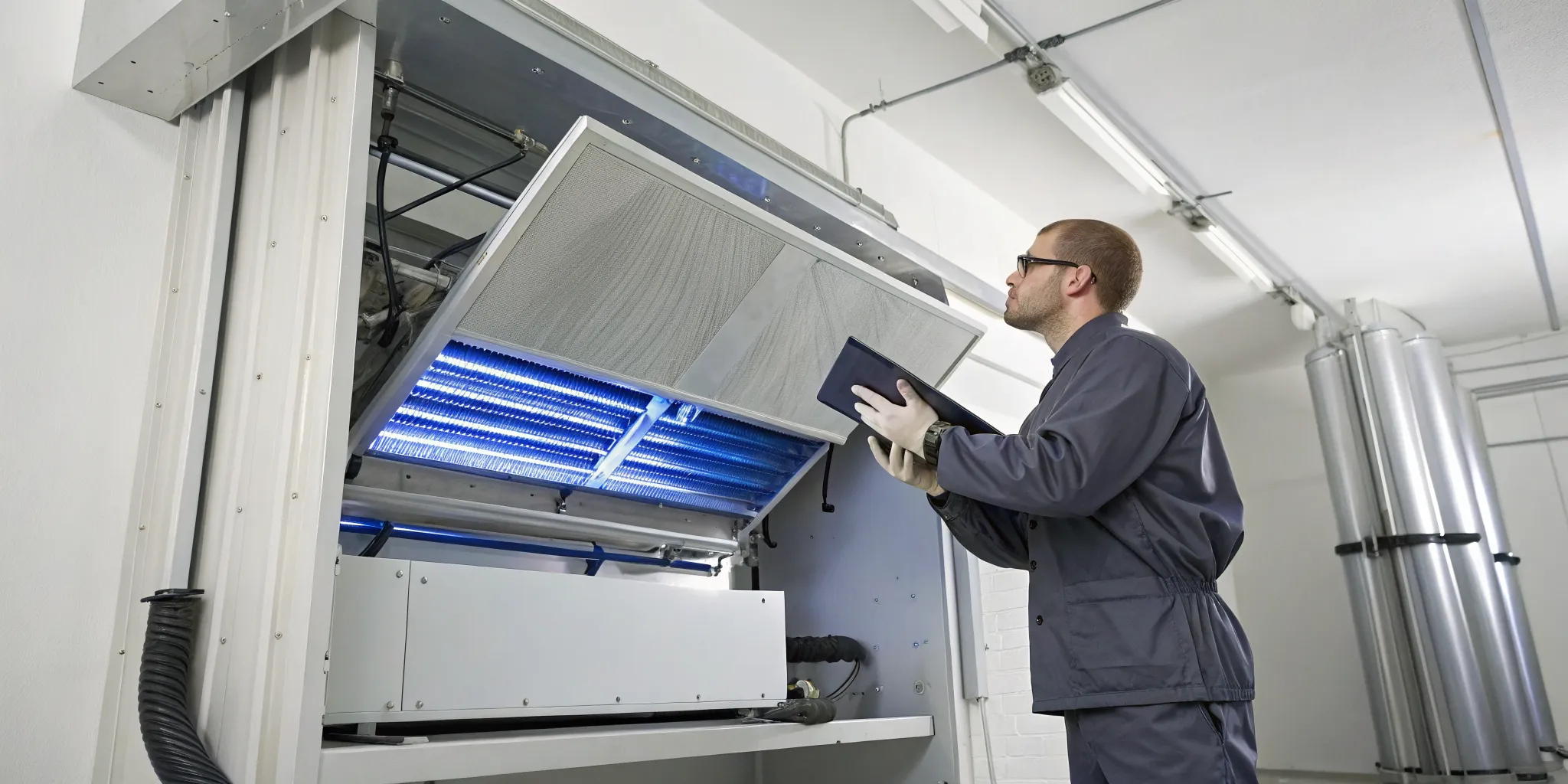
Here in Florida, our air conditioners are the unsung heroes of our homes, running almost constantly to keep us comfortable. But the same system that delivers cool air can also circulate unseen contaminants, especially with our state's signature humidity creating a perfect environment for mold and bacteria. You’ve likely heard about HVAC UV lights as a solution, but the big question is always about the bottom line. Understanding the typical HVAC UV light installation cost is the first step to deciding if this powerful air-purifying technology is the right investment for your family’s health and comfort. This guide breaks it all down for you.
Key Takeaways
- UV lights stop germs where they start: These systems use UV-C light inside your air handler to neutralize mold, bacteria, and viruses, preventing them from growing on the damp indoor coil and spreading through your home.
- Installation costs are based on your specific setup: The final price depends on the type of system you choose (coil vs. air sterilization) and practical factors like how easy it is for a technician to access your air handler.
- Think about the long-term value and upkeep: While there's an initial investment, a cleaner system can run more efficiently and lower energy bills. Just remember to factor in the small annual cost of replacing the bulb to keep it working effectively.
How Do HVAC UV Lights Work?
If you're curious about how a light can clean the air in your home, you're not alone. The technology is straightforward but powerful, working silently within your AC system to neutralize contaminants before they ever reach your living spaces. It’s a proactive way to handle airborne germs and improve your home’s overall air quality.
Understanding UV Light Technology
Think of an HVAC UV light as a gatekeeper inside your air conditioning system. These special lamps are installed where they can be most effective, typically near the indoor cooling coils or inside the ductwork. They emit a specific wavelength of ultraviolet light (UV-C) that is germicidal. As air passes through your system, it’s exposed to this light. The UV-C rays target the DNA of microorganisms like mold, bacteria, and viruses, damaging their structure. This process stops them from reproducing and spreading throughout your home, effectively neutralizing them at the source. It's a simple yet powerful tool for improving your home's indoor air quality.
How UV Lights Clean Your Air
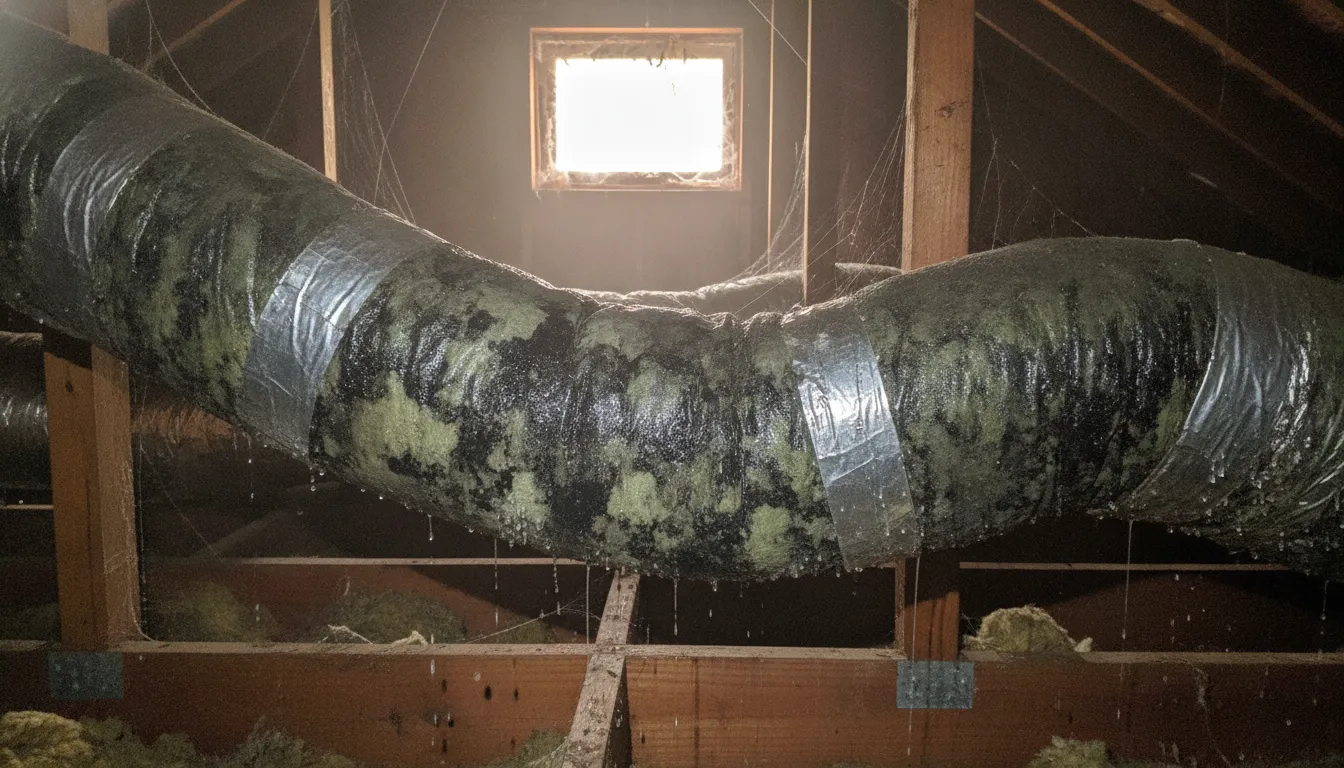
So, what does this process mean for the air you and your family breathe? By stopping microbial growth, UV lights help keep your AC system’s damp, dark interior clean, which is especially important in Florida's humid climate. When mold and bacteria can't grow on the coil or in the drain pan, they can't be circulated through your home's vents. This can make a noticeable difference for anyone with allergies, asthma, or other respiratory sensitivities. These systems can eliminate up to 99% of targeted airborne contaminants. As a bonus, a cleaner system is a more efficient one. Preventing buildup helps maintain proper airflow, allowing your AC to run more smoothly as part of a complete air conditioning maintenance strategy.
What Can You Expect to Pay for HVAC UV Light Installation?
Thinking about adding a UV light to your HVAC system is a fantastic step toward breathing cleaner, healthier air at home. But of course, the first question on your mind is probably, "What's this going to cost?" It's a fair question. Like any home improvement project, the price can vary, but the good news is that this upgrade is often more affordable than people think. Let's break down the typical costs so you can get a clear picture of the investment and decide if it's the right move for you.
The Average Cost of Installation
Generally, you can expect to pay between $200 and $1,000 for a professional HVAC UV light installation. This range typically covers both the UV light unit and the labor to get it set up correctly in your system. The final price depends on the specific type of UV system you choose and the layout of your existing HVAC setup. While it seems like a broad range, it gives you a solid starting point for budgeting. Think of it as a one-time investment in your family’s health and a major improvement to your home's indoor air quality.
Breaking Down the Bill: Labor vs. Equipment
The total cost can be split into two main parts: the equipment and the installation. The UV light unit itself usually costs between $80 and $400, depending on its features and brand. The other part of the bill is for labor, which can run from $150 to $295. This covers the time and expertise of a certified technician who ensures the light is installed safely and effectively. Having a professional handle the job is key, as it guarantees your new UV light works perfectly with your system from day one, which is crucial for getting the best results.
Our Commitment to Transparent Pricing
At 5 Star Air, we believe in being upfront and honest, especially about pricing. The final cost of your installation will depend on a few factors, like how easy it is to access your HVAC system and if any unique electrical work is needed. We’ll always walk you through every detail before any work begins. Our promise is to provide a straightforward quote with no hidden fees or high-pressure sales tactics. That's just part of our 5-star service guarantee. If you’re ready to get a precise estimate for your home, just reach out, and we’ll give you a clear, honest price.
What Factors Influence the Final Cost?
When you start looking into HVAC UV lights, you'll notice that there isn't a single, fixed price tag. That's because the final cost of installation depends on a few key variables specific to your home and your air conditioning system. Think of it less like buying a product off the shelf and more like a custom improvement for your home. Understanding these factors will help you see exactly what goes into a price quote and ensure you’re getting a fair, transparent assessment. At 5 Star Air, we believe in breaking down the costs so you know precisely what you're paying for, with no surprises.
The Type of UV System You Choose
The biggest factor in your total cost is the type of UV light system you select. There are two main kinds, and they work a bit differently. Coil sterilization lights are the most common; they shine directly on the indoor coil of your AC unit to prevent mold and bacteria from growing in that damp environment. The other option is an air sterilization system, which is designed to purify the air as it moves through your ducts. These systems are more powerful and tend to be the higher-cost option, often ranging from $700 to $1,200 for a professional installation. The right choice for you depends on your specific indoor air quality goals.
Your HVAC System's Accessibility
Where is your indoor AC unit located? The answer plays a surprisingly large role in the installation cost. If your air handler is in an easily accessible closet or garage, the installation will be straightforward for a technician. However, if it’s tucked away in a cramped attic, a tight crawlspace, or another hard-to-reach spot, the job becomes more complex and time-consuming. Our technicians need adequate space to work safely and install the UV light correctly. The more difficult the access, the more labor is involved, which will be reflected in the final price.
Your Home's Electrical Setup
HVAC UV lights need a power source to operate. The cost of your installation will be influenced by your home's existing electrical configuration near the air handler. In many cases, a technician can easily connect the UV light to a nearby power source. However, if your system's design requires new wiring or a dedicated electrical outlet to be installed, the job becomes more involved. This is why it’s essential to have a fully licensed and insured professional handle the work, ensuring everything is done safely and up to code. Our team always assesses the electrical situation to provide a complete and accurate quote.
The Size and Layout of Your Home
The size of your home and, consequently, your HVAC system can also affect the cost. A larger home requires a more powerful air conditioner to keep it cool, and that larger system may need a more robust UV light to effectively sterilize the coil or the air passing through it. A more powerful UV system naturally comes at a higher price point. The overall layout of your home can also tie back to accessibility, potentially making the installation more or less complex. To get the most accurate price, it’s always best to have a professional assess your specific setup and recommend the right system for your home’s needs. You can always contact us for a no-pressure consultation.
Comparing UV Light Types and Their Costs
When you start looking into UV lights for your HVAC system, you’ll quickly find there isn’t just one type. The two main options target different problems and come with different price tags. Understanding the distinction is the first step to figuring out which solution is the right fit for your home and your budget. Let's break down what each system does and what you can expect in terms of cost.
Coil Sterilization Lights: Costs and Benefits
Coil sterilization lights are the most common type of HVAC UV light. These are installed inside your air handler with one specific job: to shine directly on the evaporator coil. Because your AC coil is constantly damp from condensation, it can easily become a breeding ground for mold and bacteria here in Florida. A coil light stops this growth in its tracks, keeping your system cleaner and running more efficiently. Think of it as a targeted defense for a critical part of your AC. This is often the more budget-friendly option and a fantastic starting point for improving your system’s health and your home's air.
Air Sterilization Lights: Costs and Benefits
If your main goal is to purify the air circulating throughout your entire home, an air sterilization system is what you’re looking for. These are more powerful units designed to neutralize airborne contaminants like viruses, bacteria, and allergens as they pass through your ductwork. While a coil light cleans the component, an air sterilization light cleans the air itself. This makes it a more comprehensive solution for households concerned with allergies, asthma, or general wellness. As you might expect, these systems are a bigger investment, but they offer a higher level of indoor air quality improvement.
Pricing: Standalone vs. Integrated Systems
So, what’s the bottom line? A simple, standalone coil sterilization light can often be installed for a few hundred dollars. These are effective, straightforward, and a great value. The more powerful air sterilization systems are more complex and typically range from $700 to over $1,200, depending on the model and your specific HVAC setup. The final price always depends on the system you choose and the specifics of the installation. We believe in straightforward pricing, so we’ll always give you a clear, honest quote with no surprises. To find out exactly what a UV light system would cost for your home, it's best to contact us for a personalized estimate.
Looking at Long-Term Costs and Savings
The initial installation price is just one part of the financial picture. When you're thinking about adding a UV light to your HVAC system, it's smart to look at the complete story: what you'll spend over time and what you'll save. This includes routine upkeep, potential energy savings, and understanding exactly what you're getting for your money. Thinking about these long-term factors helps you make a confident decision for your home and your budget.
Ongoing Maintenance and Bulb Replacements
UV lights are incredibly effective, but they do require a little upkeep to stay that way. The powerful UV-C bulb that does all the hard work has a limited lifespan. You can expect to replace it about once every 9 to 12 months to ensure it’s still neutralizing mold and bacteria effectively. The cost for a replacement bulb typically falls between $50 and $150. Think of it like changing the filter in your AC unit; it’s a small, predictable task that keeps the whole system running smoothly. We can easily handle this for you during a regular air conditioning maintenance visit.
How UV Lights Can Lower Energy Bills
Here’s where the investment starts to pay you back. One of the biggest benefits of a UV light is its ability to improve your HVAC system's efficiency. By preventing mold and biofilm from growing on the indoor coil, the light keeps it clean. A clean coil transfers heat much more effectively, so your air conditioner doesn't have to work as hard or run as long to cool your home. This can lead to a significant reduction in your energy consumption, potentially cutting your usage by 10% to 25%. Over time, these savings on your monthly electricity bill can really add up.
Clearing the Air: Common UV Light Myths
Let’s be honest: there's a lot of information out there, and it's easy to get confused. A common myth is that UV lights are a magic bullet for all air quality problems. While they are fantastic at destroying living microorganisms like mold, viruses, and bacteria, they don't remove non-living particles from the air. Things like dust, pet dander, smoke, and chemical fumes won't be affected by the UV light. That’s why it’s best to see them as one component of a complete indoor air quality strategy, which might also include high-quality air filters or duct sanitization.
Are HVAC UV Lights a Smart Choice for Your Florida Home?
Living in Florida means we’re always looking for ways to make our homes more comfortable and healthier. With the heat and humidity, our air conditioners work overtime, and keeping the air inside clean is a top priority. That’s where HVAC UV lights come in. You’ve probably heard about them, but you might be wondering if they’re just another gadget or a genuinely smart investment for your home. The answer really depends on your family’s needs, your home’s environment, and your budget. Let’s break down what you need to know to decide if adding a UV light to your AC system is the right move for you.
Weighing the Health Benefits Against the Cost
At its core, an HVAC UV light is an investment in your home's health. These lights work silently inside your air handler, using ultraviolet radiation to neutralize airborne particles like mold spores, bacteria, and viruses before they can circulate through your home. This process can significantly improve your indoor air quality, which is a huge plus for anyone with allergies, asthma, or other respiratory sensitivities. By keeping the internal components of your AC system, like the coil, cleaner, UV lights also help your unit run more efficiently. It’s a proactive step toward creating a healthier living space for your family.
A Solution for Florida's Mold and Humidity
Here in Florida, humidity is a constant companion. That moisture, combined with the dark interior of an air conditioner, creates the perfect breeding ground for mold and mildew. An HVAC UV light directly tackles this problem at the source. It can neutralize up to 99% of the mold and bacteria that try to grow on your indoor coil, preventing them from spreading through your vents. This not only helps eliminate musty odors but also reduces the circulation of allergens. For Florida homeowners, this technology offers a powerful solution to a persistent local issue, working alongside services like duct sanitization to keep your air fresh.
Deciding if a UV Light Fits Your Budget
So, what’s the investment? Generally, homeowners can expect to pay between $200 and $600 for a professionally installed UV light system. The final price depends on the type of light you choose and the specifics of your HVAC setup. While it’s an upfront cost, it’s helpful to view it in the context of long-term benefits, like a cleaner AC system that may require fewer intensive cleanings and a healthier home environment. We believe in transparent pricing, so we’re always happy to give you a straightforward quote with no hidden fees. If the cost is a concern, we also offer flexible financing options to make it more manageable.
Related Articles
- How to Prepare Your HVAC for a Florida Summer
- The Benefits of Regular HVAC Maintenance
- HVAC Tips & Insights Blog - Expert Advice from 5 Star Air
Frequently Asked Questions
Are HVAC UV lights safe for my family and pets? Absolutely. This is a common and very smart question. The UV light is installed entirely inside your sealed HVAC system, so its rays are never exposed to your home's living areas. It works on the air and internal components as they pass through the unit, making it perfectly safe for everyone in your household, including children and pets, when installed by a certified professional.
Will a UV light get rid of that musty smell from my AC? Yes, it's one of the most effective ways to solve that problem. That classic musty odor is usually caused by mold and mildew growing on the damp indoor coil of your air conditioner. A UV light shines directly on that coil, preventing this growth from ever starting. By neutralizing the source, it helps eliminate those unpleasant smells and keeps your home smelling fresh.
Do I still need to use air filters if I have a UV light? You do. It's best to think of UV lights and air filters as a team that tackles different problems. The UV light is a sterilizer, neutralizing living microorganisms like mold, bacteria, and viruses. Your air filter, on the other hand, is designed to trap non-living particles like dust, pet dander, and pollen. Using both gives you a more complete approach to cleaner indoor air.
How often does the UV bulb need to be replaced? To keep the system working effectively, the UV bulb should be replaced about once a year. Over time, the bulb's intensity fades, and it loses its ability to neutralize contaminants, even if it still appears to be on. We can easily take care of this for you during your annual AC maintenance visit, so it’s one less thing for you to remember.
How long does the installation process usually take? A standard UV light installation is a straightforward job for a professional technician. In most cases, it can be completed in about one to two hours. The exact time can vary slightly depending on how easy it is to access your indoor air handler, but it's a quick and simple upgrade that won't disrupt your day.