5 Best Hospital Grade Whole House Air Purifiers
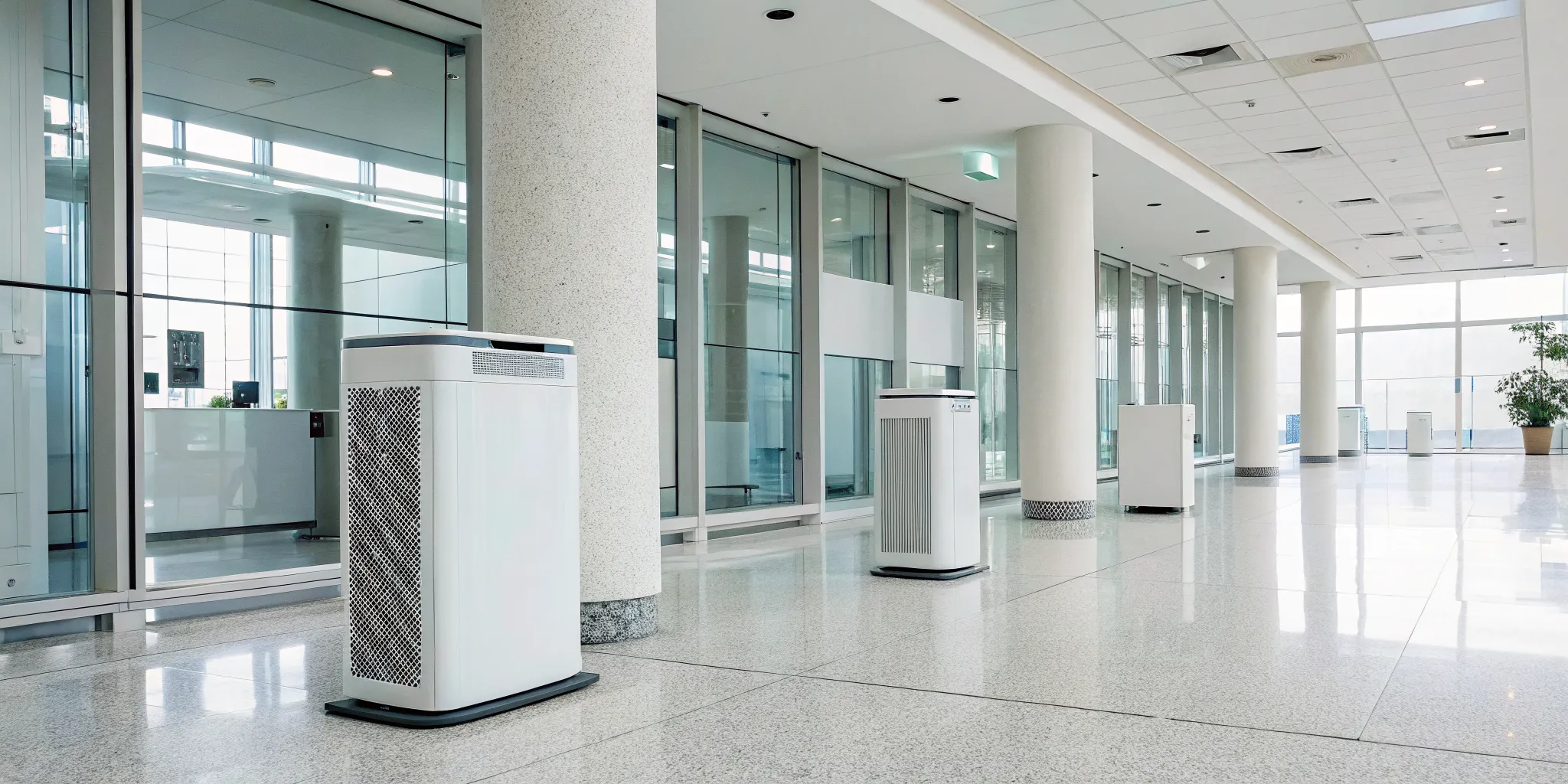
If you’ve ever tried using a small, portable air purifier, you know the limitations. It might help in one bedroom, but the rest of your home is left breathing the same unfiltered air. For those of us in Florida dealing with high humidity, pollen, and mold, a single-room solution just doesn’t cut it. A hospital grade whole house air purifier offers a completely different approach. By integrating directly with your HVAC system, it delivers clean, purified air to every single room with a vent. This isn't about placing a box in a corner; it's about creating a comprehensive, invisible shield that works silently to protect your entire family’s health.
Key Takeaways
- Look for three key technologies: A true hospital-grade system combines a medical-grade HEPA filter for tiny particles, UV-C light to neutralize germs, and an activated carbon filter to absorb chemicals and odors.
- Opt for whole-house coverage: Unlike portable units that only clean a single room, these systems connect to your HVAC to deliver consistently purified air throughout your entire home.
- Professional installation is non-negotiable: A whole-house purifier must be correctly sized for your home and HVAC system and safely installed by a licensed technician to ensure it performs effectively and efficiently.
What Does "Hospital-Grade" Actually Mean for an Air Purifier?
When you hear the term "hospital-grade," it’s easy to think it’s just a fancy marketing phrase. But for air purifiers, it signifies a much higher standard of performance designed to meet the strict air quality requirements of medical environments. These systems go beyond typical filters by using a combination of advanced technologies to capture and eliminate a wider range of airborne contaminants, from microscopic viruses to chemical gases.
A hospital-grade air purifier doesn't just trap dust and pet dander. It’s engineered to remove the invisible threats that standard filters often miss. This is achieved through a powerful multi-stage process that usually involves superior filtration, germicidal light, and chemical absorption, all working together to sanitize the air you breathe. For homeowners in Florida, where high humidity can encourage the growth of mold and concentrate allergens indoors, investing in better indoor air quality can make a significant difference in your family's health and comfort. These systems are about creating a truly clean and safe breathing environment, not just a less dusty one. They provide peace of mind that you're protecting your home from pollutants that can affect everything from allergies to long-term respiratory health.
True HEPA vs. Standard HEPA: What's the Difference?
The heart of any great air purifier is its filter, and this is where the distinction between "standard" and "hospital-grade" becomes crystal clear. Most air purifiers use HEPA (High-Efficiency Particulate Air) filters, but hospital-grade systems use what’s known as a True HEPA filter, specifically an H13 or H14 grade.
While a standard HEPA filter is good, a True HEPA filter is exceptional. It’s certified to capture at least 99.95% of airborne particles as small as 0.1 microns. That includes dust mites, pollen, mold spores, and even some bacteria and viruses. A standard filter might miss these ultra-fine particles, but a hospital-grade system is built to trap them, ensuring the air circulating in your home is as clean as possible.
How UV-C Light Eliminates Pathogens
While a True HEPA filter is excellent at trapping tiny particles, it doesn't necessarily kill them. That’s where UV-C light comes in. Hospital-grade air purifiers often incorporate a UV-C (ultraviolet-C) germicidal lamp as a second line of defense. As air passes through the unit, it’s exposed to this powerful light, which is specifically designed to destroy the DNA of microorganisms.
This technology is incredibly effective at neutralizing viruses, bacteria, and mold spores that are caught in the filter. By destroying these pathogens, the UV-C light treatment prevents them from multiplying and re-entering your airspace. It’s a proactive step that turns your air purifier from a passive trap into an active sanitation system for your home’s air.
The Role of Medical-Grade Activated Carbon Filters
Have you ever noticed lingering cooking smells or a faint chemical odor from new furniture or cleaning products? These are caused by gases and Volatile Organic Compounds (VOCs), which most particle filters can’t touch. Hospital-grade systems solve this problem with a medical-grade activated carbon filter.
This isn't your average charcoal filter. It contains a highly porous form of carbon that absorbs odors, gases, and toxic VOCs from the air. This third layer of protection is essential for removing harmful airborne chemicals that can off-gas from paint, carpets, and household cleaners. It ensures your air isn't just free of particles and germs, but also of invisible chemical pollutants, leaving it smelling fresh and truly clean.
Integrating with Your Home's HVAC System
One of the biggest advantages of a hospital-grade system is that it’s designed to be a whole-house solution. Instead of using small, portable purifiers that only clean the air in one room, these systems integrate directly with your home’s central HVAC unit. This means every single room with a vent gets the benefit of purified air.
By connecting to your existing ductwork, a whole-home air purifier works silently and efficiently behind the scenes. Every time your air conditioner or heater runs, it’s not just circulating air, it’s actively cleaning it. This comprehensive approach ensures consistent air quality throughout your entire home, providing a healthier environment for your family from the living room to the bedrooms.
Our Top Picks for Hospital-Grade Whole-House Air Purifiers
When you're serious about clean air, a standard filter often isn't enough. Hospital-grade whole-house air purifiers offer a powerful solution, integrating directly with your HVAC system to clean the air in every single room. These systems use advanced technologies to capture and eliminate tiny particles, germs, and chemical vapors that other purifiers miss. We've worked with countless systems over the years, and a few consistently stand out for their performance and reliability. Below are our top picks to help you find the right fit for your home and family's health. Improving your indoor air quality is one of the best investments you can make in your home.
5 Star Air Recommended: The REME HALO®
The REME HALO® is our top recommendation because it’s a proactive solution. Instead of waiting for pollutants to pass through a filter, it sends out ionized hydroperoxides to purify the air and surfaces throughout your entire home. This technology is incredibly effective at reducing airborne and surface contaminants like viruses, bacteria, mold spores, and VOCs. It’s like having a protective shield in your home that neutralizes germs before they have a chance to spread. If you’re looking for a comprehensive system that actively cleans every cubic inch of your air-conditioned space and helps eliminate odors from cooking, pets, and more, the REME HALO® is an outstanding choice.
Lennox PureAir S System
The Lennox PureAir S System is a true powerhouse, combining three different technologies to attack pollutants. First, it uses a MERV 16 filter, which is hospital-grade, to capture over 99% of particles like dust, pollen, and pet dander. Then, it uses a photocatalytic process to destroy odors and chemical vapors from sources like cleaning supplies and furniture. Best of all, it does this without producing any ozone, a common lung irritant. The Lennox system is an excellent option for anyone with severe allergies, asthma, or sensitivities to chemicals, as it removes contaminants from the air rather than just trapping them.
Aprilaire Whole-Home Air Purifiers
If allergies and asthma are your primary concerns, Aprilaire is a name you can trust. Aprilaire Whole-House Air Purifiers are designed to work with your HVAC system to trap common airborne triggers throughout your home. These systems are highly effective at capturing mold, pollen, pet dander, and dust, which can make a huge difference in your daily comfort. Unlike single-room units that only clean one area, an Aprilaire system ensures that every room benefits from cleaner air. This makes it a fantastic, set-it-and-forget-it solution for families looking to create a healthier living environment and breathe easier year-round.
iWave Air Purifiers
The iWave is a unique air purifier that uses needlepoint bipolar ionization to clean your air. It works by creating positive and negative ions that are injected into the airstream. These ions attach to airborne particles like viruses, allergens, and smoke, causing them to clump together. This makes them large enough to be easily captured by your HVAC system’s standard filter. One of the biggest advantages of the iWave air purifier is that it requires no ongoing maintenance. There are no bulbs or cells to replace, making it a cost-effective and hassle-free option for homeowners who want effective air purification without the upkeep.
Airpura P600-W Whole Home Unit
For homes that need serious chemical and odor removal, the Airpura P600-W is a fantastic choice. This unit connects to your HVAC system and features a massive 18-pound activated carbon filter specifically designed to adsorb chemicals, smoke, and volatile organic compounds (VOCs). It also includes a HEPA filter to capture 99.97% of airborne particles. The Airpura P600-W is built for high-volume air movement, ensuring it can handle the needs of a larger home. If you live near a busy road, have recently renovated, or are particularly sensitive to chemical fumes, this powerful system provides the comprehensive filtration you need.
What Key Features Should You Look For?
When you start looking at hospital-grade air purifiers, the options can feel a bit overwhelming. It’s easy to get lost in technical terms and marketing claims. But knowing which features truly matter will help you choose a system that makes a real difference in your home’s air quality. Think of it as creating a checklist for your family’s health. A great whole-house system isn’t just another appliance; it’s an investment in creating a cleaner, safer breathing environment.
To make a confident choice, you need to look past the flashy packaging and focus on the core technology. The right system will do more than just trap dust; it will capture microscopic particles, neutralize germs, and eliminate odors and chemical vapors. We’ll walk through the five key features to look for. This will help you understand what sets a top-tier, hospital-grade unit apart from a standard room purifier and ensure you get the best possible indoor air quality for your Florida home.
Check for Medical-Grade HEPA Certification (H13-H14)
First things first, let's talk about the filter. You’ve probably heard of HEPA filters, but not all are created equal. For a truly hospital-grade system, you need to look for a medical-grade HEPA filter, specifically one with an H13 or H14 certification. This isn't just a fancy label; it means the filter is certified to capture at least 99.95% of airborne particles down to 0.1 microns in size. That includes dust, pollen, pet dander, mold spores, and even some bacteria and viruses. This is the same standard used in sterile environments like hospitals and labs for a reason. It provides the highest level of filtration available for your home, ensuring the air your family breathes is exceptionally clean.
Verify the UV-C Light's Wavelength and Intensity
A great filter is essential for trapping contaminants, but what about the germs you can't see? That’s where UV-C light technology comes in. An effective hospital-grade air purifier will include a UV-C lamp that works to neutralize viruses, bacteria, and mold spores that get caught in the filter. This powerful feature acts as a second line of defense, destroying the DNA of these microorganisms so they can't reproduce or make you sick. When you're comparing systems, check the specifications for the UV-C light. You want to ensure it has the right wavelength and intensity to be effective, turning your HVAC system into a powerful tool for a healthier home.
Assess the Activated Carbon Filter's Quality
Have you ever noticed lingering smells from cooking, pets, or cleaning products? An activated carbon filter is your best friend for tackling those. This component is designed to absorb odors, gases, and volatile organic compounds (VOCs) from your air. VOCs are chemicals released from everyday items like paint, furniture, and aerosols, and they can impact your health over time. A high-quality, substantial carbon filter will make a noticeable difference in how fresh your home smells and feels. It’s a key feature for removing the chemical pollutants that HEPA filters alone can’t trap, giving you truly comprehensive air purification.
Match the CADR and CFM to Your Space
Two acronyms you’ll want to get familiar with are CADR (Clean Air Delivery Rate) and CFM (Cubic Feet per Minute). These ratings tell you how much clean air the purifier can produce and how large of a space it can effectively handle. It’s crucial to choose a system that’s properly sized for your home. A unit that’s too small will struggle to keep up, while one that’s too large might not be necessary. A professional can help you determine the right CADR and CFM for your home’s square footage, ensuring every room gets the benefit of clean air. This is why a professional air conditioning installation and purifier setup is so important.
Confirm It's Ozone-Free and Certified Safe
Finally, and this is a big one, make sure any air purifier you consider is certified as ozone-free. Some air purifiers, particularly certain types of ionizers, can produce ozone as a byproduct. Ozone is a lung irritant that can cause coughing, chest pain, and shortness of breath, especially for people with asthma or other respiratory conditions. The last thing you want is for your air purifier to create a new air quality problem. Reputable manufacturers design their systems to avoid producing ozone. Look for explicit "ozone-free" statements and safety certifications to ensure the system is safe for your family and home.
Hospital-Grade vs. Standard Air Purifiers: How Do They Compare?
When you start looking into air purifiers, you’ll quickly see there are two main categories: standard, portable units and whole-house, hospital-grade systems. While both are designed to clean your air, that’s where the similarities end. A standard air purifier might be fine for a small dorm room, but a hospital-grade system offers a completely different level of performance for your entire home. The differences come down to four key areas: how effectively they capture tiny particles, their ability to neutralize germs, the area they cover, and how they’re installed. Understanding these distinctions will help you see why investing in a more powerful system can make a world of difference for your family’s health and comfort.
Particle Capture: Why 99.97% Matters
The main job of an air purifier is to filter out airborne particles, and this is where the gap between standard and hospital-grade systems really shows. Many standard purifiers use basic filters, but hospital-grade systems use True HEPA filtration. A True HEPA filter is certified to capture at least 99.97% of airborne particles as small as 0.3 microns. To put that in perspective, a human hair is about 50 microns wide. We’re talking about trapping microscopic irritants like dust, pollen, pet dander, and mold spores that can easily pass through lesser filters. This high-efficiency capture rate is critical for anyone dealing with allergies or asthma, as it removes the very triggers that can cause respiratory issues.
Ability to Eliminate Viruses and Bacteria
While trapping particles is great, hospital-grade systems take it a step further by actively destroying germs. Standard purifiers often just trap contaminants in a filter, where they can potentially continue to grow. In contrast, many hospital-grade systems incorporate technologies like UV-C light or advanced oxidation to neutralize viruses, bacteria, and mold spores. These purifiers are designed to be much more powerful than typical home units, offering a level of filtration that actively disinfects your air. This means you’re not just filtering out irritants; you’re creating a healthier living environment by reducing the spread of illness-causing pathogens throughout your home.
Coverage: Whole-House vs. Single Room
A standard air purifier is usually a portable box you plug into the wall. It does a decent job of cleaning the air in one room, but its effects stop at the doorway. If you want clean air throughout your home, you’d need to buy a unit for every single room, which is both costly and impractical. A hospital-grade, whole-house air purifier, on the other hand, integrates directly with your HVAC system. This allows it to deliver purified air to every room in your house through the existing ductwork. You get consistent, clean air everywhere, from the living room to the bedrooms, without cluttering your space with multiple machines.
The Need for Professional Installation
You can buy a standard air purifier online or at a big-box store and have it running in minutes. A whole-house system is a different story. Because these units connect directly to your home’s central heating and cooling system, they require professional installation. This isn’t a downside; it’s a feature that ensures the system works correctly, safely, and efficiently. A certified technician will make sure the purifier is sized properly for your home and HVAC unit, preventing any strain on your system. This professional touch guarantees that your investment is installed for optimal performance, giving you peace of mind that your air is as clean as it can be.
What Are the Health Benefits of Hospital-Grade Air Purification?
Investing in a hospital-grade air purifier is about more than just freshening up your home; it’s a direct investment in your family’s health. These advanced systems work within your existing HVAC unit to scrub the air of microscopic pollutants that standard filters often miss. For those of us in Florida, where humidity can amplify issues with allergens and mold, creating a healthier indoor environment is a top priority. From easing allergy symptoms to removing invisible chemical threats, the benefits of breathing truly clean air are significant and impact your daily well-being.
Breathe Easier with Fewer Allergens
If you’re constantly battling sniffles, itchy eyes, or asthma flare-ups, your home’s air could be the culprit. Florida’s environment is rich with pollen, dust mites, and mold spores that easily find their way indoors. A hospital-grade system with True HEPA filtration is designed to capture 99.97% of these airborne irritants, some as small as 0.3 microns. By removing these triggers directly from the air you breathe, you can significantly reduce allergy and asthma symptoms. This creates a sanctuary inside your home, offering real relief and making your living space more comfortable for everyone. Improving your home's indoor air quality is one of the most effective steps you can take for your family's health.
Reduce the Spread of Germs
When one person in the house gets sick, it often feels like a matter of time before everyone else does. That’s because viruses and bacteria can circulate through your HVAC system, spreading from room to room. Hospital-grade purifiers tackle this problem head-on. Many of these systems incorporate UV-C light technology, a powerful method for neutralizing airborne pathogens. As air passes through your system, the UV light zaps germs like viruses and bacteria, stopping them in their tracks. This helps reduce the transmission of illnesses, keeping your family healthier, especially during cold and flu season.
Remove Harmful Chemicals and Odors
Have you ever noticed a lingering chemical smell after cleaning or a musty odor you can’t seem to shake? Your home’s air is often filled with invisible pollutants called Volatile Organic Compounds (VOCs), which are released from paint, furniture, cleaning supplies, and even air fresheners. Hospital-grade systems often include activated carbon filters specifically designed to absorb these harmful chemicals and trap unwanted odors. This process doesn’t just mask smells from pets, cooking, or dampness; it removes them and their sources from the air. The result is a home that doesn’t just feel cleaner but is genuinely healthier to live in.
Protect Sensitive Family Members
Some members of our families are more vulnerable to poor air quality than others. Young children, older adults, and anyone with a compromised immune system or chronic respiratory condition like asthma can be seriously affected by airborne contaminants. A hospital-grade air purification system provides an essential layer of protection for them. By creating an environment with drastically fewer germs, allergens, and chemical pollutants, you can help safeguard their health and improve their quality of life. It’s a proactive step that shows you care, ensuring the air in your home supports the well-being of your most sensitive loved ones. As a locally owned business, we understand the importance of protecting family.
What Does Installation Involve?
Getting a hospital-grade air purifier for your home isn't like buying a portable unit you just plug into the wall. Because these systems are designed to clean the air in your entire house, they become a part of your central HVAC system. This means professional installation is a must, but don't worry, it's a straightforward process when handled by experts. Let’s walk through what you can expect.
Connecting to Your Existing HVAC System
The magic of a whole-house air purifier is its ability to integrate directly with your home’s heating and cooling system. A technician will install the unit into your existing ductwork, usually near the central air handler. This placement is strategic. Every time your HVAC system runs, it pulls air from your home, sends it through the purifier to be cleaned, and then circulates that fresh, filtered air back into every room. This process ensures consistent, whole-home purification, so you aren't just cleaning the air in one area. It’s an efficient way to improve your home's indoor air quality without having to think about it.
Understanding the Electrical and Safety Needs
Proper installation goes beyond just fitting the unit into your ductwork; it also involves specific electrical work. Many whole-house systems, especially those with UV-C technology, have unique power requirements and may need a dedicated circuit to operate safely and effectively. A licensed technician will ensure all wiring is done correctly and complies with local building codes. This is a critical step for safety and performance. Handling the electrical components without the right training can be dangerous and may void your system’s warranty, which is why professional air conditioning installation is always the best route.
Why Professional Sizing is Crucial
One size does not fit all when it comes to air purification. For a whole-house system to work effectively, it must be properly sized for your home. A professional will assess several factors, including your home’s square footage, the layout, and the airflow capacity (CFM) of your current HVAC system. Choosing a unit that’s too small won’t adequately clean the air, while one that’s too large can be inefficient. A correctly sized system ensures optimal performance, so you get the maximum benefit without wasting energy. This tailored approach is key to getting the clean air you’re looking for.
Your Ongoing Maintenance and Filter Schedule
Once your system is installed, a little routine care will keep it running at peak performance. The most important task is changing the filters regularly. Depending on the model, this could be every few months or once a year. Following the manufacturer's recommended schedule is essential for the system's effectiveness and longevity. A clogged filter can’t capture contaminants and can even strain your entire HVAC system. We can help you set up a filter replacement schedule as part of a regular air conditioning maintenance plan, making it one less thing for you to worry about.
Breaking Down the Cost of a Hospital-Grade System
Investing in your family’s health by improving your home's air quality is a big decision, and the cost is naturally a major part of that conversation. Let's walk through the different financial aspects of a hospital-grade system so you can feel confident about what to expect. Think of it not just as a purchase, but as a long-term investment in creating a healthier, more comfortable living space.
The total cost involves more than just the price tag on the unit itself. You’ll want to consider the initial purchase, ongoing maintenance like filter replacements, and how it might affect your energy bills. Understanding these three key areas will give you a complete picture and help you budget effectively for cleaner air throughout your home. We believe in honest, transparent pricing, so let’s get into the details.
The Upfront Investment
The initial cost for a hospital-grade whole-house air purifier can range from around $919 to over $5,200. This price variation depends on the specific model, its features, and the size of your home. A system with advanced UV-C technology and medical-grade carbon filters will naturally be at the higher end of the spectrum compared to a more basic model.
Choosing the right system is about matching its capabilities to your specific needs. We know the upfront cost can be a significant consideration for any homeowner. That’s why it’s helpful to know that flexible financing options are often available to help spread out the investment, making it more accessible for your family’s budget without delay.
Long-Term Maintenance and Filter Costs
After the initial installation, the main ongoing expense is filter replacement. To keep your system running at peak performance, most filters need to be replaced about once a year. This is a simple task that you can typically do yourself without any special tools. Some high-efficiency filters are designed to last even longer, sometimes up to four years, which can help reduce the annual cost.
Sticking to a regular filter schedule is crucial for protecting your investment and ensuring your air stays clean. It’s a small but vital part of your home’s overall air conditioning maintenance, helping the entire HVAC system operate more efficiently and last longer.
Factoring in Energy Use
A whole-house air purifier is a powerful piece of equipment designed to work alongside your HVAC system. Some units are capable of cleaning the air in spaces as large as 11,000 square feet. While these systems are built to be as energy-efficient as possible, they will contribute to your home's overall electricity consumption.
The good news is that a cleaner HVAC system can run more efficiently, which may help offset some of the energy use from the purifier. When you invest in better indoor air quality, you're also helping your heating and cooling system function better. A professional can help you select a unit that is properly sized for your home to ensure it runs effectively without wasting energy.
How to Choose the Right Size for Your Home
Picking the right size for your whole-house air purifier isn't like choosing a new paint color; it's a technical decision that directly impacts how well the system performs. A unit that's too small will constantly struggle to keep your air clean, leaving you with lingering allergens and odors no matter how often it runs. On the other hand, a system that's too large can be inefficient, leading to higher energy bills and unnecessary wear and tear on your HVAC equipment. The goal is to find that "just right" fit that works in harmony with your home's unique needs.
Getting the sizing correct involves more than just looking at the square footage on your floor plan. A true professional assessment considers your home's total air volume (including ceiling height), the layout of your rooms, how your HVAC system operates, and even your family's specific health concerns. It's about creating a balanced system where the purifier and your AC work together seamlessly, not against each other. Let's walk through the three key steps to make sure you select a system that delivers fresh, clean air to every corner of your home without any guesswork.
Calculate Your Home's Air Purification Needs
First things first, you need to figure out the scale of the job. This starts with your home's square footage, but it doesn't end there. A whole-house system is powerful enough to handle large spaces, sometimes up to 11,000 square feet, but factors like ceiling height, the number of rooms, and your specific air quality goals all play a role. Do you have pets, family members with asthma, or persistent odors you want to eliminate? These issues create a higher demand on your purifier. A professional can help you calculate the total air volume and assess your home's specific needs to find a system that can keep up without being overworked. Getting these indoor air quality calculations right is the foundation for effective purification.
Check for HVAC System Compatibility
A whole-house air purifier isn't a standalone appliance; it's an integrated part of your heating and cooling system. It connects directly to your HVAC's ductwork to clean and distribute air to every room. Because of this, you have to ensure the purifier you choose is compatible with your existing equipment. Our technicians will check your system's size, airflow capacity, and the physical space around your air handler to determine which models will work. Forcing an incompatible unit can restrict airflow, strain your HVAC system, and lead to costly repairs down the road. Proper air conditioning installation and integration are key to making sure everything runs smoothly and efficiently.
Match the System to Your Home's Layout
Every home has a unique layout that affects how air moves. An open-concept living area has very different airflow dynamics than a home with many separate, smaller rooms. High ceilings, multiple stories, and even the location of your return air vents can create challenges for air purification. The right system will be powerful enough to circulate clean air evenly, ensuring that a bedroom at the far end of the house gets the same fresh air as the living room next to the thermostat. During a consultation, we can assess your home's layout and identify any potential problem spots to recommend a system that provides consistent coverage. Ready to find the perfect fit? You can always contact us for a personalized recommendation.
Common Myths About Hospital-Grade Air Purifiers
When you hear "hospital-grade," it's easy to picture sterile hallways and beeping machines. But when it comes to air purification, that term means something you can—and should—have at home. There's a lot of confusing information out there, so let's clear the air and tackle some of the biggest myths about these powerful systems. Understanding the facts can help you make the best decision for your family's health and comfort.
Myth: "They're only for hospitals."
This is probably the most common misconception. While these systems are designed to meet the incredibly high standards of medical facilities, that same technology is available for your home. Think of it this way: you're not bringing a sterile, clinical environment into your living room. Instead, you're giving your family the gold standard of clean air. These purifiers are far more powerful than standard residential units, offering a level of filtration that provides peace of mind, especially for households with allergies, asthma, or other respiratory concerns. You deserve to breathe the cleanest air possible, and our indoor air quality solutions make that happen.
Myth: "All air purifiers are the same."
It's tempting to think that any air purifier will do the job, but there's a huge difference in performance. Many off-the-shelf portable units can only handle a single room and may not capture the smallest, most harmful particles. Hospital-grade systems, on the other hand, often use medical-class HEPA filtration (H13-H14), which is certified to capture over 99.97% of microscopic particles like bacteria, viruses, and mold spores. They are specifically engineered to remove contaminants that standard filters miss. This isn't just about filtering dust; it's about creating a healthier living space by targeting the invisible threats in your air.
Myth: "They cost too much to run."
While the initial investment for a whole-home system is higher than a portable unit, the long-term value is significant. Because these purifiers connect directly to your home's HVAC system, they operate efficiently to clean the air in every single room. You won't have to buy, manage, and pay to run multiple portable purifiers, which can add up quickly on your electricity bill. A whole-house system is a cost-effective way to get consistently healthy air throughout your entire home. We believe clean air should be accessible, which is why we offer straightforward financing options to fit your budget.
How to Research and Compare Your Options
Choosing a hospital-grade air purifier is a significant investment in your family's health, so it’s worth doing a little homework before you decide. With so many models on the market, it can be tough to sort through the claims and find a system that truly delivers. A little research upfront will help you feel confident in your choice. Focus on verified performance, professional advice, and solid manufacturer support to find the perfect fit for your home.
Find Trustworthy Reviews and Test Results
When a company claims its air purifier has a hospital-grade H13 HEPA filter, you'll want to see proof. Look for products that have been independently tested to meet specific performance standards. These certifications confirm the filter does what it's supposed to do: capture at least 99.97% of tiny particles. Be wary of brands that make big claims but don't provide any verifiable test results to back them up. True H13 HEPA performance isn't just a marketing term; it's a standard that ensures you're getting the level of filtration you need to protect your home's air quality.
Ask for a Professional Recommendation
If you feel overwhelmed by the technical specs and different models, don't hesitate to ask an expert. A professional can assess your home's specific layout, your existing HVAC system, and your family's health needs to suggest the most effective solution. Instead of guessing, you can get a recommendation tailored just for you. Here at 5 Star Air, we help homeowners find the right indoor air quality solutions every day. We can answer your questions and make sure you select a system that will work efficiently and effectively for years to come.
Look into Warranties and Manufacturer Support
A great air purifier should come with great support. Before you make a final decision, check the warranty and the manufacturer's customer service options. Some of the best brands offer a money-back guarantee, giving you a risk-free period to test the product in your home. A strong warranty that covers repairs or replacements for at least a year is also a must-have, protecting you from potential defects. This shows that the company stands behind its product and is committed to your long-term satisfaction. It’s a simple step that provides valuable peace of mind for your investment.
Related Articles
- Air Quality Services
- Benefits of Regular HVAC Maintenance
- HVAC Tips & Insights Blog - Expert Advice from 5 Star Air
Frequently Asked Questions
Is a hospital-grade air purifier really necessary for my home? For many families, especially here in Florida, it’s a proactive investment in health. If anyone in your home deals with allergies, asthma, or is sensitive to airborne irritants, a hospital-grade system can make a world of difference. It goes beyond what standard filters can do by capturing microscopic particles and neutralizing germs, which is particularly helpful in our humid climate where mold and allergens thrive. It’s about creating the healthiest possible indoor environment, not just a less dusty one.
How much maintenance is involved with a whole-house system? You’ll be happy to know they are surprisingly low-maintenance. The main task is simply replacing the filter, which for most models is only needed about once a year. There are no tanks to clean or multiple units to manage. We can even coordinate the filter change with your regular air conditioning maintenance visit, making it a true set-it-and-forget-it solution for clean air.
I already have a portable air purifier. Why would I need a whole-house system? A portable unit is great for a single room, but its effects stop at the doorway. A whole-house system integrates with your HVAC to deliver clean, purified air to every single room in your home, from the bedrooms to the living room. It works silently behind the scenes, so you get consistent air quality everywhere without the clutter and noise of multiple machines. It’s the difference between a spot treatment and a comprehensive solution.
How quickly will I notice a difference in my home's air? Many people, particularly those with a keen sense of smell or respiratory sensitivities, report noticing a difference in freshness within the first day or two. For others, the benefits are more gradual and show up as fewer allergy symptoms, less dust on surfaces over time, and a general feeling of well-being. The most important benefit is the constant, long-term protection from invisible germs and chemicals that you might not notice right away but that impact your health.
Will a whole-house air purifier make my electricity bill go up? Because the system uses electricity to run, you can expect a modest increase in your home's energy consumption. However, the impact is often balanced out over time. By keeping your entire HVAC system cleaner, the purifier helps your air conditioner and heater run more efficiently. This improved performance can help offset some of the energy cost, all while providing significantly healthier air for your family.