AC Orifice Tube Diagram: What It Is & Why It Matters
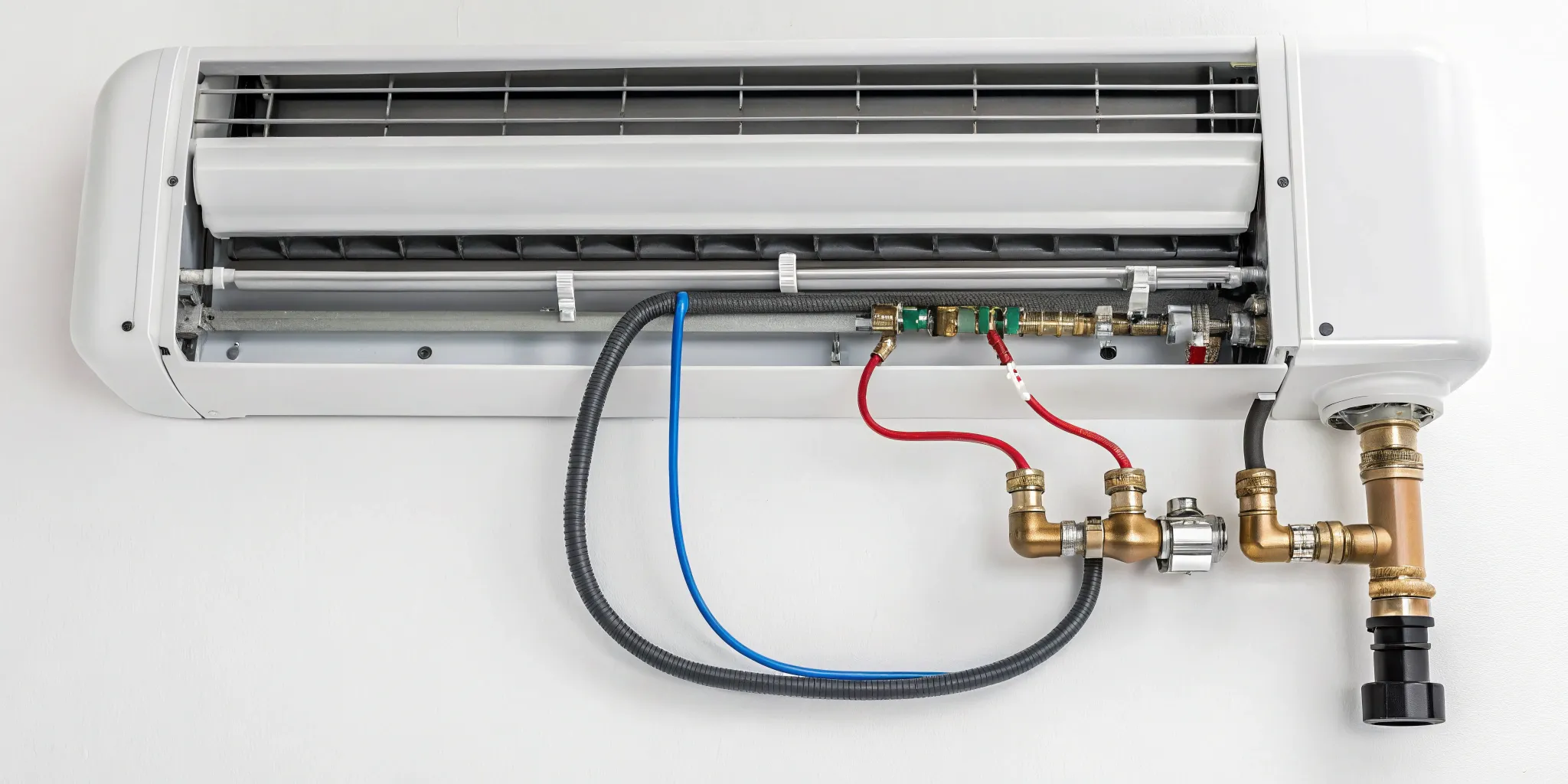
When your air conditioner stops cooling, your mind probably jumps to big problems like a refrigerant leak or a broken compressor. But sometimes, the culprit is a tiny, simple part you’ve likely never heard of: the orifice tube. This small component plays a huge role in the cooling cycle, acting as a gatekeeper for the refrigerant flowing into your indoor unit. Its job is to create a sudden pressure drop, which is what makes the refrigerant cold enough to absorb your home's heat. Understanding how this piece works is key to grasping your AC's health. A basic orifice tube ac diagram shows just how simple yet vital it is, and why a small clog here can bring your entire system to a halt.
Key Takeaways
- Understand the Orifice Tube's Job: This simple, fixed part acts as a gatekeeper for your AC's refrigerant, turning it into the cold mist needed to absorb heat from your home's air.
- Watch for Telltale Symptoms: Poor cooling, weak airflow, and frequent system shutdowns are classic signs that your AC's metering device may be clogged or failing.
- Leave This Repair to the Experts: Metering device replacement requires specialized tools and certified handling of refrigerant; a professional repair protects your system's warranty, ensures safety, and prevents small problems from becoming costly ones.
What Is an Orifice Tube in a Home AC System?
It might sound like a complicated piece of machinery, but the orifice tube is one of the simplest parts inside your air conditioner. Think of it as the gatekeeper for your system's refrigerant. Its main job is to control how much refrigerant flows into the evaporator coil, which is the part that actually cools the air in your home. This small but mighty component plays a huge role in the cooling cycle, turning warm liquid refrigerant into the cold, misty spray your AC needs to absorb heat and keep you comfortable.
Its Role in the Cooling Cycle
An orifice tube is a type of metering device, which is just a technical way of saying it measures and restricts something. In this case, it’s restricting the flow of refrigerant. It’s a very simple component with no moving parts, which is great because it means there’s less that can break. Its primary role is to create a pressure drop. As the high-pressure liquid refrigerant from the condenser passes through the tube's narrow opening, it suddenly expands and turns into a low-pressure, ice-cold mist. This cold mist then travels into the evaporator coil, ready to soak up the heat from your indoor air. Because it's so simple, about the only thing that ever goes wrong is a clog from debris, which is a common reason for an AC repair call.
How It Manages Refrigerant Flow
So, how does this little tube manage such an important job? It all comes down to its fixed design. The orifice tube has a tiny, precisely-sized hole that the refrigerant must pass through. Unlike more complex metering devices, it has no way to regulate or adjust the flow of refrigerant. It’s a fixed opening, meaning the same amount of refrigerant flows through whether it’s a scorching afternoon or a cooler evening. This process of forcing the refrigerant through a tiny hole is what causes it to rapidly expand and cool off. This immediate temperature drop is essential for the entire cooling process, allowing your system to effectively remove heat from your home.
A Simple Diagram Explained
If you could visualize the orifice tube, it would look incredibly simple. Picture a small metal or plastic tube with a narrow point or a tiny screen inside. On one side, you have warm, high-pressure liquid refrigerant that has just left the condenser unit outside. As it’s forced through that tiny opening, it sprays out the other side as a cold, low-pressure mix of liquid and vapor. This cold spray is exactly what the evaporator coil needs to start absorbing heat. Keeping this pathway clear is vital for your AC's health, which is why regular air conditioning maintenance is so important for preventing clogs and ensuring efficient operation.
Where Is the Metering Device in Your AC Unit?
If you’ve ever wondered how your AC system is put together, you’re not alone. Understanding the basic layout can help you feel more informed when you need to call a technician. The metering device, whether it's an orifice tube or an expansion valve, is a small but essential part that’s tucked away in a very specific spot. You won’t see it just by looking at your outdoor unit, because its job is to connect the outdoor and indoor components of your system. It's the component responsible for one of the most important steps in the cooling process: depressurizing the refrigerant.
Think of your AC as a team, with an outdoor player (the condenser unit) and an indoor player (the evaporator coil). The metering device acts as a gatekeeper between them, controlling the flow of refrigerant that makes cooling possible. While it’s always best to have a professional handle any hands-on work, knowing where this part lives can give you a better grasp of how your AC keeps your home comfortable. It’s a key piece of the puzzle, and its location is critical to the entire cooling cycle. Without it, your system simply can't produce cold air, making it a common culprit when things go wrong.
Finding It Between the Condenser and Evaporator
Your AC’s metering device is always located in the refrigerant line that runs between the outdoor condenser unit and the indoor evaporator coil. Specifically, you’ll find it in the smaller of the two copper lines, often called the "liquid line." This pipe carries high-pressure liquid refrigerant from the condenser, which just released heat outside, toward the evaporator, which is about to absorb heat from inside your home.
Because the metering device needs to change the pressure of the refrigerant right before it enters the indoor coil, its placement is non-negotiable. It’s the final checkpoint for the refrigerant before it gets to work cooling your air. For technicians, this specific location makes it a predictable part to inspect when diagnosing cooling issues.
A Quick Look at Your AC's Layout
To picture where the metering device fits in, let’s follow the refrigerant’s path. It starts in the compressor (in your outdoor unit), where it gets squeezed into a hot, high-pressure gas. Next, it flows through the condenser coils to release heat and turn into a high-pressure liquid. From there, it travels through the liquid line to the metering device. This is where the magic happens: the device causes a sudden drop in pressure, turning the refrigerant into a cold, misty, low-pressure liquid.
This cold mist then enters the indoor evaporator coil, absorbs your home’s heat, and turns back into a gas. A fan blows air over these cold coils, sending cool air through your vents. If the metering device gets clogged or fails, this whole process stops, which is a common reason for a professional air conditioning repair.
Orifice Tube vs. Expansion Valve: What's the Difference?
While both orifice tubes and expansion valves do the same job of metering refrigerant, they go about it in very different ways. Think of it like the difference between a simple garden hose nozzle and one with an adjustable spray pattern. One is fixed, and the other offers more control. Understanding which one your system has can help you grasp how it operates and what might be wrong if you need an air conditioning repair.
The main distinction comes down to how they manage the flow of refrigerant into the evaporator coil. An orifice tube is a simple, fixed component with no moving parts, which makes it very reliable but less adaptable. An expansion valve, often called a TXV (thermostatic expansion valve), is a more complex device that can actively adjust the flow. This difference in design impacts your system's efficiency, performance, and even the other components it's paired with. One isn't universally "better" than the other; they're just suited for different system designs and performance goals. Knowing the difference helps you have a more informed conversation with your technician about your AC's health and potential repairs.
Fixed vs. Variable Refrigerant Flow
An orifice tube is essentially a small brass or plastic tube with a fixed-size opening. Because its size doesn't change, it allows a constant, predetermined amount of refrigerant to pass through whenever the compressor is running. This simplicity is its strength; with no moving parts, the only common issue is clogging from debris in the system.
On the other hand, a thermostatic expansion valve (TXV) provides a variable flow. It has a sensing bulb that measures the temperature at the evaporator outlet and adjusts a small internal pin to regulate how much refrigerant enters. This allows the system to adapt to changing cooling demands, improving efficiency by ensuring the evaporator gets the precise amount of refrigerant it needs at any given moment.
Why Your AC Has One or the Other
The choice between an orifice tube and an expansion valve isn't arbitrary; it's a key part of your AC system's overall design. Manufacturers select one based on factors like cost, intended efficiency, and the specific application. Orifice tube systems are generally simpler and less expensive to produce.
This design choice also dictates other components in the system. For instance, a system with an orifice tube will use an accumulator to prevent liquid refrigerant from reaching the compressor. A system with a more responsive TXV is paired with a receiver-dryer. These components are not interchangeable, so your AC was built from the ground up to work with one type of metering device. This is why you can't just swap one for the other during a repair.
What Are the Signs of a Failing Metering Device?
Your AC’s metering device is a small but mighty part of the cooling system. When it starts to have problems, the effects ripple through the entire unit, often leaving you with a home that’s anything but comfortable. Since you can’t see the device working, you have to rely on other clues to know something is wrong. Paying attention to how your AC is behaving is the first step. From weak airflow to a system that just won’t turn on, the signs can be subtle at first but will become more obvious over time. Here are the key symptoms to watch for.
Spotting Poor Cooling and Weak Airflow
Is your AC running, but your home still feels warm? This is a classic sign of a metering device issue. Orifice tubes, in particular, can get clogged with tiny bits of debris from elsewhere in the system. Think of it like a clog in a pipe; when the refrigerant can't flow freely into the evaporator coil, your AC can't absorb heat from your home effectively. You’ll notice warm or lukewarm air coming from your vents and the airflow might feel weaker than usual. If your AC is working harder but cooling less, it’s time to consider a professional air conditioning repair.
Noticing System Pressure Problems or Shutdowns
A metering device is all about managing pressure. It creates a specific pressure drop that allows the refrigerant to get cold. If the device fails, this delicate balance is thrown off. The pressure in your system might get too high or too low, both of which prevent proper cooling. In more serious cases, your AC’s safety sensors will detect the dangerous pressure levels and shut the system down to prevent catastrophic damage to the compressor. If your AC keeps tripping the breaker or shutting off unexpectedly, a failing metering device could be the culprit and may require emergency air conditioning services.
Clogs vs. Complete Component Failure
It’s important to know that a metering device issue can be either a clog or a total failure. A clog restricts refrigerant flow, while a complete component failure means the part itself is broken and needs to be replaced. A clog is often a symptom of a bigger problem, like a deteriorating compressor sending debris through the lines. Simply clearing the clog without addressing the source is just a temporary fix. A professional diagnosis is key to figuring out if you’re dealing with a simple blockage or a part that needs to be replaced. This determines the right repair and prevents the same issue from happening again down the road.
Why Metering Device Replacement Is a Job for a Pro
While it can be tempting to tackle home repairs yourself, replacing an AC metering device is a job best left to a professional. This component is deeply integrated into your system’s high-pressure refrigerant lines, making the replacement process complex and potentially hazardous without the right training and equipment. A small mistake can lead to bigger, more expensive problems or even personal injury.
At 5 Star Air, our technicians have the expertise to handle this delicate task safely and efficiently. We ensure the job is done right the first time, protecting your system and your peace of mind. Trusting a professional for your air conditioning repair not only guarantees a correct installation but also safeguards your system's warranty and long-term performance.
The Specialized Tools and Safety Gear Required
Replacing a metering device requires more than just a standard toolbox. Technicians use specialized equipment, like refrigerant recovery machines, vacuum pumps, and manifold gauges, to safely manage the refrigerant and test system pressures. For an orifice tube, a specific removal tool is often necessary to pull out the old part without breaking it, especially if it has become brittle over time. Using the wrong tool, like a pair of pliers, could damage the liquid line and lead to a much more complicated repair. Professionals also wear safety gear, including gloves and goggles, to protect themselves from refrigerant burns and other potential injuries.
Handling Refrigerant Safely and Legally
Your AC’s refrigerant is a federally regulated chemical that requires careful handling. It’s illegal to release it into the atmosphere, and only EPA-certified technicians are legally allowed to work on refrigerant lines. Our team has the necessary certifications and equipment to safely recover the refrigerant from your system before starting the repair. After replacing the metering device, we use a vacuum pump to remove any air and moisture from the lines before recharging the system with the precise amount of refrigerant it needs. This process protects the environment and ensures your AC operates at peak efficiency.
How We Test Your System After a Repair
A successful repair is more than just swapping out a broken part. If the old metering device was clogged with debris, that contamination is likely still in your system. Simply installing a new part without addressing the root cause means the new one will probably clog again. That’s why we perform a thorough system flush to remove any contaminants. After the new device is in, we test the entire system to confirm everything is working correctly. We check pressure levels, measure temperature differentials, and listen for any unusual sounds to ensure your AC is ready to keep you cool. This comprehensive approach is key to a lasting repair and is a standard part of our air conditioning maintenance philosophy.
When to Call for Professional AC Help
While it can be tempting to try a DIY fix for your air conditioner, some components are best left to the experts. Metering devices like orifice tubes and TXVs are perfect examples. Because they are sealed within the refrigerant lines, diagnosing and replacing them requires specialized tools and a deep understanding of how the entire cooling cycle works. Attempting this repair yourself can lead to bigger, more expensive problems and can even be dangerous if you don't know how to handle refrigerant.
When you notice signs of a failing metering device, like poor cooling or a system that keeps shutting down, your best first step is to call a trusted HVAC technician. A professional can accurately diagnose the issue, whether it's a simple clog or a more complex system failure, and perform the repair safely and correctly. This not only gets your home cool again faster but also protects your investment in your AC system.
Diagnosing Complex AC Problems
An orifice tube might seem like a simple part, but its role in managing refrigerant flow is critical for your AC's performance. When it fails, the symptoms can easily mimic other issues, like a refrigerant leak or a failing compressor. A professional technician has the diagnostic tools to measure system pressures and temperatures accurately, allowing them to pinpoint whether the orifice tube is the true culprit. This precision prevents you from wasting money on unnecessary repairs and ensures the right problem is fixed the first time. For a clear and accurate diagnosis, it's always best to rely on expert air conditioning repair services.
Protecting Your Warranty and Investment
Most air conditioning systems come with a manufacturer's warranty that can be voided by improper repairs. Performing a complex repair like replacing a metering device yourself could put your warranty at risk. Technicians understand the specific requirements to keep your warranty intact. Furthermore, using the wrong part or installing it incorrectly can cause catastrophic damage to other components, like the compressor. Protecting your system's warranty and ensuring its long-term health is a key reason to leave these intricate jobs to a licensed and insured professional. A small repair can quickly turn into a full AC replacement if not handled correctly.
Get a 5-Star Diagnosis from Our Team
At 5 Star Air, we pride ourselves on providing honest and accurate diagnostics without any sales pressure. Our experienced technicians will thoroughly inspect your system to identify the exact cause of the problem. We believe in transparency, so we’ll walk you through our findings and explain your options clearly. Our goal is to restore your comfort and ensure your AC runs efficiently for years to come. If you suspect an issue with your AC's metering device or any other component, you can trust our locally owned and operated team to provide a 5-star service experience from start to finish.
Prevent Component Failure with Regular AC Maintenance
Living in Florida, we ask a lot from our air conditioners. The last thing anyone wants is a system breakdown during a summer heatwave. The good news is that many of the most common (and expensive) AC failures are preventable. Consistent, professional maintenance is the single best way to keep your system running efficiently and catch small issues before they turn into major headaches.
Think of it like a regular check-up for your car. You wouldn’t wait for the engine to fail before getting an oil change, and your AC system deserves the same care. It’s a complex machine with many interconnected parts, where the health of one component directly affects all the others. A tiny, inexpensive part like an orifice tube can cause a system-wide failure if it gets clogged with debris, potentially leading to a costly compressor replacement. That’s why having a trained technician inspect your unit is so important. They know exactly what to look for, ensuring everything from refrigerant levels to electrical connections is in top shape. This proactive approach not only saves you from surprise repair bills but also helps your AC run more efficiently, which can lower your monthly energy costs. It's an investment in your home's comfort and your peace of mind.
Keep Your System Running Smoothly
An air conditioner’s job is to move heat, and it relies on the constant circulation of refrigerant to do it. The orifice tube is a critical checkpoint in this process, regulating how much refrigerant flows into the evaporator coil. It’s a simple component with no moving parts, but its one weakness is clogging. Over time, tiny particles of debris can build up and create a blockage.
When the orifice tube gets dirty, refrigerant and oil can’t flow properly through the system. This restriction forces your compressor to work much harder than it should, leading to poor cooling, increased energy use, and eventually, a burned-out compressor. Regular air conditioning maintenance is the key to preventing this. During a tune-up, a technician can check the system’s pressures to spot signs of a blockage and keep your entire AC running smoothly.
How Professional Tune-Ups Extend Your AC's Life
A professional tune-up goes far beyond just changing your air filter. Our technicians perform a comprehensive inspection to ensure every part of your system is functioning correctly. This detailed check is what truly extends your AC’s lifespan. For example, if we’re performing an air conditioning repair that requires removing the refrigerant, it’s a perfect opportunity to proactively replace the orifice tube.
This preventative step costs very little but can save you from a much bigger failure down the road. Proper installation is also key. A new orifice tube must be oriented correctly and fitted with new seals to prevent refrigerant leaks. By investing in professional service, you’re not just fixing a current problem; you’re protecting your entire system for years to come.
Related Articles
- AC Repair Services
- AC Services
- Prepare Your HVAC for a Florida Summer
- Duct Replacement Services
- HVAC Tips & Insights Blog - Expert Advice from 5 Star Air
Frequently Asked Questions
What causes an orifice tube to get clogged in the first place? A clog in an orifice tube is usually a symptom of a larger issue within your AC system. The debris often consists of tiny metal shavings from a wearing compressor, sludge from deteriorating refrigerant oil, or other contaminants that have found their way into the sealed refrigerant lines. This is why a professional diagnosis is so important; simply replacing the clogged tube without addressing the source of the debris means the new part will likely fail for the same reason.
Is an expansion valve better than an orifice tube? One isn't necessarily better than the other; they just work differently. An expansion valve (TXV) can adjust the refrigerant flow based on cooling demand, which often makes the system more efficient. An orifice tube has a fixed opening, making it simpler and very reliable. Your AC system was designed from the factory to work with one specific type of metering device, so you can't simply swap one for the other.
If my AC is blowing warm air, does that automatically mean the orifice tube is bad? Not necessarily. While a clogged or failed metering device is a common cause of poor cooling, other issues can produce the same symptom. Problems like a refrigerant leak, a dirty evaporator coil, or a failing compressor can also result in warm air coming from your vents. The only way to know for sure is to have a trained technician perform a full diagnostic check on your system.
Can I just replace the orifice tube myself? This is definitely a job for a professional. Replacing an orifice tube requires recovering all the refrigerant from the system, which is a process that legally requires EPA certification and specialized equipment. It also involves working with high-pressure lines and often requires a specific tool to remove the old tube without damaging the system. A mistake could lead to a much more expensive repair or personal injury.
How can I prevent my orifice tube from failing? The best defense is regular, professional maintenance. During a tune-up, a technician checks system pressures, which can reveal early signs of a restriction before it causes a complete failure. Keeping the entire system clean and running efficiently reduces the strain on all components, including the compressor, which helps prevent the creation of debris that leads to clogs in the first place.