How to Use a Programmable Thermostat for Energy Efficiency
You’ve probably heard conflicting advice about the best way to run your air conditioner. Some people insist it’s better to leave it at one temperature all day, claiming it takes more energy to cool a house back down. That’s one of the most common and costly myths we hear. The truth is, a programmable thermostat for energy efficiency is designed to save you money by strategically adjusting the temperature when you’re away or asleep. We’ll explain how it actually works, debunk the myths, and show you how to set up a schedule that puts money back in your pocket.
Key Takeaways
- Program for your routine, not an empty house: Use a programmable thermostat to automatically raise the temperature when you're away or asleep. Setting it 7 to 10 degrees warmer for eight hours daily can significantly reduce your annual cooling expenses.
- Pair your thermostat with a healthy HVAC system: A smart thermostat's efficiency is limited by the condition of your air conditioner. Combine your upgrade with regular professional maintenance so your entire system works together for optimal performance and savings.
- Get paid to upgrade with rebates and credits: You can often lower the cost of a new thermostat with financial incentives. Before buying, check for offers from your utility provider, the ENERGY STAR program, and federal tax credits to reduce the upfront price.
How Does a Programmable Thermostat Save Energy?
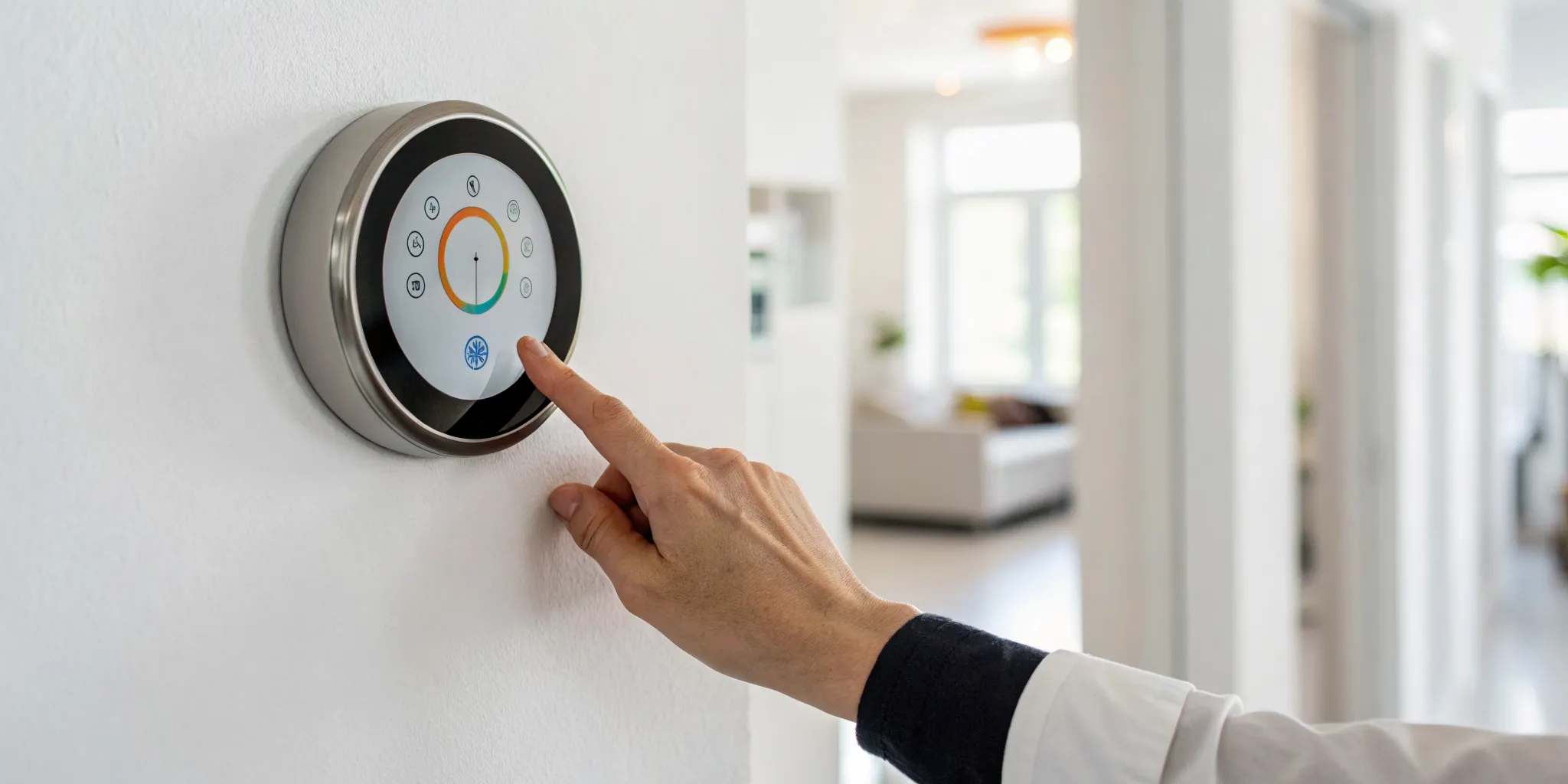
Think about how much of your energy bill goes toward keeping your home comfortable. For most of us here in Florida, the air conditioner runs almost constantly. A programmable thermostat is a simple tool that helps you manage that usage without sacrificing comfort. Instead of leaving your AC at one temperature all day, you can create a schedule that automatically adjusts it when you’re asleep or away from home.
According to the U.S. Department of Energy, programmable thermostats are designed to help you save money on cooling bills by setting a schedule for when your air conditioning turns on and off. Since heating and cooling can account for nearly half of a home's energy costs, automating your temperature settings is one of the easiest ways to cut down on waste. It’s a straightforward change that puts money back in your pocket, all while your home stays perfectly cool whenever you need it to be.
Programmable vs. Smart Thermostats: What's the Difference?
While both help you save energy, the main difference comes down to how they operate. A programmable thermostat is something you set yourself. You input a schedule based on your routine, like raising the temperature after you leave for work and lowering it just before you get home. It follows your commands perfectly.
A smart thermostat takes things a step further. As noted by energy experts, smart thermostats learn your daily habits and can automatically adjust your home’s temperature for you. They often use sensors and Wi-Fi connectivity to know when you’re home or away, adapting on the fly. Think of it as the difference between following a recipe (programmable) and having a chef who knows your tastes (smart).
How Much Can You Actually Save?
So, what does this mean for your wallet? The U.S. Department of Energy estimates you can save as much as 10% a year on cooling costs just by adjusting your thermostat 7-10°F for eight hours a day. In Southwest Florida, where our ACs work overtime, those savings add up fast. Letting the temperature rise a few degrees while you’re out of the house means your system isn’t constantly running to maintain an artificially low temperature in an empty home.
When you pair a smart thermostat with a modern, high-efficiency unit, the savings become even more significant. If your system is getting older, a new air conditioning installation can maximize the benefits of your new thermostat and drastically lower your monthly bills.
Common Thermostat Myths, Debunked
One of the most common myths we hear is that it takes more energy to cool a house back down than it does to just leave the AC at the same temperature all day. This simply isn’t true. According to energy experts, your home actually gains heat more slowly when you let the indoor temperature rise. This means your AC unit runs less overall during the hours you’re away.
While your system does have to work to bring the temperature back down when you get home, that period of activity doesn't cancel out the hours of energy you saved. The idea that your AC has to work "harder" and wastes energy is a misconception. The most efficient way to run your system is to let the temperature drift up when you don't need it to be ice-cold.
What to Look for in an Energy-Efficient Thermostat
Choosing a new thermostat can feel like a big decision, but it doesn't have to be complicated. The right thermostat is simply the one that fits your lifestyle, your home, and your budget. Modern energy-efficient thermostats are packed with features designed to make your life easier and lower your energy bills, especially during those hot Florida summers. Think of it as the command center for your home's comfort. From basic programmable models to smart thermostats that learn your routine, there's a perfect fit for everyone.
When you start shopping, you'll see terms like "programmable," "smart learning," and "geofencing." We'll break down exactly what these mean for you. The key is to find a balance between useful features and simplicity. You want a thermostat that works for you, not one that creates another chore. A great thermostat can help you save money without sacrificing comfort, and it can even integrate with your other smart home devices. If you're considering a full system upgrade, matching your thermostat to your new unit is a smart move. Our team can help you find the perfect thermostat during your air conditioning installation and replacement.
Flexible Scheduling
A programmable thermostat is the first step up from a manual one, and its main superpower is scheduling. These devices let you create a temperature schedule based on your daily life. You can program it to ease up on the AC while you're at work and then cool things down right before you get home. According to the U.S. Department of Energy, this simple automation helps you save money on cooling bills without making your home uncomfortable. It’s a "set it and forget it" approach that ensures you’re not wasting energy cooling an empty house.
Smart Learning and Geofencing
Smart thermostats take scheduling to the next level with learning algorithms and geofencing. Instead of you programming a schedule, a smart thermostat learns your habits over time. It figures out when you're home, when you're away, and what temperatures you prefer, then builds a custom schedule to maximize comfort and savings. Geofencing uses your phone's location to tell when you're leaving the house or when you're on your way back, adjusting the temperature automatically. It’s an effortless way to ensure your home is always comfortable when you need it to be and saving energy when you don't.
Remote and App Control
One of the best features of a modern smart thermostat is the ability to control it from anywhere. Using a simple app on your phone, you can adjust the temperature whether you're on the couch, at the office, or on vacation. Imagine you’re heading home from a long day at the beach and want to walk into a perfectly cool house. With remote control, you can turn down the temperature before you even start the car. This feature gives you complete control over your home's climate and is a standard for most ENERGY STAR certified smart thermostats.
Energy Usage Reports
Ever wonder how much energy your AC is actually using? Many smart thermostats provide detailed energy usage reports right in their app. These reports break down your cooling habits, showing you how many hours your system ran and how your settings affected your consumption. This information is incredibly valuable for understanding where your money is going and identifying new opportunities to save. It’s a great tool for anyone who likes to track their progress and see the tangible results of their energy-saving efforts.
Smart Home Integration
If you already use voice assistants like Alexa or Google Assistant, you'll love how a smart thermostat fits into your connected home. You can integrate your thermostat with your smart home system to control the temperature with simple voice commands. For example, you can just say, "Hey Google, set the temperature to 75 degrees." This seamless integration makes managing your home's comfort even more convenient. It connects your HVAC system to the rest of your smart devices, creating a more automated and responsive living environment.
HVAC System Compatibility
This is a big one. Before you buy any thermostat, you need to make sure it's compatible with your home's heating and cooling system. Most modern thermostats work with standard HVAC systems, but some high-efficiency or multi-stage systems require a specific type of thermostat to function correctly. If you're unsure, it's always best to check the manufacturer's specifications or ask a professional. When we perform an air conditioning installation, we always ensure the thermostat is a perfect match for the system to guarantee optimal performance and efficiency.
Top Smart Thermostat Brands We Recommend
With so many options on the market, picking the right smart thermostat can feel like a chore. The good news is that you really can’t go wrong with the leading brands. Our technicians see these models in homes all across Southwest Florida, and they consistently deliver on their promises of comfort and savings. We’ve broken down four of the most popular and reliable choices to help you find the perfect fit for your home and lifestyle.
Nest Learning Thermostat
The Nest Learning Thermostat is a fan-favorite, known for its sleek, minimalist design and incredibly intuitive interface. Its standout feature is its ability to learn your habits. After about a week, it starts creating a custom schedule for you, automatically adjusting the temperature when you’re away to save energy. A review from CNET found it can cut heating and cooling bills by up to 15%. It integrates seamlessly with Google Home and other smart devices, making it a central hub for your connected home. For best results, a professional air conditioning installation ensures your Nest communicates perfectly with your HVAC system from day one.
Ecobee SmartThermostat
If you have a larger home with rooms that are always too hot or too cold, the Ecobee SmartThermostat is a fantastic solution. It comes with a smart room sensor that you can place in a problem area, like a stuffy upstairs bedroom. The thermostat then reads the temperature in that specific spot to ensure your whole home feels comfortable, not just the hallway where it’s installed. According to TechRadar, this smart technology can help you save up to 23% on energy costs. With built-in Alexa and compatibility with other major smart home systems, it’s a powerful tool for creating a more efficient and comfortable Florida home.
Honeywell Home T9
Honeywell is a trusted name in home comfort, and the T9 Smart Thermostat lives up to the reputation with its focus on flexibility. Like the Ecobee, it uses smart room sensors to tackle uneven temperatures, but it also detects which rooms are occupied. This allows it to prioritize comfort where it matters most, so you aren't wasting energy cooling empty spaces. As Tom's Guide notes, this occupancy detection can lead to significant energy savings. The T9 works with all major smart home platforms, making it a versatile and reliable choice for any household looking to get smarter about its energy use.
Emerson Sensi Touch
For homeowners who want smart features without a steep learning curve or high price tag, the Emerson Sensi Touch is an excellent pick. It’s widely praised for its straightforward installation process and user-friendly app. While it may not have the automatic learning of a Nest, it gives you full control to create custom temperature schedules for every day of the week, helping you reduce energy waste. A review from Digital Trends highlights its easy scheduling as a key way to lower energy costs. If you have questions about whether the Sensi or another thermostat is compatible with your system, feel free to contact us for honest advice.
Finding Rebates for Your New Thermostat
Upgrading to a new thermostat is a fantastic way to make your home more efficient, but the good news doesn't stop there. You can often get money back on your purchase through rebates and tax credits. Think of it as a thank-you for making an energy-smart choice. It just takes a little bit of research to find these savings, and the effort is well worth it. These programs can significantly lower the upfront cost of your new device, making the decision to upgrade even easier.
Before you buy, take a few minutes to explore these options. Many homeowners are surprised to learn how much they can save. From local utility incentives to federal credits, there are several avenues to check. We’ll walk you through where to look so you can get the best deal on your new thermostat and start enjoying the savings right away. It's a simple process, but one that many people overlook. By taking advantage of these offers, you're not just getting a smarter home; you're making a smarter financial decision. The money you save can go right back into your pocket or even cover the cost of professional installation, ensuring your new thermostat works perfectly from day one.
Check with Your Utility Company
Your local utility company is one of the best places to start your search for savings. Many providers in Florida offer rebates to customers who purchase and install energy-efficient devices. They want to encourage energy conservation, and they’re willing to help you pay for the upgrades that make it happen. These programs often provide a nice discount on your initial investment, making a high-tech thermostat much more affordable.
To qualify, you’ll typically need to purchase an ENERGY STAR certified smart thermostat. Just visit your utility provider’s website or give them a call to see what incentives they currently offer. It’s a simple step that can save you a surprising amount of money.
Federal Tax Credits
Beyond local rebates, you might also be eligible for federal tax credits. The government often rewards homeowners for making energy-efficient home improvements, and a new thermostat can fall into that category. These credits can reduce the amount of tax you owe, putting more money back in your pocket at the end of the year. According to the Department of Energy, using a programmable thermostat correctly can already save you up to 10% on your annual cooling costs, so a tax credit is just the cherry on top.
Keep your receipts and check the latest federal guidelines when you file your taxes. These programs can change from year to year, so it’s always a good idea to confirm the details for the year you made the purchase.
ENERGY STAR & Manufacturer Discounts
ENERGY STAR doesn't just certify products; it also partners with various programs that offer direct rebates. You may be able to find offers for a specific dollar amount, like a $50 rebate, just for choosing a qualified smart thermostat. These deals are designed to make energy-efficient technology more accessible to everyone. You can search for these rebates directly on the ENERGY STAR website.
Don’t forget to check with the thermostat manufacturer as well. Brands like Nest, Ecobee, and Honeywell sometimes run their own promotions or seasonal discounts. A quick visit to their websites before you buy could reveal extra savings that you can stack with other rebates.
How to Program Your Thermostat for Maximum Savings
Once you have your new thermostat, the next step is to program it for optimal performance and savings. A few simple settings can make a huge difference in your monthly energy bills without sacrificing comfort. Think of it as creating a custom climate plan for your home that works around your life, not the other way around. Here’s how to get it right.
Set the Perfect Temperature Schedule
The best feature of a programmable thermostat is its ability to follow a schedule. You can set different temperatures for different times of the day based on your family’s routine. For example, you can program the AC to ease up while everyone is out for work and school, then have it cool the house down just before you get home. The U.S. Department of Energy notes that programmable thermostats help you save money by automating when your air conditioning runs, so you’re not paying to cool an empty house.
Use the 7-10°F Rule to Cut Costs
Here’s a simple rule of thumb for big savings: you can cut your cooling costs by up to 10% a year by setting your thermostat 7 to 10 degrees warmer for eight hours a day. The easiest time to do this is when you’re away from home or overnight while you’re asleep. For instance, if you’re comfortable at 78°F while you’re home, try setting it to 85°F or higher when you leave. Your AC will work less to maintain that higher temperature, and your wallet will thank you at the end of the month.
Adjust for Florida's Seasons
Living in Florida means our ACs work hard year-round. To stay comfortable without breaking the bank, a good starting point is setting your thermostat to 78°F when you are home and awake. When you’re away or asleep, you can set it a few degrees warmer. Even a small adjustment makes a difference in our humid climate. If your system struggles to keep up with these changes, it might be a sign that it needs a check-up. Regular air conditioning maintenance ensures your unit runs efficiently, no matter the season.
Where to Place Your Thermostat for Accurate Readings
Your thermostat’s location is more important than you might think. For it to get an accurate reading of your home’s temperature, it should be on an interior wall, away from anything that could throw it off. Keep it clear of direct sunlight, drafty hallways, windows, and even large furniture that might block airflow. A poorly placed thermostat can get a "ghost reading," causing your AC to run too often or not enough. If you suspect your thermostat is in a bad spot, our team can help find the perfect location during an AC installation or replacement.
Use Smart Features Like a Pro
If you have a smart thermostat, be sure to use its advanced features. Many ENERGY STAR certified models come with geofencing, which uses your phone’s location to automatically adjust the temperature when you leave and return home. Others have learning algorithms that track your preferences and create a custom schedule for you. Remote control via a smartphone app is another great perk, allowing you to adjust the temperature from anywhere. These smart tools are designed to make saving energy completely effortless.
Complete Your Upgrade with Professional HVAC Maintenance
Installing a new programmable or smart thermostat is a fantastic step toward a more energy-efficient home. But to truly get the most out of your new gadget, the thermostat and your HVAC system need to work together seamlessly. Think of your thermostat as the brain of the operation; it can give all the right commands, but if the rest of the system isn’t in good shape, you won’t see the results you’re hoping for. A well-maintained system can respond efficiently to your thermostat’s schedule, saving you money and keeping you comfortable.
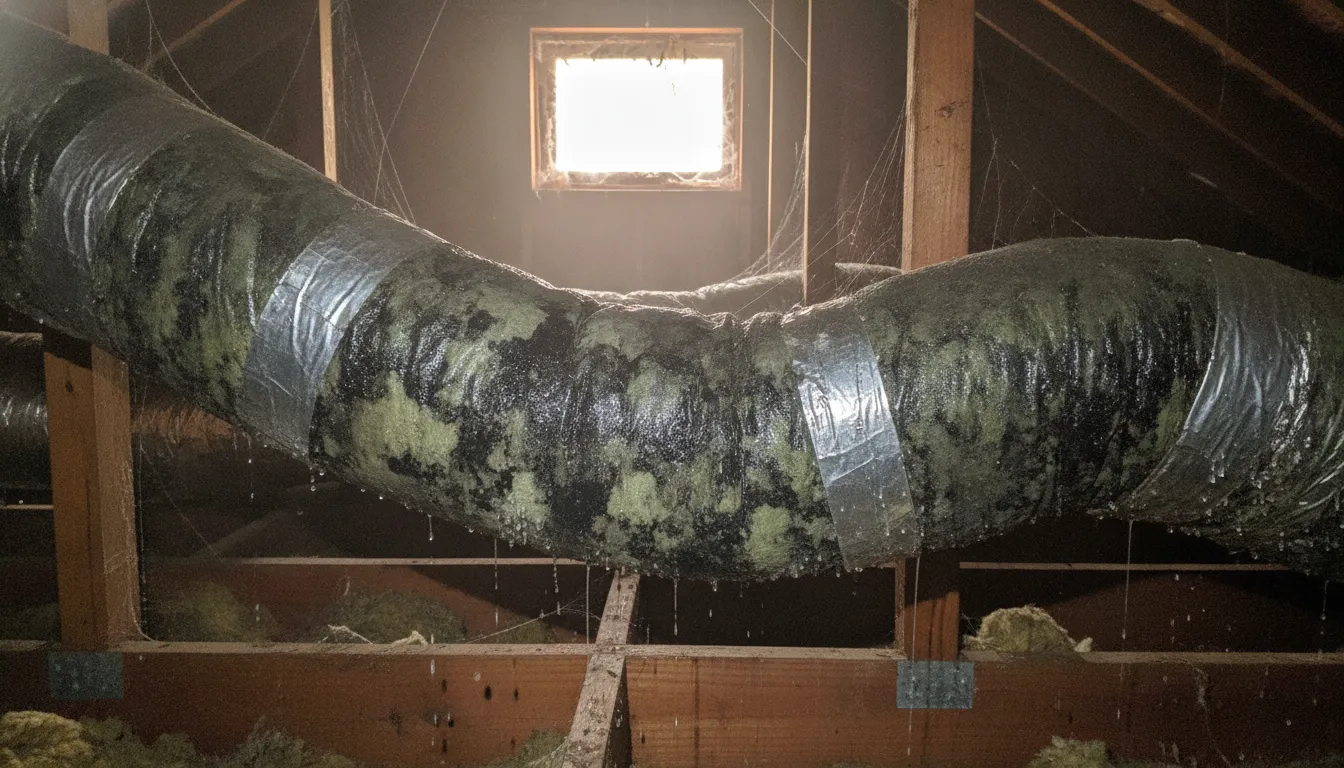
This is where professional HVAC maintenance becomes so important. During a tune-up, a technician does more than just glance at your unit. They clean essential components, check refrigerant levels, and ensure there are no hidden issues, like leaky ducts, that could be wasting energy. If your system is dirty or struggling, it has to work much harder to cool your home, which cancels out the savings from your new thermostat. Regular air conditioning maintenance ensures your entire system is running at peak performance, ready to execute your thermostat’s energy-saving schedule.
A professional can also spot problems your thermostat can’t diagnose. If you find yourself constantly fiddling with the temperature because you just can’t get comfortable, the issue might not be your settings. It could be an underlying problem that requires air conditioning repair. Technicians can also confirm the proper placement of your thermostat, making sure it’s away from direct sunlight, drafts, or other things that could give it an inaccurate temperature reading. By having a professional give your system a clean bill of health, you can be confident that your investment in a new thermostat will pay off for years to come.
Related Articles
Frequently Asked Questions
Is a smart thermostat really worth the extra cost compared to a programmable one? It really depends on your lifestyle. A programmable thermostat is a great, budget-friendly choice if your family has a consistent daily routine. You set the schedule once, and it works perfectly. A smart thermostat is worth the investment if your schedule is more unpredictable. Its features, like learning your habits or using your phone's location to know when you're home, automate the savings for you. You're paying for a higher level of convenience and hands-off efficiency.
Can I install a new thermostat myself, or should I hire a professional? While many thermostats are designed for DIY installation, hiring a professional ensures everything is done correctly from the start. A technician can confirm the thermostat is truly compatible with your specific HVAC system, handle any tricky wiring, and make sure it's placed in the best spot for accurate temperature readings. This helps you avoid "ghost readings" and guarantees your system will respond to the thermostat's commands efficiently.
My AC is pretty old. Will a new thermostat still save me money? Yes, a new thermostat can help reduce your energy bills even with an older AC unit because it will help you run the system less. However, it's important to remember that an old, inefficient air conditioner is likely the biggest factor in your high energy costs. Pairing a new thermostat with an old system will help, but pairing it with a new, high-efficiency AC unit is where you will see the most dramatic savings and improved comfort.
Some rooms in my house are always hotter than others. Can a new thermostat fix this? A standard thermostat, which only reads the temperature in one spot (usually the hallway), can't solve this problem on its own. However, certain smart thermostats are designed specifically for this issue. Models like the Ecobee and Honeywell T9 use remote room sensors that you can place in those hot or cold spots. The thermostat then uses data from the sensors to help even out the temperature throughout your entire home.
What's the easiest way to start saving money if I don't want a complicated schedule? The simplest thing you can do is use the "setback" principle. Just program the temperature to be 7 to 10 degrees warmer for a long period when you're away from home or asleep. You don't need a detailed, hour-by-hour plan to see results. Making this one simple adjustment for an eight-hour stretch each day is one of the most effective ways to cut down on your cooling costs.