Replace AC Compressor or Whole Unit? Read This First
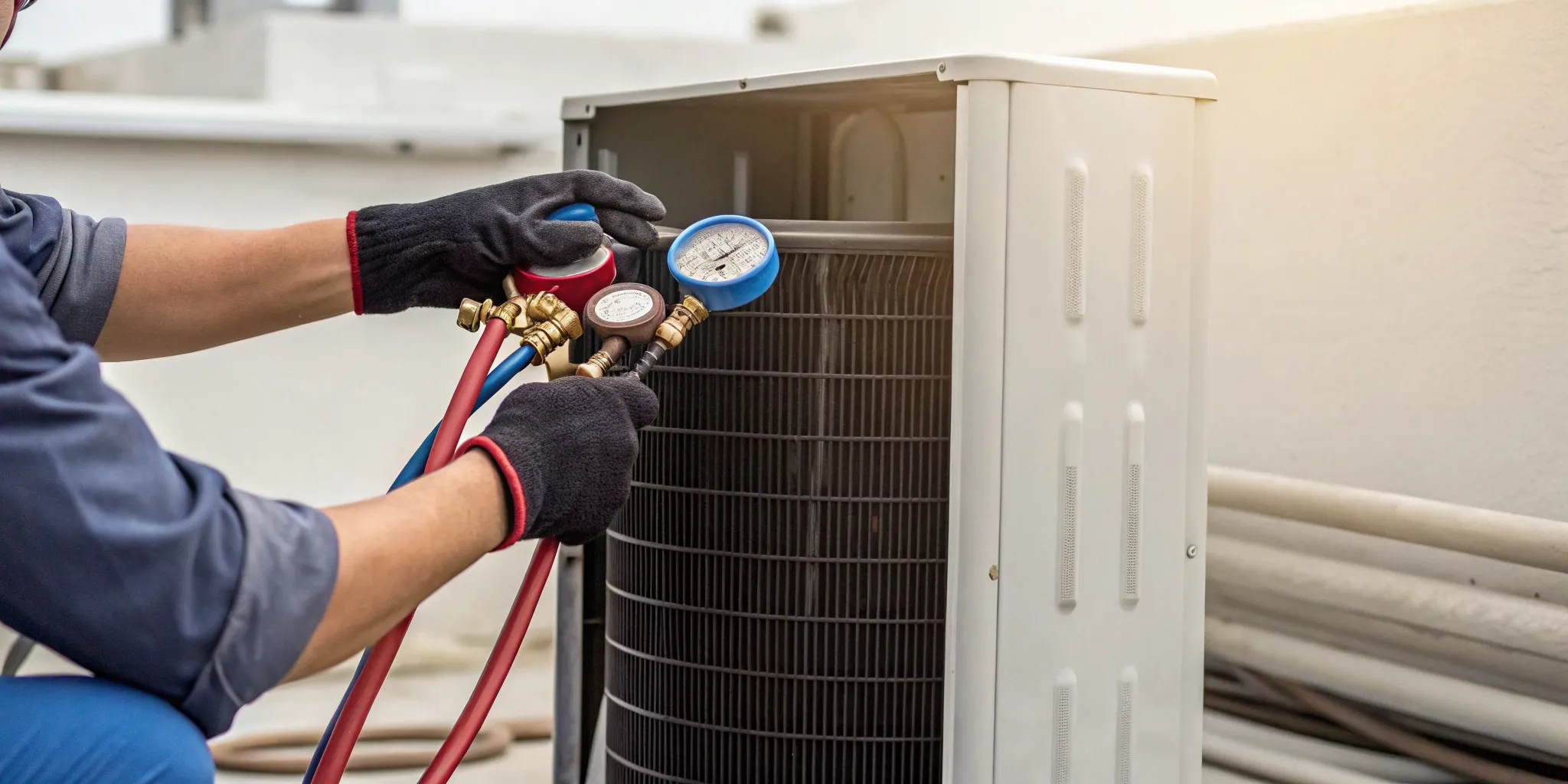
"Your compressor is shot." It's a phrase that can cause instant panic, but it's also a diagnosis that is unfortunately misdiagnosed at times. The real issue could be a much simpler, cheaper fix, like a faulty capacitor. Before you even begin to weigh the options to replace ac compressor or whole unit, you need to be absolutely certain that the compressor is the true culprit. An honest, professional opinion is non-negotiable. This guide will empower you with the right questions to ask any technician, ensuring you get an accurate diagnosis first. From there, we’ll help you navigate the decision-making process with confidence, looking at warranties, system age, and overall condition to find the most reliable and cost-effective solution for your home.
Key Takeaways
- Use the 50% Rule to Guide Your Decision: If a compressor repair costs 50% or more than a full replacement, it's usually smarter to invest in a new system, especially if your current unit is over 10 years old.
- Avoid the Mismatched Parts Trap: Installing a new compressor in an old system can cause inefficiency and future breakdowns because the parts are no longer a matched set, which strains the entire unit.
- Prioritize Prevention with Regular Maintenance: You can prevent most major failures by changing your air filters, keeping the outdoor unit clear of debris, and scheduling an annual professional tune-up.
What Is an AC Compressor?
Think of your AC compressor as the heart of your entire air conditioning system. It’s a powerful pump, usually housed in the outdoor unit, with one critical job: to circulate refrigerant. The compressor puts this special fluid under high pressure, which is the key step in the cooling cycle that removes heat and humidity from your home and sends cool, comfortable air through your vents. Without it, your AC is just a big fan.
Simply put, if the compressor fails, the whole cooling process comes to a halt. Your system might still power on, but you won't get any cold air. This is why a broken compressor is such a major issue. It’s one of the most complex and expensive parts of your air conditioner, and its failure often leads to a tough decision. Do you invest in a significant air conditioning repair, or does it make more sense to put that money toward a whole new unit? Understanding the signs of failure and the factors involved will help you make the best choice for your home and budget.
5 Signs Your AC Compressor Is Failing
Your AC compressor is the heart of your cooling system, and like any hard-working component, it can wear out. Catching the early warning signs can save you from a sweltering Florida afternoon without AC and help you make a more informed decision about repair versus replacement. If your air conditioner starts acting up, keep an eye (and an ear) out for these five common signs of a failing compressor.
Warm Air from Vents
There’s nothing more frustrating than feeling warm air blowing from your vents when you’re expecting a cool breeze. If your AC is running but not cooling your home, a struggling compressor is a likely suspect. The compressor is responsible for pressurizing and circulating refrigerant to absorb heat from your home. When it fails, the cooling cycle breaks down, leaving you with air that’s room temperature or warmer. Before you assume the worst, check your thermostat settings first. If everything looks normal, it’s time to call a professional for an air conditioning repair before the problem gets worse.
Loud Noises from the Outdoor Unit
Your outdoor AC unit should operate with a relatively quiet hum. If you suddenly hear loud, unusual noises like grinding, clanking, or a high-pitched squeal, it’s a major red flag. These sounds often mean the internal components of the compressor are failing. A loud buzzing or humming noise can also indicate the compressor is struggling to start, which could be an electrical issue. Don't ignore these sounds. Turn off your system to prevent catastrophic failure and call for help. A noisy compressor is a clear sign that your system needs immediate attention from a qualified technician.
Your Circuit Breaker Keeps Tripping
Does your AC unit trip the circuit breaker every time it tries to kick on? This is more than just an annoyance; it’s a serious warning sign. A compressor that is nearing the end of its life can draw too much power, overloading the circuit and causing it to trip as a safety measure. While other electrical issues could be the cause, a failing compressor is a common culprit. Continually resetting the breaker can damage your system further and even create a fire hazard. Instead of flipping the switch again, it's safest to contact us to have a licensed technician diagnose the electrical issue.
Unusually High Energy Bills
Your energy bill can be a surprisingly good indicator of your AC's health. A compressor that is failing has to work much harder and run longer to cool your home, leading to a significant drop in efficiency. This extra effort translates directly into higher energy consumption and an unpleasant surprise on your monthly statement. If you’ve noticed your electricity bills creeping up without any change in your habits, your air conditioner could be the cause. Scheduling regular air conditioning maintenance can help you catch these efficiency problems early and keep your system running smoothly.
Leaking Fluid Around the AC Unit
While a little water condensation around the indoor unit is normal, you should never see fluid pooling around your outdoor condenser unit. If you spot a leak, you could be looking at a refrigerant leak. Refrigerant is the lifeblood of your AC, and a leak not only prevents your system from cooling but can also cause severe damage to the compressor. Running the compressor without the proper amount of refrigerant can cause it to overheat and seize completely. Because refrigerant is a hazardous substance, you should never attempt to handle a leak yourself. A professional needs to find the source of the leak and repair it safely.
Compressor Repair vs. Full Replacement: How to Decide
When your AC compressor fails, it feels like your whole world grinds to a halt, especially here in Florida. The immediate question is always, "Do I repair it or replace the whole thing?" It’s a big decision, and the right answer isn't the same for everyone. A quick, cheap fix might seem tempting, but it could cost you more down the road. On the other hand, a full replacement is a significant investment.
The truth is, making the right call depends on a few key factors: the age of your system, the type of refrigerant it uses, its warranty status, and its overall condition. Think of it like this: you wouldn't put a brand-new engine in a car with a rusted-out frame and bald tires. The same logic applies to your air conditioner. The compressor is the heart of your AC, but it’s only one part of a complex system. To make a smart, long-term decision for your home and your budget, you need to look at the complete picture. Let's walk through the five critical questions you should ask before you decide.
Consider Your System's Age
The age of your AC unit is one of the biggest factors in this decision. As a general rule, if your system is over 10 years old, replacing the entire unit is often the smarter financial move. An older system that has lost its compressor is likely to have other parts fail soon, too. Pouring money into a new compressor for an aging unit can start a frustrating and expensive cycle of repairs. A complete air conditioning installation gives you a fresh start with modern, efficient technology that’s built to last, saving you from the headache of future breakdowns and repair bills.
Know Your Refrigerant Type
Refrigerant is the lifeblood of your AC, and not all types are created equal. Many older systems use R-22 refrigerant, a substance that is being phased out for environmental reasons. If your unit uses R-22, a compressor replacement becomes much more complicated and costly. The supply of R-22 is limited, making it extremely expensive to recharge your system after a repair. Investing in a repair for an R-22 system is like pouring money into obsolete technology. A new system will use modern, efficient, and more environmentally friendly refrigerant, ensuring better performance and lower operating costs for years to come.
Check Your Warranty Status
Before you do anything else, dig up the paperwork for your AC unit and check the warranty. If the compressor is still under warranty, the manufacturer may cover the cost of the part itself. This could make a compressor-only swap a very attractive option, as you would likely only be responsible for the labor costs. However, be sure to read the fine print. Warranties can be specific, and labor is rarely included. An honest technician can help you verify your warranty status and understand exactly what is and isn't covered, giving you a clear picture of your out-of-pocket costs.
Assess the Rest of Your System
Your air conditioner's indoor and outdoor units are designed as a matched set, meaning they are engineered to work together seamlessly. The parts wear down at a similar rate. If your compressor has failed after a decade of service, it’s a safe bet that other key components like the fan motor and evaporator coil aren't far behind. Installing a brand-new, high-efficiency compressor into a system with old, worn-out parts can create a performance mismatch. This can strain the older components, reduce overall efficiency, and lead to another breakdown sooner rather than later.
Look at the SEER Rating
The SEER (Seasonal Energy Efficiency Ratio) rating is like the MPG for your air conditioner: the higher the number, the less energy it uses to cool your home. If your current system has a low SEER rating (common in units 10+ years old), upgrading to a new, high-efficiency unit can lead to significant savings on your monthly electricity bills. While the upfront cost is higher, the long-term energy savings can help offset the initial investment. When you explore your financing options, you may find that a new unit is more affordable than you think, especially when you factor in the lower utility costs.
Cost Breakdown: Compressor vs. New Unit
Let's talk numbers. Understanding the costs involved is the first step to making a confident decision. While a compressor repair might seem cheaper upfront, it’s important to look at the full picture, including labor, refrigerant, and the price of a brand-new system. This breakdown will help you weigh the short-term savings against the long-term value.
The Cost to Replace a Compressor
Replacing an AC compressor is a major repair, and the price reflects that. You can generally expect the total cost to fall between $1,000 and $2,500. If your unit’s compressor is still under warranty, the manufacturer may cover the part itself, but you’ll still be responsible for labor. In that case, the bill could be closer to $600 to $1,200. With an investment of this size, it’s smart to pause and ask if putting that money toward an aging system is the right move, or if a full air conditioning replacement makes more sense.
Factoring in Labor and Refrigerant
The price of the compressor part is only one piece of the puzzle. Labor costs can make up a large portion of your final bill, with hourly rates often ranging from $100 to $150. Then there’s the refrigerant. If you have an older system that uses R22 refrigerant (which is being phased out for environmental reasons), you’ll pay a premium, somewhere between $90 to $150 per pound. Newer systems use R410A, which is more affordable at $50 to $80 per pound. These additional costs can add up quickly, turning what seemed like a straightforward compressor repair into a much larger expense.
The Cost of a New AC Unit
While the upfront cost of a new air conditioning system is higher, it’s often the more sensible financial choice in the long run. When you replace the entire system, you get all new components that are designed to work together perfectly. This means no surprise repairs on other aging parts down the road. A new, energy-efficient unit will also lead to lower monthly utility bills, saving you money every month. Think of it as a long-term investment in your home’s comfort, reliability, and efficiency, rather than a temporary patch on an old system.
Use the 50% Rule to Guide Your Decision
If you’re stuck trying to decide, here’s a helpful guideline professionals use: the 50% rule. It’s pretty simple. Take the cost of the repair and compare it to the cost of a brand-new unit. If the repair bill is roughly 25% to 50% of what you’d pay for a full replacement, it’s usually time to invest in a new system. Pouring a significant amount of money into an old unit that might break down again soon just doesn’t make financial sense. If the cost of a new system feels daunting, remember to ask about available financing options that can make the investment more manageable.
Myths About Replacing Just the Compressor
When your AC compressor gives out, it’s easy to fall for some common myths about how to handle the repair. Many homeowners want to find the quickest, cheapest fix, but some "solutions" can end up costing you more time, money, and stress. Let's clear the air and look at the real story behind these popular beliefs so you can make a decision that keeps your home cool and your wallet happy in the long run.
Myth: "It's always the cheaper option."
On the surface, replacing one part seems more budget-friendly than installing a whole new unit. However, the compressor is one of the most expensive components in your AC system. A quote for a compressor-only swap might seem lower initially, but it often doesn't tell the whole story. If the original problem was misdiagnosed, you could pay for a costly replacement that doesn't even fix the issue. You're also putting a brand-new, high-priced part into an aging system, which can lead to other components failing shortly after. An honest air conditioning repair diagnosis will weigh the short-term cost against the long-term value.
Myth: "A warranty means you pay nothing."
Seeing that your compressor is still under warranty can feel like a huge relief, but it doesn't always mean you're off the hook financially. Most manufacturer warranties cover the cost of the part itself, but not the labor required to install it. Swapping a compressor is a complex and time-consuming job, so the labor bill can still be substantial. It's also worth noting that it's uncommon for a compressor to fail while it's still under warranty. If it does, this could signal a deeper, more serious issue with your entire system that a simple part replacement won't solve.
Myth: "Mixing old and new parts is fine."
Your air conditioner's indoor and outdoor units are designed as a matched set, engineered to work together seamlessly. When you replace just the compressor, you're introducing a new component into a system of older, worn-out parts. This mismatch can cause major efficiency problems, forcing your new compressor to work harder than it should and driving up your energy bills. Think of it like running a marathon with one brand-new running shoe and one that's ten years old. You won't get the performance you expect, and you're setting yourself up for another breakdown. A full air conditioning installation ensures all parts are perfectly matched.
Myth: "A new compressor will fix everything."
A failing compressor is often a symptom, not the cause, of your AC troubles. It could be the result of a refrigerant leak, a faulty capacitor, or another underlying issue. Simply replacing the compressor without addressing the root problem is like putting a bandage on a wound that needs stitches. The new compressor will be subjected to the same stressful conditions that caused the original one to fail. For long-term reliability and peace of mind, replacing the entire AC system is usually the better choice. This way, you get all new, efficient parts that work together in harmony. If you're unsure, contact us for an honest, professional opinion.
The Real Perks of a Full AC Replacement
Deciding to replace your entire air conditioning system feels like a huge step, and it's true that the upfront cost is higher than a simple repair. But when you're dealing with a major component failure like the compressor, a full replacement is often the smartest move for your wallet and your peace of mind in the long run. Think of it as investing in a lasting solution instead of applying a temporary, and often expensive, band-aid. The benefits go far beyond just getting the cold air flowing again.
Better Energy Efficiency and Lower Bills
A new, complete AC system is designed for maximum efficiency. The indoor and outdoor units are created to work together as a perfectly matched set, which means they don't have to work as hard to cool your home. Modern systems meet much higher energy efficiency standards than units from a decade ago. This translates directly into lower monthly electricity bills, which can help offset the initial cost of the air conditioning installation. Over time, the energy savings from a new, matched system can be substantial, especially during our long, hot Florida summers.
Fewer Repairs and More Reliability
An old air conditioner, especially one that's over 10 years old, is living on borrowed time. Replacing just the compressor on an aging unit is a gamble because other original parts are likely nearing the end of their lifespan. A full system replacement gives you a fresh start with all new components, drastically reducing the likelihood of surprise breakdowns. This means fewer calls for emergency AC services and more consistent, reliable comfort. You can finally stop worrying about whether your AC will make it through the next heatwave and just enjoy your cool home.
A Fresh Start with a New Warranty
One of the biggest advantages of a full replacement is the comprehensive warranty that comes with it. When you replace only the compressor, you typically get a limited warranty that covers just that single part. The rest of your system, including the aging indoor coil and fan motor, remains unprotected. A brand-new system, however, comes with a robust manufacturer's warranty that covers the entire unit for years. This protection against future repair costs is invaluable and provides the kind of peace of mind that a simple repair just can't offer.
Guaranteed Compatibility and Comfort
Air conditioning systems are not a mix-and-match situation. The outdoor unit (condenser) and the indoor unit (air handler) are engineered to function as a team. Putting a new, high-efficiency compressor with an old, inefficient indoor coil can create a system imbalance. This mismatch can strain the new component, reduce performance, and lead to more problems down the road. By replacing the entire system, you ensure all parts are fully compatible and designed to work in harmony. This results in better cooling, improved humidity control, and a more comfortable home environment overall.
The Risks of a Compressor-Only Swap
Opting to replace only the compressor might seem like a savvy, budget-friendly move. It feels like you’re fixing the one broken part and saving yourself the cost of a whole new system. But this approach often comes with a set of risks that can lead to more headaches and higher costs down the road. Your AC isn't just a collection of individual parts; it's a carefully balanced system. When you disrupt that balance, you can set off a chain reaction of problems. Before you decide on a compressor-only swap, it’s important to understand the potential downsides.
Mismatched and Aging Parts
Think of your AC system’s indoor and outdoor units as a matched set. They were designed and manufactured to work together in perfect harmony, like a dance team that has practiced together for years. When you install a brand-new compressor into an older outdoor unit that’s connected to an even older indoor unit, you’re introducing a new dancer who doesn’t know the steps. The new compressor may be more efficient, but it’s forced to work with aging, less efficient components. This mismatch can strain the new part, reduce overall system efficiency, and lead to premature failure. A complete air conditioning installation ensures all components are perfectly matched for peak performance and longevity.
The Cycle of Future Breakdowns
When a major component like the compressor fails on an older system, it’s rarely an isolated incident. It’s often a sign that the entire system is reaching the end of its lifespan. The same wear and tear that killed the compressor has likely weakened other parts, too. By replacing only the compressor, you might be stepping onto a frustrating treadmill of repairs. A few months after replacing the compressor, the fan motor might go. After that, it could be a refrigerant leak. This cycle of paying for one AC repair after another can quickly add up, leaving you with a system that you can’t rely on, especially during a hot Florida summer.
Hidden Long-Term Costs
A compressor-only swap is not a cheap fix. When the part is out of warranty, the cost of the compressor itself, plus labor and refrigerant, can be surprisingly high. In many cases, the price can approach 50% or more of the cost of a brand-new unit. This is where the 50% rule comes in handy: if a repair costs half as much as a replacement, replacement is usually the smarter long-term investment. Pouring that much money into an old, inefficient system that is likely to break down again just doesn’t make financial sense. A new unit offers better efficiency, lower energy bills, and a fresh warranty, giving you peace of mind and predictable costs. We even offer financing options to make the investment more manageable.
Why You Need an Honest Professional Opinion
When your AC stops working and you hear the words “compressor failure,” it’s easy to feel a sense of panic. This is one of the most expensive components in your air conditioner, and the decision to repair or replace it is a big one. Unfortunately, compressor issues are also frequently misdiagnosed. An inexperienced or dishonest technician might tell you the compressor is dead when it’s actually a much simpler, cheaper fix, like a faulty capacitor or relay. This is why getting an honest, professional opinion is the most important first step you can take.
Making the wrong call can cost you thousands. You could spend a fortune on a new compressor only to find out it wasn't the real problem, or you could install it in an old, failing system that’s just going to break down again in a few months. A trustworthy technician will take the time to accurately diagnose the issue, explain all your options without pressure, and give you the information you need to make the best choice for your home and budget. Our testimonials show that we believe in giving you straight answers, not a sales pitch. We’re here to solve your problem correctly the first time.
What to Expect from an Honest Technician
A true professional won’t just give you a single, take-it-or-leave-it quote. They should inspect your entire HVAC system, not just the outdoor unit. After a thorough diagnosis, you should expect them to provide written price quotes for both options: one for replacing just the compressor and another for installing a completely new AC unit. They will also check to see if your compressor is still under warranty, which could significantly reduce your costs to just labor. An honest technician’s goal is to empower you with clear information, so you can feel confident in your decision. If you’re ready for a clear diagnosis, you can contact us to schedule a visit.
Key Questions to Ask Before You Commit
To make sure you’re making a smart long-term investment, you need to be part of the conversation. Don’t be afraid to ask your technician direct questions before you agree to any work. Start with these:
- Given my AC unit’s age and overall condition, do you see any other parts that are likely to fail soon?
- What are the exact, all-in costs for both the compressor repair and the full system replacement?
- Is my current system under warranty, and how does that affect the cost?
- What kind of energy savings could I expect with a new, more efficient unit?
The answers will help you understand the full picture, moving beyond a temporary fix to find a lasting solution for your home’s comfort. Considering a new system? Learn more about air conditioning installation.
Explore Your Financing and Rebate Options
The price tag of a new AC unit can feel intimidating, but it might be more affordable than you think. A helpful guideline is the 50% rule: if a repair costs 50% or more of what a new unit would, replacement is almost always the smarter financial move. A new, high-efficiency system often qualifies for manufacturer rebates or even federal tax credits, which can lower the initial cost. Plus, many homeowners find that the monthly energy savings help the new system pay for itself over time. To make the investment even more manageable, we offer flexible financing options that allow you to get the comfort you need now without straining your budget.
How to Protect Your AC and Prevent Compressor Failure
The best way to handle a major AC problem is to prevent it from happening in the first place. A little proactive care goes a long way in protecting your compressor and extending the life of your entire system. Think of it as simple insurance against a hot, humid Florida day without air conditioning. These straightforward habits don't require a lot of time or technical skill, but they can save you from the headache and expense of a premature compressor failure. By paying attention to your system and giving it the care it needs, you can keep it running smoothly for years to come.
Change Your Air Filters Regularly
One of the easiest and most effective things you can do for your AC is to change the air filter consistently. A dirty, clogged filter forces your system to work much harder to pull in air, putting a huge strain on the entire unit, especially the compressor. Changing air filters every one to three months keeps your central AC running efficiently and can prevent major problems down the road. This simple task not only protects your equipment but also improves your home's indoor air quality by trapping dust, pollen, and other particles. Set a recurring reminder on your phone so you don't forget.
Keep Your Outdoor Unit Clear of Debris
Your outdoor AC unit needs space to breathe. A fan inside the unit pulls air through the condenser coil to release heat, and any debris can restrict this critical airflow. When airflow is blocked, your system can overheat, forcing the compressor to work under extreme stress. Take a few minutes every month to check the area around your outdoor unit. Make sure there's at least two feet of clearance on all sides. Trim back any encroaching shrubs or tree branches, and clear away leaves, grass clippings, and dirt that may have accumulated around the base.
Schedule Annual Professional Maintenance
While DIY tasks are important, they can't replace a professional check-up. Regular maintenance plays a crucial role in extending the life of your unit. During a tune-up, a trained technician can spot and fix small issues before they turn into catastrophic failures. They will clean internal components, check refrigerant levels, test electrical connections, and ensure your entire system is operating safely and efficiently. Think of it as an annual physical for your AC. Investing in a yearly air conditioning maintenance plan is one of the smartest ways to protect your compressor and ensure reliable cooling.
Don't Ignore Warning Signs
Your air conditioner will often give you hints that something is wrong before it breaks down completely. Paying attention to these clues is key. Unusual noises, decreased cooling efficiency, and inexplicable increases in energy bills can be early indicators of issues with the compressor or other vital components. If you hear grinding, squealing, or banging sounds, or if your home just isn't getting as cool as it used to, don't wait for the problem to get worse. Calling for a professional air conditioning repair at the first sign of trouble can often prevent a minor issue from turning into a costly compressor replacement.
Related Articles
- 5 Signs Your AC Needs Repair
- AC Repair Services
- Duct Replacement Services
- HVAC Tips & Insights Blog - Expert Advice from 5 Star Air
- HVAC Services in Southwest Florida - AC Repair, Installation & Maintenance
Frequently Asked Questions
My AC is only 5-7 years old, but the compressor failed. Should I still consider a full replacement? A compressor failure on a relatively new unit is a major red flag. It often points to a deeper, underlying issue like an incorrect installation, a persistent refrigerant leak, or restricted airflow that was never addressed. While the part itself might be under warranty, it's critical to find out why it failed. Simply swapping the part without fixing the root cause could mean you'll be in the same situation again in a few years. An honest technician will investigate the source of the problem before recommending a solution.
What's the very first thing I should do if my AC is making a loud noise or blowing warm air? If you hear loud grinding, clanking, or squealing, or if the system is running but not cooling, your best first step is to turn the air conditioner off completely. You can do this at the thermostat and at the circuit breaker panel. Continuing to run the unit when it's showing these signs can cause more severe and expensive damage. Once the system is off, your next call should be to a trusted professional to diagnose the issue safely and accurately.
How long does an AC compressor typically last in Florida? Here in Florida, our air conditioners work much harder than in other parts of the country. While a well-maintained system can last 10 to 15 years, the compressor is under constant strain from the heat and humidity. Its exact lifespan can vary, but seeing a failure after the 10-year mark is quite common. This is why annual professional maintenance is so important; it's the best way to help your compressor and the entire system reach their maximum potential lifespan.
Is it possible that something else is wrong and my compressor is actually fine? Yes, absolutely. Compressor failure is one of the most commonly misdiagnosed issues in the HVAC industry. Symptoms like the system not starting or blowing warm air can sometimes be caused by a much simpler and less expensive problem, such as a bad capacitor, a faulty relay, or low refrigerant. This is why getting an opinion from a reputable company is so important before you commit to a major, high-cost repair.
If I get a new AC system, how much can I really expect to save on my energy bills? The savings can be quite significant, but the exact amount depends on the age and efficiency (SEER rating) of your old unit compared to the new one. For example, upgrading from an old 10 SEER unit to a modern 16 SEER system could reduce your cooling costs by 30% or even more. When a technician provides a quote for a new system, they can help you calculate the potential long-term energy savings for your specific home, which often makes the investment look much more attractive.