Your Complete Guide to the Split AC Drainage System
That musty smell you can’t quite place? Or the feeling that your home is still sticky and humid even when the AC has been running for hours? These aren't just minor annoyances; they’re often the first warning signs of a problem with your split ac drainage system. Before you ever see a puddle on the floor, a clogged drain line can cause stagnant water to sit inside your unit, creating the perfect breeding ground for mold and mildew that gets circulated through your air. This guide will help you connect the dots between these subtle clues and a potential drainage issue, so you can address the root cause, improve your indoor air quality, and prevent a major leak before it ever starts.
Key Takeaways
- Prioritize simple, routine maintenance: You can prevent most drainage issues yourself. Make it a habit to replace your air filter and flush the condensate drain line monthly to keep water flowing freely and avoid surprise leaks.
- Recognize the red flags of a drainage issue: Don't ignore the early warnings. Puddles near your indoor unit, musty odors from your vents, or ice on the evaporator coils are clear signs that your AC's drainage system needs immediate attention.
- Act quickly and know your limits: If you spot a leak, turn off your AC immediately to prevent water damage. While you can try clearing the drain line with a wet/dry vac, persistent leaks or frozen coils require a professional's expertise to fix safely and correctly.
What Is a Split AC Drainage System?
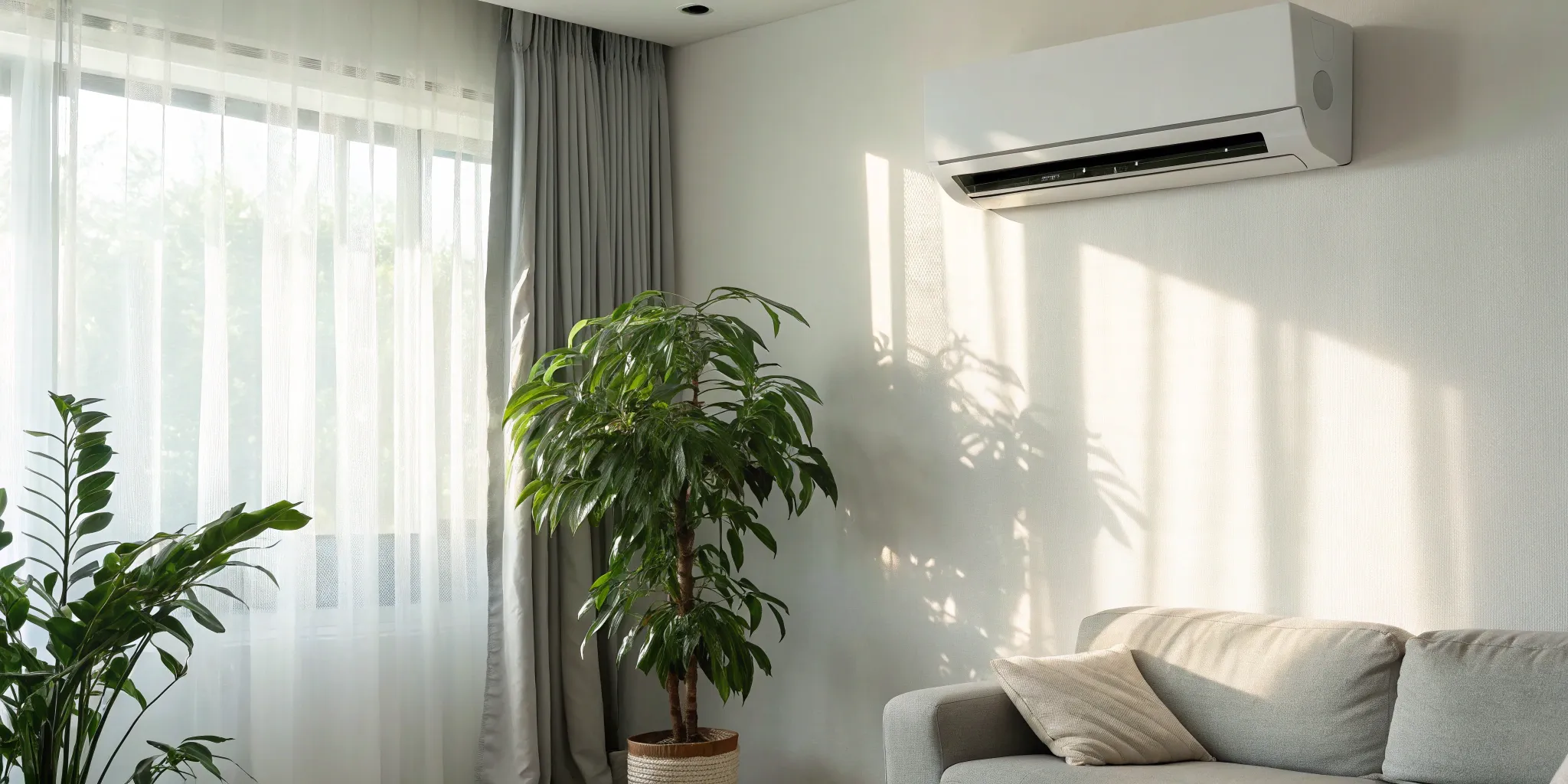
Your air conditioner does more than just cool your home—it also pulls a lot of moisture out of the air. But where does all that water go? That’s the job of the split AC drainage system. A split AC has two main parts: an indoor unit that cools the air and an outdoor unit that releases the heat. As the indoor unit works its magic, it removes humidity, which creates condensation—just like the water droplets that form on a glass of iced tea on a hot Florida afternoon. The drainage system is the dedicated pathway designed to collect this condensation and safely channel it outside your home. Without it, you’d have a constant puddle on your floor. This isn't just a nuisance; it can lead to serious water damage, mold growth, and compromised indoor air quality. A properly working drainage system is a non-negotiable part of any air conditioning installation, acting as your home's first line of defense against moisture-related problems while keeping you cool and comfortable. It's one of those "out of sight, out of mind" components that you don't think about until it stops working, which is why understanding its function is so important.
How It Works
The process is simpler than you might think. As your AC pulls warm, humid air from the room across a set of cold metal coils (called the evaporator coils), the moisture in the air condenses into water droplets. This water drips from the coils into a shallow tray called a condensate drain pan. The pan is slightly sloped, so gravity guides the collected water toward an opening connected to the condensate drain line. This pipe, usually made of PVC, acts as a waterslide, carrying the water from the indoor unit completely out of your house. The entire system is designed to remove condensate water efficiently, keeping the inside of your home dry and damage-free.
The Key Parts to Know
You don't need to be a technician to understand the basics of your AC's drainage system. The two most important components are the condensate drain pan and the condensate drain line. The drain pan is the collection tray sitting right under the evaporator coils, catching every drop of water. The drain line is the pipe that transports that water outside. This line is the most common culprit for drainage problems because it can get clogged with algae, dust, and other debris over time. When that happens, the drain pan overflows. Keeping these parts clear is a core focus of professional air conditioning maintenance, which is why an annual tune-up is so important for preventing water-related emergencies.
Where Does the Water in Your AC Come From?
Ever wondered why your air conditioner produces water? It might seem strange, but it’s a completely normal part of the cooling process. Your AC unit is not just cooling the air; it's also pulling a significant amount of moisture out of it—a feature we can all appreciate here in Florida. This process, called condensation, is the reason your AC has a drainage system in the first place. Understanding where this water comes from is the first step in recognizing when something isn't right with that system.
A Quick Look at the Cooling Process
Your split AC system has an indoor unit that pulls warm, humid air from inside your home. This air flows over a set of very cold pipes called evaporator coils. Think about what happens when you take a can of soda out of the fridge on a hot day—water droplets form on the outside. The same thing happens inside your AC. As the warm air hits the cold coils, the moisture in the air condenses into water. This is how your AC acts as a dehumidifier, making your home feel so much more comfortable. This collected water then drips into a drain pan and is funneled out of your home through the drainage system.
Why Good Drainage Is So Important
When that drainage system works correctly, you never have to think about it. But when it fails, the problems start quickly. A clogged drain line can cause water to back up and overflow from the drain pan, leading to leaks that can damage your walls, ceilings, and floors. This excess moisture also creates the perfect environment for mold and mildew to grow, which can seriously impact your home's indoor air quality. Beyond property damage, a blocked drain can force your entire system to shut down or work much harder to cool your home, leading to higher energy bills and the need for air conditioning repair. Proper drainage is essential for protecting both your home and your investment in your comfort.
What Causes AC Drainage Problems?
Seeing water pool around your indoor AC unit is never a good sign, especially when you rely on it to survive the Florida heat. While it’s easy to panic, the cause is usually one of a few common drainage issues. Your AC is designed to handle condensation, but when one part of the drainage system fails, you end up with a watery mess. Understanding what’s behind the leak is the first step to getting it fixed and restoring cool, dry air to your home. From simple clogs to installation mistakes, here are the top culprits behind AC drainage problems.
Clogged Drain Lines
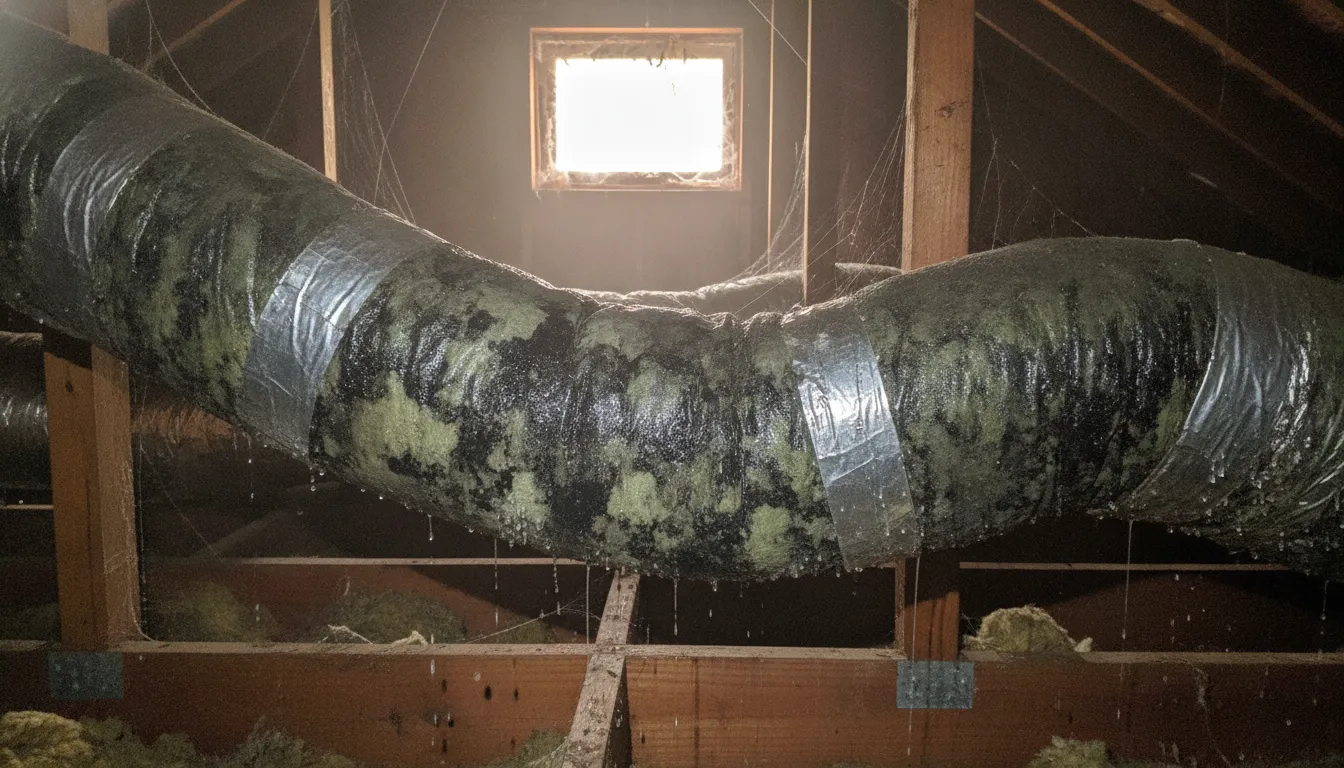
Your AC’s condensate drain line is a prime spot for algae, mold, and sludge to build up. Over time, this gunk can create a stubborn blockage, causing water to back up into the drain pan and eventually overflow into your home. A blocked drain line doesn't just create a mess; it can also lead to higher indoor humidity and force your entire system to shut down to prevent further damage. Regular cleaning is key to keeping this pathway clear, but if you’re already dealing with a clog, you may need a professional to safely flush the line and get the water flowing freely again.
Cracked Drain Pans
The drain pan sits directly under your indoor unit’s evaporator coils, acting as the first line of defense for catching condensation. These pans are often made of plastic, which can become brittle and crack with age. Rust can also corrode metal pans over time. If the drain pan is damaged or filled with debris, water has nowhere to go but out and onto your floor or ceiling. A quick inspection can reveal if you have a crack, but replacing a drain pan often requires a technician to handle the job correctly and prevent future air conditioning repair needs.
Frozen Coils
It might sound strange, but your AC coils can get too cold. When the evaporator coils freeze over, the ice prevents the system from functioning properly. As that ice eventually melts, it can release a large amount of water all at once, overwhelming your drain pan and causing a significant leak. Frozen coils are often a symptom of a bigger problem, like restricted airflow from a dirty filter or, more seriously, low refrigerant levels. If you see ice on your coils, it’s a clear sign that your system needs immediate attention from a professional.
Dirty Air Filters
One of the simplest yet most important parts of your AC system is the air filter. Its job is to trap dust, pollen, and other airborne particles. When the filter gets clogged with dirt, it severely restricts airflow over the evaporator coils. This lack of warm air causes the coils to get too cold and freeze up. Just like with other causes of frozen coils, the melting ice will produce excess water that your drainage system can’t handle. Regularly changing your filters is a core part of any good air conditioning maintenance routine and your best defense against this common problem.
Improper Installation
Sometimes, a drainage problem isn’t due to a broken part but to a mistake made from the very beginning. If an AC unit isn't installed perfectly level, the drain pan won't collect water correctly, leading to spills. Similarly, if the condensate drain line doesn't have the right downward slope, gravity can't do its job to pull water away from the unit. These issues highlight why a professional air conditioning installation is so critical. An expert ensures every component is perfectly aligned for efficient and trouble-free drainage from day one.
Warning Signs of a Drainage Problem
Your AC is great at letting you know when something’s wrong—you just have to know the signs. When it comes to drainage, the warnings are usually clear. Ignoring them can lead to bigger problems like water damage or a system breakdown. Catching these issues early saves you headaches and money. Here are the three main red flags that point to a drainage problem.
Puddles or Leaks
This is the most obvious sign. If you see water pooling around your indoor or outdoor unit, your AC needs attention. Water leaks can damage your walls and floors, creating the perfect environment for mold to grow. A leak usually means the condensate drain line is clogged and water has nowhere to go, or the drain pan has cracked. Don't just put a bucket under it. Understanding why your AC is leaking is the first step to fixing it and preventing costly home repairs. If you spot a puddle, it’s time to investigate or call for a professional air conditioning repair.
Musty Smells and Humidity
Ever walk into a room and it feels damp, or you catch a whiff of a musty smell when the AC kicks on? That’s a classic sign of a drainage issue. When water sits in the drain line or pan, it becomes stagnant, allowing mold and mildew to thrive. That funky smell is then circulated throughout your home. A blocked drain line can also create excess humidity, making your home feel sticky and uncomfortable. This isn't just unpleasant; it directly impacts your home's indoor air quality and can aggravate allergies.
Poor Cooling or Ice Buildup
If your AC runs constantly but your home isn't getting cooler, check the indoor unit for ice. This often starts with a dirty air filter. Clogged filters block airflow over the evaporator coils, making them too cold and causing condensation to freeze solid. This ice block further obstructs airflow, reducing cooling power. When the unit cycles off, all that ice melts and can easily overwhelm your drain pan, leading to a leak. Regular air conditioning maintenance is the best way to prevent this chain reaction from starting in the first place.
How to Prevent AC Drainage Issues
A little proactive care can save you from the headache of water damage and expensive repairs. Most AC drainage problems are completely preventable with a few simple habits. By staying on top of some basic maintenance tasks, you can keep your system running smoothly and your home dry, especially during those humid Florida summers. Think of it as a small investment of your time that pays off big by protecting your home and your air conditioner. Here are the four most important things you can do to prevent drainage issues before they start.
Clean or Replace Your Filters Regularly
Your AC’s air filter is its first line of defense, but a dirty one can cause a cascade of problems. When a filter gets clogged with dust and debris, it restricts airflow to the evaporator coil. This can cause the coil to get too cold and freeze over. As that ice melts, it creates more water than your system is designed to handle, overwhelming the drain pan and leading to leaks. The fix is simple: check your air filter every month and clean or replace it as needed. This not only prevents water issues but also improves your indoor air quality and helps your system run more efficiently.
Clear Your Drain Line Monthly
The condensate drain line is a small but mighty part of your AC system, responsible for carrying all that excess moisture safely outside. Over time, this line can become a breeding ground for algae, mold, and sludge, creating a clog that backs water up into your home. A blocked drain line can cause the drain pan to overflow, leading to significant water damage. To prevent this, you can pour a cup of distilled vinegar down the line once a month to kill any buildup. If you’re already dealing with a stubborn clog, it might be time to call for a professional air conditioning repair.
Inspect the Drain Pan
The drain pan sits directly under your indoor air handler to catch condensation from the evaporator coil. While it’s designed to handle a steady flow of water, it can’t contain a flood. You should visually inspect the drain pan every so often, especially during periods of heavy AC use. Look for standing water, which indicates a clog in the drain line. You should also check for any cracks or rust that could cause leaks. A cracked drain pan is a serious issue that requires immediate attention to prevent water from seeping into your ceilings or floors, often requiring emergency AC services.
Schedule an Annual Tune-Up
The single best way to prevent drainage issues—and most other AC problems—is to schedule professional maintenance every year. During a tune-up, a certified technician will thoroughly clean the entire system, including the coils and drain line, and inspect every component for signs of wear and tear. They can catch and fix small issues like a partially clogged line or a corroded drain pan before they turn into major disasters. An annual air conditioning maintenance visit ensures your system is clean, efficient, and ready to handle the Florida heat without any surprise leaks.
Your AC Is Leaking. Now What?
Spotting a puddle of water around your indoor AC unit can be alarming, but don’t panic. A leak is a clear sign that something needs attention, and acting quickly can prevent a small issue from turning into a major headache. Here’s a step-by-step guide on what to do when you find your AC is leaking.
First Steps to Prevent Water Damage
Before you do anything else, your first priority is to stop the leak and prevent damage. Water can quickly harm your floors, walls, and furniture, and it creates the perfect environment for mold to grow.
Start by turning off your air conditioner at the thermostat. This will stop the cooling cycle and prevent it from producing more condensation. For extra safety, shut off the power to your AC unit at the circuit breaker. Once the system is off, clean up any standing water with towels or a wet/dry vacuum to protect your home.
Simple DIY Fixes to Try
Often, the culprit behind an AC leak is a simple clog in the condensate drain line. This PVC pipe is responsible for carrying moisture away from your indoor unit, but over time, it can get blocked with dirt, dust, or algae.
If you feel comfortable, you can try to clear it yourself. With the power still off, locate the drain line outside your home, near the outdoor condenser unit. Place the hose of a wet/dry vacuum over the end of the pipe to suck out the blockage. You may need to create a tight seal with your hand for it to work effectively. After a minute or two, this can often clear the clog and solve the problem.
When to Shut It Down and Call for Help
If clearing the drain line doesn’t stop the leak, or if you’re not comfortable attempting the fix yourself, it’s time to call a professional. Don't ignore even a small leak, as it can lead to serious water damage, mold growth, or electrical problems. Trying to fix more complex issues on your own could make things worse or even void your system’s warranty.
A persistent leak could be a sign of a cracked drain pan, a frozen evaporator coil, or a refrigerant issue. A certified technician can quickly and safely diagnose the root cause. If your AC is still leaking, shut it down and schedule a professional air conditioning repair to get your system back in working order.
Your DIY AC Maintenance Toolkit
Feeling empowered to handle some basic AC upkeep is a great way to keep your system running smoothly between professional visits. You don’t need a truck full of specialized equipment, but having a few key items on hand can help you tackle simple tasks and spot trouble early. Think of this as your first-aid kit for your air conditioner. Keeping these tools accessible will make routine checks easier and can help you manage a minor issue before it turns into a major, water-damaging headache.
Basic Cleaning Supplies
Most of the tools you need for basic drain line maintenance are probably already in your garage. Regular cleaning is all about prevention. To start, you’ll want a wet/dry vacuum, which is perfect for sucking out any gunk that’s built up in your drain line. A stiff wire brush can help loosen stubborn clogs, and a funnel is useful for flushing the line afterward. Many homeowners use a simple solution of distilled vinegar and water to flush the line, which helps kill algae and mold. Committing to these consistent preventive habits is the best way to avoid clogs and keep water flowing where it should.
Safety and Diagnostic Tools
When you move beyond simple cleaning, safety should always be your top priority. Always turn off the power to your AC unit at the breaker box before you begin any work. A good pair of work gloves and safety glasses are non-negotiable. While there isn't one single tool that can diagnose every problem, a multimeter can help you check for electrical issues if you have the experience to use one safely. However, for anything involving electrical components or refrigerant, it’s always best to call for professional air conditioning repair. A pro has the training and specialized tools to safely and accurately diagnose the root cause of the problem.
When to Call a Professional
While I’m a huge fan of rolling up my sleeves and tackling a good DIY project, I also know my limits—especially when it comes to complex systems like an AC unit. Some jobs just aren't worth the risk. Trying to fix certain AC problems yourself can not only make things worse but can also be dangerous and might even void your warranty. Knowing when to put down the tools and pick up the phone is key to protecting your home and your investment. If you’re facing a problem that seems beyond a simple filter change or drain line flush, it’s always smarter and safer to call in a licensed technician.
Repairs That Aren't DIY-Friendly
Even a small water leak can signal a much bigger problem lurking inside your AC unit. Ignoring it or attempting a quick fix could lead to serious water damage, mold growth, or even electrical hazards. Complex issues with internal components require specialized tools and knowledge to diagnose and fix correctly. Attempting a complicated air conditioning repair on your own can often lead to bigger headaches and a more expensive professional bill down the line. If you've tried the basic troubleshooting steps and the problem persists, it's a clear sign you need an expert eye on the situation.
Refrigerant Leaks or Electrical Issues
If you suspect a refrigerant leak or notice any electrical problems like frayed wires or a breaker that keeps tripping, stop what you're doing and call a professional immediately. Refrigerant is a hazardous substance that requires certified handling, and exposure can be harmful. Likewise, electrical work is incredibly dangerous without proper training. These aren't just repairs; they're safety issues. A qualified technician has the equipment and expertise to handle these materials and systems safely, which is why we offer emergency air conditioning services to address these urgent problems quickly and correctly.
Major System Failures
Sometimes, a drainage problem is a symptom of a major system failure, like a failing compressor or a severely damaged drain pan. These are not minor issues and can cause your entire AC system to break down if they aren't addressed promptly. A professional can spot the early warning signs of these significant failures during a routine check-up, saving you from a complete system shutdown on the hottest day of the year. Regular professional air conditioning maintenance is the best way to catch these problems early and keep your system running efficiently for years to come.
What to Expect for Maintenance and Repair Costs
Budgeting for your home means planning for both routine care and those unexpected fixes. Your AC system is a perfect example. While you can schedule regular maintenance, surprise repairs can pop up when you least expect them. Understanding the potential costs helps you stay prepared and make smart decisions to protect your investment. Think of it less as just another bill and more as a way to ensure your home stays cool and comfortable, especially during those hot Florida summers. A little proactive spending on maintenance can save you from much larger, more stressful expenses down the road. It’s about keeping your home running smoothly so you can focus on enjoying it.
The Cost of Annual Maintenance
Regular maintenance is the single best thing you can do for your split AC system’s health and efficiency. We recommend having your unit professionally inspected at least once a year. Here in Florida, where dust and high humidity are part of life, you might even consider more frequent checks. An annual tune-up typically costs between $75 and $300. During this visit, a technician will clean the components, check for potential issues, and ensure everything is running correctly. This small investment is one of the best ways to prevent a sudden breakdown. Scheduling annual air conditioning maintenance gives you peace of mind and keeps your system in top shape for the year ahead.
Common Repair Costs
When something does go wrong, the cost of repairs can vary quite a bit. Depending on the complexity of the issue, you can expect professional repairs to range from $100 to $700. A simple fix, like clearing a stubborn clog in the drain line, will be on the lower end of that scale. However, if a major component like a fan motor or a capacitor fails, the cost will be higher due to parts and labor. These unexpected expenses can be frustrating, which is why we always stress the importance of preventive care. If you notice any warning signs, it's best to call for air conditioning repair right away to keep a small problem from turning into a big one.
How Preventive Care Saves You Money
Investing in routine maintenance is your best defense against surprise repair bills—it’s that simple. When you keep your AC drain line clean and your system tuned up, you prevent the clogs and wear-and-tear that lead to water damage and component failure. But the savings don't stop there. A well-maintained AC unit runs more efficiently, which means it uses less electricity to cool your home, leading to lower monthly energy bills. Plus, regular care extends the overall lifespan of your system, helping you put off the major expense of a full replacement for as long as possible. It’s all about protecting your budget and ensuring your system runs reliably when you need it most.
Related Articles
- 5 Signs Your AC Needs Repair
- HVAC Tips & Insights Blog - Expert Advice from 5 Star Air
- AC Repair Services
- HVAC Services in Southwest Florida - AC Repair, Installation & Maintenance
- AC Services
Frequently Asked Questions
How often should I actually flush my AC drain line? While pouring vinegar down the line once a month is a great rule of thumb, your specific needs might vary. Here in Florida, our systems work overtime in high humidity, which can lead to faster algae and sludge buildup. If you have pets, smokers, or allergy sufferers in the house, your system is filtering more particles, so staying on top of that monthly cleaning is a smart move. It’s a simple preventive step that can save you from a major headache.
Is the water leaking from my AC unit clean or dirty? The water itself starts as simple condensation, just like the sweat on a glass of ice water. However, once it gets trapped in a dark, clogged drain line, it becomes a stagnant pool. This creates the perfect environment for mold, mildew, and bacteria to grow. So, while the water isn't toxic waste, it's certainly not clean. This is why leaks often come with a musty smell and can negatively affect your home's air quality.
My AC is leaking but still seems to be cooling. Can I wait to get it fixed? I would strongly advise against waiting. A leak, no matter how small, is a clear warning sign that something is wrong. Continuing to run the AC can force more water to back up, leading to significant damage to your floors, drywall, and ceilings. That "small" leak can quickly become a very expensive water damage and mold remediation project. It's always better to turn the system off and address the root cause right away.
Why do my AC coils keep freezing up? Frozen coils are almost always a symptom of an airflow problem. The most common cause is a dirty, clogged air filter that is blocking warm air from passing over the coils, causing them to get too cold. However, it can also indicate a more serious issue, like low refrigerant levels. If you've already replaced your filter and the coils are still freezing, it's a definite sign that you need a professional to diagnose the underlying problem.
Will a professional tune-up really prevent leaks? Absolutely. It's the single most effective thing you can do. During a professional maintenance visit, a technician does much more than just a quick cleaning. They thoroughly inspect the entire drainage system, from the drain pan to the drain line, clearing out any buildup that could cause a future clog. They can also spot and fix small issues, like a developing crack in the pan or poor drainage slope, before they ever have a chance to cause a leak.