Thermostat Replacement Cost: A Simple Guide
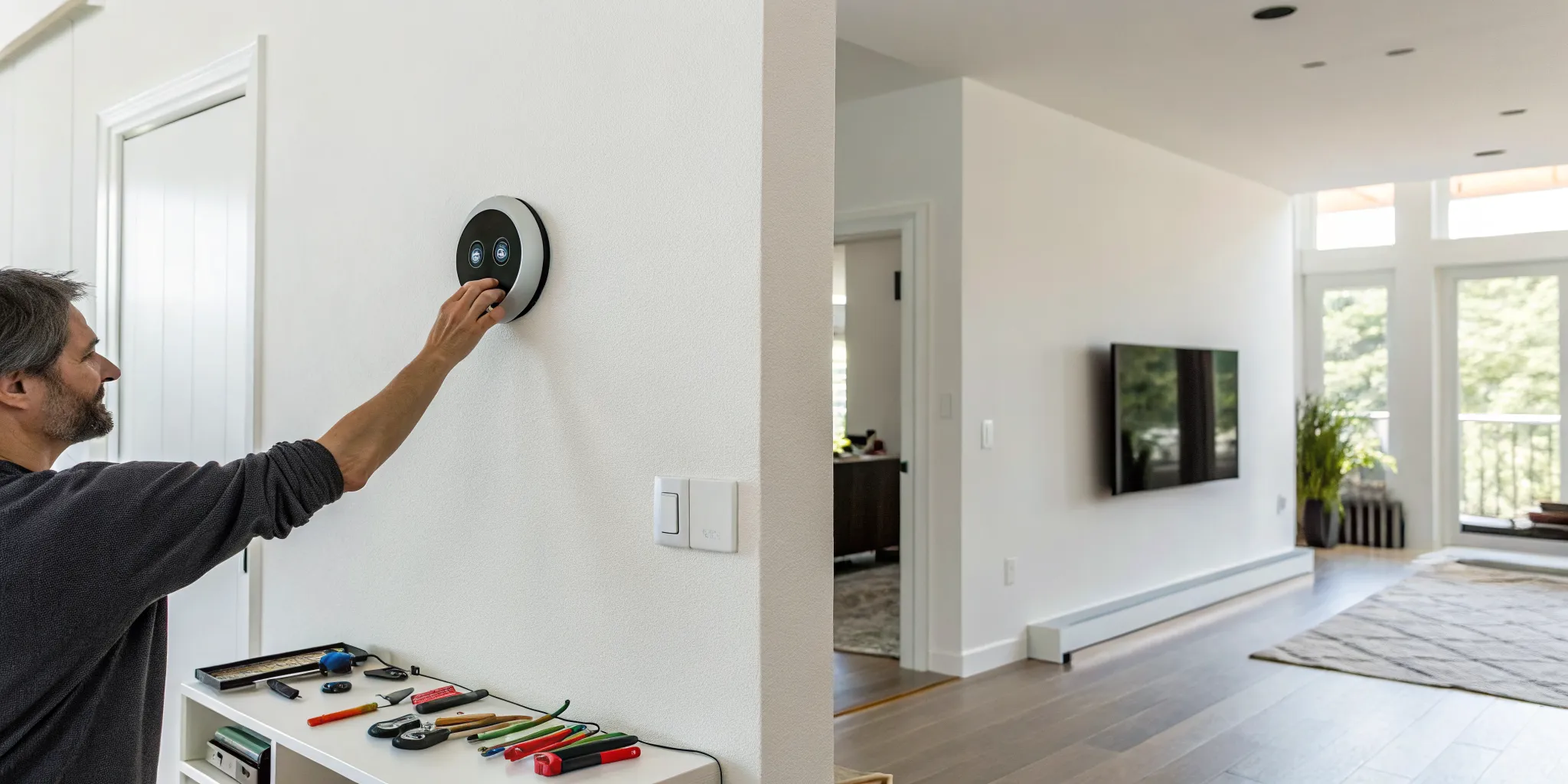
Is your air conditioner running constantly, even when the house feels warm? Do you find yourself endlessly fiddling with an old, inaccurate thermostat dial? These are classic signs that your thermostat is no longer doing its job, leading to discomfort and surprisingly high energy bills. Upgrading your thermostat is often the simplest solution to regain control over your home's climate. But before you make the switch, it’s important to understand the full picture of the thermostat replacement cost. This article will walk you through the pricing for different models and professional installation, so you can choose the right option for your home and budget.
Key Takeaways
- Understand the Total Cost: Your final price is determined by two things: the thermostat model you choose and the cost of professional labor. A basic model is inexpensive, while a smart thermostat costs more but offers advanced features.
- Know When to Call a Pro: While you might handle a simple thermostat swap yourself, you should always hire a professional for smart thermostat upgrades or complex wiring. This protects your HVAC system's warranty and prevents expensive mistakes.
- A Smart Thermostat Is a Worthwhile Investment: The higher initial cost of a smart thermostat is often balanced by long-term energy savings. Its features, like remote access and humidity control, also provide comfort and convenience that are perfect for the Florida climate.
How Much Does It Cost to Replace a Thermostat?
Let's get straight to the numbers. On average, homeowners pay around $184 to replace a thermostat. The final price usually falls somewhere between $114 and $264, but it’s not uncommon for the total to be as low as $67 or as high as $500 depending on the specifics of the job. This cost covers two main things: the thermostat unit itself and the professional labor to install it.
The price of the thermostat is the most variable part of the equation. A simple, non-programmable model might only cost you $15, while a top-of-the-line smart thermostat with Wi-Fi and learning capabilities can run upwards of $300. The right choice for you depends on your budget, your existing HVAC system, and the features you want. We’ll break down the different types in more detail a little later.
Professional installation is the other piece of the puzzle. Most licensed HVAC technicians charge between $65 and $100 per hour, and a standard thermostat swap usually takes one to two hours. This means you can expect labor costs to be in the range of $125 to $146. An experienced technician can ensure your new thermostat is wired correctly and calibrated to your air conditioning system, which prevents future headaches and costly repairs. A trustworthy company will always provide a clear, upfront quote so you know exactly what to expect.
Breaking Down Costs by Thermostat Type
When you get a quote for a thermostat replacement, a big part of the price is the cost of the device itself. Think of it like buying a new phone; you can go for a basic model that just makes calls, or you can get the latest smartphone with all the bells and whistles. Thermostats work the same way. Your choice will come down to your budget, your lifestyle, and how much control you want over your home's climate. Understanding the main categories will help you figure out where your potential costs might land. According to data from home service experts, prices can vary quite a bit depending on the features you need. Let’s look at the three main types you’ll encounter.
Manual Thermostats ($15–$35)
This is your classic, no-fuss thermostat. Manual thermostats are the most straightforward and affordable option, usually featuring a simple dial or switch to set the temperature. There are no schedules to program or apps to sync; you just set it to your desired temperature, and the system works to maintain it. This type is a great fit if you prefer simplicity, are home most of the day, or are looking for the most budget-friendly fix. While they lack the energy-saving features of more advanced models, their reliability and ease of use are hard to beat for the price.
Programmable Thermostats ($20–$150)
A programmable thermostat is a solid middle-ground option that gives you more control over your energy use. These devices let you create a schedule for your HVAC system, automatically adjusting the temperature at different times of the day. For example, you can set it to use less energy while you're at work and have it cool down your home just before you arrive. This "set it and forget it" approach helps you save money on your energy bills without having to constantly fiddle with the temperature. It’s a popular choice for Florida homeowners who want a balance of convenience and efficiency.
Smart Thermostats ($130–$300)
Smart thermostats are the most advanced option on the market, and they come with a price tag to match. These devices connect to your home's Wi-Fi, allowing you to control your AC from anywhere using a smartphone app. Many smart thermostats can even learn your daily routines and automatically create an optimized cooling schedule for you. Some models can also provide energy usage reports and alert you to potential HVAC issues. If you love technology, want to maximize your energy savings, and enjoy the convenience of remote control, a smart thermostat upgrade is an excellent investment.
What Factors Affect the Final Price?
When you're thinking about replacing your thermostat, it’s easy to focus on the price tag you see on the box at the store. But the final cost involves more than just the device itself. Several factors can influence your total bill, from the type of thermostat you choose to the specifics of your home’s current HVAC setup. Think of it as the difference between buying a piece of furniture and having it delivered and assembled in a tricky spot.
The complexity of the installation, the age of your system, and even the wiring behind your walls all play a role. For example, upgrading to a smart thermostat in an older home might require a bit more work than a simple swap in a newer one. Understanding these variables helps you get a realistic picture of the investment and avoid surprises. It’s why getting a detailed quote from a trusted professional is so important. They can assess your unique situation and explain exactly what’s included in the price, ensuring you get the right solution for your home and budget.
Thermostat Type
The single biggest factor in your thermostat's cost is the type you choose. A basic, non-programmable manual thermostat is the most budget-friendly option, but it offers the least amount of control. Stepping up to a programmable model allows you to set schedules, which can help manage energy use when you're away or asleep. The most significant investment is a smart thermostat, which offers Wi-Fi connectivity, remote control via your phone, and learning capabilities. The cost of replacing or installing a thermostat depends heavily on which of these categories you select, with prices ranging from under $50 for a simple model to several hundred for a feature-rich smart device.
Your HVAC System's Age and Compatibility
Not every thermostat works with every HVAC system, and this is especially true for older units. Before you fall in love with a sleek new smart thermostat, it's crucial to confirm it's compatible with your air conditioner and furnace. Modern thermostats, particularly smart ones, are designed for newer systems and may not communicate properly with equipment that's 15 or 20 years old. A professional technician can help you make sure the thermostat will work with your current heating and cooling system. Ignoring compatibility can lead to a thermostat that doesn’t work correctly or, in a worst-case scenario, could even damage your HVAC unit.
The C-Wire: A Key Cost Factor
If you're upgrading to a smart or Wi-Fi-enabled thermostat, you'll likely hear about the C-wire, or "common wire." This wire provides a continuous flow of power to the thermostat, which is necessary to run features like a backlit screen and a Wi-Fi connection without draining batteries. Many older homes don't have a C-wire, and installing one adds to the overall cost. According to HomeAdvisor, adding a new C-wire can involve extra materials and up to two additional hours of labor. This is a common "hidden" cost that can turn a seemingly simple swap into a more involved project.
Number of Thermostats
Do you have a multi-zone HVAC system with more than one thermostat? If so, replacing them all at once could be a smart move. Many HVAC companies offer a better per-unit installation price when you bundle the work. While the upfront cost will be higher than replacing just one, the long-term savings on labor can be significant. It also ensures all your thermostats are on the same page, providing consistent and efficient temperature control throughout your home. If you're planning to upgrade one, it's worth asking your technician about the cost of installing multiple thermostats at the same time.
Installation Complexity
A straightforward thermostat replacement, where the new unit uses the same wiring and fits in the same spot, is a relatively quick job. However, the price can change if the installation is more complex. For instance, if you want to move the thermostat to a different wall, a technician will need to run new wiring and patch and paint the old location. The price can change a lot based on where you live, how complex the wiring is, and whether any troubleshooting is needed to get the new unit to communicate with your HVAC system. These variables are why a flat-rate price isn't always possible without an in-person inspection.
Watch Out for These Hidden Costs
A professional quote should be comprehensive, but it's always wise to ask what isn't included. Sometimes, an initial estimate might not cover certain necessary tasks. For example, if the technician discovers outdated wiring that doesn't meet current safety codes, it will need to be updated. Other potential costs that may not be in a basic estimate include repairing drywall after moving a thermostat, permit fees required by your municipality, or sales tax on parts and labor. A transparent company will discuss these possibilities with you upfront, but it's always good to know what an estimate often does not cover so you can ask the right questions.
Understanding Labor Costs for Installation
Let's talk about the labor cost. This is often the part of the quote that feels the most mysterious, but it doesn't have to be. When you hire a professional, you're paying for their time, expertise, and safety, which is especially important when dealing with your home's electrical and HVAC systems. Understanding how technicians charge for their work helps you compare quotes accurately and feel confident that you're getting a fair price for a job done right. Let's break down what goes into that labor fee.
Hourly Rates vs. Flat Fees
You'll generally see two pricing structures for this kind of work: hourly or a flat fee. Some technicians charge by the hour, with rates typically falling between $65 and $100. While this seems straightforward, the final cost can be unpredictable if the job takes longer than expected. At 5 Star Air, we prefer a more transparent approach. We believe in providing a clear, flat-rate price before any work begins. This way, you know the exact cost upfront, with no surprises or hidden fees. You get peace of mind knowing the price is locked in, regardless of how long the installation takes.
What's Included in the Labor Cost?
When you get a quote for labor, it's smart to ask exactly what that price covers. Often, the fee isn't just for the technician's time. It can also include the cost of the new thermostat, any necessary wiring or mounting supplies, and the proper disposal of your old unit. Some estimates put the basic labor for a simple swap at around $125 to $146, but this can vary. A trustworthy professional will happily walk you through the line items on your quote. This transparency is a core part of our 5-star service guarantee, ensuring you understand every part of your service.
How Location Impacts Your Bill
It’s true, your zip code can influence your final bill. The cost of living and doing business in different parts of Florida means that a thermostat replacement in one town might cost slightly more or less than in another. For example, service costs can differ between areas like Naples, Marco Island, and the Florida Keys. This is why getting a specific quote for your home is so important. Instead of relying on broad online estimates, a personalized quote from a local expert accounts for your location and job specifics. Contact us today for a clear, upfront price tailored to your home.
Myths About Thermostat Replacement Costs
When it comes to thermostat replacement, a few common myths can lead you down the wrong path, costing you time and money. It’s easy to get tangled up in conflicting advice, but getting the facts straight is the first step toward making a smart decision for your home. Let's clear up some of the biggest misconceptions so you can feel confident about your next steps.
Myth: Any Thermostat Works With Any HVAC System
It’s a tempting thought: just pick the thermostat you like and hook it up. Unfortunately, this is one of the most common and costly mistakes homeowners make. Not all thermostats are compatible with all HVAC systems. For example, a system with a heat pump or multi-stage cooling requires a thermostat specifically designed for those functions. Using the wrong one can lead to your system not working correctly or even damaging sensitive components. Before you buy, you need to make sure the thermostat will work with your current setup. Checking your system’s specifications or having a professional take a look is the safest bet.
Myth: A Higher Price Always Means Better Performance
While it's true that smart thermostats with higher price tags offer impressive features, the most expensive option isn't automatically the best for everyone. The "best" thermostat is the one that fits your lifestyle and your home's needs. A top-of-the-line smart thermostat can offer great energy savings over time, but if you prefer a simple, set-it-and-forget-it schedule, a more affordable programmable model might be perfect for you. The goal is to find a balance between features you'll actually use and a price that fits your budget. Don't let a high price tag alone convince you; focus on what will genuinely make your home more comfortable and efficient.
Myth: DIY Is Always Cheaper
Tackling a home project yourself can be satisfying and save you money on labor costs, but thermostat installation isn't always a simple plug-and-play job. Modern thermostats, especially smart models, often require specific wiring that older homes may not have. An incorrect installation can short-circuit your thermostat, damage your HVAC system's control board, or even create a fire hazard. Experts suggest it's often best to hire a licensed technician to ensure the job is done safely and correctly. A professional installation avoids the risk of a much more expensive air conditioning repair down the road.
Myth: If It Works, Don't Replace It
That old thermostat on your wall might still turn your AC on and off, but that doesn't mean it's working well. Thermostats have a lifespan, typically around 10 years, and their accuracy can decline over time. An aging thermostat may not read the room's temperature correctly, causing your system to run longer than necessary and driving up your energy bills. Upgrading an old, functioning thermostat isn't just about getting new features; it's a proactive part of good air conditioning maintenance. A new model will provide more precise temperature control, which translates directly into better comfort and lower energy consumption.
Should You DIY or Hire a Professional?
Deciding whether to replace your thermostat yourself or call in a pro can feel like a tough call. On one hand, a DIY project can save you a few dollars. On the other, your air conditioner is your best friend here in Florida, and you don’t want to risk a single day without it. The right choice really comes down to the type of thermostat you’re installing, your comfort level with electrical work, and the complexity of your HVAC system.
Making a mistake during installation can lead to more than just a headache. It can cause damage to your thermostat, your HVAC system, or even create a safety hazard. Before you break out the toolbox, it’s important to weigh the potential savings against the risks. We’ll walk through when a DIY approach might work, the potential pitfalls, and the clear signs that it’s time to contact a professional. This will help you make a confident decision that keeps your home cool and your system running smoothly.
When a DIY Approach Makes Sense
If you’re a seasoned DIYer with some experience in basic home electrical work, you might be able to handle a simple thermostat replacement. We’re talking about a like-for-like swap, where you’re replacing an old thermostat with a similar manual or programmable model. In these cases, the wiring is often straightforward. You can turn off the power at the breaker, label the wires, disconnect the old unit, and connect the new one by matching the colored wires. Wireless thermostats can also be a simpler installation if your system is compatible, as they reduce some of the wiring challenges. The key is to be honest about your skill level and carefully follow the manufacturer’s instructions.
The Risks of a DIY Installation
While a successful DIY project is rewarding, a failed one can be costly. The biggest risk is incorrect wiring. A simple mix-up can short-circuit the thermostat, blow a fuse in your air handler, or even damage your HVAC system’s main control board, turning a small project into a major expense. There’s also a personal safety risk when working with electricity, no matter how low the voltage seems. For smart thermostats, the stakes are even higher. These devices are more complex and often require a specific power setup that older homes may not have. If you find yourself guessing which wire goes where, it’s better to stop and call for an air conditioning repair technician.
When to Call a Licensed HVAC Technician
There are a few clear signs that a thermostat installation is a job for a professional. If you’re upgrading to a smart thermostat and your current wiring doesn’t have a C-wire (or common wire), you should call a technician. A C-wire provides continuous power to the thermostat, and installing one often involves running a new wire from your air handler, which is not a simple task. You should also call a pro if your HVAC system is old, has complex zoning, or if you’re unsure about its compatibility with a new thermostat. A licensed technician can ensure everything is installed correctly, protecting your equipment and making sure your system runs efficiently.
How DIY Can Affect Your Warranty
One hidden risk of a DIY installation is voiding your warranty. Both your new thermostat and your HVAC system come with manufacturer warranties that protect you from defects and premature failure. However, these warranties often include clauses that void coverage if the damage is caused by improper installation. If you wire the thermostat incorrectly and it damages the unit or your HVAC system’s control board, the manufacturer will likely not cover the replacement costs. Hiring a licensed and insured professional from 5 Star Air ensures the job is done right and keeps your valuable warranties intact, giving you peace of mind.
Is a Smart Thermostat Upgrade Worth It?
Thinking about upgrading your thermostat? It’s a common question we get from homeowners across Southwest Florida. While the initial price of a smart thermostat is higher than a basic model, the long-term benefits often make it a smart investment for your comfort and your wallet. The real question isn't just about the cost, but about the value it brings. From significant energy savings to convenient features that fit our Florida lifestyle, a smart thermostat can completely change how you manage your home's climate. Let's break down what that upgrade really means for you.
Calculating Long-Term Energy Savings
The biggest draw for many is the potential for savings on your monthly energy bill. A smart thermostat isn't just a fancy gadget; it's an efficiency tool. By learning your daily routines and automatically adjusting the temperature when you're away or asleep, it stops you from wasting money cooling an empty house. Over a year, those savings can add up to between $140 and $180. In just a couple of years, the thermostat can essentially pay for itself. If the upfront cost is a concern, many homeowners explore financing options to make the upgrade more manageable from day one.
Smart Features That Matter in Florida
Beyond savings, smart thermostats offer features that are perfect for life in Florida. One of the best is remote control via Wi-Fi. You can adjust your home's temperature from your phone, whether you're on your way home from work or coming back from a day at the beach. Many models also have advanced scheduling and humidity control, which is a game-changer for feeling comfortable in our humid climate. These features not only improve your comfort but also contribute to better indoor air quality by helping to manage moisture levels in your home.
Match Your Thermostat to Your HVAC System
Before you buy a new thermostat, it's crucial to make sure it's compatible with your HVAC system. Not every thermostat works with every air conditioner, especially older models. Many smart thermostats require a C-wire (common wire) to get a continuous flow of power. If your current setup doesn't have one, a technician will need to install it, which adds to the overall cost. Checking compatibility first can save you from buying a thermostat you can't use. This is where a quick consultation with a licensed technician for your air conditioning installation can prevent a major headache.
How to Save on Your Thermostat Replacement
Replacing your thermostat doesn’t have to break the bank. With a little planning, you can make a smart upgrade that fits your budget. The key is to think beyond the sticker price of the device itself and consider the total cost of the project. By being a savvy shopper, bundling services, and taking advantage of available incentives, you can get the best value for your home and your wallet. Let’s walk through a few practical steps you can take to lower the final bill.
Get Multiple Quotes
Before you commit to any service, it’s always a good idea to get a few quotes from different licensed HVAC companies. Pricing can vary, and this step helps you understand the fair market rate for the job in your area. When you reach out, ask for a detailed breakdown that includes the cost of the thermostat and the labor. This is also your chance to vet the company. Look for technicians who are transparent, answer your questions clearly, and don’t pressure you. A trustworthy company will provide an honest assessment and a clear price, ensuring there are no surprises.
Bundle with Other HVAC Services
If you’re already scheduling a technician to come to your home, think about what other HVAC needs you have. You can often save money by bundling your thermostat installation with another service. For example, it’s a perfect time to schedule your annual maintenance visit or have your air ducts inspected. Since the technician is already on-site, you’ll likely pay less than you would for two separate appointments. Combining jobs is an efficient way to tackle your home’s to-do list while making the most of the service call fee.
Look for Rebates and Financing Options
Don’t overlook free money. Many local utility providers offer rebates to homeowners who install energy-efficient smart thermostats. A quick search on your utility company’s website can show you what programs are available. These rebates can significantly reduce the upfront cost of your new device. If the initial expense is still a concern, remember that a new thermostat is an investment in your home’s efficiency. Many HVAC companies, including us, offer flexible payment plans to make the upgrade more manageable. You can explore financing options to spread the cost over time.
Related Articles
- HVAC Tips & Insights Blog - Expert Advice from 5 Star Air
- AC Repair Services
- Duct Replacement Services
- Benefits of Regular HVAC Maintenance
- 5 Star Air - Premier HVAC Services in Southwest Florida
Frequently Asked Questions
How long does a typical thermostat installation take? A straightforward replacement, where we're just swapping one unit for another in the same spot, usually takes a technician about one to two hours. This gives them time to safely disconnect the old unit, correctly wire the new one, and test it to make sure it's communicating properly with your air conditioner. If the job is more involved, like moving the thermostat or running a new wire, it might take a little longer.
My old thermostat still works. Is there a real reason to replace it? Even if your old thermostat seems to be working, it might be costing you money. Thermostats, especially older mechanical ones, lose their accuracy over time. This means your AC might be running longer than necessary, driving up your energy bills. Upgrading to a modern programmable or smart thermostat gives you much more precise temperature control, which translates directly to better comfort and lower energy consumption.
What is a C-wire, and why does it matter for my new thermostat? The C-wire, or common wire, is like a dedicated power line for your thermostat. It provides a continuous flow of electricity, which is necessary for smart thermostats that have features like Wi-Fi and a digital screen. Many older homes weren't built with this wire. If you're upgrading to a smart model, a technician may need to install a C-wire, which can add to the time and cost of the project.
Can I buy my own thermostat and just have a professional install it? Absolutely. Many homeowners prefer to choose their own device. The most important thing is to make sure the thermostat you buy is fully compatible with your specific HVAC system. Using an incompatible model can lead to system malfunctions or even damage. If you're not completely sure, it's always a good idea to consult with a technician before you make a purchase.
Will a smart thermostat actually save me money on my Florida power bill? For most homeowners, the answer is a definite yes. Smart thermostats are designed to learn your schedule and automatically adjust the temperature, so you're not wasting money cooling an empty house. Given how much our air conditioners run here in Florida, those small, daily adjustments can lead to significant savings over the course of a year. The convenience of controlling your AC from your phone is just a great bonus.