Fix Thermostat Short Cycling: A 6-Step DIY Guide
If your latest energy bill was surprisingly high, your air conditioner could be the culprit. A system that constantly starts and stops uses a huge surge of electricity each time it kicks on, making it incredibly inefficient. This behavior, known as short cycling, means you’re paying more for less comfort. It’s a clear sign that something is forcing your AC to work harder than it should. Before you worry about a costly repair, it’s worth investigating the common causes. Many times, the issue is related to thermostat short cycling, a problem you can often troubleshoot on your own. This article will show you how to identify the issue and lower those bills.
Key Takeaways
- Recognize the Symptoms of Short Cycling: Your AC is likely short cycling if it turns on and off every few minutes, your home feels sticky even when it's cool, or your energy bills have suddenly spiked without a clear reason.
- Check for Easy Fixes First: Before making a service call, you can often solve the problem yourself. Replace a dirty air filter to ensure proper airflow, and check your thermostat for simple issues like dead batteries or a poor location that could cause false readings.
- Know When to Call a Professional: If simple troubleshooting doesn't work, it's time for an expert. Problems like low refrigerant, which indicates a leak, or an oversized AC unit require specialized tools and knowledge to diagnose and fix correctly, preventing further damage.
What Is HVAC Short Cycling?
Have you ever noticed your air conditioner kicking on, running for just a few minutes, and then shutting off again? If this pattern repeats throughout the day, your system is likely "short cycling." In a normal cooling cycle, your AC runs for a solid stretch of time to evenly cool your home and remove humidity from the air. Short cycling is the exact opposite; it's a frantic series of short, ineffective bursts. While it might seem like a minor annoyance, it’s actually a symptom of a bigger problem that can cause serious issues for your system and your comfort. Ignoring it can lead to expensive repairs and a stuffy, uncomfortable home.
The Damage It Causes Your System
Think of your AC's compressor like a car engine. The most stressful part of its job is starting up. When your system short cycles, it's forcing the compressor to start and stop constantly. This puts a tremendous amount of strain on the most critical components of your unit. All that extra wear and tear can lead to premature breakdowns and more frequent calls for air conditioning repair. Over time, this relentless stress can significantly shorten the lifespan of your entire HVAC system, forcing you to face a costly replacement much sooner than you should.
How It Affects Your Comfort and Energy Bills
Short cycling doesn't just hurt your AC unit; it also takes a toll on your wallet and your comfort. One of the most important jobs of your air conditioner, especially here in Florida, is to remove humidity. Because a short-cycling system doesn't run long enough, it can't effectively pull moisture from the air. This leaves your home feeling cool but also sticky and humid. On top of that, your system uses a big surge of electricity every time it starts. When it’s doing this over and over, your energy consumption skyrockets, leading to surprisingly high utility bills. It's the worst of both worlds: you're paying more for less comfort. Improving your indoor air quality starts with a properly functioning AC.
Signs Your AC Is Short Cycling
Noticing your AC acting a little strange? Short cycling is one of those HVAC terms that sounds technical, but the signs are actually pretty straightforward once you know what to look for. It’s more than just a minor quirk; it’s your air conditioner’s way of telling you something is wrong. Ignoring it can lead to bigger, more expensive problems down the road. If you’re hearing your system click on and off more than usual or your home just doesn’t feel as comfortable as it should, you might be dealing with short cycling. Let’s walk through the three biggest red flags.
Your System Turns On and Off Too Often
This is the most classic sign. A healthy air conditioner runs for a consistent period to cool your home evenly. When it’s short cycling, the system kicks on, runs for just a few minutes, and then shuts off, only to repeat the process again shortly after. This constant starting and stopping prevents the cool air from properly circulating throughout your house. More importantly, it puts a huge amount of strain on the compressor, which is the heart of your AC unit. If you notice these short, frequent bursts of activity, it’s a clear signal that your system needs attention before a minor issue becomes a major air conditioning repair.
Your Home Feels Muggy or Has Hot Spots
Does your home feel cool but also unpleasantly humid or sticky? That’s a telltale sign of short cycling. Part of your AC’s job is to dehumidify the air, but this process takes time. When the system shuts off too quickly, it doesn’t run long enough to pull that excess moisture out, leaving you with that muggy feeling. You might also notice inconsistent temperatures, with some rooms feeling perfectly cool while others remain warm. This happens because the air isn't circulating long enough to reach every corner of your home. These comfort issues are directly tied to poor indoor air quality and are a clear indicator that your AC isn't performing as it should.
Your Energy Bills Are Suddenly Higher
If your latest utility bill made you do a double-take, your AC could be the culprit. Air conditioners use the most energy during startup. Think of it like a car in stop-and-go traffic versus one cruising on the highway; the constant starting and stopping burns way more fuel. When your system is short cycling, it’s constantly in that high-energy startup phase, which drives your electricity consumption through the roof. An unexpected spike in your energy costs without a corresponding heatwave is a strong financial signal that something is making your system work inefficiently. Regular air conditioning maintenance can often catch the problems that cause this inefficiency before they start costing you money.
Common Reasons an AC System Short Cycles
When your AC starts acting like it can’t make up its mind, turning on and off every few minutes, it’s a clear sign that something is wrong. This constant on-and-off behavior is known as short cycling, and it’s more than just an annoying sound. It’s your system’s way of telling you it’s struggling. Ignoring it can lead to some serious headaches, like premature wear on expensive components, sky-high energy bills, and a home that never feels quite comfortable, especially in the Florida heat. The good news is that the cause can range from something you can easily fix in five minutes to a more complex problem that needs a professional’s touch. Understanding what’s behind the constant cycling is the first step to getting your system back on track. Before you can find the right solution, you have to correctly identify the problem. From a misplaced thermostat to a system that's the wrong size for your home, several issues can trigger short cycling. Let's walk through some of the most common culprits so you can figure out what’s going on with your unit and take the right next steps.
Thermostat Issues (Placement, Batteries, Dirt)
Your thermostat is the brain of your HVAC system, so if it’s getting bad information, it will give bad commands. A common problem is thermostat placement. If it’s located in direct sunlight, next to a hot lamp, or above a heat-generating appliance, it will think the room is warmer than it actually is. This causes it to turn the AC on, quickly sense the temperature has dropped, and then shut it off prematurely. This cycle repeats, causing the short cycling you’re noticing. Even something as simple as dead batteries can cause erratic behavior, while a buildup of dust inside the thermostat can interfere with its sensors and cause it to misread the room’s temperature.
Clogged Air Filter
Think of a clogged air filter like trying to breathe with a pillow over your face. It severely restricts the flow of air your system needs to operate correctly. When airflow is blocked, your AC unit can’t push out the cold air effectively. This can cause the internal components, like the evaporator coil, to get too cold and even freeze over. To protect itself from damage, your system’s safety sensors will trigger a shutdown. A few minutes later, it will try to start again, leading to that frustrating on-and-off cycle. This is why a clean filter is crucial for a healthy AC system and is a key part of any air conditioning maintenance plan.
Low Refrigerant
Refrigerant is the lifeblood of your air conditioner; it’s the substance that absorbs heat from your home and moves it outside. If the level is low, it’s almost always because of a leak somewhere in the refrigerant lines. When there isn’t enough refrigerant, your system can’t cool your home efficiently, and the pressure inside the unit drops. This change in pressure can signal the compressor to shut off to prevent serious damage. Since handling refrigerant requires special tools and certification, a suspected leak is a definite sign you need a professional air conditioning repair. A technician can find the leak, fix it, and recharge the system to the correct level.
An Oversized AC Unit
When it comes to air conditioners, bigger is not always better. An AC unit that’s too large for your home will cool the space down very quickly, which might sound great, but it causes two big problems. First, it satisfies the thermostat before it has had a chance to remove humidity from the air, leaving your home feeling cool but unpleasantly clammy. Second, because it cools so fast, it only runs for a few minutes at a time before shutting off. This constant starting and stopping is the very definition of short cycling. Proper air conditioning installation involves careful calculations to ensure the unit is perfectly sized for your home’s specific needs.
Is Your Thermostat the Culprit? A Step-by-Step Guide
When your air conditioner starts acting up, it’s easy to assume the worst. But before you panic about a major system failure, it’s worth checking a small but mighty component: your thermostat. This little box on the wall is the brain of your HVAC system, and if it isn’t working correctly, it can cause all sorts of problems, including short cycling. An incorrect reading or a faulty connection can tell your AC to turn off long before your home is actually cool. The good news is that many thermostat issues are simple to identify and fix on your own. This guide will walk you through six easy steps to determine if your thermostat is the source of your AC troubles.
Step 1: Check the Batteries
It might sound too simple to be true, but dead or dying batteries are a top reason for thermostat malfunctions. When the batteries are low, the thermostat can’t send a clear, consistent signal to your HVAC system. This can lead to it turning on and off randomly or not turning on at all. Most digital thermostats have a low battery indicator, but it’s easy to miss. Before you do anything else, pop the cover off your thermostat and replace the batteries with a fresh set. This single, two-minute task solves the problem more often than you might think and is the easiest place to start your troubleshooting.
Step 2: Inspect Its Location
Take a look at where your thermostat is mounted. Is it on a wall that gets blasted by direct Florida sun in the afternoon? Is it near a hot lamp, a television, or right above a gaming console that generates a lot of heat? The thermostat’s job is to read the temperature of the air around it. If it’s located in an unusually hot spot, it will think your entire house is warmer than it is. This will cause it to shut the AC off prematurely, leaving other rooms feeling stuffy. If you suspect a poor location is the issue, a professional can help you find a better spot and relocate the unit for more accurate air conditioning repair and performance.
Step 3: Clean the Interior
Over time, dust, pet hair, and other debris can build up inside your thermostat. This gunk can coat the internal sensors, insulating them and preventing them from getting an accurate temperature reading. To clean it, first turn off the power to your HVAC system at the circuit breaker for safety. Then, carefully remove the thermostat’s cover. You can use a can of compressed air or a very soft brush to gently clear away any dust you see on the internal components. A clean thermostat is a more effective thermostat, and this simple bit of housekeeping can make a big difference in its performance.
Step 4: Look for Loose Wires
With the power still off, take a moment to visually inspect the wires connected to the thermostat base. You don’t need to be an electrician to spot something that looks obviously wrong. Check for any wires that have come loose from their terminals or any connections that look corroded. While you can gently tighten a loose screw, you should never try to handle frayed wires or complex electrical issues yourself. If you see anything that concerns you, it’s a clear sign to stop and call a professional. Faulty wiring can be a hazard, so it’s best to rely on an expert for any emergency air conditioning services.
Step 5: Change Your Air Filter
A severely clogged air filter can cause your entire HVAC system to struggle, leading to short cycling. When the filter is packed with dirt, it restricts airflow to the indoor unit. This can cause the evaporator coils to get too cold and freeze over, or it can make the system work so hard that it overheats. In either case, a safety sensor will likely shut the system down to prevent damage. While this isn't a thermostat problem, it's a simple check that's often overlooked. Making sure you have a clean filter is a critical part of regular air conditioning maintenance and can prevent a whole host of AC issues.
Step 6: Time the Cycles
If you’ve tried the steps above and your AC is still acting up, it’s time to gather some data. Use the stopwatch on your phone to time how long your air conditioner runs before it shuts off. In the Florida heat, a healthy cooling cycle should last at least 10 to 15 minutes, long enough to properly cool and dehumidify your home. If your system is consistently running for less than 10 minutes, shutting off, and then quickly turning back on, you can confirm it’s short cycling. At this point, you’ve done your due diligence. With this information in hand, you can confidently contact us and know that the problem likely requires a professional diagnosis.
Quick Fixes to Try Before Calling a Pro
Before you pick up the phone, there are a few simple troubleshooting steps you can take. Sometimes, an issue like short cycling has a surprisingly easy fix that you can handle yourself in just a few minutes. Working through these potential solutions can save you time, and money, and give you a better understanding of your home’s cooling system. If these steps don’t solve the problem, you’ll at least have more information to share when you do call a professional for an air conditioning repair.
Move Your Thermostat Away from Heat Sources
Is your thermostat getting a little too much sun? Or is it right next to a hot lamp or kitchen appliance? A thermostat placed near any heat source can get a false reading, thinking the room is much warmer than it actually is. This confusion causes it to turn your AC on and off incorrectly, leading to short cycling. Take a look at its placement. If it's in a sunny spot or near a heat-producing device, it’s likely the cause of your problem. Relocating the thermostat to a more central, neutral spot on an interior wall will give it a more accurate sense of your home's temperature.
Try a Factory Reset
Think of this as the classic "turn it off and on again" trick, but for your thermostat. Sometimes, a thermostat’s internal software can develop glitches, causing it to send the wrong signals to your AC unit. A factory reset wipes these errors and restores the thermostat to its original settings, which can often resolve any miscommunication. The exact steps for a reset will vary depending on your thermostat model, so it’s a good idea to have your user manual handy. If you can’t find the manual, a quick search online for your model’s instructions should do the trick. This simple step can get your system back in sync.
Adjust the Cycle Rate Settings
Many modern digital thermostats have a feature called a "cycle rate" or "anticipator" setting. This setting tells your HVAC system how many times it can turn on and off within an hour. If the setting is too sensitive, it can trigger the frequent on-and-off pattern of short cycling. You can often adjust this yourself through the thermostat's menu. By setting it to allow for longer, less frequent cycles, you can often stop short cycling in its tracks. Check your thermostat’s manual for how to access and change these settings, as it can make a huge difference in your system's performance and your home's comfort.
Helpful Tools for DIY Troubleshooting
One of the most common culprits behind short cycling is something you can check without any tools at all: a dirty air filter. A clogged filter restricts airflow, which can cause your system’s internal components to overheat and shut down prematurely. It’s a simple but critical part of your AC system. Before you do anything else, turn off your system and check the filter. If it looks dirty, gray, or clogged with dust, replace it with a fresh one. This single step not only helps prevent short cycling but also improves your indoor air quality and keeps your system running efficiently.
The Dangers of Ignoring Short Cycling
Hearing your AC click on and off more than usual might seem like a minor annoyance, but it’s a serious red flag. Short cycling puts your entire HVAC system under incredible strain, leading to problems that go far beyond a little extra noise. Ignoring it can damage your equipment, compromise your home’s comfort, and hit your wallet hard. Let's look at exactly what’s at stake when your system is stuck in this damaging pattern.
Premature Wear on Your HVAC System
Think of your AC’s startup sequence like the ignition in your car. It requires a powerful surge of energy to get the compressor and fans moving. When your system short cycles, it’s going through this high-stress startup process over and over again, sometimes multiple times an hour. This constant starting and stopping puts a huge amount of strain on its most critical components.
This repeated stress wears out parts like the compressor, fan motor, and electrical components much faster than normal. Instead of lasting for years, these parts can fail prematurely, leading to unexpected breakdowns. What starts as a small issue can quickly escalate, shortening the lifespan of your entire unit and forcing you to face a major air conditioning repair sooner than you should.
Poor Humidity Control and Mold Growth
One of your air conditioner’s most important jobs, especially here in Florida, is removing humidity from the air. This process takes time; the system needs to run for a full cycle to effectively pull moisture out of your home. When it short cycles, it cools the air just enough to satisfy the thermostat but shuts off before it can properly dehumidify. This leaves you with that cool but sticky, clammy feeling.
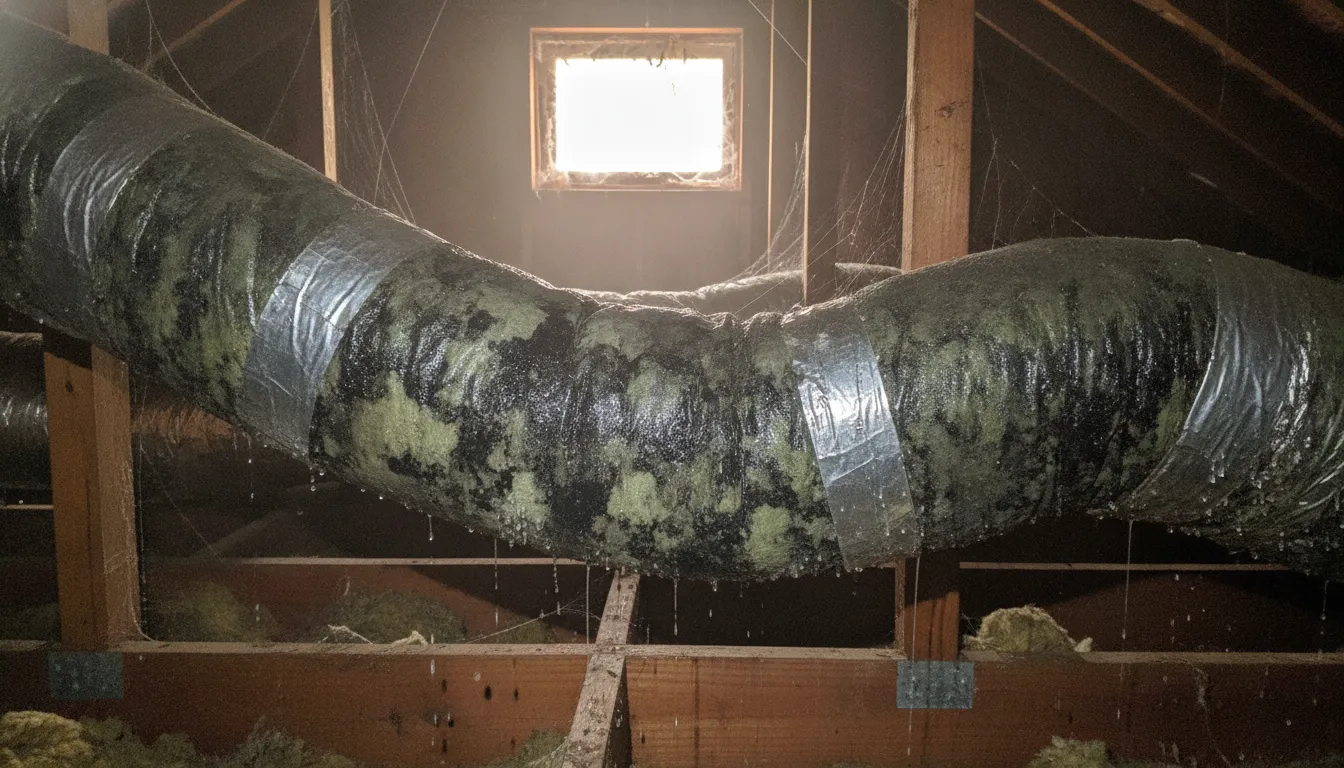
This lingering moisture isn't just uncomfortable. It creates the perfect breeding ground for mold and mildew inside your home and ductwork. If you’ve noticed a musty smell or that your home feels damp even when the AC is running, short cycling could be the cause. Improving your indoor air quality starts with a properly functioning HVAC system that completes its cycles.
Higher Costs for Repairs and Replacement
Short cycling hits you with a one-two punch of higher costs. First, your energy bills will creep up. Since the system uses the most electricity during startup, constantly turning on and off is far less efficient than running for a steady, complete cycle. You’ll pay more each month for less comfort.
Second, you’ll face much higher repair bills. As parts wear out from the constant stress, you’ll be calling for service more often. Replacing a fan motor can cost hundreds, but a failed compressor is the real budget-buster, often costing $2,000 or more to replace. In many cases, a dead compressor means it’s more cost-effective to invest in a full air conditioning installation and replacement. Addressing short cycling early can save you thousands in the long run.
When to Call an HVAC Professional
You’ve tried the DIY fixes, and your AC is still acting up. First, give yourself credit for trying. Many simple issues can be solved with a little troubleshooting. However, some problems are more complex and require a trained eye and specialized tools. Continuing to run a short-cycling system can cause expensive, and sometimes permanent, damage to critical components like the compressor.
If you’ve gone through the checklist and the problem persists, it’s time to call for professional help. An experienced technician can safely diagnose issues that go beyond a dirty filter or a misplaced thermostat. Protecting your investment and restoring your home’s comfort is the top priority, and sometimes that means handing the job over to an expert.
If DIY Fixes Don't Work
When you’ve checked the thermostat, replaced the air filter, and timed the cycles, but your AC is still shutting off every few minutes, it’s a clear signal that the problem lies deeper within the system. This isn't a sign of failure on your part; it's an indicator that the issue is likely electrical or mechanical. Ignoring it won't make it go away. In fact, allowing the system to keep short cycling can cause lasting damage to the compressor or motor, turning a smaller issue into a major expense. If your troubleshooting hasn't solved the problem, the safest and most cost-effective next step is to schedule a professional air conditioning repair.
For Refrigerant Leaks or System Sizing Issues
Two common culprits behind short cycling are refrigerant leaks and an improperly sized AC unit, both of which require a professional. If your system is low on refrigerant, it can’t cool your home effectively, causing it to work harder and overheat. Handling refrigerant is a job strictly for certified technicians. Another possibility is that your AC unit is too big for your home. While bigger might seem better, an oversized system cools the air too quickly and shuts down before it can properly dehumidify the space, leading to that muggy feeling. A professional can determine if your unit is the right size and recommend a proper air conditioning installation and replacement if needed.
What to Expect from a 5 Star Air Inspection
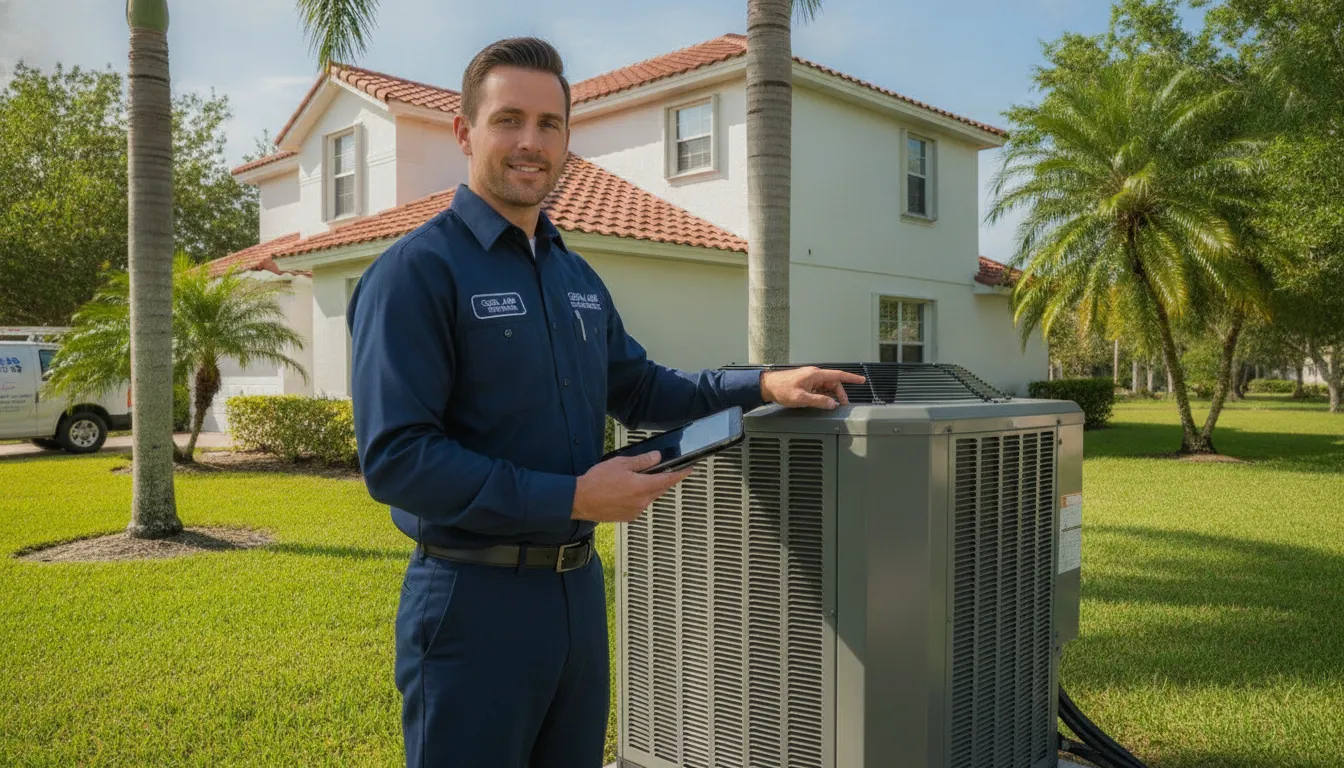
When you call 5 Star Air, you can put the stress of diagnosing the problem behind you. We’ll send a licensed technician, not a salesperson, to thoroughly inspect your entire system. They will check for the complex issues you can’t see, like refrigerant leaks, electrical faults, or incorrect pressure levels. Our goal is to find the root cause of the short cycling, not just put a temporary patch on a symptom. Once we identify the problem, we’ll explain it to you in plain language and provide clear, upfront pricing for the solution. We believe in honesty and transparency, so you’ll have all the information you need to make the right decision for your home. Ready for a solution? Contact us to schedule your inspection.
How to Prevent Short Cycling in the Future
Once you’ve sorted out a short cycling problem, the last thing you want is for it to come back. Taking a proactive approach is the best way to protect your HVAC system, keep your home comfortable, and avoid surprise repair bills. A few simple habits can make all the difference in preventing short cycling and extending the life of your air conditioner. By staying on top of a few key tasks, you can ensure your system runs smoothly for years to come, especially during those hot Florida summers.
Schedule Routine HVAC Maintenance
This is the most important step you can take for your system’s long-term health. Think of it like a check-up for your AC. During a maintenance visit, a technician does more than just look around; they clean critical components, check refrigerant levels, and test electrical connections. This allows them to catch small issues before they turn into major problems that cause short cycling. Scheduling regular air conditioning maintenance ensures your system runs efficiently and safely, preventing the kind of wear and tear that leads to premature failure. It’s a small investment that protects your much larger one.
Keep Up with Filter Changes
Here’s a simple task with a huge payoff. A clogged air filter is one of the most common culprits behind short cycling. When the filter is full of dust and debris, it chokes the airflow to your system. Your AC has to work much harder to pull in air, which can cause it to overheat and shut down unexpectedly. To prevent this, check your filter every month and plan to replace it every 1 to 3 months. If you have pets or allergies, you may need to change it more often. This one small habit helps maintain good indoor air quality and keeps your system breathing easy.
Upgrade to a Smart Thermostat
If your thermostat is old or in a less-than-ideal spot, upgrading to a smart thermostat can be a game-changer. Smart thermostats provide much more accurate temperature readings, preventing the false signals that can trigger short cycling. They also learn your household’s patterns and can be programmed to run more efficiently, reducing unnecessary starts and stops. Some models, when paired with modern AC units, can even help manage humidity and improve air circulation throughout your home. An air conditioning installation professional can help you choose and install a smart thermostat that works seamlessly with your existing system for better comfort and control.
Related Articles
- HVAC Tips & Insights Blog - Expert Advice from 5 Star Air
- Benefits of Regular HVAC Maintenance
- Prepare Your HVAC for Florida Summer
- 5 Signs Your AC Needs Repair
Frequently Asked Questions
How long should my air conditioner run during a normal cycle? While there isn't one exact number, a healthy air conditioner in the Florida heat should typically run for at least 10 to 20 minutes at a time. This gives it enough time to not only cool the air but also effectively remove humidity. If you notice your system is consistently running for less than 10 minutes before shutting off, especially on a hot day, it's a strong sign that it's short cycling.
My house still feels cool, so is short cycling really that bad? It's tempting to ignore it if your home feels generally comfortable, but short cycling is causing hidden damage. The constant starting and stopping puts incredible strain on your AC's compressor, which is the most expensive part to replace. It also leaves sticky humidity in the air and secretly drives up your energy bill, since the startup phase uses the most electricity.
Can I fix short cycling myself, or do I always need a professional? It really depends on the cause. You can and should try simple fixes first, like replacing a dirty air filter or checking your thermostat's batteries and placement. These common issues are easy to solve on your own. However, if those steps don't work, the problem is likely more complex, such as a refrigerant leak or an electrical issue, which requires the tools and expertise of a trained technician.
Is an oversized AC unit really a problem? I thought bigger was better. It's a common misconception, but an oversized AC unit is a serious issue. It cools the air so quickly that it shuts off before it has a chance to perform its other critical job: dehumidifying your home. This results in that cool but clammy feeling and is the very definition of short cycling. A properly sized unit is crucial for both comfort and the long-term health of your system.
How can I tell if the problem is a simple fix or something serious like a refrigerant leak? You can usually spot a simple fix. A dirty air filter, for example, will look visibly clogged with dust and grime. A serious issue like a refrigerant leak has different signs, such as ice forming on the lines of your outdoor unit, a hissing sound, or air from your vents that isn't very cold. If you suspect a refrigerant issue, you should turn the system off and call a professional right away, as it requires special handling.