Used Commercial HVAC Components: A Buyer's Guide
If you manage a building with an older HVAC system, you may have heard frustrating news from a technician: "They don't make that part anymore." This diagnosis often comes with a recommendation for a full, and very expensive, system replacement. Before you commit to a massive upgrade, it's worth exploring another avenue. The market for used commercial HVAC system components is a vital resource for finding those rare or discontinued parts that can extend the life of your current equipment. This guide will show you where to look and what to ask, helping you turn a potential crisis into a manageable repair.
Key Takeaways
- Look Beyond the Price Tag: Used HVAC parts offer significant cost savings, but they also provide a green alternative by reducing waste. This route is especially useful for finding discontinued components to keep an older, but still functional, system running.
- Vet Your Part and Your Seller: To avoid a bad investment, always verify the seller's reputation through reviews and ask for the part's maintenance history. Most importantly, have a certified technician inspect the component for hidden issues like corrosion or wear before you make a purchase.
- Partner with a Pro for a Successful Repair: Never go it alone when buying used parts; a certified HVAC technician is crucial for correctly diagnosing the problem, confirming the used part is compatible with your system, and ensuring a safe, professional installation.
What Are Used Commercial HVAC Parts?
When you hear "used HVAC parts," you might picture a dusty component pulled from an old system. The reality is much different. Used commercial HVAC parts are pre-owned components that have been professionally inspected, refurbished, and certified for resale. For business owners, this can be a smart and cost-effective way to handle repairs or upgrades without buying brand-new equipment. These parts range from major units to smaller, essential pieces, offering a practical solution for maintaining your building's climate control system.
Common Types of Used Components
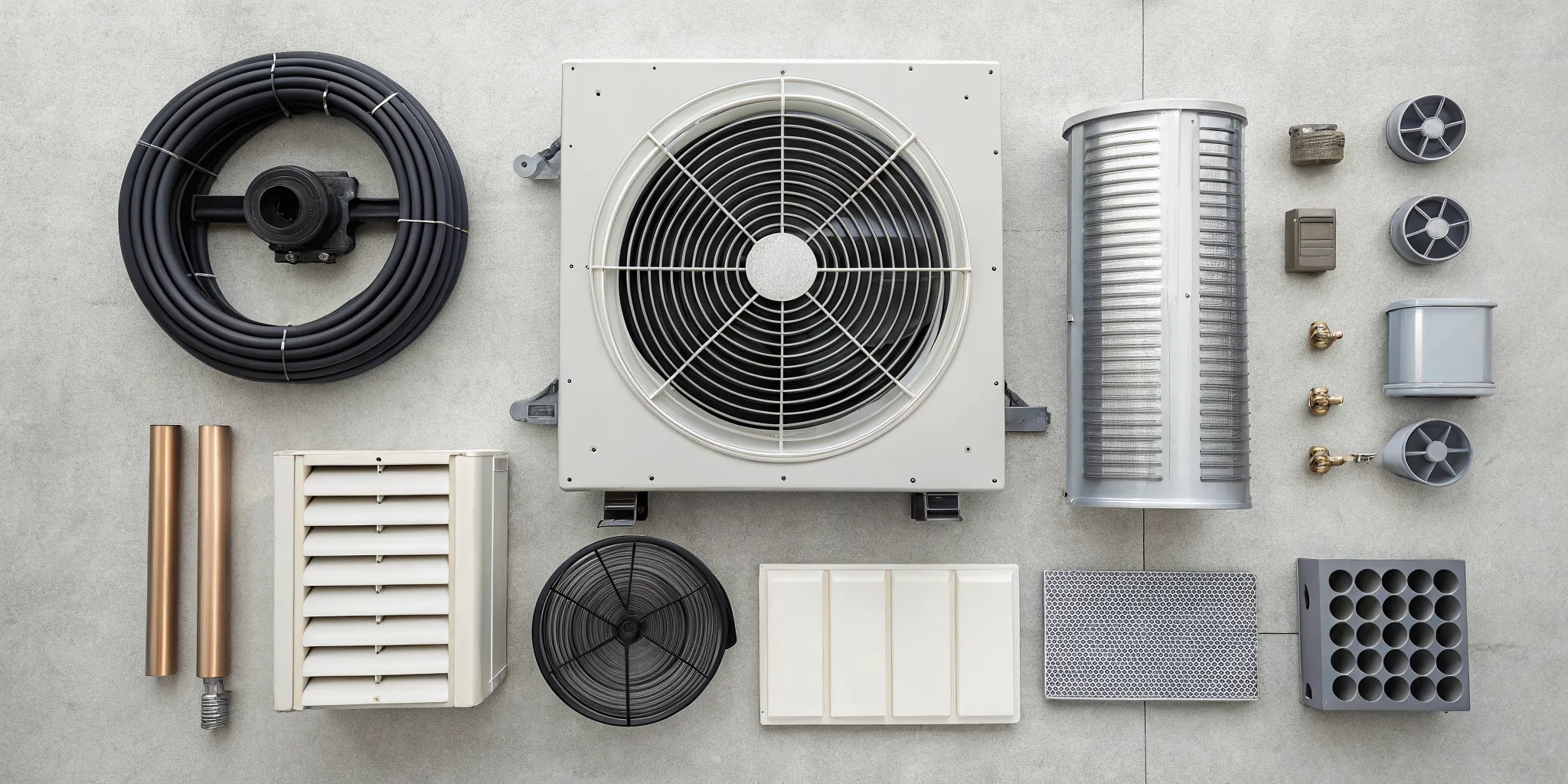
You can find a wide variety of used components on the market, covering nearly every part of a commercial HVAC system. Many sellers offer certified and guaranteed parts, which means they’ve been thoroughly checked and come with a promise of quality. This gives you peace of mind when making a purchase. Some of the most common parts available include major equipment like condensers, compressors, and air handlers. You can also find furnaces, coils, and entire package units. Sourcing these components can be a key part of a cost-effective air conditioning installation or replacement strategy for your business.
Commercial vs. Residential Parts
It’s a common myth that commercial and residential HVAC systems are basically the same, but this isn't true. Commercial systems are much larger and more complex. They are designed to cool bigger spaces and often consist of multiple, interconnected subsystems. While a commercial air conditioner might function similarly to a residential one, it’s just one piece of a much larger puzzle. In a commercial setup, if one component fails, it can impact the entire system. That’s why you can’t simply swap a residential part into a commercial unit. Understanding this difference is crucial when you need a professional air conditioning repair.
Why Buy Used Commercial HVAC Components?
When your commercial HVAC system needs a new part, your first thought might be to buy brand new. While that’s often the best path, exploring used components can be a surprisingly smart move in certain situations. It’s not about cutting corners; it’s about making a strategic decision that can benefit your budget, the environment, and even the lifespan of your existing equipment.
Opting for used parts isn't the right call for every repair, but understanding the advantages helps you make a fully informed choice. For business owners, managing operational costs is always a top priority, and HVAC expenses are a significant part of that puzzle. Let’s look at the three main reasons why you might consider buying used commercial HVAC components for your next repair.
Save Money on Your Bottom Line
The most obvious benefit of buying used HVAC parts is the cost savings. Commercial HVAC components can be expensive, and purchasing a used part can significantly reduce the immediate financial strain of a repair. This is especially helpful for unexpected breakdowns when a full system replacement isn't in the budget. Many reputable sellers offer certified or guaranteed used parts that have been thoroughly inspected and tested, giving you peace of mind along with the lower price tag. While a new unit is a great long-term investment, a quality used part can be the perfect solution to get your system running again without a major capital expense.
Make an Eco-Friendly Choice
Choosing a used component is also a great way to make a more environmentally conscious decision. Manufacturing new, heavy-duty HVAC parts requires a lot of energy and raw materials. By opting for a refurbished or salvaged part, you’re extending the life of an existing product and reducing waste. This keeps bulky metal components out of landfills and lowers the overall carbon footprint associated with your building's maintenance. When systems are decommissioned, professionals ensure that materials like refrigerants are handled according to EPA standards, so you can feel good knowing the part you’re using supports a more sustainable cycle. This approach aligns with improving your building's overall indoor air quality and operational efficiency.
Find Rare or Discontinued Parts
If you have an older HVAC system, finding a specific replacement part can feel like a treasure hunt. Manufacturers eventually stop producing parts for legacy models, which can leave you facing a full, and often premature, system replacement. This is where the market for used components really shines. You can often find the exact discontinued motor, compressor, or control board you need to get your older unit back in working order. Sourcing a rare part can save you thousands of dollars and extend the functional life of your current system, making it a practical and resourceful solution. An expert can help you track down the right component and handle the air conditioning repair correctly.
Key Used HVAC Components to Look For
When you're shopping for used commercial HVAC parts, knowing what to look for can save you from a costly mistake. Not all components are created equal, and some are more critical to your system's health than others. Before you make a purchase, it’s wise to have a professional inspect the part to confirm its condition. A thorough check ensures you’re getting a reliable component that will keep your space comfortable, especially during those hot Florida summers.
Here are the key parts you’ll want to pay close attention to.
Compressors and Condensing Units
Think of the compressor as the heart of your HVAC system. It’s a hardworking component that pumps refrigerant to cool your space. Because it does so much work, it's often the first thing people blame when there's a problem. However, many issues that seem like compressor failure actually start elsewhere. The condensing unit works with the compressor to release heat outside. If you're looking at a used compressor or condenser, make sure they are in excellent shape. A failing one can cause a chain reaction of problems, leading to an expensive air conditioning repair.
Air Handlers and Fan Coils
The air handler is what moves conditioned air throughout your building. Inside it, the evaporator coil gets cold, and a fan blows air over it to cool your space before sending it through the ducts. When inspecting a used air handler, check the fan, motor, and especially the coils. Clean coils and filters are essential for effective cooling and maintaining good indoor air quality. A dirty or worn-out unit will just circulate dust and allergens, which is the last thing you want for your business or home.
Heat Exchangers and Evaporator Coils
The evaporator coil is responsible for absorbing heat from your indoor air, which is a crucial step in the cooling process. The heat exchanger does the opposite in heating mode. A well-functioning heat exchanger is key to energy efficiency, while a clean evaporator coil ensures your system can handle the Florida humidity. Any damage or significant wear on these parts can seriously affect performance and your energy bills. Regular air conditioning maintenance is the best way to keep these components in good condition, so ask for service records if they’re available.
Controls and Thermostats
The thermostat is the command center for your entire HVAC system. It tells your unit when to turn on, when to shut off, and what temperature to maintain. When considering a used thermostat or control panel, the most important factors are functionality and compatibility. Make sure it works correctly and can communicate with your specific HVAC system. A faulty thermostat can lead to an inefficient system and an uncomfortable environment. Sometimes, upgrading to a new, modern thermostat is a better investment when planning an air conditioning installation.
How to Ensure Quality and Reliability
Buying used commercial HVAC components can be a fantastic way to save money, but it requires a bit of homework to ensure you’re getting a quality part. You want a component that will last, not one that will cause more problems down the road. Taking a few careful steps before you buy can protect your investment and give you peace of mind. By checking for certifications, reviewing maintenance history, inspecting the part, and understanding the warranty, you can confidently find reliable used components for your system. This due diligence is the key to turning a cost-saving opportunity into a long-term success for your business.
Check for Certifications
First, look into the seller’s reputation. A trustworthy supplier will have positive online reviews and a professional website that signals their credibility. When you work with an established company, you’re partnering with a team that stands behind its products and services. Ask if the component itself has any certifications from organizations like AHRI (Air-Conditioning, Heating, and Refrigeration Institute) or UL (Underwriters Laboratories). These marks indicate that the part meets industry standards for performance and safety. A reputable seller, especially a licensed HVAC company, is more likely to source and provide parts that meet these important benchmarks.
Ask for the Maintenance Records
Think of it like buying a used car; you’d want to see the service history, right? The same logic applies to HVAC components. Ask the seller if they have any maintenance records for the part. This documentation can tell you a lot about its past life, including its age, how well it was cared for, and if it had any recurring issues. A component with a history of regular, professional service is a much safer bet than one with an unknown background. This information helps you gauge the part’s remaining lifespan and make a more informed decision about your purchase.
Inspect and Test the Part
Never buy a used HVAC part sight unseen. A thorough visual inspection can reveal red flags like rust, corrosion, cracks, or frayed wiring. If possible, the part should be tested to confirm it functions correctly. However, the best way to ensure quality is to have a certified technician inspect the component for you. An expert can spot subtle signs of wear and tear that an untrained eye might miss, helping you avoid a bad purchase. A professional HVAC inspection is a small investment that can save you from major headaches and costly replacements later on.
Review the Warranty and Return Policy
A seller’s willingness to offer a warranty is a strong indicator of their confidence in the product. Even with used parts, many reliable suppliers provide some form of guarantee. Before you finalize the purchase, make sure you get the warranty and return policy in writing. Read the terms carefully to understand what is covered, the duration of the coverage, and the process for making a claim or return. Excellent customer support is vital, and a clear, fair policy shows that the company is committed to your satisfaction long after the sale is complete.
Which Brands Offer the Best Value?
When you're shopping for used HVAC components, the brand name really does matter. Some brands have built a reputation for durability and performance, which means their used parts are more likely to have a long life ahead of them. Think of it as buying a pre-owned car; you’d probably feel more confident with a brand known for its reliability. Sticking with a reputable manufacturer can save you from future headaches and costly repairs. Here’s a look at some of the top brands that consistently offer great value, even on the secondary market.
Trane
Trane has a rock-solid reputation for a reason. Their systems are known for being incredibly durable and reliable, which is exactly what you want when buying a used part. Many HVAC professionals stand by Trane because their components are built to withstand years of use, especially in the demanding Florida climate. Choosing a used Trane part often means you're getting a high-quality component that was engineered for the long haul. This focus on durability makes Trane a smart investment for anyone prioritizing performance and a long lifespan for their air conditioning installation.
Carrier and Bryant
You’ll often hear Carrier and Bryant mentioned together, and that’s because they share much of the same excellent technology and engineering. Both brands strike a great balance between reliability and cost, making them popular choices. Carrier’s Comfort Series and Bryant’s Legacy Series, for example, offer impressive efficiency. The main difference often comes down to pricing. Bryant can sometimes provide that Carrier-level performance at a slightly lower price point, making it a fantastic value. When you find a used part from either brand, you can feel confident you're getting a solid piece of equipment.
Goodman and Rheem
If you're focused on finding an affordable solution without sacrificing quality, Goodman and Rheem are two brands to keep on your radar. Goodman is well-known for offering budget-friendly HVAC systems that still come with competitive warranties, a testament to their confidence in their products. Rheem also produces dependable and efficient systems that are respected in the industry. A used component from either Goodman or Rheem can be a cost-effective way to handle an air conditioning repair and get your system running smoothly again without breaking the bank.
York and Lennox
York and Lennox are both trusted names, but they cater to slightly different priorities. Lennox is often seen as a premium brand, celebrated for its cutting-edge technology and top-tier energy efficiency ratings. While a used Lennox part might cost a bit more upfront, its high efficiency can lead to significant savings on your energy bills over time. York also offers a wide range of reliable and efficient units that provide excellent value. Both are strong contenders, so your choice may come down to whether you prefer to invest in long-term energy savings or a lower initial cost.
Where to Find Reliable Used HVAC Parts
Finding a quality used HVAC part can feel like a treasure hunt, but knowing where to look makes all the difference. Whether you prefer browsing online or inspecting parts in person, several reliable sources can connect you with the components you need. The key is to find a seller you can trust, one who stands behind their products and offers transparency about the part's history and condition. Let's explore some of the best places to start your search.
Online HVAC Marketplaces
The internet offers a vast selection of used HVAC parts right at your fingertips. Broad marketplaces like eBay are a great starting point where you can find a wide range of industrial HVAC systems and components, often at competitive prices. For a more specialized experience, websites like Used AC Depot focus exclusively on air conditioning units and parts. They offer "certified" and "guaranteed" items, which provides an extra layer of confidence since you know the parts have been inspected. Shopping online is convenient, but always be sure to read the full description and check the seller's return policy before you buy.
Local Suppliers and Dealers
Sometimes, the best deals are right in your own backyard. Buying from local suppliers allows you to inspect the part in person before committing, which can save you from a lot of potential headaches. Check out HVAC surplus stores in your area; for example, places like Surplus City often have top-quality, brand-new equipment that was never installed. Don't forget to talk to local, trusted HVAC professionals. They often have access to used parts from system upgrades and can point you toward reputable sellers in the community. This local insight is invaluable for finding quality components close to home.
How to Vet a Seller
No matter where you shop, doing a little homework on the seller is essential. A trustworthy seller will have a solid reputation. Look for positive online reviews and a professional, well-maintained website, as these are good indicators of credibility. When you find a potential seller, don't hesitate to ask questions. Inquire about their experience, the part's history, and any available warranties or return policies. A reputable company should be transparent and willing to provide this information. Evaluating a seller based on their customer support and industry knowledge will help you make a purchase you feel good about.
Common Myths About Used HVAC Parts
Buying used commercial HVAC parts can feel like a gamble, especially with all the conflicting information out there. It’s easy to get caught up in worst-case scenarios, worrying about performance issues, compatibility problems, or getting stuck with a faulty component. But many of these fears are based on common myths rather than facts. Let's clear the air and separate fiction from reality so you can make a confident and informed decision for your business.
Understanding the truth behind these misconceptions is the first step toward finding high-quality, reliable used parts that can save you money without sacrificing performance. We'll walk through the three biggest myths we hear from customers and give you the information you need to find great value. By knowing what to look for and what to ignore, you can approach the used parts market like a pro.
The Myth of Poor Performance
One of the biggest hesitations people have about used HVAC parts is the fear that they just won't work as well as new ones. It’s a common belief that "used" automatically means "worn out." However, the reality is that many quality air conditioners and furnaces aren't discarded because they're failing. Often, they come from system upgrades or building renovations.
More importantly, a component's performance often has less to do with its age and more to do with its history. A well-maintained used part can easily outperform a new, neglected one. The key is proper upkeep. When a part seems to be underperforming, it’s frequently due to a lack of regular maintenance, not an inherent flaw.
The "One-Size-Fits-All" Mistake
Another costly myth is the idea that HVAC components are interchangeable. It’s tempting to think you can just swap one part for another, but HVAC systems are precisely engineered for specific spaces. One of the most common HVAC equipment buying mistakes is choosing the wrong size. A component that's too large for your space is just as problematic as one that's too small.
An oversized unit will cycle on and off too frequently, failing to properly dehumidify the air and causing unnecessary wear and tear. An undersized one will run constantly, struggling to keep up and driving your energy bills through the roof. Always ensure the part you're considering is the correct size and specification for your system. When in doubt, a professional assessment is your best bet.
The Assumption of No Warranty
Many buyers assume that if they purchase a used part, they’re on their own if something goes wrong. The idea of having no warranty can be a major deterrent, but it’s not always the case. While you might not get the same multi-year warranty that comes with a brand-new unit, reputable sellers often stand by their products with some form of guarantee or return policy.
Trustworthy suppliers know their reputation is on the line. They thoroughly inspect and test their inventory and are transparent about the condition of each part. Some companies even offer custom HVAC solutions that may include service agreements or limited warranties on used components. Always ask the seller about their policies before you commit to a purchase.
What to Check Before You Buy
Before you finalize a purchase, it's time to do your homework. A few key checks can mean the difference between a smart investment and a costly mistake that disrupts your business. Taking the time to verify these details will give you peace of mind and help you find a component that serves you well for years to come. Here’s what you need to focus on to make sure you're getting a reliable part that fits your needs and your budget.
Energy Efficiency Ratings
An energy efficiency rating tells you how much performance you get for the energy consumed. For commercial properties, this is a big deal. When you're looking at used components, it's crucial to evaluate their energy efficiency ratings. A unit with a higher rating, like a better SEER (Seasonal Energy Efficiency Ratio), might have a higher initial price tag. However, these units are cheaper to operate, which means you’ll see significant savings on your power bills over time. Think of it as a long-term investment in your bottom line.
Age and Overall Condition
Unlike used cars, quality air conditioners and furnaces generally aren't traded in or resold frequently. That's why you need to carefully assess the age and overall condition of any used component. Look for visible signs of wear and tear, such as rust, corrosion, or damaged fins on the coils. Ask the seller if they have maintenance records, as a well-maintained older unit can often outperform a neglected newer one. A thorough physical inspection is essential to ensure you are making a sound investment.
System Compatibility
A commercial HVAC system is a complex network of parts that work together. The air conditioner itself does not cool the building alone; it works with many other subsystems to regulate the temperature. Because of this, you can't just drop any component into your existing setup. You must ensure the part is compatible with your current system. Check model numbers and specifications carefully. If you're unsure, it's always best to consult with a professional to confirm the component will integrate seamlessly and function correctly.
Installation Needs
Even the best component will fail if it isn't installed correctly. Proper installation and regular maintenance contribute significantly to an HVAC system's efficiency and functionality. Before you buy, consider what it will take to get the part installed. Do you have a trusted technician lined up? A poor installation can lead to reduced performance, higher energy bills, and even premature failure of the component. This is why professional air conditioning installation is a critical part of the process, ensuring your investment is protected from day one.
Understanding Rules and Regulations
When you're dealing with HVAC components, especially older ones, you're not just handling simple machinery. There are important rules in place to protect both you and the environment. These regulations cover everything from the chemicals inside the units to how they are safely removed and discarded. Getting familiar with these standards is a key step in making a smart purchase and ensuring your project goes smoothly from start to finish. It’s all about doing things the right way to ensure safety and responsibility.
Refrigerant and Environmental Standards
Most air conditioning units contain chemicals called refrigerants, which are essential for the cooling process. However, older refrigerants can be harmful to the environment if they leak into the atmosphere. Because of this, the federal government has regulations, like the Clean Air Act, that dictate how these substances must be handled. This is why you can't just leave an old AC unit on the curb. Proper handling and disposal are required by law to prevent environmental damage and protect the ozone layer.
Safety Codes and Certifications
Because refrigerants require careful handling, only technicians certified by the Environmental Protection Agency (EPA) are legally allowed to remove them from an HVAC system. This certification ensures the technician has the right training to manage these chemicals safely, preventing accidental releases. When you work with a professional company, you can trust that their team is fully licensed and insured, following all safety codes. This protects you, your property, and the environment. Hiring certified professionals isn't just a good idea; it's a legal requirement.
Proper Disposal and Recycling
So, what’s the right way to get rid of an old HVAC unit? The first step is to have a licensed contractor remove it. They will safely recover the refrigerant before taking the system apart. After that, the unit should be sent to a certified appliance recycling center that can process the materials correctly. Some local utility companies even offer rebates or incentives for recycling old, inefficient units. When you schedule an AC replacement, your HVAC partner should manage this entire disposal process for you, making it a hassle-free experience.
Your Pre-Purchase Checklist
Buying a used HVAC component can be a smart move, but it’s not something you should jump into without a plan. A little preparation can save you from headaches and unexpected costs down the road. Think of it like buying a car; you wouldn't just pick one and hope for the best. You’d do your research, get it inspected, and figure out the total cost. The same logic applies here. Walking through these steps will help you make a confident and informed decision that keeps your commercial space comfortable and your budget intact.
Get a Professional Assessment
Before you start browsing for parts, the first step is to get a professional opinion. It’s easy to misdiagnose an HVAC issue, and buying the wrong component will only waste your time and money. A qualified technician can accurately identify the problem with your system and tell you exactly which part you need. They can also assess whether a used component is a viable option for your specific situation. A thorough professional assessment ensures you’re solving the right problem from the start. This is also a good time to find a reliable company you can trust for emergency repairs, so you’re never left without support when you need it most.
Calculate the Total Cost
The price tag on a used part is just one piece of the financial puzzle. To understand the true cost, you need to look at the bigger picture. Consider the price of the component itself, plus the cost of labor for installation. Will your system need any modifications to accommodate the part? Also, think about long-term expenses. An older, less efficient part might save you money upfront but could lead to higher energy bills over time. Factors like the system type and energy rating play a big role in the total cost of ownership. Be sure to factor all these variables into your budget for a clear financial picture.
Plan for Installation and Maintenance
Once you’ve found the right part, proper installation is critical. A quality component won’t perform well if it’s not installed correctly, so this is a job best left to the pros. After the part is installed, don’t forget about ongoing care. Regular air conditioning maintenance is essential for any HVAC system, but it’s especially important when you’re working with used components. A solid maintenance plan will keep the part running smoothly, extend its lifespan, and help you get the most value out of your purchase. Planning for both professional installation and routine check-ups will protect your investment and ensure your system functions efficiently for years to come.
Related Articles
- HVAC Tips & Insights Blog - Expert Advice from 5 Star Air
- HVAC Services in Southwest Florida - AC Repair, Installation & Maintenance | 5 Star Air
Frequently Asked Questions
Is buying a used part always the most cost-effective choice? Not always. While a used part will almost certainly have a lower upfront price, you have to consider the total cost of ownership. An older component might be less energy-efficient, which could lead to higher utility bills over time. It's important to weigh the immediate savings against the potential long-term operating costs to see what makes the most financial sense for your business.
How do I know if a used component is compatible with my current system? The best way to ensure compatibility is to have a professional HVAC technician assess your system. They can identify the exact specifications and model numbers you need. Commercial HVAC systems are complex, and a part that seems right can cause major problems if it isn't a perfect match. This is one area where you definitely don't want to guess.
What's the biggest mistake people make when buying used HVAC parts? The most common and costly mistake is skipping a professional inspection. It can be tempting to buy a part online based on a photo and a description, but you have no real way of knowing its true condition. Having a certified technician examine the component before you buy is the single best way to avoid purchasing a faulty part that will fail you when you need it most.
Can I install a used part myself to save on labor costs? I would strongly advise against it. Commercial HVAC systems involve high-voltage electrical connections and regulated refrigerants that require special handling by an EPA-certified technician. Improper installation is not only dangerous but can also damage the component and the rest of your system, leading to much more expensive repairs down the line.
Is it possible to get a warranty on a used HVAC component? While you won't get a multi-year manufacturer's warranty like you would with a new unit, many reputable sellers do offer some form of guarantee. This could be a limited parts warranty or a short-term return policy. Always ask the seller about their policies and be sure to get any promises in writing before you finalize the purchase.