Is a UV Light for AC Dangerous? The Honest Facts
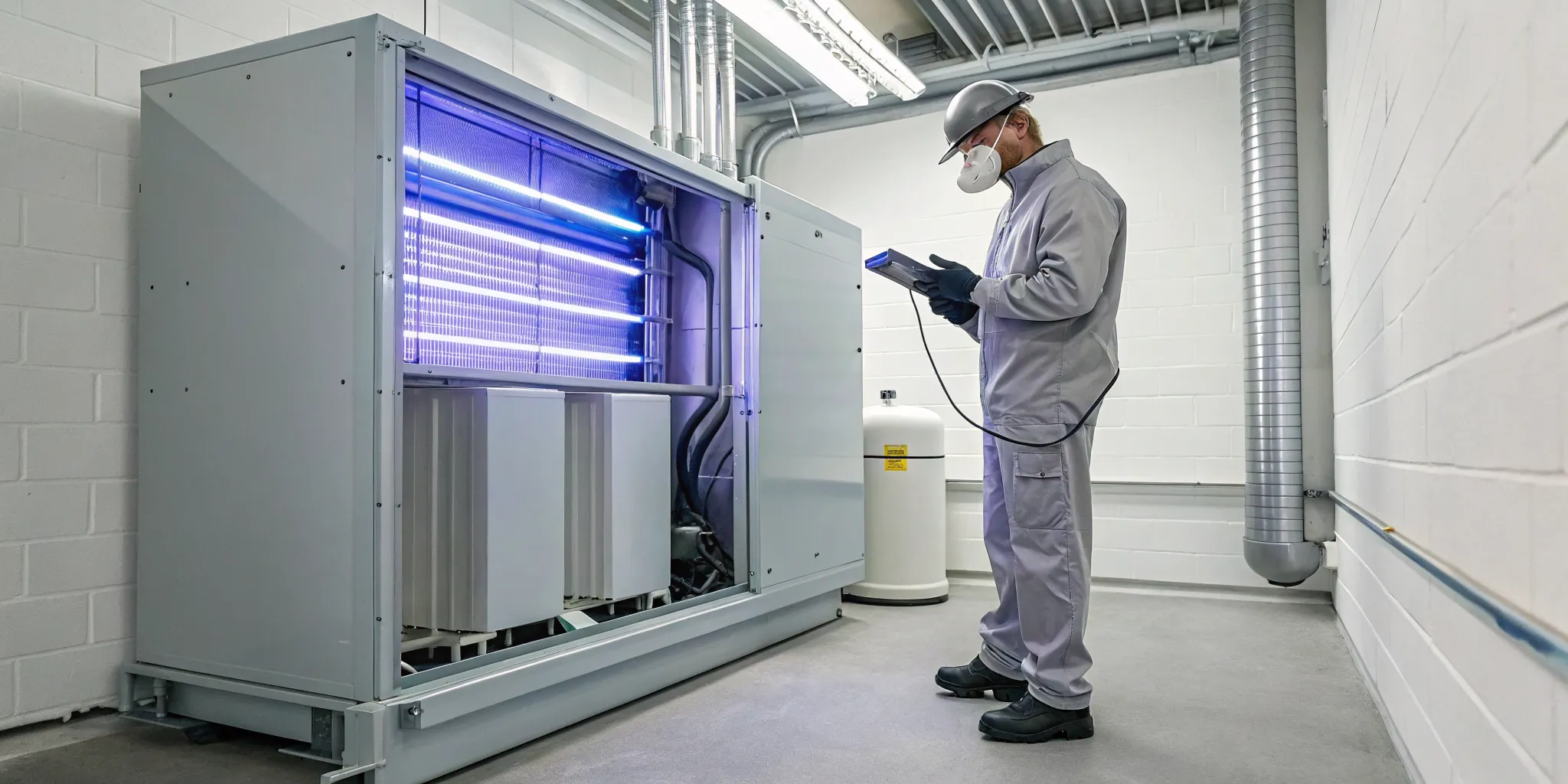
That "musty sock" smell that hits you when the AC first kicks on is an all-too-common problem in our humid climate. It’s often a telltale sign of microbial growth on your AC’s indoor coil, a problem that standard filters can’t solve. UV lights are designed to stop this issue before it starts by sterilizing the internal components of your system. But when you hear "UV radiation," safety alarms might go off in your head. You're right to ask, is a UV light for AC dangerous? You need to know if it can harm your family, your pets, or the AC unit itself. We’re going to tackle these concerns directly, explaining the difference between a professional installation and a risky DIY job, and outlining the real-world benefits for your system's efficiency and your home's air.
Key Takeaways
- Sanitize Your System at the Source: A UV light's primary role is to stop mold and bacteria from growing on your AC's damp indoor coil. This keeps your system running efficiently and prevents contaminants from being distributed through your home's air.
- Safety and Success Depend on a Pro: A UV light system is not a DIY project. Correct installation by a licensed technician is essential to contain the powerful UV-C rays, prevent damage to your HVAC system, and avoid electrical hazards.
- Think of it as a Team Player: UV lights are specialists for neutralizing germs like mold and bacteria; they don't replace your air filters, which trap dust and dander. Combining a UV light with regular filter changes creates the most effective strategy for clean air.
How Do UV Lights Work in an AC System?
You've probably heard about UV lights being used for sterilization, but how does that technology actually work inside your AC system? It’s a great question. These systems are designed to target microscopic troublemakers that can affect your home's air and your AC's performance. By using a specific wavelength of light, they can neutralize contaminants before they ever get a chance to circulate through your vents. This technology is a powerful tool for improving your home's indoor air quality, especially here in humid Southwest Florida where mold and mildew can be a constant battle. Think of it as a silent guardian inside your air handler. While your air filter is great at trapping dust and pet dander, it can't stop everything. Microscopic organisms like mold spores and bacteria can pass right through and, even worse, start to grow on the damp, dark surfaces inside your AC unit. A UV light system tackles this problem at the source, destroying these organisms' ability to reproduce. This not only helps purify the air but can also keep your system running more efficiently by preventing buildup on key components. Let's break down exactly what these lights are and where they go.
What is Germicidal UV-C Light?
The key to this technology is a specific type called germicidal UV-C light. Think of it as a targeted weapon against germs. This isn't the same UV light that gives you a sunburn; it's a particular wavelength that is highly effective at inactivating microorganisms. When mold spores, bacteria, or viruses are exposed to the light, the UV-C energy penetrates their cell walls and scrambles their DNA. This damage makes it impossible for them to reproduce and spread through your home's air. Essentially, it stops them in their tracks, preventing them from growing into bigger problems inside your HVAC system and keeping your air cleaner.
Where Does the UV Light Go in Your AC Unit?
So, where does this powerful light go? A professional technician will install the UV lamp inside your air handler, which is the indoor part of your AC system. The most common spot is right next to the evaporator coil (or cooling coil). This location is strategic because the coil is constantly damp when your AC is running, making it a perfect breeding ground for mold and bacteria. By bathing the coil in UV-C light, you prevent that slimy buildup from ever starting. Another option is to install the light within the ductwork to sanitize the air as it passes through. Proper placement is key for both safety and effectiveness, which is why professional air conditioning maintenance and installation are so important.
Are UV Lights in Your AC Unit Dangerous?
It’s a fair question. Anytime you introduce a new electrical component into your home’s most important system, you want to be sure it’s safe. The short answer is that when installed and maintained by a qualified professional, UV lights are a very safe and effective addition to your HVAC system. The light is contained entirely within your indoor unit, so you and your family are never directly exposed to it.
However, like any electrical device, there are risks associated with poor-quality products or improper installation. The dangers aren't with the technology itself, but with how it's applied. A DIY installation or a cheap, off-brand unit can create problems ranging from ozone production to electrical hazards. That’s why understanding the potential risks is the first step to avoiding them. When you work with a trusted HVAC partner, they ensure your system is installed correctly, uses high-quality components, and operates exactly as it should, giving you cleaner air without any of the worry. Let's break down the main safety concerns so you know what to look for.
Risks of Direct UV Exposure
The UV-C light used in HVAC systems is powerful enough to neutralize microorganisms, which means it can also be harmful to your eyes and skin. Direct exposure can cause a painful eye condition called photokeratitis (like a sunburn on your cornea) and skin irritation. This is the number one reason why you should never attempt to install or service a UV light yourself.
The good news is that these lights are installed deep inside your air handler, completely shielded from view. You won't see the light or be exposed to it during normal operation. A professional technician knows how to safely handle the equipment, ensuring the lamp is de-energized before servicing and positioned correctly so its rays are contained.
The Truth About Ozone and Air Quality
You may have heard that some air purifiers produce ozone, a gas that can irritate your lungs and worsen respiratory conditions. This is a valid concern, as certain older or lower-quality UV lamps can generate ozone as a byproduct. In fact, some research from MIT has shown that specific types of UV light can react with oxygen to create this harmful pollutant.
However, modern, reputable HVAC UV lights are specifically designed to be ozone-free. They operate on a wavelength (254 nanometers) that doesn't produce ozone. When you work with a professional, they will only install certified ozone-free models, ensuring you get all the benefits of cleaner air without compromising your home's indoor air quality. Always confirm that the product you’re getting is listed as ozone-free.
Will UV Light Damage Your HVAC System?
Another common question is whether the constant UV light can harm the internal components of your AC unit. It's true that concentrated UV-C light can degrade certain materials, like plastics and rubber, over time. If a UV lamp is installed incorrectly and shines directly on vulnerable parts like the drain pan, wiring, or flexible ductwork, it could cause them to become brittle and fail prematurely.
This risk is almost entirely eliminated with proper installation. An experienced technician understands the anatomy of your HVAC system and knows exactly where to place the lamp. The goal is to irradiate the evaporator coil and the passing air, not the system's structural components. They will position the light for maximum germicidal effect while keeping it a safe distance from any sensitive materials, protecting your investment.
Potential Fire and Electrical Hazards
Any device that connects to your home’s electrical system carries a potential risk if not installed correctly. UV light systems are no different. They have ballasts and wiring that must be properly connected to your HVAC unit's power source. An amateur installation can lead to faulty wiring, which could short out your system's main circuit board, leading to a very expensive air conditioning repair.
Furthermore, the lamp and its ballast generate heat during operation. If they are installed without proper clearance from flammable materials, they could pose a fire hazard. This is why it’s essential to have a licensed and insured professional handle the job. They will ensure the unit is wired according to code and has the ventilation it needs to operate safely.
What Are the Benefits of AC UV Lights?
Now that we’ve covered the safety questions, let's talk about why you might want a UV light in your AC system in the first place. When installed correctly by a professional, these lights offer some pretty compelling advantages for your home, especially here in the humid Florida climate. Think of it as a silent guardian for your HVAC system. It works around the clock to tackle some of the biggest issues that affect air conditioners in our area, like persistent mold growth and reduced efficiency due to dirty internal components. This isn't about zapping every particle out of the air as it flies by; it's a more targeted approach. The UV light focuses on sterilizing the surfaces inside your unit, like the indoor coil and drain pan, which are notorious breeding grounds for biological contaminants. By keeping these key areas clean, a UV light helps your system run better, last longer, and contribute to a cleaner indoor environment for your family. It’s a simple addition that can have a significant impact. Below, we’ll explore exactly how these lights stop mold in its tracks, help your system run more efficiently, and support your home’s overall air quality.
Stop Mold and Bacteria on AC Coils
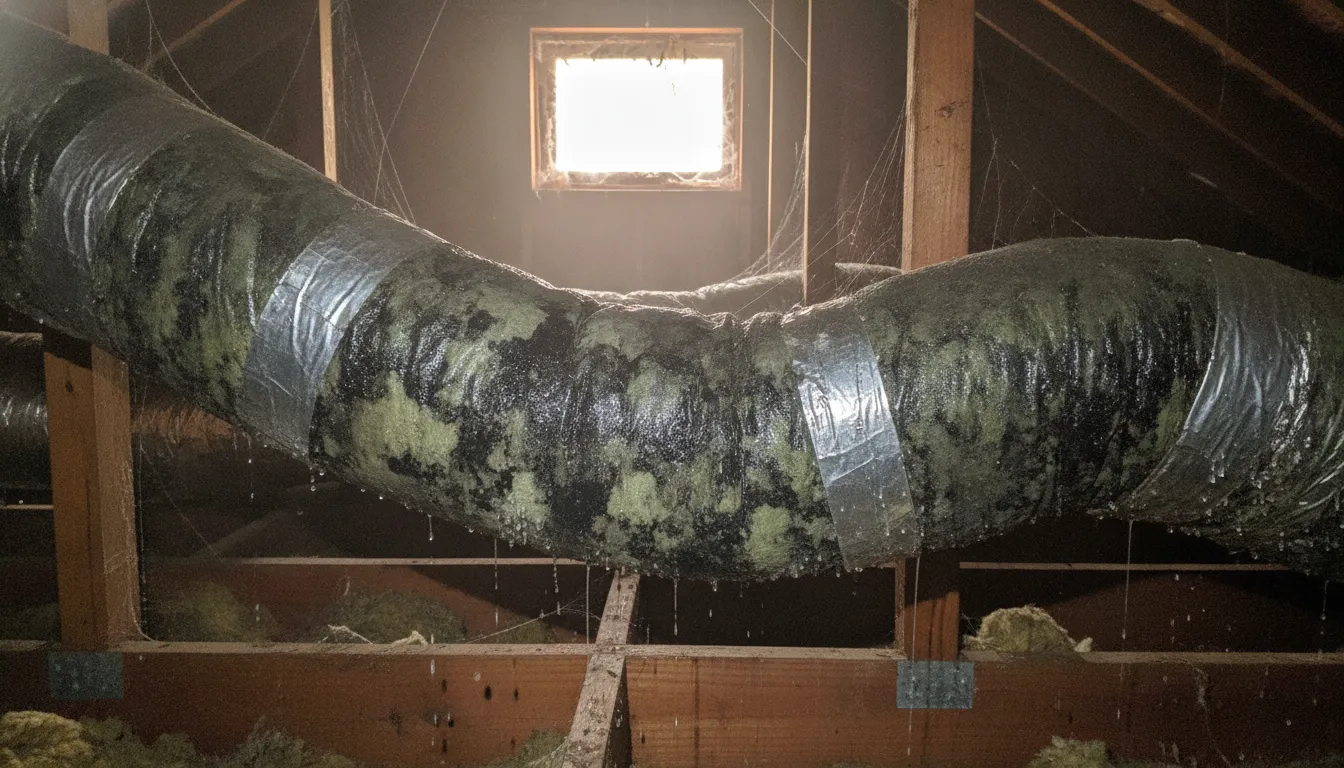
The inside of your air conditioner is dark, cool, and damp, which is the perfect environment for mold and bacteria to thrive. Your system's indoor coil is especially prone to this buildup. A UV-C light installed near the coil shines continuously on this surface, disrupting the DNA of microorganisms and stopping them from reproducing. This constant sanitization prevents mold, mildew, and bacteria from ever taking hold inside your unit. It’s important to know that the light’s primary job is to sterilize the surfaces within your AC system, not to purify the air as it rushes past. By keeping the source clean, you prevent contaminants from circulating in your home.
Improve Your System's Efficiency and Performance
When your AC coils get covered in a layer of grime or microbial growth, your system has to work much harder to cool your home. This buildup restricts airflow and interferes with the heat exchange process. A UV light keeps the coils clean, allowing your system to run at peak efficiency. Better airflow and cleaner components mean less strain on your AC, which can translate to lower energy bills and a longer lifespan for your unit. It also reduces the need for frequent deep cleanings. Think of it as a key part of a proactive air conditioning maintenance strategy that helps your system perform its best year-round.
Support Your Home's Overall Air Quality
By preventing mold and bacteria from growing inside your AC unit, you’re also stopping those contaminants from being blown into your home’s air every time the system kicks on. This can make a noticeable difference for anyone with allergies, asthma, or respiratory sensitivities. While a UV light isn’t a cure-all, it’s an effective piece of a larger strategy for better air. When combined with high-quality air filters and proper ventilation, it contributes to a healthier living environment. A UV light is just one of the many indoor air quality solutions that can help your family breathe a little easier.
How Do UV Lights Compare to Other Air Purifiers?
When you start looking into ways to clean your home's air, you'll quickly find a lot of different technologies, and it can be tough to figure out which one is right for you. You've probably heard of HEPA filters and maybe even activated carbon filters. So, where do UV lights fit in? The simplest way to think about it is that each type of air purifier is a specialist, designed to tackle a specific kind of pollutant. It’s not really a competition to see which one is "best," but rather a matter of building the right team for the job.
UV lights are the germ-fighters on the team. Their main role is to use UV-C light to inactivate living, biological contaminants like mold spores, bacteria, and viruses that can thrive in the cool, dark environment of your AC system. They don't physically trap particles like dust or dander, and they won't do anything about odors from last night's dinner. That’s where other technologies come in. Understanding these differences is the first step toward creating a comprehensive plan for your home's indoor air quality. Let's look at how UV lights compare directly to other popular air purifiers so you can see how they might work together.
UV Lights vs. HEPA Filters
HEPA (High-Efficiency Particulate Air) filters are the gold standard for capturing physical particles. Think dust, pollen, pet dander, and smoke. In fact, the EPA notes that true HEPA filters are designed to trap 99.97% of airborne particles that are 0.3 microns in size. They are incredibly effective at physically removing irritants from the air you breathe. UV lights, on the other hand, don't trap anything. Instead, they neutralize biological contaminants. So, while a HEPA filter traps a mold spore, a UV light deactivates it, preventing it from reproducing. They are two different tools for two different problems, which is why they work so well together.
UV Lights vs. Activated Carbon Filters
If you’re dealing with unpleasant smells, chemicals, or gases, an activated carbon filter is what you need. These filters are made with porous carbon that acts like a sponge, absorbing odors from pets, cooking, and smoke. They also trap volatile organic compounds (VOCs), which are gases released from things like paints, cleaning supplies, and new furniture. A UV light is completely ineffective against these types of pollutants; its light passes right through them. So, if your main concern is getting rid of a lingering smell or chemical fumes, an activated carbon filter is the clear choice for the job.
Why a Layered Approach to Air Quality is Best
Since no single technology can eliminate every type of indoor pollutant, the most effective solution is a layered one. A truly comprehensive system combines the strengths of each purifier to create a powerful defense for your home's air. Imagine a system where a pre-filter catches large debris, a HEPA filter traps fine particles like dust and pollen, an activated carbon filter absorbs odors and VOCs, and a UV light neutralizes mold and bacteria within your AC unit. This multi-stage approach ensures that you're addressing the full spectrum of potential air quality issues. You can achieve this by integrating a complete air quality solution directly into your HVAC system.
How to Install UV Lights Safely
While UV lights are a fantastic tool for improving your home's air quality, their safety and effectiveness depend entirely on choosing the right product and installing it correctly. This isn't a DIY weekend project. Proper installation involves working with your HVAC system's electrical components and ensuring the powerful UV-C rays are contained where they can do their job without causing harm. Following a few key safety protocols ensures you get all the benefits of cleaner air without any of the risks. When you're ready to explore your options, a qualified technician can help you find the perfect indoor air quality solution for your home.
Why You Should Always Hire a Pro
The single most important step for a safe UV light installation is hiring a licensed HVAC professional. A pro knows exactly where to place the light inside your air handler to maximize its effect on the coil and drain pan while shielding it from view. This is critical because direct exposure to UV-C light is harmful to your eyes and skin. A professional also ensures the light won't damage sensitive plastic or rubber components inside your system, which can become brittle over time with direct exposure. An expert AC installation technician has the tools and training to handle the electrical wiring safely, preventing potential fire hazards and ensuring your system runs correctly.
How to Choose an Ozone-Free UV Light
When shopping for a UV light system, you’ll want to make sure you select an "ozone-free" model. Some UV lights, particularly those that operate at a different wavelength, can produce ozone as a byproduct. Ozone is a lung irritant that can aggravate asthma and other respiratory conditions, which is the exact opposite of what you want when trying to improve your indoor air quality. Reputable manufacturers produce certified ozone-free UV-C lamps that operate at the 254-nm wavelength, which is proven for germicidal effectiveness without creating ozone. A trusted technician can help you verify that you’re getting a safe, certified product for your home.
Key Safety Features to Look For
A well-designed UV light system comes with built-in safety features. One of the most important is a safety interlock switch. This switch automatically cuts power to the UV lamp whenever the air handler access panel is opened. This simple feature prevents you or a technician from being accidentally exposed to the UV-C rays during maintenance. Some models also include automatic shut-off features or timers that add another layer of protection. When discussing options with your HVAC contractor, ask them about these features to ensure you’re getting a system designed with your safety in mind.
Does Your System Have Proper Ventilation?
Proper ventilation is a key part of any healthy home, and it’s especially important when using air purification technology. While ozone-free UV lights are the standard, some studies have found that germicidal UV lights can react with other airborne chemicals to create different pollutants if a space isn't well-ventilated. An HVAC professional can assess your home’s overall ventilation during the installation process. They will make sure your system is not only killing germs on the coil but also contributing to a truly fresh and clean indoor environment by ensuring there's an adequate exchange of air.
How to Safely Maintain Your UV Lights
UV lights are a fantastic, low-maintenance addition to your HVAC system, but they aren't completely "set it and forget it." Just like any other part of your AC unit, they need a little attention to keep working safely and effectively. The good news is that maintaining them is pretty straightforward and doesn't require daily check-ins. Proper care ensures the light continues to neutralize mold and bacteria without posing any risks to you or your system. Think of it like changing the oil in your car; it's a simple, periodic task that prevents bigger problems down the road.
The maintenance process mostly comes down to two key things: replacing the bulb on schedule and having a professional check on it during your regular AC tune-ups. Following these steps will give you peace of mind and help you get the most out of your investment in cleaner indoor air. It's a small task that makes a big difference in keeping your system running smoothly and your home's air fresh. Ignoring maintenance won't just reduce the light's effectiveness; it could also lead to safety issues if components wear out. Let's walk through exactly what you need to do.
When to Replace the Bulb
One of the most common questions we get is about the bulb's lifespan. The special UV-C bulbs in your AC system need to be changed every one to five years, though the exact timing depends on the brand and model you have. It's important to know that even if the bulb still appears to be working (meaning, it still lights up), its germicidal effectiveness fades over time. After a certain point, it’s no longer producing enough UV-C radiation to kill mold and bacteria. Always check the manufacturer's guidelines for your specific unit and stick to their recommended replacement schedule to ensure you’re getting the air-purifying benefits you paid for.
Why You Need Professional Inspections
While changing a bulb might sound simple, it’s always best to have your UV lights installed and maintained by an HVAC professional. A trained technician does more than just swap out the bulb. During an inspection, they make sure the light is positioned correctly to maximize its impact on the coil without damaging other system components. They also check the wiring and electrical connections for safety and ensure the UV intensity is at a safe, effective level for your system. This is why we recommend including a UV light check as part of your regular AC maintenance. It’s the best way to guarantee your system is working correctly and safely.
Common Myths About AC UV Lights
UV lights are a fantastic tool for improving your home's air, but there's a lot of confusing information out there. Let's clear the air and separate the facts from the fiction so you can make a smart decision for your home.
Myth: They Eliminate All Pollutants
It would be great if one device could zap every single unwanted particle from your air, but that's not how UV lights work. They are specialists, targeting biological contaminants like mold spores, bacteria, and viruses. For a UV light to be effective, a pathogen needs to be exposed to it for a certain amount of time. While it does a great job sanitizing the air that passes through your system, it won't remove dust, pet dander, or chemical vapors. Think of it as one powerful player on a team dedicated to your home's indoor air quality.
Myth: They Replace Filters and Ventilation
A UV light is not a filter, and it can't replace one. Your standard air filter is designed to physically trap particles like dust, pollen, and lint. A UV light, on the other hand, uses germicidal radiation to neutralize microorganisms. They have two different but complementary jobs. You absolutely still need to change your air filters regularly. A UV light works with your filter, sanitizing the air that the filter can't. Proper ventilation is also still essential for bringing fresh air into your home. Regular air conditioning maintenance ensures all these components work together correctly.
Myth: All UV Lights Are 100% Safe
Direct exposure to UV-C light is not safe for your eyes or skin. However, this myth is misleading because a properly installed system poses no risk to you or your family. The UV lamp is installed deep inside your HVAC system's indoor unit, where the light is completely contained. You'll never see it or be exposed to it. This is why professional air conditioning installation is non-negotiable. A qualified technician will ensure the unit is placed correctly and operates safely, so you can enjoy the benefits without any of the risks.
Fact: What UV Lights Really Do for Your AC
So, what is the main job of a UV light? Its most important function is to stop microbial growth right at the source. Your AC system's indoor coil and drain pan are cool, dark, and damp, making them the perfect breeding ground for mold and bacteria. A UV light shines continuously on these components, destroying these organisms' DNA and preventing them from ever growing or circulating through your home. This not only keeps your air cleaner but also helps your AC system run more efficiently by keeping the coil clean and free of buildup.
Are UV Lights Right for Your Southwest Florida Home?
Deciding if a UV light is a good fit for your AC system comes down to your specific needs and priorities. Here in Southwest Florida, our high humidity creates the perfect environment for mold and bacteria to thrive, especially inside the dark, damp components of an air conditioner. A UV light system can be a powerful tool in your toolkit for maintaining a healthier home, but it’s important to understand what it does and how to implement it safely. Let's walk through what you should consider.
Evaluate Your Home's Air Quality Needs
First, think about your home's specific challenges. Do you notice musty odors when the AC kicks on? Are members of your household sensitive to allergens or prone to respiratory issues? UV lights are installed directly inside your air handler to target the source of many of these problems. They use a specific wavelength of light, UV-C, to neutralize mold, bacteria, and other microorganisms that grow on your system's indoor coil and drain pan. By keeping these components clean, you not only stop contaminants from circulating in your air but also help your AC run more efficiently. This is a major plus in our climate, where a clean system can significantly impact your energy bills and overall indoor air quality.
Partner with a Pro for a Safe Installation
While the benefits are clear, a UV light is not a DIY project. Proper installation is critical for both safety and effectiveness. The UV-C light is powerful and should never be directly exposed to your eyes or skin. A professional technician will ensure the unit is placed correctly within your air handler, shielded from view, and positioned so it won't damage sensitive plastic components inside your system. When installed by a trained expert, the light is safely contained and poses no risk to your family or pets. Working with a trusted professional for your air conditioning installation and add-ons ensures everything is done right the first time, giving you peace of mind.
Related Articles
- HVAC Tips & Insights Blog - Expert Advice from 5 Star Air
- 5 Signs Your AC Needs Repair
- Prepare Your HVAC for a Florida Summer
- AC Services
- AC Repair
Frequently Asked Questions
Will a UV light get rid of the musty smell coming from my vents? That musty, "dirty sock" smell is often a sign of mold or mildew growing on your AC's indoor coil. Since a UV light's main job is to shine on that coil and stop microbial growth, it is very effective at eliminating the source of that odor. By preventing mold from growing in the first place, you can get rid of that unpleasant smell and keep it from coming back.
How much will a UV light increase my electricity bill? You'll be happy to know the impact on your energy bill is very small. A residential UV light system uses a minimal amount of electricity, roughly the same as a small light bulb left on. In fact, by keeping your AC coil clean, the UV light helps your system run more efficiently, which can actually help offset its minor energy use over time.
Do I still need to change my regular air filter if I have a UV light? Yes, you absolutely do. A UV light and an air filter perform two completely different, but equally important, jobs. Your filter is designed to trap physical particles like dust, pet dander, and pollen. The UV light, on the other hand, neutralizes living microorganisms like mold and bacteria. They work together as a team to address a wider range of indoor air pollutants.
How often does the UV bulb need to be replaced? Most UV bulbs need to be replaced every one to five years, depending on the specific model. It's important to follow the manufacturer's recommendation because even if the bulb still lights up, its germicidal effectiveness weakens over time. Sticking to a replacement schedule ensures the light is always strong enough to keep your system clean.
Can a UV light be added to any AC system? UV lights are designed to be compatible with most central air conditioning systems. The key factor is having enough space inside your indoor unit (the air handler) for a technician to install the lamp safely and correctly. A professional can quickly assess your system to confirm it's a good candidate and recommend the right model for your home.