VRF System Ductwork: A Homeowner's Simple Guide

There’s a common myth that modern, high-efficiency VRF systems are strictly ductless. While the wall-mounted units are popular, the technology is far more flexible than people think. In fact, one of its greatest strengths is the ability to integrate with a home’s existing ductwork, providing a powerful upgrade that looks and feels like a traditional central air system. This approach combines the best of both worlds: the advanced, energy-saving performance of VRF and the seamless aesthetic of conventional vents. This article is here to clear up the confusion around VRF system ductwork, explaining how it functions, its unique advantages, and what to consider for a successful installation in your Florida home.
Key Takeaways
- VRF technology offers two paths to efficiency: You can choose a ductless system for ultimate, room-by-room temperature control or a ducted system that integrates with your home's existing vents for a major efficiency upgrade without changing your home's look.
- The quality of your ductwork is critical: For a ducted VRF system to perform at its best, the ductwork must be properly sized, sealed, and insulated. This prevents energy loss and ensures consistent comfort throughout your home.
- Expert installation is essential for reliability: VRF systems have complex refrigerant piping that requires professional handling. A proper installation from a qualified technician is the most important step to prevent leaks and ensure your system runs efficiently for years.
What is a VRF System and How Does It Work?
If you've been looking into modern heating and cooling options, you’ve probably come across the term VRF. So, what exactly is it? VRF stands for Variable Refrigerant Flow, and it’s an advanced, all-electric HVAC system that is quickly becoming a popular choice for its efficiency and flexibility. Think of it as a smarter, more adaptable way to control the temperature throughout your home or business. It's actually one of the fastest-growing types of HVAC systems on the market for good reason.
Unlike traditional systems that often run at full blast and then shut off, a VRF system works more like a dimmer switch. It continuously adjusts the amount of refrigerant flowing to each indoor unit, precisely matching the heating or cooling demand of that specific room. According to experts at Daikin, this technology allows the system to use only the minimum energy required, which can lead to significant savings on your utility bills. It’s a sophisticated approach that provides consistent comfort without the wasted energy of older systems. For homeowners in Florida looking for a high-efficiency solution, a modern air conditioning installation like a VRF system is definitely worth considering. It gives you incredible control over your environment while keeping operating costs down.
How VRF Technology Works
The magic of a VRF system lies in its ability to create different temperature "zones" throughout your property. Instead of one thermostat controlling the entire house, each room or area with an indoor unit can have its own temperature setting. This means you can finally end the thermostat wars. An outdoor unit circulates refrigerant to the various indoor units, but it only sends what’s needed to meet the set temperature for that specific zone. This method is a major step up from older systems that rely on forced air or water. As HVAC contractors at Jarrell Mechanical explain, the precise control over refrigerant flow is what makes VRF systems so energy efficient. It’s a targeted approach to comfort, ensuring you’re not wasting energy cooling an empty guest room.
The Main Parts of a VRF System
A VRF system is simpler than it sounds and consists of three main components: a single outdoor condenser unit, multiple indoor air-handling units, and the refrigerant piping that connects them all. The indoor units are compact and can be installed in various ways, such as mounted on a wall or concealed in the ceiling. Because the system uses small refrigerant lines instead of bulky air ducts, it offers incredible design flexibility. This setup is what allows for that amazing zone control. For example, you can keep your home office cool and comfortable for daytime work while letting the rest of the house stay a bit warmer. This level of customization not only keeps everyone comfortable but also contributes to better indoor air quality by avoiding the dust and allergens that can accumulate in traditional ductwork.
How Does Ductwork Fit into a VRF System?
When you hear about VRF systems, the word "ductless" often comes up, which can be a little confusing if your home already has a network of ducts. The truth is, VRF technology is incredibly flexible. It can work with or without ductwork, making it a great option for all kinds of homes in Florida. Let's clear up how ducts fit into the picture and what it means for you.
Does a VRF System Always Need Ducts?
Not at all. One of the biggest advantages of a VRF system is its versatility. Many homeowners choose a completely ductless setup, where individual indoor units are placed in different rooms. However, if your home has existing ductwork in good condition, a VRF system can absolutely connect to it. This hybrid approach allows you to get the energy efficiency and zoning benefits of VRF without the need to install all-new indoor units. It’s a fantastic solution for retrofitting older homes or for homeowners who prefer the look of traditional vents over wall-mounted units.
Ducted vs. Ductless: What's the Difference?
The main difference comes down to how the cool air gets to you. A ductless VRF system uses individual indoor units, giving you precise temperature control over separate zones. This means you can have the living room at 72 degrees and a bedroom at 68, all at the same time. A ducted VRF system, on the other hand, connects to a central air handler that distributes air through your home’s ductwork, much like a traditional system. The key upgrade is that you still get the advanced, energy-efficient VRF technology powering everything, which can be a major improvement for your home's AC installation.
Common Myths About VRF and Ductwork
A common myth is that VRF systems are only for new, modern homes. The reality is they are an excellent upgrade for any house, with or without existing ducts. Another misconception is that you lose all the benefits of VRF if you use ductwork. While ductless offers the most granular zone control, a ducted VRF system still provides superior energy efficiency compared to traditional HVAC. Some VRF systems can even transfer heat from one room to another without running the outdoor unit, saving a lot of energy. Plus, integrating a VRF system can lead to better indoor air quality and lower long-term costs.
Ducted vs. Ductless VRF: What Are the Pros?
When you’re exploring VRF systems, one of the first questions you'll face is whether to go with a ducted or ductless setup. Both options offer incredible efficiency and comfort, but they deliver conditioned air in different ways. Think of it like choosing between built-in speakers throughout your house versus placing individual speakers in each room. Both can provide great sound, but the setup and experience are different.
A ducted system uses a network of ducts hidden in your walls and ceilings to distribute air, just like a traditional central AC unit. A ductless system, on the other hand, uses individual indoor units mounted in each room or zone. Understanding the advantages of each will help you decide which approach is the perfect match for your home, your family’s needs, and your aesthetic preferences. Let's look at the pros of each system so you can make an informed choice.
The Perks of a Ducted VRF System
If you love the seamless look of traditional central air conditioning, a ducted VRF system is an excellent choice. This setup connects the advanced, energy-saving VRF outdoor unit to a network of ducts that deliver air through discreet vents in your ceilings or floors. It’s the perfect way to get the benefits of VRF technology, like precise temperature control and quiet operation, without changing your home's interior look.
This option is especially practical if your home already has ductwork in good condition. Integrating a VRF system can be a straightforward air conditioning installation that gives you a major efficiency upgrade. You get the best of both worlds: a familiar air distribution method powered by one of the most efficient HVAC technologies available today.
The Benefits of a Ductless VRF System
A ductless VRF system offers the ultimate in personalized comfort. Because each room or "zone" has its own indoor unit, you can set different temperatures throughout the house. This means no more arguments over the thermostat. One person can have a cool home office while another enjoys a warmer living room, all at the same time. This level of control is a game-changer for family comfort.
Installation is also typically less invasive than a ducted system, as it doesn't require cutting into walls to run extensive ductwork. This makes it a great solution for older homes, new additions, or any space where installing ducts isn't practical. Plus, by eliminating ducts, you can sometimes improve your home's indoor air quality since there’s no place for dust and allergens to accumulate.
Which is More Energy-Efficient?
This is the big question, and the answer is: it depends. Both ducted and ductless VRF systems are far more energy-efficient than older, conventional HVAC systems because they modulate their output to use only the energy that's needed. However, ductless systems often have a slight edge. Why? Because even the best ductwork can experience some minor energy loss as air travels from the air handler to the vents.
A ductless system delivers air directly into the room, eliminating that potential for loss. That said, a properly designed and sealed ducted system can be incredibly efficient. The key is making sure the ductwork is optimized for your home's layout and that it's professionally installed. Ultimately, regular air conditioning maintenance is what will keep either system running at its peak efficiency for years to come.
What to Know Before Installing VRF Ductwork
Choosing a ducted VRF system is a fantastic move toward customized home comfort, but the work doesn’t stop there. Before any equipment is installed, a solid plan is essential. A successful installation hinges on a few key factors that go beyond just picking the right unit. Thinking through your home’s layout, the system’s intricate piping, and your family’s ventilation needs will ensure your new system runs smoothly and efficiently for years to come.
Planning for Space and Layout
The path your ductwork takes through your home is just as important as the system itself. A poorly planned layout can lead to uneven temperatures, strange noises, and higher energy bills. That’s why a professional ductwork design is so critical. We look at your home’s specific architecture, including attic access, ceiling heights, and closet space, to map out the most efficient route for the ducts. The goal is to deliver consistent airflow to every single room with minimal pressure drops, ensuring your system doesn't have to work harder than it needs to. This careful planning at the start prevents major headaches down the road.
Connecting the Refrigerant Piping
A VRF system works by circulating refrigerant from a single outdoor unit to multiple indoor units through a network of pipes. This is what gives you that amazing room-by-room temperature control. However, this complex network involves many pipes and fittings, and every connection point is a potential spot for a leak if not handled perfectly. A refrigerant leak is not only difficult to find and fix, but it also hurts your system's performance and efficiency. This is why the installation must be done by a skilled, licensed technician who knows how to properly connect and seal every line, ensuring your system is airtight and reliable.
Understanding Your Ventilation Needs
While your VRF system will masterfully handle heating and cooling, it doesn’t automatically take care of ventilation. Modern Florida homes are built to be very airtight to keep cool air in, but that also means fresh air can’t get in easily. Good ventilation is key to maintaining healthy indoor air quality by removing stale air and pollutants. Depending on your home, you may need a dedicated ventilation system to work alongside your VRF. Additionally, properly insulating the ductwork is a must in our humid climate. It prevents energy loss and stops condensation from forming, protecting both your system and your home.
How Ductwork Design Affects VRF Performance
When you invest in a high-performance system like a VRF, the last thing you want is for its efficiency to be held back by poorly designed ductwork. The ducts are the pathways that deliver conditioned air to every room, and how they are designed, sized, and installed directly impacts your comfort and energy bills. Think of it like a high-end sports car; it won’t perform well if you put it on the wrong kind of tires.
Proper ductwork design ensures that your VRF system operates at its full potential. It’s about more than just connecting point A to point B. A professional design considers the unique layout of your home, airflow requirements for each space, and how to minimize energy loss along the way. This attention to detail is what separates a good HVAC installation from a great one, ensuring balanced temperatures, quiet operation, and lower utility costs for years to come. At 5 Star Air, we focus on creating a complete, cohesive system where every component, including the ductwork, works in harmony.
Why Proper Duct Size Matters
Getting the duct size right is critical for your VRF system’s health and efficiency. If ducts are too small for the amount of air that needs to move through them, your system has to work overtime just to keep you comfortable. This strain can lead to higher energy consumption, noisy vents from excessive air velocity, and even premature wear and tear on your equipment. It’s a common issue that can undermine the benefits of an otherwise excellent system.
On the other hand, ducts that are too large can lead to sluggish, inefficient airflow, leaving some rooms feeling stuffy or not cooled enough. A professional AC installation involves careful calculations to determine the perfect duct size for each part of your home, ensuring balanced airflow and optimal performance without wasting energy.
Insulating and Sealing Ducts for Peak Efficiency
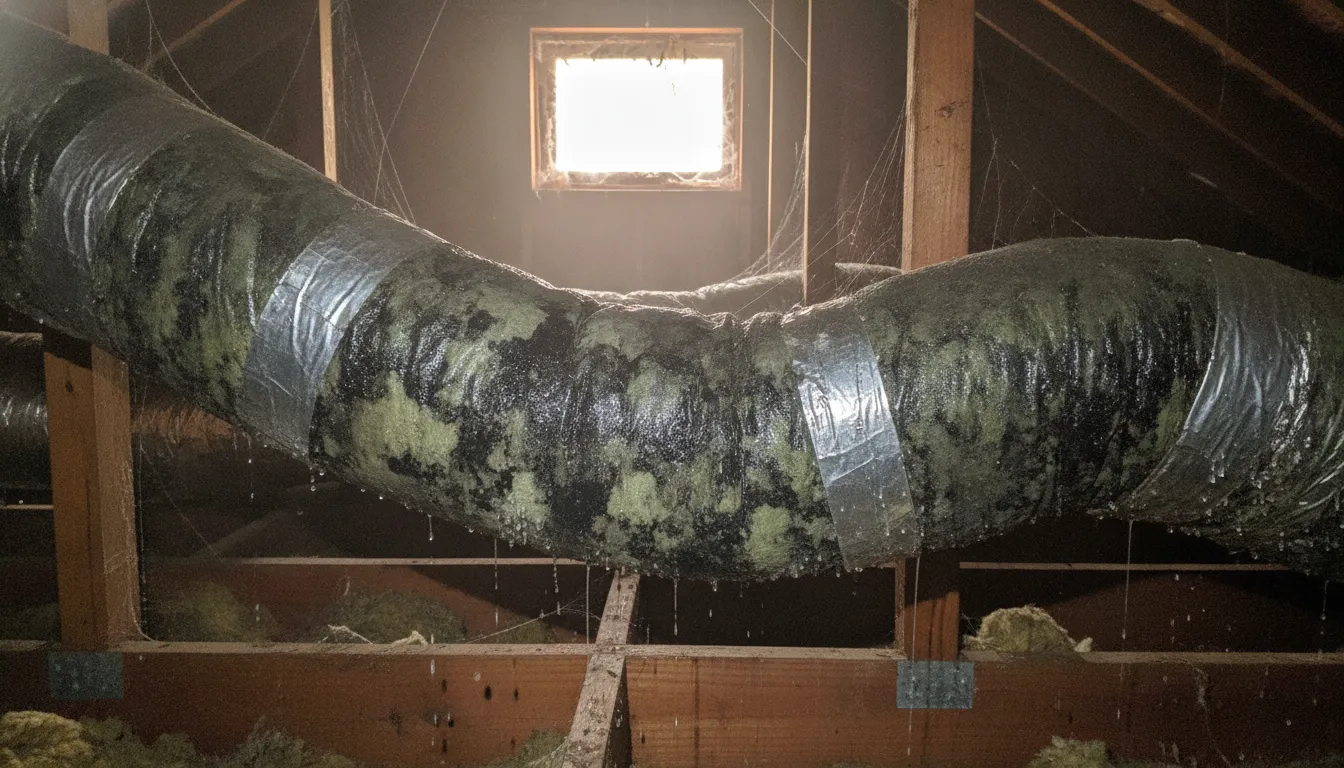
In Florida, your attic can get incredibly hot. If your ductwork runs through that space without proper insulation, the cool air inside the ducts will absorb that heat before it ever reaches your rooms. This forces your AC to run longer and harder to meet your thermostat setting. Proper duct insulation acts as a thermal barrier, significantly reducing this energy loss and keeping the conditioned air at the right temperature.
Equally important is sealing every joint and connection in the ductwork. Tiny leaks might not seem like a big deal, but they can add up to a major loss of cooled air. Leaky ducts can also pull in dust, allergens, and humidity from your attic, which can compromise your home’s indoor air quality. Sealing these gaps is one of the most effective ways to improve your system’s efficiency and keep your air clean.
Adding Heat Recovery to Your System
One of the most advanced features of a VRF system is its ability to perform heat recovery. In simple terms, this means the system can move heat from one part of your house to another. For example, it can take the heat it removes from a sun-drenched living room and use it to gently warm a cooler bedroom on the north side of the house, all at the same time.
This process of simultaneous heating and cooling is incredibly energy-efficient because the system isn't creating new heat; it's just recycling existing thermal energy. This makes VRF technology ideal for homes with different temperature needs in different areas, like a home with a busy kitchen and a quiet home office. It allows for a truly customized climate in every zone, maximizing both comfort and energy savings.
Tips for Optimal VRF Ductwork Performance
Getting the most out of your VRF system comes down to a great installation and consistent care. A little attention to your ductwork and system components will ensure you enjoy efficient, reliable cooling for years to come, especially in the Florida heat. Think of it as setting your system up for success from day one and then doing a few simple things to keep it in top shape. Here are a few tips to help you maintain peak performance.
Why Professional Installation is Key
A VRF system is a sophisticated piece of equipment, and its performance is directly tied to the quality of the installation. Challenges like choosing the right indoor unit size and managing the system's refrigerant charge require expert knowledge. Getting these details right from the start prevents a lot of future headaches. When you work with an experienced team, you can be confident that your system is designed and installed correctly. A professional air conditioning installation ensures every component works together seamlessly, giving you the efficiency and comfort you expect.
Managing Your System's Refrigerant
VRF systems use an extensive network of refrigerant lines and fittings to connect the indoor and outdoor units. While this design is key to their flexibility, it also means there are more potential spots for leaks to occur. These leaks can be tricky to find and repair, and they can seriously impact your system's performance. That’s why it’s so important to have any issues addressed by a technician who understands these systems inside and out. If you ever suspect a problem, scheduling a professional AC repair can prevent small issues from turning into bigger, more expensive ones.
Simple Maintenance for Lasting Efficiency
Once your system is up and running, a little routine care goes a long way. Properly sealed and insulated ductwork is essential for reducing energy waste, which helps lower your utility bills. During a maintenance check, a technician can inspect your ducts for any leaks or damage that could compromise efficiency. Regular air conditioning maintenance also includes cleaning filters and checking refrigerant levels to keep everything running smoothly. These simple steps not only improve performance but also contribute to better indoor air quality for your home.
Is a Ducted VRF System Right for Your Florida Home?
Deciding on a new air conditioning system is a big deal, especially here in Florida where it runs nearly year-round. A Variable Refrigerant Flow (VRF) system is an excellent, energy-efficient option, but the choice between a ducted or ductless setup depends entirely on your home and your family’s needs. Let’s walk through the key factors to consider.
How Florida's Climate Affects Your Choice
Florida’s heat and humidity demand a smart and powerful cooling solution. VRF systems are particularly well-suited for our climate because they excel at managing different temperature needs in various parts of a house. Think about how the afternoon sun might heat up your living room while the bedrooms on the other side stay relatively cool. A VRF system allows you to set different temperatures for these "zones," so you’re not wasting energy cooling empty rooms. This zoning capability, combined with their incredible efficiency in warm weather, makes them a top contender for homeowners looking to lower their energy bills without sacrificing comfort during our long, hot summers.
Ducted or Ductless: Making the Right Call
The choice between ducted and ductless often comes down to your home’s current setup. If you have existing ductwork that’s in good shape, a ducted VRF system can be a fantastic choice. This setup allows you to use your existing vents, giving you the familiar feel of a central air system but with the advanced efficiency and zoning of VRF technology. It’s a great way to get a major upgrade without a complete overhaul. If your ducts are old or leaky, you might need to consider duct sanitization and replacement first. For homes without ducts or for new additions, a ductless system might be the more straightforward path.
Get an Expert Opinion
Ultimately, you can’t make this decision by reading alone. The best way to know if a ducted VRF system is right for your home is to have a professional take a look. An experienced technician can assess your home’s layout, insulation, window quality, and the condition of your current ductwork. They’ll consider all the unique factors of your property to recommend a system that’s perfectly sized and designed for your specific needs. A proper air conditioning installation is the key to years of efficient, reliable comfort, so getting an expert opinion from the start is the most important step you can take.
Related Articles
- Benefits of Regular HVAC Maintenance
- How to Prepare Your HVAC for a Florida Summer
- HVAC Tips & Insights Blog - Expert Advice from 5 Star Air
Frequently Asked Questions
Is a VRF system more expensive than a traditional AC system? The initial investment for a VRF system can be higher than for a standard central air conditioner. However, it's important to look at the long-term picture. Because these systems are so energy-efficient, they can lead to significant savings on your monthly utility bills. The precise control over different zones means you're not paying to cool rooms you aren't using, which really adds up over time.
How is a VRF system different from a multi-zone mini-split? This is a great question, as the two technologies seem very similar. Think of a VRF system as the more advanced, powerful version of a mini-split. While both offer zoned comfort, VRF systems can typically support a larger number of indoor units from a single outdoor condenser. They also offer more sophisticated features, like the ability to move heat from one room to another, providing simultaneous heating and cooling for incredible efficiency.
Can I really use my home's existing ductwork with a VRF system? Yes, you absolutely can, which is one of the system's most flexible features. If your current ductwork is properly sized and in good condition, it can be connected to a ducted VRF system. This gives you all the energy-saving benefits of VRF technology while using the discreet vents you already have. A professional will need to inspect your ducts first to make sure they are sealed and ready for the job.
What kind of maintenance does a VRF system require? Like any HVAC system, a VRF system runs best with regular care. The most important tasks are cleaning or replacing the filters in your indoor units and scheduling an annual professional tune-up. During a maintenance visit, a technician will check refrigerant levels, clean the coils, and ensure all the electrical components are working correctly to keep the system running at peak efficiency.
How well does a VRF system handle Florida's high humidity? VRF systems are fantastic for managing humidity. Traditional air conditioners often run in short, powerful bursts, which doesn't give them enough time to effectively pull moisture from the air. A VRF system runs for longer periods at a much lower speed. This continuous operation is incredibly effective at removing humidity, leaving your home feeling much more comfortable without that sticky, damp feeling.