When to Replace Thermostat: 5 Telltale Signs
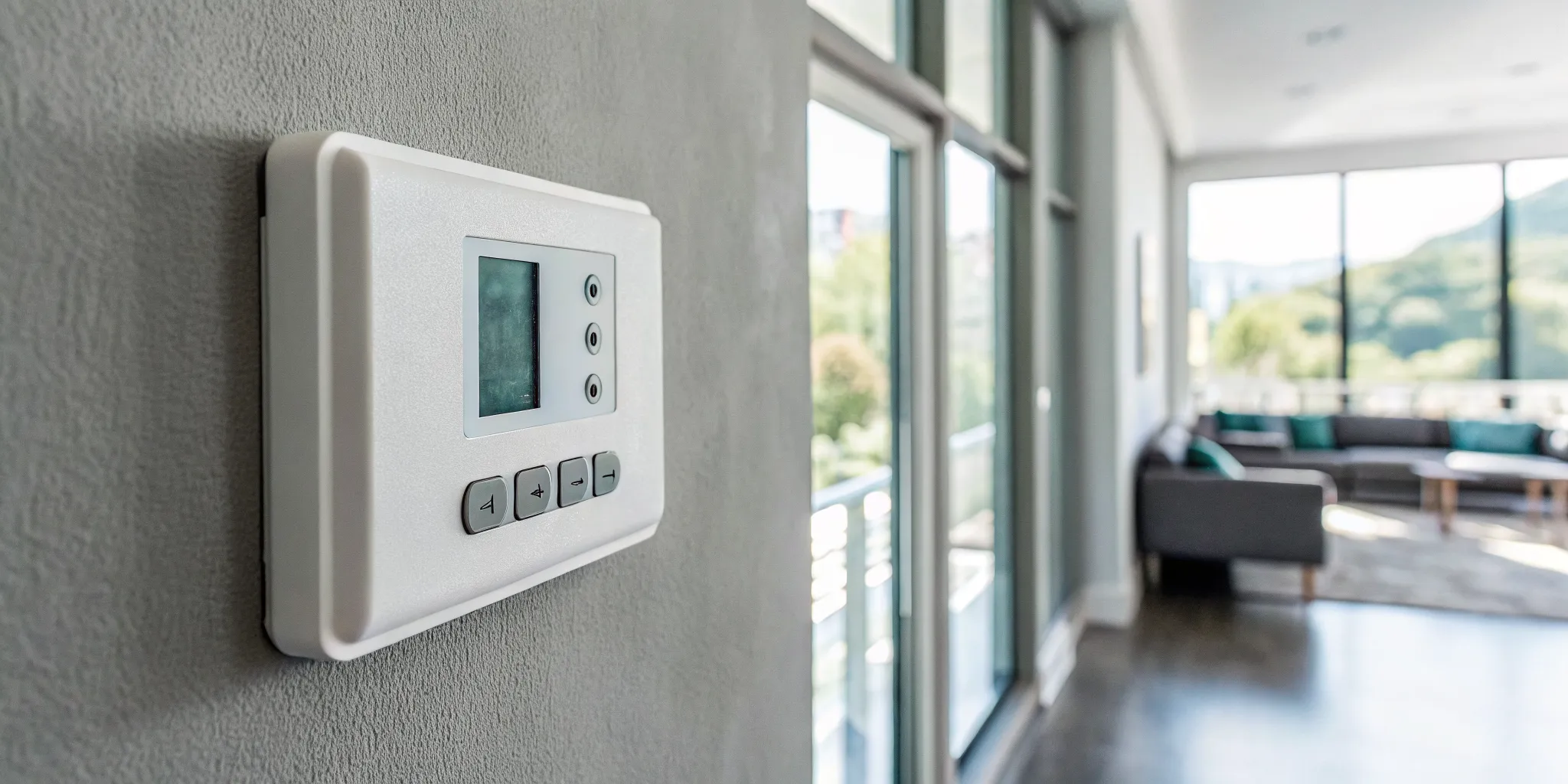
That moment when you open your monthly power bill and your jaw hits the floor is a uniquely frustrating experience. While it’s easy to blame rising energy costs, the real culprit might be hiding in plain sight on your wall. A faulty thermostat can secretly force your air conditioner to work overtime, running inefficiently and wasting a surprising amount of money. It’s a silent problem that not only drains your bank account but also puts unnecessary strain on your entire HVAC system. Understanding the symptoms of a failing unit is the first step to getting your costs back under control. We’ll cover exactly what to look for so you know when to replace your thermostat and stop overpaying for comfort.
Key Takeaways
- Identify the symptoms of a failing thermostat: A blank display, inaccurate temperature readings, or an AC that constantly cycles on and off are clear signs your thermostat is failing, which can lead to discomfort and higher energy bills.
- A smart upgrade offers savings and control: Replacing an outdated model with a smart thermostat can lower cooling costs, provide remote access through your phone, and help manage humidity for better comfort in the Florida climate.
- Know when to call a professional: While you can try simple fixes like changing the batteries, professional installation is the safest choice to handle complex wiring and ensure correct placement, protecting your HVAC system for optimal performance.
How to Tell If Your Thermostat Is Failing
Your thermostat is the command center for your home’s comfort, but like any piece of technology, it doesn’t last forever. When it starts to fail, it can cause everything from minor annoyances to major system problems. Spotting the signs early can save you from a sweltering Florida afternoon without AC and prevent bigger, more expensive issues down the road. If you notice any of these red flags, your thermostat might be telling you it’s time for a change.
The Display Is Blank or Unresponsive
You walk over to adjust the air, but the screen is completely dark. Or maybe you’re pressing buttons, and nothing is happening. An unresponsive thermostat is one of the most obvious signs of a problem. Before you panic, try the simplest fix: replace the batteries. If a fresh set of batteries doesn’t bring it back to life, the unit itself is likely faulty. A blank screen means you have no control over your HVAC system, leaving your home’s comfort to chance. If you can't get it working, it's time to call for an air conditioning repair to get your system back under your control.
Temperature Readings Are Inaccurate
Does your home feel like a sauna even though the thermostat reads a cool 72 degrees? When the temperature on the display doesn't match how the room actually feels, the thermostat's sensor may be failing. You can easily test this by placing a simple, reliable thermometer next to your thermostat for about 15 minutes. If the readings are off by more than a few degrees, your thermostat is no longer doing its job correctly. This inaccuracy can cause your AC to run too little or too much, leaving you uncomfortable and wasting energy. It’s a clear signal that your system’s brain is on the fritz.
Your AC Constantly Turns On and Off (Short-Cycling)
Have you noticed your air conditioner kicking on for a few minutes, shutting off, and then turning back on again shortly after? This is called short-cycling, and it’s a major red flag. While several issues can cause this, a faulty thermostat is a common culprit. It might be misreading the temperature and telling your system it has reached the target, only to realize its mistake moments later. This constant starting and stopping puts immense strain on your AC’s compressor and other components, leading to premature wear and tear. Addressing it quickly can prevent a much larger repair bill and is something our technicians check during air conditioning maintenance.
Your Energy Bills Suddenly Spike
If your latest electricity bill made your jaw drop and there’s no other explanation, your thermostat could be the secret culprit. A failing thermostat that reads the temperature incorrectly will force your HVAC system to work harder and longer than necessary. For example, if it thinks your home is warmer than it is, it will run the AC constantly to "catch up," sending your energy consumption through the roof. This inefficiency directly translates into wasted money. Upgrading to a new, accurate thermostat is one of the quickest ways to get your energy costs back under control.
It’s Over a Decade Old
Even if it seems to be working fine, a thermostat that’s more than 10 years old is likely costing you money. Thermostat technology has advanced significantly, and older mechanical or early digital models are far less precise and efficient than today's versions. They can lose calibration over time, leading to temperature swings and wasted energy. Think of it like using a decade-old cell phone; it might still make calls, but it’s missing out on a world of efficiency and features. Proactively choosing to replace an aging thermostat is a smart investment in your home’s comfort and your wallet.
Why You Shouldn't Ignore a Failing Thermostat
It’s easy to write off a finicky thermostat as a minor annoyance, but that little box on your wall has a big job. Ignoring the signs of failure can lead to some surprisingly big problems for your home, your wallet, and your overall comfort. Think of it as the command center for your entire HVAC system; when it’s not working right, nothing else will either. A faulty thermostat can quietly cause issues that grow more expensive and frustrating over time.
It Drives Up Your Energy Costs
Have you ever opened your monthly power bill and felt a jolt of surprise? A faulty thermostat could be the secret culprit behind that unexpected spike. When your thermostat can't get an accurate temperature reading, it might think your room is warmer than it actually is. This causes it to signal your AC to run longer and harder than necessary, wasting energy and driving up your costs. That extra money you’re spending could be better used, and a simple air conditioning repair might be all you need to get your bills back on track.
It Puts Extra Wear on Your HVAC System
Your air conditioner is a significant investment, and you want it to last as long as possible. A malfunctioning thermostat puts unnecessary strain on your entire HVAC system. If it’s causing your AC to short-cycle (turn on and off constantly) or run for excessively long periods, it’s forcing critical components like the compressor and fan motors to work overtime. This premature wear and tear can lead to costly breakdowns and shorten your system's lifespan. Regular air conditioning maintenance helps our technicians spot these issues before they cause a major breakdown, saving you from a much bigger headache.
Your Home Never Feels Comfortable
The most immediate problem with a failing thermostat is that your home just won't feel right. You might find yourself constantly adjusting the temperature because it’s either too stuffy or too chilly, even when the display shows your ideal setting. Another common sign is uneven temperatures, where one room feels like a sauna while another feels like an icebox. Your comfort at home is important. If your thermostat is making it impossible to relax, it’s a clear signal that your system needs a professional look, and our team is always ready to diagnose the problem.
Troubleshoot or Replace: What's the Next Step?
So, you’ve noticed your thermostat is acting up. Before you assume the worst and start shopping for a replacement, let’s walk through a few simple checks. Sometimes, the solution is surprisingly easy and can save you the cost of a service call or a new device. These troubleshooting steps will help you figure out if you have a quick fix on your hands or if it’s time to call in a professional. By taking a few minutes to investigate, you can get a much clearer picture of what’s really going on with your HVAC system’s command center.
First, Check the Batteries
This might sound obvious, but you’d be surprised how often it’s the culprit. If your thermostat screen is blank or unresponsive, the very first thing you should do is replace the batteries. Many digital thermostats rely on battery power to function, even if they are hardwired into your home’s electrical system. A low battery can cause all sorts of strange behavior, from inaccurate readings to a complete shutdown. It’s a simple, inexpensive step that could solve your problem in minutes. So, before you do anything else, grab a fresh set of batteries and see if that brings your thermostat back to life.
Verify the Temperature with a Second Thermometer
Does your home feel like a sauna even though the thermostat says it’s 72 degrees? Your thermostat might be miscalibrated. An easy way to check this is to place a simple, reliable thermometer right next to your thermostat on the wall. Wait about 15 minutes for it to acclimate, then compare the readings. If there’s a difference of more than a few degrees, your thermostat is no longer reading the room temperature correctly. This inaccuracy forces your AC to run too much or not enough, leading to discomfort and higher energy bills, something no one wants during a Florida summer.
Inspect the Wiring and Placement
Your thermostat’s location has a huge impact on its performance. If it’s in direct sunlight, near a hot oven, or right next to a drafty window, it will get false readings and struggle to keep your home comfortable. Take a look at where it’s mounted. You should also check for any obvious issues like loose wires. If you feel comfortable, you can gently remove the faceplate to see if any wires have come disconnected. If you notice anything that seems off or you’re not confident checking the wiring yourself, it’s a good sign that a deeper issue might need professional air conditioning repair.
Know When to Call a Pro
If you’ve tried fresh batteries, verified the temperature, and confirmed the placement seems right, but your thermostat is still on the fritz, it’s time to call for backup. Continuing to use a faulty thermostat can put unnecessary strain on your HVAC system and drive up your energy costs. A professional technician can quickly diagnose whether the thermostat is the root of the problem or if it’s a symptom of a larger issue with your air conditioner. Our team at 5 Star Air is always here to help with honest advice and expert service. Don’t hesitate to contact us for a stress-free solution.
How to Choose the Best Thermostat for Your Florida Home
Living in Florida means your AC is your best friend for most of the year. Your thermostat is the brain of that operation, and choosing the right one can make a huge difference in your comfort and your utility bills. It’s not just about setting a temperature; it’s about managing humidity, saving energy, and making your life easier. When you’re ready for an upgrade, you’ll find a few different types on the market. The best one for you really comes down to your lifestyle, your budget, and the kind of HVAC system you have. Let's walk through the options so you can find the perfect match for your home.
Manual, Programmable, or Smart?
First, you have your basic manual thermostats. These are the simple, no-frills models where you physically set the temperature. They work, but they're the least efficient because they rely on you to remember to adjust them. Next up are programmable thermostats, which let you set a schedule for your AC to follow throughout the day. This is a great step up, as you can automatically raise the temperature when you’re at work and cool it down before you get home. Then there are smart thermostats. These are the top-tier choice for energy savings and convenience. Smart and programmable models can save an average of 10% to 15% on cooling costs by learning your habits and allowing you to make adjustments from your phone, no matter where you are.
Ensure It's Compatible with Your HVAC System
Before you get too excited about a fancy new thermostat, you need to make sure it will actually work with your air conditioner. Not all thermostats are compatible with all HVAC systems. For example, your home might have a single-stage, multi-stage, or heat pump system, and each requires a thermostat that can speak its language. Choosing the right one and ensuring it's wired correctly is essential for avoiding comfort problems and potential equipment damage. If you pick an incompatible model, it could cause your system to run inefficiently or even fail to turn on at all. You can usually find compatibility information on the thermostat's packaging or website, but if you're unsure, it's always best to consult a professional about your air conditioning installation.
Key Features for a Hot and Humid Climate
Florida's climate presents a unique challenge: it's not just hot, it's incredibly humid. A great thermostat for our area does more than just cool the air; it helps manage moisture. Look for models with humidity control, sometimes called a humidistat. This feature allows the thermostat to monitor and reduce indoor humidity, which makes your home feel much more comfortable at a higher temperature. Another fantastic feature is a vacation or away mode, which maintains a safe temperature to prevent mold while you're gone without wasting energy. Features like filter change reminders and energy usage reports also help you maintain your system and keep costs down. A good thermostat is a key part of your home's indoor air quality and can even help your AC system last longer.
The Perks of Upgrading to a Smart Thermostat
If your old thermostat is on its way out, you could just replace it with a similar model. But upgrading to a smart thermostat is one of the best investments you can make for your home, especially here in Florida. Think of it less as a simple replacement and more as a complete enhancement of your home's comfort system. A smart thermostat goes beyond just setting the temperature; it learns your habits, gives you control from anywhere, and works to lower your energy consumption without you having to lift a finger.
These clever devices are designed to make your life easier and your home more efficient. They connect to your Wi-Fi, allowing you to adjust your AC from your phone, whether you’re on the couch or on your way home from work. Many models even learn your schedule and preferences over time, creating a custom cooling plan that maximizes comfort while minimizing waste. Instead of running your AC at full blast all day, a smart thermostat makes intelligent adjustments based on your actual needs. It’s a modern solution that puts you in complete control of your home’s climate and your energy bills.
Lower Your Energy Bills
Let's talk about the biggest win: saving money. A smart thermostat isn't just a fancy gadget; it's a powerful tool for reducing your energy costs. By learning your daily routines and adjusting the temperature automatically, these devices can save you an average of 10% to 15% on your cooling bills. It knows when you leave for work and can ease up on the AC, then cool things back down just before you get home. This means you stop paying to cool an empty house, which can make a huge difference on your monthly FPL bill. Over time, the thermostat essentially pays for itself, making it a wise financial decision.
Enjoy Remote Access and Smart Learning
Imagine leaving for vacation and realizing you forgot to adjust the thermostat. With a smart model, you can simply pull out your phone and set it to an energy-saving mode from anywhere in the world. This remote access offers incredible peace of mind and convenience. Beyond that, the "smart learning" feature is a game-changer. Your thermostat will begin to recognize your patterns, like when you typically go to bed and wake up, and will create a cooling schedule that perfectly matches your lifestyle. It takes the guesswork out of programming and ensures your home is always comfortable when you're there and efficient when you're not. This level of automation is a key part of any modern air conditioning installation.
Use Geofencing and Energy Reports
Smart thermostats come with some truly intelligent features, and geofencing is one of the most useful. This function uses your smartphone's location to determine if you're home or away. As you leave the house, it automatically adjusts the temperature to an energy-saving level. When it detects you're on your way back, it starts cooling your home to your preferred temperature. You don't have to do a thing. Many models also provide detailed energy reports, showing you exactly when your AC runs and how much energy you're using. These insights help you understand your consumption and find even more opportunities to save.
Integrate It with Your Smart Home
If you already use smart home devices, a smart thermostat will fit right in. Most are compatible with voice assistants like Amazon Alexa and Google Assistant, so you can change the temperature just by speaking a command. For example, you can say, "Hey Google, set the living room to 74 degrees." This seamless integration makes managing your home's climate effortless. A smart thermostat can act as the central hub for your home's comfort, working alongside other devices to create an environment that’s perfectly tuned to your needs. Our expert team can help you choose and install a model that works perfectly with your existing setup.
DIY vs. Professional Installation: Which Is Right for You?
Feeling handy? It can be tempting to tackle a thermostat installation yourself, especially when so many smart thermostats are marketed as "easy installs." For some homes with simple, modern wiring, it can be a straightforward swap. But what looks like a quick project can sometimes turn into a frustrating puzzle of wires and compatibility issues, particularly with older HVAC systems. A simple mistake can leave you without air conditioning, which is the last thing anyone in Florida wants.
Before you break out the tools, it’s important to understand what a DIY installation involves and when it’s smarter to call in a pro. Making the right choice from the start saves you time, money, and a whole lot of headaches. This isn't about your DIY skills; it's about protecting your home's most expensive and important appliance: your HVAC system. A professional ensures the job is done right, safeguarding your warranty and giving you confidence that your new thermostat will work perfectly with your system for years to come.
Common Mistakes to Avoid with DIY Installation
The biggest hurdle in a DIY thermostat installation is often the wiring. Swapping just one wire to the wrong terminal or discovering you don't have a necessary C-wire can stop the project in its tracks. These mistakes can prevent the thermostat from powering on, cause it to reboot frequently, or keep it from communicating with your HVAC system. Skipping the initial compatibility check is another common pitfall; it’s one of the fastest ways to end up with a smart thermostat that just won’t work with your system. An incompatible or incorrectly wired thermostat isn't just an inconvenience. It can lead to inefficient operation and even put unnecessary stress on your air conditioning system.
Why Placement and Wiring Are So Important
Beyond the wiring, the placement of your thermostat plays a huge role in its performance. If you install it in direct sunlight, near a drafty window, or too close to kitchen appliances, you'll get inaccurate temperature readings. This can cause your AC to run constantly or not kick on when you need it, making your home uncomfortable and driving up your energy bills. Correct placement on an interior wall, away from these temperature-influencing factors, ensures your thermostat accurately reflects your home's true temperature. This allows your HVAC system to function efficiently and maintain the comfortable environment you want, which is a key part of your home's overall indoor air quality.
When to Call a Professional for Installation
If you’ve opened up your old thermostat and the wiring looks like a bowl of spaghetti, or if you’re at all unsure whether a new model is compatible with your system, it’s time to call a professional. A DIY project isn't worth the risk of damaging your HVAC unit or ending up with a faulty setup. Our licensed technicians at 5 Star Air can handle the entire thermostat and air conditioning installation process for you. We’ll make sure your new thermostat is compatible, correctly wired, and placed for optimal performance, ensuring your system operates at peak efficiency from day one. It’s the best way to get peace of mind and enjoy all the benefits of your new thermostat without any of the guesswork.
Related Articles
- Benefits of Regular HVAC Maintenance
- 5 Signs Your AC Needs Repair
- How to Prepare Your HVAC for a Florida Summer
- HVAC Tips & Insights Blog - Expert Advice from 5 Star Air
Frequently Asked Questions
My thermostat screen is blank. Do I have to call for a repair right away? Before you pick up the phone, try the simplest fix first: replace the batteries. Many thermostats use them for the display and basic functions, and dead batteries are a very common reason for a blank screen. If a fresh set doesn't solve the problem, then it's time to call a professional. A persistent blank screen could point to a wiring issue or a problem with the thermostat itself, and it’s best to have an expert diagnose it correctly.
Is upgrading to a smart thermostat really worth the cost? Yes, for most homeowners in Florida, it’s a fantastic investment. While there is an upfront cost, a smart thermostat can lower your cooling bills by an average of 10% to 15% by learning your schedule and running your AC more efficiently. Over time, it essentially pays for itself. Beyond the savings, you also get the convenience of controlling your home's temperature from your phone and features that create a more comfortable living space.
My AC is turning on and off every few minutes. Is it definitely the thermostat's fault? A faulty thermostat is a frequent cause of short-cycling, but it isn't the only possibility. This issue can also be a symptom of other problems, such as low refrigerant, an oversized AC unit, or a dirty air filter restricting airflow. Because short-cycling puts a lot of strain on your air conditioner's most important parts, it's important to have a professional technician diagnose the root cause. They can determine if it’s a simple thermostat issue or a sign of a larger system problem that needs attention.
How can I be sure a new thermostat will work with my older AC unit? This is a great question, as compatibility is key. Whether a new thermostat will work depends on your HVAC system's wiring and type (for example, if it's a heat pump or has multiple stages). While the thermostat's packaging will list its requirements, matching them to an older system can be tricky. The most reliable way to ensure compatibility is to have a professional technician take a look. They can identify your system's needs and recommend a thermostat that will work perfectly.
My thermostat is over 10 years old but seems to work fine. Why should I replace it? Even if an old thermostat seems to be working, it's likely costing you money. Over a decade, the internal components can lose their accuracy, a problem known as calibration drift. This means the temperature on the display might be several degrees off from the actual room temperature, causing your AC to run longer than necessary and waste energy. Upgrading to a modern, accurate model is a proactive step that improves efficiency and lowers your monthly bills.