Whole House Humidifier and Air Purifier: Do You Need Both?
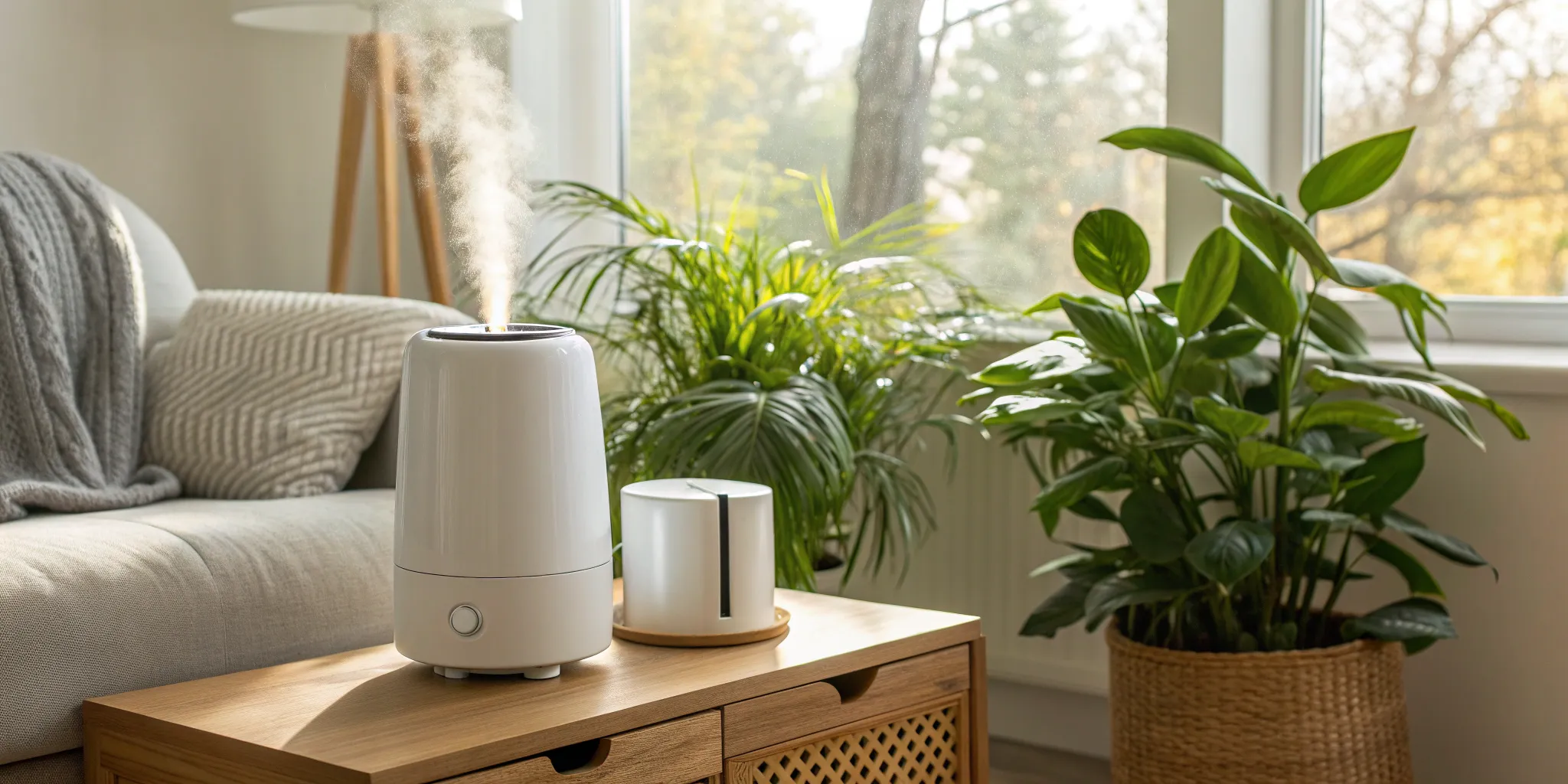
Think of your home’s air quality system as a team. You need players that can handle different jobs to win the game. In this case, the goal is creating the healthiest and most comfortable indoor environment possible. Your two star players are the air purifier and the humidifier. The air purifier is your defense, capturing and eliminating airborne invaders like dust, pet dander, and allergens. The humidifier is your support, ensuring the air has the right amount of moisture to prevent dryness and irritation. When you combine them in a whole house humidifier and air purifier system, you get a winning strategy that covers all your bases. Let’s explore how this powerful duo works together for your home.
Key Takeaways
- Know Their Different Jobs: A humidifier adds moisture to combat dry indoor air, while an air purifier removes harmful particles like dust and pollen. Using both systems together gives you complete control over your home's air quality for optimal health and comfort.
- Match the System to Your Home: The right whole-house unit must be compatible with your HVAC system and correctly sized for your home's square footage. A professional assessment is the best way to ensure you choose an efficient system that performs as it should.
- Commit to Simple Maintenance: Protect your investment by following a regular schedule for replacing filters and pads. An annual professional inspection will catch any potential issues and ensure your system continues to run safely and effectively for years.
Humidifiers vs. Air Purifiers: What's the Difference?
When you're looking to improve your home's air, you'll likely come across humidifiers and air purifiers. While they both enhance your indoor environment, they perform two very different jobs. A humidifier adds moisture to combat dryness, while an air purifier removes harmful particles to clean the air you breathe. Understanding this distinction is key to creating a healthier home. Let's break down what each system does and explore how they can work together.
How Whole House Humidifiers Work
A whole-house humidifier’s main goal is to add a controlled amount of moisture to your indoor air. Even in humid Florida, constant air conditioning can strip the air of moisture, leading to dry skin, scratchy throats, and static electricity. A whole-house humidifier connects directly to your HVAC system, automatically adding water vapor to the air as it circulates through your ducts. Unlike portable units that only manage one room, this integrated solution maintains a consistent and comfortable humidity level throughout your entire home. This protects both your family’s comfort and your home's wood furnishings from the effects of overly dry air.
How Whole House Air Purifiers Work
An air purifier is all about cleaning. Its job is to capture and remove airborne contaminants that can impact your health. Think of it as a powerful filter for your entire home, trapping irritants like dust, pollen, pet dander, and mold spores. These systems work with your existing HVAC unit, so as air is pulled in to be cooled, it first passes through an advanced purifier. This process ensures that cleaner, healthier air is distributed to every room. It’s an effective way to improve your home’s overall indoor air quality and provide relief for family members with allergies or asthma.
Why Your Home Might Need Both
You don't have to choose between balanced humidity and clean air—you can have both. In fact, a humidifier and an air purifier work best as a team. Dry air can cause airborne pollutants to become more concentrated and easier to inhale. By using a humidifier to maintain a healthy moisture level, you help reduce the concentration of these particles in the air. This, in turn, makes it easier for your air purifier to trap and eliminate them. Combining these two systems gives you complete control over your home’s atmosphere, ensuring the air is not just clean but also perfectly balanced for your family’s health and comfort.
Key Benefits of a Combined System
Pairing a whole-house humidifier with an air purifier might seem like you're doing the same job twice, but they actually perform two very different, complementary tasks. Think of them as a dynamic duo for your home's atmosphere. The air purifier works to remove harmful particles like dust, pollen, and pet dander, while the humidifier adds necessary moisture to the air. When they work together, they create an environment that’s not just cleaner, but significantly more comfortable and healthier for your family.
This combination is especially effective because one system can enhance the performance of the other. For instance, overly dry air can keep pollutants suspended longer, making them harder to capture. By adding a bit of humidity, you can help your air purifier work more efficiently. Let's look at the specific ways this powerful team can improve your home life.
Improve Your Home's Overall Air Quality
One of the biggest advantages of using a humidifier and an air purifier together is the major improvement you'll see in your home's indoor air quality. When the air in your home is too dry, airborne pollutants like dust and allergens can become more concentrated and easier to inhale. A whole-house humidifier adds moisture to the air, which can help these tiny particles settle or clump together. This makes it much easier for your air purifier to trap and remove them from circulation. You get air that’s not just free of contaminants but also comfortably humidified, creating a healthier breathing environment for everyone inside.
Alleviate Common Health Issues
If you or your family members suffer from dry skin, scratchy throats, or frequent nosebleeds, the dry indoor air from constant air conditioning could be the culprit. A whole-house humidifier restores essential moisture to the air, providing relief from these irritating symptoms. When you combine this with an air purifier that removes allergens and other triggers, you create a space that’s much kinder to those with allergies and asthma. The purified air reduces potential irritants, while the humidified air soothes airways, helping everyone breathe a little easier and feel more comfortable year-round.
Increase Energy Efficiency and Save Money
Here’s a benefit that’s great for your wallet: a combined system can actually help you save on energy bills. Air with the right amount of humidity feels warmer than dry air at the same temperature. During Florida's cooler months, this means you can often lower your thermostat by a few degrees and still feel perfectly comfortable. Your heating system won't have to work as hard to maintain a cozy temperature, which leads to lower energy consumption and reduced utility costs over time. It’s a smart investment that adds comfort while helping to pay for itself.
Protect Your Home's Wood Furnishings
Dry air doesn't just affect your body; it also pulls moisture from the wood inside your home. Over time, this can cause your beautiful hardwood floors, wood furniture, cabinets, and even musical instruments to crack, warp, or shrink. By maintaining a consistent level of humidity with a whole-house humidifier, you can protect these valuable investments from damage. This system helps preserve the integrity and beauty of your home's wooden elements, ensuring they last for years to come. It’s a simple way to care for your home's structure and decor, brought to you by the experts at 5 Star Air.
Exploring Your Options: Types of Humidifiers and Purifiers
Once you know what you want to achieve with your home’s air, it’s time to look at the hardware. Whole-house humidifiers and air purifiers aren't one-size-fits-all. They use different technologies to tackle different problems, so understanding the basics will help you find the perfect fit for your home and family. Let's break down the most common types you'll encounter.
Humidifier Types: Bypass vs. Steam vs. Evaporative
Even here in Florida, running the AC constantly can strip the moisture from your indoor air, leaving you with dry skin, scratchy throats, and annoying static electricity. A whole-house humidifier works with your HVAC system to add just the right amount of moisture back in. The main options are:
- Bypass Humidifiers: These are an energy-efficient choice, using the airflow from your furnace or air handler to push air through a water panel and introduce humidity into your home. They work best when your HVAC system is running.
- Evaporative (or Fan-Powered) Humidifiers: Similar to bypass models, these use a fan to blow air across a moisture-filled pad. The fan allows them to operate independently, giving you more control over humidity levels.
- Steam Humidifiers: For the most powerful and precise humidification, steam is the way to go. These units boil water to create steam, which is then distributed through your ducts. They offer the quickest and most significant moisture increase, making them great for larger homes.
Air Purifier Systems: HEPA vs. UV Light vs. Activated Carbon
An air purifier is your best defense against airborne contaminants. These systems integrate with your ductwork to clean the air in every room. Different purifiers use different methods to trap or neutralize pollutants, and some of the most effective indoor air quality solutions use a combination of technologies.
- HEPA Filters: High-efficiency particulate air (HEPA) filters are the gold standard for trapping physical particles like dust, pollen, pet dander, and mold spores.
- UV Light Purifiers: These use ultraviolet light to attack biological contaminants. The UV-C light neutralizes airborne viruses, bacteria, and mold, preventing them from reproducing and circulating through your home.
- Activated Carbon Filters: If you’re concerned about odors from cooking, pets, or volatile organic compounds (VOCs) from cleaning supplies, an activated carbon filter is a must. It absorbs these gaseous pollutants, leaving your air smelling fresh and clean.
Understanding Smart Features and Advanced Tech
Today’s air quality systems are smarter than ever. Many modern humidifiers and purifiers can be integrated with your smart thermostat, allowing you to monitor and adjust your home’s air from an app on your phone. Some advanced systems even combine functions, acting as both a purifier and a humidifier. These combination units are designed to add moisture without creating an environment where mold or bacteria can thrive, giving you the best of both worlds in a single, efficient package. This technology makes it easier to maintain a consistently comfortable and healthy home environment without constant manual adjustments.
Common Myths About Air Quality Systems
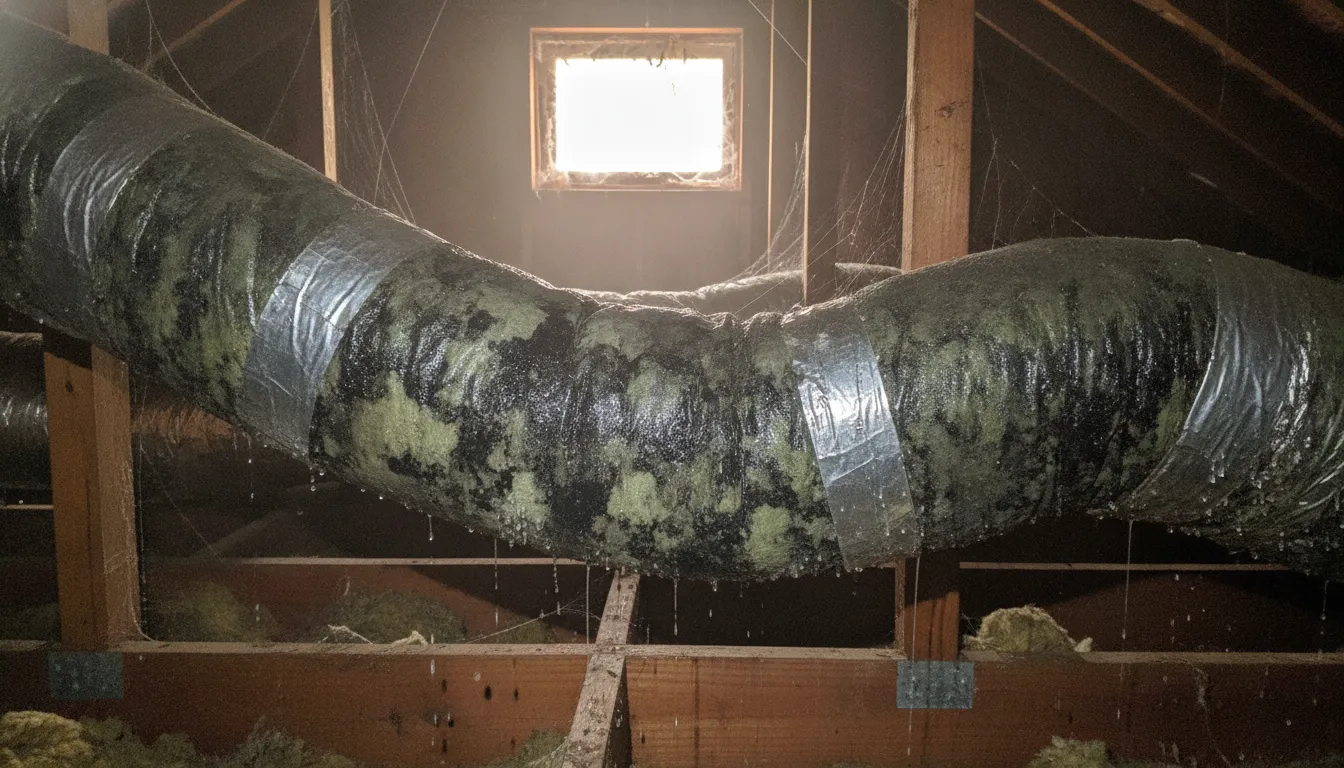
One of the biggest concerns I hear about humidifiers is the risk of mold. It’s a valid point—excess moisture can definitely cause problems. However, a professionally installed whole-house system is designed to prevent this. Unlike portable units, they monitor your home’s humidity and only add moisture when needed, avoiding over-humidification. The key is proper upkeep. Just like any part of your HVAC system, your humidifier and purifier need regular professional maintenance to function safely and effectively. Regular cleaning and filter changes prevent the buildup of minerals, mold, or bacteria, ensuring your system only circulates clean, healthy air.
How to Choose the Right System for Your Home
Once you’ve decided to invest in your home’s air quality, the next step is picking the right equipment. This isn’t just about grabbing the first model you see online. Choosing the right whole-house humidifier or air purifier involves matching the system to your home’s specific needs, your existing HVAC setup, and your budget. A little bit of homework now will ensure you get a system that works efficiently and effectively for years to come.
Think of it like this: you wouldn’t buy a car without knowing if it fits in your garage. The same logic applies here. We’ll walk through the key factors to consider so you can feel confident in your decision. From getting the size right to understanding the full cost, here’s what you need to know to select the perfect air quality system for your Florida home.
Find the Right Size for Your Space
Sizing is everything when it comes to whole-house air quality systems. A unit that’s too small will constantly struggle to keep up, failing to properly humidify or purify your air. On the other hand, a system that’s too large can be just as problematic, leading to issues like over-humidification, which can encourage mold growth. The goal is to find that "just right" fit.
To do this, you need to know your home's total square footage. This measurement is the primary factor manufacturers use to rate their systems' capacity. While portable units are sized for a single room, whole-house systems are designed to handle your entire living space. A professional can perform a load calculation to confirm the exact size you need, taking into account your home's layout, ceiling height, and insulation.
Ensure HVAC System Compatibility
Whole-house humidifiers and air purifiers are not standalone units; they integrate directly into your home’s existing heating and cooling system. The purifier or humidifier is installed within the ductwork, allowing it to treat the air as it circulates throughout your home. This is what makes them so effective—they use the power of your HVAC system to deliver cleaner, more comfortable air to every single room.
Because of this integration, compatibility is non-negotiable. Before you buy, it’s essential to have a professional from a company like 5 Star Air assess your current HVAC setup. They can determine if your system can support a whole-house unit and recommend models that will work seamlessly with your equipment. This step prevents you from investing in a system that simply won’t work with what you already have.
Understand Installation and Costs
It’s important to look at the total investment, which includes both the equipment and the professional installation. While costs vary, you can generally expect a whole-house air purifier installation to range from $1,000 to $3,000. For a whole-house humidifier, the cost is typically between $500 and $2,500. The final price depends on the model you choose and the complexity of the installation.
While it might be tempting to cut costs with a DIY approach, professional installation is crucial for these systems. An expert ensures the unit is integrated correctly with your HVAC system, operates safely, and performs at peak efficiency. Many companies also offer financing options to make the investment more manageable, allowing you to improve your home’s air quality without a huge upfront expense.
Monitor Your Home's Air Quality
Installing a new system is a huge step, but maintaining great air quality is an ongoing process. Your daily habits can have a big impact. For example, cooking can release a surprising amount of pollutants into the air, so always use your kitchen’s exhaust fan to ensure good ventilation. Simple actions like this complement the work your air purifier and humidifier are doing.
You can also use indoor air quality monitors to keep an eye on humidity levels and particulate matter. These devices give you real-time data, helping you understand your home's air and make adjustments as needed. If you’re ever unsure about your air quality or how your system is performing, don’t hesitate to contact a professional. They can provide a detailed assessment and help you create a healthier indoor environment.
Maintaining Your Whole House Air Quality System
Investing in a whole-house air quality system is a fantastic step for your family's health and comfort. But just like your car or your main AC unit, it needs a little TLC to perform at its best. Consistent maintenance ensures you’re getting the clean, balanced air you paid for and helps the system last for years to come. Think of it less as a chore and more as protecting your investment. A little effort goes a long way in preventing costly repairs and maintaining peak efficiency. From swapping out filters to knowing when to call in a pro, here’s how you can keep your system running smoothly.
Create a Filter and Pad Replacement Schedule
The filters and pads in your air purifier and humidifier are the front-line defense against pollutants and mineral buildup. Over time, they get clogged and become less effective, forcing your system to work harder for the same result. Sticking to a regular replacement schedule is one of the easiest and most important things you can do. Most manufacturers recommend changing them every few months to a year, depending on the model and your home's air. It's a small task with a big impact on performance. Plus, it's an affordable part of home upkeep, with annual costs for new filters typically running between $20 and $60. Set a recurring reminder on your phone or calendar so you never forget.
Best Practices for Cleaning and Sanitizing
This is especially crucial for humidifiers. A dirty water reservoir can quickly become a breeding ground for mold and bacteria, which the system could then circulate throughout your home—the exact opposite of what you want. Make it a habit to clean your system according to the manufacturer's instructions. Regular cleaning is crucial to prevent the growth of mold and bacteria that can compromise your air. For a truly comprehensive approach to your home's air hygiene, you might also consider professional services like duct sanitization to ensure the entire pathway your air travels is clean.
Why Professional Inspections Matter
While you can handle the day-to-day upkeep, some things are best left to a trained technician. Whole-house systems are integrated directly into your HVAC unit, creating a complex network where one part affects the others. An annual professional inspection can catch small issues before they become major problems. A technician can verify that your purifier and humidifier are functioning correctly with your HVAC system, which is vital for maintaining your air quality. Scheduling a routine air conditioning maintenance visit is the perfect time to have your entire system checked out, ensuring everything works together in harmony for total home comfort.
Tips to Maximize Your System's Lifespan
Beyond the basic maintenance schedule, a few simple habits can help your system work more efficiently and last longer. Help your system out by reducing the number of pollutants it has to tackle in the first place. Ensure you have good ventilation by using exhaust fans when you cook or clean to pull smoke and fumes out of your home. This simple step reduces the strain on your air purifier. Taking a holistic approach and being mindful of what you bring into your home is a great way to support your system and achieve the best possible indoor air quality.
Frequently Asked Questions
Why would I need a humidifier in Florida? Isn't it already humid enough? That's a great question, and it's one I hear a lot. While it’s certainly humid outside, your air conditioner is constantly working to pull that moisture out of your indoor air. This process can leave the air inside your home surprisingly dry, leading to issues like scratchy throats, dry skin, and static electricity. A whole-house humidifier doesn't fight the outdoor humidity; it simply puts back a controlled amount of moisture into your indoor air to create a more balanced and comfortable environment.
Are whole-house systems really that much better than portable units? While portable units can be effective for a single room, a whole-house system offers a more complete and convenient solution. It integrates directly with your HVAC system to deliver clean, balanced air to every room in your home, not just the bedroom or living room. This means you get consistent air quality everywhere without the hassle of refilling water tanks or moving units from room to room. It’s a set-it-and-forget-it approach to better air.
Will running an air purifier and humidifier increase my electricity bill? It's natural to worry about energy costs, but these systems are designed to be quite efficient. In fact, a whole-house humidifier can sometimes help you save money. Air with proper humidity feels warmer, which means you can often lower your thermostat a few degrees during cooler weather and feel just as comfortable. While any appliance uses electricity, the impact of a modern, professionally installed air quality system on your utility bill is typically minimal.
Can I install a whole-house system myself? While a DIY project can be tempting, installing a whole-house air quality system is a job best left to a professional. These units connect directly to your home’s HVAC system and ductwork, which is a complex job that requires specialized knowledge to ensure it's done safely and correctly. A professional installation guarantees the system works efficiently with your existing equipment and prevents potential issues like leaks or electrical problems.
How do I know which type of purifier or humidifier is right for my family? The best system for you depends on your home's size and your family's specific needs. If allergies are your main concern, a system with a HEPA filter is a great choice. If you're worried about germs and viruses, a UV light purifier might be the answer. The most effective way to decide is to have a professional assess your home and discuss your goals. They can recommend a tailored solution that provides the exact results you're looking for.