Why Is My AC Making a Loud Buzzing Noise? (7 Causes)
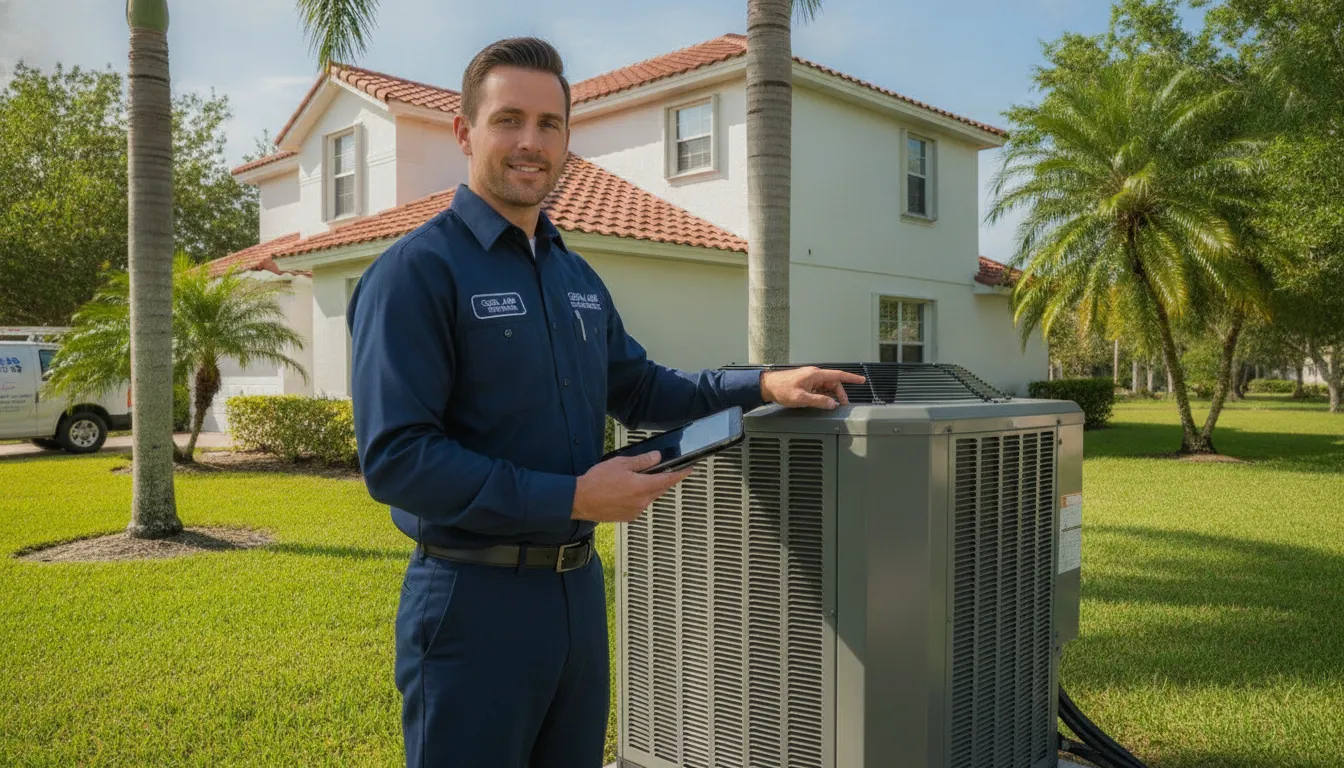
A buzzing air conditioner can mean one of two things: you have a simple, five-minute fix on your hands, or you’re dealing with a serious problem that could lead to a system failure. The sound could be caused by a stray leaf hitting the fan blades or a loose panel that just needs tightening. On the other hand, it could also be the sound of a failing compressor or a dangerous electrical short. The uncertainty is often the most stressful part. This guide is designed to help you tell the difference. We’ll explore the various reasons why is my AC making a loud buzzing noise, so you can identify the likely cause and take the right steps to fix it.
Key Takeaways
- Distinguish the Buzz: A buzzing sound typically points to either an electrical fault, like a bad capacitor, or a mechanical problem, such as loose parts or debris. Electrical issues always require a professional, while some mechanical fixes are simple.
- Try Simple Fixes Safely: After turning off the power at the breaker, you can perform a few checks. Replace a dirty air filter, clear leaves from the outdoor unit, and tighten any loose exterior panels to see if that resolves the noise.
- Recognize Urgent Warning Signs: A buzz combined with a burning smell, no cool air, or a frequently tripping breaker signals a serious problem. Immediately turn off your AC system and call for professional service to prevent a fire hazard or major system failure.
Why Is My AC Making a Buzzing Noise?
That sudden, persistent buzzing sound from your air conditioner is more than just an annoyance; it’s your AC’s way of telling you something is wrong. Here in Florida, we rely on our air conditioning almost year-round, so any sign of trouble can be stressful. The good news is that a buzzing noise points to a specific set of problems, ranging from simple fixes to more serious electrical issues.
Understanding the potential cause is the first step toward a solution. The sound could be coming from a loose panel vibrating, or it could signal a failing component that’s struggling to do its job. Ignoring the noise can lead to more extensive damage and even a complete system breakdown, which is the last thing anyone wants during a Southwest Florida summer. Below, we’ll walk through the seven most common reasons your AC might be buzzing, so you can get a better idea of what’s going on and what to do next.
Loose Parts and Panels
Your air conditioner is a machine with many moving parts, and over time, the constant vibration can cause screws, bolts, and panels to work themselves loose. When a panel or internal component isn't secure, it can vibrate against the unit's frame, creating a distinct buzzing or rattling sound. More critically, loose electrical connections inside the unit can produce a hazardous electrical buzz. These connections can arc, which is a serious fire risk. While you can gently check if an outer access panel is loose, any buzzing that seems electrical requires a professional air conditioning repair to ensure it's handled safely.
Debris in Your Outdoor Unit
Your outdoor unit, or condenser, is constantly exposed to the elements. It’s common for leaves, twigs, grass clippings, and other yard debris to get pulled inside. If this debris obstructs the large fan blades, they won’t be able to spin properly. The fan motor will then strain against the blockage, which often creates a loud buzzing noise. In some cases, a single stick or palm frond can get wedged in the grille and hit the blades as they spin. Keeping the area around your unit clear is an easy way to prevent this. Regular air conditioning maintenance includes a thorough cleaning of the outdoor unit to stop this problem before it starts.
A Bad Capacitor
Think of the capacitor as a small battery that gives your AC’s motors the powerful jolt they need to start and run. When a capacitor starts to fail, it can’t deliver that necessary energy. You’ll often hear a humming or buzzing sound as the motor attempts to start but can’t quite turn over. A failing capacitor is one of the most frequent causes of a buzzing AC. While the part itself is inexpensive, it holds a strong electrical charge even when the power is off. For your safety, capacitor replacement should always be left to a trained technician who knows how to handle it correctly.
A Failing Contactor Switch
The contactor switch is an electrical component that controls the flow of high voltage to your outdoor unit. When your thermostat signals for cooling, the contactor closes to send power to the compressor and condenser fan motor. If this switch becomes worn out or gets stuck, it can create a loud, continuous buzzing sound. You might even hear the buzz when the AC isn't running. Because the contactor deals directly with your home's electrical system, it's not a part you should ever try to fix yourself. A faulty contactor is an electrical issue that requires immediate attention from a professional.
Low Refrigerant or Leaks
Refrigerant is the essential substance that circulates through your AC system to cool your home. If your system develops a leak, the refrigerant level will drop. This forces the entire system, especially the compressor, to work much harder to cool your home, which can cause a buzzing or gurgling noise. Other signs of a refrigerant leak include ice buildup on the copper lines and a noticeable decrease in cooling performance. Handling refrigerant requires a special license, so if you suspect a leak, you’ll need a professional air conditioning repair technician to find and fix the leak before recharging the system.
Frozen Coils
Seeing ice on your air conditioner is never a good sign. When the evaporator coil inside your indoor unit freezes over, it severely restricts airflow. This can cause a buzzing or humming sound as the blower motor strains to pull air through the iced-over fins. Coils typically freeze for two main reasons: a dirty air filter that’s blocking airflow or low refrigerant levels. If you see ice, turn off your AC to let it thaw and check your air filter. If the filter is clean, the problem is likely a refrigerant leak that needs to be addressed by a professional.
A Worn-Out Compressor or Motor
The compressor is the heart of your air conditioning system, responsible for pumping refrigerant between the indoor and outdoor units. As a compressor ages, it can begin to fail, often producing a loud buzzing or clanking noise during operation. Similarly, the fan motors in the indoor and outdoor units can also wear out and start to buzz. A failing compressor is one of the most serious AC issues and often means you’re facing a major repair or a full system replacement. If the buzzing is loud and seems to come from deep within the unit, it’s time to consider an air conditioning installation and replacement.
Is the Buzz Coming From Inside or Outside?
Okay, let's play detective for a moment. The first step in figuring out what's wrong is to pinpoint where that annoying buzz is coming from. Is it inside your house, maybe from the air handler in your closet or attic? Or is it coming from the big metal unit in your yard? The location of the sound is a major clue that can help you (and a technician) diagnose the problem much faster. An AC system has two main parts: the indoor unit that moves air through your home and the outdoor unit that releases heat. A buzz from one points to a different set of potential issues than a buzz from the other.
Before you call for help, take a walk around and listen carefully at each component. Does the sound get louder when you're near an indoor vent or the air handler? Or is the noise clearly coming from outside? Don't just listen; try to feel for vibrations, too. Sometimes a rattling panel can sound like a buzz. Identifying the source is the most helpful first step you can take. It narrows down the possibilities and gives a professional a head start on fixing the problem, saving you time and stress. Once you’ve identified the source, you’ll have a much better idea of what you’re dealing with.
Check Your Indoor Unit
If the buzzing is coming from inside your home, it’s likely originating from your air handler. This could be something simple, like a loose panel or a screw that’s vibrating. However, it can also point to a more serious mechanical or electrical problem. A common culprit is a failing blower motor. If the motor is struggling to turn the fan, it can create a distinct electrical hum or buzz. You might also have a loose wire, which is a safety concern that needs attention. While it’s tempting to ignore a little noise, a buzz from your indoor unit is a clear signal that it’s time to investigate before a small issue becomes a major air conditioning repair.
Inspect Your Outdoor Unit
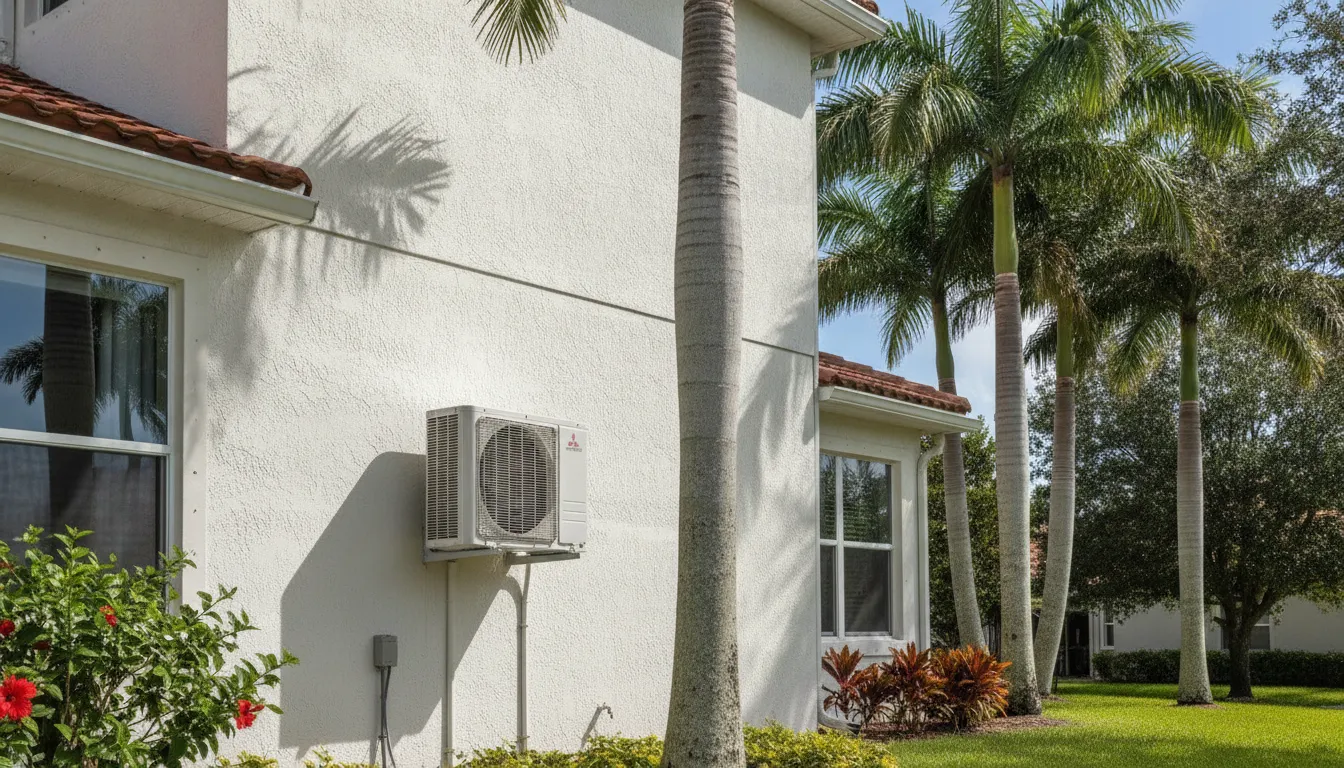
A loud buzz from the outdoor unit, or condenser, often sounds more alarming, and for good reason. This unit contains the compressor and a large fan, and when something goes wrong here, it can be noisy. The most frequent cause is debris like leaves, twigs, or palm fronds getting stuck inside and obstructing the fan blades. Another possibility is a failing component, like the capacitor or the fan motor itself, which can produce a loud, continuous buzz. Loose parts vibrating against the metal casing can also be the source. Since your outdoor unit is exposed to Florida's weather, keeping it clear is a key part of routine air conditioning maintenance and can prevent many of these buzzing problems from starting.
What Different Buzzing Sounds Mean
Not all buzzing sounds are created equal. While your AC unit makes a variety of normal operational noises, a distinct buzz is usually its way of telling you something is wrong. Paying close attention to the specific type of sound can help you and your technician narrow down the cause. Is it a steady hum or an angry, intermittent buzz? Does it come with a rattle? Let’s break down what these different sounds might mean for your system.
A Constant Hum vs. an On-and-Off Buzz
A low, steady hum is typically just the sound of your air conditioner doing its job. However, a buzzing noise is different and usually points to an electrical issue. A constant buzz that never stops could mean a component is receiving power when it shouldn't be or that an electrical connection is faulty. An on-and-off buzz that coincides with the system cycling on might suggest a component is struggling to start, like a failing motor or compressor. Pinpointing the pattern is the first step in diagnosing the problem, but electrical issues are best left to a professional for a safe and accurate air conditioning repair.
Loud Buzzing, Rattling, or Vibrating?
If the buzzing sound is accompanied by rattling or vibrating, you’re likely dealing with a mechanical problem. These noises often indicate that a part has come loose. It could be something as simple as a loose access panel on the outdoor unit vibrating against the frame. It could also be more serious, like a failing motor with worn-out bearings or debris that has gotten inside the unit and is hitting the fan blades. These combination sounds often point to physical components that need tightening, replacement, or cleaning. Regular air conditioning maintenance helps keep all parts secure and functioning correctly, preventing these sounds from starting in the first place.
Does It Buzz Only When the Compressor Runs?
The compressor is the heart of your outdoor AC unit, and if the buzzing starts the moment it kicks on, that’s a major clue. This often means the compressor itself is failing or one of its supporting electrical parts, like the capacitor or contactor switch, is bad. For example, a compressor might buzz loudly if it’s trying to start but isn't receiving enough power from a weak capacitor. Since a failing compressor can quickly lead to a complete system breakdown, this is a sound you shouldn't ignore. If you suspect a compressor issue, it’s wise to call for emergency air conditioning services to avoid further damage.
The Link Between Electrical Issues and AC Buzzing
If the buzzing from your AC unit sounds more like an electrical hum, you’re right to be concerned. Your air conditioner is a complex machine with many electrical connections, and when something goes wrong with the wiring or components, it often creates a distinct buzzing noise. These aren't issues you should try to fix yourself. Working with electricity is dangerous, and a small mistake can lead to serious injury or extensive damage to your system.
Electrical problems are a common source of AC buzzing, from worn-out wires to failing parts that can no longer handle the electrical load. Pinpointing the exact cause requires a trained eye and the right diagnostic tools. A professional technician can safely inspect your system, identify the faulty component, and get your AC running quietly and safely again.
Frayed or Loose Wires
Over time, the constant vibration of your AC unit can cause wires to loosen or their protective coating to fray. When this happens, the electrical current can arc, or jump, between wires or to other metal components, creating a sharp buzzing sound. This is more than just an annoying noise; it's a significant fire hazard. Faulty electrical components are a frequent culprit behind buzzing sounds, and loose or damaged parts only make the problem worse. If you suspect you have frayed wiring, it’s crucial to call for a professional air conditioning repair right away to prevent further damage.
Failing Electrical Components
Your AC system relies on several key electrical parts, like the contactor switch and relays, to function correctly. The contactor, for example, is a switch that controls the flow of electricity to your outdoor unit's compressor and condenser fan motor. When it starts to fail, it can struggle to maintain a solid connection, resulting in a loud electrical buzz. A buzzing sound coming from your indoor unit can also point to a failing blower motor or other electrical issues. These components wear out over time and need to be replaced by a qualified technician who can handle the job safely.
Why You Should Never Ignore Electrical Buzzing
Of all the sounds your AC can make, an electrical buzz is one you should never ignore. While it might seem like a minor annoyance at first, it’s often a warning sign of a much bigger problem. Ignoring a buzzing AC can lead to more expensive repairs down the line and could even be unsafe. A faulty wire or a failing component can cause your system to short-circuit, potentially damaging the entire unit and creating a serious fire risk. Don't wait for the problem to get worse. If you hear an electrical buzz, turn off your AC at the circuit breaker and contact us for immediate assistance.
Warning Signs: When a Buzzing AC Is a Serious Problem
A buzzing AC is always a little concerning, but sometimes it’s more than just a minor annoyance. When that buzz comes with other symptoms, it’s your air conditioner’s way of telling you something is seriously wrong. Paying attention to these warning signs can be the difference between a simple fix and a catastrophic failure, especially during a hot Florida summer. If you notice your buzzing AC is also doing any of the following, it’s time to shut it down and call for help. Ignoring these red flags can lead to more extensive damage, costly repairs, and even safety hazards for your home and family.
Your Home Isn't Getting Cool
If your AC is making a loud buzzing noise but your home is still hot and sticky, that’s a major problem. The buzzing sound often points to a struggling component, like a failing compressor or an electrical issue, that is preventing your system from actually cooling the air. The unit is running, or trying to run, but it isn't accomplishing its one main job. This isn't a situation that will fix itself; it's a clear sign that a critical part of your system is on the verge of failure. Continuing to run the AC in this state can cause more damage, so it’s best to turn it off and schedule a professional air conditioning repair.
You Notice Strange Smells
Your nose is a great diagnostic tool. If you hear a buzzing sound and also smell something like burning plastic, ozone, or gunpowder, you have an urgent electrical problem. That combination almost always indicates that an electrical component is overheating, shorting out, or actively burning. This could be anything from a failing motor to melting wire insulation. Because this presents a significant fire risk, you should act immediately. Go to your breaker box, shut off the power to your HVAC system, and call for emergency AC services. Don’t wait to see if the smell goes away on its own.
Your Circuit Breaker Keeps Tripping
A circuit breaker that trips repeatedly is a clear cry for help. The breaker’s job is to cut power when it detects an electrical overload or fault, protecting your home from a potential fire. If your AC starts buzzing and then trips the breaker, it’s a sign that the unit is drawing too much electricity. This could be caused by a failing compressor trying to start, a damaged capacitor, or loose wiring creating an electrical arc. Simply flipping the breaker back on without addressing the root cause is dangerous. It’s essential to have a technician diagnose the electrical issue safely.
The Unit Feels Hot to the Touch
Your outdoor condenser unit is designed to release heat, so it will feel warm when it’s running. However, it should never be excessively hot to the touch. If you notice the unit is unusually hot and making a loud buzzing sound, it’s a strong indicator that the compressor is overheating or has already failed. The compressor is the heart of your AC system, and it works under extreme pressure. A buzzing, hot compressor is a sign of severe strain that could lead to a complete system breakdown. This often requires a major repair or even a full AC replacement, so getting it checked out quickly is key.
How to Troubleshoot a Buzzing AC Yourself
If you’re comfortable with a little hands-on investigation, there are a few simple things you can check before calling a professional. Sometimes, a buzzing noise has a straightforward fix you can handle yourself. These steps can help you either solve the problem or gather useful information for a technician, which can speed up the repair process.
Remember, your safety is the top priority. If you ever feel unsure or the issue seems complex, especially if you suspect an electrical problem, it’s always best to stop and call for expert help. But for now, let’s walk through a few basic troubleshooting steps you can safely take to figure out what’s going on with your air conditioner.
Step 1: Always Turn Off the Power First
Before you touch any part of your air conditioner, you must turn off the power. This is the most important safety step and it’s not optional. A buzzing sound can often point to an electrical issue, and working on a live unit is extremely dangerous. It could also cause more damage to the system.
To do this, first turn the system off at your thermostat. Then, go to your home’s circuit breaker panel and flip the breaker that controls your AC unit to the "off" position. Some outdoor units also have a separate power switch in a metal box nearby; turn that off, too. Once the power is completely cut, you can proceed with your inspection.
Step 2: Check Your Air Filter
A clogged air filter is one of the most common culprits behind AC problems, including strange noises. When the filter is packed with dust and debris, it restricts airflow, forcing your system to work much harder. This strain can cause the indoor air handler to make a loud buzzing or humming sound as it struggles to pull in air.
Check your filter and if it looks dirty, replace it. It’s a simple fix that can solve the noise and improve your system’s efficiency. Making sure all your air vents are open and unblocked can also help. This is a key part of routine air conditioning maintenance that you can easily do to keep your system running smoothly.
Step 3: Clear Debris From the Outdoor Unit
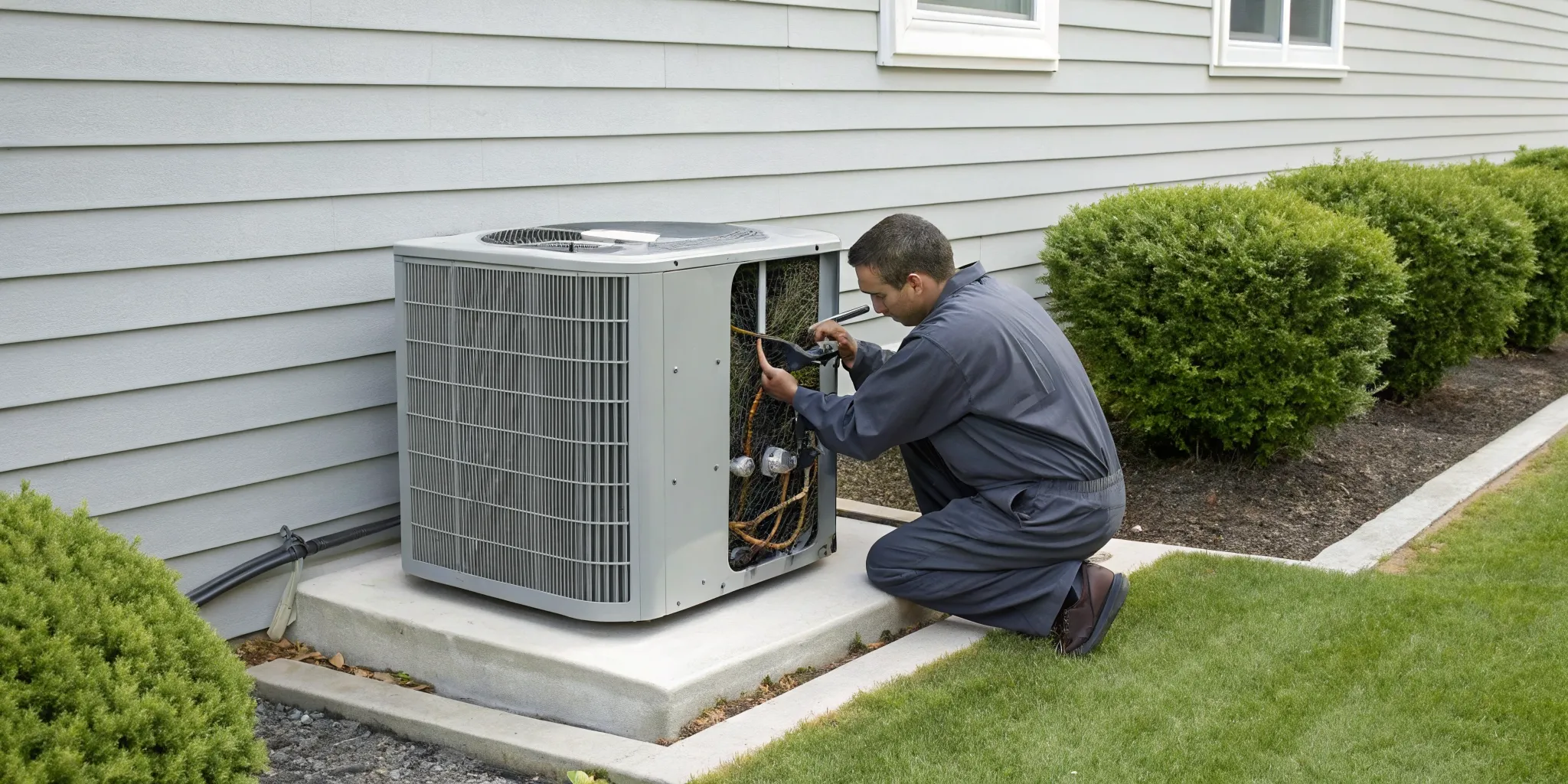
Your outdoor unit, or condenser, uses a large fan to release heat from your home. Because it’s outside, things like leaves, twigs, grass clippings, and other yard waste can easily get inside. If this debris gets in the way of the fan blades, it will create a buzzing, rattling, or grinding noise as the blades spin and hit the obstruction.
After turning off the power, take a look inside the top of your outdoor unit. Carefully remove any leaves or sticks you see. It’s also a good practice to keep the area around your condenser clear, maintaining at least two feet of open space on all sides for proper airflow.
Step 4: Look for Ice Buildup
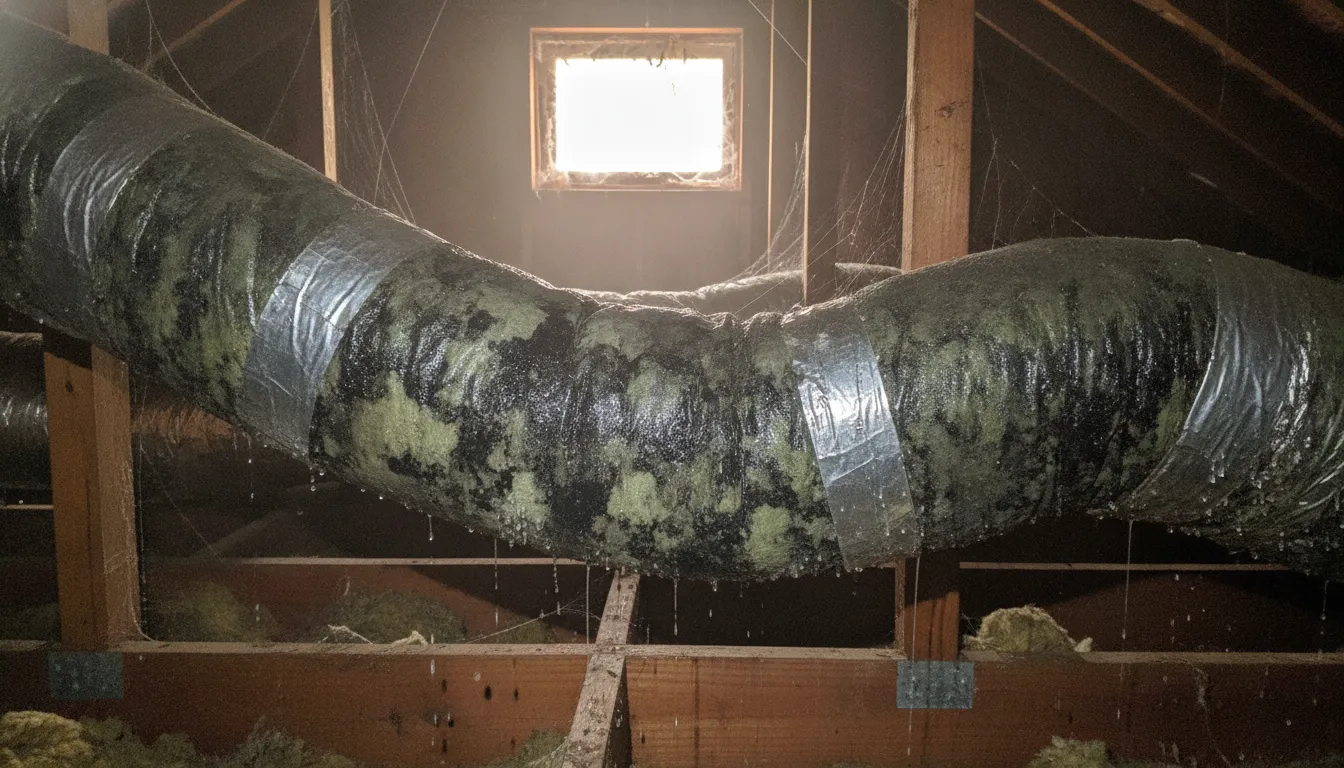
Seeing ice on your air conditioner is a clear sign that something is wrong. Frozen coils can definitely cause a buzzing sound. Ice typically forms for two main reasons: restricted airflow from a dirty filter or low refrigerant levels due to a leak. You might see ice on the evaporator coils of your indoor unit or on the refrigerant lines running to your outdoor unit.
If you find ice, keep the power off and let the unit thaw completely. While this might stop the buzzing temporarily, it doesn’t fix the root cause. An iced-over AC usually needs a professional air conditioning repair to address the underlying airflow or refrigerant issue.
Step 5: Tighten Any Loose Panels
Your air conditioner vibrates as it runs, and over time, these vibrations can cause screws to loosen. If an access panel on your indoor or outdoor unit becomes loose, it can rattle against the metal frame and create a distinct buzzing sound. This is a simple mechanical issue that’s often easy to fix.
With the power still off, gently check the exterior panels of your AC units. If you find any that feel loose, use a screwdriver to tighten them down. Just be sure you’re only tightening external housing panels and not attempting to open any compartments that contain electrical wiring. A snug fit can sometimes be all it takes to silence the buzz.
Step 6: Take Note of When the Buzzing Happens
If the simple fixes don’t work, become an observer. The information you gather can be incredibly helpful for a technician. Pay close attention to the specifics of the sound. Does the buzzing happen constantly, or does it start and stop? Does it only occur when the unit first kicks on? Can you tell if it’s coming from the indoor unit or the outdoor unit?
Noting these details can help a professional diagnose the problem much faster once they arrive. Having clear answers to these questions is valuable when you contact us for service, as it gives our technicians a head start on identifying the source of the trouble.
When to Call a Professional HVAC Technician
While some AC issues have simple fixes, a loud buzzing noise often signals a problem that needs an expert touch. If you’ve tried the basic troubleshooting steps without success, or if you suspect the issue is electrical, it’s time to call for backup. Your safety and your AC system’s health are worth the professional visit. Here are the situations where you should always hand the job over to a licensed technician.
Leave Electrical Problems to the Experts
A buzzing sound is one of the most common signs of an electrical issue within your air conditioner. This could be anything from frayed wiring to a failing component. Because working with electrical systems is dangerous without proper training and tools, you should never attempt to fix these problems yourself. A professional technician can safely diagnose whether the buzz is from a bad capacitor, a failing contactor switch, or another electrical fault. For your safety, it’s always best to schedule a professional air conditioning repair to handle any potential electrical hazards.
Refrigerant Leaks Need a Licensed Pro
If your AC is buzzing and struggling to cool your home, you might have a refrigerant leak. Refrigerant, the cooling liquid in your system, is essential for proper function. When it leaks, it not only harms your AC’s performance but can also be damaging to the environment. Handling refrigerant requires a special license, as it is a regulated substance. Our technicians are certified to find and fix these leaks safely, recharge your system correctly, and get your home cool again. A leak can cause serious damage, so it’s a good idea to request emergency AC services if you suspect one.
A Failing Compressor Requires a Professional
The compressor is the heart of your air conditioning system, responsible for circulating refrigerant to cool your home. A deep, loud buzzing can indicate that this critical component is failing under stress. A dying compressor is a serious issue that can quickly lead to a complete system breakdown. A professional needs to assess the situation to determine if the compressor can be repaired or if it needs to be replaced. In some cases, a failing compressor might mean it’s time to consider a new air conditioning installation, and an honest technician can help you weigh your options.
If Your Fixes Don't Work
You’ve turned the power off, cleaned the unit, and tightened the panels, but the buzzing persists. If your DIY efforts don’t solve the problem, it’s a clear sign that the issue is more complex and requires a professional diagnosis. Continuing to run a buzzing AC can turn a small problem into a major, expensive repair. Don’t hesitate to have it checked out to prevent bigger issues or safety risks down the road. An expert can quickly identify the root cause and provide a clear solution. When you’re ready for a professional opinion, you can contact us to schedule a visit.
Prevent Future Buzzing with Regular AC Maintenance
The best way to deal with a buzzing AC is to stop it from happening in the first place. While some issues pop up unexpectedly, most of the common causes of buzzing can be caught early with routine care. Think of it like a regular check-up for the hardest-working appliance in your home. Consistent, professional AC maintenance not only keeps your system running quietly but also helps it operate more efficiently, extends its lifespan, and saves you from the headache of a sudden breakdown on a hot Florida day. It’s the single most effective step you can take to ensure your home stays cool and quiet all year long.
Ignoring maintenance can lead to small, fixable problems turning into major, expensive repairs. A simple loose wire that could have been tightened during a tune-up might eventually cause a key component to fail, leaving you with a much bigger bill and a lot more frustration. By investing in preventative care, you’re not just silencing a potential buzz; you’re protecting your entire system and your budget from the stress of unexpected failures. It’s a proactive approach that provides peace of mind, knowing your system is in top condition.
What's Included in an AC Tune-Up?
When you schedule a professional tune-up, a technician performs a comprehensive inspection designed to catch problems before they start. This isn't just a quick look; it's a detailed process that addresses the most common failure points. Key tasks include checking refrigerant levels to prevent system strain, tightening all electrical connections to stop buzzing at its source, and cleaning dirty coils that force your unit to work harder and make more noise. Your technician will also inspect the drain line for clogs that can create pressure and test your thermostat’s accuracy to ensure smooth operation. These simple checks are vital for preventing loud noises and improving your system's overall performance.
How Often Do You Need AC Maintenance in Florida?
Here in Florida, air conditioners don't get much of a break. Because they run almost constantly, we recommend scheduling maintenance twice a year. The ideal schedule is to have one service appointment in the spring before the summer heat arrives, and another in the fall to address any wear and tear from the peak season. This bi-annual approach ensures your system is prepared for the intense summer workload and helps it recover afterward. By sticking to this schedule, you can keep your AC unit operating quietly and efficiently, minimizing the chances of disruptive noises and ensuring you have reliable cooling when you need it most. If you're ready to get on a regular schedule, you can contact us to set up your first appointment.
Related Articles
- 5 Signs Your AC Needs Repair
- The Benefits of Regular HVAC Maintenance
- HVAC Tips & Insights Blog - Expert Advice from 5 Star Air
Frequently Asked Questions
Is a buzzing sound from my AC always a serious problem? Not always, but it’s always a sign that you should pay attention. Sometimes, the cause is simple, like a loose panel vibrating or a twig stuck in the outdoor fan. However, a buzz often points to an electrical issue or a component that is starting to fail. Think of it as a warning light. Addressing it early can prevent a small issue from turning into a major, expensive repair.
My AC is still cooling my house, so can I just ignore the buzz for now? I would strongly advise against that. Even if your home feels cool, the buzzing noise means some part of your system is under stress and working much harder than it should. This strain can lead to higher energy bills and cause a minor problem, like a failing capacitor, to cascade into a much bigger one, like a damaged compressor. It’s best to investigate the sound before it leads to a complete breakdown.
What's the most common reason for an AC to start buzzing? While there are many possibilities, two of the most frequent causes we see are a failing capacitor and debris in the outdoor unit. A bad capacitor can’t give the motor the jolt it needs to start, resulting in a distinct electrical buzz. Similarly, when leaves or sticks get inside the outdoor unit, they can obstruct the fan and cause a loud buzzing or rattling sound as the motor strains against the blockage.
I hear an electrical buzz. Is it safe to just flip the circuit breaker back on if it trips? No, this is not a safe approach. A circuit breaker trips to protect your home from an electrical overload or a short, which are serious fire hazards. If your AC is causing the breaker to trip, it means there is an underlying electrical fault. Simply flipping the switch without fixing the problem is risky. The safest action is to leave the breaker off and call a professional technician to diagnose and repair the electrical issue.
How can I tell if the buzz is a simple fix or something that needs a professional? A good rule of thumb is to consider the source and your comfort level. If you can clearly see the problem, like a loose exterior panel or a stick in the fan that you can safely remove after cutting the power, it might be a simple fix. However, if the sound seems to be coming from deep within the unit, sounds distinctly electrical, or is paired with other issues like poor cooling or strange smells, it’s time to call a professional. When in doubt, always prioritize your safety and let an expert handle it.