AC Blowing Warm After Replacing Capacitor? Next Steps
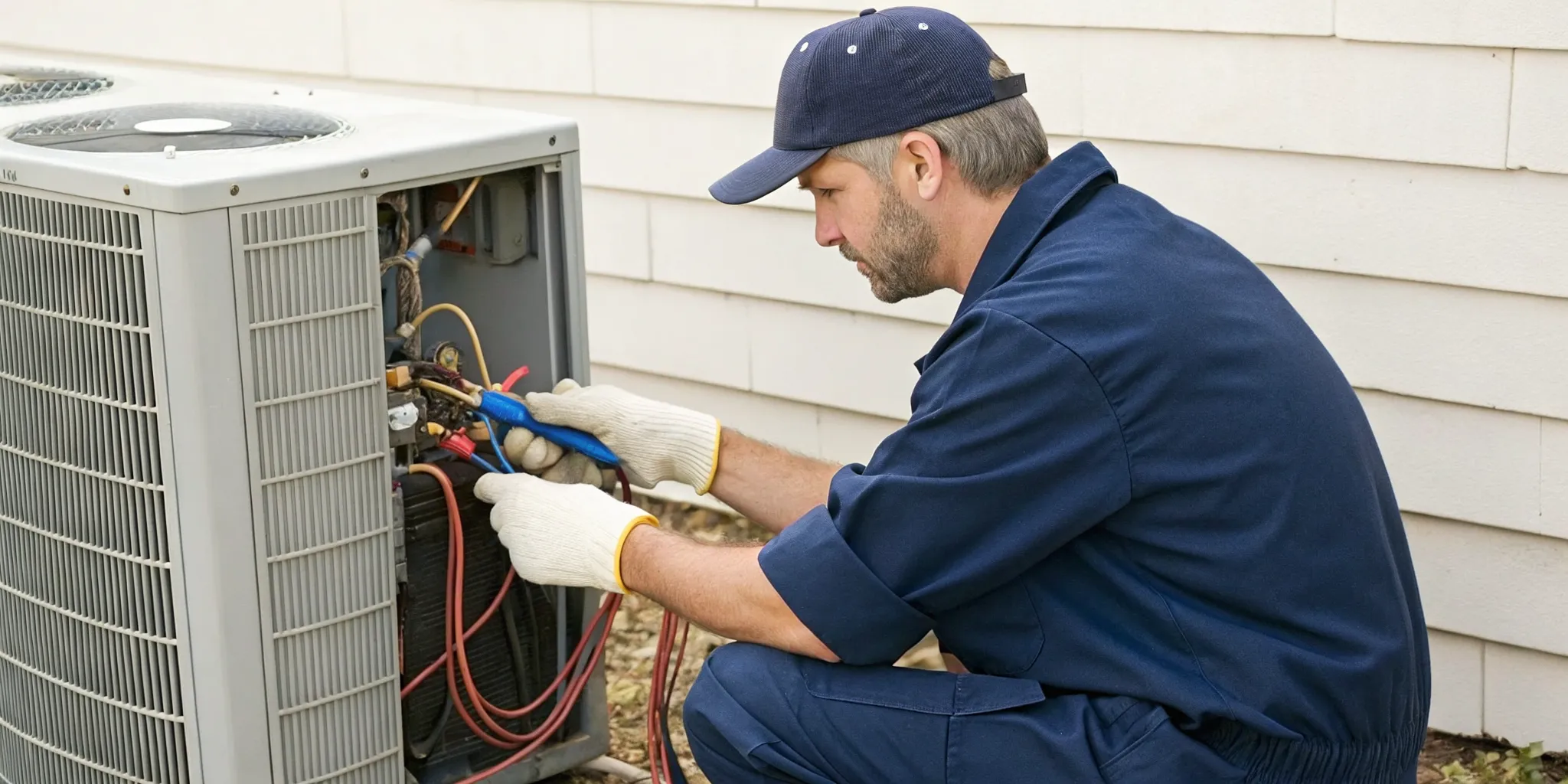
So, you’ve replaced the AC capacitor, but your home still feels like a sauna. It’s a common problem that leaves many homeowners scratching their heads and wondering what went wrong. When your AC is blowing warm after replacing the capacitor, it typically points to one of two things: a simple installation error or a different underlying problem that caused the original part to fail. Before you get overwhelmed, let’s walk through the most likely reasons your repair didn’t solve the issue and what you can do about it to finally get that cool air flowing again.
Key Takeaways
- Confirm Your Repair Details: A successful DIY capacitor replacement depends on the details. Make sure the wires are on the correct terminals (HERM, FAN, and C) and that the new part's microfarad (μF) and voltage ratings perfectly match the old one.
- A Failed Capacitor Can Be a Symptom: If your AC still isn't cooling, the capacitor may have failed due to a larger problem. Underlying issues like low refrigerant or a failing compressor put extra strain on your system and need to be addressed to find a real solution.
- Serious Warning Signs Require a Professional: Stop troubleshooting immediately if you notice dangerous signs like burning smells, loud grinding noises, or a breaker that keeps tripping. These symptoms point to major electrical or mechanical failures that need an expert for a safe diagnosis.
First Things First: What Does an AC Capacitor Do?
Before we get into troubleshooting, let’s cover the basics of what this part actually does. Think of your AC capacitor as a small but mighty battery. It’s a cylinder-shaped component located in your outdoor unit, and its entire job is to give your system the jolt of energy it needs to start cooling your home.
Every time your thermostat calls for cool air, the capacitor stores up electricity and then releases it in a powerful burst. This initial surge of power is what kicks the compressor, the condenser fan motor, and the blower motor into action. Once the system is running, the capacitor continues to provide a steady, stable voltage to keep those motors operating smoothly and efficiently. Without that initial push, your AC unit would likely just hum without ever fully starting, or it might not turn on at all.
Because it works so hard every time your AC cycles on, the capacitor is one of the most common parts to wear out. A failing capacitor is often the culprit behind a non-working air conditioner, which is why it’s a frequent and straightforward air conditioning repair. So, if you’ve already identified and replaced a bad capacitor, you were on the right track. Now, let’s figure out why you might still be feeling the heat.
Replaced the Capacitor, But Still Have Warm Air? Here’s Why.
It’s a frustrating moment. You’ve diagnosed the problem, bought the part, and replaced the capacitor yourself, only to find your AC is still blowing warm air. It’s a common scenario, and the fix is often simpler than you think. Before you get too discouraged, let’s walk through the most likely reasons why your DIY repair didn’t solve the problem and what you can do about it. Most of the time, it comes down to one of four issues.
The Wiring Isn't Quite Right
A dual-run capacitor has three terminals labeled "HERM" (for the compressor), "FAN" (for the fan motor), and "C" or "COM" (the common connection). It’s surprisingly easy to mix these up during installation. If the wires aren't connected to their correct terminals, the compressor or fan won't get the power they need to run properly, leaving you with warm air. Before doing anything else, it’s worth taking a moment to double-check that each wire is securely connected to the right spot. Taking a picture of the old capacitor's wiring before you remove it is a great habit to get into for future repairs.
You Have the Wrong Type of Capacitor
Not all capacitors are created equal. For your AC to work, the replacement part must match the original’s specifications exactly. The two most important numbers to check are the microfarad (μF) rating and the voltage. Using a capacitor with the wrong μF rating can cause the motor to run inefficiently or not at all. While you can safely use a capacitor with a higher voltage rating, you should never use one with a lower rating, as it can fail prematurely or even become a safety hazard. Always confirm the specs on the side of your old capacitor before purchasing a new one.
Your New Part Was Faulty from the Start
It’s not common, but it happens: sometimes, a brand-new part is defective right out of the box. You could have done everything perfectly, but if the capacitor itself is a dud, your AC still won't work. If you’ve confirmed the wiring and specifications are correct, a faulty part is the next logical culprit. If you have a multimeter that can test capacitance, you can check the part to be sure. If not, and you suspect this is the issue, you may need to exchange it for another one. This is one reason we always recommend using high-quality parts from trusted suppliers.
Another Part Failed at the Same Time
Sometimes, a failed capacitor is a symptom of a larger issue, or its failure caused another component to break down from the added strain. The capacitor could have failed due to a power surge that also damaged the contactor or even the compressor motor. If you’ve ruled out the simple fixes above, the problem might be more complex. Issues like a failing compressor, a bad contactor, or low refrigerant levels can all lead to warm air. At this point, it’s best to stop troubleshooting and call in a professional for a full diagnostic. A trained technician can safely inspect the entire system and perform an air conditioning repair to get your home cool again.
How to Double-Check the Capacitor Installation
So, you’ve gone through the trouble of replacing the capacitor, but your home is still feeling like a sauna. It’s frustrating, I know. Before you throw in the towel, let’s walk through a few common installation hiccups. A simple double-check is often all it takes to get that cool air flowing again. Remember to always turn off the power at the breaker and the outdoor disconnect switch before opening the AC unit. Safety first, always.
Match Wires to the Right Terminals (HERM, FAN, C)
One of the easiest mistakes to make is mixing up the wires. Your capacitor has specific terminals, usually labeled "HERM" for the compressor, "FAN" for the fan motor, and "C" for the common wire. Each wire must go back to its correct spot. If you accidentally swap the HERM and FAN wires, for example, your compressor might not get the power it needs to start. This leaves you with a running fan that just circulates warm air. A great tip for next time is to snap a quick photo with your phone before you disconnect the old part so you have a perfect reference.
Confirm the Specs Match Your AC Unit
Not all capacitors are created equal. It's essential that the new capacitor has the exact same microfarad (μF) rating and voltage as the old one. You can find these specs printed on the side of the capacitor. Using a part with a rating that’s too low or too high can prevent the motors from running correctly or even cause permanent damage to your compressor or fan motor. This isn't a "close enough" situation; the numbers need to match perfectly to ensure your system runs efficiently and safely. Double-checking this detail can save you from a much bigger headache later.
Look for Loose or Damaged Wires
While you have the panel open, take a moment to inspect all the connections. Make sure each wire is pushed firmly onto its terminal because a loose connection can prevent power from getting where it needs to go. Also, give the wires a quick visual check for any signs of fraying, melting, or damage that might have occurred during the replacement. If everything looks secure, double-check that the circuit breaker and the outdoor disconnect are both switched back on. Sometimes they can trip during a repair without you realizing it.
Test the Part with a Multimeter
If you're comfortable with electrical tools, you can test the new capacitor with a multimeter to be sure it’s not a faulty part right out of the box. After safely disconnecting it, you can check its microfarad reading to see if it matches the specs on its label. If the reading is off or the part won't hold a charge, you may have gotten a dud. This step requires caution, as capacitors can hold a dangerous electrical charge. If you’re not 100% confident, this is the perfect time to call for professional air conditioning repair.
Easy DIY Checks to Perform First
Before you get too worried about complex electrical parts, let's run through a few simple checks. Sometimes, the fix for a warm AC is surprisingly easy and something you can handle in just a few minutes. Ruling out these common issues can save you a lot of stress and potentially a service call. Think of this as your first line of defense. Taking a moment to check these four things will help you pinpoint the problem and get your cool air back on faster.
Check Your Thermostat Settings
Let’s start with the control center: your thermostat. It sounds basic, but you’d be surprised how often a simple setting is the culprit. First, make sure the thermostat is set to “cool,” not “fan” or “heat.” The “fan” setting will only circulate air without cooling it, which is why it might feel warm. Also, double-check the temperature setting. It’s possible someone in your household adjusted it without you realizing. If the settings are correct but the screen is blank, you may just need to replace the batteries. This is a quick fix that can solve the problem instantly and get your system responding again.
Inspect Your Air Filter
A dirty air filter is one of the most common reasons an AC system struggles. When the filter gets clogged with dust and debris, it chokes the airflow, forcing your system to work much harder to cool your home. This strain can lead to it blowing warm air or even cause the coils to freeze over. Pull out your filter and hold it up to a light. If you can’t see light through it, it’s definitely time for a new one. Regular air conditioning maintenance is the best way to keep on top of this simple task and ensure your system runs efficiently all year long, especially during the hot Florida summers.
Reset the Circuit Breaker
If your AC unit won’t turn on at all, or if the outdoor unit isn't running, a tripped circuit breaker could be the issue. Head to your home’s electrical panel and look for the breaker labeled for your AC or air handler. A tripped breaker will be shifted to the middle or "off" position. To reset it, you must first flip the switch completely to the "off" position and then back to "on." If the breaker trips again right away, do not keep resetting it. This indicates a more serious electrical problem that needs professional attention, so it's best to call for air conditioning repair.
Clear Away Debris from the Outdoor Unit
Your outdoor AC unit, the condenser, works by releasing heat from your home into the outside air. To do this effectively, it needs plenty of breathing room. Take a walk outside and check on your unit. Overgrown bushes, weeds, leaves, and even lawn furniture placed too close can block airflow and cause it to overheat. Gently clear away any obstructions, making sure there are at least two feet of clear space around the entire unit. This simple bit of yard work helps your AC run more efficiently, prevents unnecessary strain on the system, and can make a big difference in its cooling performance.
It Might Not Be the Capacitor: Other Common Culprits
It’s frustrating when a seemingly simple fix doesn’t solve the problem. If you’ve replaced your AC capacitor and are still getting warm air, it’s often because the capacitor's failure was a symptom of a bigger issue. Think of it like a fever; it tells you something is wrong, but it isn’t the illness itself. A struggling AC system can put immense strain on the capacitor, causing it to fail. In other cases, a different part may have failed around the same time. Let’s walk through some of the most common underlying problems that could be the real source of your AC troubles.
These issues often require a professional eye to diagnose correctly. While it's great to be informed, working with electrical components or refrigerant can be dangerous without the right training and tools. Understanding what might be wrong helps you have a more productive conversation with a technician and know what to expect.
Low Refrigerant
Refrigerant is the substance that makes the magic happen, absorbing heat from inside your home and releasing it outside. If your system is low on refrigerant, it simply can’t cool the air effectively, resulting in warm air blowing from your vents. This almost always indicates a leak, as refrigerant doesn't get "used up" like gasoline. A system running on low refrigerant has to work much harder, which can strain the compressor and, in turn, cause the new capacitor to fail prematurely. Finding and fixing a refrigerant leak is a job for a certified technician, as it requires specialized tools and expertise to handle the chemical safely and perform a proper air conditioning repair.
Frozen Coils
If you notice weak airflow along with warm air, you might be dealing with frozen evaporator coils. These indoor coils can freeze over for a couple of reasons, most commonly due to restricted airflow from a dirty filter or low refrigerant levels. When the coils are covered in ice, air can't pass through them to get cooled. While you might be tempted to just let it thaw, the ice will likely return if the root cause isn't addressed. A frozen coil is a clear signal that your AC system is unbalanced and needs a professional diagnosis to prevent more serious damage to the compressor.
A Bad Contactor
The contactor is an electrical switch that controls the flow of power to your outdoor unit's compressor and fan motor. When your thermostat calls for cooling, the contactor closes to send voltage to these components. If the contactor is faulty, it can get stuck open, preventing the compressor and fan from ever turning on. You might hear your indoor unit running, but the outdoor unit will remain silent. Since this involves high-voltage electrical components, diagnosing and replacing a bad contactor is dangerous for a DIY project and is best left to a trained professional to ensure it's done safely and correctly.
A Failing Compressor
The compressor is the heart of your air conditioning system. It’s responsible for pressurizing and circulating the refrigerant to create cold air. If the compressor is failing, the outdoor fan might still spin, but the cooling cycle can't happen, leaving you with warm air. A struggling compressor often draws more electrical current than it should, which is a leading cause of capacitor failure. So, if you've replaced a capacitor only to have the new one fail quickly or the system still not cool, the compressor could be the real culprit. This is one of the most significant AC repairs, and a professional diagnosis can help you decide if a repair or a full AC replacement is the more cost-effective solution.
Dirty Coils or Blocked Airflow
Your AC has two sets of coils: evaporator coils inside and condenser coils outside. Both need to be clean to work efficiently. Dirt, dust, and debris build up on the coils and act like an insulating blanket, making it difficult for your system to absorb heat from your home and release it outside. This forces the system to run longer and harder, increasing energy bills and straining components like the capacitor. Similarly, a severely clogged air filter or blocked vents can choke the system, leading to poor cooling and frozen coils. Regular air conditioning maintenance is the best way to keep coils clean and airflow strong.
Warning Signs the Real Problem Is Something Else
So, you’ve replaced the capacitor, but your AC is still acting up. It’s frustrating, I know. Sometimes, the capacitor is just one piece of a larger puzzle. Your air conditioner is a complex system, and one failing part can sometimes be a symptom of another issue. If you’re still scratching your head after your repair, it’s time to play detective and look for other clues. These warning signs can help you figure out if the real problem is something else entirely, signaling that it might be time to step back and call in a professional.
The Fan Still Isn't Spinning
You replaced the capacitor, which is often the go-to fix for a fan that won't start, but the blades are still stationary. When the fan doesn't spin, your outdoor unit can't release the heat it pulls from your home. This causes heat to build up quickly, forcing the compressor to shut down to prevent damage. If a new capacitor didn't get the fan moving, the problem likely lies with the fan motor itself or the wiring that delivers power to it. This is a more complex issue that usually requires a professional air conditioning repair to diagnose and fix safely.
You Hear Humming, But Feel No Cold Air
A persistent humming sound coming from your outdoor unit without any cold air is a classic sign of a motor that’s trying to start but can't. The capacitor is supposed to provide the jolt of energy needed to get the motor running. If you've already installed a new one and the humming continues, it suggests the motor isn't getting enough power for another reason. The motor itself could be seized, or there might be an electrical issue preventing it from starting. Don't ignore this sound; it means your system is straining.
Your AC Keeps Turning On and Off
Is your air conditioner turning on for a few minutes, shutting off before your home is cool, and then repeating the cycle? This is called short cycling, and it’s a major red flag. While a faulty capacitor can cause this by failing to provide steady power, if the problem persists with a new part, you need to look elsewhere. Short cycling is incredibly inefficient and puts a lot of wear and tear on your system. The cause could be anything from a malfunctioning thermostat to dirty coils or even low refrigerant levels.
Your Energy Bills Suddenly Spiked
A sudden, unexplained jump in your electricity bill is a telltale sign that your AC is working harder than it should. A bad capacitor can definitely cause this, but if your bills remain high after the replacement, it means the inefficiency hasn't been resolved. Your system is still struggling, forcing it to run longer and consume more energy to cool your home. This could be due to dirty coils, blocked airflow, or refrigerant leaks. An expert can perform a full system check as part of a regular air conditioning maintenance visit to pinpoint the source of the inefficiency.
You Notice Burning Smells or Odd Noises
Of all the warning signs, this is the one you should take most seriously. A burning smell or strange noises like grinding, squealing, or clanking are clear indicators of a major problem. These symptoms can mean a motor is overheating and on the verge of failure, or there's a serious electrical issue. If you notice any of these signs, turn off your AC at the breaker immediately to prevent further damage or a potential fire hazard. This situation calls for emergency air conditioning services and is not something to troubleshoot on your own.
When Is It Time to Call a Professional?
While tackling a DIY repair like replacing a capacitor can be empowering, there are times when it’s best to put the tools down and call in a professional. Your AC system is a complex piece of machinery, and some issues involve high-voltage electricity or controlled substances that are best handled by a trained and licensed technician. If you’ve replaced the capacitor and are still sweating it out, it’s likely a sign of a deeper problem that requires an expert eye. Continuing to troubleshoot on your own could lead to more expensive damage or, worse, a safety hazard. It's easy to fall down a rabbit hole of buying and replacing parts, only to find the original problem remains. That's when frustration (and the temperature) really starts to rise.
Sometimes, the smartest and most cost-effective move is to get a professional diagnosis from the start. Our team at 5 Star Air is always ready to provide honest answers and expert air conditioning repair to get your home cool again. We believe in transparent service, which means we’ll find the root of the problem without the sales pressure, so you can make an informed decision that’s right for your home and budget.
You Suspect a Refrigerant Leak
If your AC is blowing warm air, it might be low on refrigerant. This isn't like topping off oil in your car; low refrigerant almost always signals a leak somewhere in the system. Handling refrigerant requires special certification and equipment to find and fix the leak properly. Simply adding more without repairing the source is a temporary fix at best and is harmful to the environment. If you hear a hissing sound or notice your system isn't cooling as effectively as it used to, it’s time to call a pro to safely handle the situation.
You Think the Compressor Is the Problem
The compressor is the heart of your air conditioner, responsible for circulating refrigerant to cool your home. If it fails, your whole system goes down. A compressor can malfunction by seizing up or drawing too much power, issues that are often preceded by loud or unusual noises. Diagnosing and replacing a compressor is a major, high-voltage job that should only be performed by a qualified technician. If you suspect the compressor is the culprit, avoid any further DIY work and let an expert take a look.
You See Leaks, Smell Burning, or the Breaker Keeps Tripping
Some warning signs are too serious to ignore. If you notice water pooling around your indoor unit, smell a burning odor like melting plastic, or find that your circuit breaker keeps tripping, shut the system off immediately. These are clear indicators of a significant problem, such as a clogged drain line, an electrical short, or an overheating motor. These issues pose a real risk of water damage or fire. Don’t hesitate to call for emergency air conditioning services to prevent a bigger disaster.
You've Tried Everything and It's Still Blowing Warm
You’ve done your due diligence. You checked the thermostat, changed the air filter, reset the breaker, and even successfully replaced the capacitor. If your AC is still blowing warm air after all that, it’s time to tag in a professional. At this point, you’re likely dealing with a more complex issue, like a faulty sensor, a bad contactor, or incorrect refrigerant levels. Instead of spending more time and money guessing, let a technician use their diagnostic tools to pinpoint the exact cause. Contact us, and we’ll get to the bottom of it.
Your AC Unit Is Over 10 Years Old
Age is a major factor in your AC's performance and reliability. If your unit is more than a decade old, putting money into frequent repairs may not be the most economical choice. Older systems are not only more prone to breakdowns but are also significantly less energy-efficient than modern units. A professional can help you weigh the cost of the current repair against the long-term savings of a new system. An air conditioning installation and replacement could lower your monthly energy bills and give you peace of mind for years to come.
What to Expect When Our Technicians Arrive
When you’ve tried all the DIY fixes and your home is still uncomfortably warm, we know how frustrating that can be. Calling for professional help should bring peace of mind, not more stress. That’s why we want you to know exactly what to expect when a 5 Star Air technician arrives at your door. Our process is built on honesty and thoroughness, so you can feel confident you’re in good hands.
First, our technician will perform a complete assessment of your AC system. We don’t just stop at the part you replaced. Instead, we take a whole-system approach to diagnose the root cause of the problem. This includes checking refrigerant levels, which can cause cooling issues if they're low. We’ll also inspect the compressor, the heart of your AC unit, to ensure it’s functioning correctly. Our team will carefully examine all the electrical components and wiring to make sure everything is connected properly and safely.
After the inspection is complete, our technician will explain everything they found in simple, easy-to-understand terms. You won’t get a confusing technical lecture or a pushy sales pitch from us. We’ll give you a clear breakdown of the issue and provide straightforward options for your air conditioning repair. Our commitment is to provide the 5-star service we promise, and that begins with transparent communication and effective solutions to get your home cool again.
Related Articles
- 5 Signs Your AC Needs Repair
- HVAC Tips & Insights Blog - Expert Advice from 5 Star Air
- AC Repair Services
- Duct Replacement Services
- HVAC Services in Southwest Florida - AC Repair, Installation & Maintenance
Frequently Asked Questions
I replaced the capacitor and the fan is spinning, but the air is still warm. What does that mean? This is a very common situation, so don't feel discouraged. If the fan is running but the air isn't cold, it often means the compressor (the heart of your AC) isn't starting. The capacitor gives a jolt to both the fan and the compressor, so if the compressor isn't kicking on, the problem could be incorrect wiring to the "HERM" terminal, a deeper issue with the compressor itself, or even low refrigerant. You've solved one piece of the puzzle, but now it's time to look at the other major components.
I'm worried I bought the wrong capacitor. How important are the numbers on the side? Those numbers are extremely important. For your AC to work correctly, the replacement capacitor must have the exact same microfarad (μF) rating as the original. Using the wrong rating can prevent the motors from running properly and may even cause long-term damage. For the voltage, you can safely use a capacitor with a higher voltage rating than the original, but you should never use one with a lower rating. It can cause the part to fail quickly and create a safety risk.
My AC breaker tripped right after I installed the new capacitor. What should I do now? First, for your safety, do not keep resetting it. A breaker that trips immediately points to a serious electrical problem, like a short circuit. This could be caused by incorrect wiring during your installation or another faulty component in the system. Turn the breaker off and leave it off. This is a clear sign that you should stop troubleshooting and call a licensed professional to safely diagnose and fix the electrical issue.
Is it possible for a brand-new capacitor to be faulty? Yes, it's not very common, but it can happen. Sometimes a new part is defective straight from the factory. You could have performed the installation perfectly, but if the part itself is a dud, your AC still won't cool. If you have a multimeter and know how to use it safely, you can test the part's capacitance. Otherwise, if you've double-checked your wiring and are sure you have the correct part, a faulty capacitor is a definite possibility.
If I call a technician, what will they check that I haven't already? When a professional technician arrives, they look at the entire system, not just the capacitor. They use specialized tools to check things a homeowner typically can't, like testing refrigerant pressures to see if there's a leak. They will also inspect the compressor's performance, test all the electrical connections and switches (like the contactor), and check for issues like dirty coils or blocked airflow that could be the real root cause of the problem. This complete diagnostic approach ensures they find and fix the actual issue, not just a symptom.