AC Compressor Fan Turning On and Off: Causes & Fixes
Opening your monthly electricity bill shouldn't be a stressful event, but if your costs have been climbing for no apparent reason, your air conditioner could be the secret culprit. A healthy AC runs in steady, efficient cycles. A struggling one, however, behaves erratically. A system where the ac compressor fan turning on and off every few minutes is going through a high-energy startup process over and over again. This constant stopping and starting, known as short-cycling, sends your energy consumption through the roof without ever making your home comfortable. It’s a sign of deep inefficiency that needs to be addressed before it costs you even more.
Key Takeaways
- Recognize the signs of short-cycling: When your AC constantly turns on and off, it's a cry for help. This pattern causes higher energy bills, puts major stress on your system, and leaves your home feeling humid because it can't finish a proper cooling cycle.
- Perform a few simple checks first: You can often solve the problem or gather useful information by tackling the basics. Check for a dirty air filter, inspect your thermostat's placement and settings, clear debris from the outdoor unit, and make sure all your air vents are open.
- Don't hesitate to call an expert: If your DIY checks don't work, it's time for professional help. Issues like refrigerant leaks, electrical faults, or a failing compressor are serious and require a trained technician to diagnose and repair safely.
Why Does My AC Keep Turning On and Off?
If you've noticed your air conditioner turning on for a few minutes, shutting off, and then repeating the process over and over, you're not just imagining things. This frustrating pattern is a common AC issue, and it has a name: short-cycling. While it might seem like a minor annoyance, it’s actually a clear signal that something is wrong with your system. Ignoring it, especially here in the Florida heat, can lead to bigger headaches like expensive repairs and a home that never feels quite cool enough. Let's get to the bottom of what short-cycling is and why it's a problem you'll want to address right away.
What Is Short-Cycling?
So, what exactly is short-cycling? Think of it as your AC starting a job but never finishing it. A healthy air conditioner runs through a complete cooling cycle, staying on long enough to bring your home to the temperature you set on the thermostat. Once it hits that target, it shuts off for a while. Short-cycling is when the compressor turns on and off frequently without ever completing that full cycle. Instead of running for 15-20 minutes, it might only run for five before shutting down again. This means your system isn't running long enough to properly cool your space or, just as importantly, remove humidity from the air.
Why Short-Cycling Is a Big Deal in Florida
In a place as hot and humid as Southwest Florida, a short-cycling AC is more than just an inconvenience; it’s a serious problem. When your system constantly starts and stops, it can’t effectively manage your home’s comfort and can lead to some costly consequences. Ignoring the issue can cause higher energy bills, since the startup process uses a major surge of electricity. It also creates more wear and tear on critical components like the compressor, leading to more frequent needs for air conditioning repair. All that extra stress can shorten your unit’s lifespan, forcing you to face a premature and expensive AC replacement.
Signs Your AC Is Short-Cycling
You know your AC is short-cycling if you can hear it kicking on and off every few minutes. But sometimes, the signs are less obvious. Because short-cycling puts immense strain on your system, catching it early is key to avoiding a complete breakdown, especially when you’re counting on that cool air to get through a humid Florida afternoon. If you notice any of the following signs, your air conditioner is likely struggling and needs attention. Paying attention to these clues can help you get ahead of a bigger, more expensive problem.
Strange Noises: Grinding, Squealing, or Rattling
Your air conditioner should be a quiet hum in the background, not the main event. If you start hearing loud, unusual sounds, it’s your system’s way of crying for help. A sharp grinding or squealing could point to a problem with the compressor’s motor bearings, while a rattling noise might just be a loose panel. You might also hear a distinct clicking sound as the fan turns on and off, which often indicates a bad fan relay. Ignoring these sounds is a gamble. A professional can diagnose the noise and perform an air conditioning repair before a small issue turns into a catastrophic failure.
Warm Air Coming From Vents
Is your AC running but your home still feels stuffy? If you hold your hand up to a vent and feel lukewarm or even warm air, that’s a classic sign of short-cycling. The system is shutting down before it completes a full cooling cycle, meaning it never runs long enough to properly cool the air and send it through your ducts. Your AC is working, but it’s not accomplishing anything. This constant starting and stopping prevents your home from ever reaching the temperature you set on the thermostat, leaving you uncomfortable and frustrated.
Unexpectedly High Energy Bills
If your latest electricity bill was surprisingly high, your air conditioner could be the culprit. An AC unit uses the most energy during startup. When it’s short-cycling, it’s going through this high-energy startup process over and over again, all day long. This inefficiency sends your energy consumption through the roof without actually cooling your home. A well-running system should have steady, predictable cycles. If your bills are climbing for no apparent reason, it’s time to investigate. Regular air conditioning maintenance can often catch the issues that cause short-cycling, helping to keep your energy costs in check.
Ice Forming on Your AC Unit
Finding ice on your air conditioner in the middle of a Florida summer is a definite red flag. Ice typically forms on the evaporator coils when airflow is restricted. A common cause is a dirty air filter that blocks air from passing over the coils. Without enough warm air moving across them, the coils get too cold, and the condensation on them freezes solid. This ice buildup further restricts airflow, creating a vicious cycle that makes your AC work even harder and less efficiently. This strain can easily lead to short-cycling as the system struggles to operate.
The Outdoor Unit Is Hot to the Touch
Your outdoor condenser unit is designed to release heat from your home into the outside air. It’s normal for it to feel warm while it’s running, but it should never be excessively hot to the touch. If the casing feels dangerously hot, it’s a sign that the unit is overheating. This can happen if the condenser fan motor is failing, the coils are clogged with dirt and debris, or the compressor is overworking. An overheating unit is under extreme stress and will often shut itself off to prevent damage, leading to short-cycling. This is a serious issue that requires immediate attention from a professional.
Common Causes of AC Short-Cycling
Figuring out why your AC is short-cycling can feel like solving a puzzle. The issue could be something simple you can fix in minutes, or it could point to a more serious problem that needs a professional eye. An air conditioner that constantly turns on and off is more than just an annoyance; it’s a sign that your system is struggling. This erratic behavior puts extra wear and tear on the compressor, which is the most expensive part of your unit. It also prevents your home from being properly cooled and dehumidified, a major issue in the Florida heat.
Let's walk through the most common culprits, from the easiest to check to the most complex. Understanding what might be going on is the first step to getting your system back on track and restoring comfort to your home. Some of these issues are quick DIY fixes, while others require the expertise of a trained technician to ensure they are handled safely and correctly. By identifying the potential cause, you can make an informed decision on your next steps.
A Dirty Air Filter
Think of your air filter as your AC's lungs. When it gets clogged with dust and debris, your system can't breathe. This restricted airflow forces your air conditioner to work much harder to cool your home, causing it to overheat and shut down as a safety precaution. Once it cools off, it will start back up, only to repeat the process. Regularly checking and changing your air filter is a crucial part of routine air conditioning maintenance and is often the simplest fix for short-cycling. If your filter looks more gray than white, it’s definitely time for a change.
Low Refrigerant Levels
Refrigerant is the lifeblood of your air conditioner; it’s the substance that actually absorbs heat from your home's air. If your system is low on refrigerant, it can't cool effectively. This can cause pressure changes within the unit that trigger a shutdown. It's important to know that refrigerant doesn't get "used up" like gas in a car. Low levels almost always mean there's a leak somewhere in the system. Topping it off without fixing the leak is only a temporary solution. A professional needs to find and seal the leak, which is why you should call for an air conditioning repair if you suspect this is the problem.
A Faulty Thermostat
Your thermostat acts as the brain of your entire HVAC system, telling it when to turn on and off. If the thermostat is malfunctioning, miscalibrated, or even just placed in a bad spot (like in direct sunlight or near a hot lamp), it can get false readings. It might think your home is cool enough and shut the AC off prematurely, only to turn it back on a few minutes later. Sometimes the fix is as simple as changing the batteries, but other times the thermostat itself may need to be recalibrated or replaced by a technician.
A Failing Capacitor
If you hear a clicking noise right before your outdoor unit's fan starts and then quickly stops, you might have a failing capacitor. The capacitor is a small but mighty component that gives the motors in your AC the jolt of energy they need to start and keep running. When it begins to fail, it can't provide a consistent electrical charge. This can cause the fan motor or compressor to struggle, leading to the start-and-stop cycle you're noticing. Capacitor replacement involves handling high-voltage electricity, so it's a job best left to a licensed professional from our emergency air conditioning services team.
Frozen Evaporator Coils
Seeing ice on your air conditioner is a clear sign that something is wrong. The evaporator coil, located in your indoor unit, is responsible for absorbing heat. When airflow is blocked (often by a dirty filter) or refrigerant is low, the coil can get too cold and cause the condensation on it to freeze. This layer of ice prevents the coil from doing its job, and your system may shut down to protect itself from damage. If you see ice, turn your AC off completely to let it thaw, but remember that you still need to fix the underlying issue that caused it to freeze in the first place.
A Clogged Condensate Line
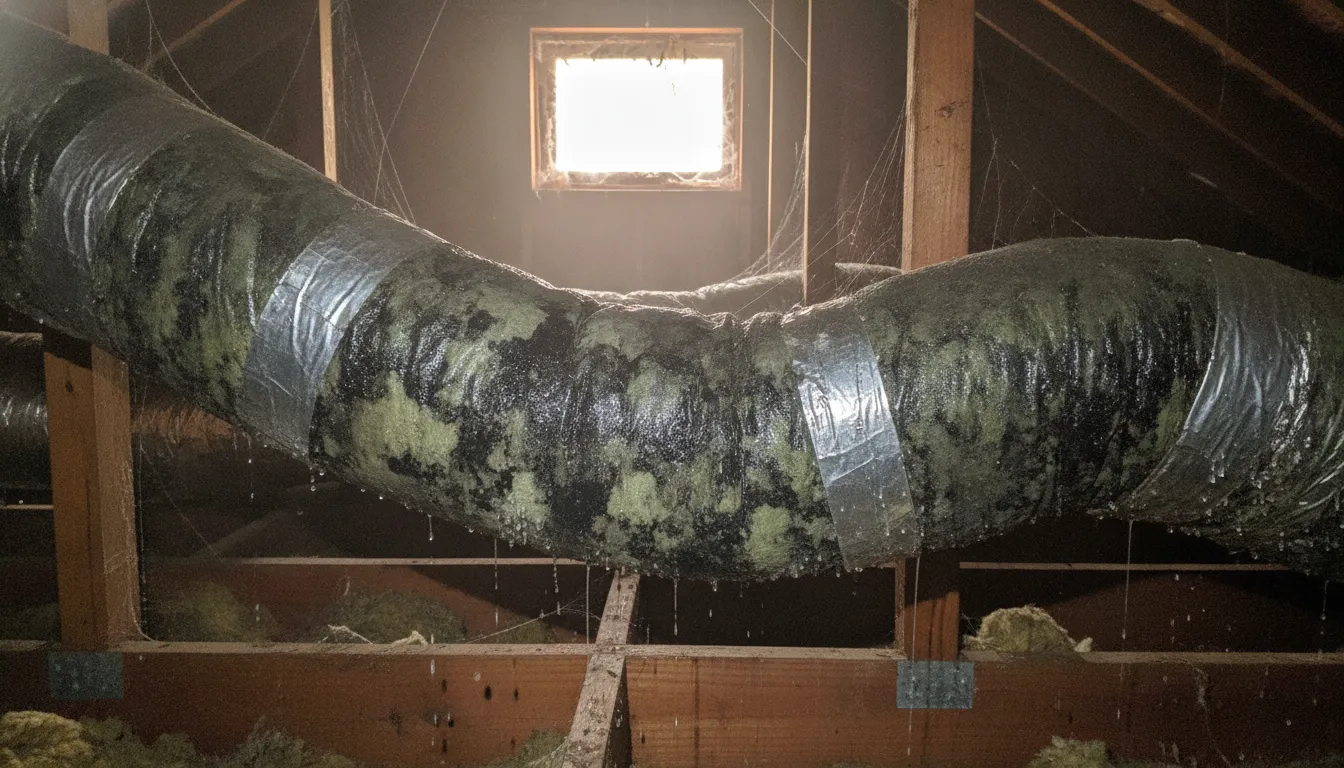
In humid climates like ours in Florida, your AC removes a lot of moisture from the air. This water collects and drains away through a small pipe called the condensate line. Over time, this line can become clogged with algae, mold, or debris. When the water can't drain, it backs up and triggers a float switch, which is a safety device designed to shut down your AC to prevent water damage to your home. Clearing a clogged condensate line can sometimes be a DIY job, but a professional can ensure it's thoroughly cleaned and help prevent future clogs. Our duct sanitization services can also help keep your entire system cleaner.
An Improperly Sized AC Unit
Bigger isn't always better, especially when it comes to air conditioners. If a unit is too powerful for your home, it will cool the space extremely quickly and shut off. This might sound good, but it means the system doesn't run long enough to properly dehumidify the air, leaving you with that cold, clammy feeling. Because it cools so fast, the temperature rises quickly, and the AC kicks back on, starting the cycle all over again. An improperly sized unit is a common issue that requires a professional assessment for a proper air conditioning installation and replacement.
Electrical Problems
Issues like frayed wiring, loose connections, or a failing control board can cause the power supply to your air conditioner to be interrupted. This can make the unit shut down and restart unexpectedly. Electrical problems are not only a cause of short-cycling but also a serious safety hazard. Because of the risk of electric shock and fire, you should never attempt to diagnose or fix electrical faults yourself. If you suspect an electrical issue is at play, turn off the power to your AC unit at the circuit breaker and contact us immediately to have a licensed technician safely inspect your system.
How to Troubleshoot a Short-Cycling AC
If your AC is acting up, don't panic. There are a few simple checks you can perform yourself before calling for backup. Working through these steps can sometimes solve the problem right away or at least give you more information to share with a technician. Just remember to always prioritize your safety; if you’re ever unsure about a step, it’s best to leave it to the pros.
Step 1: Check Your Air Filter
One of the most common culprits behind short-cycling is a dirty air filter. Think of it like trying to breathe with a hand over your mouth. A clogged filter restricts airflow, forcing your AC system to work much harder to cool your home. This strain can cause the unit to overheat and trigger a safety switch that shuts it down prematurely.
Luckily, this is an easy fix. Turn off your AC system, locate the air filter (it's usually in the return air duct or a slot in the indoor unit), and slide it out. If it’s covered in dust and debris, it’s time for a replacement. Regular air conditioning maintenance, including changing your filter every 1-3 months, is key to a healthy AC in Florida.
Step 2: Inspect Your Thermostat
Sometimes the problem isn't with your AC unit at all, but with its brain: the thermostat. A faulty or incorrectly placed thermostat might not read your home's temperature correctly. This can cause it to tell the AC to shut off before the room is actually cool. It might also be getting "tricked" by external heat sources.
First, check the simple things. Are the batteries fresh? Is it set to "cool" and at your desired temperature? Also, make sure your thermostat isn't in direct sunlight or near a heat-producing appliance like a lamp or TV. This can make it think the room is warmer than it is, leading to those short, frequent cycles. Moving the heat source or recalibrating the thermostat can often resolve the issue.
Step 3: Clear Your Outdoor Unit
Your outdoor AC unit, or condenser, needs to breathe. Its job is to release the heat pulled from inside your home. If it's surrounded by leaves, grass clippings, dirt, or overgrown shrubs, it can't do its job effectively. The unit will trap heat, overheat, and shut down to protect itself, only to turn back on a few minutes later once it has cooled slightly.
Before you do anything, turn off the power to the outdoor unit at your home's circuit breaker. Then, take a look around the unit. Gently clear away any debris, making sure there are at least two feet of clear space on all sides. A quick rinse with a garden hose (on a gentle setting) can also help remove built-up grime from the fins. If the problem persists, you may need professional air conditioning repair.
Step 4: Unblock Your Vents and Registers
Proper airflow is a two-way street. Your AC not only pushes cool air out through supply vents but also pulls warm air in through return vents. If either of these is blocked, it can create a pressure imbalance in the system, leading to short-cycling. When airflow is restricted, your home won't cool evenly, leaving some areas too warm while the area around the thermostat gets cold too quickly.
Take a quick walk through your home and check all the vents. Make sure they aren't blocked by furniture, rugs, drapes, or anything else. It’s a common misconception that closing vents in unused rooms saves energy; in reality, it can harm your AC system. Keeping all your vents open and clear helps your system operate as it was designed to.
Step 5: Check the Condensate Drain Line
Your air conditioner doesn't just cool the air; it also removes humidity. This moisture is collected and drained away through a small pipe, usually made of PVC, called the condensate drain line. In Florida's humid climate, it's easy for this line to get clogged with algae, mold, and sludge. When the pipe gets blocked, water backs up into a drain pan. Most systems have a safety float switch that will shut off the entire AC unit to prevent water damage.
You can usually find the drain line near your indoor air handler. If you see standing water in the pan or water leaking around the unit, a clog is the likely cause. While some homeowners are comfortable clearing minor clogs, a recurring issue may point to a bigger problem that needs professional attention and possibly duct sanitization.
Step 6: Reset the Circuit Breaker
Sometimes, the issue can be electrical. An overloaded circuit, loose wiring, or a failing electrical component can cause the breaker connected to your AC to trip. This cuts power to the unit, and if the issue is intermittent, it can mimic short-cycling as the system loses and regains power.
Find your home's electrical panel and locate the breaker for your air conditioner. Flip it to the full "off" position, wait about a minute, and then flip it back to "on." This will reset the unit. However, if the breaker trips again right away or continues to trip frequently, do not keep resetting it. This indicates a serious electrical fault that needs immediate attention. In this case, it's best to call for emergency air conditioning services to safely diagnose and fix the problem.
Could Your Thermostat Be the Problem?
Sometimes, the culprit behind your AC troubles isn't the big outdoor unit but the small box on your wall. Your thermostat is the brain of your entire HVAC system, telling it when to turn on, when to shut off, and how hard to work. If it’s giving bad instructions, your AC will behave erratically, often leading to short-cycling. A faulty thermostat can trick your system into thinking it has met the desired temperature when it hasn’t, causing it to shut down prematurely. Before you assume the worst, it’s worth investigating if your thermostat is the real issue.
Incorrect Placement
Believe it or not, where your thermostat is located makes a huge difference. If it’s installed in a spot that gets direct sunlight, is near a heat-producing appliance like a lamp or TV, or is right above an air vent, it will get a false temperature reading. It will think the room is much warmer than it actually is, causing it to kick the AC on and off constantly. A thermostat needs to be in a central location with good air circulation to get an accurate read of your home’s average temperature. If you suspect poor placement is the issue, getting professional help to move it is your best bet.
Calibration Issues
Even a perfectly placed thermostat can be a little off. Over time, thermostats can lose their calibration, meaning the temperature they sense doesn’t match the actual temperature in the room. This miscommunication is a classic cause of short-cycling. Your thermostat might think it’s 72 degrees and shut the system off, while your living room is still a sticky 78. Both older mechanical models and modern digital ones can experience this drift. Recalibrating a thermostat can be tricky, and it’s often a task best left to a technician during a routine air conditioning maintenance visit.
Old or Failing Parts
Like any electronic device, thermostats don’t last forever. Their internal components can wear out, leading to all sorts of problems. You might notice the display is blank or flickering, or the system doesn’t respond when you try to change the temperature. A more subtle sign is if the fan keeps running even when you’ve set it to “Off.” These are all indicators that the thermostat is failing and sending faulty signals to your AC unit. In this case, the simplest and most effective solution is to have a professional replace the thermostat with a new, reliable model.
When to Call an HVAC Pro
While some AC issues can be solved with a little DIY spirit, short-cycling often points to a deeper problem that needs an expert eye. Trying to fix complex issues yourself can lead to bigger, more expensive damage or even create a safety hazard. If you’ve tried the basic troubleshooting steps without success, or if you notice any of the following signs, it’s time to put down the tools and pick up the phone. A professional technician can accurately diagnose the root cause and perform a safe, effective repair.
You Suspect a Refrigerant Leak
Refrigerant, or coolant, is the lifeblood of your air conditioner. If your system doesn't have the right amount, it can't cool your home properly and may start to short-cycle. You might notice your AC blowing warm air or see ice forming on the coils. Handling refrigerant requires special certification and tools, as it can be hazardous. If you think you have a leak, the best and safest option is to call for a professional air conditioning repair. A trained technician can find the source of the leak, fix it, and recharge your system to the correct level, getting your AC back to peak performance.
You Think There's an Electrical Fault
Electrical problems are one of the most dangerous issues your AC can have. Bad wiring, loose connections, or failing electrical components can cause the system to lose power intermittently, leading to short-cycling. You might notice dimming lights when the AC kicks on or smell a burning odor near your unit. These are serious warning signs. For your safety, never attempt to fix electrical issues yourself. Our licensed and insured technicians can safely inspect your system, fix faulty wiring, and replace worn-out parts. If you suspect an electrical problem, it's wise to use our emergency air conditioning services to get it addressed immediately.
The Compressor Might Be Damaged
The compressor is the heart of your air conditioning system, responsible for circulating refrigerant. If it’s failing, you might hear loud or unusual noises, like grinding or rattling, when the AC runs. Sometimes, a clicking sound when the fan starts and stops can point to a bad fan relay, which is a part that controls the fan. Ignoring these sounds can lead to complete compressor failure, which is one of the most expensive AC repairs. Getting it inspected early can sometimes prevent the need for a full replacement. A professional can determine if the compressor can be repaired or if it’s time for a new one.
Your DIY Fixes Didn't Work
You’ve done your part: you changed the air filter, checked the thermostat, and cleared away debris from the outdoor unit. If you've tried all the basic troubleshooting steps and your AC is still short-cycling, the problem is likely more complex than a simple DIY fix can handle. Continuing to run a short-cycling AC can cause severe wear and tear and sky-high energy bills. At this point, you need an HVAC expert to take a look. We pride ourselves on honest, transparent service, so you can trust us to find the real issue without trying to upsell you. Contact us today to schedule a visit.
What Happens If You Ignore a Short-Cycling AC?
It can be tempting to ignore an AC that seems to be working, even if it’s acting a little strange. But when it comes to short-cycling, what seems like a minor annoyance is actually a major red flag. Letting your AC continue to turn on and off every few minutes is a recipe for bigger, more expensive problems down the road. Think of it as a warning light on your car's dashboard; ignoring it won't make the issue disappear. In Florida's heat, a healthy AC isn't a luxury, it's a necessity. Addressing short-cycling quickly protects your system, your wallet, and your comfort.
Major Damage to Your System
The constant starting and stopping of a short-cycling AC puts immense strain on its most important components. The compressor, which is the heart of your system, undergoes significant wear and tear each time it powers on. When this happens repeatedly, it can cause the compressor to fail much sooner than it should. This excessive stress also affects other parts, leading to a shorter overall lifespan for your unit. Ultimately, ignoring the problem can turn a repairable issue into a situation that requires a full air conditioning replacement, a far more significant investment.
Spiking Energy Bills
Your air conditioner uses the most electricity during startup. A system that is working correctly will run for a longer period, cool your home efficiently, and then shut off. A short-cycling unit, however, is constantly drawing that initial surge of power every few minutes. This inefficient operation can cause your energy bills to skyrocket without ever making your home feel comfortable. If you've noticed a sudden, unexplained increase in your electricity costs, short-cycling could be the culprit. A simple AC repair can often restore your system's efficiency and bring your bills back down to a normal level.
An Uncomfortable Florida Home
A short-cycling AC never runs long enough to complete a full cooling cycle. This means it can't effectively remove heat and, just as importantly, humidity from your home's air. The result is an environment that feels stuffy, damp, and unevenly cooled, with some rooms feeling warm while others are chilly. In the humid Florida climate, this failure to dehumidify can make your home feel sticky and uncomfortable, even if the thermostat says it's at the right temperature. Proper cycling is essential for maintaining good indoor air quality and keeping your home consistently cool and pleasant.
Let 5 Star Air Fix Your Short-Cycling AC
If your air conditioner is constantly turning on and off, you're right to be concerned. This issue, known as short-cycling, is more than just an annoyance; it's a clear sign that something is wrong with your system. When your AC short-cycles, it never completes a full cooling cycle. This not only leaves your home feeling unevenly cooled and humid but also drives up your energy bills and puts a massive strain on the compressor, one of the most expensive parts of your unit. Ignoring it can lead to a complete system breakdown, which is the last thing anyone wants in the middle of a Florida summer.
The good news is that you don't have to figure this out on your own. At 5 Star Air, our entire approach is built on providing honest answers and expert solutions. Our team of licensed and insured technicians has seen it all when it comes to short-cycling. We'll thoroughly inspect your system to find the real cause of the problem, whether it's a refrigerant leak, a faulty thermostat, or an oversized unit. We believe in transparent pricing, so you'll know exactly what the fix is and what it costs before we start any work.
Don't let a short-cycling AC ruin your comfort or your budget. Let our team handle the air conditioning repair and get your system running efficiently again. We're committed to our 5-star service guarantee and won't rest until your home is cool and comfortable. Ready to get it fixed for good? Contact us today to schedule a service call.
Related Articles
- 5 Signs Your AC Needs Repair
- Benefits of Regular HVAC Maintenance
- HVAC Tips & Insights Blog - Expert Advice from 5 Star Air
- AC Repair Services
Frequently Asked Questions
What is the very first thing I should do if I think my AC is short-cycling? Before you do anything else, check your air filter. A dirty, clogged filter is the most common reason for short-cycling, and it's a simple fix. If the filter is clean, then take a look at your thermostat to make sure the settings are correct and the batteries are fresh. These two quick checks can sometimes solve the problem right away.
How long should a normal AC cycle last? A healthy air conditioner in Florida should typically run for about 15 to 20 minutes at a time to properly cool your home and remove humidity. The exact time can vary depending on the outdoor temperature and your home's insulation, but the key is that it completes a full, steady cycle. If your unit is turning on and off every five minutes, that's a clear sign something is wrong.
Can I fix short-cycling myself, or do I always need a professional? You can definitely handle some of the basic causes yourself, like changing a dirty air filter or making sure your vents aren't blocked by furniture. However, most issues that cause short-cycling (such as low refrigerant, electrical faults, or a failing capacitor) are complex and require a trained technician. For your safety and to avoid causing more damage, it's best to call a professional if the simple fixes don't work.
Is a short-cycling AC considered an emergency? It's an urgent issue that you should address as soon as possible. While it may not be a middle-of-the-night emergency unless you smell something burning or have an electrical issue, ignoring it is a gamble. The constant strain can cause your system to break down completely, often on the hottest day of the year. Getting it fixed promptly prevents a small problem from becoming a costly and uncomfortable one.
Will fixing my short-cycling AC actually lower my energy bill? Yes, almost certainly. An air conditioner uses a large surge of power every time it starts up. When it's short-cycling, it's constantly drawing that high-energy surge without ever running efficiently. Fixing the underlying problem allows your system to return to its normal, steady cycles, which uses significantly less electricity and will result in a lower monthly bill.