AC Compressor Shuts Off at High RPM? Here's Why
The compressor is the engine of your cooling system, and when it starts to fail, your whole AC is at risk. Ignoring the warning signs can lead to a total breakdown, which is the last thing anyone wants during a hot Florida summer. Your AC will usually give you clues that something is wrong, like blowing warm air or making strange rattling noises. A more serious symptom is when the ac compressor shuts off at high rpm, indicating it can't handle the pressure. This, along with a constantly tripping circuit breaker, is a clear signal that your system needs immediate attention. This guide will help you recognize the signs of a failing compressor so you can act before it’s too late.
Key Takeaways
- Identify Short Cycling vs. Normal Operation: Your AC should run for about 15 to 20 minutes at a time to properly cool your home. If it turns on and off every few minutes, that's short cycling, a clear sign of a problem that wastes energy and causes unnecessary wear.
- Perform Basic Checks Before Calling for Help: You can often solve simple issues yourself. Before making a service call, confirm your thermostat is set to "cool," replace a dirty air filter, and clear any leaves or debris from around your outdoor unit.
- Invest in Prevention and Professional Repairs: The most effective way to prevent shutdowns is with annual professional maintenance. For complex issues like refrigerant leaks, electrical faults, or strange noises, always call a licensed technician to ensure a safe and correct repair.
Why Does My AC Keep Shutting Off?
There’s nothing more frustrating than your air conditioner quitting on a sweltering Florida day. If you find your AC unit shutting off unexpectedly, only to turn back on a few minutes later, you’re likely dealing with a phenomenon called "short cycling." While it might seem like a minor annoyance, it’s your system’s way of telling you something is wrong. Short cycling puts a lot of strain on your AC’s components, drives up your energy bills, and can lead to a complete breakdown if ignored. Let's walk through some of the most common reasons your AC might be acting up.
Low Refrigerant
Think of refrigerant as the magic ingredient that allows your AC to cool your home. When the level is low, it's almost always due to a leak somewhere in the system. This drop in refrigerant causes the pressure inside your AC to fall, which can trigger a safety switch to shut down the compressor and prevent serious damage. Topping off the refrigerant without fixing the leak is only a temporary fix. A professional needs to find and repair the leak before recharging the system to the correct level, ensuring your AC runs efficiently and safely.
An Overheating System
Just like any hardworking machine, your AC can overheat. The compressor, which is the heart of your outdoor unit, generates a lot of heat as it works. If it can’t cool itself down properly, a built-in thermal overload switch will shut it off to prevent it from burning out. Common causes for overheating include a dirty condenser coil (the fins on your outdoor unit), a failing fan motor, or even just overgrown landscaping blocking airflow. While you can clear away leaves and debris, internal issues require a technician to diagnose and fix the root cause of the overheating.
Electrical Issues
Your air conditioner is a complex piece of equipment with many electrical components working together. A problem with any one of them can cause the entire system to shut down. This could be anything from a failing capacitor, which helps start the motors, to worn-out wiring or a malfunctioning control board. These electrical faults can send the wrong signals, leading to erratic behavior like short cycling. Because working with electricity is dangerous, these are not DIY jobs. If you suspect an electrical problem, it’s always best to contact a licensed professional to handle the repairs safely.
Clogged Airflow
For your AC to work properly, air needs to move freely through it. If that airflow is restricted, the system has to work much harder, which can cause it to overheat and shut down. The number one culprit is usually a dirty, clogged air filter. Changing your filter regularly is one of the easiest ways to prevent this. Other causes can include blocked supply vents, a dirty evaporator coil (inside your home), or even issues within your ductwork. Maintaining good airflow is crucial for both your AC’s health and your home’s indoor air quality.
A Failing Compressor
The compressor is the engine of your air conditioning system, and unfortunately, it doesn’t last forever. As a compressor ages, it can begin to wear out mechanically. It might start drawing too much power, causing the circuit breaker to trip, or its internal overload protector will shut it down to prevent a catastrophic failure. This is often a sign that the compressor is nearing the end of its life. While other issues should be ruled out first, a failing compressor is a serious problem that typically requires a major repair or a full AC replacement.
Is It Normal for an AC to Turn On and Off?
It’s a question we get all the time, and the short answer is yes, it's completely normal for your air conditioner to cycle on and off. In fact, that’s exactly how it’s designed to work. Your AC runs to cool your home to the temperature you’ve set on the thermostat, and then it shuts off to save energy until it’s needed again. This on-and-off process is called a cooling cycle. A healthy, well-maintained system will run for a solid chunk of time, effectively cool your space, and then take a break. This is the rhythm of an efficient air conditioner doing its job correctly.
However, there’s a big difference between a normal cooling cycle and a system that’s turning on and off every few minutes. If your AC seems to be in a constant state of starting and stopping, that’s a red flag. This frequent cycling, often called "short cycling," indicates an underlying problem that’s preventing your system from completing a full cooling cycle. Understanding the difference can help you catch issues early, save money on your energy bills, and avoid a major breakdown on a hot Florida day. Short cycling not only fails to cool your home properly but also puts immense stress on the compressor, which is the heart of your AC system.
Understanding a Normal Cooling Cycle
Think of your AC’s cooling cycle like a well-rehearsed routine. Your thermostat acts as the director, telling the system when to start and stop. When the temperature in your home rises above your set point, the thermostat signals the AC to turn on. The system should then run for about 15 to 20 minutes, long enough to effectively cool the air and reduce humidity. Once it reaches the target temperature, it shuts off and rests. This process repeats throughout the day to keep your home comfortable. These consistent, predictable cycles are a sign of a healthy, efficient air conditioner. Keeping up with regular AC maintenance is the best way to ensure your system continues to run these normal cycles smoothly.
When Frequent Cycling Signals a Problem
If your AC turns on and then shuts off after just a few minutes, only to repeat the process over and over, that’s short cycling. This is not normal and shouldn't be ignored. Short cycling puts a huge amount of strain on your compressor and other components, leading to premature wear and tear. It also wastes a lot of energy because the system never runs long enough to properly cool or dehumidify your home. Several issues can cause short cycling. It could be something as simple as a dirty air filter restricting airflow and causing the system to overheat. It might also be a sign of low refrigerant, which causes a pressure drop and triggers a safety switch to shut the compressor off. Whatever the cause, frequent cycling means it’s time to call for professional AC repair.
What Are the Signs of a Failing AC Compressor?
The AC compressor is the engine of your cooling system, responsible for circulating refrigerant to cool your home. When it starts to fail, your whole system is at risk. Ignoring the warning signs can lead to a complete breakdown, which is the last thing anyone wants during a hot Florida summer. Fortunately, your AC will usually give you a few clues that something is wrong with the compressor. Paying attention to these signs can help you catch the problem early, potentially saving you from a more expensive air conditioning replacement. Let’s walk through the four most common signs of a failing AC compressor.
Warm Air Coming from Your Vents
This is one of the most obvious signs. If you notice the air coming from your vents isn't as cold as it used to be, or if it feels warm, the compressor could be the culprit. A failing compressor struggles to circulate refrigerant effectively, which is essential for the cooling process. You might notice that the air is cool sometimes but warm at others, especially when the system has been running for a while. This inconsistency shows the compressor can't keep up with the demand. Don't just turn the thermostat down lower; that only puts more strain on an already struggling component. Instead, it's a clear signal that your system needs a professional air conditioning repair technician to take a look.
Strange Noises from the Outdoor Unit
Your outdoor AC unit should operate with a consistent, low hum. If you start hearing new and unusual sounds, it's time to pay attention. A failing compressor can make a range of noises, from loud rattling and banging to high-pitched squealing. Some people describe it as sounding like "a plastic playing card in the spokes of a bike." These sounds often indicate that internal parts of the compressor are loose or have broken. Ignoring these noises is a gamble, as they usually get worse over time and can lead to catastrophic failure. Our fully licensed and insured technicians can diagnose the source of the noise and determine if the compressor is the issue.
The Circuit Breaker Keeps Tripping
Does your AC unit keep tripping the circuit breaker? This is a serious safety sign that something is wrong. The circuit breaker is designed to shut off power when a circuit is overloaded to prevent overheating and fires. If the AC compressor is failing, it may draw more electricity than it should, causing the system to overheat and trip the breaker. You might even notice a burning smell near the unit. While other electrical issues can cause this, a struggling compressor is a common cause. Continuously resetting the breaker without addressing the root problem is dangerous. This situation often requires emergency air conditioning services to prevent further damage or a fire hazard.
A Sudden Spike in Your Energy Bill
Take a look at your recent electricity bills. If you see a sudden, unexplained spike, your AC could be the reason. As a compressor begins to fail, its efficiency drops dramatically. It has to work much harder and run longer to cool your home, which consumes a lot more energy. This inefficiency directly translates to a higher utility bill. While a dirty air filter can also reduce efficiency, a significant and sudden increase in costs often points to a more serious mechanical problem like a failing compressor. Scheduling regular air conditioning maintenance helps keep your system running efficiently and can catch these issues before they get out of hand.
Your 5-Step Troubleshooting Checklist
When your AC starts acting up, it’s easy to assume the worst (and the most expensive). But before you panic, there are a few simple things you can check yourself. Working through these steps can often solve the problem or at least help you give our technicians a better idea of what’s going on when you call. Think of it as a little detective work that could save you time and stress. Let’s walk through this checklist together.
Step 1: Check Your Thermostat Settings
This might sound almost too simple, but you’d be surprised how often the fix is right at your fingertips. First, double-check that your thermostat is set to "Cool" and not accidentally switched to "Heat" or "Fan." Next, make sure the temperature is set lower than the current room temperature. If the set temperature is already reached, the compressor will naturally shut off. An incorrect setting can easily make it seem like your AC is malfunctioning. According to the U.S. Department of Energy, a faulty thermostat can cause your system to run erratically, so ensuring it's working correctly is a crucial first step.
Step 2: Inspect the Air Filter
Your AC system needs to breathe, and a dirty air filter is like trying to run a marathon while breathing through a straw. When the filter gets clogged with dust, pet dander, and other particles, it severely restricts airflow. This forces your system to work much harder to pull in air, which can cause the compressor to overheat and shut down to prevent damage. Checking your air filter is simple, and replacing it if it’s dirty is one of the most effective ways to keep your system running smoothly. Regular filter changes are a key part of any good AC maintenance plan and can prevent a host of bigger issues down the road.
Step 3: Clear the Area Around Your Outdoor Unit
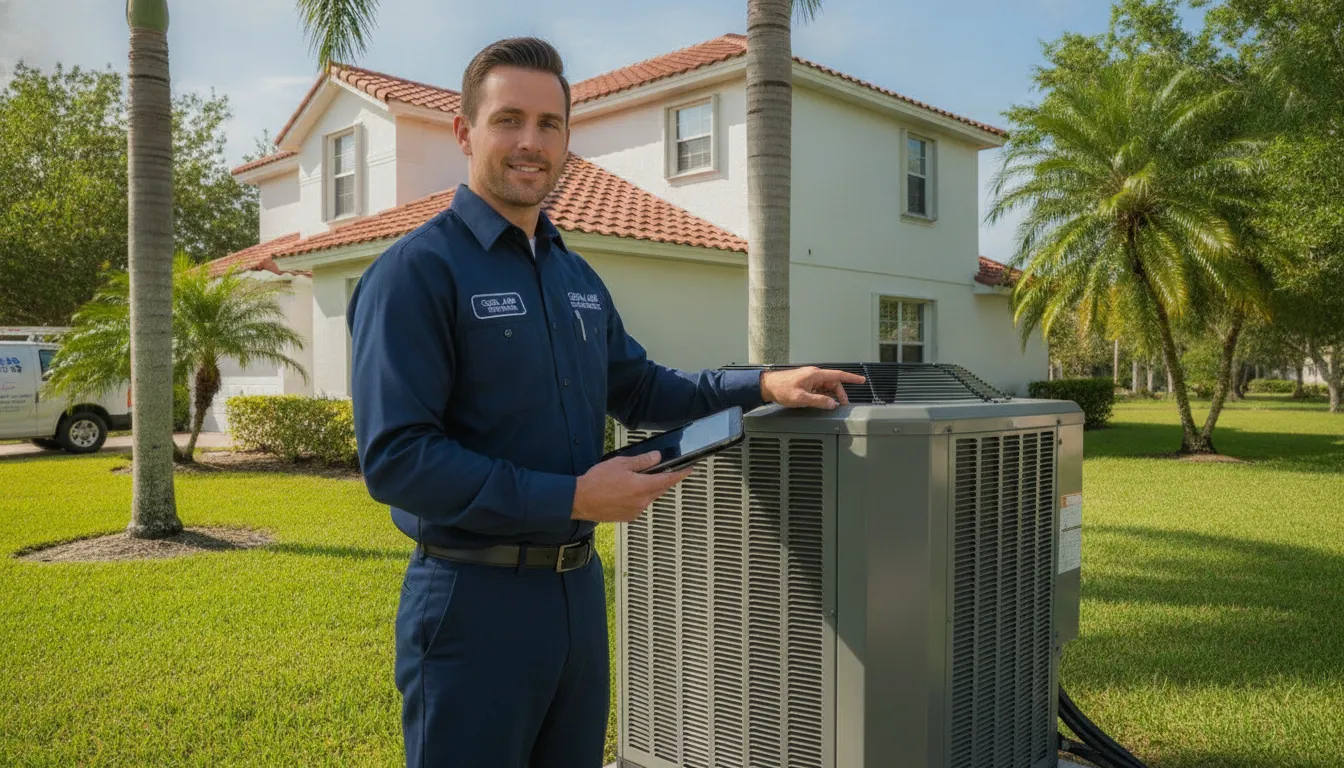
Your indoor unit isn't the only part of the system that needs to breathe. The outdoor unit, called the condenser, works by releasing the heat pulled from your home into the outside air. If it’s surrounded by bushes, leaves, or yard debris, it can’t release that heat effectively. This will cause the unit to overheat and the compressor to shut down. Take a quick walk outside and make sure there are at least two feet of clear space around the entire unit. Keeping this area free of obstructions is an easy task that makes a huge difference in your AC’s performance and longevity.
Step 4: Make Sure All Vents Are Open and Unblocked
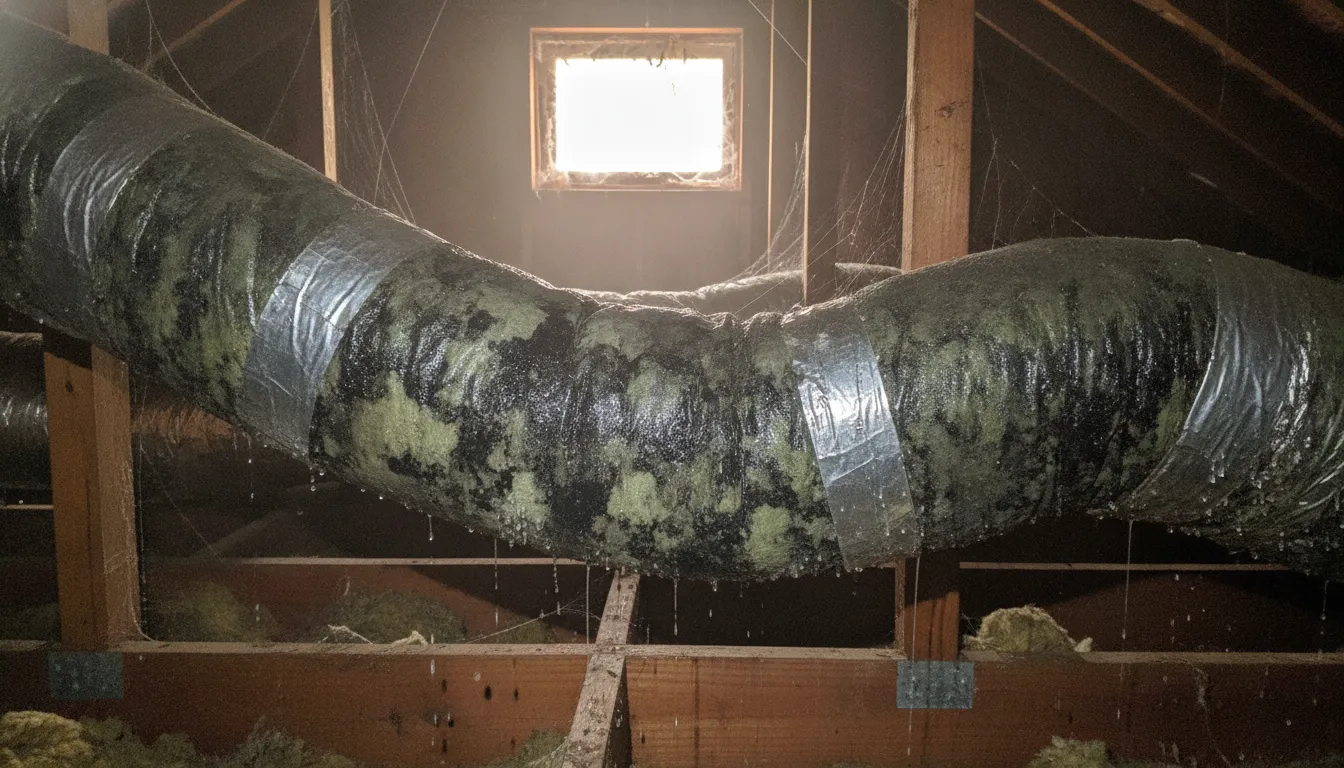
Proper airflow inside your home is just as important as it is outside. It’s a common myth that closing vents in unused rooms saves energy, but it actually does the opposite. Closing vents creates pressure imbalances in your ductwork, which strains your entire system and can lead to a shutdown. Make sure all the supply vents in your home are open and not blocked by furniture, rugs, or curtains. If you notice weak airflow even when vents are clear, it could point to an issue within your ducts. Improving your home's duct sanitization can help your system circulate air more efficiently.
Step 5: Know When to Call a Professional
If you’ve gone through all the steps above and your AC is still shutting off, it’s time to call for backup. Issues like low refrigerant, electrical faults, or a failing compressor motor are not DIY projects. These problems require specialized tools and the expertise of a licensed technician to diagnose and fix safely. Trying to handle them yourself can lead to more extensive damage or even personal injury. Don’t hesitate to reach out to our team for an honest diagnosis. We’re here to provide expert air conditioning repair and get your home cool and comfortable again.
How to Prevent Unexpected AC Shutdowns
Nothing is worse than your AC giving out during a Florida heatwave. The good news is that you can often prevent these sudden shutdowns with a little proactive care. Taking a few simple, preventative steps helps your system run smoothly, keeps your home comfortable, and saves you from the stress and expense of an emergency call. Here’s how you can keep your AC in top shape.
Schedule Regular AC Maintenance
Think of AC maintenance like a routine check-up for your car; it’s the best way to prevent a major breakdown on the side of the road. The same logic applies to your air conditioner. Scheduling professional air conditioning maintenance at least once a year allows a technician to spot and fix small issues before they become expensive emergencies. Regular tune-ups ensure your system runs at peak efficiency, which can lower your energy bills and extend the life of your unit. A well-maintained AC is a reliable AC, and in the Florida heat, reliability is everything. It’s a simple step that saves you money, stress, and the discomfort of a sweltering home.
Keep Your Outdoor Unit Clean
Your AC’s outdoor unit, the condenser, is its workhorse. It pulls heat from your home and releases it outside, but it can’t do its job if it can’t breathe. Over time, things like grass clippings, leaves, dirt, and dust can build up on the unit and clog the delicate fins. This forces your system to work much harder, leading to overheating and potential shutdowns. You can help by making sure there are at least two feet of clear space around the unit. Gently hosing it down can also remove loose debris. For a deeper, safer clean of the condenser coils, it’s best to have a professional handle it during a maintenance visit to avoid causing damage that requires air conditioning repair.
Maintain Good Airflow Inside
One of the easiest and most effective ways to prevent AC problems is to maintain good airflow inside your home. Start with your air filter. A dirty, clogged filter is like trying to breathe through a stuffy mask; it chokes the flow of air your system needs. This not only makes your AC run longer to cool your home but also puts a huge strain on the fan motor, which can cause it to overheat and shut down. Check your filter every month and change it when it’s dirty. Also, do a quick walk-through of your home to ensure all your air vents are open and not blocked by furniture, rugs, or curtains. These simple habits are key to better indoor air quality and a happier AC.
Address Small Problems Before They Get Bigger
It’s tempting to ignore that weird rattling noise or the fact that your AC seems to be struggling a bit more than usual. But small warning signs are your system’s way of asking for help before a complete failure. For example, if your unit is low on refrigerant, it means there's a leak. Simply adding more coolant won't solve the underlying issue. A professional needs to find and fix the leak first. Ignoring these little red flags almost always leads to a bigger, more expensive problem down the line. If you notice anything out of the ordinary, don’t wait for it to become an emergency. Calling a professional to diagnose the issue early can prevent a complete system shutdown when you need it most.
Related Articles
- 5 Signs Your AC Needs Repair
- Benefits of Regular HVAC Maintenance
- HVAC Tips & Insights Blog - Expert Advice from 5 Star Air
- AC Repair Services
Frequently Asked Questions
How long should my AC actually run before it shuts off? A healthy air conditioner should run for about 15 to 20 minutes at a time to properly cool your space. This is what we call a normal cooling cycle. If your unit is turning on and off every few minutes, that’s a clear sign of short cycling, which points to an underlying problem that needs attention.
I changed my air filter, but my AC is still shutting off. What should I do now? It’s great that you checked the filter first, as that’s the most common culprit. If a clean filter doesn't solve the issue, the problem is likely more complex. It could be anything from low refrigerant due to a leak to an electrical issue or an overheating component. At this point, it’s best to call a professional technician to safely diagnose and fix the root cause.
Is it really that bad to just let my AC short cycle for a while? Yes, it’s a serious issue you shouldn't ignore. Short cycling puts immense strain on your compressor, which is the most expensive part of your AC system, and can lead to it failing much sooner. It also wastes a lot of energy and money because the system never runs long enough to effectively cool or dehumidify your home.
How often do I really need to schedule professional AC maintenance? For homes in Florida, we strongly recommend having your system professionally serviced once a year. The ideal time is in the spring, just before the intense summer heat arrives. This annual check-up allows a technician to clean the system, catch small problems, and ensure everything is running efficiently to prevent a sudden breakdown when you need your AC most.
My outdoor AC unit is making a loud rattling noise. Should I be worried? You should definitely pay attention to any new or strange noises. Your AC unit should have a consistent hum, so sounds like rattling, banging, or high-pitched squealing are warning signs. These noises often indicate a loose part or a problem with the compressor. It's wise to turn the system off to prevent further damage and call for a professional inspection.