AC Service at Home: Your Simple DIY Checklist
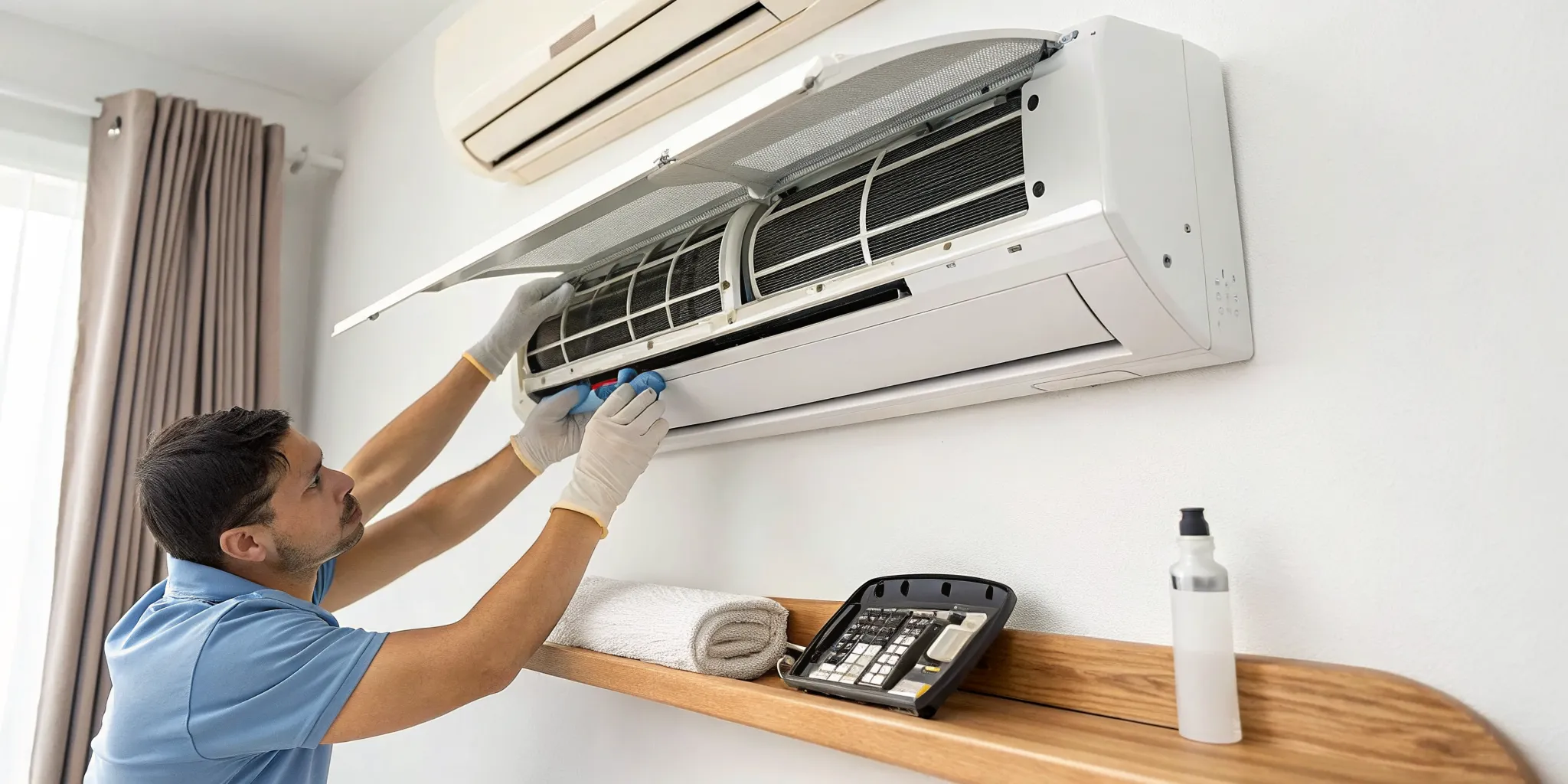
Nothing strikes fear into the heart of a Florida homeowner quite like a sputtering air conditioner in the middle of July. That sudden silence, followed by warm air from the vents, is a scenario we all want to avoid. The best way to prevent that mid-summer emergency is with consistent, proactive care. A smart plan for ac service at home combines your own simple maintenance efforts with the deep expertise of a professional tune-up. This guide will provide a clear checklist of tasks you can easily manage yourself to keep your system running smoothly. It will also explain what a professional technician does during a service call and highlight the warning signs that mean it’s time to call for help, giving you peace of mind all year long.
Key Takeaways
- Master the basics, but call a pro for the rest: You can easily improve efficiency by changing filters and clearing debris yourself; however, an annual professional tune-up is essential for deep cleaning, safety checks, and system diagnostics.
- Leave complex repairs to the experts: While DIY is great for simple upkeep, any issue involving electrical components or refrigerant requires a certified technician. These jobs are not only dangerous but can also cause expensive damage if done incorrectly.
- Schedule tune-ups strategically: Get your AC professionally serviced in the spring to ensure it is ready for the summer heat. This single visit can prevent costly emergency repairs, lower your energy bills, and help your system last longer.
What Is an At-Home AC Service?
When we talk about an "at-home AC service," it really covers two different things: the simple maintenance tasks you can do yourself and the professional service call where a technician comes to your home. Think of it like car care. You handle the small stuff, like filling the washer fluid and checking the tire pressure, but you leave the oil changes and engine diagnostics to a mechanic. Taking on a few basic AC tasks yourself is a great way to keep your system running efficiently. This simple effort can help lower your energy bills and extend the life of your unit, saving you money in the long run.
Performing these simple checks helps your AC work better and can even improve the air you breathe inside your home. The good news is that you don't need to be an HVAC expert to get started. This guide will walk you through a simple checklist for DIY care. It will also help you understand what's included in a professional air conditioning maintenance visit and why having a pro inspect your system regularly is so important, especially here in Florida where our ACs work overtime. Knowing the difference helps you keep your system in top shape and gives you peace of mind that you won't be left sweating through a summer afternoon.
Common Types of Home AC Services
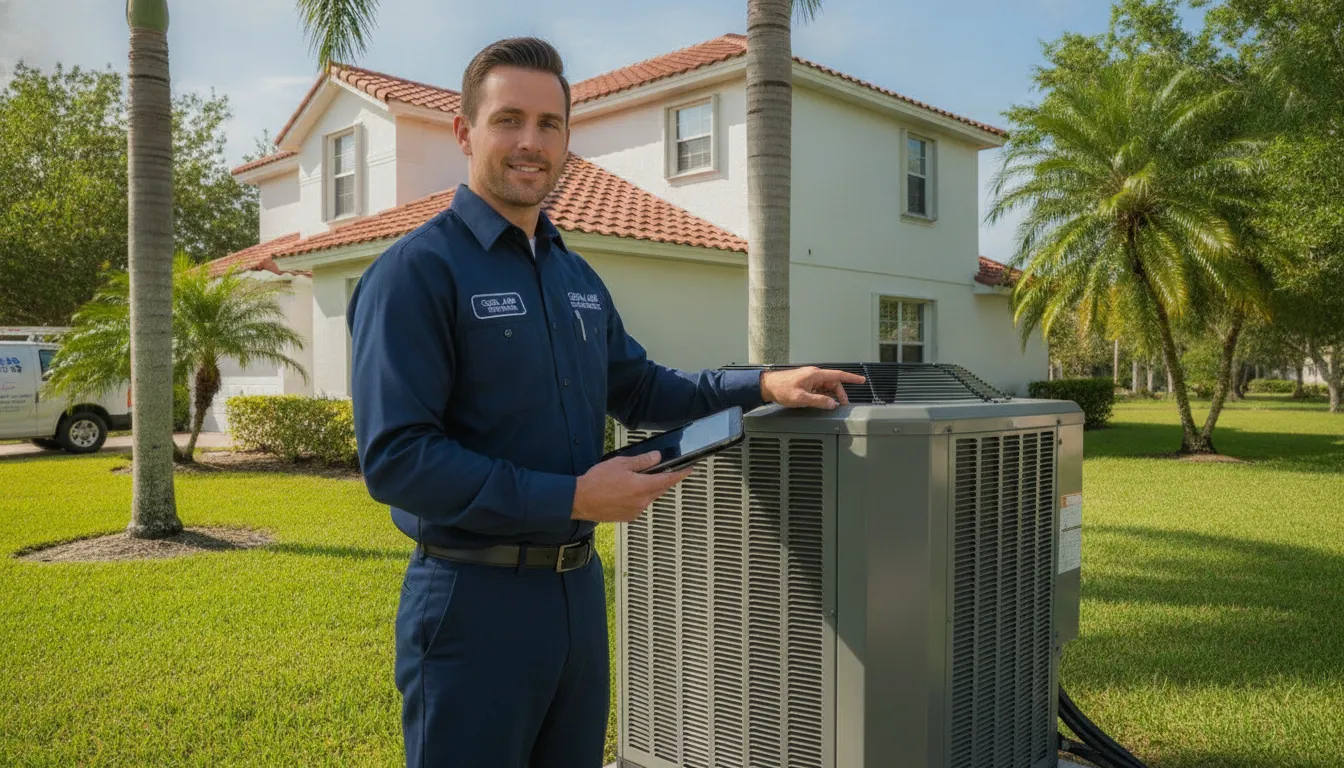
The most common DIY service is changing your air filter. It’s a quick task that makes a huge difference in your system's performance and your home's indoor air quality. Another simple job is cleaning your outdoor unit. This just means clearing away any leaves, grass clippings, or debris that might be blocking airflow. A professional service, on the other hand, is much more thorough. A technician will inspect electrical connections, check refrigerant levels, clean the indoor coils, and test safety controls to make sure everything is working correctly and safely. They have the tools and training to go beyond the basics.
The Perks of Calling a Pro
While DIY maintenance is fantastic, it’s not a substitute for an annual professional tune-up. A trained technician can spot potential problems you might not see, like a worn-out part or a slow refrigerant leak. Catching these issues early can prevent a sudden, costly breakdown when you need your AC the most, like in the middle of a July heatwave. Regular professional service ensures your system runs as efficiently as possible, saving you money on energy bills. It also provides peace of mind, knowing your AC is safe, reliable, and ready to handle another hot Florida season.
Your DIY AC Maintenance Toolkit
Tackling some basic AC maintenance yourself is a great way to keep your system running efficiently between professional tune-ups. But before you roll up your sleeves, it helps to have the right gear ready. Gathering a simple toolkit makes the job much easier and, more importantly, safer. Think of it as your go-to kit for giving your AC a little TLC. Most of these items are inexpensive and can be found at any hardware store, and having them on hand will prepare you for simple tasks that make a big difference.
Basic Tools Every Homeowner Should Have
You don’t need a professional-grade workshop to handle basic AC upkeep. In fact, you probably have many of these items already. A good starter kit includes Phillips and flathead screwdrivers for opening panels, a garden hose with a spray nozzle, and a soft brush for cleaning. You’ll also want a vacuum with a brush attachment to clear away dust and debris. For more specific tasks, a fin comb is a handy tool for gently straightening the delicate metal fins on your outdoor unit. A simple wet/dry vacuum is also great for clearing out a clogged drain line, which is a common issue here in Florida. Having these basic home maintenance tools will set you up for success.
Staying Safe: Essential Gear and Precautions
Your safety is the number one priority when doing any kind of DIY work, especially with electrical appliances like your AC. Before you touch anything, you must turn off the power to your unit. Do this at both the thermostat and the main electrical breaker box that controls the air conditioner. This is a non-negotiable step that prevents the unit from accidentally turning on. It’s also wise to wear protective gloves and safety glasses to shield yourself from sharp metal edges and flying debris. For more information on working safely around electricity, you can find helpful resources from the Electrical Safety Foundation International. If you ever feel unsure or a task seems too complex, it's always best to pause and call for professional AC service.
Your DIY AC Maintenance Checklist
Keeping your AC in top shape doesn't always require a professional call. With a simple routine, you can handle some basic upkeep yourself to improve efficiency and extend your unit's life. Think of it as a little TLC that goes a long way, especially during our long, hot Florida summers. This checklist breaks down a few key tasks you can do monthly, seasonally, and regularly. While these steps are fantastic for preventative care, they are a supplement to, not a replacement for, a comprehensive professional air conditioning maintenance tune-up. Let's get started.
Monthly: Change Filters and Keep It Clean
Your AC's air filter is its first line of defense against dust, pollen, and other airborne particles. A clogged filter forces your system to work much harder to pull in air, which drives up your energy bills and can lead to costly repairs. It also directly impacts your home's indoor air quality. Make it a habit to check your filter every month. If you have a reusable one, you can clean it with a vacuum or mild soap and water; just be sure it's completely dry before you put it back. For disposable filters, a replacement every one to three months is usually best. Set a calendar reminder so you never forget!
Seasonally: Maintain Your Outdoor Unit
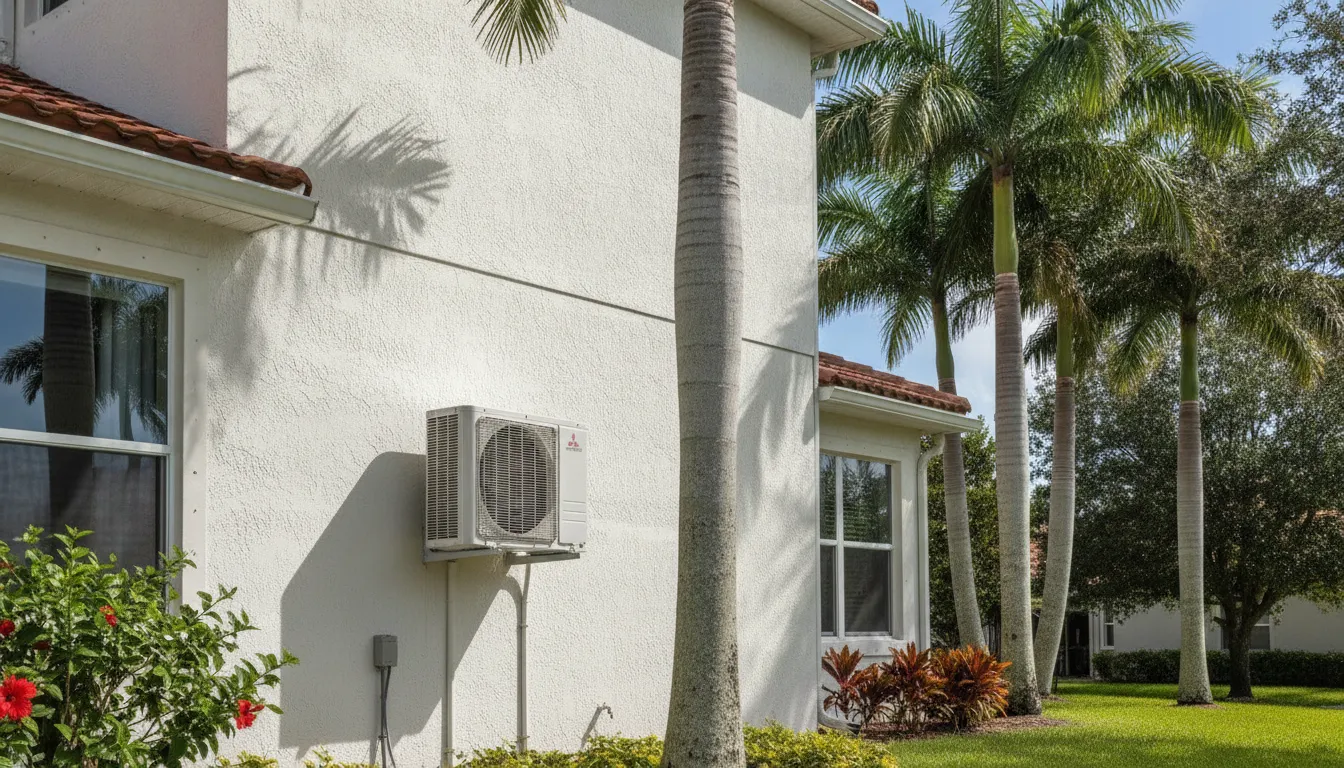
Your outdoor condenser unit needs to breathe. Over time, leaves, grass clippings, and dirt can build up on the fins, blocking airflow and trapping heat. This makes your AC work overtime to cool your home. At the start of each season, take a look at your outdoor unit. First, and most importantly, turn off the power at the breaker box for safety. Then, gently clear away any leaves or debris from the vents. You can use a soft brush or a hose on a gentle setting. Also, trim back any shrubs or plants to create at least two feet of clear space around the unit. This simple cleanup prevents overheating and potential air conditioning repair calls.
Regularly: Check Your Thermostat and Airflow
Your thermostat is the brain of your cooling system, so you want to make sure it's communicating correctly. If your thermostat is battery-powered, check the batteries regularly to prevent it from dying at an inconvenient time. You can also gently clean inside the unit with a soft brush to remove any dust that might interfere with its sensors. Beyond the thermostat, take a quick walk through your home and check the airflow from your vents. Make sure none are blocked by furniture, rugs, or curtains. Ensuring clear pathways for air helps your system cool your home evenly and efficiently. If your thermostat is acting up despite these checks, it might be time to contact us for a professional look.
Common DIY Mistakes That Can Damage Your AC
While tackling some AC maintenance yourself can feel empowering, a few common missteps can turn a simple task into a costly repair. Accidentally damaging a sensitive component often leads to bigger headaches and a much larger bill than a professional service call. Knowing which tasks are safe for a DIY approach and which are best left to the experts is key. Let’s walk through the most frequent mistakes homeowners make so you can keep your system running smoothly.
Avoiding Power Safety and Tool Misuse Errors
First, always turn off the power to your AC unit at the breaker box before you begin any work. This is a non-negotiable safety step. Another common mistake is using the wrong tools. Never use a pressure washer on your delicate condenser coils, as the intense spray can easily bend the fins and damage the unit. Even installing a new filter can go wrong. Always make sure the arrow on the filter frame points toward the AC unit for proper airflow. One wrong move can lead to needing a professional air conditioning repair, so it pays to be careful.
The Risks of Improper Filter and Coil Cleaning
A clean filter helps your AC run efficiently and improves your home’s air quality. However, improper cleaning can cause more problems than it solves. If you’re cleaning a reusable filter, make sure it’s completely dry before reinstalling it to prevent mold growth. When cleaning the outdoor unit’s coils, use a gentle spray from a garden hose. If the coils are caked with dirt that won’t come off easily, you need a deeper clean. Aggressive scrubbing can damage the fins, so if your unit is very dirty, it’s best to schedule professional air conditioning maintenance service.
Why You Should Leave Refrigerant and Electrical Work to the Experts
Some jobs are simply not meant for DIY. Handling refrigerant, for example, is illegal without proper certification and requires specialized tools. Attempting to add it yourself can cause severe damage to your system and is dangerous. The same goes for electrical issues. If your circuit breaker keeps tripping, you notice a burning smell, or the unit won’t turn on, don’t try to diagnose it yourself. These are clear signs of a serious problem that needs an expert. For these situations, it’s safest to call for emergency air conditioning services right away.
What Does a Professional AC Tune-Up Include?
While your DIY efforts are fantastic for keeping your AC in good shape, a professional tune-up goes much deeper. Think of it as an annual physical for your cooling system. A trained technician has the tools and expertise to spot underlying issues before they turn into expensive, mid-summer emergencies. This preventative care is crucial for getting through a Florida summer without a hitch. A professional service call covers several key areas to ensure your system is clean, safe, and running at peak performance.
Routine Inspections and Cleaning
A thorough air conditioning maintenance visit is like a comprehensive health check for your system. A technician will meticulously inspect and clean all the essential components that are hard for a homeowner to access. This includes cleaning the indoor evaporator and outdoor condenser coils, which can get caked with dirt and debris, forcing your system to work harder. They'll also flush the condensate drain line to prevent clogs that can cause water damage and shut down your AC. Plus, they check and tighten all electrical connections and lubricate moving parts like motors to reduce wear and tear. This deep clean not only improves efficiency but also helps maintain healthy indoor air quality.
Refrigerant Checks and System Diagnostics
One of the most critical parts of a tune-up is checking the system's refrigerant levels. If your AC isn't blowing cold air, low coolant could be the culprit. However, low refrigerant usually signals a leak, which is something only a licensed professional should handle. A technician can accurately measure the refrigerant charge and, if a leak is suspected, perform the necessary air conditioning repair to fix it properly. They also run diagnostics on the entire system, testing thermostat accuracy, checking capacitors and contactors, and measuring motor voltage and amperage. This helps catch failing parts before they lead to a complete system breakdown when you need it most.
Advanced System Checks and Filter Replacement
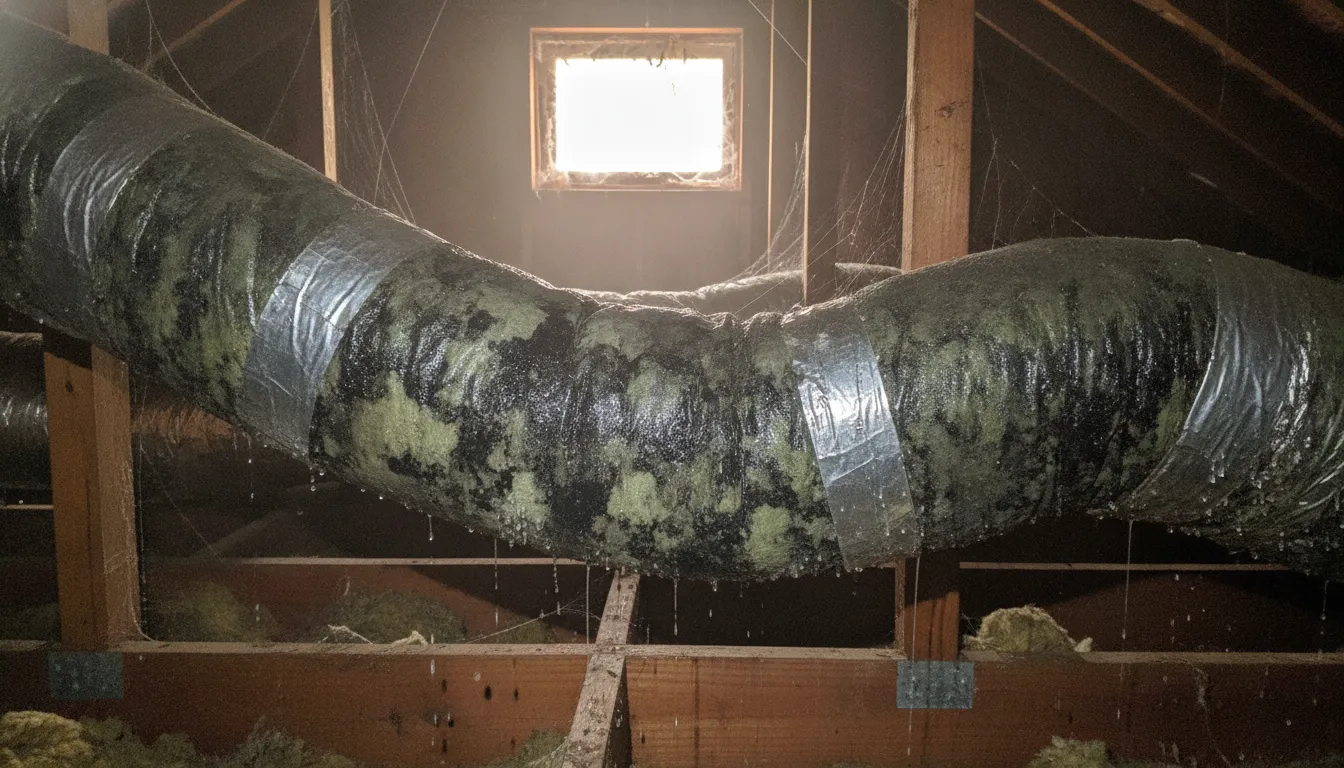
While you should be changing your air filter regularly, a technician takes this a step further during a tune-up. They’ll not only check the filter but can also assess your home’s needs and recommend the best type of filter to improve your indoor air quality. Beyond the filter, they perform advanced system checks that are impossible without specialized tools. This includes measuring airflow to ensure your home is cooling evenly and inspecting your ductwork for leaks that waste energy and money. By calibrating the entire system, a technician ensures every component is working together efficiently, which helps prevent surprise breakdowns and keeps your energy bills in check.
Which AC Problems Require a Professional?
While you can handle many basic AC tasks yourself, some jobs are best left to the pros. Knowing the difference can save you from a costly mistake or a dangerous situation. Certain sounds, smells, and performance issues are your AC's way of telling you it needs an expert's touch. Ignoring these signs can turn a small problem into a major system failure, especially in the Florida heat. Let's walk through the specific signs that mean it's time to put down your tools and pick up the phone to call a certified technician.
Red Flags That Your System Needs an Expert
If your AC is running but your home isn't getting cool, it's a clear sign something is wrong internally. Listen for unusual noises like hissing or bubbling, which often point to a refrigerant leak. You should also look for ice forming on the copper lines or coils. While it might seem counterintuitive for a cooling system, ice is a classic symptom of a problem, like restricted airflow or low refrigerant. These issues require specialized tools and knowledge to diagnose and fix correctly, so it's best to schedule a professional air conditioning repair. A trained technician can safely identify the root cause and get your system running efficiently again.
Emergency Signs That Can't Wait
Some AC problems aren't just inconvenient; they're emergencies. If you smell something burning coming from your vents or the AC unit itself, shut the system off at the breaker immediately. This could indicate an electrical failure or an overheating motor, which is a serious fire hazard. Similarly, if your circuit breaker repeatedly trips when the AC kicks on, it signals an electrical problem that needs immediate attention. A system that won't turn on at all, despite having power, also falls into this category. Don't hesitate with these issues; they require emergency air conditioning services to ensure your home's safety.
Complex Repairs You Shouldn't Try at Home
As a rule of thumb, any repair involving electrical components or refrigerant is not a DIY job. Handling refrigerant, for instance, is regulated by the EPA and requires a special license for a reason, as it's a hazardous material. Attempting to fix a leak or recharge the system yourself is unsafe and can cause further damage. Likewise, electrical work is incredibly dangerous. A constantly tripping breaker or a burning smell points to issues within the wiring or capacitors that can cause shocks or fires if handled improperly. These complex problems are why regular air conditioning maintenance from a trusted professional is so valuable; we can spot and fix these issues before they become emergencies.
Professional AC Service vs. DIY: A Cost Breakdown
When your AC needs attention, it’s natural to weigh the costs of hiring a professional against tackling the job yourself. While DIY can feel like the cheaper route, it’s important to look at the full picture, including your time, potential risks, and long-term savings. A professional service call comes with a clear price tag, but a DIY mistake could cost you much more than you bargained for. Understanding the true costs of both options helps you make the best decision for your home and your budget.
The smartest approach often involves a combination of both. Performing simple DIY tasks, like changing your filter, paired with an annual professional tune-up, gives you the best of both worlds: cost savings and the peace of mind that comes with expert care. Let's break down what you can expect to invest in each scenario.
Understanding Professional Service Pricing
When you pay for a professional AC service, you're investing in more than just an hour of labor. The cost covers the technician's extensive training, specialized diagnostic tools, and the assurance that the job is done correctly and safely. Companies like ours also carry full licensing and insurance, which protects you from any liability if something goes wrong. A standard service call or a seasonal tune-up is a predictable expense that prevents much larger, unexpected costs down the road.
Think of it as preventative care for your home's most important appliance. An expert can spot developing issues you might miss, ensuring your system runs efficiently and reliably. A comprehensive air conditioning maintenance visit includes cleaning, inspections, and adjustments that keep your system in top shape, helping you avoid a sudden breakdown during a Florida heatwave.
The Real Cost of DIY: Your Time and Money
Doing it yourself might seem free, but your time is valuable. A simple task can quickly eat up an entire Saturday afternoon, especially if you're learning as you go. You'll also need to buy the right tools and supplies, like filters, coil cleaner, and safety gear. While these initial costs may be small, they can add up. The biggest hidden cost of DIY, however, is the risk of making a mistake.
An incorrect repair or an aggressive cleaning can damage sensitive components, turning a minor issue into a major one. For example, bending the delicate fins on your condenser coil can restrict airflow and strain your system. If a DIY attempt fails, you'll end up needing an air conditioning repair service anyway, potentially paying more to fix the original problem plus the new one you accidentally created.
Comparing Long-Term Value and Energy Savings
A well-maintained air conditioner is an efficient one. Whether you handle the basic tasks or hire a pro, regular upkeep directly translates to lower energy bills. Proper maintenance can reduce your system's energy consumption, saving you a significant amount on electricity costs over the year. It also extends the lifespan of your unit, pushing back the major expense of a full system replacement. A professional tune-up is one of the best ways to maximize these savings.
During a service visit, a technician can identify worn-out parts and optimize your system's performance in ways that go beyond basic cleaning. This proactive approach helps you avoid costly emergency repairs and ensures your unit is ready for the demands of summer. By investing a little in maintenance now, you delay the need for a new air conditioning installation and enjoy consistent, cool air for years to come.
How to Choose the Right AC Service Company
Even the most dedicated DIYer knows when it’s time to call in a professional. When your AC needs more than a simple filter change or a quick clean, finding a trustworthy service company is your next big task. Here in Florida, where our air conditioners work overtime, having a reliable technician on call isn't just a convenience; it's a necessity. But with so many options out there, how do you pick the right one? It’s about more than just finding someone who can show up quickly. You want a team that is qualified, reliable, and transparent.
The best AC service companies build their business on trust. They offer honest advice and clear pricing, so you never feel pressured into a service you don't need. Watch out for red flags like vague quotes, high-pressure sales tactics, or an unwillingness to answer your questions directly. A great company will take the time to explain the problem and your options, treating your home with respect. Your goal is to find a long-term partner for your home's comfort, not just a one-time fix. To do that, you need to do a little homework. Focusing on a few key areas will help you sort through the choices and find a team you can count on for years to come.
Verify Licensing and Insurance
This is the absolute first step and a total non-negotiable. An AC company must be properly licensed and insured to work in your home. Licensing proves they meet state and local standards for expertise and safety, which is crucial for complex HVAC systems. More importantly, insurance protects you from any liability in the rare case of an accident or damage to your property during the service call. Many air conditioner warranties also require maintenance from a certified technician to remain valid, so hiring an unlicensed company could end up being a very expensive mistake. Don’t just take their word for it; a reputable company will be happy to show you that they have fully licensed and insured technicians ready to do the job right.
Look for Service Guarantees and a Strong Local Reputation
A company’s reputation tells you a lot about the quality of their work and customer service. Before you even pick up the phone, do a quick search for online reviews and testimonials to see what other customers in your area are saying. Are people happy with the service they received? Does the company stand behind its work with a satisfaction guarantee? A guarantee shows that they are confident in their skills and committed to making things right if you’re not completely happy. A strong local reputation is built one successful job at a time, so it’s a reliable indicator that you’re choosing a company that values its customers and will be there for you when you need them.
Compare Quotes and Service Packages
When you’re getting quotes, it’s tempting to just go with the lowest price, but it’s important to compare what you’re actually getting for your money. Ask each company for a detailed breakdown of what their service includes. A cheap tune-up might not be a great deal if it only covers a fraction of what a more comprehensive maintenance plan does. Look for companies that offer honest, transparent pricing without hidden fees or pushy salespeople. You want to know exactly what to expect before the work begins. Comparing service packages, not just prices, helps you find the best long-term value and ensures your AC gets the thorough attention it needs to run efficiently all year long.
When Should You Schedule Professional AC Maintenance?
Knowing when to call for professional AC maintenance is just as important as knowing who to call. Timing your service calls strategically can save you from sweaty, uncomfortable days and surprise repair bills. In Florida, where our air conditioners work overtime, a proactive approach is always the best policy. Think of it like this: you wouldn't wait for your car to break down on the highway to get an oil change, and your AC deserves the same forward-thinking care.
Regular maintenance is the key to preventing unexpected breakdowns when you need your AC the most. It keeps your system running efficiently, which can lower your energy bills and extend the life of your unit, saving you money in the long run. But it's not always clear when to make that call. Is there a "best" season for a tune-up? How often should you really have a pro look at your system? And what are the subtle signs that your AC is crying out for help? Understanding the rhythm of proper AC care helps you stay ahead of problems. Let’s walk through the answers to these questions so you can create a simple, effective maintenance schedule that keeps your home cool and your mind at ease.
The Best Time for a Seasonal Tune-Up
The absolute best time to schedule your AC tune-up is in the spring, before the sweltering summer heat kicks in. Scheduling service during the milder months of March, April, or May ensures your system is ready for the heavy lifting ahead. A seasonal tune-up is more than just a quick look; a technician performs a comprehensive check on all the essential parts and safety controls. This preventative air conditioning maintenance helps catch minor issues before they can cause a full-system breakdown on the hottest day of the year. It’s a simple step that provides peace of mind and a cool, comfortable home all summer long.
How to Create a Year-Round Maintenance Plan
For optimal performance, your HVAC system benefits from professional attention twice a year. A great year-round plan involves scheduling a tune-up for your air conditioner in the spring and another for your heating system in the fall. Even in Florida, this fall check-up is important. It gives a technician a chance to clean the system after a long cooling season and ensure the heating components are safe and ready for those occasional chilly nights. This consistent schedule helps your system run efficiently, extends its lifespan, and keeps your energy bills in check. Many companies offer maintenance plans that make scheduling these visits automatic, so you don't even have to think about it.
Signs It's Time for a Professional Inspection
Sometimes, your AC will tell you it needs help between scheduled visits. It’s important to listen to these warning signs and call for a professional inspection instead of waiting. Ignoring them can lead to more extensive damage and more expensive fixes.
You should schedule an air conditioning repair visit if you notice:
- Your AC isn't cooling your home like it used to.
- You hear unusual noises, like grinding, squealing, or banging.
- Your monthly energy bills have suddenly increased without explanation.
- There is water pooling around your indoor unit.
- The airflow from your vents feels weak or inconsistent.
How to Find AC Service Deals and Maintenance Plans
Keeping your air conditioner in top shape is essential, especially here in Florida, but it doesn’t have to drain your wallet. With a little planning, you can find great deals and service plans that make professional maintenance affordable. It’s all about knowing where to look and what to ask for. By being a savvy homeowner, you can secure reliable service that protects your system and your budget for years to come.
Look for Seasonal Promotions and Discounts
Timing is everything. Many HVAC companies offer promotions during the milder spring and fall months when demand isn't as high. This is the perfect time to schedule a tune-up without paying peak season prices. These deals often cover the comprehensive checks that go beyond just swapping out a filter, ensuring your system is truly ready for the summer heat. Keep an eye on company websites or sign up for their email lists to catch these offers. A little proactive searching can lead to significant savings on your next air conditioning maintenance appointment.
The Benefits of an Annual Maintenance Plan
An annual maintenance plan is one of the best ways to get peace of mind and avoid surprise repairs. Think of it as a subscription for your comfort. These plans typically include one or two tune-ups per year, which helps catch small issues before they become expensive breakdowns in the middle of July. Members often receive other perks too, like priority service and discounts on parts or repairs. Investing in a plan helps your system run more efficiently, saving you money on energy bills and extending its lifespan. It’s a simple way to make sure your AC is always ready when you need it most.
Ask About Local Service Provider Incentives
Don’t be shy about asking your local AC company what they can offer. Local businesses often have special incentives or flexible plans designed for their community. When you call for a quote, ask if they have any current promotions, service bundles, or membership programs. Some companies also provide helpful financing options to make unexpected replacements or major repairs more manageable. A quick conversation can reveal savings you might have otherwise missed. Reputable providers want to build long-term relationships with customers and are usually happy to work with you.
Related Articles
- Benefits of Regular HVAC Maintenance
- 5 Signs Your AC Needs Repair
- How to Prepare Your HVAC for a Florida Summer
- AC Repair Services
- HVAC Tips & Insights Blog - Expert Advice from 5 Star Air
Frequently Asked Questions
Is it really necessary to change my air filter every month? Checking your filter monthly is one of the best habits you can get into, especially here in Florida. With our high humidity and year-round pollen, filters get clogged quickly. A dirty filter forces your entire system to work harder, which increases your energy bill and puts extra strain on the components. While some homes might get away with changing it every two months, a quick monthly check is a simple, five-minute task that prevents much bigger problems.
I do the basic DIY cleaning. Do I still need a professional tune-up every year? First off, it's fantastic that you're keeping up with basic maintenance. That effort truly helps. However, a professional tune-up is still essential because it's a much deeper diagnostic check. A technician has specialized tools to test electrical components, measure refrigerant levels, and clean parts of the system you can't easily reach. They can spot a failing part or a slow leak before it causes a complete breakdown, saving you from an emergency call on a hot July afternoon.
My AC is making a weird noise, but it's still blowing cold air. Can I wait to call for service? I would advise against waiting. Unusual sounds like grinding, squealing, or hissing are your AC's way of telling you something is wrong internally. Even though it's still cooling, the noise could be a sign of a failing motor or a worn-out part. Addressing the issue now is almost always simpler and less expensive than waiting for the component to fail completely, which could cause a chain reaction of damage.
Are annual maintenance plans actually worth the cost? Yes, they are a great investment in your home's comfort and your peace of mind. The cost of a maintenance plan is small compared to the price of a major, unexpected repair or a full system replacement. These plans ensure your system is inspected and tuned up by a professional regularly, which keeps it running efficiently and extends its lifespan. Plus, members often get perks like priority service and discounts on repairs, which can be a lifesaver during a summer heatwave.
Besides changing the filter, what's the one simple thing I can do to help my AC? Keep your outdoor unit clear. The big metal box outside needs to breathe so it can release heat from your home. Take a few minutes every month or so to trim back any bushes, weeds, or grass growing around it, leaving at least two feet of clear space on all sides. Also, gently clear away any leaves, grass clippings, or dirt that may have collected on the vents. This simple cleanup helps prevent your system from overheating and working harder than it needs to.