AC Split Filter 101: A Homeowner's Guide
Let’s be honest—the air inside our homes isn’t always as clean as we’d like it to be, especially for those of us with allergies or asthma. Your air conditioner can either help or hurt the situation, and it all comes down to one key part: the ac split filter. A powerful, high-efficiency filter can transform your home into a sanctuary by trapping microscopic allergens, dust, and even odors before they circulate through your rooms. This article is your complete guide to using your AC system to create a healthier living space, starting with choosing the right filter for your family’s specific needs.
Key Takeaways
- A clean filter serves two critical jobs: It protects your family’s health by trapping airborne particles like dust and pollen, and it protects your AC system from strain, which helps lower energy bills and prevent costly repairs.
- Match the filter to your home and your AC unit: First, select a filter type that addresses your specific needs, like an anti-allergy filter for sensitive family members or a carbon filter for pet odors. Second, always double-check the size and model number to ensure it's a perfect fit for your system.
- Know when to DIY and when to call a pro: Check your filter monthly and replace or clean it every 1-3 months to keep your system healthy. If you've put in a clean filter but still have issues like weak airflow or strange noises, it's time to schedule a professional service to diagnose the root cause.
What is an AC Split Filter and Why Does It Matter?
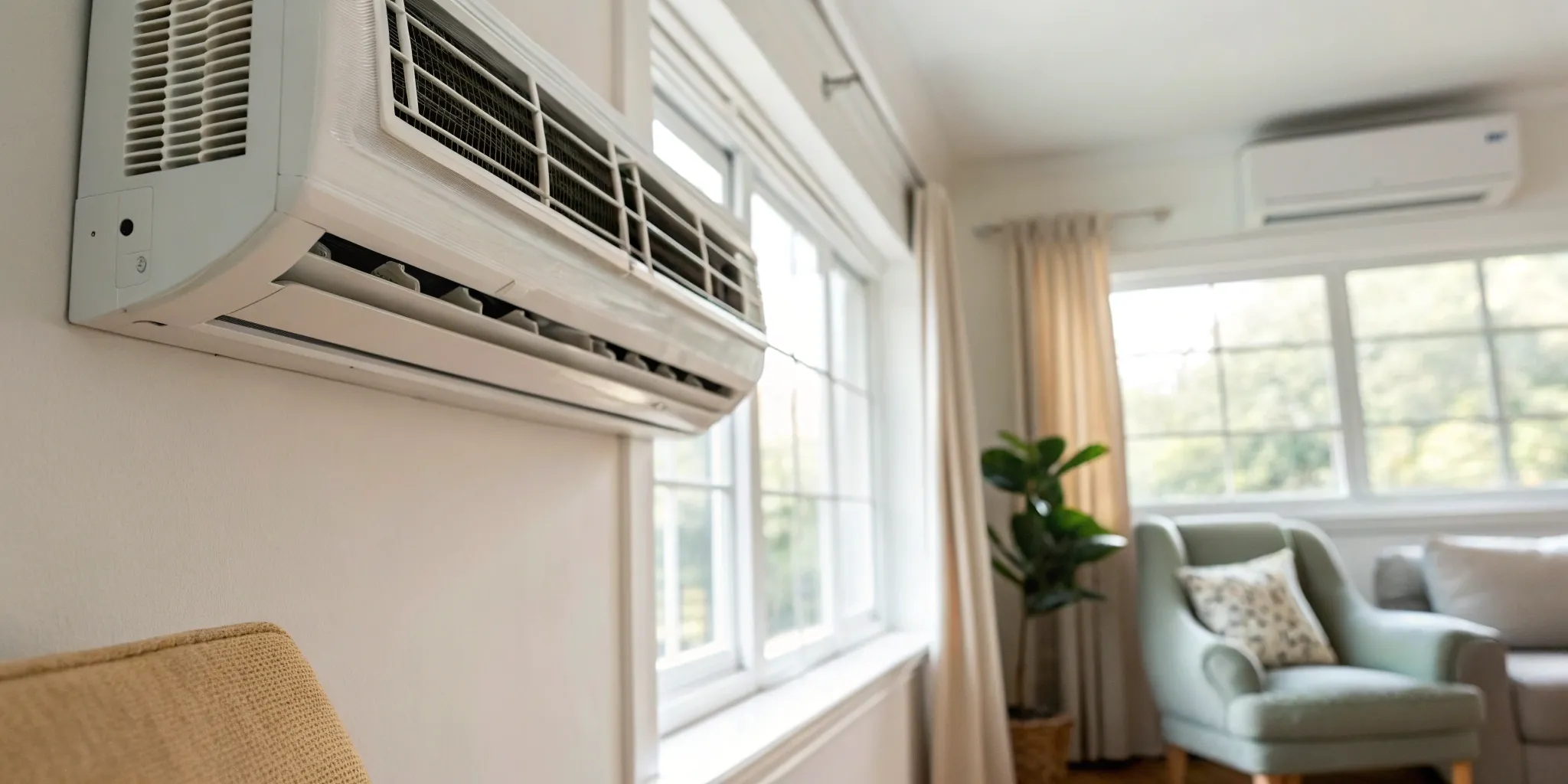
Think of your AC split filter as the unsung hero of your home's cooling system. It’s a simple screen, usually located where the air enters the indoor unit, but its job is incredibly important. As your air conditioner pulls in warm air from your room to cool it, the filter traps dust, pollen, pet dander, and other airborne particles before they can get inside the unit or recirculate back into your home. A clean filter is your first line of defense for maintaining good indoor air quality.
When the filter is clean, air flows through it easily. This allows your AC system to work efficiently, cooling your home without having to work overtime. But when it gets clogged with dirt and debris, it forces the system to struggle, which can lead to higher energy bills and unnecessary strain on the equipment. Keeping this one small part clean is one of the easiest ways to protect your investment, save money, and ensure the air you and your family breathe is as clean as possible.
The Different Types of AC Filters
Not all AC filters are created equal. When you start looking, you'll find a variety of options designed for different needs. Some filters are specifically made with anti-allergy materials to capture more pollen and mold spores, which can be a game-changer for anyone with sensitivities. Others have activated carbon layers designed to absorb and neutralize unpleasant odors from pets, cooking, or smoke. You can also find electrostatic filters that use static electricity to attract and trap tiny particles, and even advanced Nano Platinum filters that offer superior filtration for the cleanest possible air.
How a Filter Works in Your AC System
The basic job of an AC filter is to act as a barrier. As air is pulled through it, the filter’s mesh-like material catches and holds onto airborne particles. This process is crucial for protecting the delicate internal components of your AC unit from getting gummed up with dust, which can lead to expensive problems. If you notice your AC isn't cooling as well as it used to, a clogged filter could be the culprit. When cleaning it doesn't improve performance, it’s a clear sign the filter is past its prime and needs to be replaced to avoid a potential air conditioning repair.
What Kinds of AC Split Filters Can You Get?
Walking down the filter aisle can feel overwhelming with all the different options. But don't worry—it's actually pretty simple once you know what you're looking for. The best filter for your home depends entirely on your family's needs. Are you dealing with seasonal allergies? Do you have pets? Are you looking for a budget-friendly, reusable option?
Each type of filter is designed to tackle a specific job. Some are superstars at trapping tiny allergens, while others excel at neutralizing stubborn odors from cooking or pets. There are also washable filters that save you money over time and advanced options that offer the highest level of purification. Understanding these categories will help you pinpoint the perfect match for your AC system and your lifestyle. Improving your home's indoor air quality is one of the most direct ways to support your family's health, and it all starts with choosing the right filter. Let's break down the most common types you'll find.
For Allergies: HEPA and Anti-Allergy Filters
If sniffles and sneezes are a common occurrence in your home, especially during Florida's peak pollen seasons, an anti-allergy filter is your best friend. These filters are designed with a dense web of fibers that trap microscopic particles like dust mites, pet dander, pollen, and mold spores. High-efficiency particulate air (HEPA) filters are the gold standard in this category, capturing 99.97% of airborne particles. Using higher-efficiency filters can help reduce allergy and asthma symptoms, leading to a more comfortable and healthy living space. This simple upgrade can make a world of difference for anyone sensitive to airborne irritants.
For Odors: Deodorizing and Carbon Filters
Ever notice that cooking smells or pet odors seem to linger long after the fact? A deodorizing or carbon-activated filter can solve that problem. These filters contain a layer of activated carbon, which is incredibly porous and acts like a sponge for odor-causing molecules, gases, and volatile organic compounds (VOCs). Instead of just trapping particles, they absorb and neutralize smells from smoke, pets, garbage, and cooking, leaving your air smelling fresh and clean. These filters are a fantastic choice for pet owners or anyone who wants to maintain a consistently pleasant scent in their home.
For Reuse: Electrostatic and Washable Filters
For those who appreciate sustainability and long-term savings, electrostatic and washable filters are an excellent option. Instead of throwing them away every few months, you simply wash, dry, and reuse them. Electrostatic filters use static electricity to attract and capture dust and other airborne particles like a magnet. While conventional filters require a replacement every month or so, you can just clean and reuse an electrostatic filter, saving you money and reducing waste. This makes them a cost-effective and environmentally friendly choice for your home's air conditioning maintenance routine.
For Advanced Filtration: Nano Platinum and Antimicrobial Filters
If you're looking for top-of-the-line air purification, advanced filters with antimicrobial or nano platinum technology are the way to go. Antimicrobial filters are treated with an agent that prohibits the growth of bacteria, mold, and mildew directly on the filter surface. Nano platinum filters go a step further, using nanotechnology to neutralize bacteria and viruses on a microscopic level. The enhanced air quality from these advanced options can lead to fewer allergy symptoms and a generally more pleasant indoor environment. They represent the latest in filtration technology for homeowners who prioritize the purest air possible.
Which AC Split Filter Brands Can You Trust?
Walking down the filter aisle—or scrolling through a webpage—can feel a bit overwhelming. With so many brands promising the cleanest air and best performance, how do you know which ones actually deliver? The truth is, not all filters are created equal. The brand you choose can make a significant difference in your system's efficiency, your home's air quality, and the filter's overall lifespan. A well-made filter from a reputable company is an investment in your comfort and your HVAC system's health.
At 5 Star Air, we’ve worked with countless air conditioning systems across Southwest Florida. Through years of hands-on experience, we’ve seen which filters hold up to our humid climate and which ones fall short. We believe in making things simple and honest for homeowners, which is why we’re happy to share our professional insights. When you choose a filter from a brand known for quality, you’re not just buying a product; you’re buying peace of mind. Below, we’ll cover a few of the brands that have consistently earned our trust and proven their worth in homes just like yours.
Brands We Recommend at 5 Star Air
When it’s time to replace your AC split filter, you want a brand that’s reliable and effective. Based on our experience with installations and air conditioning maintenance, we consistently recommend brands that are leaders in the HVAC industry. Our top picks include Daikin, Mitsubishi Electric, and Fujitsu General. These companies are known for their high-quality systems, and their filters are engineered to match that standard. They design filters that not only fit perfectly but also optimize performance, ensuring your system runs efficiently while providing excellent air filtration. Choosing one of these trusted brands helps protect your investment and keep your indoor air clean.
A Look at Daikin Filters
Daikin has a strong reputation for creating innovative and highly energy-efficient air conditioning systems, and their filters are no exception. They are specifically designed to complement their units, working to maximize performance and enhance your home’s indoor air quality. A genuine Daikin filter ensures your system operates as intended, capturing fine particles without restricting airflow. To keep your Daikin system running at peak efficiency, it's essential to perform regular maintenance and replace the filters as recommended. You can find a wide selection of mini-split filters online, but always double-check that you’re getting the correct model for your specific unit.
A Look at Mitsubishi Electric Filters
Mitsubishi Electric is another industry leader, and they put a lot of thought into making their systems easy for homeowners to maintain. Their filters are engineered for simple cleaning and replacement, which is a huge plus for ensuring the longevity of your AC unit. When you regularly clean your air conditioner filter, your system doesn't have to work as hard, which saves energy and keeps your indoor air healthier. Mitsubishi Electric emphasizes that clean filters are key to preventing dust buildup and maintaining efficient operation, and we couldn't agree more. Their user-friendly design makes it easier to stay on top of this crucial task.
A Look at Fujitsu General Filters
Fujitsu General is a top-tier brand in the mini-split market, known for its powerful and reliable systems. Their filters are designed to be compatible with these high-performance units, effectively capturing dust, pollen, and other allergens to create a healthier living space. This is especially important in Florida, where allergens can be a year-round concern. Regular maintenance of Fujitsu filters ensures you’re getting the best possible air quality and that your system continues to run efficiently. Like with other brands, you can find various replacement filters from online retailers, but confirming compatibility with your model is the most important step.
How to Choose the Right AC Split Filter
Picking the right AC split filter can feel like a chore, but it’s one of the most important things you can do for your home’s air quality and the health of your HVAC system. Think of it as choosing the right fuel for your car—the correct one keeps everything running smoothly, while the wrong one can cause problems down the road. A filter that’s a perfect match for your unit will trap dust, pollen, and other particles efficiently, keeping your air fresh and your AC from overworking itself.
Making the right choice comes down to three key things: ensuring it fits, understanding what it can do, and getting the measurements just right. It’s less about finding the most expensive filter on the shelf and more about finding the one that’s designed for your specific system and lifestyle. Whether you have pets, suffer from allergies, or just want cleaner air, there’s a filter out there for you. Let’s walk through how to find it.
Check Compatibility with Your AC Model
Before you add any filter to your shopping cart, the first step is to confirm it’s compatible with your AC unit. Not all filters are created equal, and an ill-fitting one is practically useless. It can allow dust and debris to bypass the filter and enter your system, potentially leading to costly repairs. As a general rule, it's very important to check each product page to make sure the filter will fit your specific mini split air conditioner model.
The easiest way to do this is by checking your AC unit’s owner’s manual, which should list the correct filter model or size. If you can’t find the manual, look at the old filter—the dimensions and model number are usually printed right on the frame.
Understand Filter Ratings and Specs
Filter ratings tell you how effective a filter is at capturing airborne particles. For those of us in Florida dealing with year-round pollen, this is a big deal. Using higher-efficiency filters can help reduce allergy and asthma symptoms, leading to a more comfortable and pleasant indoor environment. These filters are better at trapping tiny particles like pet dander, dust mites, and mold spores.
When you’re looking at the packaging, you’ll see different rating systems, but the main idea is simple: the higher the rating, the smaller the particles it can trap. Better filtration contributes directly to better indoor air quality, which is essential for your family’s health. Just keep in mind that a super-high-efficiency filter can sometimes restrict airflow, so it’s about finding the right balance for your system.
Measure Your Filter Dimensions Correctly
This might sound obvious, but you’d be surprised how many people grab the wrong size. To avoid a return trip to the store, always double-check the filter's dimensions to ensure they match your mini split unit. The three measurements you need are length, width, and depth (or thickness).
A simple trick is to use your current filter as a guide. Carefully remove it from the unit and use a tape measure to get the exact dimensions. Write them down or snap a quick picture with your phone so you have them handy when you’re shopping. If you’re ever in doubt or can’t find a filter that seems to fit, it’s always a good idea to call a professional. Our team at 5 Star Air is always ready to help you with your air conditioning maintenance needs.
The Health Benefits of a High-Quality AC Filter
It’s easy to think of your air conditioner as something that just cools your home, but it plays a much bigger role in your family’s well-being. The filter inside your AC unit is your first line of defense against all sorts of airborne irritants that find their way inside. Think about it: dust, pollen that blows in from outside, pet dander, and even mold spores can get trapped in your home's air. Without a good filter, your AC system simply recirculates these particles, spreading them from room to room every time it kicks on. This means you could be breathing in these contaminants constantly.
Choosing a high-quality filter and changing it regularly isn't just good for your AC system; it's one of the simplest and most effective ways to protect your health. A clean, efficient filter directly impacts the air you breathe every single day, trapping those unwanted particles and preventing them from entering your lungs. This simple maintenance step can turn your home into a healthier, more comfortable sanctuary for everyone. It’s a small investment of time and money that pays off in significant ways, from reducing seasonal allergy flare-ups to providing peace of mind that your family is breathing cleaner air. Let's look at exactly how a better filter can make a difference in your daily life.
Improve Your Home's Indoor Air Quality
The air inside your home can be full of tiny, invisible particles like dust, pet dander, pollen, and mold spores. Without a good filter, your AC system just circulates these contaminants throughout every room. Advanced air conditioning systems with high-efficiency filters are designed to capture these harmful particles and allergens, removing them from the air you breathe. This simple upgrade can dramatically improve your home's indoor air quality, creating a cleaner and healthier living space for you and your loved ones. It’s a small change that makes a huge difference in the freshness of your home.
Reduce Allergy and Asthma Triggers
If anyone in your family suffers from allergies or asthma, you know how important it is to control triggers at home. A high-quality AC filter is a game-changer. By trapping irritants like pollen, dust mites, and pet dander, these filters prevent them from circulating in the air. This enhanced air quality can lead to fewer allergy symptoms and reduced asthma triggers, making your home a more pleasant and breathable environment. Paired with services like duct sanitization, a powerful filter helps create a true safe haven for those with respiratory sensitivities.
Support Your Family's Respiratory Health
You don't need to have a specific condition like asthma to benefit from cleaner air. Using higher-efficiency filters helps protect the respiratory health of everyone in your household, from young children to older adults. Breathing in fewer pollutants and allergens day after day reduces overall irritation on the lungs and respiratory tract. This can lead to better overall health and fewer trips to the doctor for respiratory issues. Think of it as a proactive step for your family’s wellness. Consistent air conditioning maintenance, including regular filter changes, is a simple investment in your family's long-term health.
How Often Should You Change Your AC Filter?
One of the most common questions we get from homeowners is about AC filters. Knowing when to change yours is key to keeping your system running smoothly and your home’s air fresh. While there isn't a single, one-size-fits-all answer, a little bit of knowledge goes a long way. The right schedule depends on your specific home, your lifestyle, and even our unique Florida climate.
Think of your AC filter as the lungs of your HVAC system. It’s the first line of defense, trapping dust, pollen, pet dander, and other airborne particles before they can circulate through your home. This not only keeps your air cleaner but also protects the sensitive internal components of your air conditioner from getting clogged with debris. When a filter gets dirty, it restricts airflow, forcing your system to work much harder to cool your home. This strain can lead to higher energy bills, reduced cooling performance, and even premature system failure. A clogged filter can also cause your system’s evaporator coils to freeze over, which can lead to water damage. By staying on top of this simple maintenance task, you’re not just improving air quality—you’re protecting your investment and ensuring your home stays comfortable year-round.
A Quick Guide to Replacement Schedules
As a general rule, you should check your AC filter once a month and plan to replace it every one to three months. For most homes in Southwest Florida, where the AC runs nearly all year, leaning toward the more frequent end of that spectrum is a smart move. If you have pets, family members with allergies, or live near a construction zone, you might even need to change it monthly. A clean filter ensures your system performs at its best, which is essential for handling our heat and humidity. Regular air conditioning maintenance is the best way to stay on schedule and keep your unit in top shape.
Clean or Replace? How to Tell the Difference
Deciding whether to clean or replace your filter depends entirely on the type you have. Disposable filters are designed for one-time use and should be thrown away when they're dirty. Reusable or washable filters can be cleaned and put back in. So, how do you know when it's time? Look for obvious signs like a thick layer of dust and grime. You might also notice reduced airflow from your vents or more dust settling on your furniture. If you have a washable filter and it still looks damaged or fails to improve airflow after a thorough cleaning, it’s time for a replacement to maintain your home's indoor air quality.
What Affects Your Filter's Lifespan?
Several factors can shorten your filter’s life. High usage is the biggest one—and here in Florida, our ACs work hard. If you have pets that shed or family members who smoke indoors, your filter will clog up much faster. The local environment also plays a role; high pollen counts and seasonal dust can put extra strain on your system. Pay attention to warning signs like weak airflow, strange noises, or a sudden spike in your energy bill. These can indicate a clogged filter, but they can also point to bigger issues. If a new filter doesn't solve the problem, it might be time to call for professional air conditioning repair.
Can You Clean and Reuse Your AC Filter?
It’s a question we hear all the time: can you just wash that dirty AC filter and pop it back in? The idea of saving a few dollars and a trip to the store is definitely appealing. The good news is that sometimes, you absolutely can. However, it all comes down to what kind of filter your system uses. Some are designed for a single use, while others are built to be cleaned and reused multiple times.
Figuring out which type you have is the first step. Once you know your filter is washable, a little routine cleaning can go a long way toward better air quality and a more efficient AC system. Let’s walk through how to identify, clean, and maintain your reusable filter.
Identifying Which Filters Are Washable
Before you take your filter to the sink, you need to confirm it’s actually washable. Most disposable filters are made of paper or fiberglass material held in a cardboard frame and are not meant to get wet. Reusable filters, on the other hand, are typically made from more durable materials like woven polypropylene, plastic, or metal mesh. They often have a sturdy plastic or metal frame.
The easiest way to know for sure is to check the filter itself. Most reusable filters will have "washable" printed somewhere on the frame. If you don't see it, check the owner's manual for your AC unit. If you’re still unsure, it’s safer to assume it’s disposable. Using a reusable AC filter is a great way to reduce waste, but trying to wash a disposable one will only damage it and could harm your system.
A Step-by-Step Guide to Cleaning Your Filter
Once you've confirmed your filter is washable, cleaning it is a simple task you can do in under an hour. Here’s a straightforward guide to get it done right.
First, and most importantly, turn off the power to your air conditioner at the thermostat and the circuit breaker. Safety should always be your top priority. Next, carefully remove the filter from its slot. Take note of which way it was facing so you can put it back correctly. For light dust, you can often just use a vacuum with a soft brush attachment to clean both sides. For heavier buildup, take the filter outside or to a bathtub and gently rinse it with lukewarm water. You can use a soft brush and a mild household detergent if needed, but avoid harsh chemicals.
How to Properly Dry and Maintain It
Getting your filter clean is only half the job; drying it properly is just as critical. A damp filter is a perfect breeding ground for mold and mildew, which can then spread throughout your home—the last thing you want in the Florida humidity. After rinsing, shake off any excess water and let the filter air dry completely. You can stand it up in a well-ventilated area or place it outside in the shade. Avoid using a hairdryer or putting it in direct, intense sunlight, as high heat can warp the frame.
Once it’s bone-dry to the touch, you can slide it back into your AC unit. Making this a monthly routine will help your system run more efficiently and can even help you avoid future air conditioning repair. While cleaning your filter is a great DIY task, remember it's just one part of keeping your system healthy.
Warning Signs Your AC Filter Needs Attention
Your air conditioner is pretty good at telling you when something’s wrong—you just have to know what to look for. A dirty or clogged filter is one of the most common culprits behind AC issues, and thankfully, it's also one of the easiest to fix. Paying attention to a few key signals from your system can help you catch a filter problem early, saving you from discomfort and more expensive repairs down the road. If you notice your AC acting up, checking the filter should always be your first step.
Weak Airflow and Poor Cooling
Have you noticed that the air trickling out of your vents feels weak or that some rooms just aren't getting as cool as they used to? This is a classic sign of a clogged filter. When the filter is packed with dust and debris, it physically blocks air from passing through. Your system has to work much harder to push air into your home, resulting in reduced airflow and inefficient cooling. If you’ve replaced the filter and still feel a lack of cool air, it might point to a bigger issue that needs professional air conditioning repair.
Higher-Than-Usual Energy Bills
A sudden, unexplained spike in your electricity bill is a major red flag. When your AC filter is dirty, the system has to run longer and harder to circulate air and cool your home to the temperature set on your thermostat. This extra effort consumes a lot more energy, which directly translates to a higher utility bill. Keeping up with filter changes is a simple way to maintain your system's efficiency and keep energy costs in check. Consistent filter care is a core part of any good air conditioning maintenance plan and helps your unit run smoothly.
Strange Smells or Visible Damage
If you notice a musty or dusty smell when your AC kicks on, your filter is likely the source. A dirty filter can become a breeding ground for mold and mildew, which release unpleasant odors into your home's air. In other cases, the sign is purely visual. If you pull out your filter and it’s visibly gray with dirt, damaged, or torn, it’s time for a replacement. A compromised filter can’t do its job, which directly impacts your home’s indoor air quality and lets harmful particles circulate freely.
Where to Find the Best Deals on AC Filters
Finding the right AC filter at a good price is easier than you might think. With a little know-how, you can keep your air clean and your wallet happy. The key is knowing where to look, whether that’s browsing massive online marketplaces or visiting a local expert. By comparing your options and keeping an eye out for sales, you can stock up on quality filters without overspending. Let’s walk through the best places to find great deals so you can be prepared the next time your filter needs a swap.
Comparing Prices from Online Retailers
For sheer convenience and variety, it’s hard to beat online retailers. Websites like Amazon offer a massive selection of AC filters, allowing you to compare different brands and prices in minutes. This is especially helpful if you’re looking to buy in bulk. Many filters are sold in multi-packs of two, four, or more, which usually brings down the cost per filter. Buying a pack ensures you always have a fresh one on hand, saving you from a last-minute scramble. Just be sure to double-check the filter dimensions and compatibility with your AC model before you click "buy."
Buying from Local HVAC Suppliers
While online shopping is convenient, don’t overlook your local HVAC supply stores. These suppliers are a fantastic resource, especially if you need a specific filter for a particular brand. They often carry parts that are harder to find on big retail sites. For instance, some suppliers specialize in replacement air filters for brands like Pioneer. The biggest advantage of buying local is the expertise. The staff can confirm you’re getting the right filter for your system, saving you the hassle of returns. If you’re ever unsure what you need, a quick chat with a local professional can make all the difference.
Finding Seasonal Discounts and Promotions
A little patience can lead to big savings on AC filters. Many online retailers offer seasonal discounts and promotions, so it pays to keep an eye out. Look for digital coupons that can take a percentage off your purchase—every little bit helps! Another smart strategy is to buy multi-packs when they go on sale. Stocking up during a promotion means you’re set for the year and have locked in a lower price. Planning ahead not only saves you money but also ensures you’re never caught without a clean filter when you need one most.
Should You Do Your Own Filter Maintenance?
Changing or cleaning your AC filter is one of the most straightforward and effective DIY tasks you can do for your home. It’s a great way to keep your system running smoothly and your air clean. However, there are times when a simple filter swap isn't enough to solve the problem. Knowing the difference between a quick fix and a sign of a deeper issue is key to keeping your AC in top shape and avoiding more expensive problems down the road. Sometimes, you need a professional eye to diagnose what’s really going on with your system.
When It's Time to Call a 5 Star Air Pro
Let’s say you’ve diligently cleaned or replaced your filter, but your AC’s performance just isn’t improving. If the air still feels weak, the unit struggles to cool your home, or your energy bills are still high, it’s a clear sign that the issue goes beyond the filter. An inefficient filter might be part of the problem, but persistent issues often point to something more complex within the system. Instead of guessing, this is the perfect time to schedule professional air conditioning maintenance. A trained technician can identify the root cause and ensure your entire system is working as it should.
DIY vs. Professional Service: What to Consider
While a dirty filter can cause a lot of problems, certain warning signs should prompt you to put down the tools and pick up the phone. Are you hearing strange noises like grinding or squealing? Have you noticed water leaking from the indoor unit? Is the airflow from your vents noticeably weak even with a brand-new filter? These symptoms can indicate anything from a blocked drain line to a failing motor. A DIY approach might miss the real issue, potentially leading to more significant damage. Calling for a professional air conditioning repair ensures an accurate diagnosis and a safe, effective solution.
The Long-Term Value of Professional Maintenance
Think of professional maintenance as an investment in your home’s health and your wallet. Regular service that includes a filter check-up does more than just prevent breakdowns. It directly impacts your home’s indoor air quality by ensuring filters and internal components are clean, which helps reduce airborne allergens and asthma triggers. A well-maintained system with high-quality filters also runs more efficiently. The fan doesn’t have to work as hard, which translates into lower energy consumption and reduced utility bills over time. It’s a proactive step that pays off in comfort, health, and savings.
Frequently Asked Questions
Is a more expensive, high-efficiency filter always the best choice for my AC? Not necessarily. While high-efficiency filters, like HEPA filters, are fantastic at trapping tiny allergens, they can also be very dense. This density can sometimes restrict airflow, forcing your AC system to work harder than it was designed to. The best choice is the highest-rated filter that is compatible with your specific unit. It’s about finding the right balance between clean air and efficient system performance.
Does Florida's humidity affect how often I need to change my filter? While humidity itself doesn't make a filter dirtier, it creates an environment where mold and mildew can thrive on a filter that's already clogged with dust. The bigger factor here in Florida is that our air conditioners run almost constantly. This high usage means your filter is trapping particles nearly 24/7, so it fills up much faster than in a milder climate. That’s why checking it monthly and changing it every 30 to 60 days is a smart plan.
Can I use a generic filter, or do I have to buy the one from my AC's brand? You can absolutely use a generic filter. The most important things are the filter's dimensions and its efficiency rating. As long as a filter fits your unit perfectly and is rated appropriately for your system, the brand name doesn't matter. A well-fitting generic filter will do its job just as effectively and can often save you some money.
What are the most serious problems a dirty filter can cause? Ignoring a dirty filter can lead to some serious headaches. First, it can cause expensive damage to your AC system, like causing the indoor coils to freeze over, which can lead to water damage. Second, it forces your system to work much harder, leading to consistently high energy bills. Finally, it degrades your indoor air quality by failing to trap dust and allergens, which can directly impact your family's respiratory health.
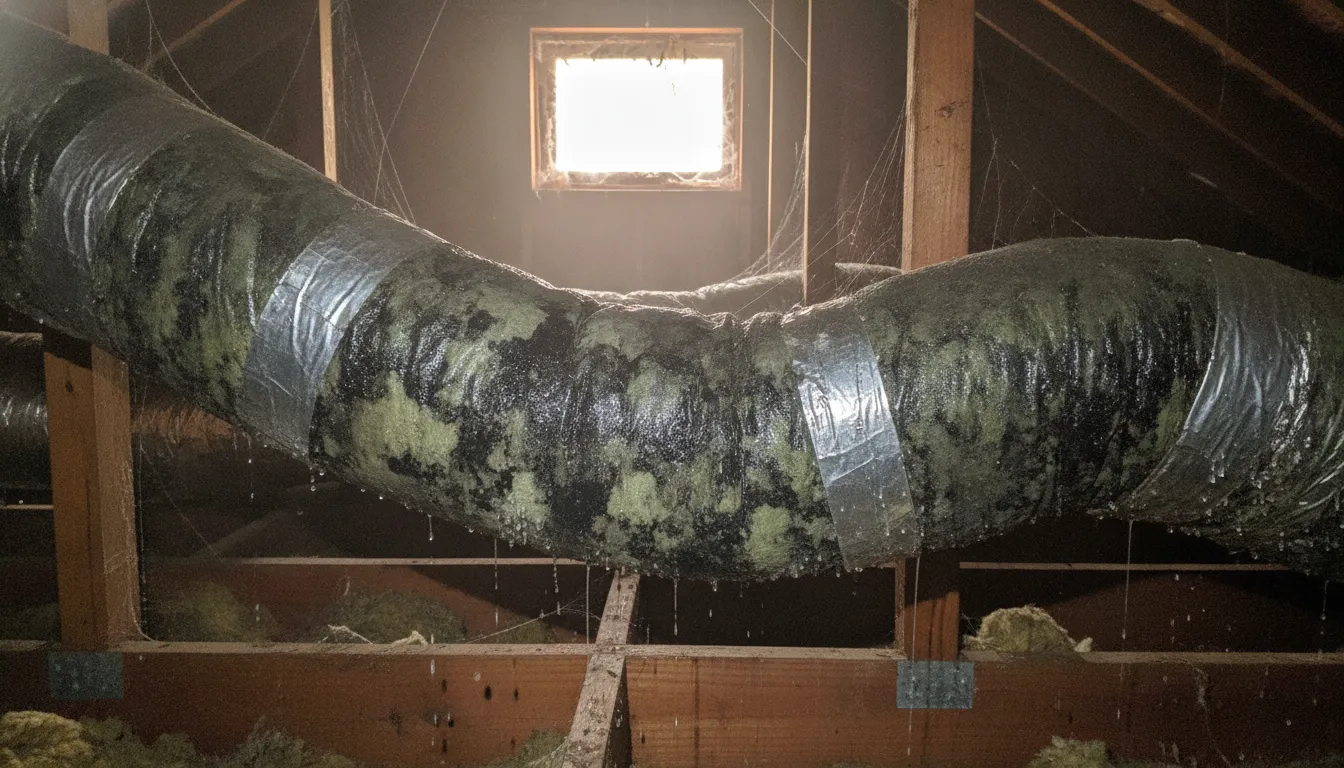
I changed my filter, but my house still smells musty. What should I do? If a fresh filter doesn't clear up a musty smell, it usually means the problem is deeper within your HVAC system. The odor could be coming from mold or mildew buildup on the AC's indoor coil or within your ductwork. This is a clear sign to call a professional. A technician can inspect your entire system and may recommend a service like duct sanitization to eliminate the source of the smell for good.