Why Your Air Conditioner Is Not Blowing Cold Air but Running: Reddit’s Top Troubleshooting Tips
When your AC runs without cooling, it’s not just an inconvenience; it’s a puzzle. The outdoor unit is making noise, the indoor fan is blowing, but the comfort you expect is completely missing. This exact scenario is a hot topic in online forums, with countless threads titled ‘air conditioner not blowing cold air but running reddit’ full of homeowners trying to play detective. The truth is, your AC system is a team of components, and when one part fails, the others might keep working, creating this confusing situation. Let’s break down what’s happening behind the scenes and explore the most likely reasons your home isn’t getting cool.
Key Takeaways
- Check the basics before you call: Many cooling issues come from simple oversights. Before scheduling a service, confirm your thermostat is set to "cool," change your air filter if it's dirty, and make sure your outdoor unit is clear of debris.
- Shut the system down if you see serious signs: Do not let a small problem become a major breakdown. If you notice ice buildup, hear loud grinding or banging noises, or smell something burning, turn your AC off at the thermostat and breaker immediately.
- Invest in professional care for long-term health: Some problems, like refrigerant leaks or electrical faults, are not DIY jobs. For complex repairs and to prevent future issues, rely on a certified technician and schedule an annual tune-up to keep your system running efficiently.
Why Is My AC Running But Not Blowing Cold Air?
It’s one of the most frustrating feelings, especially here in Florida: your AC is humming away, but the air coming out of the vents is lukewarm at best. You can hear the system working, yet your home keeps getting hotter. This usually means one part of the system has failed while the others keep running. Let's walk through the most common culprits, from simple fixes you can check yourself to more complex issues that need a professional eye.
A Dirty Air Filter
This is the number one cause, and thankfully, the easiest to fix. Your air filter’s job is to trap dust, pollen, and other debris. When it gets too clogged, it chokes the airflow to your system. Your AC unit has to work much harder to pull air through, which severely reduces its ability to cool your home. Think of it like trying to breathe through a thick blanket. If it’s been more than a month or two since you last checked, start here. A dirty filter can also lead to bigger problems, like a frozen coil.
Incorrect Thermostat Settings
It might sound too simple, but it happens all the time. Before you panic, double-check your thermostat. Someone in the house might have accidentally switched it from "cool" to "fan" mode, which only circulates air without cooling it. Make sure the system is set to "cool" and the target temperature is at least a few degrees lower than the current room temperature. If the thermostat screen is blank, it could be a sign of a power issue or dead batteries, which is another easy fix.
Frozen Coils
If you see ice forming on your AC unit's coils or refrigerant lines, you've found a clear symptom of a problem. This ice acts as an insulator, preventing the indoor coil from absorbing heat from your home's air. While it might seem like the AC is too cold, it’s actually a sign that something is wrong. The most common causes are restricted airflow from a dirty filter or a low refrigerant level. If you see ice, turn the AC off but leave the fan running to help it thaw, and then investigate the cause.
A Refrigerant Leak
Refrigerant is the lifeblood of your air conditioner; it’s the substance that absorbs heat from inside your home and releases it outside. Your AC has a sealed amount of refrigerant, so if the level is low, it means there’s a leak. Without enough refrigerant, your system can't cool effectively. This is not a DIY fix. Handling refrigerant requires a licensed technician, and simply refilling it without fixing the leak is a temporary and costly mistake. If you suspect a leak, it's time for a professional air conditioning repair.
A Dirty Outdoor Unit
Your AC system has two main parts: an indoor unit and an outdoor unit (the condenser). The outdoor unit’s job is to release all the heat it pulled from your house. But if it’s covered in dirt, leaves, or grass clippings, it can’t breathe. The fins on the unit get blocked, trapping heat and forcing your system to work inefficiently. You can gently rinse the unit with a garden hose (don't use a pressure washer!), but if the blockage is severe or the fins are bent, it's best to have it professionally cleaned.
A Clogged Drain Line
Your air conditioner removes a lot of humidity from the air, which collects as water and flows out through a condensate drain line. If this line gets clogged with algae or debris, the water backs up. Most modern AC units have a safety switch that will shut off the outdoor condenser to prevent water damage, but the indoor fan may keep running. This can cause the system to blow warm air and, in some cases, lead to the indoor unit icing up.
Electrical Problems
Your AC system has complex electrical components, like capacitors and contactors, that can wear out or fail. A common issue is a failed capacitor, which helps start the compressor and fans. You might hear a humming or buzzing sound from your outdoor unit, but the fan or compressor won't kick on. These are strong signs of an electrical failure. Dealing with high-voltage electrical components is dangerous, so this is a job that should always be left to a qualified technician.
Leaky Ductwork
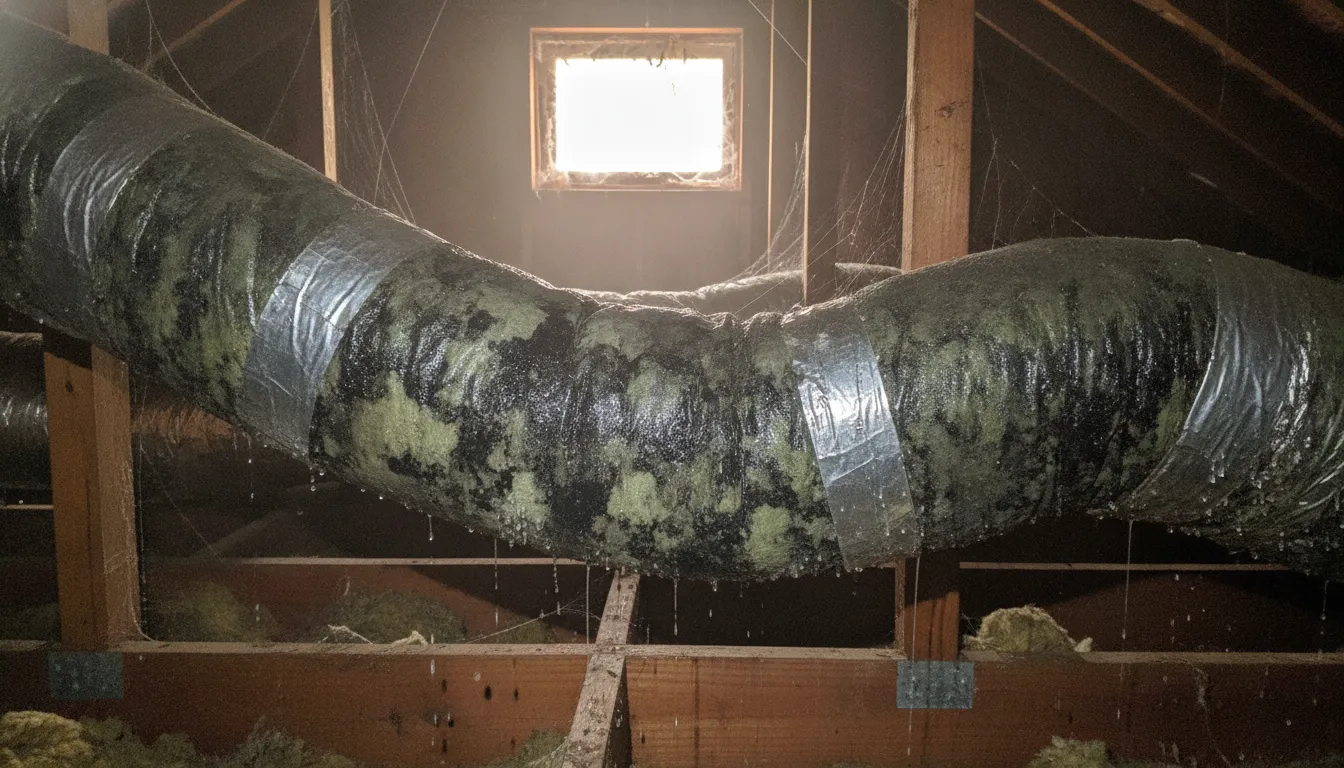
Sometimes the AC itself is working perfectly, but the cold air just isn't making it to you. Your ductwork runs through your attic, crawlspace, and walls, and over time, it can develop leaks, tears, or disconnections. When this happens, all that precious cold air spills into unconditioned spaces instead of your living room. You end up paying to cool your attic while your home stays warm. If your airflow feels weak or some rooms are much hotter than others, it’s worth having your ducts inspected.
Don't Fall for These Common AC Myths
When your AC isn't working right, it's easy to fall back on old advice you've heard over the years. But some of the most common "quick fixes" can actually make things worse, costing you money and putting extra strain on your system. Let's clear the air and bust a few of these popular myths so you can make smarter decisions for your home and your wallet.
Myth: "Crank the thermostat way down to cool off faster."
It’s a sweltering Florida afternoon, and you just walked in the door. Your first instinct might be to set the thermostat to a chilly 65 degrees, thinking it will act like a turbo button for your AC. I totally get the logic, but unfortunately, it doesn't work that way. Your air conditioner cools your home at a steady pace, no matter what temperature you set. Dropping it way down won't speed up the process; it just tells the unit to run longer until it hits that super-low target. This ends up wasting energy and putting unnecessary wear on your system without getting you cool any faster.
Myth: "Closing vents in unused rooms saves money."
This one seems like a no-brainer. Why cool a room you're not using? While it sounds logical, closing vents can actually backfire. Your HVAC system is designed as a balanced loop, pushing out and pulling in a specific volume of air. When you close vents, you disrupt that balance, creating pressure buildup in your ducts. This can lead to air leaks, reduce efficiency, and even strain your AC's blower motor. Instead of saving money, you might end up with higher energy bills and a need for ductwork repairs. It's better to keep all your vents open to maintain proper airflow throughout your home.
Myth: "If the unit is running, everything is working."
Hearing your outdoor unit hum to life can be reassuring, but the sound of it running doesn't always mean it's cooling effectively. An AC system can run for many reasons even when it's not producing cold air. For example, the fan might be working, but a refrigerant leak or a failing compressor could be preventing the cooling cycle from completing. Thinking everything is fine just because it's making noise can lead you to ignore a small problem until it becomes a major, expensive breakdown. If your AC is running but your home isn't getting cooler, it's a clear sign that something needs a closer look from a professional. An expert can diagnose the real issue and prevent further damage with a timely air conditioning repair.
Should You Turn Off Your AC If It's Not Cooling?
It’s a frustrating moment we all dread, especially here in Florida: your AC is humming along, but your house is getting warmer by the minute. Your first instinct might be to let it run, hoping it will magically sort itself out. But is that the right move? Sometimes, letting a malfunctioning air conditioner run can cause much more harm than good. It’s like continuing to drive your car when the check engine light is flashing; you might make the problem worse and turn a simple fix into a major repair.
The key is knowing how to spot the difference between a minor hiccup and a serious problem that needs immediate attention. Some symptoms are your AC’s way of screaming for help, while others are more like a quiet whisper. Understanding these signals can save you from a costly breakdown and keep your home safe. It also helps you give our technicians the best information when you call, so we can get right to the source of the problem. Let's walk through the signs that tell you when to shut your system down immediately and when it might be okay to leave it on for just a little while as you troubleshoot.
Red Flags: When to Shut It Down Immediately
Think of these as your AC's emergency signals. If you notice any of them, don't wait. Turn your system off at the thermostat and the circuit breaker to prevent further damage and keep your home safe.
- Ice buildup: Seeing ice on your refrigerant lines or coils means something is seriously wrong. Running the unit with ice can destroy the compressor, which is one of the most expensive parts to replace.
- Loud or unusual noises: Grinding, screeching, or banging sounds are cries for help. They usually point to a failing motor or loose parts that can cause a chain reaction of damage inside the unit.
- Burning smells: A burning odor is a major red flag for an electrical problem. It’s a fire hazard, so shut everything down right away. If you see or smell smoke, it's time to call for emergency air conditioning services.
- Water leaks: A large puddle of water around your indoor unit can signal a refrigerant leak or a severely blocked drain line, leading to water damage in your home.
When It's Okay to Let It Run
So, what if you don't see any of those scary red flags? If your AC is simply not cooling as well as it used to but is otherwise running quietly, you can leave it on while you perform a few quick checks, like making sure your thermostat is on the right setting. However, you shouldn't let it run like this for long. Continuing to operate a malfunctioning AC is like driving a car on a flat tire; you’re not getting anywhere, and you’re likely causing more damage while wasting a significant amount of electricity. If a simple fix doesn't solve the problem within a few minutes, your best bet is to turn the system off and schedule a professional air conditioning repair to get to the root of the issue.
Your DIY Troubleshooting Checklist
Before you pick up the phone to schedule a repair, let’s walk through a few simple checks you can do yourself. More often than not, an AC that’s running but not cooling is caused by a minor issue you can fix in minutes, no tools required. Working through this checklist can help you pinpoint the problem and potentially save you the time and cost of a service call. These steps are all safe for any homeowner to perform and address the most common culprits behind a misbehaving air conditioner.
Think of this as your first line of defense against the Florida heat. By taking a few moments to investigate, you empower yourself with knowledge about your system. And if you go through these steps and the air still isn’t cold, you’ll have valuable information to share with your technician when you call. If you find that your system needs a professional eye, our team is always ready to provide an honest diagnosis and expert air conditioning repair. Let’s get started.
Step 1: Check Your Thermostat
I know it sounds almost too simple, but you’d be surprised how often the thermostat is the source of the problem. A wrong setting or a dead battery can easily trick you into thinking your AC is broken. First, take a look at your thermostat and confirm it’s set to “Cool.” Sometimes it can get accidentally switched to “Heat” or “Fan.” Next, make sure the temperature is set at least five degrees below the current room temperature. Your AC won't kick on to cool if the set temperature is already met. If you have a digital thermostat, check if it needs new batteries. A low battery can cause all sorts of strange behavior, including preventing the cooling cycle from starting.
Step 2: Inspect the Air Filter
A clogged air filter is one of the most frequent reasons for an AC to stop blowing cold air. Think of it like trying to breathe with a hand over your mouth; if air can’t get through the filter, your system can’t cool your home effectively. This restricted airflow can cause the evaporator coils to get too cold and freeze over, completely blocking cool air. Slide your filter out and hold it up to a light. If you can’t see light through it, it’s time for a change. Swapping out your filter is a crucial part of routine air conditioning maintenance that prevents bigger, more expensive problems down the road.
Step 3: Clear Your Vents and Registers
Your AC can be working perfectly, but if the cold air can’t get into your rooms, you won’t feel it. Take a quick walk around your house and check that all the supply vents (the ones blowing air out) are open and not blocked by furniture, rugs, or curtains. You should also check your return vents (the larger ones that pull air in) to ensure they are clear of obstructions. It’s a common misconception that closing vents in unused rooms saves energy. In reality, it can create pressure imbalances in your ductwork, straining your system and reducing its efficiency. Proper airflow is key to whole-home comfort.
Step 4: Examine the Outdoor Unit
Your air conditioning system has two main parts: an indoor unit and an outdoor unit. The outdoor unit, called the condenser, is responsible for releasing the heat pulled from your home. To do this, it needs plenty of room to breathe. Head outside and inspect your condenser. Is it surrounded by overgrown bushes, tall grass, or fallen leaves? Debris can clog the fins and trap heat, preventing your system from cooling properly. Clear away any plants or objects within a two-foot radius of the unit. You can also gently rinse the exterior fins with a garden hose (never a pressure washer) to wash away dirt and grime.
Step 5: Look for Ice Buildup
Ice on your air conditioner is a definite red flag that something is wrong. You might see it on the refrigerant lines connected to your outdoor unit or on the coils of your indoor unit. Ice is usually a symptom of an underlying problem, most commonly restricted airflow from a dirty filter or a refrigerant leak. If you see ice, turn your AC system off completely but leave the fan running to help the ice melt faster. Once it’s fully thawed, you can try turning it back on. If the ice returns, it’s a sign you need professional help. A recurring ice problem can cause serious damage and requires prompt attention from an emergency air conditioning service.
Step 6: Check the Condensate Drain Line
In a humid climate like ours in Florida, your AC works hard to pull moisture out of the air. This water, or condensate, is funneled outside through a PVC pipe called the condensate drain line. Over time, this line can become clogged with algae, dirt, and sludge. When a clog happens, water backs up, and a safety float switch may shut down your AC to prevent water damage. You can usually find the drain line near your indoor unit. Check the end of the pipe outside your home to see if water is dripping out. If it’s not, and your system has been running, you may have a clog that needs to be cleared.
Step 7: Reset the Circuit Breaker
Finally, a simple electrical issue could be the culprit. A brief power surge may have tripped the circuit breaker connected to your air conditioner. Head to your home’s electrical panel and look for the breakers labeled for your AC or air handler. A tripped breaker will be shifted to the "Off" position or stuck in the middle. If you find one, you can try flipping it firmly to the "Off" position and then back to "On." However, if the breaker trips again right away, do not reset it again. This indicates a more serious electrical problem that needs a professional diagnosis, so it's time to contact us for safe and reliable service.
What Happens If You Ignore It?
We’ve all been there. The air coming from your vents isn't cold, but the system is still running. It’s tempting to cross your fingers, hope it’s a temporary glitch, and just let it run. Unfortunately, this is one of those times when ignoring the problem will only make things worse. Continuing to run an AC that isn't cooling properly is like driving your car with the check engine light flashing; you might get a little further down the road, but you’re risking a much bigger, more expensive problem.
Letting a faulty AC run can cause a domino effect of issues. What starts as a minor inconvenience can quickly escalate into a major headache for both your home and your wallet. From shockingly high energy bills to a complete system meltdown, the consequences of inaction are significant. Let's walk through exactly what’s at stake when you let a struggling air conditioner keep running.
Skyrocketing Energy Bills
When your AC runs but doesn't cool, it's working overtime without doing its job. Every minute it operates, it’s pulling electricity, but none of that energy is translating into a comfortable home. This inefficiency means you're essentially paying for nothing, and you'll see the evidence on your next utility bill. A struggling system has to run longer and harder to even attempt to reach the temperature on your thermostat, causing a dramatic spike in energy consumption. Turning it off until you can get an air conditioning repair is the smartest move for your budget.
Increased Wear and Tear
Beyond the wasted energy, forcing your AC to run while it's malfunctioning puts immense strain on its components. Parts like the compressor, fan motors, and capacitors are working under stressful conditions they weren't designed for. This continuous strain accelerates wear and tear, drastically shortening the lifespan of your unit. A simple issue that might have been an easy fix, like cleaning a coil, can quickly cause a critical component to fail. This turns a small problem into a much more complex and costly repair, or even a premature replacement.
Poor Air Quality and Mold Growth
One of an air conditioner's most important jobs, especially here in Florida, is to remove humidity from the air. When your system isn't cooling correctly, it also fails at dehumidifying. This leaves your home feeling sticky, damp, and uncomfortable. More importantly, that excess moisture creates the perfect breeding ground for mold and mildew inside your ductwork and your home. This can seriously compromise your home's indoor air quality, triggering allergies and other respiratory issues for your family.
A Total System Breakdown
Ignoring the warning signs is the fastest way to experience a complete system failure. Many common AC problems, like a refrigerant leak or a frozen coil, are manageable if addressed quickly. But when you let them persist, they cause a chain reaction that can lead to catastrophic damage, like a seized compressor. At that point, you're no longer looking at a simple repair. You're facing a total system breakdown that often requires a full air conditioning installation and replacement, which is a far greater expense and inconvenience, especially during a Florida heatwave.
When to Call a Professional
While it’s great to be able to handle minor AC issues yourself, some problems are too complex or dangerous for a DIY fix. Trying to tackle a major repair without the right tools and training can lead to more damage, costly mistakes, or even personal injury. Knowing when to step back and call for help is key to protecting your investment and getting your home cool again, fast. If your troubleshooting hasn't solved the problem, or if you encounter any of the signs below, it’s time to schedule a professional air conditioning repair. Our licensed technicians have the expertise to diagnose the issue accurately and fix it safely, giving you peace of mind.
You Suspect a Refrigerant Leak
If your AC is blowing warm air, you might be low on refrigerant. However, an AC system is a closed loop, so low refrigerant almost always means you have a leak. Simply adding more isn't a fix; it’s like putting air in a tire with a hole in it. A refrigerant leak reduces your system's efficiency and can cause serious damage to the compressor, one of the most expensive parts of your unit. Handling refrigerant also requires special certification. A professional needs to find the source of the leak, repair it, and then recharge the system to the correct level.
The Ice Keeps Coming Back
Finding a layer of ice on your evaporator coils is a clear sign something is wrong. While you can thaw it out, you need to address the root cause. If the ice returns after you’ve cleaned the filter and checked for blockages, it’s time to call a technician. Persistent icing often points to a more serious issue, like a refrigerant leak or a problem with airflow that you can’t fix on your own. Ignoring recurring ice can strain your compressor and eventually lead to a total system failure, so it’s best to get it checked out sooner rather than later.
You Hear Strange Noises or Smell Burning
Your air conditioner should operate with a gentle hum. If you suddenly hear grinding, squealing, clanking, or banging, turn the unit off immediately. These sounds often indicate a problem with the motor, a loose part, or a failing compressor. Even more alarming are signs of an electrical issue. If you smell something burning or see smoke or sparks coming from your unit, shut it down at the circuit breaker. These are serious hazards that require immediate attention from our emergency air conditioning services. Don’t risk a fire; call a professional right away.
It Might Be Time for a Replacement
Sometimes, an AC unit that isn't cooling properly is telling you it’s reached the end of its life. If your system is over 10 years old, needs frequent repairs, and your energy bills keep climbing, it may be more cost-effective to replace it. Constant breakdowns are not only frustrating but can also add up. As a general rule, if a repair costs 50% or more of what a new unit would, it’s time to consider an upgrade. A modern, energy-efficient system can provide more reliable cooling and lower your monthly bills. We can help you explore your options for a new air conditioning installation and even offer financing to make the investment more manageable.
Prevent Future Problems with Regular Maintenance
An ounce of prevention is worth a pound of cure, especially when it comes to your air conditioner in the Florida heat. Instead of waiting for a problem to pop up (usually on the hottest day of the year), you can take a few simple, proactive steps. Regular maintenance is the single best way to keep your AC running efficiently, extend its lifespan, and save yourself from the stress and expense of an unexpected breakdown. Think of it as a little bit of care that goes a long way in ensuring your home stays cool and comfortable.
Change Your Filter Routinely
This is the easiest and one of the most important things you can do for your AC system. A dirty, clogged air filter is like forcing your system to breathe through a straw. It restricts airflow, making your AC work much harder to cool your home. This extra strain not only drives up your energy bills but can also lead to overheating and serious damage. Check your filter every month and plan to change it every 1 to 3 months, depending on your home’s needs (like if you have pets or allergies). It’s a five-minute task that can prevent a major headache.
Keep Your Outdoor Unit Clear
Your outdoor AC unit, the condenser, needs space to work properly. Its job is to release the heat pulled from inside your home, and it can’t do that if it’s covered in debris. Take a walk outside and make sure there are at least two feet of clear space around the unit. Trim back any encroaching bushes, pull weeds, and clear away fallen leaves, grass clippings, and dirt. You can even gently rinse the exterior fins with a garden hose to wash away grime. This simple cleanup helps maintain proper airflow and allows your system to cool efficiently. If you've cleaned it and still have issues, it might be time for a professional air conditioning repair.
Schedule an Annual Professional Tune-Up
While changing filters and clearing debris are great DIY steps, they can’t replace a professional check-up. An annual tune-up is essential for catching small issues before they become big, expensive disasters. During a maintenance visit, a trained technician does a lot more than a quick cleaning. They’ll inspect electrical components, check refrigerant levels, clean the inner coils, and test the whole system to ensure it’s running safely and at peak performance. Scheduling regular air conditioning maintenance is an investment in your system’s health and your own peace of mind, ensuring you can rely on it all year long.
Related Articles
- 5 Signs Your AC Needs Repair
- AC Repair Services
- Comprehensive AC Services
- HVAC Tips & Insights Blog - Expert Advice from 5 Star Air
- HVAC Services in Southwest Florida - AC Repair, Installation & Maintenance
Frequently Asked Questions
My AC has ice on it. What's the first thing I should do? Seeing ice on your air conditioner can be alarming, but the first step is simple. You need to turn the system’s cooling function off at the thermostat immediately, but leave the fan set to “On.” This allows the fan to circulate air over the frozen coils and helps the ice melt much faster. Running the AC while it's frozen can cause severe damage to the compressor. Once the ice is gone, you can check for the most common cause, a dirty air filter. If the ice comes back, it’s a sign of a deeper issue like a refrigerant leak, and it's time to call for professional help.
Is it safe to just reset the circuit breaker if it trips? If you find that the breaker for your AC has tripped, you can try resetting it once. Flip the switch firmly to the “Off” position before flipping it back to “On.” Sometimes a random power surge can cause a one-time trip. However, if the breaker trips again right away or continues to trip periodically, do not keep resetting it. This is a clear signal that there is an underlying electrical problem in your system, which can be a serious fire hazard. At that point, you should leave the breaker off and call a qualified technician to safely diagnose and fix the issue.
How can I tell if the problem is my AC unit or my ductwork? This is a great question. You can get some clues by observing how your system is behaving. If you notice that some rooms are much warmer than others or that the airflow coming from your vents feels very weak, the issue might be with your ducts. Leaks or blockages in the ductwork can prevent cold air from ever reaching your living spaces. On the other hand, if the airflow feels normal but the air is warm, or if you hear strange noises or see ice on the unit itself, the problem is more likely within the AC unit.
Why can't I just top off the refrigerant myself? Your AC’s refrigerant operates in a closed, sealed system, much like the brake fluid in your car. It shouldn't run low unless there is a leak. Simply adding more refrigerant without fixing the leak is only a temporary fix that wastes money and harms the environment. More importantly, handling refrigerant requires a special license and tools to be done safely and correctly. A professional technician will not only find and repair the source of the leak but will also ensure the system is charged to the precise level specified by the manufacturer for it to work efficiently.
Besides changing the filter, what's the most important maintenance I can do myself? Keeping your outdoor unit clear is one of the most effective things you can do. Your outdoor condenser’s job is to release all the heat it has pulled from your home, and it needs good airflow to do that. Take a few minutes every month or so to trim back any bushes, weeds, or grass that are growing too close. You should also clear away any leaves, dirt, or other debris that has collected on or around the unit. This simple habit helps your system breathe easier, run more efficiently, and avoid unnecessary strain.