Why Is My AC Running But Not Lowering Temperature?

That constant hum of your AC running without any cooling relief isn't just frustrating; it's expensive. Every minute your air conditioner is running but not lowering the temperature, it's wasting electricity and driving up your utility bill without providing any comfort. This inefficiency is a clear sign that something is wrong with your system. It could be a simple clogged filter that’s forcing the unit to work overtime, or it could be a more serious issue like a refrigerant leak that’s making your system run endlessly. Let's walk through the potential causes so you can stop wasting money and get your AC back to operating efficiently.
Key Takeaways
- Troubleshoot the Basics Yourself: Before calling for service, check for simple fixes. A dirty air filter, incorrect thermostat settings, or a blocked outdoor unit are common culprits you can often resolve on your own in minutes.
- Recognize Red Flags for a Pro: Some problems are not DIY projects. Symptoms like hissing sounds, strange noises, burning smells, or a frequently tripping breaker indicate it's time to call a certified technician for a safe and accurate diagnosis.
- Prioritize Preventative Maintenance: The best way to avoid future problems is through regular care. Scheduling an annual professional tune-up and changing your air filter every 1 to 2 months helps your system run efficiently and extends its lifespan.
Why Is My AC Running But Not Cooling?
There’s nothing more frustrating than hearing your air conditioner running, yet feeling the temperature inside your home continue to climb. If your AC is on but the air coming out isn’t cold, you’re not just imagining it. This is a common issue, especially here in Florida where our systems work overtime. The good news is that the cause is often one of a few usual suspects. Your AC is a complex system, but the problem usually boils down to one of four main areas: restricted airflow, low refrigerant, a thermostat issue, or an electrical problem.
Before you panic, let's walk through what might be happening. Some of these issues are simple fixes you can check yourself in just a few minutes. Others, however, require the trained eye and steady hand of a professional. Understanding the potential causes can help you identify what’s wrong and figure out your next steps. If you find the problem is more than a simple fix, our team is always ready to help with expert air conditioning repair. Let's get to the bottom of why your AC isn't pulling its weight.
Check for Restricted Airflow
Think of your AC system like your own body’s respiratory system; it needs to breathe freely to work properly. When airflow is blocked, your air conditioner can’t effectively pull in warm air or push out cool air. The most common culprit is a dirty air filter. A clogged filter forces the system to work much harder for poor results, leading to uneven cooling and higher energy bills. Another cause could be blocked vents. Take a quick look around your home to make sure furniture, rugs, or curtains aren't covering any of your air vents. A simple adjustment could make a world of difference for your system's performance and your home's comfort.
Identify Refrigerant Problems
Refrigerant is the magic ingredient in your AC, a special fluid that absorbs heat from inside your home and releases it outside. If your system is low on refrigerant, it simply can’t cool your air. It's important to know that refrigerant runs in a closed loop, so being "low" almost always means you have a leak somewhere. You might notice your AC running for long stretches without lowering the temperature, or you may even see ice forming on the coils. Finding and fixing a leak is not a DIY job; it requires a licensed technician to handle the refrigerant safely and get your system recharged.
Look for Thermostat Issues
Sometimes the problem isn't with your AC unit at all, but with the small device that controls it. Before you assume the worst, take a moment to check your thermostat. It’s surprisingly easy to accidentally switch the setting to "Fan Only," which will circulate air but won't engage the cooling components. Make sure your thermostat is set to "Cool" and the fan is on "Auto." The location of your thermostat can also cause issues. If it’s in direct sunlight or near a heat-producing appliance, it might get a false reading and think the room is warmer than it is, causing the AC to run incorrectly.
Rule Out Electrical Failures
Electrical issues can also stop your AC from cooling properly, even if it sounds like it's running. A simple first step is to check your home's circuit breaker. A tripped breaker can cut power to the outdoor condenser unit while leaving the indoor fan running. If you reset the breaker and it immediately trips again, that’s a clear sign of a deeper problem. Faulty wiring or a failing capacitor can also prevent the system from functioning as it should. For your safety, most electrical problems are best left to a professional. If you suspect an electrical issue, it's wise to call for emergency air conditioning services to have it looked at right away.
6 Common Reasons Your AC Isn't Cooling
That moment when you realize your AC is running but your home is still hot is a special kind of Florida frustration. You can hear the unit humming away, but the air coming out of the vents is lukewarm at best. Before you panic, know that this is a common issue with several potential causes. Some are simple fixes you can handle yourself, while others need a professional touch. Let's walk through the six most common culprits so you can figure out what's going on with your system and get back to feeling cool and comfortable.
1. Dirty Air Filter
This is the number one suspect, and for good reason. Your AC’s air filter is designed to trap dust, pollen, and other particles, but it can get clogged over time. When that happens, it severely restricts airflow. Your system is forced to work much harder to pull air through, but it can’t move enough of it to cool your home effectively. Think of it like trying to breathe through a stuffy nose. The good news is that this is an easy fix. Check your air filter, and if it looks dirty, replace it. Making this a part of your regular air conditioning maintenance routine will prevent a lot of headaches.
2. Low Refrigerant
Refrigerant is the lifeblood of your air conditioner; it’s the substance that actually absorbs heat from your home’s air. If your system is low on refrigerant, it’s almost always because there’s a leak somewhere in the lines. Without the right amount of refrigerant, your AC simply can’t do its job. You might notice weak cooling or even hear a hissing sound near the unit. Topping off refrigerant isn't the solution, as the new refrigerant will just leak out again. This is a job for the pros. A technician needs to perform an air conditioning repair to find and fix the leak before recharging the system to the correct level.
3. Blocked Outdoor Unit
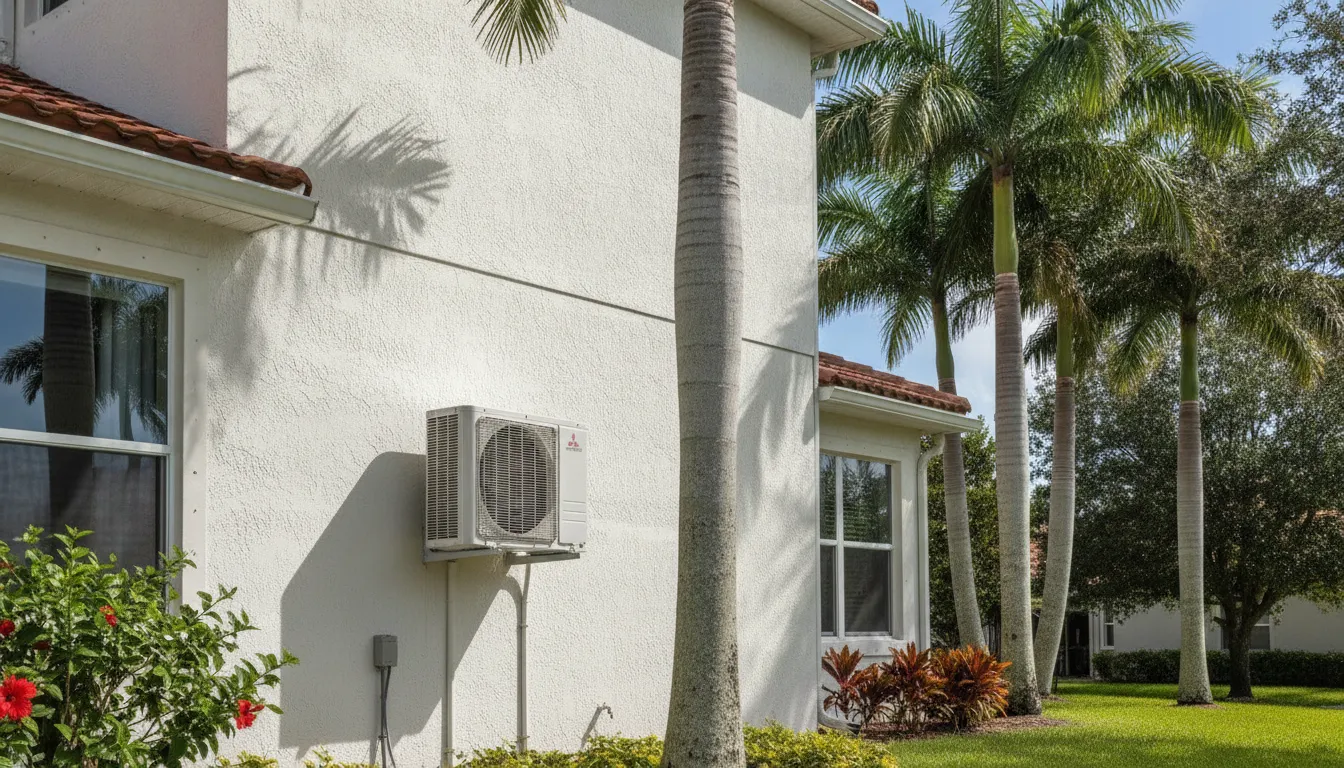
Your AC system has two main parts: an indoor unit and an outdoor unit (the condenser). The outdoor unit's job is to release the heat it has collected from inside your home. To do this, it needs plenty of space for air to circulate. If the unit is blocked by overgrown landscaping, leaves, dirt, or other debris, it can't get rid of the heat effectively. The system can overheat and may even shut down to protect itself. Take a walk outside and check on your condenser. Gently clear away any obstructions, making sure there are at least two feet of clearance all the way around the unit for proper airflow.
4. Dirty Evaporator Coils
Just as your outdoor unit has coils to release heat, your indoor unit has evaporator coils to absorb it. As warm air from your home blows over these coils, the refrigerant inside absorbs the heat. But over time, these coils can get caked with dust and grime, especially if you haven't been diligent about changing your air filter. This layer of dirt acts as an insulator, preventing the coils from absorbing heat from the air. Cleaning evaporator coils is a delicate process, so it’s best to have it handled during a professional air conditioning maintenance visit to avoid damaging the fragile fins.
5. Iced-Over Coils
Seeing ice on your air conditioner might seem counterintuitive, but it’s a clear sign of a problem. Ice can form on the evaporator coils for a couple of reasons, most commonly poor airflow (from a dirty filter) or low refrigerant. The ice itself creates a blockage, preventing air from passing over the coils to be cooled. If you suspect this is the issue, turn off your AC and let the unit thaw completely. You can switch the fan to "on" to help circulate air and speed up the process. Once it's thawed, try putting in a clean filter. If the ice returns, it's likely a refrigerant issue that needs a professional diagnosis.
6. Wrong-Sized AC Unit
Bigger isn't always better, especially when it comes to air conditioners. An AC unit that is too large for your home will cool the space very quickly. While that sounds great, it causes the system to shut off before it has had a chance to run long enough to remove humidity from the air. This leaves you with a home that feels cool but also damp and sticky. This process of turning on and off too frequently is called short cycling. If your home always feels clammy even when the AC is running, you may need a professional evaluation for a new air conditioning installation and replacement to ensure you have the right-sized unit for your space.
The Problem with a Dirty Air Filter
It might seem like a small, flimsy piece of cardboard and mesh, but your AC’s air filter has a huge job. When it gets clogged with dust, pet dander, and other airborne particles, it can cause a surprising number of problems. A dirty filter is often the main culprit when your AC seems to be running nonstop without actually cooling your home. Ignoring this simple component can lead to poor performance, higher costs, and even serious damage to your HVAC system. Let's look at exactly what happens when that filter gets too dirty.
It Restricts Airflow and Cooling Power
Think of a dirty air filter as a roadblock for the air your AC is trying to cool. Its job is to trap particles, but when it’s completely full, it also traps the air. A clogged filter restricts airflow, forcing your system to work much harder just to pull air through. This means less cool air is actually making it into your rooms. You might notice that some rooms are warmer than others or that it takes forever to reach the temperature you set on the thermostat. If your system is struggling to breathe, it simply can't do its job effectively, leaving you feeling warm and frustrated. This is a common reason people call for air conditioning repair, but it's one you can often prevent yourself.
It Increases Your Energy Bills
When your AC has to fight against a dirty filter, it runs longer and uses more power to try and compensate for the lack of airflow. This inefficiency directly translates to your monthly utility costs. When your AC runs longer, cools unevenly, and uses more energy, it results in higher energy bills. It’s a frustrating cycle: you’re paying more for electricity, but your home isn’t any more comfortable. Keeping up with simple tasks like changing your filter is a key part of routine air conditioning maintenance that saves you real money. A clean filter allows your system to operate smoothly and efficiently, keeping your home cool without draining your wallet.
It Causes Unnecessary Strain on Your System
The extra effort your AC unit puts in to overcome a clogged filter doesn't just impact your energy bill; it causes significant wear and tear on the system itself. This added strain can overheat the motor and other critical components, leading to more frequent breakdowns and a shorter lifespan for your entire unit. What starts as a simple, inexpensive filter replacement can snowball into a costly repair or even a premature need for a full air conditioning installation. Protecting your investment means taking care of the small things, and a clean air filter is one of the easiest ways to prevent unnecessary stress on your HVAC system and keep it running reliably for years.
All About AC Refrigerant
If your air filter is clean and your outdoor unit is clear, the next likely culprit for a non-cooling AC is a refrigerant issue. Refrigerant is the lifeblood of your air conditioner, and while problems with it are common, they aren’t something you can fix on your own. Let’s walk through what refrigerant does, how to tell if you have a leak, and why this is a job for the pros.
How Refrigerant Cools Your Home
Think of refrigerant as a special fluid that acts like a sponge for heat. It circulates through the coils in your AC system, absorbing heat from inside your home and carrying it outside. As it moves, it changes from a low-pressure gas to a high-pressure liquid and back again. This continuous cycle is what actually lowers the temperature in your house. Your AC unit is designed as a closed system, which means the refrigerant should never run low or need to be "topped off." If the level is low, it’s a sure sign that there’s a leak somewhere in the system.
Signs You Might Have a Leak
A refrigerant leak will prevent your AC from cooling your home effectively. One of the most obvious signs is that your system is running constantly but the air coming from your vents isn't cold. You might also notice ice forming on the copper refrigerant lines or the evaporator coil inside. That’s because low refrigerant levels cause the coil's temperature to drop below freezing. Other clues include a hissing or bubbling sound near your AC unit or an unexpected spike in your electricity bills as your system works harder to compensate. If you notice any of these signs, it’s time to schedule a professional air conditioning repair.
Why Refrigerant Issues Require a Pro
Handling refrigerant is a job that absolutely requires a trained and certified technician. It’s a hazardous substance that can be harmful to you and the environment if handled improperly. Our technicians have the specialized tools to accurately locate the source of a leak, repair it, and safely recharge the system to the manufacturer’s exact specifications. In some cases, especially with older units that use outdated refrigerant, a simple repair might not be the most cost-effective solution. A serious leak could mean it’s time to consider an AC replacement. A professional can give you an honest assessment and help you decide on the best path forward.
Quick Fixes to Try Before You Call
When your AC is running but your home is still hot, it’s incredibly frustrating. That sticky, humid feeling starts to creep in, and all you can think about is getting some relief. Here in Florida, a working air conditioner isn't a luxury; it's a necessity. Before you start worrying about a major breakdown and an expensive repair bill, take a deep breath. There are several simple things you can check on your own that might solve the problem right away. These quick troubleshooting steps are easy for any homeowner to perform and don't require any special tools. In many cases, one of these fixes is all it takes to get your cool air flowing again. And even if they don't solve the issue completely, going through this checklist helps you gather valuable information. That way, if you do need to call for professional help, you can tell the technician exactly what you've already tried, which helps them diagnose the problem faster. Let's walk through a few things to check before you make the call.
Check Your Thermostat Settings
It might sound a little too obvious, but you’d be surprised how often the thermostat is the culprit. Before you do anything else, take a close look at its settings. Make sure it’s set to “cool” and that the target temperature is at least a few degrees lower than the current room temperature. Sometimes a family member changes it, or it gets bumped accidentally during cleaning. A simple digital display can also be misread. A quick adjustment here is the easiest fix of all, so it’s always worth checking first before you move on to more complex possibilities.
Replace the Air Filter
A dirty air filter is one of the most common reasons an AC system struggles to cool. When the filter gets clogged with dust, pet hair, and other debris, it severely restricts airflow. Your system is then forced to work much harder to pull air through, but it can’t cool your home effectively. If you haven’t checked it in a while, slide it out and take a look. If it’s visibly dirty or gray, swapping it for a new one might be all you need to do. This is a crucial part of regular air conditioning maintenance that not only improves cooling but also protects your system from strain.
Clear the Outdoor Condenser Unit
Your AC system has an important job to do outside: releasing all the heat it has removed from your home. The outdoor condenser unit can’t do this if it’s smothered by leaves, grass clippings, or overgrown shrubs. For your safety, turn off the power to the unit at your circuit breaker first. Then, gently clear away any debris from the sides of the unit. A good rule of thumb is to maintain at least two feet of clear space all the way around it to ensure it can breathe and release heat properly.
Make Sure Vents Are Open and Unblocked
Even if your AC is producing plenty of cold air, it won’t do you any good if it can’t get into your rooms. Take a quick walk through your house and do a visual check of all the air vents, both on the floor and ceiling. Make sure the levers are in the open position and that nothing is blocking them. It’s surprisingly easy for a piece of furniture, a rug, a laundry basket, or even a pet bed to accidentally cover a vent and disrupt the airflow to an entire room or section of your home.
Check the Circuit Breaker
If your system won’t turn on at all or if the outdoor unit is completely silent, a tripped breaker could be to blame. Find your home’s main electrical panel and look for the breaker labeled for your AC or air handler. If the switch is in the middle or “off” position, flip it completely off and then back on again. If the breaker trips again right away, do not keep resetting it. This indicates a more serious electrical problem that requires professional air conditioning repair to diagnose safely.
Look for Ice on the Coils
Ice forming on your indoor unit’s evaporator coils is a clear sign that something is wrong. This is usually caused by poor airflow (like from that dirty filter we talked about) or a potential refrigerant leak. If you see ice, turn your thermostat to “off” but leave the fan set to “on.” This will allow air to circulate over the coils and help them thaw out. While this may restore airflow temporarily, the ice will just come back if the underlying problem isn’t fixed. It’s a symptom that definitely warrants a call to a professional.
Signs It's Time to Call an AC Technician
While some AC troubles have simple DIY solutions, other issues are clear signs that you need a professional. Think of these symptoms as your air conditioner’s way of asking for help. Ignoring them can often lead to more significant damage and costly repairs down the road. If you notice any of the following red flags, it’s best to put down the tools and pick up the phone to call a trusted technician.
You Suspect a Refrigerant Leak
If your AC is running but the air coming out of the vents feels lukewarm, you might have a refrigerant leak. Refrigerant is the substance that absorbs heat from your home, and without enough of it, your system simply can’t cool effectively. You might also notice ice forming on the copper lines of your outdoor unit. While it might be tempting to look for a quick fix, handling refrigerant requires special certification and tools. A professional needs to locate and repair the leak before recharging the system to the correct level. Attempting to fix a refrigerant problem yourself can be dangerous and may cause more harm to your AC unit.
The System Makes Loud or Unusual Noises
Your air conditioner should operate with a consistent, low hum. If you start hearing loud or strange sounds like banging, clanking, squealing, or grinding, don't ignore them. These noises are often symptoms of a mechanical problem. A banging sound could mean a loose part, like a connecting rod or piston pin, while squealing often points to issues with the belt or motor bearings. Grinding noises can indicate a serious problem with the compressor. Turning up the TV to drown out the sound isn't a solution; it’s best to turn the system off and call for a professional inspection to prevent a complete breakdown.
You Smell Burning or Musty Odors
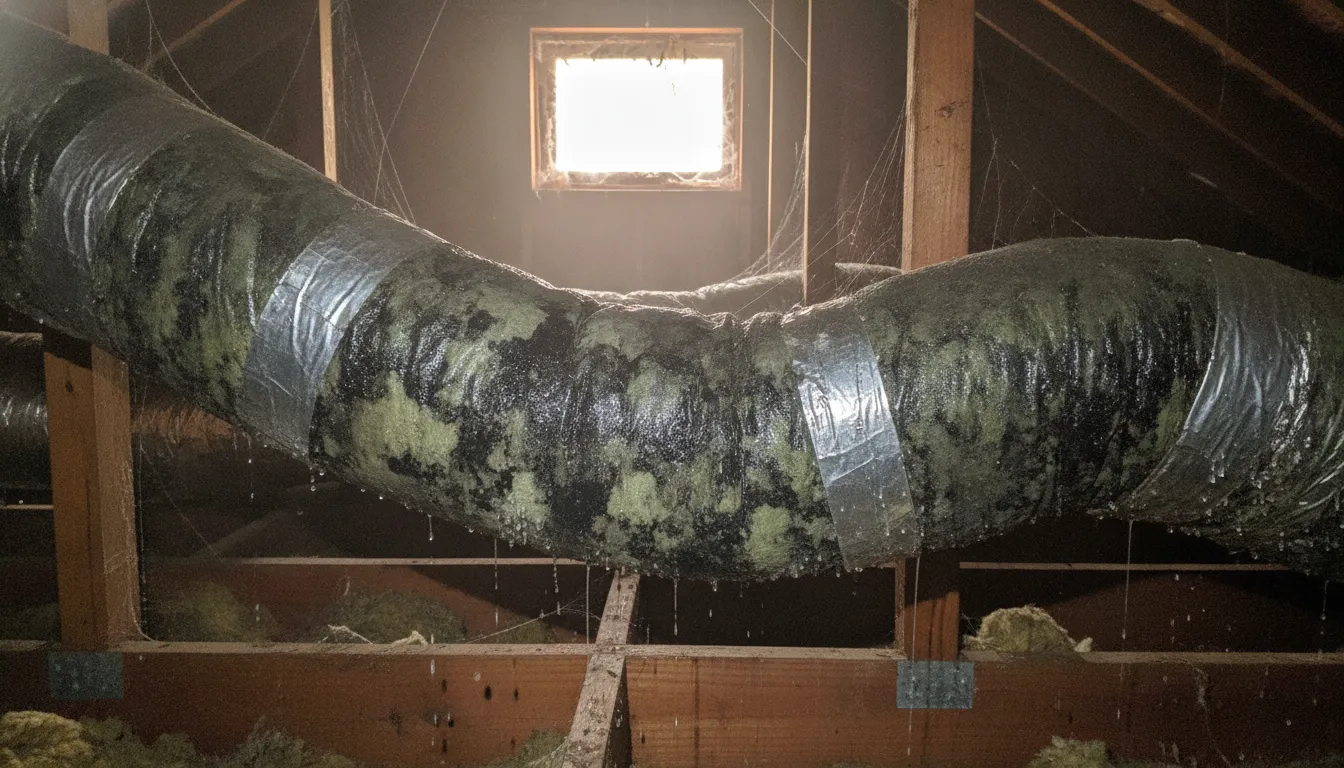
Unpleasant smells coming from your vents are a major warning sign. A burning odor is especially serious, as it could indicate an electrical failure, a short in the wiring, or an overheating motor, all of which are significant fire hazards. If you smell something burning, turn off your AC at the breaker and call for help immediately. A musty or moldy smell suggests that moisture has allowed mold or mildew to grow inside your unit or ductwork. This not only affects your system's performance but also harms your home's indoor air quality, so it’s important to have it addressed right away.
Your AC Runs Constantly or Cycles Improperly
A properly functioning air conditioner runs in cycles, turning on to cool your home to the desired temperature and then shutting off. If you notice your unit is running constantly without ever reaching the thermostat setting, there’s a problem. This could be caused by low refrigerant, a dirty evaporator coil, or an improperly sized unit. On the other hand, if your system turns on and off every few minutes, a behavior known as short cycling, it puts excessive wear and tear on the components. Both issues drive up your energy bills and signal that it's time for a professional diagnosis.
The Circuit Breaker Keeps Tripping
The circuit breaker is a safety feature designed to protect your home from electrical overloads. If your AC unit repeatedly trips the breaker, it’s a sign that the system is drawing too much power. This could be due to a simple issue like a severely clogged air filter that’s forcing the system to work too hard. However, it can also point to a more serious electrical problem, such as a failing compressor, a damaged capacitor, or a short in the wiring. Instead of repeatedly resetting the breaker, you should call for emergency air conditioning services to safely identify and fix the underlying electrical fault.
How to Prevent Future Cooling Problems
An ounce of prevention is worth a pound of cure, especially when your AC is the only thing standing between you and the Florida heat. Instead of waiting for a problem to pop up on the hottest day of the year, you can take a few proactive steps to keep your system running smoothly. These simple habits will not only help you avoid unexpected breakdowns but also improve your AC’s efficiency and extend its lifespan. Here’s how you can prevent future cooling issues and keep your home comfortable all year long.
Schedule Regular Professional Maintenance
Think of professional maintenance as a yearly check-up for your air conditioner. It’s the single most effective way to ensure your system operates efficiently and reliably. During a tune-up, a technician can catch small issues, like worn parts or minor electrical faults, before they turn into major, expensive repairs. They’ll clean critical components, check refrigerant levels, and make sure everything is working as it should. Scheduling routine air conditioning maintenance is an investment in your comfort and peace of mind, helping you avoid the stress of a system failure when you need it most. It keeps your AC in top shape, ready to handle the long cooling season.
Change Air Filters on a Consistent Schedule
This is one of the easiest and most important tasks you can do for your AC. A dirty air filter is like trying to breathe through a clogged straw; it forces your system to work much harder to pull in air. This restriction reduces cooling power and drives up your energy bills. For best results, check your filter every month and plan to replace it every 1 to 2 months, especially during periods of heavy use. A clean filter not only helps your AC cool more effectively but also improves your home’s indoor air quality by trapping dust, pollen, and other particles. It’s a small step that makes a huge difference.
Keep the Outdoor Unit Clear of Debris
Your outdoor AC unit, the condenser, has an important job: it releases the heat collected from inside your home. To do this effectively, it needs plenty of room to breathe. Take a walk outside and check on your unit periodically. Make sure there’s at least two feet of clear space around it on all sides. Trim back any encroaching shrubs, grass, or vines. After a storm, clear away fallen leaves, palm fronds, and other debris that can block airflow. A blocked condenser can’t get rid of heat properly, which forces your system to run longer and less efficiently, ultimately leading to cooling problems.
Seal Air Leaks Around Your Home
Your AC can be working perfectly, but if cool air is escaping, your home will never feel comfortable. Hot, humid Florida air can seep in through gaps around windows, doors, and attic spaces, forcing your air conditioner to work overtime. Take some time to inspect your home for obvious air leaks and seal them with caulk or weatherstripping. You should also consider your ductwork. Leaky ducts can lose a significant amount of cooled air before it ever reaches your rooms. If you have rooms that are hard to cool or notice dust around your vents, it might be time for a professional to inspect and seal your ductwork.
Related Articles
- 5 Signs Your AC Needs Repair
- AC Repair Services
- AC Services
- HVAC Tips & Insights Blog - Expert Advice from 5 Star Air
- How to Prepare Your HVAC for a Florida Summer
Frequently Asked Questions
How often should I really change my air filter here in Florida? The standard advice is every 1 to 2 months, but Florida living can put extra demands on our systems. A better approach is to physically check your filter every 30 days. If you have pets, live near a dusty road, or have family members with allergies, you might need to change it monthly. Holding the filter up to a light is a great test; if you can't see light through it, it's definitely time for a new one. Staying on top of this is the single best thing you can do for your AC's health.
My AC coils were frozen, but the ice came back after I thawed them. What's next? Recurring ice is a classic sign that the problem is more than just a dirty filter. While poor airflow can cause icing, if you've already put in a clean filter and the ice returned, it almost always points to a refrigerant leak. When refrigerant is low, the pressure inside the evaporator coil drops, causing it to get cold enough to freeze the surrounding moisture. This isn't something you can fix on your own, so your next step should be to call a professional technician to find and repair the leak.
Can't I just have someone add more refrigerant if it's low? This is a common question, but it's important to know that your AC doesn't "use up" refrigerant like a car uses gas. It runs in a closed loop, so if the level is low, it means there is a leak somewhere in the system. Simply adding more refrigerant without fixing the leak is only a temporary fix; the new refrigerant will just escape, wasting your money and potentially harming the environment. The correct and lasting solution is to have a certified technician find and repair the source of the leak first.
What's the real difference between the "Auto" and "On" fan settings on my thermostat? Setting your fan to "Auto" is almost always the best choice for both comfort and efficiency. In this mode, the fan only runs when your AC is actively cooling, which helps the system effectively remove humidity from the air. If you set the fan to "On," it will run continuously, even when the cooling cycle is off. This constant circulation can sometimes pull moisture that just condensed on the coils back into your home, making the air feel clammy.
My AC seems to be running all the time. Does that automatically mean it's broken? Not necessarily, but it's definitely something to pay attention to. During an intense Florida heatwave, even a healthy AC unit might run for long stretches to maintain the temperature you've set. The key question is whether it's actually cooling. If your AC is running constantly but your home is still warm and sticky, that signals a problem. It could be a refrigerant leak, dirty coils, or restricted airflow that's preventing the system from doing its job effectively.