Air Purifier for HVAC System Cost: An Honest Guide
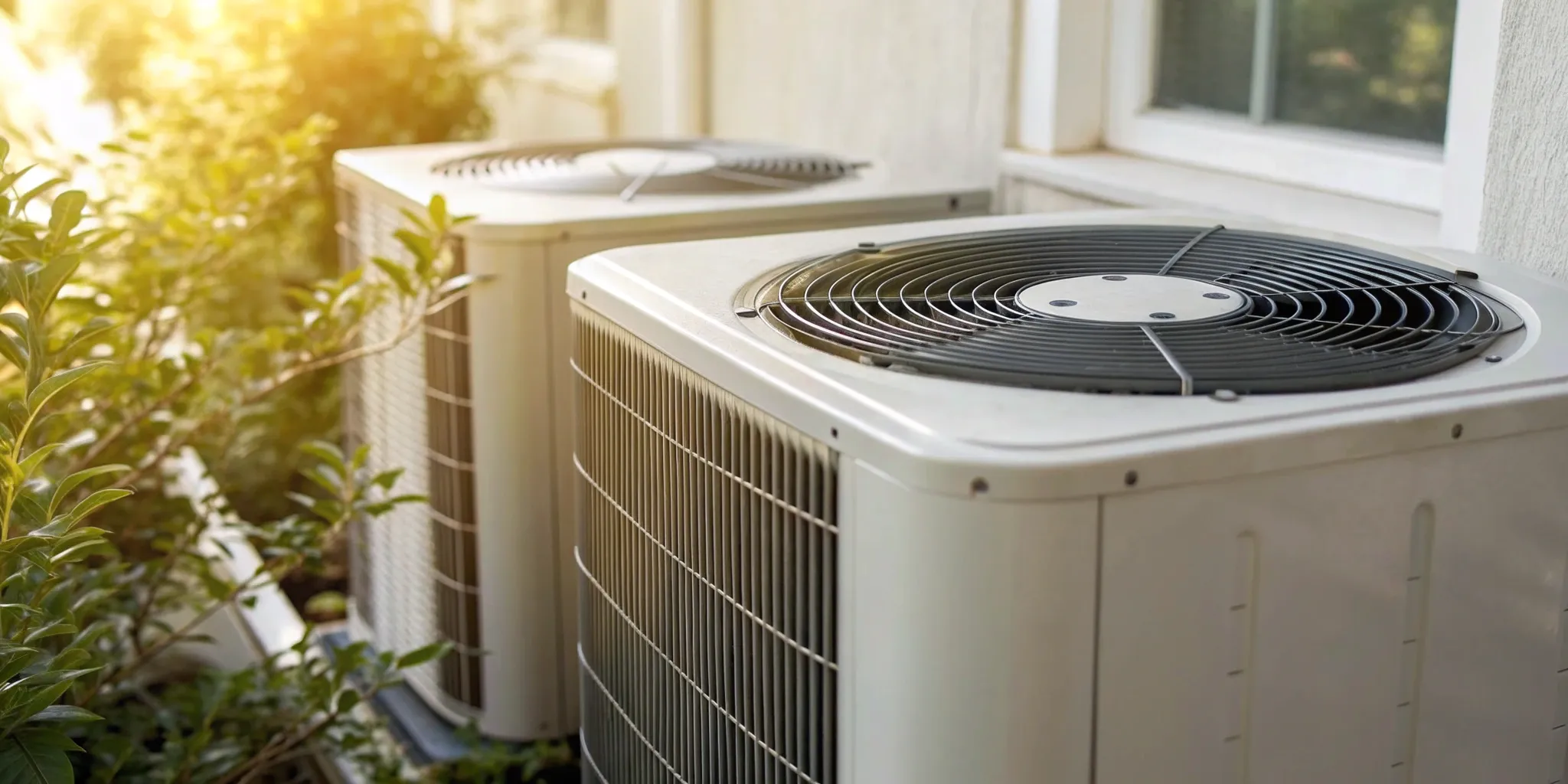
Living in Southwest Florida means our air conditioners are non-negotiable. But what if your AC could do more than just cool your home? Integrating an air purifier into your HVAC system turns it into a powerful tool for cleaning the air your family breathes every day. It’s a game-changer for dealing with our region’s humidity, pollen, and mold. Of course, a major consideration is the air purifier for hvac system cost. We’ll break down the typical expenses for homeowners in our area, from the different types of units to what a professional installation involves, so you can confidently decide on the best solution for your home.
Key Takeaways
- Choose a System That Solves Your Specific Problem: The most effective air purifier is one that targets your home's unique needs, whether it's a HEPA filter for allergies or a UV system for Florida's mold and humidity. A professional can help match the right technology to your concerns and ensure it's properly sized for your home.
- Budget for the Total Cost, Not Just the Unit: Your true investment includes the purifier, professional installation, and long-term upkeep like filter replacements. Factoring in these costs from the start helps you choose a system that offers the best value over its lifetime, not just the lowest initial price.
- Professional Installation and Regular Maintenance are Non-Negotiable: A whole-home air purifier must be integrated into your HVAC system by a licensed technician to ensure it works safely and effectively. Sticking to a regular maintenance schedule is the only way to protect your investment and get the clean air you're paying for.
What Are My HVAC Air Purifier Options?
When you start looking into whole-home air purifiers, you’ll quickly find it’s not a one-size-fits-all situation. Unlike the portable units you plug into a wall, these systems work directly with your HVAC to clean the air throughout your entire house. Think of it as giving your home’s respiratory system a major upgrade. The right choice depends on your specific concerns—whether that’s allergies, dust, or just that general stuffy feeling—and, of course, your budget.
Choosing an air purifier is about finding the perfect match for your home and your family’s needs. Some systems are designed to trap the tiniest of particles, while others focus on neutralizing germs and odors. To help you make sense of it all, let’s walk through the four main types of whole-home air purifiers you’ll come across. We’ll break down what they do, how they work, and what you can expect in terms of cost, so you can feel confident in your decision.
HEPA Filters
You’ve likely heard of HEPA (High-Efficiency Particulate Air) filters before. They are the gold standard for a reason, capable of capturing at least 99.97% of airborne particles like dust, pollen, and pet dander. If you have serious allergies or asthma, a HEPA filter offers the highest level of filtration available. However, this performance comes at a price, typically ranging from $2,000 to $5,000. Installing one often requires significant modifications to your existing ductwork because their dense material can slow down airflow, which isn’t ideal for every HVAC system. They’re incredibly effective, but they are a major investment.
UV Light Filters
UV light filters work a bit differently. Instead of trapping particles, they use ultraviolet light to neutralize airborne germs, bacteria, viruses, and mold spores as they pass through your HVAC system. This makes them a fantastic tool for improving your home’s health, especially in Florida’s humid climate where mold can be a persistent issue. A UV filter system is a great way to support your home's duct sanitization efforts. It’s important to know that UV lights don’t remove dust or other allergens, so they are almost always installed alongside a traditional filter. Installation costs typically fall between $750 and $3,500.
Electronic Filters
If the idea of constantly buying replacement filters doesn’t appeal to you, an electronic air purifier might be the right fit. These systems use electricity to create a static charge that attracts and traps airborne particles onto collector plates. The upfront cost is usually between $600 and $2,400. The biggest advantage is that the plates are washable and reusable, saving you money on replacements over time. The trade-off? Those plates need to be cleaned every few months to keep the unit working effectively. It’s a lower long-term cost, but it does require a bit of hands-on maintenance.
Media Filters
For many homeowners, an extended media filter hits the sweet spot between performance and price. These are essentially thick, high-efficiency pleated filters that slide right into your existing HVAC system with minimal modification. They are much better at capturing airborne particles than the standard one-inch filters most systems use, making a noticeable difference in dust and allergens. With installation costs typically between $500 and $1,000, they are an affordable and effective way to improve your home’s indoor air quality. They need to be replaced, but usually only once or twice a year.
What Affects Installation Costs?
When you start looking at the price of a whole-home air purifier, it’s easy to focus on the cost of the unit itself. But that’s only one piece of the puzzle. Several factors can influence the final price of getting clean, fresh air circulating through your home. Think of it like a recipe—the main ingredient is the purifier, but other elements like the size of your kitchen (your home), the state of your pots and pans (your ductwork), and how everything fits together with your oven (your HVAC system) all play a part in the final outcome.
Understanding these variables helps you get a realistic budget in mind and ensures you’re not caught off guard by unexpected expenses. From the square footage of your house to the condition of your existing ductwork, each element can shift the total cost. We’ll break down the four main factors that determine what you can expect to invest in a professional air purifier installation.
Your Home's Size
It makes sense that the size of your home is a major factor in the cost of an air purification system. A larger home simply has more air that needs to be cleaned, which requires a more powerful—and typically more expensive—unit. The layout of your home can also play a role. An open-concept floor plan might have different airflow needs than a home with many smaller, separate rooms. When we provide an estimate, we’re not just looking at square footage; we’re assessing the total volume of air that needs to be treated to ensure the system we recommend is a perfect fit for your space and will operate efficiently.
Ductwork Modifications
Your home’s existing ductwork is the highway that delivers clean air to every room. If that highway needs a few detours or new lanes to accommodate an air purifier, it will add to the installation cost. Sometimes, a whole-home system can be integrated seamlessly. Other times, we might need to make modifications to ensure proper airflow and system performance. According to Angi, these changes can range from minor adjustments to more significant replacements. This is why a thorough inspection of your ductwork is a critical first step. We’ll check for leaks, proper sizing, and compatibility before recommending a system.
HVAC System Compatibility
Not every air purifier is a good match for every HVAC system. Forcing an incompatible unit, like a dense HEPA filter, onto a system that can’t handle it can restrict airflow, strain your equipment, and even lead to costly repairs down the road. It’s crucial to choose a purifier that works in harmony with your existing furnace or air handler. A professional consultation is the best way to guarantee the purifier you choose won't cause problems for your current setup. We’ll make sure your new air conditioning system or existing unit has the capacity to support the purifier, ensuring everything runs smoothly and efficiently.
Professional vs. DIY Installation
While you can certainly change out a basic flat filter on your own, installing a whole-home air purification system is a different story. These systems are integrated directly into your HVAC unit, which involves complex electrical and ductwork modifications that should always be handled by a licensed professional. A DIY installation can void your warranty, damage your HVAC system, or simply not work correctly, wasting your investment. Hiring a professional ensures the job is done right, meets all local codes, and that your system operates at peak performance from day one. It’s the safest and most reliable way to protect your home and your investment.
What Does Professional Installation Involve (and Cost)?
Getting a whole-house air purifier isn't just about buying a unit; it's about integrating it correctly into your HVAC system. Professional installation is key to making sure your new purifier works efficiently without compromising your system's airflow. Think of it as a minor surgery for your home's respiratory system—you want a skilled surgeon who knows exactly where to make the incision.
The process starts with a thorough assessment of your current setup. A technician will check your ductwork, your existing HVAC unit's capacity, and the overall airflow of your home. This initial check-up ensures the purifier you've chosen is compatible and will be placed in the most effective location. Skipping this step can lead to poor performance, restricted airflow, and even damage to your HVAC system down the line. At 5 Star Air, our air conditioning installation process always begins with a comprehensive evaluation to make sure everything is a perfect fit for your home and budget. We believe in getting it right the first time, so you can breathe easier from day one.
Typical Installation Rates in Southwest Florida
When you're budgeting for an air purifier, it's helpful to know what to expect for labor costs. Here in Southwest Florida, HVAC professionals typically charge between $100 to $250 per hour for installation services. The final rate often depends on the complexity of the job. For instance, if your system needs significant ductwork modifications to accommodate the new unit, the project will take longer and land on the higher end of that price range. Getting a clear, upfront quote helps you avoid any surprises when the final bill arrives.
Estimating Your Total Project Cost
The total investment for a whole-house air purification system, including both the unit and professional installation, can range anywhere from $400 to $4,000. While that's a wide range, the average cost across the country lands at about $1,300. The specific type of purifier you choose (like a HEPA filter versus a UV light system) will be the biggest factor in your total cost. We provide honest, transparent pricing with no hidden fees, and we also offer financing options to make improving your home's air quality more accessible.
What's Included in a Standard Installation
So, what does that installation fee actually cover? A standard installation package typically includes the air purifier unit itself, any necessary modifications to your existing ductwork, and the labor costs for the technician. The complexity of the job—like fitting a unit into a tight attic space or rerouting ducts—can influence the final price. That's why it's so important to have a detailed conversation with your HVAC professional beforehand to understand exactly what's included in their quote. We'll walk you through every line item so you feel confident in your decision.
The Pre-Installation System Check
Before any new equipment is installed, a comprehensive inspection of your current HVAC system is a must. This isn't just a quick glance; a technician should be looking for any signs of existing contamination, poor filtration, or mechanical issues that could hinder the new purifier's performance. For example, installing a top-of-the-line air purifier into a system with leaky, dirty ducts won't give you the results you're looking for. This pre-installation check ensures your entire system is in good shape, maximizing the benefits of your investment in better indoor air quality.
What Are the Ongoing Maintenance Costs?
Once your new air purifier is installed, it’s not a “set it and forget it” appliance. Just like your main AC unit, it requires some ongoing attention to keep it running effectively and efficiently. Thinking about these long-term costs upfront helps you budget properly and ensures you get the clean air you’re paying for. The good news is that the maintenance is straightforward and predictable, so you won't be caught off guard by unexpected expenses. From filter changes to annual check-ups, a little bit of care goes a long way in protecting your investment and your family’s health.
Filter Replacement Costs and Schedules
The most common upkeep task is changing the filter. How often you do this and what it costs depends entirely on the type of purifier you have. Basic replacement filters can be as low as $10, while high-efficiency HEPA filters might cost up to $200 and typically need to be swapped out every two to five years. Your system’s manual will give you a recommended schedule, but in dusty or high-pollen areas of Florida, you might need to check them more frequently. Keeping up with filter changes is the single best thing you can do to maintain your home’s indoor air quality and keep your system breathing easy.
Annual Servicing Needs
Your air purifier is part of a larger HVAC system, and the whole setup benefits from a yearly check-up. We recommend scheduling professional air conditioning maintenance once a year, ideally before the heavy-use summer season. During this visit, a technician can inspect your purifier along with your AC unit, ensuring all components are working together correctly. This preventative step helps catch small issues before they become big, expensive problems and keeps your system operating at peak performance. This is especially important for handling the relentless Florida heat and humidity without a hitch. An annual service call gives you peace of mind that everything is in top shape.
Impact on Your Energy Bill
A whole-house air purifier uses electricity to run, but a well-maintained unit shouldn't cause a major spike in your energy bill. In fact, by helping your HVAC system run more efficiently, it can have a positive long-term effect. When filters are clean and the system is clear of debris, your AC doesn't have to work as hard to push air through. This reduces strain on the entire system and can lower your overall energy consumption. If your installation requires changes to your home’s ductwork, it’s critical that the job is done right to ensure proper airflow and efficiency from the start.
Long-Term System Upkeep
Beyond filters and annual tune-ups, consider the overall health of your HVAC system. Over time, services like professional duct sanitization and replacement can be a worthwhile investment, removing built-up dust, mold, and allergens that accumulate in Florida’s humid climate. A thorough HVAC inspection can also identify any underlying issues that might affect your purifier’s performance. Think of this as part of the complete picture of home maintenance—a small investment in upkeep protects your larger investment in comfort and health for years to come. It ensures the air circulating through your home is as clean as possible from the source.
Avoid These Costly Air Purifier Mistakes
Investing in an HVAC air purifier is a fantastic step toward healthier indoor air. But to get the most out of it, you need to sidestep a few common blunders that can waste money and leave you with the same air quality you started with. Let's walk through the biggest mistakes we see homeowners make and how you can easily avoid them.
Picking the Wrong Size Purifier
It’s easy to think "an air purifier is an air purifier," but size is one of the most critical factors for success. Buying the wrong size is a frequent mistake that can lead to lower efficiency and higher energy bills. An undersized unit will struggle to clean the air in your home, running constantly without ever catching up. A professional assesses your home’s square footage, layout, and your HVAC system’s capacity to match you with a purifier that has the right Clean Air Delivery Rate (CADR). This ensures the unit is powerful enough to cycle your home's air effectively without overworking your system. Getting the size right from the start is key to improving your indoor air quality.
The Pitfalls of DIY Installation
While tackling a home project yourself can be satisfying, installing a whole-house air purifier is a job best left to the pros. These systems are complex and integrate directly with your existing HVAC ductwork and electrical systems. A DIY installation can create safety hazards, cause expensive damage to the unit or your HVAC system, and will likely void the manufacturer's warranty. A certified technician has the tools and expertise to ensure the purifier is installed correctly for optimal performance and safety. Think of it less as a simple appliance setup and more as a crucial part of your home's air conditioning installation, which requires a professional touch.
Forgetting About Filter Maintenance
Your air purifier is not a "set it and forget it" appliance. Its filter is the component doing all the heavy lifting, and it needs regular attention. A dirty, clogged filter can’t trap new particles effectively. Worse, it restricts airflow, forcing your entire HVAC system to work harder. This strain can cause your cooling coils to get dirty, which drives up energy costs and reduces cooling power. Sticking to a regular filter replacement schedule is one of the simplest and most effective ways to keep your system running smoothly. Consistent air conditioning maintenance ensures your purifier—and your AC—can do its job efficiently for years to come.
Overlooking Your System's Airflow
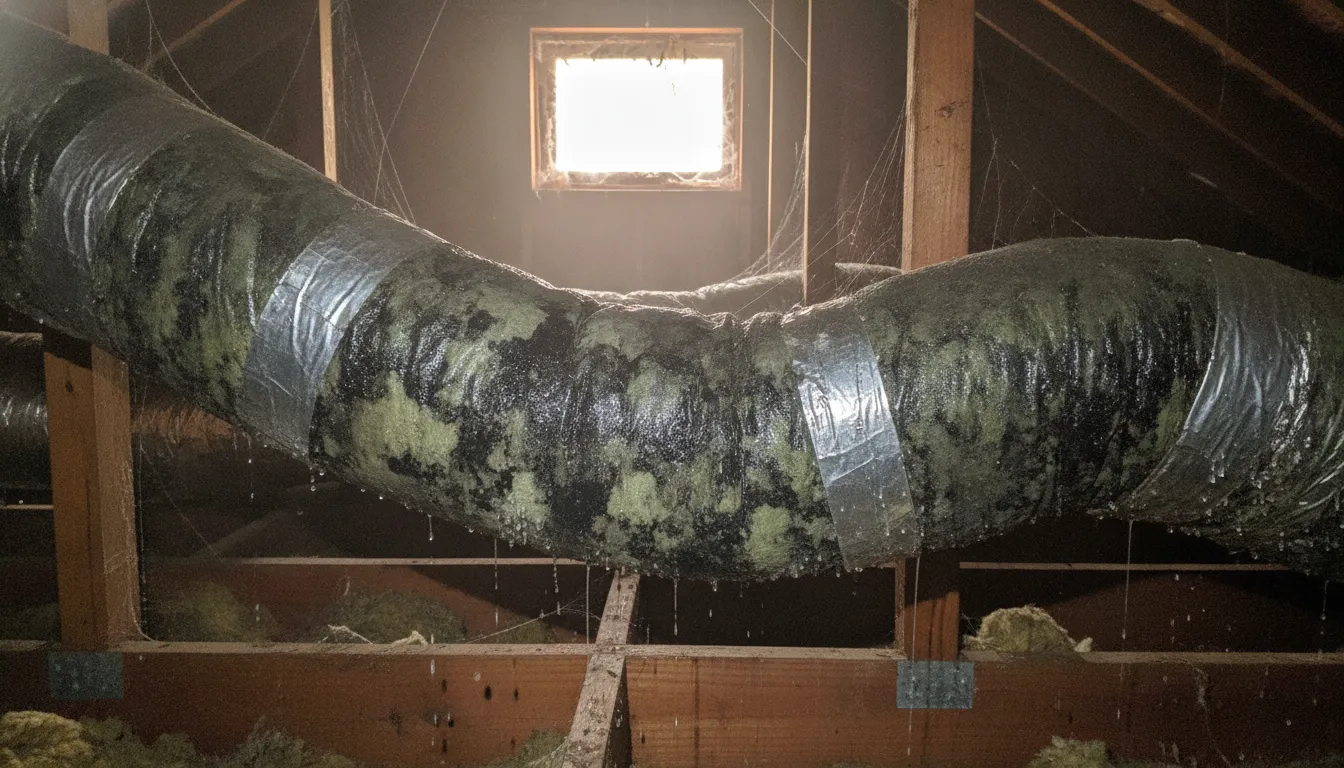
An air purifier can only clean the air that passes through it. That’s why your HVAC system's overall airflow is so important. If you have underlying issues like leaky ducts, blockages, or an improperly balanced system, a large portion of your home's air might not even reach the purifier. Many common misconceptions about heating and cooling can lead to poor system performance, and ignoring airflow is a big one. Before installing a purifier, it’s wise to have your ductwork inspected. Ensuring your ducts are clean and properly sealed allows your new purifier to work at its full potential, giving you truly clean air throughout your home. A professional duct sanitization can make all the difference.
Why Is Air Purification a Must-Have in Southwest Florida?
Living in Southwest Florida means enjoying beautiful weather, but our tropical climate also brings unique challenges to the air inside our homes. High humidity, year-round pollen, and other airborne particles can turn your home into a less-than-ideal environment for your health and comfort. Your HVAC system does more than just cool the air; it plays a huge role in your home's overall indoor air quality. An air purifier isn't just a luxury here—it's a key component of a healthy home. Let's break down exactly why it's such a game-changer for Florida residents.
Battling Humidity and Mold
It’s no secret that humidity is a constant companion in Southwest Florida. While great for our tropical plants, that moisture can create the perfect breeding ground for mold and mildew inside your home, which can pose serious health risks. A whole-home air purifier, working alongside your AC, helps manage this threat. It circulates the air, capturing mold spores before they can settle and grow. Keeping your HVAC system properly maintained with clean filters and ductwork is your first line of defense, and adding an air purifier provides an essential extra layer of protection for your family.
Fighting Allergens and Pollen
If you deal with allergies, you know that Florida's long growing season can feel like a year-round assault of pollen and other airborne irritants. From oak in the spring to ragweed in the fall, there’s always something in the air. An HVAC air purifier with a high-quality filter, like a HEPA filter, is designed to capture these microscopic particles. It traps dust, pet dander, and pollen, preventing them from circulating through your home. This is especially important in a region like ours where allergens can be so prevalent, helping you breathe easier no matter the season.
Removing Household Pollutants (VOCs)
You might be surprised to learn that the air inside your home can be more polluted than the air outside. Everyday items like cleaning products, new furniture, paint, and even air fresheners can release chemicals called Volatile Organic Compounds (VOCs). The EPA warns that VOCs are particularly dangerous indoors because their concentration levels can be much higher. A whole-home air purifier can help neutralize these invisible threats, filtering out harmful chemicals and odors to create a healthier living space. It’s a simple step to ensure the air you breathe every day is clean and safe.
Tackling Year-Round Air Quality Issues
In many parts of the country, air quality is a seasonal concern. Here in Florida, it’s a year-round job. The constant use of our air conditioners means our indoor air is continuously being recirculated. Your HVAC system affects more than just your comfort—it directly shapes your indoor air quality. When properly equipped and maintained, your system can significantly improve the air you breathe. Investing in air purification is crucial for maintaining a consistently healthy home environment, ensuring your AC isn't just cooling the air, but cleaning it, too. Regular air conditioning maintenance ensures your entire system works efficiently to keep your air fresh all year long.
Which Air Purifier Brands Can You Trust?
When you start looking at air purifiers, the number of brands can feel overwhelming. How do you know which ones actually work and which are just hype? With years of experience installing and servicing these systems across Southwest Florida, we’ve seen which brands stand up to our heat and humidity. We only recommend products we’d feel confident putting in our own homes. Here are a few of the names that have consistently earned our trust.
Our Go-To Recommendations
When customers ask for our top picks, a few models always come to mind because of their proven performance. The Aprilaire 5000 is a workhorse, known for its incredible efficiency at removing tiny airborne particles. Another fantastic option is the Honeywell F300E1019, which has a solid reputation for reliability and is great at filtering out common allergens. For those looking for the next level of clean, the Carrier Infinity Air Purifier is a standout. It uses a special “Captures & Kills™” technology that doesn’t just trap airborne pathogens like bacteria and viruses—it neutralizes them. These are the kinds of powerful indoor air quality solutions we trust to make a real difference in your home’s air.
A Look at Field Controls
Field Controls is another brand that consistently delivers high-quality air purification systems. Their products are built to last and are incredibly effective at tackling the unique air quality challenges we face here in Florida. What we appreciate about Field Controls is their focus on integrating advanced filtration technologies that can handle everything from dust and pollen to more stubborn pollutants. They design their units to be durable and dependable, so you’re not just buying a purifier; you’re making a long-term investment in your home’s health and comfort. For homeowners who want a robust and reliable system, Field Controls is always a solid choice.
Exploring Honeywell Systems
Honeywell is a household name for a reason, and their air purifiers live up to the reputation. The F300E1019 model, in particular, is designed to work seamlessly with your home’s HVAC system to capture a wide range of airborne irritants. If you or your family members struggle with allergies, this is an excellent option. It’s highly effective at trapping dust, pollen, and pet dander before they have a chance to circulate through your home. As a company that values honesty and reliability, we appreciate that Honeywell systems deliver consistent results. Our team of technicians frequently recommends them to homeowners looking for a straightforward and effective way to breathe easier.
Understanding Reme Halo Units
If you’re looking for one of the most advanced air purification technologies available, it’s worth getting to know the Reme Halo system. Unlike traditional filters that wait for pollutants to pass through them, the Reme Halo actively purifies your air. It uses an innovative process to reduce both airborne and surface contaminants like bacteria, viruses, and mold spores throughout your entire home. This system integrates directly into your existing ductwork, providing a comprehensive solution that works around the clock. It’s an ideal choice when you’re considering a new air conditioning installation or want to significantly upgrade your current system for the ultimate peace of mind.
How to Maximize Your Air Purifier Investment
An air purifier is more than just another home appliance; it's an investment in your family's health and comfort. To get the best return, you need to look beyond the initial price tag. Making a smart choice involves balancing upfront costs with long-term value, picking a model that can handle Florida’s unique climate, and understanding all the expenses involved from day one. A little planning goes a long way in ensuring your system delivers clean, fresh air for years without any costly surprises. Let’s walk through how to make a confident and informed decision.
Balancing Upfront vs. Long-Term Costs
The initial cost for a whole-house air purifier can range quite a bit, typically from a few hundred dollars to several thousand. National averages put the cost somewhere between $1,300 and $2,610 for a professionally installed system. While it’s tempting to go for the cheapest option, that can lead to higher costs down the road from frequent filter replacements or higher energy bills. A more efficient, higher-quality unit might have a bigger price tag initially but can save you money over its lifespan. We believe in transparent pricing and offer flexible financing options to help you get the right system for your home without breaking the budget.
Choosing an Energy-Efficient Model for Florida
Here in Southwest Florida, our air conditioners work overtime. The last thing you want is an air purifier that sends your energy bills even higher. That’s why choosing an energy-efficient model is so important. Look for systems with an Energy Star certification, as these are designed to perform effectively without wasting electricity. A great purifier complements your existing HVAC system, helping it run more efficiently by keeping components clean. The foundation of great indoor air quality is always a well-maintained AC, so pairing it with an efficient purifier is the perfect way to ensure your home is both clean and cool.
Why a Professional Consultation Pays Off
It’s easy to get lost in the technical specs of different air purifiers. A professional consultation cuts through the noise. An experienced technician can assess your home’s specific needs, from its size and layout to your family’s concerns, like allergies or pets. More importantly, they ensure the purifier you choose is fully compatible with your HVAC system, preventing potential airflow problems that could strain your AC and reduce its effectiveness. For most whole-house systems, professional air conditioning installation isn't just recommended—it's often required to ensure safety and proper function. Think of it as the first step to guaranteeing your investment works as it should.
Factoring in the Hidden Costs
The price of the air purifier unit isn't the final number. Depending on your home's setup, there can be other costs to consider. For example, if your existing ductwork needs to be modified to accommodate the new system, that can add to the installation expense. An HVAC professional might charge $100 to $250 per hour for this kind of custom work. You may also find that you need duct sanitization or replacement to get the full benefit of your new purifier, which can cost anywhere from $300 to $700. An honest technician will identify these potential needs during your initial consultation, so you have a clear picture of the total cost from the start.
Frequently Asked Questions
Do I really need a whole-home system, or can I just use a portable air purifier? Portable units are great for tackling air quality in a single space, like a bedroom or home office. However, a whole-home purifier cleans the air everywhere in your house by working directly with your HVAC system. This means you get consistent, clean air in every room without having to manage multiple devices. It’s a more comprehensive solution for families dealing with allergies or anyone who wants to improve their home's overall air quality.
Will an air purifier get rid of the musty smell in my Florida home? Yes, it can make a huge difference. That musty odor is often caused by mold and mildew thriving in our humid climate. A UV light filter is specifically designed to neutralize these airborne spores as they pass through your HVAC system. While a purifier is a powerful tool, it works best as part of a complete strategy that includes regular AC maintenance and ensuring your ductwork is clean and dry.
With so many options, how do I know which type of purifier is right for me? The best choice really depends on your main concern. If severe allergies or asthma are the primary issue, a HEPA filter offers the highest level of particle filtration. If you're more worried about germs, bacteria, and mold, a UV light filter is an excellent choice. For a great balance of performance and affordability with less frequent filter changes, an extended media filter is often the perfect fit for most families.
Can I save money by installing the air purifier myself? While it might seem like a way to cut costs, installing a whole-home air purifier is a job for a licensed professional. These systems have to be wired directly into your HVAC unit and fitted into your ductwork. A mistake could damage your entire system, void your warranty, or create a safety hazard. Professional installation ensures everything works correctly and efficiently from the start, protecting your investment.
How much maintenance does a whole-home air purifier actually need? The ongoing upkeep is surprisingly minimal. Your main task will be replacing the filter, but how often depends on the model you choose. Some media filters only need to be changed once or twice a year, while the collector plates on electronic models just need occasional washing. The easiest way to stay on top of it is to have the purifier inspected during your annual air conditioning tune-up to make sure everything is running smoothly.