6 Best Central Air Conditioner Brands (& What Matters More)
You’re searching for the best central air conditioner brands, but what if I told you that’s only half the story? The real secret to a cool, comfortable Florida home isn’t just the name on the unit, but the hands that install it. A perfect installation of a good brand will always outperform a sloppy installation of a great one. Still, choosing a reliable manufacturer is a critical piece of the puzzle. This guide will walk you through the top brands we trust, but more importantly, it will show you what truly makes a system last for years in our demanding climate.
Key Takeaways
- Focus on the Installer, Not Just the Brand: The single most important factor for a long-lasting, efficient AC is a high-quality installation. A skilled technician ensures your system is sized correctly and installed with precision, which matters more than the logo on the unit.
- Consider Long-Term Value, Not Just Upfront Cost: The cheapest AC unit isn't always the most affordable option in the long run. Factor in future energy bills by choosing a model with a high SEER2 rating; the monthly savings can quickly make up for a higher initial price.
- Protect Your Investment with Simple Maintenance: Once your new AC is installed, keep it running smoothly with consistent care. Scheduling an annual tune-up and regularly changing your air filters are simple steps that prevent expensive repairs and ensure your system operates efficiently for years.
What to Look for in a Central AC Brand
Walking through the air conditioner aisle or browsing online can feel a bit like car shopping. You see familiar names like Carrier and Trane, but what really separates them? While brand reputation is a starting point, the best choice for your home comes down to a few key factors that go beyond the logo on the side of the unit. It's less about finding the single "best" brand and more about finding the best system for your specific needs, your home's layout, and your budget. Many homeowners get caught up in brand-versus-brand debates, but the truth is, most major manufacturers produce a range of units from basic to premium. Focusing on efficiency, durability, warranty, and overall value will help you find a system that keeps you cool and comfortable for years to come, especially here in the Florida heat. Think of it as building a complete comfort solution, not just buying an appliance. Let’s break down what you should be looking for to make a confident choice.
How Efficient Is It? (SEER2 Ratings)
Think of the SEER2 rating as the miles-per-gallon for your air conditioner. It tells you how much cool air the unit produces for each unit of electricity it consumes. The higher the SEER2 number, the more efficient the system, and the lower your monthly energy bills will be. In Florida, where our ACs run almost constantly, a high-efficiency unit can lead to significant savings over its lifetime. Premium models can have SEER2 ratings of 20 or more, while the federal minimum for our region is 14.3. A higher rating often means a higher upfront cost, but the long-term energy savings can more than make up for the initial investment.
Is It Built to Last?
Every brand claims its units are built to last, but durability isn't just about the parts inside the box. Here’s a secret of the HVAC industry: the quality of the air conditioning installation is more important than the brand name itself. A top-of-the-line air conditioner installed incorrectly will struggle from day one and likely fail years before it should. On the other hand, a standard, reliable unit installed by a meticulous, well-trained technician will run efficiently and effectively for its full lifespan. That’s why focusing on finding a great installer is just as crucial, if not more so, than choosing a specific brand.
What Does the Warranty Cover?
A strong warranty shows that a manufacturer stands behind its product. Most major brands offer a 10-year limited warranty on parts, but there’s a catch: you usually have to register your new system online within a certain timeframe (typically 60-90 days) to get the full coverage. If you don’t register, the warranty may default to a basic 5-year plan. Some brands, like Goodman and Amana, even offer lifetime compressor warranties on their premium models, which is a huge plus since the compressor is the heart of your AC unit. When you buy, make sure you understand the warranty terms and complete the registration process right away.
Think Long-Term Value, Not Just Price
It’s easy to get sticker shock when shopping for a new AC system and just focus on the upfront cost. However, the purchase price is only one piece of the puzzle. The true cost of an air conditioner is the sum of the purchase price, the energy bills you’ll pay over the next 10-15 years, and any repair costs. A cheaper, less efficient unit might save you money today, but it could cost you thousands more in higher electricity bills over its lifespan. Investing in a high-efficiency system from a reliable brand is an investment in your home’s comfort and your financial future. We even offer financing options to help make that investment more manageable.
Our Ranking of the Best Central Air Conditioner Brands
After years of installing and repairing just about every AC unit under the Florida sun, we’ve learned a thing or two about what makes a brand great. While we stand by the idea that the installer is more important than the brand name, choosing a quality manufacturer is still a huge piece of the puzzle. A great brand gives a great installer the foundation for a system that will keep you cool for years to come. When you combine a top-tier unit with a meticulous installation, you get an air conditioning system that’s efficient, reliable, and built to last.
We’ve put together a list of the top central air conditioner brands that consistently deliver on performance, reliability, and value. These are brands we trust and frequently recommend for air conditioning installation. Think of this as your starting point. While we've ranked them based on our experience and industry data, the best choice for you will depend on your home's specific needs, your budget, and your long-term goals. This list draws from our hands-on expertise and aligns with findings from home improvement resources that rank AC brands based on cost and reliability. Let's look at the names you can count on.
1. Carrier — Best Overall
Key Features
Carrier has earned its spot at the top of the list. It's a brand synonymous with quality and innovation. Their premium models, especially in the Infinity series, come packed with advanced technology designed for maximum efficiency and comfort. For homeowners who want a top-of-the-line system that’s quiet, smart, and incredibly effective at managing Florida’s humidity, Carrier is often the first name that comes to mind. They build systems that are designed for reliable, long-term performance.
SEER Ratings, Price, and Warranty
With some units reaching an impressive 24 SEER2, Carrier systems are among the most energy-efficient you can buy. This high efficiency translates to lower monthly energy bills. The average installed cost typically falls between $6,000 and $11,000. When you register your unit, most models come with a 10-year parts limited warranty, giving you solid protection for your investment.
2. Trane — Best for Durability
Key Features
You’ve probably heard their slogan: "It's hard to stop a Trane." There’s a lot of truth to that. Trane systems are famous for their rugged construction and exceptional durability. They are built like tanks, making them a fantastic choice for weathering Florida's demanding climate, from intense summer heat to hurricane season. If your top priority is a system that can take a beating and keep on running, Trane is an excellent contender. Their commitment to reliability is evident in every unit they build.
SEER Ratings, Price, and Warranty
Trane offers a wide range of models with strong efficiency ratings. The average installed cost is usually between $6,000 and $12,000. What really stands out is their reputation for longevity, backed by a robust warranty that provides peace of mind. Homeowners often choose Trane when they are looking for a long-term, worry-free cooling solution.
3. Lennox — Best for Efficiency
Key Features
If your main goal is to slash your monthly energy bills, Lennox should be high on your list. This brand is a leader in energy efficiency, with some of the highest SEER2 ratings in the industry. Beyond just saving you money, Lennox systems are also known for their whisper-quiet operation. This means you can enjoy a cool, comfortable home without the constant hum of a loud outdoor unit. It’s a great mix of high-tech performance and peaceful living.
SEER Ratings, Price, and Warranty
Lennox systems can achieve incredible efficiency, which can reduce cooling costs by a significant margin. The average installed cost is between $6,500 and $12,500, reflecting their premium technology. While the upfront cost can be higher, the long-term energy savings often make it a worthwhile investment. They also come with a solid warranty to protect your high-efficiency system.
4. American Standard — Best for Precise Temperature
Key Features
Often seen as a sister brand to Trane (they are made by the same parent company), American Standard shares a similar reputation for reliability and quality construction. Where they really shine is in delivering consistent and precise temperature control. If you’re tired of rooms that are too hot or too cold, an American Standard system can help maintain a perfectly balanced temperature throughout your home. They are a favorite for homeowners who prioritize steady, even comfort above all else.
SEER Ratings, Price, and Warranty
American Standard units offer efficiency ratings comparable to Trane and provide excellent long-term value. The average installed cost ranges from $5,500 to $11,000. They are known for their strong performance over many years and are backed by comprehensive warranty options, making them a dependable choice for any Florida home.
5. Rheem/Ruud — Best for Smart Homes
Key Features
Rheem and its sister brand, Ruud, strike a great balance between performance, reliability, and value. They are known for producing dependable units that incorporate modern features without the premium price tag of some other brands. These systems are particularly well-suited for smart home integration, with many models offering compatibility with smart thermostats and other connected devices. This makes it easy to manage your home's climate and efficiency right from your phone.
SEER Ratings, Price, and Warranty
These brands offer competitive SEER ratings and a good return on your investment, with average installed costs ranging from $5,000 to $11,000. They provide a solid middle-ground option for homeowners who want modern features and reliable cooling without breaking the bank. Both Rheem and Ruud back their products with a reliable warranty.
6. Goodman — Best on a Budget
Key Features
Goodman has built its reputation on providing affordable and reliable cooling. If you're looking for a no-frills, dependable AC unit that gets the job done without a hefty price tag, Goodman is an excellent choice. Their systems are designed with simplicity in mind, which also means that parts are widely available and repairs are often more straightforward and less expensive. It's a practical, budget-friendly solution for many homeowners.
SEER Ratings, Price, and Warranty
While they may not have the highest SEER2 ratings on the market, Goodman units offer respectable efficiency for their price point. The average installed cost is typically between $4,500 and $9,500, making them one of the most accessible brands. One of Goodman's biggest selling points is its excellent warranty. If budget is a major factor, we can also discuss financing options to make your new system even more affordable.
Are Expensive AC Brands Really Better?
It’s the big question on every homeowner's mind when facing an AC replacement: does paying more for a premium brand guarantee better performance? The honest answer is, not necessarily. While brands like Carrier and Trane have earned their reputations for a reason, the truth is that the brand name on the side of the unit is only one piece of a much larger puzzle. In fact, most residential AC brands are surprisingly similar in terms of their core components and how long they last.
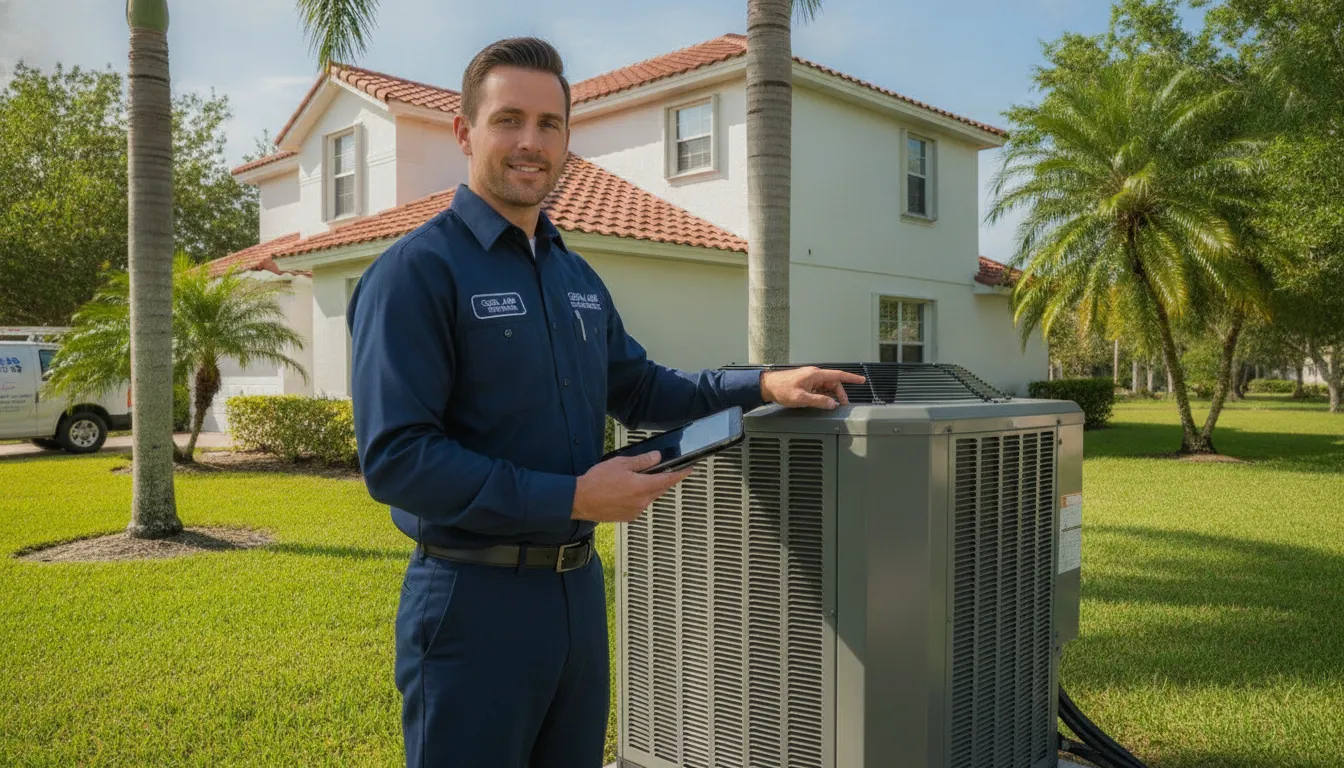
The single most important factor determining your new air conditioner's performance, efficiency, and lifespan isn't the brand; it's the quality of the installation. Think of it this way: even the most advanced, expensive AC unit will struggle if it's installed incorrectly. A poor installation can lead to constant repairs, high energy bills, and a system that fails years before it should. That’s why focusing on finding a trustworthy, skilled installer is far more critical than getting stuck on a specific brand. A great air conditioning installation is what truly delivers that cool, reliable comfort you're looking for.
How Long Do Modern AC Units Last?
It’s helpful to have a realistic expectation for your new system's lifespan. While you might hear stories of old units lasting 20 or 30 years, most modern central air conditioners are designed to last about 12 to 17 years. Some sources even suggest a slightly shorter window of 10 to 15 years, partly because manufacturers may use thinner, more cost-effective parts like coils to keep upfront costs down. The key to reaching, and even exceeding, this lifespan isn't the brand you choose, but how well the system is installed and maintained over the years. Regular check-ups and proper care make all the difference.
Why a Good Brand Name Isn't Enough
A premium brand name can give you peace of mind, but it can't overcome a bad installation. As many HVAC technicians will tell you, an average unit installed perfectly will always outperform and outlast a top-of-the-line unit installed poorly. The installation process involves precise calculations and technical skills that ensure the system runs as intended. Furthermore, your AC is part of a larger system. If your home has poor insulation or leaky ducts, even the best AC unit will have to work overtime, driving up your energy bills and wearing itself out faster. Proper ductwork and insulation can be more important than the brand itself for achieving true efficiency and comfort.
Mistakes to Avoid When Choosing an AC Brand
Picking a new air conditioner can feel like a huge decision, and it’s easy to get caught up in comparing brand names. But a great AC experience involves more than just the logo on the side of the unit. To make sure you’re truly happy with your investment for years to come, it’s just as important to avoid a few common mistakes. Let’s walk through what to watch out for so you can make a choice you feel confident about.
Looking Only at the Upfront Cost
It’s tempting to let the sticker price be your guide, but that number doesn’t tell the whole story. The true cost of an air conditioner includes the price of the unit, the installation, your future energy bills, and any potential repairs. A cheaper unit might save you money today, but it could cost you more over its lifespan if it’s inefficient or less reliable. Think of it as a long-term investment in your home’s comfort. If the initial cost is a concern, many companies offer flexible financing options to make a high-quality system more accessible without compromising on performance.
Ignoring SEER2 Ratings and Future Energy Bills
Don’t let the term "SEER2" intimidate you; it’s simply a measure of how energy-efficient an air conditioner is. A higher SEER2 rating means the unit uses less electricity to cool your home, which translates directly into lower monthly energy bills. In Florida, federal regulations require new systems to meet a minimum standard, but choosing a high-efficiency model can save you a significant amount on cooling costs. When you’re comparing brands, paying a little more for a better SEER2 rating often pays for itself through energy savings over the life of the unit.
Forgetting About Maintenance Needs
No matter which brand you choose, an air conditioner is a complex piece of machinery that needs regular care to perform its best. Skipping routine service is one of the fastest ways to shorten its lifespan and lead to unexpected breakdowns, especially during a Florida summer. Think of it like changing the oil in your car. An annual maintenance plan ensures a qualified technician can clean the components, check for wear and tear, and catch small issues before they become expensive problems. This simple step helps any brand of AC run more efficiently and last longer.
Believing the Brand Is More Important Than the Installer
This is the single most important takeaway: the quality of the installation matters more than the brand name on the box. A top-of-the-line air conditioner will fail to perform efficiently or reliably if it’s installed incorrectly. An expert installer ensures the unit is sized correctly for your home, connected to properly sealed ductwork, and calibrated to run at peak performance. A sloppy job can lead to higher energy bills, poor cooling, and a shorter system lifespan. That’s why focusing on finding a trustworthy contractor who guarantees their work is the best way to protect your investment and ensure a proper installation.
What's the Best AC Brand for a Florida Home?
Living in Florida means your air conditioner isn't just a luxury; it's an essential part of your home that works overtime for most of the year. The constant heat and thick humidity put a unique strain on HVAC systems, so what works for a home up north won't necessarily be the best fit here. When you're choosing a new AC, you're not just picking a brand. You're making a long-term investment in your home's comfort and your energy bills. Let's look at what truly matters for a Florida home.
How Florida's Climate Impacts Your AC Choice
Florida's climate is a true test for any air conditioner. The combination of high heat and relentless humidity means your system has to work hard to both cool the air and remove moisture from it. With most central AC units having a lifespan of 12 to 17 years, choosing a durable, reliable brand is critical for your new air conditioning installation. A system that can handle the demand will not only keep you comfortable during those long, hot summers but also save you money on frequent repairs and high energy costs. Think of it as choosing a marathon runner, not a sprinter. Your AC needs the endurance to perform day in and day out.
Must-Have Features for Florida's Heat and Humidity
When you're comparing models, the first thing to look for is the SEER2 rating. This number tells you how energy-efficient the unit is, and a higher number means more savings for you. In the South, the federal minimum is a 14.3 SEER2 rating, but aiming higher is a smart move. High-efficiency systems can cut your cooling costs by 20% to 40%, which really adds up under the Florida sun. Another key feature is a variable-speed motor, which is excellent for controlling humidity and improving your indoor air quality. But remember, even the most advanced unit will fail if it's not installed correctly. The quality of the installation is just as important as the brand you choose.
Why Your Installer Matters More Than the AC Brand
You can spend weeks researching the perfect AC brand, but here’s a little secret from inside the industry: the quality of the installation is far more important than the name on the unit. Think of it like this, you wouldn’t put a high-performance engine in a car with a shoddy frame and expect it to drive well. An air conditioner is the same. Even the most advanced, energy-efficient model will struggle if it’s not installed with precision and expertise. The right installer ensures your system works as intended from day one, saving you from years of headaches and high energy bills.
A great installation sets the foundation for years of reliable cooling, while a poor one can undermine even the best equipment. From correctly sizing the unit for your home’s specific needs to ensuring your ductwork is sealed and efficient, the installer’s work affects everything. It impacts your system's performance, its lifespan, and your monthly energy costs. Choosing a reputable contractor who values craftsmanship is the single best thing you can do to protect your investment and guarantee your comfort, especially in the demanding Florida climate.
The Importance of Proper Sizing (Manual J)
Getting the size of your AC unit right is the first and most critical step. If a unit is too small, it will run constantly without ever making your home comfortable. If it’s too big, it will turn on and off in short bursts, a problem called short-cycling. This not only wastes energy but also fails to remove Florida’s heavy humidity from the air, leaving your home feeling damp and sticky. A professional installer doesn’t guess, they perform a detailed "Manual J" load calculation. This process accounts for your home’s size, windows, insulation, and even its orientation to the sun to determine the perfect size for your new air conditioning installation.
Why Your Ductwork Can Make or Break Your System
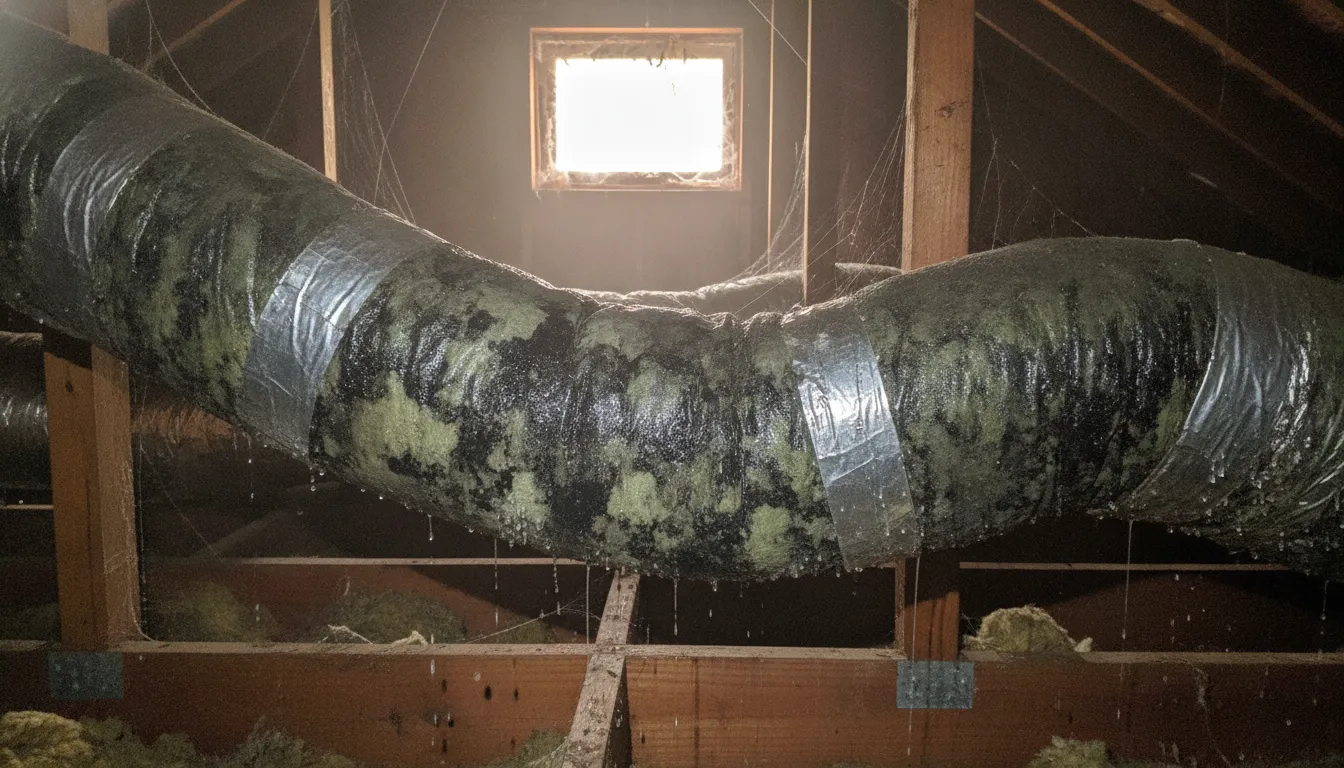
Your air ducts are the highways that deliver cool air throughout your home. If those highways are leaky, poorly designed, or not insulated, you could be losing 20% to 30% of the air you’re paying to cool. That conditioned air ends up in your attic or crawlspace instead of your living room. A top-tier AC unit can’t overcome faulty ductwork. A trustworthy contractor will inspect your existing ducts as part of any replacement project. They’ll identify leaks, blockages, or sizing issues that would compromise your new system’s performance and offer solutions like duct sanitization and replacement to ensure you get the comfort and efficiency you’re paying for.
Small Details That Make a Big Difference
The difference between a standard installation and a five-star one often comes down to the small details. A great installer doesn’t just connect the unit and leave. They’ll talk to you about how to get the most out of your investment. This includes explaining the importance of routine check-ups to keep your system running efficiently for years to come. They might also recommend pairing your new system with a smart thermostat, which can save you around 10% on cooling costs and reduce strain on your unit. These details show that your installer is committed to your long-term comfort, not just a quick job. Regular air conditioning maintenance is the best way to protect your investment.
The True Cost of a Bad Installation
Choosing an unqualified installer to save a few dollars upfront can cost you dearly down the road. A poor installation is the number one cause of premature system failure, leading to frequent and expensive breakdowns. You might find yourself facing a major air conditioning repair long before you should. There’s even a guideline known as the "$5,000 rule": if a repair quote multiplied by the system’s age exceeds $5,000, it’s often more cost-effective to replace it. A bad installation can put you in that position years too soon. It can also void the manufacturer’s warranty, leaving you to foot the entire bill for parts and labor that should have been covered.
What Does a 5-Star Installation Look Like?
After all this talk about how much the installer matters, you’re probably wondering what a truly great installation involves. It’s more than just hooking up a new unit. A five-star installation is a meticulous process that guarantees your new system performs at its peak from the moment it’s turned on. It’s about precision, thoroughness, and a commitment to getting every detail right.
Think of it this way: the quality of the installation is just as important as the brand of the AC unit. Even the most expensive, high-efficiency system will struggle if it’s not installed correctly. A top-tier contractor finishes the job with a comprehensive series of checks and leaves you with total peace of mind. Here’s what that process looks like and how to find the right team for the job.
Final Checks and Performance Testing
A professional installer doesn’t pack up their tools the second the AC turns on. The final phase of installation is all about quality control. Your technician should perform a series of tests to confirm the system is running exactly as it should. This includes checking the refrigerant charge to ensure it matches manufacturer specifications, measuring airflow to verify it’s balanced throughout your home, and testing all electrical connections for safety. They will also calibrate the thermostat and walk you through the system’s features. This final inspection is what separates a quick, careless job from a professional air conditioning installation designed to last.
What to Look for in an HVAC Contractor
Finding a trustworthy contractor is the most important step you’ll take. Start by asking friends, family, and neighbors for recommendations, and plan to get quotes from at least three different companies. When you meet with them, look for a contractor who is transparent and thorough, not just the one with the lowest price. A great technician won’t guess your home’s needs based on square footage; they will perform a detailed load calculation (a Manual J) to determine the exact size your home requires. Finally, always confirm the company is fully licensed and insured and that their technicians hold certifications from groups like NATE. This protects you and ensures qualified professionals are working on your home.
Keep Your New AC in Top Shape
Once your new AC is installed, the work isn't completely over. Think of it like a new car; you wouldn't drive it for years without an oil change. A little proactive care goes a long way in protecting your investment, ensuring your system runs efficiently for years, and preventing surprise breakdowns on the hottest day of the year. Here are a few key things you can do to keep your system in peak condition.
Don't Skip Annual Maintenance
Think of annual maintenance as a yearly check-up for your AC. Here in Florida, our systems work incredibly hard, and skipping this step can lead to surprise breakdowns and higher energy bills. During a professional tune-up, a technician will do things like clean the coils, check refrigerant levels, and inspect all the moving parts to catch small issues before they become big, expensive problems. Scheduling regular air conditioning maintenance is one of the most effective ways to ensure your system runs efficiently and lasts as long as possible. It’s a small investment that pays off in reliability and peace of mind.
Simple DIY Tasks: Filters and Outdoor Unit Care
Between professional visits, there are a couple of simple things you can do to help your AC. The most important one is changing your air filters. A clogged filter makes your system work harder, drives up your energy bill, and hurts your indoor air quality. Check them monthly and replace them as needed. Another easy task is keeping your outdoor unit clear. Make sure grass, leaves, and shrubs are at least two feet away from the unit to allow for proper airflow. According to a Consumer Reports buying guide, these simple DIY steps are key to maintaining your system's performance.
How a Smart Thermostat Helps Your System Last Longer
A smart thermostat is more than just a cool gadget; it’s a great tool for extending the life of your AC. By creating schedules or letting it learn your habits, a smart thermostat prevents your system from running unnecessarily when you're away or asleep. This reduces daily wear and tear. Plus, it saves you money. A Consumer Reports guide notes you can save about 10% on cooling costs just by using one effectively. For every degree you raise the temperature (say, to 78°F when you're out), you can cut your bill by about 3%. Less runtime means less strain on the components, which helps your entire system last longer.
Related Articles
Frequently Asked Questions
You emphasize the installer over the brand. Does that mean I should just pick the cheapest AC unit? Not exactly. Think of it as a partnership between the equipment and the technician. A quality brand like the ones we mentioned gives your installer a great foundation to build upon. The goal isn't to find the absolute cheapest unit, but to invest in a reliable piece of equipment and then dedicate a significant part of your focus (and budget) to ensuring it's installed perfectly. A well-made, standard unit installed by an expert will always be a better choice than a premium unit installed poorly.
Is it really worth paying more for a high-efficiency (SEER2) unit in Florida? Yes, absolutely. Because our air conditioners run so often here, the energy savings from a high-efficiency unit add up very quickly. While the initial price is higher, you can often recover that cost through lower monthly electricity bills over just a few years. It's a smart long-term investment that reduces your home's running costs and puts less strain on the system, which can help it last longer.
What's the difference between a standard installation and a great one? How can I spot a good contractor? A great contractor sees your AC as a complete system, not just a box to be connected. They will insist on performing a detailed calculation (called a Manual J) to find the perfect size unit for your home instead of just guessing. They will also inspect your existing ductwork for leaks or problems that could sabotage your new system's performance. Look for a team that is transparent, answers all your questions, and is fully licensed and insured.
My old AC lasted 20 years. Why do new ones only last around 12 to 17 years? It's a common observation, and there are a couple of reasons for it. Modern air conditioners are much more complex and efficient than older models, with more advanced parts that work hard to save you money on energy. To keep upfront costs from becoming too high, some components may not be as robust as they were in simpler, older units. The key to getting the most out of that modern lifespan is consistent professional maintenance, which helps any brand of equipment reach its full potential.
Besides annual maintenance, what's the one thing I can do myself to help my new AC last longer? The single most important and simple task you can do is to change your air filter regularly. A dirty, clogged filter forces the entire system to work much harder to pull in air, which causes unnecessary strain on the motor and other components. This not only drives up your energy bill but can also lead to premature wear and tear. Checking your filter once a month is a five-minute job that has a huge impact on your system's health and efficiency.