Best Time to Replace AC Unit for Max Savings
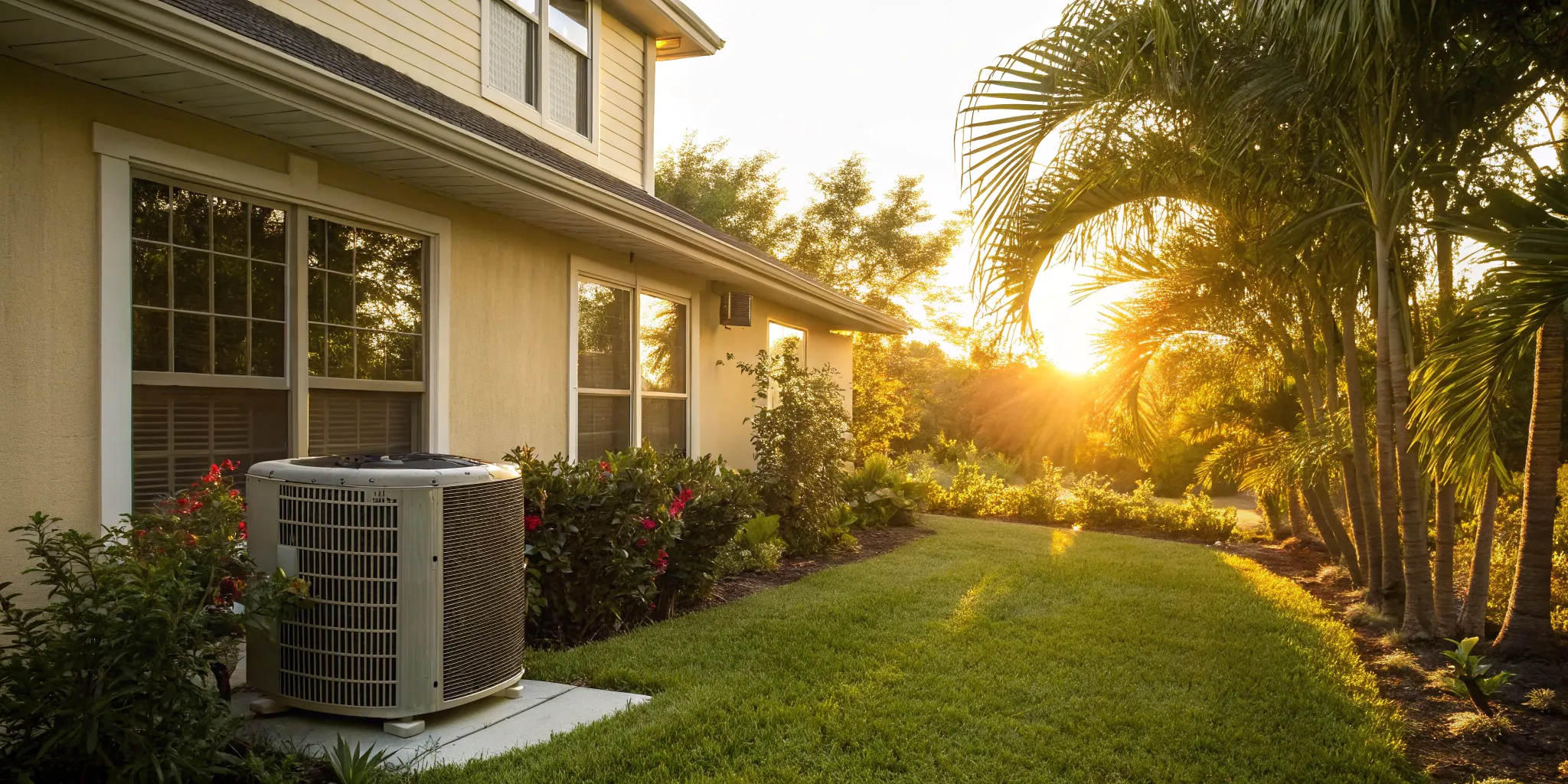
Living in Southwest Florida means asking more from our air conditioners than almost anywhere else. The relentless heat and humidity put our systems under incredible strain, often shortening their expected lifespan. That’s why the "wait and see" approach is particularly risky here. An AC failure isn't just an inconvenience; it's a full-blown emergency that can leave you scrambling in sweltering conditions. For Florida homeowners, being proactive is essential. Knowing the local industry’s seasons and cycles can make all the difference. We’ll break down the smartest approach for our unique climate and show you the absolute best time to replace your AC unit to ensure you stay cool and in control.
Key Takeaways
- Schedule Strategically to Save Money and Stress: Plan your AC installation during the off-seasons of spring or fall. You'll benefit from more flexible scheduling and better pricing, avoiding the premium costs and discomfort of an emergency replacement in the summer heat.
- Know When It's Time to Replace, Not Repair: If your AC is over a decade old, requires frequent service calls, or is causing your energy bills to climb, it's likely more cost-effective to replace it. Use the "$5,000 Rule" (age of unit x repair cost) as a simple guide to make a smart financial decision.
- Prioritize a Professional Installation and the Right Fit: The long-term performance of your new AC depends on choosing the correct size and SEER2 rating for your home. Always partner with a licensed professional to ensure the installation is done right, which protects your warranty and your investment.
Is It Time to Replace Your AC? 5 Telltale Signs
Deciding whether to repair or replace your air conditioner can feel like a big decision, especially when you’re trying to avoid a sudden breakdown in the middle of a Florida summer. The good news is that your AC unit usually gives off clear warning signs when it’s nearing the end of its life. Paying attention to these signals can help you plan ahead, avoid an emergency, and make a choice that’s right for your home and your budget. If you notice any of these five telltale signs, it’s probably time to start thinking about a replacement.
Your System's Age
One of the most straightforward indicators is your AC's age. Most air conditioning units are designed to last about 10 to 15 years. In a demanding climate like Southwest Florida, where your system works hard for most of the year, it might be on the shorter end of that range. If your AC is a decade old or more, it’s not running as efficiently as it once did. Instead of waiting for a complete failure, you can proactively explore a new air conditioning installation to get ahead of the problem and ensure your home stays cool and comfortable.
Constant, Expensive Repairs
Are you on a first-name basis with your AC repair technician? While a single repair is one thing, frequent service calls are a major red flag. When breakdowns become a regular occurrence, it’s a sign that the system's internal components are wearing out. These repair bills add up quickly and are often just a temporary fix for a unit that’s on its last legs. Pouring money into an old, inefficient system doesn’t make financial sense. If you find yourself scheduling AC repairs more than once a year, replacement is likely the more cost-effective solution.
Skyrocketing Energy Bills
Your utility bill is a great performance review for your air conditioner. If you’ve noticed your electricity costs creeping up month after month without a change in your usage, your aging AC is probably the culprit. As air conditioners get older, they lose efficiency and have to work much harder to cool your home, consuming more energy in the process. A new, high-efficiency unit can make a significant dent in your monthly bills. While it’s an upfront investment, the long-term energy savings can help the new system pay for itself over time.
Uneven Cooling & Comfort Problems
If you’re constantly battling hot spots in one room and freezing temperatures in another, your AC system is failing to do its job properly. An aging unit often struggles to distribute cool air evenly throughout your home. It may also have a hard time managing Florida’s high humidity, leaving your home feeling sticky and damp even when the AC is running. A new system will not only provide consistent cooling but can also dramatically improve your home’s indoor air quality and keep humidity levels in check, creating a much more comfortable living environment for you and your family.
Uses Outdated Refrigerant
If your air conditioner was installed before 2010, it likely uses a refrigerant called R-22 (also known as Freon). The U.S. government has phased out R-22 due to its harmful environmental effects, which means it’s no longer produced or imported. As a result, the remaining supply is incredibly expensive, and finding parts for these older systems is becoming more difficult. If your R-22 system springs a leak, the cost to recharge it can be astronomical. Upgrading to a new unit that uses modern, eco-friendly refrigerant is not only better for the planet but also a smarter financial decision.
What's the Best Season to Replace Your AC?
Timing is everything, especially when it comes to major home projects. While you can technically replace your AC unit any time of year, strategically choosing when to schedule your air conditioning installation can save you a significant amount of money, time, and stress. The secret lies in avoiding the peak seasons when demand is at its highest.
In Florida, our air conditioners work overtime during the sweltering summer months and get a bit of a break in the winter. The periods in between—spring and fall—are what we in the industry call "shoulder seasons." These milder months are the absolute best times to tackle an AC replacement. Planning your installation during these off-peak times means you get more flexible scheduling, better pricing, and a much smoother experience from start to finish. It’s about being proactive, not reactive, and putting yourself in the best position before the intense heat arrives.
Why Spring is the Sweet Spot
Spring is the gold-standard season for replacing your air conditioner. The weather is just right—not too hot, not too cold. This means you won't be stuck suffering in a sweltering house for the day or two it takes to complete the installation. HVAC professionals are also coming off the slower winter season, so their schedules are more open. This flexibility makes it easier to book a consultation and installation date that works perfectly for you. By getting ahead of the game in spring, you ensure your new, efficient system is ready to go before the first major heatwave hits.
Fall: Your Second-Best Opportunity
If you miss the spring window, don't worry—fall is another fantastic time for an AC replacement. The brutal summer rush has ended, and HVAC companies once again have more breathing room in their schedules. As demand drops, you may find more competitive pricing and special offers. Just like in spring, the mild weather makes for a comfortable installation process. Taking care of your replacement in the fall sets you up for a worry-free winter and ensures you're prepared long before the heat and humidity return next year. It’s a smart way to plan ahead and explore your financing options without pressure.
Why to Avoid the Peak Summer Heat
Waiting until the middle of a Florida summer to replace your AC is a recipe for stress. This is when demand skyrockets because systems are failing under the strain of non-stop use. When your AC gives out on a 95-degree day, you’re in emergency mode. This desperation often leads to higher costs, as you’ll pay a premium for urgent service. Plus, you’ll face longer wait times, as technicians are booked solid. Instead of a calm, planned process, you’re left scrambling in uncomfortable conditions. Planning ahead helps you avoid the chaos and cost of emergency AC services.
How Timing Your AC Replacement Saves You Money
When it comes to big-ticket home upgrades, timing can make all the difference. Replacing your air conditioner isn't just about choosing the right model; it's also about choosing the right moment. Planning your AC replacement strategically, rather than waiting for a mid-summer breakdown, can save you a significant amount of money and a whole lot of stress. Let’s look at how being proactive pays off.
Save with Off-Season Pricing
The HVAC industry has its own seasons. When the Florida heat is mild, demand for new AC units cools down, and so do the prices. The best time to shop for a new air conditioner is during the off-season, typically from October through February. You’ll find the most attractive deals between November and January when companies are looking to keep their expert technicians busy. By planning your AC installation during these months, you’re positioning yourself to get top-tier equipment and service at the year's lowest prices. It’s a simple case of supply and demand working in your favor.
Avoid Peak-Season Price Hikes
On the flip side, waiting for your AC to give out in the middle of a July heatwave is the most expensive approach. When demand is at its peak, so are the prices. An emergency replacement during the summer can easily cost you 10% to 25% more than a planned installation in the off-season. This peak-season premium covers the cost of urgent service when technicians are stretched thin. By thinking ahead, you avoid the panic and the price gouging that can come with a sudden system failure. A little planning helps you steer clear of those inflated emergency service costs and keeps your budget intact.
Get Better Scheduling & Availability
Beyond the price tag, timing your AC replacement well gives you something equally valuable: convenience. During the slower months of spring and fall, HVAC companies have much more flexibility in their schedules. This means you can book an installation at a time that truly works for you, without having to wait weeks for an opening. Plus, the weather is on your side. Since your system will be turned off for a few hours during the installation, doing it when it's mild outside is far more comfortable than suffering through a sweltering afternoon with no AC. You get a smoother, faster, and more pleasant experience from start to finish when you schedule an appointment ahead of time.
Find Rebates and Special Offers
Off-season pricing isn't the only way to save. AC manufacturers often release special promotions and rebates during the slower months of spring and fall to encourage sales. These deals can include cash-back offers or discounts on high-efficiency models, adding another layer of savings to your purchase. It’s a good idea to keep an eye out for new rebate programs, which often appear around February. Combining these manufacturer offers with a contractor’s off-season pricing is the ultimate strategy for getting the best possible deal. You can also explore financing options to make the investment even more manageable.
Should You Wait for Your AC to Break Down?
It’s tempting to adopt an “if it ain’t broke, don’t fix it” attitude with your air conditioner. I get it—a new AC unit is a significant investment, and it’s easy to push it to the back of your mind when it’s still humming along. But in Florida, where our air conditioners work overtime nearly year-round, waiting for a complete breakdown can turn a manageable project into a sweltering, stressful emergency.
Thinking ahead isn't just about avoiding discomfort; it's about making a smart financial decision on your own terms. A planned replacement puts you in the driver's seat, giving you time to research the best system for your home, find a trustworthy installer, and schedule the work at a convenient time. A sudden failure forces you into a rushed decision when you’re hot, frustrated, and under pressure. Let’s look at why being proactive is always the better approach.
The Problem with Waiting for an Emergency
Picture this: It’s the middle of a humid July afternoon, and your house suddenly feels like a sauna. Your AC has officially given up. Now, you’re scrambling to find someone—anyone—who can help. This is the reality of waiting for a total system failure. You lose all your leverage. You’re less likely to have time to compare quotes and more likely to pay a premium for immediate service.
Most air conditioners last about 10 to 15 years. If your unit is in that age range, you’re living on borrowed time. An unexpected breakdown not only leaves you in an uncomfortable and potentially unsafe situation but also forces you to make a hasty decision on a replacement. Instead of choosing the perfect unit for your home's needs and your budget, you might be stuck with whatever is in stock and available for a rush job. While reliable emergency air conditioning services are a lifesaver, it’s a situation best avoided if possible.
The Power of Planning Ahead
When you plan your AC replacement, you call the shots. You have the time to do your homework, read reviews, and get quotes from several reputable companies. This allows you to find a team you trust and a system that truly fits your home. You can carefully consider factors like energy efficiency and long-term running costs instead of just focusing on the immediate price tag.
Planning also lets you schedule the installation during the off-season, like spring or fall. HVAC technicians are less busy during these milder months, which means more flexible scheduling for you. You might even find better pricing or special manufacturer rebates that aren’t available during the summer rush. A proactive approach to air conditioning installation transforms a potential crisis into a calm, controlled home improvement project that saves you money and stress.
Use the $5,000 Rule to Decide: Repair or Replace?
So, how do you know when it's time to stop repairing and start replacing? A great tool to help you decide is the "$5,000 Rule." It’s a simple calculation that helps you weigh the cost of a repair against the age of your unit.
Here’s how it works: Multiply the age of your AC unit (in years) by the quoted repair cost.
If the total is more than $5,000, it’s generally a smarter financial move to replace the unit. Pouring that much money into an older system often isn’t worth it in the long run. If the total is less than $5,000, an air conditioning repair is likely still a reasonable choice. For example, a $400 repair on a 10-year-old unit ($400 x 10 = $4,000) is probably worth it. But a $600 repair on that same unit ($600 x 10 = $6,000) suggests it’s time to start shopping for a new one.
How to Choose the Right AC Unit
Once you’ve decided on the best time to replace your air conditioner, the next step is picking the right unit. This decision goes beyond brand names and price tags. To get the most out of your investment, you need to consider a few key factors that directly impact your comfort, your budget, and your home’s energy consumption. Choosing correctly means years of reliable, efficient cooling, while the wrong choice can lead to high energy bills and constant headaches. Let’s walk through what really matters when selecting a new AC for your Florida home.
Understand Energy Efficiency (SEER2)
Think of an AC unit's SEER2 rating like a car's miles-per-gallon—the higher the number, the less energy it uses to cool your home. SEER2 stands for Seasonal Energy Efficiency Ratio 2, and it’s the standard for measuring cooling efficiency. Older systems might have a SEER rating of 10 or less, while modern units can reach ratings of 25 or more. In a place like Southwest Florida where the AC runs almost year-round, opting for a higher SEER2 rating can lead to significant savings on your monthly utility bills. While a more efficient unit may have a higher upfront cost, the long-term energy savings often make it a wise financial choice.
Get the Right Size for Your Florida Home
When it comes to air conditioners, bigger is definitely not better. An AC unit that’s too large for your home will cool the space too quickly and shut off before it has a chance to properly dehumidify the air. This process, known as short cycling, leaves your home feeling cool but clammy—a common problem in our humid climate. On the other hand, a unit that’s too small will run constantly without ever reaching the set temperature, driving up your energy bills. A professional air conditioning installation includes a detailed calculation to find the perfect size for your home’s unique layout, insulation, and sun exposure.
Choose an Eco-Friendly Refrigerant
If your current AC unit was installed before 2010, it likely uses R-22 refrigerant, also known as Freon. R-22 is an ozone-depleting substance that has been phased out by the EPA. As a result, it's no longer produced, making it extremely expensive and difficult to find for repairs. If your old system springs a leak, you’ll face a costly recharge. All new air conditioners use modern, eco-friendly refrigerants like R-410A. Making the switch not only helps protect the environment but also ensures your system is compliant with current standards, saving you from the financial strain of servicing an obsolete unit.
Insist on Professional Installation & a Solid Warranty
You can buy the most advanced, energy-efficient AC unit on the market, but it won’t perform well without proper installation. A professional installation ensures your system operates at its peak efficiency, saving you money and preventing premature wear and tear. More importantly, most manufacturers require installation by a licensed technician to keep the warranty valid. At 5 Star Air, our fully licensed and insured technicians handle every installation with precision, making sure your new system is set up for long-term success. A quality installation backed by a solid warranty gives you peace of mind that your investment is protected.
How to Plan Your AC Replacement
Once you’ve decided that a new AC unit is in your future, a little planning goes a long way. Thinking through the process helps you avoid the stress of a sudden breakdown in the middle of a Florida summer. A proactive approach ensures you get the best system for your home, a smooth installation, and the best possible price. It puts you in control, allowing you to make a confident and informed decision rather than a panicked one. Here’s how to map out your AC replacement for a seamless experience.
Set Your Replacement Timeline
The best time to replace your air conditioner is during the "shoulder seasons"—spring and fall. In Florida, this means you can schedule the installation when the weather is mild, so you won't be sweating it out while your system is offline for a day or two. HVAC companies are also less swamped during these periods compared to the summer rush. This off-season timing often means more flexible scheduling and sometimes even better pricing. Planning your air conditioning installation for March or October can save you a lot of hassle and discomfort.
Partner with a Licensed HVAC Professional
You wouldn't trust just anyone with a major home project, and your AC is no exception. It's essential to partner with a licensed and insured HVAC professional who can give you honest advice tailored to your home. An expert will perform a proper load calculation to ensure your new unit is the right size—not too big or too small. They can also walk you through the latest high-efficiency models and explain which one fits your budget and comfort needs. At 5 Star Air, our technicians are here to be your trusted advisors, not salespeople. We’ll help you understand all your choices so you can feel good about your investment.
Explore Your Financing Options
A new air conditioner is a significant purchase, but it doesn't have to break the bank. When you plan ahead, you have time to explore all the ways to make it more affordable. Look into federal tax credits for energy-efficient models, local utility rebates, and manufacturer promotions. Buying in the off-season can also help you avoid making a rushed, expensive decision when your AC fails unexpectedly. Many homeowners also find that flexible financing options make the upfront cost much more manageable, allowing them to get a high-quality system without draining their savings.
Replace Your AC with Confidence
Making the call to replace your air conditioner is a big deal, but it doesn’t have to be stressful. With a little planning, you can time it perfectly to save money and avoid the hassle of a mid-summer breakdown. Knowing when to act is the key to making this major home investment a smooth and confident one.
The best times for the actual installation are during the "shoulder seasons"—spring and fall. The weather in Florida is much milder then, which means you won't be stuck sweating for a day while your new system is being put in. It’s simply the most comfortable time to handle the switch. However, if your main goal is saving money, aim for the off-peak months between October and February. This is typically the slow season for HVAC companies, which can translate into better pricing and more flexible scheduling for your AC installation.
So, how do you know it’s truly time? A few clear signs are hard to ignore. If your unit is over 10-15 years old, it’s living on borrowed time. Also, consider if you're facing repair costs that are approaching half the price of a new unit, or if it feels like your AC breaks down constantly. These are all strong signals that a new, reliable system is the smarter long-term investment. By timing your purchase and paying attention to your current unit's performance, you can approach this decision feeling prepared and in control.
Frequently Asked Questions
How do I decide between another expensive repair and a full replacement? A great guideline is the "$5,000 Rule." Simply multiply your AC's age in years by the estimated cost of the repair. If that number is over $5,000, replacement is almost always the smarter financial move. An expensive repair on an older unit can feel like a temporary patch on a system that's nearing the end of its life anyway. If you're facing frequent breakdowns or a major component failure on a unit that's over a decade old, investing in a new, reliable system is usually the better long-term choice.
Is a high-efficiency AC unit with a high SEER2 rating really worth the extra cost? In a place like Florida, the answer is a definite yes. Our air conditioners work incredibly hard for most of the year, which means energy consumption is a major part of our utility bills. While a high-SEER2 unit has a higher upfront price, it uses significantly less electricity to cool your home. Over the lifespan of the unit, the monthly savings on your energy bill can more than make up for the initial investment, making it a very wise financial decision.
You mentioned different "best" times to replace an AC. Should I prioritize comfort or cost? That really depends on what's most important to you. The spring and fall "shoulder seasons" are ideal for the installation process itself because the mild weather means you won't be uncomfortable while the system is being switched out. However, the absolute best prices and deals are typically found during the slower winter months, from October to February. If your current system is still working, planning for a winter replacement can save you the most money.
How long will my home actually be without AC during the installation? This is a common and very valid concern in our climate. For a straightforward replacement, a professional team can typically complete the job within a single day, often in just four to eight hours. Your home will only be without air conditioning during that installation window. A reputable company will work efficiently to minimize that downtime and will give you a clear timeline before they begin so you know exactly what to expect.
My AC is over 10 years old but seems to be running fine. Should I still think about replacing it? It's incredibly smart to be thinking ahead. Even if it's working, a unit over a decade old is operating far less efficiently than modern systems and is living on borrowed time. Proactively replacing it allows you to research your options, choose the perfect unit for your home, and schedule the installation at a time that's convenient and cost-effective. Waiting for it to fail, especially during a summer heatwave, puts you in an emergency situation where your choices are limited and costs are often higher.