How to Book an AC Inspection for Noise & What to Expect
That new rattling or hissing sound from your AC isn't just an annoyance; it's a potential drain on your wallet. Most serious air conditioner failures don't happen overnight. They start as small, quiet problems that get louder and more expensive over time as parts wear out and cause a chain reaction of damage. Learning to recognize these warning signs early is the smartest way to protect your investment and avoid a sudden, costly breakdown in the middle of a heatwave. This article will teach you how to listen to your system and understand its distress signals. We’ll show you why the most cost-effective step is to book ac inspection for noise before a minor issue becomes a major expense.
Key Takeaways
- Distinguish normal hums from problem sounds: A low, steady hum is fine, but new or loud noises are red flags. Banging often means loose parts, hissing can signal a refrigerant leak, and buzzing typically points to an electrical issue.
- A quality repair starts with a quality technician: Protect your investment by choosing a licensed and insured professional with a strong track record. Always insist on transparent pricing and a written service guarantee before any work begins.
- Take immediate action on loud, sudden noises: If you hear screeching, clanking, or banging, turn your system off immediately to prevent a small problem from becoming a catastrophic failure. These sounds are urgent and require a professional inspection right away.
What Do Those AC Noises Mean?
Your air conditioner has its own language, and while a gentle hum is perfectly normal, some sounds are clear cries for help. Learning to decode those strange clanks, hisses, and buzzes can help you identify a problem before it turns into an expensive, system-wide failure. Think of this as your quick guide to understanding what your AC is trying to tell you, and when it’s time to call in a professional.
Rattling and Banging
If your AC sounds like it has a loose screw, that might be exactly what’s happening. Rattling or banging noises often mean internal parts are loose, broken, or out of balance. This could be a fan blade hitting debris, a loose motor mount, or even a failing compressor. While a little rattling might be caused by leaves in your outdoor unit, loud banging is a serious red flag. Ignoring it can cause a chain reaction of damage. It's best to turn the system off and schedule an AC repair to prevent a minor issue from becoming a major headache.
Hissing and Bubbling
A hissing or bubbling sound is one of the most distinct AC noises, and it almost always points to the same culprit: a refrigerant leak. You might hear it coming from your indoor or outdoor unit. Refrigerant is essential for the cooling process, and a leak not only prevents your AC from cooling your home but can also damage the compressor. Because refrigerant is a controlled substance, this is not a DIY fix. A certified technician needs to find the leak, repair it, and safely recharge the system to get it running efficiently again.
Buzzing and Humming
While a low, steady hum is the normal operating sound of an AC, a loud, angry buzz is a sign of trouble. If you hear a persistent buzzing noise, it’s usually an electrical issue. The problem could be anything from loose wiring to a failing contactor switch or a bad capacitor, which helps power the motors. Since these are all electrical components, it’s extremely important not to try and fix them yourself. For your safety, turn off the power to the unit at the breaker and call a licensed technician to diagnose and resolve the electrical fault.
Clicking and Squealing
Repeated clicking or high-pitched squealing are sounds you shouldn't ignore. While a single click when the system turns on or off is normal, continuous clicking can signal a problem with the thermostat or an electrical control. Squealing, on the other hand, is a mechanical distress signal. It often points to failing bearings in the blower motor or condenser fan. If you let it go, that squeal can turn into a grinding noise and, eventually, a completely seized motor. Regular air conditioning maintenance can often catch these issues before they start screaming for attention.
How Serious Is That AC Noise?
It can be tough to tell the difference between a normal appliance sound and a cry for help. Your air conditioner is no different. While a steady, low hum is usually a sign that everything is working as it should, sudden or loud noises often mean something is wrong. Think of it like this: you know the familiar purr of your car's engine, and you also know the sound of a flat tire. Learning to distinguish between your AC's normal operational sounds and a problem noise can save you from a sudden breakdown and costly repairs.
Loud rattling, sharp hissing, or metallic banging sounds are your system’s way of telling you it needs attention. These noises often get worse over time as parts become looser or components wear out. The key is to listen for any sound that is new, loud, or abrupt. If a noise is distracting enough to interrupt a conversation, it’s definitely worth investigating. Ignoring it can turn a small, fixable issue into a major system failure, which is the last thing anyone wants during a hot Florida summer. A quick call to a professional can give you peace of mind and prevent a much bigger headache down the road.
Warning Signs That Require a Pro
If your AC starts making a sound that makes you stop and ask, "What was that?" it's time to pay attention. Loud, sudden noises are almost always a red flag. Banging or clanking often points to a loose or broken internal part, like a connecting rod or piston pin inside the compressor. Ignoring this can cause a chain reaction of damage. Similarly, a high-pitched squealing could mean a belt is failing or the motor bearings are shot. These aren't "wait and see" problems. Your best move is to turn the system off to prevent further damage and schedule a professional air conditioning repair as soon as possible.
When It's Likely a Minor Issue
Not every sound your AC makes is cause for alarm. A healthy air conditioner will produce some noise as part of its normal operation. A soft, steady hum from the unit is completely normal, as is the gentle sound of air moving through your vents. You might also hear an occasional clicking sound when the system starts up or shuts down, which is just the electrical components doing their job. The main difference between a minor sound and a serious one is consistency. If the noise is low, steady, and familiar, you’re likely in the clear. Regular air conditioning maintenance helps you get to know your system’s baseline sounds, making it easier to spot when something new and unusual pops up.
What to Expect During a Noise Inspection
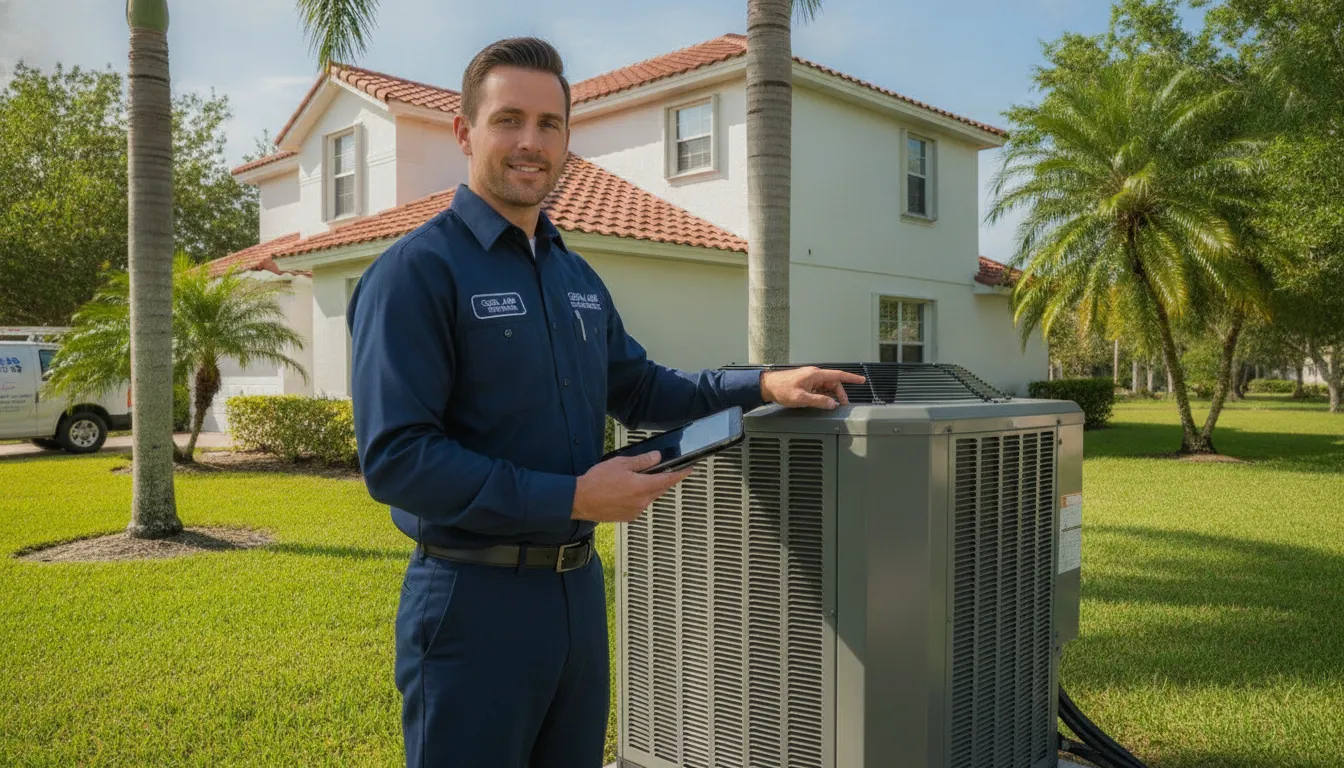
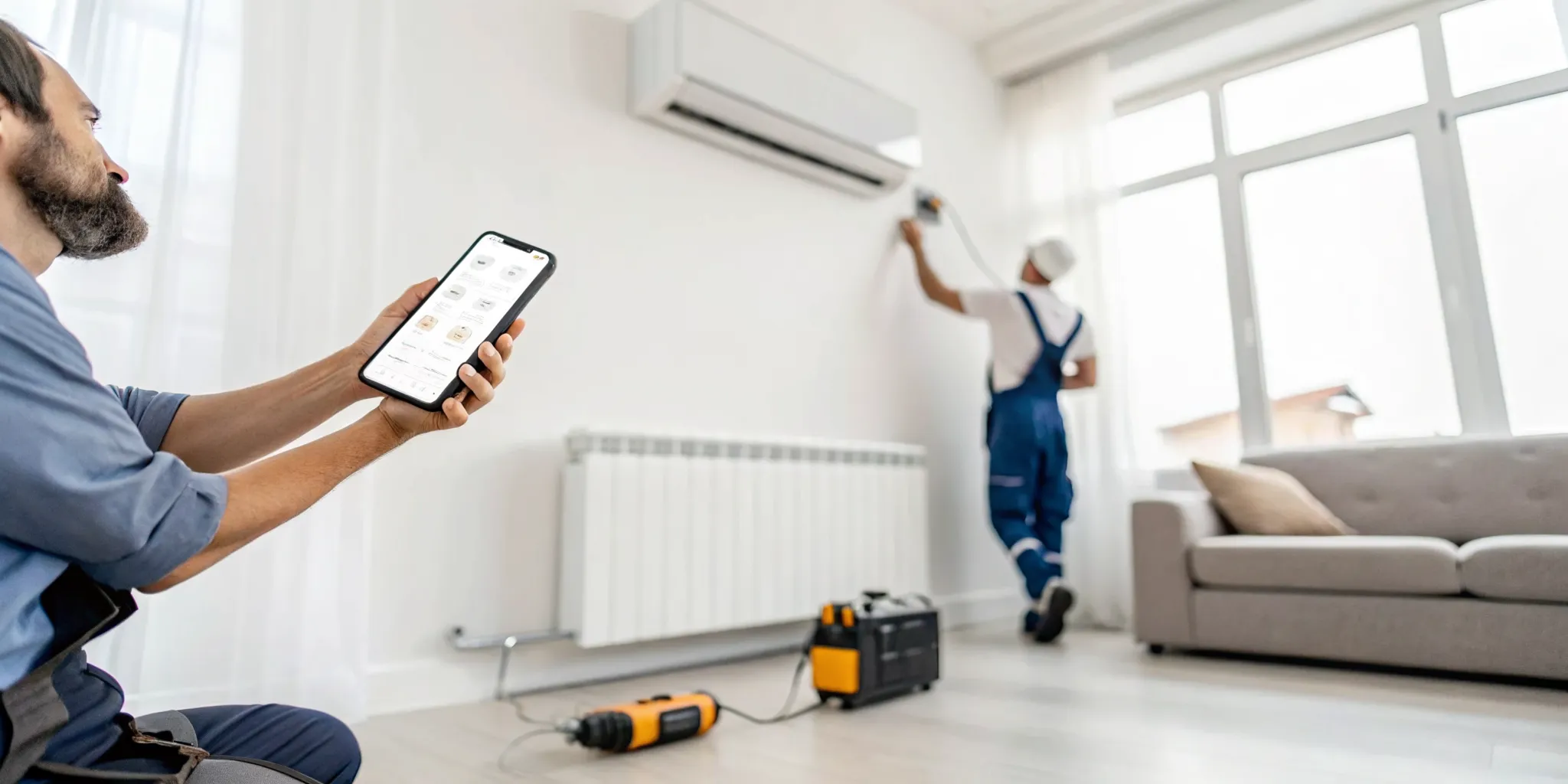
So, you’ve scheduled an appointment to have that strange AC noise checked out. Good call. Knowing what’s going on is the first step to a quiet, comfortable home. When a professional technician arrives, they’ll perform a thorough inspection to get to the root of the problem. It’s a systematic process designed to be efficient and accurate. Here’s a breakdown of what you can expect during the visit.
Checking the System's Components
First, your technician will perform a detailed visual inspection of your entire AC system. They’ll look for any obvious issues, like loose parts or panels that might be vibrating. They will also examine components like fan belts for signs of wear and tear. This initial check helps the technician get a baseline understanding of your system's condition. Think of it as a general check-up before the deep dive. Regular air conditioning maintenance can often catch these small issues before they start making a lot of noise.
Pinpointing the Source of the Sound
Next, the technician will play detective. They’ll have you describe the noise and when you hear it most often. Then, they will listen carefully near the indoor unit (the air handler) and walk outside to the condenser unit to listen there, too. This helps them isolate where the sound is coming from. Is it inside or outside? Is it constant or only when the system kicks on? By narrowing down the location, they can focus their diagnostic efforts on the right components, which is the first step toward an effective air conditioning repair.
Testing Electrical and Refrigerant Levels
Many AC noises, especially buzzing or humming, can point to electrical problems. Your technician will use specialized tools to safely test the system’s electrical connections, capacitors, and contactors. A buzzing sound could be a simple fix or a sign of a more serious issue. At the same time, they’ll check the refrigerant levels. A hissing sound often indicates a refrigerant leak, which not only affects cooling performance but can also damage the compressor. If a major electrical fault is found, it might require emergency air conditioning services.
Assessing Ductwork and Airflow
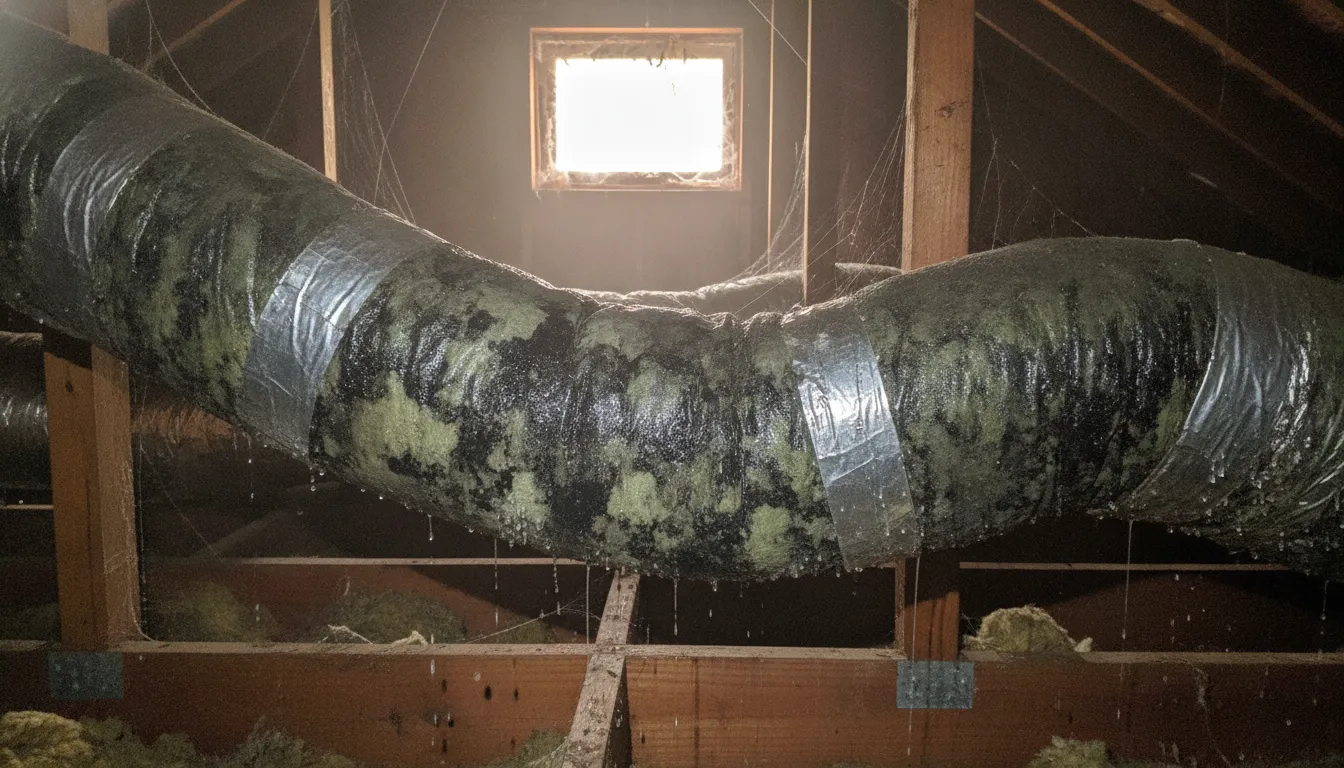
Sometimes, the noise isn't coming from your AC unit at all, but from the ductwork that distributes the cool air throughout your home. The technician will listen for whistling, rattling, or banging sounds coming from your vents and walls. These noises can indicate anything from loose or improperly sized ducts to blockages that are disrupting airflow. A thorough inspection might reveal that you need duct sanitization and replacement to solve the noise problem and improve your home's air quality at the same time.
Understanding Your Inspection Report
After the inspection is complete, the technician won’t just give you a verbal summary and a bill. A true professional provides a detailed report that clearly explains their findings. At 5 Star Air, we provide a written report with photos of the problem areas, a clear explanation of the issue, and transparent pricing for any recommended repairs or replacements. This report empowers you to make an informed decision about your home’s comfort system. If you ever have questions about your report, we encourage you to contact us so we can walk you through it.
How Much Does an AC Noise Inspection Cost?
Let’s talk about the cost, because no one likes a surprise bill. When your AC starts making a strange noise, you want to know what you’re getting into financially. The price for a noise inspection isn't one-size-fits-all, but understanding the breakdown can help you feel more prepared. The initial fee you’ll pay is typically a service call or diagnostic fee, which covers the cost of a professional technician coming to your home, using their expertise to identify the problem, and providing you with a clear path forward. At 5 Star Air, we believe in honest, upfront pricing, so you’ll know exactly what the inspection costs before we even start.
Average Costs in Southwest Florida
Generally, you can expect an initial HVAC service call in the Southwest Florida area to range from $75 to $200. This diagnostic fee covers the technician’s time and expertise to travel to your home and figure out what’s causing that mysterious noise. For a more detailed inspection, especially if the system is older or hard to access, the cost might be closer to the $200 to $350 range. This fee is just for the diagnosis. Any necessary air conditioning repair work would be an additional cost, which your technician will explain and quote for you before doing any work.
What Factors Influence the Price?
Several things can affect the final cost of an inspection and any subsequent repairs. The age and model of your AC unit play a big role, as parts for older or more obscure systems can be harder to find. The location of your unit also matters; a system in a cramped attic or on a hard-to-reach roof will require more time and effort than one that’s easily accessible. The complexity of the problem itself is another major factor. Pinpointing a simple loose part is much quicker than tracing a tricky electrical issue. If the inspection reveals a major problem, we can also discuss financing options to make the solution more manageable.
What Your Inspection Fee Includes
So, what are you actually paying for with that diagnostic fee? It’s much more than just a quick listen. A thorough inspection involves a comprehensive system check-up to find the root cause of the noise and assess the overall health of your AC. Your technician will examine the system’s electrical components, check refrigerant levels, and test the airflow. They’ll inspect the condenser, look at the thermostat’s operation, and check the drain lines for blockages. This process ensures we not only find the source of the sound but also catch other potential issues before they become bigger problems, similar to what happens during a routine air conditioning maintenance visit.
Should Your AC Service Include a Guarantee?
The short answer is yes, absolutely. A service guarantee is more than just a marketing promise; it’s a clear indicator of a company's confidence in its technicians and the quality of its work. Think of it as a safety net for your investment. When an HVAC company offers a solid guarantee, they are telling you they stand behind their repairs and are committed to getting the job done right the first time.
In a place like Southwest Florida, where a functioning AC is a necessity, you can’t afford to gamble on a quick fix that might not last. A guarantee separates the professionals from the rest. It shows that the company is focused on providing a lasting solution, not just a temporary patch. Companies that offer strong guarantees, like our own 5-star service guarantee, are invested in building long-term trust with their customers. They understand that your peace of mind is just as important as a cool home.
What to Look for in a Service Guarantee
A genuine service guarantee is specific and transparent. It should clearly state what is covered, for how long, and what the process is if a problem reoccurs. When a technician visits your home, the process should begin with a thorough diagnosis, not a quick guess. They should be able to explain the symptoms your system is showing and outline the services needed to correct the issue.
A reliable guarantee will be provided in writing and should cover both parts and labor for a reasonable period. Be wary of vague promises. You want a company that puts its commitment on paper, so you know exactly what to expect. This level of clarity shows that the company values honesty and is prepared to stand by the quality of its work, giving you confidence in the repair.
Why a Guarantee Is Key for AC Repairs
An AC repair is an investment in your home’s comfort and your system’s longevity. A service guarantee protects that investment. Ignoring strange noises or performance issues can lead to more extensive and expensive damage down the line. A guarantee ensures that if the initial air conditioning repair doesn't fully solve the problem, you won't be left paying for another service call.
Ultimately, a guarantee provides financial protection and peace of mind. It ensures that the money you spend results in a working, efficient system. When you pay for a repair, you are paying for a solution. A guarantee confirms that the company is committed to delivering that solution, even if it takes a follow-up visit. It’s a critical part of keeping your system running efficiently and preventing small issues from turning into costly breakdowns.
How to Choose a Reliable AC Tech in Southwest Florida
When your AC starts making strange noises, the last thing you want is the added stress of finding a trustworthy technician. In Southwest Florida, where a working air conditioner is a necessity, you need someone who is not only skilled but also honest and reliable. Taking a few extra minutes to vet your options can save you from surprise costs, shoddy work, and future headaches. Here are the key things to look for when choosing an AC professional.
Verify Their License and Insurance
Before you let anyone work on your HVAC system, make sure they are properly licensed and insured. This is the absolute baseline for any legitimate company. A license proves they have met the state's requirements for knowledge and competency. Insurance is just as critical, as it protects you and your home from liability in case of an accident or property damage during the repair. A professional technician will have no problem providing proof of both. At 5 Star Air, we believe in full transparency and are proud to be a fully licensed and insured company, giving you confidence from the very first call.
Read Recent Customer Reviews
Reviews are your window into a company's track record. Look for recent feedback on sites like Google and the company’s own website to see what real customers are saying. Pay attention to comments about punctuality, professionalism, and whether the technician successfully fixed the problem. While a perfect record is rare, look for a company that consistently earns positive feedback and responds professionally to any negative comments. Reading through testimonials can give you a clear picture of the service you can expect and help you feel more comfortable with your decision. It’s one of the best ways to gauge a company’s commitment to customer satisfaction.
Insist on Transparent Pricing
No one likes a surprise bill. A trustworthy AC company will be upfront about its pricing structure. While they may not be able to give you a final repair cost over the phone, they should be clear about any service call fees. The initial fee typically covers the technician's travel, time, and diagnostic work to identify the problem. Once they’ve assessed the situation, they should provide a clear, itemized quote for the AC repair before any work begins. Be wary of companies that are vague about costs or pressure you into immediate decisions. Honest pricing is a cornerstone of great service.
Confirm They Have a Service Guarantee
A service guarantee shows that a company stands behind its work. It’s a promise that if something goes wrong with the repair within a certain timeframe, they will come back and make it right. This is a huge indicator of quality and accountability. Before you agree to a repair, ask about their guarantee on both parts and labor. A company that is confident in its technicians and the quality of its parts will have no hesitation offering a solid warranty. Our 5-star service guarantee is our commitment to you that we’ll get the job done right, providing you with lasting solutions and complete peace of mind.
What to Do While You Wait for Your Appointment
You’ve made the call and your AC inspection is on the calendar. That’s a great first step. While you wait for your technician to arrive, you might be wondering if there’s anything you should be doing. The answer is yes. There are a few simple, safe things you can do to prepare for your appointment that will help your technician diagnose the problem even faster. It’s also important to know which sounds are serious enough to warrant an immediate call back for emergency service. Let’s walk through what you can do while you wait.
Safe Steps to Take Before the Tech Arrives
Think of yourself as a detective for a moment. Your technician will be able to work more efficiently if you can provide them with some clues. Start by making a list of everything you’ve noticed. Write down when the noise started, what it sounds like, and if it’s constant or intermittent. Does it happen when the AC kicks on, or does it start after it’s been running for a while? Also, document any other concerns you have, like weak airflow or rooms that aren’t cooling properly. If you can safely identify where the noise is coming from (the indoor unit versus the outdoor one), make a note of that too. This information gives your tech a valuable head start.
When to Call for Emergency Service
Sometimes, a noise is more than just an annoyance; it’s a warning sign of a serious problem that needs immediate attention. If you hear loud banging, clanking, or screeching sounds, don’t wait for your scheduled appointment. These noises often mean a part is broken or loose inside the unit, and continuing to run it could cause catastrophic damage. A new, sudden noise that you’ve never heard before is also a red flag. If your system is struggling to function or the noise is getting progressively worse, it’s time to upgrade your service call. Protecting your home and preventing a bigger, more expensive repair is the priority, so don’t hesitate to call for emergency air conditioning services.
Schedule Your AC Inspection with 5 Star Air
When you're dealing with a noisy or malfunctioning AC, you want a solution, not a sales pitch. At 5 Star Air, our entire process is built on honesty and getting to the root of the problem. We believe you deserve to know exactly what's going on with your system and what your options are, without any pressure. Scheduling an inspection with us is the first step toward a quiet, comfortable home. Our team of licensed technicians is committed to providing that 5-star service you've heard about, from the moment you book your appointment to the final report.
As a locally owned and operated business, we treat our customers in Southwest Florida like neighbors. We understand that your time is valuable and that having a broken AC is stressful, especially in the Florida heat. That’s why we focus on clear communication and efficient, thorough service. We skip the high-pressure sales tactics and instead provide you with straightforward diagnostics and practical solutions. When you're ready to get real answers about your air conditioner, our team is here to help. You can easily schedule your service online or give us a call, and we'll find a time that works for you.
What Happens After You Book
Once your appointment is set, you can feel confident knowing a professional is on the way. Our technician will start by talking with you about the issues you’ve noticed, like the type of noise and when it started. This conversation helps us get a clear picture of the problem from your perspective. Next, we perform a complete system evaluation to diagnose the root cause. This isn't just a quick look; we conduct a thorough air conditioning repair diagnostic, checking everything from cooling performance and airflow to electrical components and thermostat operation. After the inspection, we’ll email you a detailed report with our findings and clear, honest recommendations, so you have all the information you need to make a decision.
Related Articles
- 5 Signs Your AC Needs Repair
- AC Repair Services
- HVAC Tips & Insights Blog - Expert Advice from 5 Star Air
- HVAC Services in Southwest Florida - AC Repair, Installation & Maintenance | 5 Star Air
- AC Services
Frequently Asked Questions
My AC is still cooling, so can I just ignore a new noise? Even if your home feels comfortable, a new noise is your system’s way of telling you something is wrong. Think of it as a warning light on your car's dashboard. Continuing to run the unit can put extra strain on other parts, which often turns a small, simple fix into a much larger and more expensive repair. Addressing the sound early is the best way to prevent a sudden breakdown.
Is it safe for me to try and fix a simple rattling noise myself? While it might be tempting to open up the unit and look for a loose screw, it’s not a good idea. Your AC system contains high-voltage electrical components and fast-moving parts. For your safety, it's always best to leave diagnostics and repairs to a licensed professional who has the right tools and training to work on the system without risk of injury or further damage.
What's the difference between a noise inspection and regular maintenance? A maintenance visit is proactive; it’s a comprehensive check-up designed to keep your system running efficiently and prevent problems before they start. A noise inspection is reactive. It’s a diagnostic service focused on finding the specific cause of an existing problem, like a strange sound you’ve started hearing. Both are important for the health of your AC, but they serve different purposes.
If I hear a loud bang or screech, should I turn my AC off completely? Yes, you absolutely should. Loud, mechanical sounds like banging, grinding, or high-pitched screeching often signal a serious internal problem, such as a broken part. Leaving the system on can cause a chain reaction of damage, potentially destroying major components. Turn the system off at the thermostat and then call for a professional inspection.
Does the initial inspection fee go toward the final repair cost? This is a great question, and the policy can vary between companies. The initial diagnostic fee covers the technician's time, travel, and expertise to accurately identify the problem. At 5 Star Air, we believe in being completely transparent with our pricing. Before we begin any repair, we will provide you with a detailed quote that explains all the costs involved, so you can make an informed decision.