Can I Install a Mitsubishi Mini Split Myself? A Guide
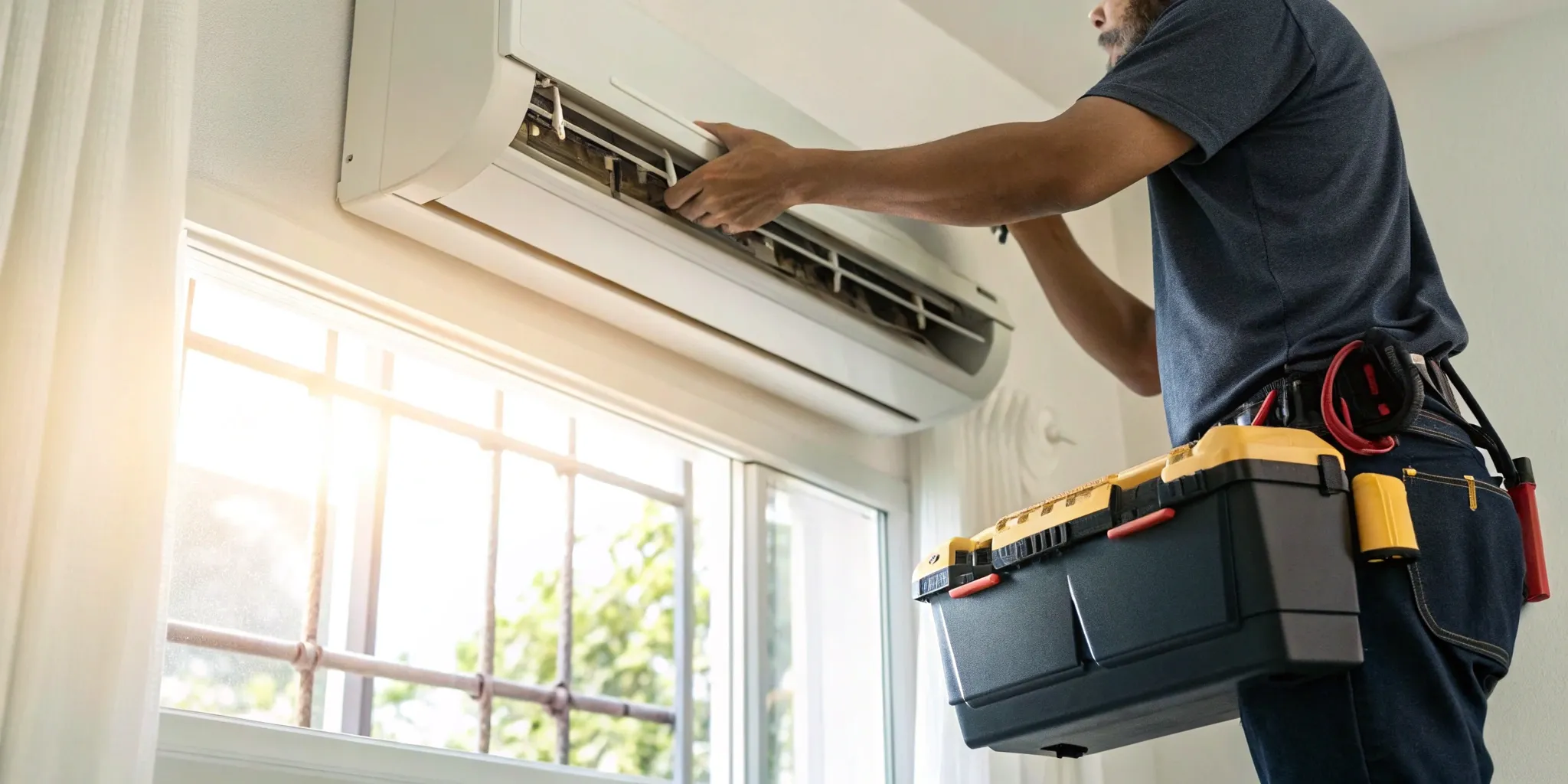
Before you even add a new Mitsubishi system to your shopping cart, there’s a critical question to consider, especially here in Florida. It’s not just can I install a Mitsubishi mini split myself, but is it legal and safe to do so? Most counties require a permit for any HVAC work, and those permits can typically only be pulled by a licensed contractor. These rules aren't just red tape; they exist to ensure your system is installed safely and meets energy efficiency codes. We’ll walk you through the legal requirements, the specialized skills needed, and the common pitfalls that can turn a money-saving project into a costly headache.
Key Takeaways
- DIY Installation is More Than a Weekend Project: Installing a mini split requires more than just a good toolkit. In Florida, you'll need to secure permits (which often require a contractor's license) and have a solid grasp of electrical wiring and refrigerant handling to do the job safely and correctly.
- Mistakes Can Cost You More Than You Save: A small error during a DIY installation can lead to big expenses. You risk voiding your manufacturer's warranty, causing refrigerant leaks that lead to costly repairs, and creating performance issues that drive up your monthly energy bills.
- Hiring a Pro Protects Your Investment: A professional installation is the best way to ensure your new system runs efficiently from day one. It guarantees the work is done safely, meets all local codes, and keeps your warranty intact, giving you long-term comfort and peace of mind.
What Is a Mitsubishi Mini Split?
If you have a room in your house that’s always too hot or an addition that isn’t connected to your central air, you’ve probably wished for a better cooling solution. That’s where a Mitsubishi mini split comes in. These are highly efficient, ductless heating and cooling systems that give you precise temperature control right where you need it. Unlike traditional HVAC systems that rely on a network of ducts to distribute air, mini splits use a compact outdoor unit connected to one or more indoor units.
This ductless design is what makes them so flexible. They can be installed in almost any space, from a new home office to a converted garage, without the need for expensive and invasive ductwork. Mitsubishi is a leader in this technology, known for creating reliable and quiet systems that are perfect for Florida’s climate. While some brands have introduced DIY versions, the technology itself is sophisticated, designed to provide powerful climate control efficiently. A proper air conditioning installation is key to getting the most out of these advanced systems.
How They Work
So, how does a mini split actually cool your room? Think of it like a high-tech heat mover. The system uses refrigerant to absorb heat from the air inside your home and transfer it to the outdoor unit, where it’s released. This process leaves your indoor space feeling cool and comfortable. In cooler months, the process can be reversed to bring heat inside. It’s this efficient heat transfer that makes them so effective. They are especially great at controlling humidity, which is a game-changer for anyone living in Southwest Florida.
Key Components and Benefits
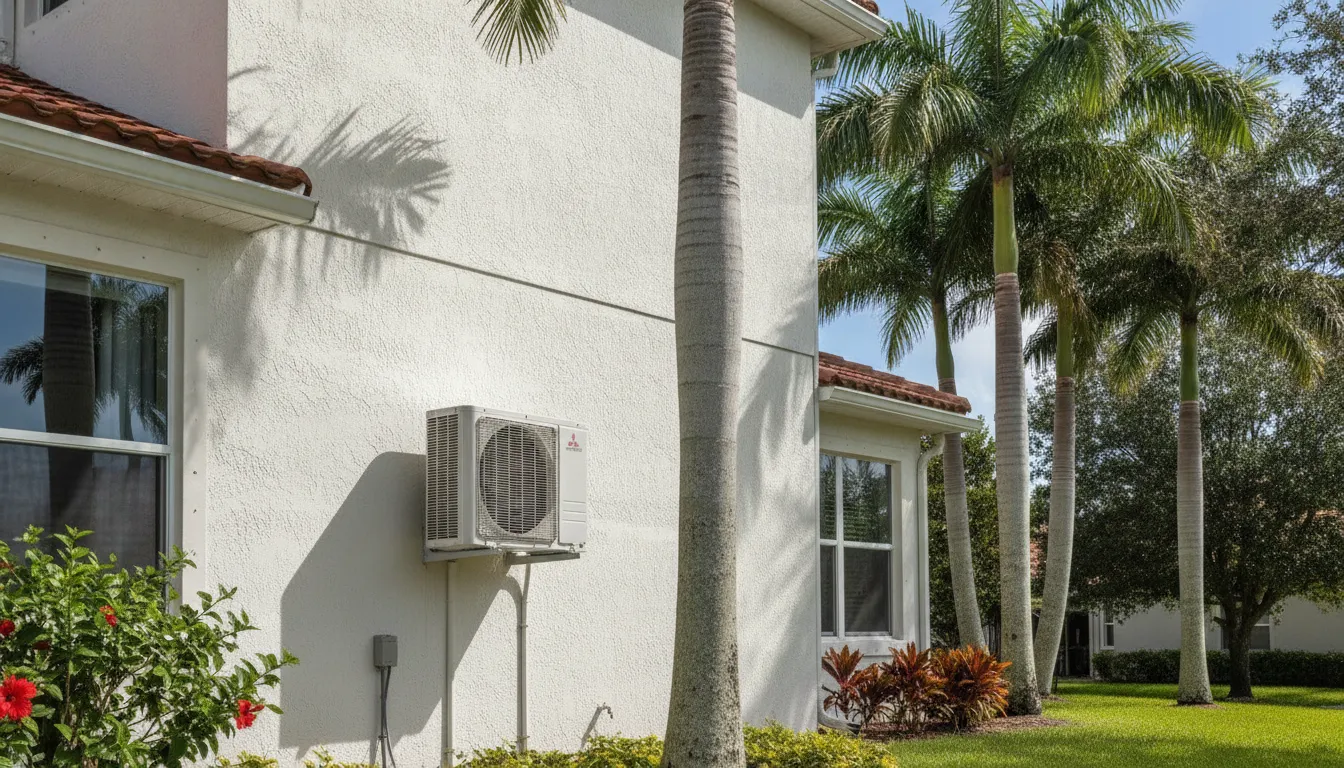
A Mitsubishi mini-split system has two main parts: an outdoor compressor and an indoor air-handling unit. These are connected by a small conduit that houses the power cable and refrigerant lines. One of the biggest advantages is that a single outdoor unit can support multiple indoor units, allowing you to create different temperature "zones" throughout your home. With proper installation and regular air conditioning maintenance, a ductless mini split can last for 20 years. This longevity, combined with their incredible energy efficiency and advanced filtration for better indoor air quality, makes them a smart investment for any homeowner.
Is It Legal to Install a Mini Split Yourself in Florida?
Before you even think about unboxing that new Mitsubishi mini split, let's talk about the legal side of things here in Florida. The short answer is that installing an HVAC system yourself isn't as simple as a typical weekend project. Florida has specific regulations in place to make sure all air conditioning work is done safely and efficiently. This isn't just red tape; it's about protecting you, your home, and your system's performance. Getting this wrong can lead to fines, failed inspections, and major headaches down the road. So, let's break down exactly what the state requires.
Florida's Permit Rules
In Florida, you absolutely need a permit for any HVAC installation or replacement, and that includes mini-split systems. There’s no getting around this one. The main challenge for a DIYer is that in most counties, you have to be a licensed HVAC contractor to pull that permit. Getting that license involves proving you have work experience and passing a state exam. This process ensures the person responsible for the installation knows exactly what they’re doing. Without the right credentials, you’ll likely hit a wall at your local building department before you can even start the air conditioning installation process.
Staying Up to Code
Getting a permit is only the first step. The actual installation work must follow Florida's specific building and energy efficiency codes. These rules cover everything from how the electrical wiring is run to where the indoor and outdoor units are placed for proper ventilation and drainage. For example, your permit application will likely require a site plan showing the exact location of your units. Failing to meet these standards can result in a failed inspection, forcing you to redo the work. These codes are designed to ensure your system runs efficiently and safely, which is crucial for maintaining good indoor air quality and keeping your energy bills in check.
What Does a DIY Mini Split Installation Involve?
Thinking about tackling a mini split installation yourself? It’s a multi-step process that requires careful planning, precision, and some specialized tools. While it might seem straightforward, each stage has technical details that are critical for getting the job done right. A proper air conditioning installation ensures your system runs efficiently and safely for years to come. Let’s walk through the major steps so you can get a clear picture of what the project entails.
Prep Your Space
Before you even pick up a drill, you need a solid plan. The first step is deciding exactly where your indoor and outdoor units will live. The indoor unit needs to be mounted high on a wall—usually about seven feet from the floor—in a spot where it can distribute air effectively throughout the room. You also have to consider the path for the refrigerant lines and electrical wiring that will connect it to the outdoor unit. This planning phase is crucial because it dictates where you’ll need to drill through your wall and how much tubing you’ll need.
Mount the Indoor and Outdoor Units
Once you’ve mapped everything out, it’s time to mount the hardware. This starts with attaching the indoor unit’s mounting plate to the wall, making sure it’s perfectly level. Then comes the point of no return: drilling a hole, typically about 2.5 inches in diameter, through your wall to the outside. This opening allows the copper tubing, condensate drain line, and electrical wires to pass through to the outdoor condenser. The outdoor unit itself needs to be placed on a stable, level pad, with enough clearance around it for proper airflow and future maintenance.
Connect Refrigerant and Electrical Lines
This is where the job gets technical. You’ll need to carefully connect the lineset (the copper tubing) from the indoor unit to the outdoor unit. This involves using a special flaring tool to create a cone-shaped opening on the ends of the tubing so they can form a leak-proof seal. You’ll then use a torque wrench to tighten the flare nuts to the manufacturer’s exact specifications—too tight or too loose, and you’ll have a refrigerant leak. If your lineset is longer than what the factory charge of refrigerant can handle (usually 25 feet), you’ll also need to add more refrigerant, which requires its own set of gauges and skills.
Test the System
You can’t just turn the system on and hope for the best. Before releasing the refrigerant, you have to verify your connections are airtight. Professionals do this by performing a pressure check, filling the lines with nitrogen up to 500 psi to confirm there are no leaks. After confirming the lines are sealed, the next step is to use a vacuum pump to remove all the air and nitrogen. This critical step gets rid of any moisture inside the pipes, which can seriously interfere with the refrigerant’s performance and damage the system over time. Only after a successful pressure test and vacuum can you release the refrigerant and power up the unit.
What Tools and Materials Will You Need?
Tackling a mini-split installation requires more than your standard weekend-warrior toolkit. While you’ll certainly need some familiar items, the most critical pieces of equipment are highly specialized for HVAC work. Getting this part right is essential for a system that runs efficiently and safely for years to come. Before you start, you need a clear picture of everything required, from the pro-grade gear to the everyday tools you might already have in your garage.
The Specialized HVAC Tools
This is where a DIY project can get complicated and expensive. To properly handle refrigerant lines and ensure a leak-free system, you’ll need several specialized tools. These aren't optional—they're crucial for the system's performance and longevity. Key items include a vacuum pump to remove all moisture and air from the lines, a nitrogen tank for pressure testing, a set of torque wrenches to tighten fittings to precise specifications, and a flaring tool to create perfect connections. As one DIYer noted after installing their own Mitsubishi system, these tools are non-negotiable for a successful installation.
Your Everyday Toolkit
Alongside the specialized equipment, you'll need a solid collection of standard tools. Make sure you have a reliable drill with various bits, a level, a stud finder, a set of screwdrivers, and an adjustable wrench. You will also likely need a hole saw to create the opening for the line set to pass through your wall. While you may already own these tools, the challenge isn't just having them—it's knowing how to use them correctly for this specific application. A solid understanding of basic construction and electrical work is a must before you even begin.
Buy vs. Rent: Breaking Down the Cost
Acquiring specialized HVAC tools represents a significant cost. You can either buy them outright or find a local supplier that rents them. Buying them can add hundreds, if not thousands, of dollars to your project total. For perspective, one homeowner spent just under $9,000 on a four-zone system, a figure that included purchasing all the necessary tools. When you hire a professional for your air conditioning installation, you're not just paying for their time and skill. You're also getting the benefit of their professional-grade equipment without the upfront cost and hassle of sourcing it yourself.
The Biggest Challenges of a DIY Installation
While the idea of a weekend project that saves you money is appealing, installing a Mitsubishi mini split is a far cry from assembling a bookshelf. These systems are sophisticated pieces of equipment, and the installation process is filled with technical hurdles that can trip up even the most ambitious DIYer. Getting it wrong doesn't just mean the system won't work; it can lead to costly damage, safety hazards, and major headaches down the road.
Before you commit, it’s important to understand the three biggest challenges you'll face: handling chemical refrigerants, performing complex electrical work, and strategically placing the units for optimal performance. Each of these steps requires specialized knowledge and tools that go beyond a standard home toolbox. Tackling them without proper training can turn your money-saving project into a much more expensive problem. That's why so many homeowners ultimately choose a professional air conditioning installation to get the job done right the first time.
Handling Refrigerant Safely
Refrigerant is the lifeblood of your mini split, but it's also a hazardous chemical that requires careful handling. This isn't a simple fluid transfer; you need specialized tools like a vacuum pump, nitrogen tank, and torque wrenches to do it correctly and safely. The goal is to create a perfectly sealed system. If your lineset—the copper tubing that connects the indoor and outdoor units—is longer than the standard 25 feet, you'll also need to add the precise amount of extra refrigerant. Guessing or making a mistake here can lead to leaks, damage the compressor, and result in a system that fails to cool your home.
Getting the Electrical Work Right
Connecting your mini split involves more than just finding an outlet. These systems have specific voltage and amperage requirements that must be met, often requiring a dedicated circuit run directly from your home's electrical panel. The wiring connects both the indoor and outdoor units, and a mistake can be dangerous, posing a fire risk or frying the system's sensitive electronics. While online guides might offer a basic overview, they can't account for your home's unique wiring. A professional AC repair technician understands electrical codes and can ensure your installation is both safe and reliable.
Placing Your Units for Peak Performance
Where you put your indoor and outdoor units has a massive impact on how well your system works. The location is one of the most critical parts of the installation. The indoor unit needs to be placed where it can distribute air evenly throughout the room, away from direct sunlight and heat sources. The outdoor unit needs proper clearance for airflow and should be placed on a stable, level pad where noise won't be an issue. Poor placement can lead to short cycling, reduced efficiency, and drainage problems, which means you'll be spending more on energy bills and future AC maintenance.
Common DIY Mini Split Installation Mistakes
Even the most skilled DIY enthusiasts can run into trouble with a project as technical as a mini split installation. It’s not like hanging a shelf; a small mistake here can lead to big headaches, from a system that doesn’t cool properly to serious damage to your home or the unit itself. Knowing the common pitfalls is the first step to avoiding them.
Leaky Refrigerant Lines
The thin copper tubes carrying refrigerant are the lifeblood of your system, and getting a perfect seal is tricky. This step requires a special flaring tool and a torque wrench to tighten the nuts to an exact specification. Overtighten, and you can crack the copper; undertighten, and you’ll have a slow leak. A refrigerant leak means your system won’t cool efficiently, your energy bills will rise, and you’ll eventually need a professional for a costly air conditioning repair.
Poor Placement and Drainage
Where you mount your units has a huge impact on performance. The indoor unit needs to be placed for even air distribution, but you also have to plan for the condensate drain line. This tube must have a consistent downward slope to prevent water from backing up and causing leaks inside your walls. The outdoor unit also needs proper clearance for airflow and a solid, level base. Thinking through the perfect placement is a key part of a successful air conditioning installation.
Skipping the Pressure Test
After connecting the lines, it’s tempting to move on, but professionals never skip the pressure test. This involves filling the lines with pressurized nitrogen to confirm your connections are completely sealed before releasing the refrigerant. Skipping this is a huge gamble. A tiny, undetected leak could cause all the refrigerant to seep out over a few months, leaving you with a system that doesn’t work and another expensive repair bill. It’s a critical quality check that ensures long-term reliability.
Ignoring the Manufacturer's Instructions
You can find dozens of online tutorials, but the only guide that truly matters is the installation manual that came with your Mitsubishi model. Every system has unique requirements for wiring, line length, and clearances. Failing to follow the instructions can damage the unit and will almost certainly void your warranty. That means if anything goes wrong, you’re on your own for the full cost of repairs. Professionals are trained on these details, which is why it pays to trust an experienced team.
What Technical Skills Do You Need?
Installing a Mitsubishi mini-split isn't like assembling furniture from a box. It demands a specific set of skills that go beyond your typical weekend DIY project. While the idea of saving money is appealing, a successful installation hinges on your technical abilities in two key areas. Before you commit, take an honest look at whether you have the know-how for the electrical work and the confidence to handle specialized refrigeration tools. Getting it wrong can lead to costly repairs and a system that never performs as it should.
Essential Electrical and HVAC Know-How
A mini-split is a sophisticated piece of equipment. Even though some guides exist online, these systems are complex and really need an expert’s touch. A proper air conditioning installation is more complicated than just putting up units and running pipes; it involves careful planning. You need a solid understanding of electrical circuits, voltage requirements, and local building codes to safely connect the system to your home’s power supply. You also need to grasp HVAC principles to ensure the unit is sized correctly and placed for optimal airflow and efficiency. Without this foundational knowledge, you risk electrical hazards and poor performance.
Confidence with Refrigeration Tools
This is where many DIY installations go wrong. To complete the job successfully, you need specialized tools like a 45-degree flaring tool, a torque wrench, a vacuum pump, and a nitrogen tank to pressure test the lines. Simply owning these tools isn't enough. It's crucial to learn how to properly flare copper pipes to create a perfect, leak-proof seal, bend them without kinking, and check the system pressure with nitrogen. Mishandling refrigerant is not only dangerous but can also cause irreversible damage to the compressor. If these tasks sound unfamiliar, it’s a strong sign that you may need professional air conditioning repair down the line to fix installation mistakes.
The Risks of Installing a Mini Split Yourself
While the satisfaction of a completed DIY project is undeniable, installing a Mitsubishi mini split isn't like assembling a bookshelf. It's a complex job that blends electrical work, refrigeration, and construction. When things go wrong, the consequences can be much more serious than a wobbly shelf. Before you commit to a weekend of YouTube tutorials and crossed fingers, it’s important to understand the real risks involved.
An improper installation can put your personal safety on the line, instantly void the manufacturer's warranty on your expensive new equipment, and create a host of performance issues that will cost you money and comfort for years to come. These aren't just minor inconveniences; they are significant financial and safety concerns that can turn a money-saving project into a costly mistake. We believe in being upfront and honest, so let’s walk through exactly what you’re taking on when you decide to install a mini split yourself.
Personal Safety Hazards
First and foremost, your safety is the top priority. Installing a mini split involves working with high-voltage electricity and heavy equipment. A simple mistake can lead to serious electrical shocks, cuts, or burns. You’ll also be lifting and mounting heavy indoor and outdoor units, often while on a ladder, which introduces the risk of falls and physical injury. Beyond the immediate dangers, mishandling refrigerant can be hazardous if not done in a well-ventilated area. Professional technicians undergo extensive safety training to manage these risks. Opting for a professional air conditioning installation ensures the job is done safely, protecting you, your family, and your home.
Voiding Your Warranty
One of the most significant financial risks of a DIY installation is voiding your manufacturer's warranty. Companies like Mitsubishi Electric invest heavily in the quality of their products, and they protect that investment by requiring their systems to be installed by certified HVAC professionals. If you install the unit yourself and something goes wrong—whether it’s a faulty part or a system failure—the warranty will not cover the repairs or replacement. You’ll be responsible for the full cost of fixing the problem, which can easily erase any initial savings from the DIY approach. A professional installation protects your investment and gives you peace of mind that your system is covered.
Creating Long-Term Performance Problems
Even if you avoid injury and don't have immediate warranty issues, a small mistake during installation can lead to major performance problems down the road. Mounting the indoor and outdoor units requires precision to ensure proper drainage and airflow. Even a tiny leak in the refrigerant lines can cause the system to lose efficiency, struggle to cool your home, and eventually lead to compressor failure—one of the most expensive parts to replace. These issues often result in higher energy bills and a shorter lifespan for your unit. When you find yourself needing frequent air conditioning repair, the cause can often be traced back to an improper installation.
The Benefits of Professional Mini Split Installation
While the DIY route is tempting, installing a Mitsubishi mini split is a project where calling in a professional pays off. It's an investment in your home’s comfort and peace of mind. A professional installation ensures your system runs efficiently from day one and sidesteps costly mistakes. When you hire a licensed team, you’re not just paying for labor; you’re paying for expertise, safety, and the assurance that the job is done right. For a system that will cool your home for years, starting with a flawless air conditioning installation is the smartest move.
Expertise and a Protected Warranty
The most important reason to hire a professional is to protect your manufacturer's warranty. Most brands, including Mitsubishi, require installation by a certified HVAC contractor to keep the warranty valid. If you install it yourself, the warranty on your new unit could be voided instantly. That means if a part fails due to an installation error, you’ll be on the hook for the full cost of repairs. Certified technicians have the specific training to handle mini splits correctly, ensuring every connection is secure and the system performs as it should. Their expertise is your best insurance against future problems.
Guaranteed Code Compliance and Permitting
In Florida, HVAC installations must meet specific local building codes and often require a permit. These regulations exist for safety and energy efficiency. A professional HVAC company handles this entire process for you. They know the local codes and will make sure your installation is fully compliant, from electrical wiring to refrigerant line placement. This guarantees your system operates safely and efficiently. Working with a locally owned and operated business ensures your project meets all regional requirements, saving you from potential fines or the need for expensive corrections down the road.
Access to Pro-Grade Tools and Techniques
A successful mini split installation requires more than a basic toolkit. Professionals use specialized equipment like vacuum pumps, manifold gauges, and flaring tools to handle refrigerant lines properly. Techniques like pressure testing with nitrogen to check for leaks or bending pipes without kinking them are skills that come from years of experience. Without the right equipment and know-how, it’s easy to make small mistakes that lead to big performance problems. When you contact a professional, you get access to their entire toolkit and the expertise needed to use it correctly, ensuring your system achieves optimal efficiency.
Should You Install a Mitsubishi Mini Split Yourself?
Deciding between a DIY installation and hiring a professional is a big deal. On one hand, you have the satisfaction and potential savings of doing it yourself. On the other, you have the peace of mind and expertise that comes with a pro. Let's break down the decision so you can figure out what’s right for you.
When a DIY Project Makes Sense
Let's be honest—the main reason homeowners consider a DIY mini split installation is to save on labor costs. And it's true, you can save a significant amount of money. Mitsubishi even offers specific DIY-friendly systems designed for homeowners. If you consider yourself an advanced DIYer, have a solid understanding of electrical work, and feel comfortable handling specialized tools, this path could be for you. People who have successfully installed their own systems often report that the instruction manuals are helpful, especially for the electrical components. This project is best suited for someone who has tackled complex home improvement jobs before and has the time and patience to follow every step precisely.
When to Call a Professional Like 5 Star Air
If you're not an experienced DIYer, or if the thought of handling refrigerant lines and high-voltage electrical connections makes you nervous, it's time to call a professional. Mini split systems are complex, and a small mistake can lead to big problems. DIY installations come with risks like electrical shocks, refrigerant leaks, and damage to the unit or your home. More importantly, a DIY installation will almost certainly void your manufacturer's warranty. A professional air conditioning installation ensures the job is done safely, correctly, and in a way that protects your investment for years to come. Our licensed and insured technicians have the right tools and training to guarantee your system runs at peak efficiency from day one.
Weighing the Upfront Cost vs. Long-Term Value
A DIY project might seem cheaper upfront, but it's important to look at the bigger picture. Even with the savings on labor, you'll still need to purchase the unit and specialized tools, which can add up to a hefty sum. One DIYer reported spending just under $9,000 for a four-zone system and the necessary equipment. Professional installation adds to that initial cost, but it provides long-term value that often outweighs the savings. A system installed by an expert is more likely to perform efficiently, last longer, and require fewer repairs down the road. This saves you money on energy bills and future service calls. If the upfront cost is a concern, we offer flexible financing options to make getting a professional, worry-free installation more accessible.
Related Articles
- Prepare Your HVAC for Florida Summer
- HVAC Tips & Insights Blog - Expert Advice from 5 Star Air
- HVAC Services in Southwest Florida - AC Repair, Installation & Maintenance | 5 Star Air
Frequently Asked Questions
How much money will I actually save with a DIY installation? While you can avoid labor costs, the total savings might be less than you think. You'll need to buy or rent specialized HVAC tools like a vacuum pump, torque wrench, and flaring tool, which can cost hundreds of dollars. When you factor in the risk of a costly mistake, like a refrigerant leak or a voided warranty, the initial savings can disappear quickly. A professional installation includes the use of all this equipment and protects your investment in the long run.
Can I hire a handyman or electrician to install my mini split? While an electrician can handle the wiring, they typically don't have the specialized tools or certifications for handling refrigerant. This is a critical part of the installation that requires specific HVAC knowledge to prevent leaks and ensure the system runs efficiently. For a safe and reliable installation that protects your warranty, you need a licensed and insured HVAC contractor who is an expert in both the electrical and refrigeration aspects of the job.
What happens if I mess up the installation? Is it fixable? Most installation mistakes are fixable, but they can be expensive to correct. If you create a refrigerant leak or damage an electrical component, you'll have to call a professional to diagnose and repair the problem. Since a DIY installation usually voids the manufacturer's warranty, you will be responsible for the full cost of any replacement parts and labor, which can often exceed the cost of an initial professional installation.
Are there any parts of the installation I can do myself to lower the cost? Yes, there are a few preparatory tasks you can handle to help streamline the process. You could clear the area where the outdoor unit will be placed or even pour the concrete pad for it to sit on. Some homeowners also handle the cosmetic work, like patching and painting the wall around the indoor unit after the installation is complete. Discussing these options with your installer beforehand is a great way to potentially reduce the overall project time and cost.
How long does a professional mini split installation usually take? A straightforward, single-zone mini split installation can typically be completed by a professional team in just one day. More complex multi-zone systems might take a bit longer. This is a huge advantage over a DIY project, which could take up an entire weekend or even longer, especially if you're learning as you go or run into unexpected issues.