Central AC Drain Clogged? A Quick DIY Guide
Does your home feel a little damp or smell musty, even when the air conditioner is running? You might blame the relentless Florida humidity, but the problem could be originating from inside your AC unit itself. A key part of your air conditioner's job is to dehumidify your home, and it does this by draining moisture away through a condensate line. When you have a central AC drain clogged, that water can't escape, leading to poor air quality, strange odors, and a system that struggles to keep you comfortable. Here’s how to spot the subtle signs of a blockage and what you can do about it.
Key Takeaways
- Stay Ahead of Clogs with Simple Habits: A monthly vinegar flush down the drain line and regular air filter changes are the most effective ways to prevent the buildup of slime and dust that cause messy backups.
- Recognize the Early Warning Signs: Pay attention to clues like puddles near your indoor unit, musty odors from your vents, or your system shutting down unexpectedly. Catching these signs early can save you from significant water damage.
- Know When to Call a Professional: While a wet/dry vac can handle minor clogs, recurring issues, signs of existing water damage, or any suspected electrical problems are your cue to step back and let a trained technician take over safely.
What's a Central AC Drain Line (And Why Should You Care)?
Your central air conditioner does more than just cool your home; it also pulls a surprising amount of moisture out of the air. But where does all that water go? It travels through a small but mighty component called the condensate drain line. Think of it as your AC system's plumbing. It’s easy to forget about this part of your unit until something goes wrong. In a humid climate like ours in Southwest Florida, this little pipe works overtime. Keeping it clear is one of the most important things you can do to prevent water damage, maintain good air quality, and keep your AC running smoothly.
How Your AC Drain Line Works
As your air conditioner runs, it pulls warm, humid air over cold evaporator coils. This process causes condensation, just like the water droplets that form on a cold glass of sweet tea. This moisture drips into a collection pan (the condensate pan) located under your indoor air handler. From there, the water is funneled into the condensate drain line, which is typically a PVC pipe that leads outside your home. This simple process is essential for maintaining comfortable humidity levels and improving your home's indoor air quality. When it’s working correctly, you’ll never even notice it.
What Happens When It Clogs
When dirt, dust, algae, or mold builds up inside the drain line, it creates a blockage. With nowhere to go, the water backs up into the drain pan and eventually overflows. This can cause serious and costly water damage to your ceilings, walls, floors, and insulation. The standing water also creates a perfect environment for mold and mildew to grow, which can trigger allergies and create musty odors throughout your home. Many modern AC systems have a safety float switch that will shut the entire unit off if it detects an overflow, leaving you without cool air. While some clogs can be a simple fix, a trained technician has the right tools to handle a stubborn blockage and prevent it from happening again, saving you the headache of a major air conditioning repair.
Is Your AC Drain Line Clogged? Here's How to Tell
Your air conditioner does more than just cool your home; it also pulls a surprising amount of moisture out of the air. That moisture, called condensate, has to go somewhere, and it’s the job of the drain line to carry it safely outside. But when that line gets clogged with algae, dust, or other gunk, the water backs up. Catching the problem early can save you from costly water damage and a major headache.
Noticing a clog isn't always as obvious as a full-blown flood in your utility closet. Sometimes the signs are subtle—a strange smell, a little extra humidity, or your system just not keeping up like it used to. Paying attention to these small changes can help you identify a blockage before it becomes a serious issue. Think of it as your AC's way of telling you something is wrong. Below are the four most common red flags that point to a clogged AC drain line. If you spot any of them, it’s time to take a closer look.
Puddles Near Your Indoor Unit
One of the most straightforward signs of a clog is finding water where it shouldn’t be. If you see puddles of water or standing water in the drain pan located under your indoor air handler, you likely have a blockage. The drain pan is designed as a failsafe to catch condensation, but it can quickly overflow if the drain line is obstructed and can’t carry the water away. A small leak can cause significant damage to your floors, ceiling, and walls over time. If you spot any unexplained moisture, it’s a clear signal that your system needs an air conditioning repair before the problem gets worse.
Musty Smells or Gurgling Sounds
Have you noticed a funky, musty smell coming from your vents when the AC kicks on? That’s often a telltale sign of mold and mildew growing inside a backed-up drain line. The standing water in a clogged pipe creates the perfect dark, damp environment for this growth to thrive. You might also hear strange gurgling or bubbling sounds coming from your indoor unit. This happens when air gets trapped in the drain line by the blockage, preventing water from flowing smoothly. These sensory clues are early warnings that your system’s drainage is compromised and could be affecting your indoor air quality.
Your Home Feels Humid or Isn't Cooling
A key part of your AC's job is to dehumidify your home. When the drain line is clogged, the moisture your system pulls from the air has nowhere to go. Instead of being drained outside, it can end up back in your home’s air, making the environment feel sticky and humid, even when the AC is running. This excess humidity also forces your air conditioner to work much harder to cool your home, leading to less efficient performance and higher energy bills. If your home feels damp or your AC just can’t seem to keep up with the Florida heat, a clogged drain line could be the culprit.
The System Shuts Off by Itself
If your air conditioner suddenly shuts down and refuses to turn back on, a clogged drain line is a very likely cause. Most modern AC systems are equipped with a safety device called a float switch in the overflow pan. When water backs up into the pan due to a clog, the float rises and triggers the switch, which automatically shuts off your entire system. This is a crucial feature designed to prevent a catastrophic flood and extensive water damage. While it’s frustrating to be without AC, this shutdown is a clear sign that you need to address the drainage issue or call for emergency air conditioning services.
Why Do AC Drain Lines Clog in the First Place?
It’s a frustratingly common problem: one minute your AC is humming along, and the next, you’re dealing with a leak or a shutdown. More often than not, the culprit is a clogged condensate drain line. Think of this little pipe as your AC’s plumbing system—it’s responsible for safely carrying away the moisture your unit pulls from the air. But just like any drain, it can get backed up.
In a humid climate like ours here in Southwest Florida, your air conditioner works overtime to dehumidify your home, which means a constant flow of water through that drain line. This creates the perfect environment for a few common issues to take root and cause a blockage. Understanding what causes these clogs is the first step toward preventing them from happening again.
Mold, Algae, and Slime Buildup
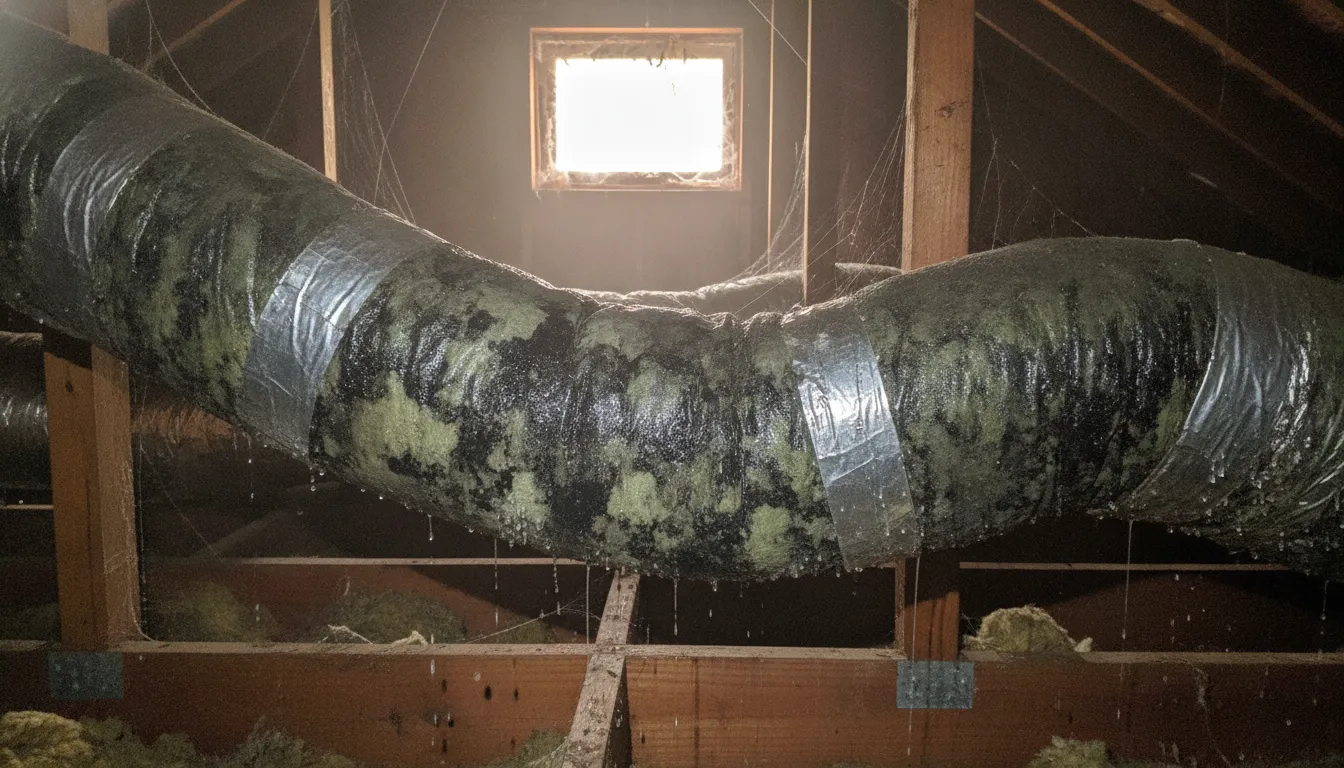
Your AC drain line is a dark, damp, and cool environment—basically a five-star resort for mold and algae. As your system pulls moisture from the air, it creates condensation that trickles down into the drain pan and out through the line. This constant moisture allows mold spores and algae to thrive, forming a slimy, gelatinous biofilm. Over time, this gunk builds up and can create a stubborn blockage that stops water from draining completely. This not only risks water damage but can also impact your home's indoor air quality as mold spores get circulated.
An Accumulation of Dust and Debris
Your AC system is constantly circulating the air in your home, which includes dust, pet dander, pollen, and other tiny particles. While your air filter is designed to catch the majority of this debris, it can’t stop everything. Smaller particles can slip through and settle on the evaporator coil. When condensation forms on the coil, it washes this accumulated dust and grime down into the drain pan. From there, it flows into the drain line, where it can mix with slime and eventually form a dense clog. This is why professional air conditioning maintenance is so important for keeping these internal components clean.
Forgetting to Change Your Air Filters
This is one of the biggest, yet most avoidable, causes of a clogged drain line. A clean air filter is your system's first line of defense against dust and debris. When the filter gets clogged and dirty, its ability to trap particles is significantly reduced. Air is forced around the filter instead of through it, carrying dust directly to the evaporator coil. This speeds up the accumulation of gunk that gets washed into your drain line. Making a habit of changing your air filters regularly is one of the simplest and most effective ways to protect your entire HVAC system and prevent messy backups.
How to Unclog Your AC Drain Line: A DIY Guide
If you’ve confirmed a clog is the culprit behind your AC troubles, the good news is that you can often clear it yourself with a few common household items. A little DIY can save you time and money, getting your system back to cooling your home in no time. Below are a few effective methods for clearing a minor blockage from your AC condensate drain line.
Remember, these steps are for simple clogs. If you try these fixes and the problem persists, or if you see signs of significant water damage, it’s time to put down the tools and call in a professional for air conditioning repair.
Safety First: Prepping for the Job
Before you start any work on your AC system, safety is your top priority. The very first thing you need to do is completely shut off the power to your unit. Start by turning the system off at your thermostat. Then, head to your home’s breaker box and flip the breaker that controls your air conditioner. This crucial step prevents any risk of electrical shock and ensures the unit doesn’t unexpectedly turn on while you’re working. Once the power is off, gather your supplies—you might need a wet/dry vacuum, distilled white vinegar, a funnel, rags, and a bucket.
Method 1: Use a Wet/Dry Vacuum
One of the most effective ways to clear a clog is to literally suck it out. For this, you’ll need a wet/dry shop vacuum. Start by locating the condensate drain line outside your home—it’s usually a white or black PVC pipe coming out of the wall near your outdoor condenser unit. Attach the vacuum’s hose to the end of the drain line. To get a good seal, you can wrap a cloth around the connection or just use your hand. Turn the vacuum on and let it run for a few minutes. This should be enough to pull the clog and any trapped water out of the line.
Method 2: Try a Distilled Vinegar Flush
If the clog is caused by algae, mold, or slime, a vinegar flush can work wonders. First, find the access tee on your indoor unit’s drain line. It’s a T-shaped PVC pipe with a cap that you can unscrew. Once you have it open, slowly pour about one cup of distilled white vinegar into the line. Let the vinegar sit for at least 30 minutes—this gives it time to break down the gunk causing the blockage. After waiting, flush the pipe with a gallon of warm water to wash everything out. This is also a great preventative step to include in your monthly AC maintenance routine.
Method 3: Use Hot Water and a Brush
Sometimes, a clog is close enough to the access point that you can tackle it more directly. If you can see the blockage, you can use a thin, flexible wire brush to gently break it up and pull it out. Be careful not to push the clog further down the pipe or be too aggressive, as you could damage the line. After you’ve manually removed what you can, follow up by flushing the line with hot (but not boiling) water. This will help wash away any remaining debris and ensure the pipe is clear for water to flow freely again.
Method 4: Clear it With an Air Compressor
For more stubborn clogs, an air compressor can provide the force needed to push the blockage out. This method is a bit more advanced, so proceed with caution. Connect the air compressor’s hose to the drain line’s access tee near the indoor unit. Use short, controlled bursts of air to push the clog through the pipe and out the other end. It’s important to use a low-pressure setting to avoid damaging the PVC pipes or their connections. This technique can be very effective, but if you’re not comfortable using an air compressor, it’s best to stick to another method or call a professional.
Don't Forget to Clean the Drain Pan
After you’ve successfully cleared the drain line, there’s one last step: cleaning the drain pan. The drain pan sits directly under your indoor air handler and catches the condensation before it flows into the drain line. If the line was clogged, this pan is likely holding stagnant water and grime. Use a rag or the wet/dry vac to remove any standing water. Then, give the pan a good cleaning with soap and water or a vinegar solution to remove any lingering mold or bacteria. A clean pan helps prevent future clogs and keeps your system running efficiently.
Common Mistakes to Avoid When Clearing a Drain Line
You’re ready to tackle that clog, which is great! A little DIY can save you time and money. But before you get started, it’s important to know what not to do. Some common "fixes" you might find online can actually cause more harm than good, turning a simple clog into a costly repair. Let's walk through a few common mistakes so you can clear your drain line safely and effectively, without accidentally creating a bigger problem for yourself. By avoiding these pitfalls, you’ll protect your AC system and ensure it keeps running smoothly long after the clog is gone.
Using Harsh Chemicals or Bleach
It can be tempting to reach for a bottle of chemical drain cleaner or bleach, thinking a powerful solution will blast the clog away. Please don’t. While some guides suggest using a diluted bleach mixture, harsh chemicals can eat away at your PVC pipes, leading to cracks and leaks over time. They can also corrode the drain pan and other sensitive components inside your air handler. Beyond damaging your system, the fumes from these chemicals can circulate through your home, affecting your indoor air quality. Stick to safer, gentler methods like distilled white vinegar, which is effective at breaking down gunk without harming your AC unit.
Forgetting to Turn Off the Power
This is the most important step, and it’s one you should never skip. Before you do anything else, you must turn off the power to your air conditioning system. Your AC unit has high-voltage electrical components, and working on it while it’s powered on puts you at risk of serious electrical shock. For complete safety, turn the system off at your thermostat and at the circuit breaker that controls your indoor air handler. This ensures the unit won’t accidentally kick on while you’re working. If you’re ever unsure about which breaker to flip or feel uneasy around electrical components, it’s always best to call for emergency AC services.
Trying a Fix Without the Right Tools
While a wet/dry vac and a bottle brush can handle many clogs, some blockages are more stubborn. If you find yourself trying to improvise with a coat hanger or another makeshift tool, it’s time to stop. Poking around inside the drain line with the wrong equipment can easily puncture the pipe, push the clog further down the line, or damage the drain pan. Our technicians have specialized tools designed to clear lines without causing damage. If your initial attempts aren't working, don't force it. It’s much smarter (and often cheaper) to schedule a professional air conditioning repair than to pay for a punctured pipe and the resulting water damage.
When to Skip the DIY and Call a Pro
I love a good DIY project as much as anyone. There’s a real sense of accomplishment in fixing something yourself. But when it comes to your home’s HVAC system, knowing when to step back is just as important as knowing how to use a wet/dry vac. A clogged drain line can seem like a simple fix, but sometimes it’s a symptom of a bigger issue. Pushing forward with a DIY solution when you’re in over your head can turn a minor inconvenience into a major headache, potentially causing expensive damage to your AC unit or your home.
Your air conditioner is a complex machine where water, electricity, and refrigerant work in close quarters. That combination means some jobs are best left to those with the right training and tools. If you’ve tried the basic clearing methods and you’re still stuck, or if you encounter any of the situations below, it’s time to call in a professional. A licensed technician can quickly and safely diagnose the root of the problem, ensuring your system gets the proper air conditioning repair it needs to run efficiently and keep your home comfortable.
The Clog Keeps Coming Back
Clearing a clog only to have it return a few weeks later is incredibly frustrating. If you feel like you’re stuck in a loop of constantly cleaning your AC drain line, it’s a clear sign that something more is going on. A recurring clog often points to a more significant underlying issue that a simple flush can’t fix. The problem could be an improperly sloped drain line from the initial installation, a blockage deep within your walls, or even excessive slime buildup caused by a system imbalance. A professional can investigate the true source of the issue, ensuring a permanent fix rather than a temporary patch. This saves you from a recurring weekend chore and prevents long-term strain on your AC.
You Suspect an Electrical Issue
This is a non-negotiable one: if you suspect an electrical problem, stop what you’re doing and call a professional immediately. Your AC unit has safety switches that are designed to shut the system off if water backs up into the drain pan, which is a good thing. However, if you’re also noticing flickering lights when the AC kicks on, breakers tripping, or any unusual buzzing sounds from the unit, you could be dealing with a separate electrical fault. Attempting to fix a clog in this situation can be dangerous. Our fully licensed and insured technicians are trained to safely handle the electrical components of your HVAC system, diagnosing the issue without risking injury or further damage.
You Already Have Signs of Water Damage
By the time you see physical evidence of water damage, the clog has likely been an issue for a while. Look for tell-tale signs like water stains on the ceiling or walls near your indoor unit, warped floorboards or baseboards, or visible rust and corrosion on the unit itself. A persistent musty smell is another red flag. If you notice any of these signs, it’s crucial to call a professional to assess the situation right away. Water can cause serious structural damage and create the perfect environment for mold growth, which can harm your home’s indoor air quality. Don’t wait for the problem to get worse; it’s time to call for help.
How to Prevent Future AC Drain Clogs
After clearing a clog, the last thing you want is a repeat performance. The good news is that a few simple habits can keep your AC drain line flowing freely. Taking a proactive approach not only prevents water damage but also helps your entire system run more efficiently, saving you from stress and unexpected repair bills down the road. Think of it as a small investment of your time that pays off in a big way.
Simple Monthly Maintenance Habits
One of the easiest ways to prevent slime and algae from building up is to flush your drain line periodically. Once a month, pour a cup of distilled white vinegar into the condensate line access opening (the T-shaped PVC pipe near your indoor unit). The vinegar’s acidity helps kill any gunk starting to form before it can create a blockage. While you’re there, take a quick peek at the drain pan to make sure it’s dry. This simple, five-minute task is a powerful preventative measure that supports your system’s health between professional tune-ups.
Change Your Air Filters Regularly
Your AC’s air filter is the first line of defense against dust and debris. When it gets clogged, those particles have nowhere to go but into your AC system, where they can mix with condensation and form sludge in the drain line. Check your filter every month and plan to replace it every 30 to 90 days, depending on your filter type and household factors like pets or allergies. Keeping up with this simple task not only prevents clogs but also improves your home’s indoor air quality and helps your system cool more effectively.
Schedule Professional AC Maintenance
While DIY steps are fantastic, they don’t replace the need for an annual professional tune-up. During a maintenance visit, a technician does much more than a quick flush. They use specialized tools to thoroughly clean the entire condensate system, check for proper drainage, and inspect other critical components of your AC unit. Scheduling routine air conditioning maintenance is the best way to catch potential problems early, improve your system’s performance, and extend its lifespan. It’s a smart investment that ensures your AC is ready to handle the Florida heat without any surprises.
Related Articles
- Benefits of Regular HVAC Maintenance
- 5 Signs Your AC Needs Repair
- HVAC Tips & Insights Blog - Expert Advice from 5 Star Air
- HVAC Maintenance Services
Frequently Asked Questions
How often should I flush my drain line with vinegar? Making a vinegar flush part of your monthly routine is a great habit. Pouring about a cup of distilled white vinegar down the line every 30 days or so is usually enough to prevent the buildup of slime and algae that causes most clogs. If you live in a particularly humid area or have pets, you might do it a little more often, but once a month is a solid rule of thumb.
My AC shut off, but I don't see any water. Could it still be a clogged drain line? Yes, absolutely. Many modern air conditioners have a safety feature called a float switch inside the drain pan. If water backs up because of a clog, it lifts the float, which automatically shuts down your entire system to prevent a flood. This means the switch often does its job before you ever see a puddle, so a sudden shutdown is one of the most common signs of a blockage.
Is it safe to use a chemical drain cleaner from the store? It’s best to avoid using harsh chemical drain cleaners on your AC line. These products are designed for sturdy household plumbing, not the PVC pipes and sensitive components of your HVAC system. The chemicals can corrode the pipes and the drain pan, leading to cracks and leaks that are much more expensive to fix than a simple clog. Sticking with distilled white vinegar is a much safer and still effective choice.
Can a clogged drain line really make my house feel more humid? It certainly can. A huge part of your air conditioner's job is to pull moisture out of the air. That collected water is supposed to exit your home through the drain line. When the line is blocked, that water has nowhere to go and can get re-evaporated back into your home's air, making everything feel sticky and damp even while the AC is running.
I'm not comfortable doing this myself. Is this something a professional can handle quickly? Of course. Clearing a drain line is a very common and straightforward task for a trained HVAC technician. If you're not comfortable with the DIY steps or if your attempts don't solve the problem, calling a professional is the smartest move. We have the right tools to clear the line safely and can also check to make sure there isn't a bigger issue causing the recurring clogs.