Key Commercial HVAC Components and Their Functions
Think of your building’s HVAC system as its own body. The cooling and heating units are the heart, pumping lifeblood throughout the structure. The ventilation network acts as the lungs, ensuring a constant flow of fresh, clean air. And the control center is the brain, telling every other part what to do. For your business to stay healthy and comfortable, all these parts must work together in harmony. This guide will serve as your anatomy lesson, breaking down the most important commercial HVAC system components and their functions. Understanding how these pieces connect will help you identify problems faster and maintain a more efficient, reliable, and healthy indoor environment for everyone.
Key Takeaways
- Understand your system's four core functions: Your commercial HVAC is not just one unit; it's a combination of heating, cooling, ventilation, and control systems. Knowing how they work together helps you spot issues early and maintain performance.
- Prioritize regular maintenance to save money: Consistent professional tune-ups are the key to preventing costly emergency repairs and lowering your energy bills. This proactive approach also improves air quality and extends the lifespan of your system.
- Match the HVAC type to your business needs: There is no one-size-fits-all solution for commercial HVAC. Selecting the right system, like a rooftop unit or a multi-zone setup, is essential for achieving both optimal comfort and energy efficiency.
What Are the Parts of a Commercial HVAC System?
When you think about your business’s HVAC system, you probably picture the unit that keeps your space cool and comfortable. But a commercial system is much more than that. It’s a complex, interconnected network designed to control the temperature, humidity, and air quality throughout your entire building. Understanding the main components can help you spot issues early and communicate more effectively with your technician when you need a repair. Think of it as four distinct but cooperative systems: heating, cooling, ventilation, and controls.
Each part has a specific job, from generating heat on a rare chilly day to circulating fresh, clean air for your employees and customers. The heating system provides warmth, while the cooling system, a true workhorse here in Florida, removes heat and humidity. The ventilation network acts like the building's lungs, distributing conditioned air and removing stale air. Finally, the control center is the brain, telling all the other parts what to do and when. When all these components work in harmony, you get a comfortable, efficient, and healthy indoor environment. A problem with any one of these parts can affect the entire system, which is why a professional air conditioning installation is so critical for long-term performance.
The Heating System
While we don’t get many cold snaps in Southwest Florida, a reliable heating system is still a must for any commercial building. This system typically relies on one of a few key components. Furnaces are common, burning fuel like natural gas to generate powerful heat that gets distributed through your ductwork. For larger buildings, boilers are often used; they heat water that circulates through pipes to provide warmth. Then there are heat pumps, which are incredibly efficient, all-in-one units. They work by moving heat, pulling it from the outside air to warm your building in the winter and pushing heat out to cool it in the summer.
The Cooling System
The cooling system is the MVP of any Florida HVAC setup. Its job is to cool the air and, just as importantly, remove moisture. Standard air conditioners do this for smaller commercial spaces, but larger buildings often use chillers, which cool water that then circulates to cool the air. A tiny but mighty component in this process is the thermal expansion valve. It acts as a gatekeeper for the refrigerant, controlling its flow to ensure the system cools efficiently. When any of these parts malfunction, you’ll feel it fast, which is why prompt air conditioning repair is essential to keep your business running smoothly.
The Ventilation Network
Your ventilation network is what moves conditioned air throughout your building. The main player here is the ductwork, a series of channels that act as highways for air. To manage where that air goes, the system uses dampers, which are like small gates inside the ducts that can open and close to direct airflow. All of this is powered by the air handler, a large unit containing a blower that pushes the air through the ducts and into your different rooms and zones. Keeping this network clean is crucial for health and efficiency, making services like duct sanitization a key part of regular maintenance.
The Control Center
The control center is the brain of your entire HVAC system, telling every other component what to do. In its simplest form, this is a thermostat on the wall. However, most modern commercial systems use more advanced building controls. These can be sophisticated Direct Digital Controls (DDC) that use computers and sensors placed throughout the building to monitor conditions and adjust performance automatically. This not only maintains perfect comfort but also improves energy efficiency by ensuring the system only works as hard as it needs to. If you're looking to upgrade your system's controls for better performance, it's best to contact us for a professional consultation.
How Your HVAC System Generates Heat
Even in Florida, we get those chilly days where you need to warm things up. But how does your HVAC system actually create that cozy heat? It’s not a one-size-fits-all answer, and the technology behind it is pretty fascinating. Different systems use different methods, from traditional furnaces that burn fuel to modern heat pumps that cleverly move warmth from one place to another. Understanding how your specific unit works is more than just trivia; it can help you spot problems early, make smarter decisions about your energy use, and keep your home comfortable all year long. When you know what’s happening behind the scenes, you’re better equipped to maintain your system and know when to call for help. A well-functioning heating system isn't just about comfort, it's also about safety and efficiency. Knowing the basics empowers you to have more informed conversations with your technician and ensures you get the best performance from your investment. Let's look at the three main ways your HVAC system generates heat so you can feel confident about the technology keeping you warm.
Furnaces and Gas Units
Many systems rely on a furnace to do the heavy lifting, especially in climates with colder winters. When your thermostat signals for heat, the furnace ignites its burners to burn fuel, like natural gas or propane. This process generates hot combustion gases that pass through a heat exchanger, warming the metal. Your system's blower then pushes cool indoor air over the hot exterior of the heat exchanger. The air warms up instantly and is then distributed through your building's ductwork, delivering consistent comfort to every room. It’s a powerful and reliable way to heat a space, but it’s important to keep it in top shape. Regular air conditioning maintenance ensures your furnace operates safely and efficiently when you need it most.
Boilers and Hydronic Heating
Another method, often found in larger or older buildings, involves boilers. Instead of heating air directly, a boiler heats water. This hot water, or sometimes steam, then circulates through a network of pipes to radiators, baseboard heaters, or even tubing under the floor. This is called hydronic heating, and it’s known for providing a gentle, radiant warmth that feels very comfortable and doesn't dry out the air as much as forced-air systems might. The heat radiates from the surfaces, warming objects and people in the room directly. While less common in newer Florida homes, it's an incredibly effective technology for steady, even heat.
Heat Pumps and Exchangers
Heat pumps are the multitaskers of the HVAC world and an incredibly popular choice in Florida for their efficiency. These versatile systems handle both heating and cooling. Instead of burning fuel to create heat, a heat pump simply moves it. In winter, it uses a refrigerant to absorb warmth from the outside air (even when it feels cold!) and transfers it inside your home. The heat exchanger is the key component that allows for this efficient transfer of thermal energy. Because it's moving heat rather than generating it from scratch, this process makes them a very energy-efficient option for year-round climate control and a smart choice for a new air conditioning installation.
How Your HVAC System Cools Things Down
Ever wondered how your AC unit turns a sweltering Florida day into a cool, comfortable escape? It’s a common misconception that air conditioners create cold air. In reality, they work more like a heat sponge, pulling heat and humidity from inside your home and moving it outside. Think of it as a heat transfer system. This process relies on a special fluid called refrigerant, which cycles through a closed loop of components, constantly changing from a liquid to a gas and back again.
Each part of your cooling system has a specific job, from the compressor that gets things moving to the coils that handle the heat exchange. When all these components work together seamlessly, you get that refreshing blast of cool air. But if one part fails, the entire system can struggle or stop working altogether. Understanding this cycle can help you spot problems early and know when it’s time to call for a professional air conditioning repair. Let’s walk through the key players that make the magic happen.
AC Units and Compressors
The air conditioner is the star of the show, responsible for both cooling the air and removing moisture. The compressor is the engine that drives this whole process. Usually located in your outdoor unit, the compressor acts like the heart of the system. It takes in low-pressure refrigerant gas and squeezes it, increasing its pressure and temperature. This hot, high-pressure gas is then pushed along to the next stage of its journey. A healthy compressor is essential for an efficient AC, and if it fails, you might be looking at a significant repair or even a full system replacement.
Chillers and Cooling Towers
While most homes use standard AC units, larger commercial buildings often rely on a different setup involving chillers and cooling towers. Instead of cooling the air directly with refrigerant, a chiller cools water. This chilled water is then pumped through pipes to air handlers throughout the building, which blow air over the cold pipes to cool the space. The chiller absorbs heat from the water, and a cooling tower is often used to release that collected heat into the outside air. It’s a powerful and efficient way to manage the climate in large-scale environments like office buildings, schools, and hospitals.
Evaporator and Condenser Coils
Your AC system has two sets of coils that are crucial for heat exchange: the evaporator coil and the condenser coil. The evaporator coil is located inside your home, usually within the indoor air handler. Here, the cold, low-pressure liquid refrigerant absorbs heat from your indoor air as it passes over the coil, turning the refrigerant into a gas. On the flip side, the condenser coil is in the outdoor unit. The hot, high-pressure refrigerant gas flows here to release the heat it collected indoors. A large fan blows air over the coil to help dissipate the heat into the atmosphere. Keeping these coils clean is a vital part of routine air conditioning maintenance.
Refrigerant Lines and Valves
Refrigerant is the lifeblood of your cooling system, and it travels through a set of copper tubes called refrigerant lines, which connect the indoor and outdoor units. Along this path, a tiny but mighty component called the thermal expansion valve plays a critical role. Located just before the evaporator coil, this valve controls how much refrigerant enters the coil. As the high-pressure liquid refrigerant passes through the valve, its pressure drops suddenly, causing it to become intensely cold. This precise control ensures the system cools efficiently. If this valve malfunctions, it can disrupt the entire cooling cycle, leading to poor performance and potential damage.
Why Ventilation Is Key to Fresh, Clean Air
Think of your HVAC system’s ventilation network as its respiratory system. It’s not just about pushing hot or cold air around; it’s about circulating fresh, clean air throughout your entire building to keep the environment healthy and comfortable. In a place like Florida, where humidity and allergens are a constant battle, a properly functioning ventilation system is non-negotiable. It’s the difference between a stuffy, stale space and one that feels fresh and invigorating. This network is responsible for everything from air circulation and distribution to filtration and purification, ensuring every breath you take is a clean one.
Air Handlers and Blowers
The air handler is the heart of your ventilation system, containing the blower or fan that gets the air moving. This powerful component is what pushes the conditioned air from your AC unit or furnace into the ductwork and out into your rooms. Without a properly working blower, all that perfectly cooled air would just sit in the unit, not doing you any good. If you’ve ever felt weak airflow from your vents, a problem with the blower motor could be the culprit. Keeping this part in top shape is essential for consistent comfort and efficient operation.
Ductwork and Air Distribution
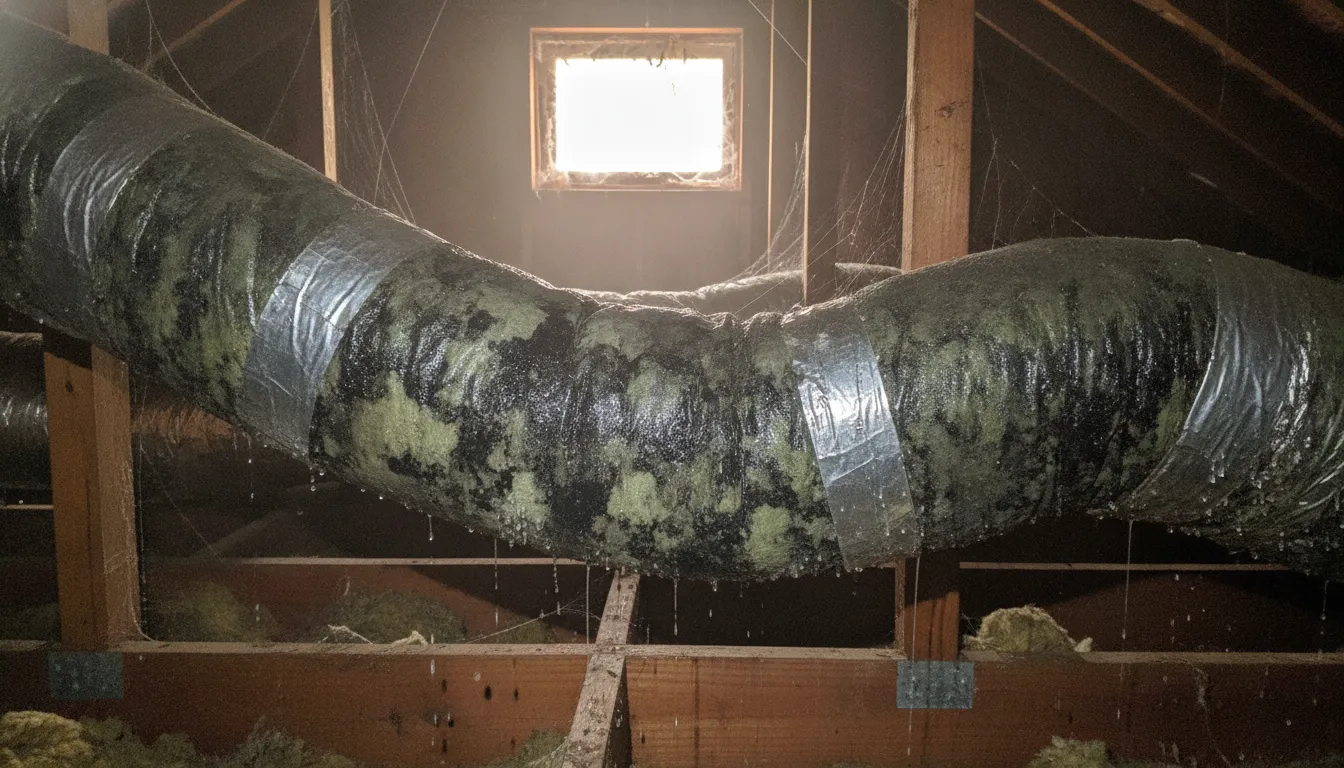
If the air handler is the heart, then the ductwork is the circulatory system. This network of tubes carries conditioned air from the central unit to every corner of your building. For it to work effectively, the ductwork must be properly sealed and insulated. Leaky or dirty ducts can lead to significant energy loss, uneven temperatures, and poor indoor air quality as dust, pollen, and other contaminants get pulled in and circulated. That’s why professional duct sanitization is so important for maintaining a healthy and efficient system.
Fresh Air Intake and Exhaust
A building needs to breathe, too. The fresh air intake does exactly what it sounds like: it pulls in outside air to prevent the indoor environment from becoming stale and saturated with pollutants like CO2, VOCs, and odors. The exhaust system then pushes old, stale air out. This constant exchange is vital for maintaining healthy air quality. In commercial systems, components called economizers can even use cool outside air to supplement the AC, saving energy while keeping the air fresh. It’s a smart, efficient way to ensure a constant supply of clean air.
Air Filters and Ventilators
Air filters are your system’s first line of defense, trapping dust, dirt, pet dander, and other allergens before they can circulate through your space. These filters are usually located inside the air handler and need to be changed regularly to keep air flowing freely. For an extra layer of protection, ventilators and humidity control systems can be added. Ventilators help exchange stale indoor air with fresh outdoor air, while dehumidifiers remove excess moisture, which is crucial for preventing mold growth in Florida’s climate. Regular air conditioning maintenance ensures these components are always working to protect your air.
The Brains of the Operation: HVAC Controls
If the heating, cooling, and ventilation components are the heart and lungs of your HVAC system, then the controls are the brain. These devices are the command center, telling every other part what to do and when to do it. Without a functioning control system, your powerful AC unit is just a large metal box. It’s the controls that sense the temperature, monitor humidity, and manage airflow to create a comfortable and healthy indoor environment for your home or business.
Modern HVAC controls go far beyond a simple on/off switch. They use sophisticated technology to maintain precise temperatures, optimize energy consumption, and improve your overall indoor air quality. From a programmable thermostat that adjusts the temperature based on your daily schedule to a complex system that manages different zones in your building, these components are essential for both comfort and efficiency. Investing in the right controls can lead to significant savings on your energy bills and a more pleasant atmosphere for your family or employees. They give you the power to tailor your indoor climate to your exact needs, ensuring every room feels just right. Understanding how these controls work helps you get the most out of your system and make informed decisions when it's time for an upgrade or repair.
Thermostats and Temperature Sensors
The thermostat is the part of the HVAC system you interact with most. At its core, a thermostat is a sensor that reads the temperature in a room and compares it to your desired setting. If the room is warmer than your setting, it signals the air conditioner to turn on. Once the target temperature is reached, it tells the system to shut off. While older mechanical thermostats did this job simply, modern digital and smart thermostats offer much more precision and control. Programmable models let you set different temperatures for different times of day, saving energy while you’re away or asleep.
Smart Building Management Systems
For larger homes or commercial properties, a smart building management system acts as a central hub for all HVAC components. These integrated systems allow you to monitor and adjust everything from a single interface. They do more than just manage temperature; they can optimize energy use across the entire building, track performance, and provide valuable data to help you make smarter decisions about your energy consumption. According to the U.S. Department of Energy, a smart thermostat alone can be a great tool for managing your home's heating and cooling costs, and a full management system takes that to the next level.
Zone Control for Custom Comfort
Have you ever noticed that one room in your house is always colder than the others? A zone control system is the perfect solution. This setup divides your home or office into different "zones," each controlled by its own thermostat. This allows you to set different temperatures for different areas independently. You can keep the living room cool and comfortable without freezing the empty guest bedroom. Zone control not only provides personalized comfort for everyone but also prevents energy waste by not cooling unused spaces. It’s a popular feature to consider during a new air conditioning installation.
Dampers for Airflow Regulation
Dampers are the unsung heroes that make zone control possible. Think of them as valves inside your ductwork. These metal plates can open, close, or partially close to control how much conditioned air flows into each zone. When a specific zone’s thermostat calls for cooling, the central control system instructs the dampers in the corresponding ducts to open, directing airflow where it’s needed. Dampers are crucial for regulating your entire system and ensuring it runs efficiently. Proper ductwork and damper function are key to a balanced and effective HVAC system.
Finding the Right Fit: Types of Commercial HVAC Systems
Choosing the right HVAC system for your business isn't a one-size-fits-all decision. The best fit depends on many factors, including your building's size, layout, insulation, and how you use the space. A small boutique has very different needs than a sprawling warehouse or a multi-story office building. Here in Florida, where the heat and humidity are a constant battle, making the right choice is even more critical for keeping your employees productive, your customers comfortable, and your energy bills in check. An oversized system will cycle on and off too frequently, wasting energy and failing to properly dehumidify the air, which can lead to that sticky, clammy feeling. On the other hand, an undersized unit will run constantly without ever reaching the set temperature, leading to premature wear and tear on expensive components. Understanding the main types of commercial systems is the first step toward making a smart investment in long-term comfort and efficiency. Each system offers unique benefits, from space-saving designs to highly targeted temperature control. Getting familiar with these options will help you have a more productive conversation with an HVAC professional to find the perfect solution for your property. Let's look at some of the most common setups for businesses.
Packaged Rooftop Units
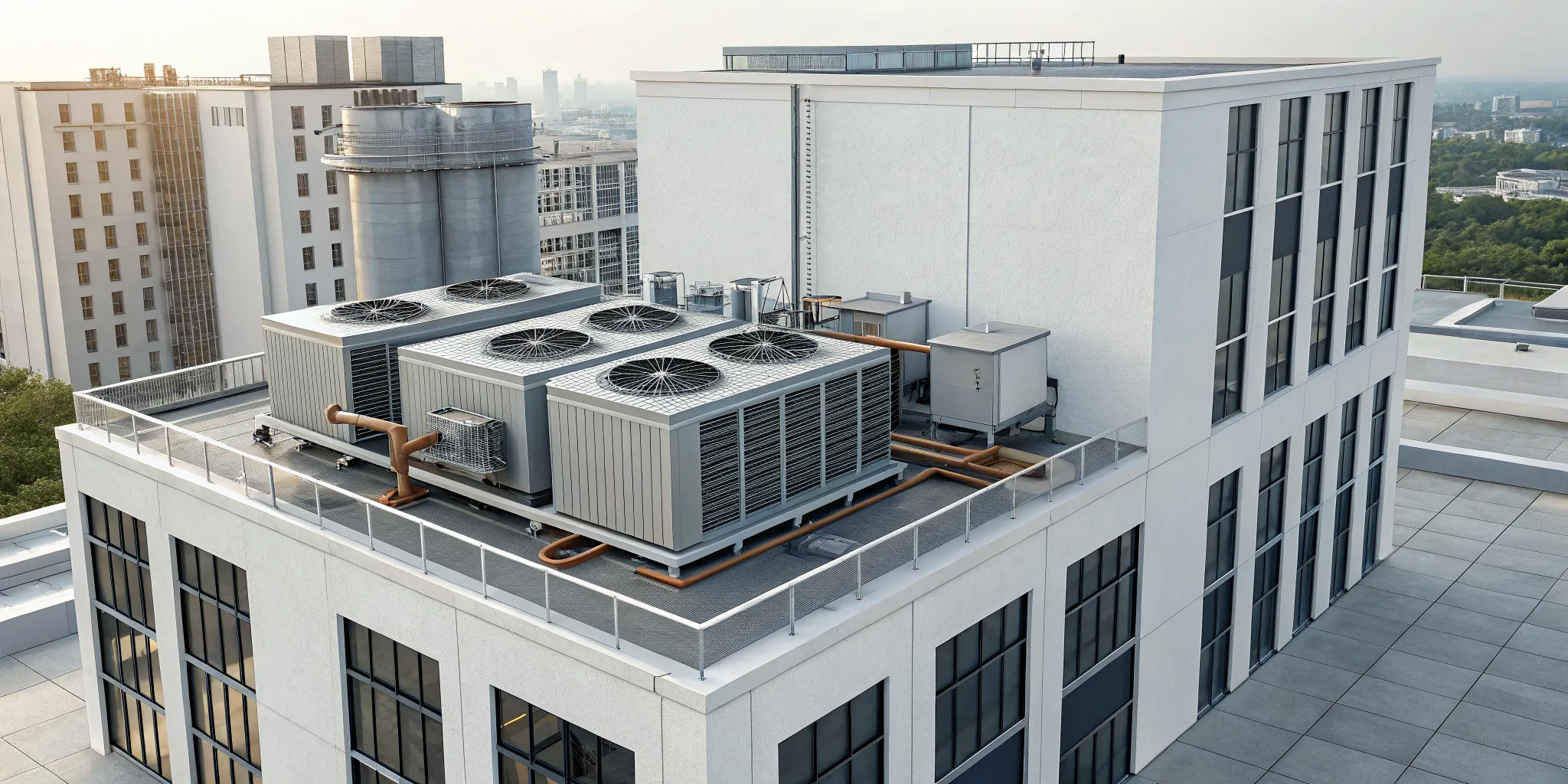
You’ve probably seen these unassuming metal boxes on the roofs of retail stores, restaurants, and small office buildings. Packaged rooftop units, or RTUs, are an incredibly popular choice for commercial spaces because they are efficient, all-in-one systems. All the essential components for both heating and cooling are housed together in a single, durable cabinet. This self-contained design is a huge space-saver, as it keeps bulky equipment out of your valuable indoor square footage. Because the entire system is assembled and tested in a factory, installation is often faster and more straightforward than with other types of systems. They are a practical and reliable choice for many Florida businesses.
Split and Multi-Zone Systems
If you need more flexibility, a split or multi-zone system might be the answer. Much like the central air system in a home, these setups have two main parts: an outdoor unit (with the compressor and condenser) and one or more indoor units (the air handlers). This "split" design allows for customized temperature control across different areas, or "zones." For example, you can keep a server room extra cool without freezing out the reception area. This zoning capability not only improves comfort for employees and customers but also helps manage energy use by only cooling or heating the spaces that need it, which is a smart way to lower operating costs.
Variable Refrigerant Flow (VRF) Systems
Variable Refrigerant Flow, or VRF, systems are one of the most energy-efficient options available today. These are often ductless systems that use refrigerant to simultaneously heat and cool different parts of a building. A VRF system is incredibly smart; it circulates only the minimum amount of refrigerant needed to achieve the desired temperature in each zone. This precise control makes them exceptionally efficient, leading to significant savings on utility bills. They are ideal for buildings with diverse needs, like hotels, medical offices, or mixed-use spaces where one room might need heat while another needs cooling at the same time. They also operate very quietly, which is a great bonus.
Centralized Chilled Water Systems
For very large commercial properties like hospitals, high-rises, and university campuses, a centralized system is often necessary to handle the massive heating and cooling load. These powerful systems typically use a chiller to produce cold water and a boiler for hot water. This water is then pumped through a network of pipes to air handlers located throughout the building, which heat or cool the air. While the initial air conditioning installation is complex, these systems are highly effective and efficient for managing the climate in expansive, multi-level structures. They provide a robust and reliable solution for the most demanding commercial environments, ensuring consistent comfort across a large footprint.
The Payoff: Benefits of a Healthy HVAC System
Keeping your commercial HVAC system in top shape is about more than just avoiding a sweaty, uncomfortable building. Think of it as an investment that pays you back in multiple ways. When your system runs smoothly, it’s not just quietly doing its job; it’s actively saving you money, protecting the health of everyone inside, and giving you priceless peace of mind. In the relentless Florida heat, a reliable HVAC system is the unsung hero of your business, ensuring customers stay comfortable and your team stays productive.
A well-maintained system is an efficient system. It uses less energy, which is great for your budget and the environment. It also circulates cleaner, healthier air, reducing allergens and irritants that can affect well-being. Plus, by catching small issues before they become big, expensive problems, you extend the life of your equipment and prevent surprise breakdowns that can bring your operations to a halt. It’s a proactive approach that keeps you in control, ensuring your building is always a safe, comfortable, and welcoming place.
Lower Energy Bills
Let’s talk about a benefit everyone loves: saving money. A healthy HVAC system is an energy-efficient one. When coils are clean, filters are fresh, and all parts are lubricated and working correctly, your system doesn’t have to strain to cool your space. This efficiency translates directly into lower monthly energy bills. Over the course of a year, those savings can really add up. Regular air conditioning maintenance ensures your unit operates at peak performance, so you’re only paying for the energy you actually need. It’s a simple way to make your business more sustainable and keep more money in your pocket.
Better Air Quality and Happier People
Ever notice how a stuffy room can make you feel sluggish and unfocused? Your HVAC system plays a huge role in the quality of the air you, your employees, and your customers breathe every day. A well-maintained system with clean filters and ducts is your first line of defense against dust, pollen, mold spores, and other airborne pollutants. By improving your indoor air quality, you create a healthier environment for everyone. This can lead to fewer sick days for your team and a more pleasant experience for anyone who walks through your doors. Clean air just makes people feel better, and that’s good for business.
Fewer Breakdowns and a Longer Lifespan
Nothing disrupts a business day faster than a broken air conditioner, especially in the middle of a Florida summer. Proactive maintenance is the key to avoiding those stressful and costly emergency repairs. Just like a car needs regular oil changes, your HVAC system needs professional tune-ups to keep it running reliably. A small investment in regular care can prevent major component failures and extend the life of your system by years. This means you can delay the massive expense of a full replacement and enjoy consistent, worry-free comfort. It’s about protecting your investment and ensuring your system is there for you when you need it most.
Staying Up to Code
Commercial HVAC systems are subject to a web of local, state, and national regulations, including building codes and energy standards. Staying compliant isn’t just about checking a box; it’s about ensuring the safety of your building and everyone in it. A properly maintained system operates safely and efficiently, minimizing risks. Working with a licensed and insured team ensures that every air conditioning installation and replacement or repair meets all current requirements. This protects you from potential fines and liability issues, giving you one less thing to worry about while you run your business.
Common HVAC Problems to Watch Out For
Even the most reliable HVAC system can experience issues from time to time. Knowing what to look for can help you catch problems early, preventing a minor annoyance from turning into a major expense. Being proactive is key to keeping your system running smoothly, especially during those hot Florida months. Here are a few of the most common problems you might encounter and what they mean for your system.
Frequent On-and-Off Cycling
Have you noticed your air conditioner turning on and off every few minutes? This is called short cycling, and it’s a clear sign that something is wrong. It puts a lot of unnecessary wear and tear on your system’s components, which can lead to premature failure. The cause could be anything from a clogged air filter restricting airflow to an oversized unit that cools the space too quickly. A malfunctioning thermostat can also be the culprit. If your system is short cycling, it’s best to schedule an air conditioning repair to get it diagnosed and fixed before it causes more serious damage.
Refrigerant Leaks and Pressure Drops
Refrigerant is the substance that flows through your AC system to absorb heat and cool your home or business. If it starts leaking, your system’s cooling power will drop significantly. You might notice your AC is running constantly but not blowing cold air, or you may even see ice forming on the evaporator coils. A refrigerant leak not only hurts performance and increases energy bills but can also damage the compressor, one of the most expensive parts of your unit. Handling refrigerant requires special certification, so this is a job that should always be left to a licensed professional.
Clogged Filters and Restricted Airflow
Your HVAC system’s air filter is its first line of defense, trapping dust, pollen, and other debris. When it gets clogged, it forces your system to work much harder to pull in air. This restricted airflow can lead to a host of problems, including reduced efficiency, higher energy bills, and even system overheating. A dirty filter also negatively impacts your indoor air quality by allowing contaminants to circulate through your space. The good news is that this is an easy fix. Check your filter every month and replace it when it’s dirty to keep your system breathing easy.
Faulty Controls and Sensors
Your HVAC system relies on a network of controls and sensors to operate correctly. The thermostat, for example, tells the system when to turn on and off to maintain your desired temperature. If these components fail, your system can behave erratically. A faulty sensor might not register the correct temperature, causing your unit to run too long or not long enough, leaving you uncomfortable and wasting energy. Diagnosing electrical control issues can be complex, so if you suspect a problem with your thermostat or sensors, it’s wise to call in an expert for an accurate assessment and repair.
Why Regular Maintenance Is Your Best Defense
Think of your HVAC system like a car. You wouldn't drive it for years without an oil change or a tune-up, right? The same principle applies to the system that keeps your Florida home or business comfortable year-round. Proactive care is always smarter, simpler, and less expensive than dealing with an emergency breakdown in the middle of a summer heatwave. A small investment in regular maintenance can save you a lot of money down the road by extending the life of your system and keeping your energy bills in check. It’s the single best thing you can do to protect your equipment and ensure it runs efficiently when you need it most.
Scheduled Inspections and Monitoring
The core of any good maintenance plan is a regular, professional inspection. This is where a trained technician can spot small issues before they spiral into costly disasters. During a scheduled visit, we check electrical connections, test system controls, inspect condensate drains, and look for signs of wear and tear on all the critical components. Catching a frayed wire or a clogged drain line early can prevent a complete system failure. Consistent air conditioning maintenance not only gives you peace of mind but can also extend the life of your system by several years, protecting your investment and ensuring reliable comfort.
Keeping Filters and Coils Clean
One of the simplest yet most critical parts of HVAC maintenance is keeping things clean, especially the filters and coils. A dirty filter forces your system to work much harder to pull in air, which increases your energy bills and puts unnecessary strain on the equipment. The same goes for your system's coils. According to the EPA, even a thin layer of dirt on your condenser coils can reduce its cooling efficiency by over 20%. That’s a significant drop. Regularly changing filters and having your coils professionally cleaned helps your system run smoothly, lowers costs, and improves your indoor air quality by trapping dust, pollen, and other allergens.
The Value of Professional Tune-Ups
While changing an air filter is a task most people can handle, a professional tune-up goes much deeper. Our technicians have the tools and expertise to perform a comprehensive system checkup that goes beyond the basics. This includes cleaning and inspecting evaporator and condenser coils, checking refrigerant levels, lubricating moving parts, and calibrating your thermostat for accuracy. These adjustments ensure your system is running at peak performance, which translates directly into lower energy consumption and a more comfortable environment. Scheduling regular professional tune-ups is the best way to keep your HVAC system healthy, efficient, and ready to handle the Florida heat.
Related Articles
- HVAC Tips & Insights Blog - Expert Advice from 5 Star Air
- Benefits of Regular HVAC Maintenance
- How to Prepare Your HVAC for a Florida Summer
Frequently Asked Questions
How often should I have my commercial HVAC system serviced? For a business in Florida, scheduling professional maintenance at least twice a year is a smart move. A tune-up in the spring prepares your system for the demanding summer cooling season, and another check in the fall ensures it’s ready for any cooler weather and running efficiently. This regular attention helps catch small problems before they cause a major breakdown, keeps your energy bills lower, and ensures your system has a long, reliable life.
What are the signs that my system might be the wrong size for my building? If your unit turns on and off every few minutes, a condition known as short cycling, it might be too large for your space. This prevents it from properly removing humidity, leaving the air feeling clammy. On the other hand, if your system runs constantly but never seems to reach the temperature you set on the thermostat, it’s likely too small and is struggling to keep up. Both situations waste energy and cause excessive wear, so getting a professional assessment is key.
My energy bills are really high. How much of that is related to my HVAC system? In a commercial building, the HVAC system is often the single largest consumer of electricity. If you've noticed a sudden spike in your bills or they've been creeping up over time, your system is a prime suspect. An aging unit, dirty coils, clogged filters, or low refrigerant can all force the system to work much harder, driving up energy use. A professional tune-up can often restore much of its original efficiency and make a noticeable difference in your operating costs.
How do I decide between repairing my current system and replacing it entirely? This is a big decision, and it usually comes down to a few key factors. Consider the age of your unit; if it's over 10-15 years old, a replacement might be more cost-effective in the long run. You should also weigh the cost of the repair against the price of a new system. If a repair costs 30 to 50 percent of a new unit, replacement is often the wiser investment. Finally, think about frequency. If you're constantly calling for repairs, a new, reliable system will save you money and a lot of headaches.
Besides changing the filter, what can I do to improve my building's air quality? Changing your air filters regularly is a great first step, but for truly fresh air, you can go further. Professional duct cleaning and sanitization is one of the most effective ways to remove built-up dust, allergens, and potential mold from your ventilation network. You can also consider installing an air purification system or a whole-building dehumidifier, which is especially helpful here in Florida for controlling moisture and preventing that stuffy, sticky feeling.